
Common Fibs Candidates Tell
From inflating salary expectations to making up false references, there are numerous ways candidates lie in job interviews. You may have told some of these common fibs as well. But why do we feel the need to fabricate our skills and qualifications, especially when potential employers can usually see through these exaggerated claims? Here's a look at 10 white lies people often tell in job interviews—and 10 tips that'll help you show up as your most confident (and honest) self.

1. Salary
To secure a better package offer, job candidates typically inflate their salary expectations or lie about their previous salary when asked. Oftentimes, they do this because they either feel undervalued in their role, given their skills and experience, or because they believe that inflating the number will allow them to be in a better position for negotiation.

2. Educational Background
Job candidates may also exaggerate—or even fabricate—their educational background. For example, they may lie about their academic achievements, swap out their real degree for one that the role requires, or even claim to have gone to a school they never went to.

3. Skills
Another common thing job candidates often lie about in interviews is their skills. Despite having no formal certification or experience in certain areas, they will still embellish their skillset and claim expertise and familiarity with industry tools that they've never worked with before.

4. Language Fluency
Some people lie about the languages they're fluent in as well, even if they're only familiar with one—their native tongue. But when finding work abroad or in different industries, having fluency in multiple dialects is seen as an invaluable skill, and one that might make all the difference. This is why candidates may feel the need to embellish.
 Leonardo Toshiro Okubo on Unsplash
5. Accomplishments
Job candidates don't only lie about their skillset—they may sometimes fabricate claims about what they've accomplished in the past, too. They may inflate their previous roles with a better title, exaggerate their responsibilities, or lie about promotions they never got.

6. Strengths & Weaknesses
Another common lie candidates tell in job interviews is about their strengths and weaknesses. They may claim that their weakness is perfectionism, or that their strength is time management—even when these are both exaggerated or aren't true at all.

7. Work History
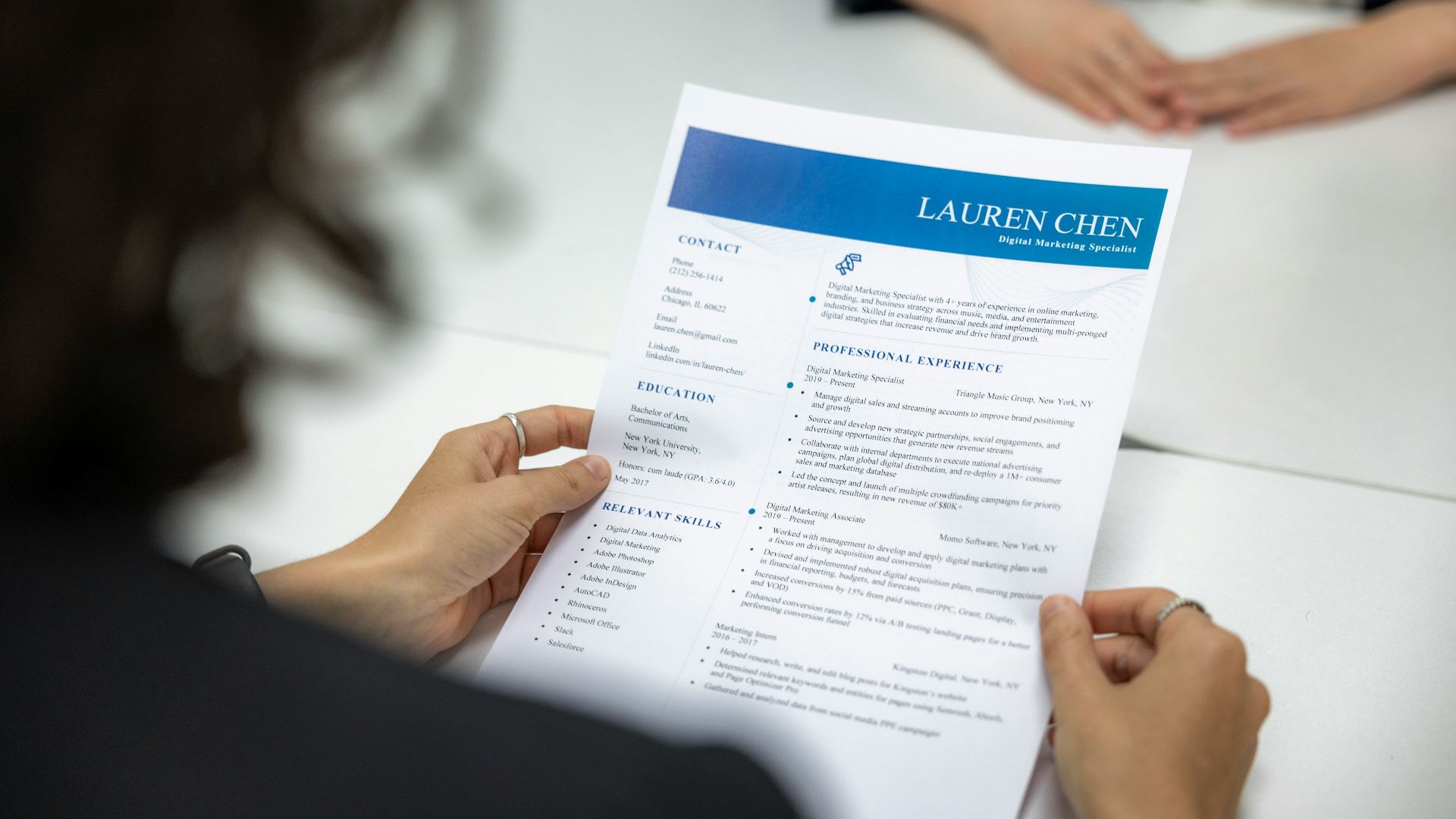
When some jobs require ample experience or certain skills from applicants, candidates may also lie about their work history to seem as if they've taken on similar responsibilities in the past. Again, they may also inflate their previous job titles or fabricate certain certifications or accomplishments to help leverage them.
8. Past Job Terminations
Candidates who have been terminated from their jobs in the past or have noticeable gaps in their work history may also fabricate stories, as they assume that they won't be considered if they were to be honest. They may also lie if they were the ones who chose to leave their previous workplace.

9. AI Usage
With AI becoming more and more prevalent and common in our everyday lives, job candidates may also find it easier to prepare for interviews by using these tools. However, they might leave AI on in the background as well while an interview is happening—only to lie when asked about it.

10. References
Believe it or not, candidates may lie about their references as well, going so far as to list someone they don't know personally or a person who doesn't exist at all. They might also enlist their friends and family to help by giving them inflated or false job titles and qualifications.
As you can see, candidates may fabricate claims for any and every aspect so long as it gives them leverage in their interviews and applications. However, it's always better to be honest instead, and employers will appreciate that quality in their potential hires more. Read on for 10 tips for being more confident in your next interview, so you don't need to resort to lying.

1. Research, Research, Research
Before you hop onto any interview, you want to make sure you've done thorough research of the company you're interviewing with. What are their values? What are their goals? What interesting things have they done recently that stand out? Who will be conducting the interview? The more you know about what you're getting into, the more confident you'll be.
 Glenn Carstens-Peters on Unsplash
2. Practice, Practice, Practice
After you do your research, make sure to practice, practice, practice. Read out your elevator pitch. List out your strengths and weaknesses (real ones!). Be persuasive in your tone. Find relevant examples or experiences and expand them in the STAR (situation, task, action, result) format. This way, you'll be prepared and ready to go when the big day comes.
 The Jopwell Collection on Unsplash
3. Be Honest
Please, be honest. As we've already covered, there are many white lies (or outright ones) that candidates tell in a job interview, and you don't want to be that person. Even if you want to put yourself in a good light, you still shouldn't fabricate your skills, qualifications, experience, and references.

4. Let Your Personality Shine Through
In addition to being honest, make sure to allow your personality to shine through. Believe it or not, even though interviews are there to allow potential employers to assess your skills and experience, they're also looking for a personality match. When they picture you in the role, do you fit in their environment? Would you mesh well with the current team? So, instead of worrying about the right things to say, let your personality do some of the heavy lifting.

5. Make a Cheat Sheet—Not a Script
It's okay to bring a cheat sheet with you to your interview, especially if it'll be a digital one. On this piece of paper, you might want to jot down key points about the company, relevant examples and skills you want to highlight, and questions for the interviewer. What you don't want to bring is a 12-page script listing out exactly what to say.

6. Pause Before You Speak
It's common to feel anxious before and during an interview, and it's normal to feel like you can't seem to organize the words in your head to speak coherently and eloquently. But remember: it's okay to take pauses, and to ask your interviewer for time to think. You don't need to answer right away. Take a moment to think through the question they're asking, then speak when you're ready.

7. Reframe the Stakes
Instead of telling yourself that you have to get this job, try reframing the stakes. It's not the end of the world if you get rejected, and there are always more opportunities waiting for you. View rejections as a mismatch between you and the role—don't think of them as a reflection of your skills and abilities.

8. It's a Conversation
At the end of the day, an interview is just a conversation. It will only take about 30 minutes of your day, and when it's over, you'll realize just how short it was. Try not to let your nerves dampen your confidence; you've had plenty of conversations about your work and experience before, so treat interviews the same way.
 Christina @ wocintechchat.com on Unsplash
9. Visualize Success
Visualizing success may actually help you be successful. Try imagining yourself in the role, or imagine that you've already aced the interview. By picturing happy, positive thoughts, you're more likely to reach your goals and achieve the things you want.

10. Remember You're Interviewing Them Too
Not only is an interview just a conversation, but it's also a chance for you to interview the company back. Many people tend to think of it as an interrogation that they need to do well in, but it's important to reframe this expectation, as it'll only make you more nervous. Ask yourself: Do you want to work for them? Do you like the work culture? Would you be able to collaborate well with the team and the manager? Remember to assess the company and interview them as much as they are interviewing you.