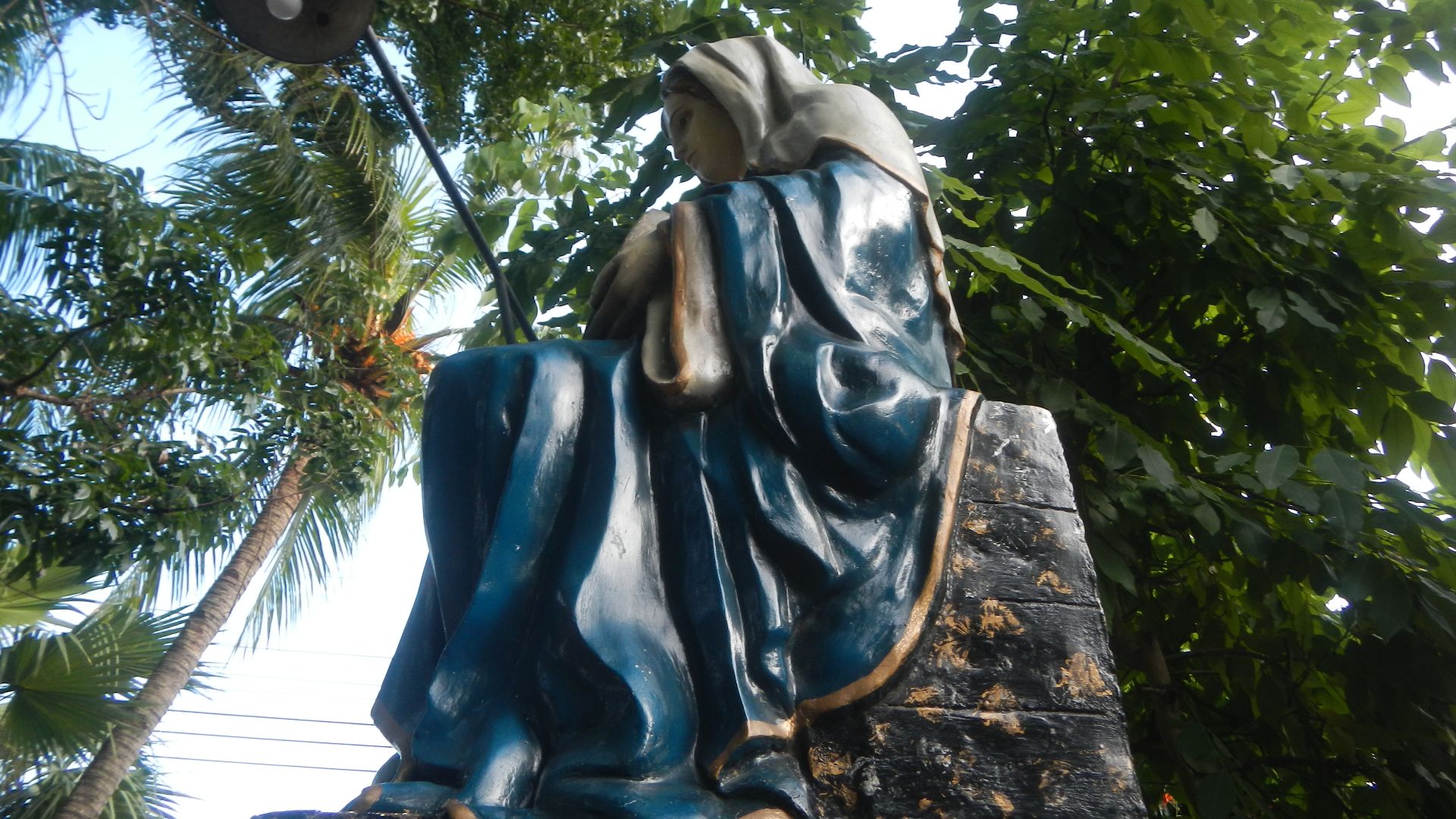
One Name, Big Meaning
A confirmation name marks a turning point in your faith, joining you to something deeper than a ceremony. It enters prayers, echoes through sacraments, and shapes how your story is remembered in the Church. But finding a name is not about exploring what sounds impressive. It’s about choosing one that reflects your convictions. Here are ten tips for selecting a confirmation name that feels steady and fits you just right.

1. Pray For Guidance
Before opening any book or list, begin with a quiet prayer. The Church teaches that confirmation is a sacrament of maturity, so seeking spiritual clarity honors its significance. Many candidates find clarity through stillness. Discernment begins here with intentional reflection before any decision is made.

2. Reflect On Saints
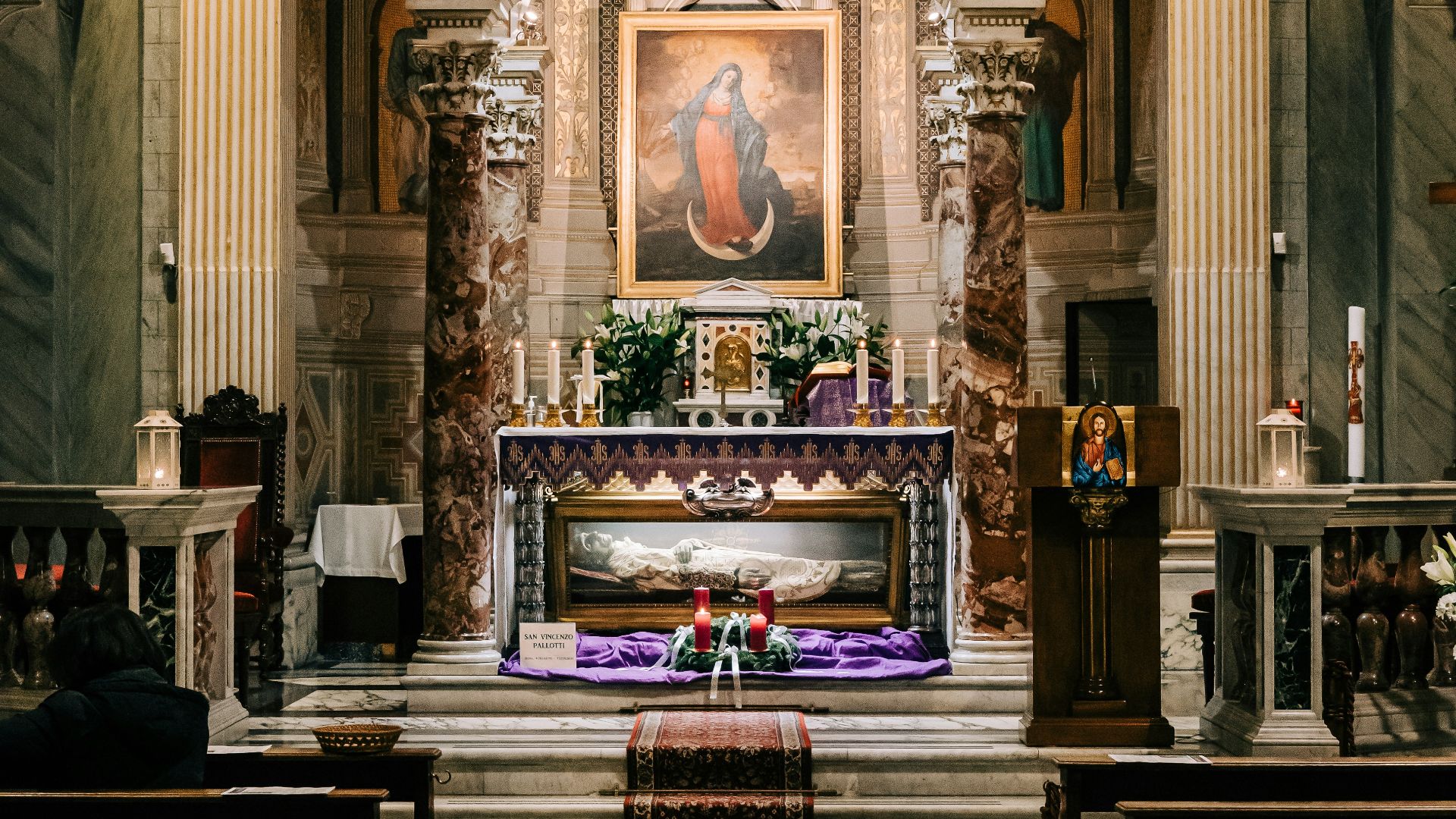
Who stood for what you value most? That’s a question saints help answer. Their lives weren’t glamorous but deeply grounded in virtue. Some were scholars, others martyrs. Some healed, others led. Choosing a saint mirrors the desire to have similar courage or conviction.
 Gabriella Clare Marino on Unsplash
3. Consider Personal Values
Rather than picking a name that merely sounds traditional, align it with a value that defines the journey: compassion, justice, and humility. A name rooted in value reinforces this commitment. It reflects what’s cherished now and what should remain a compass into adulthood.

4. Think Role Models
Who has influenced your moral compass? It might not be a saint, but a teacher or mentor. Compare their virtues to those of saints. If there’s alignment, explore saints who lived those virtues boldly. The name then bridges personal influence and divine example.

5. Look To Heritage
In many Catholic communities, ancestral faith traditions play a major role in name selection. Whether Italian, Filipino, Mexican, or Polish, saint names hold strong familial or regional ties. Honoring heritage through a saint’s name anchors personal faith to generational spiritual memory.
6. Read Saint Biographies
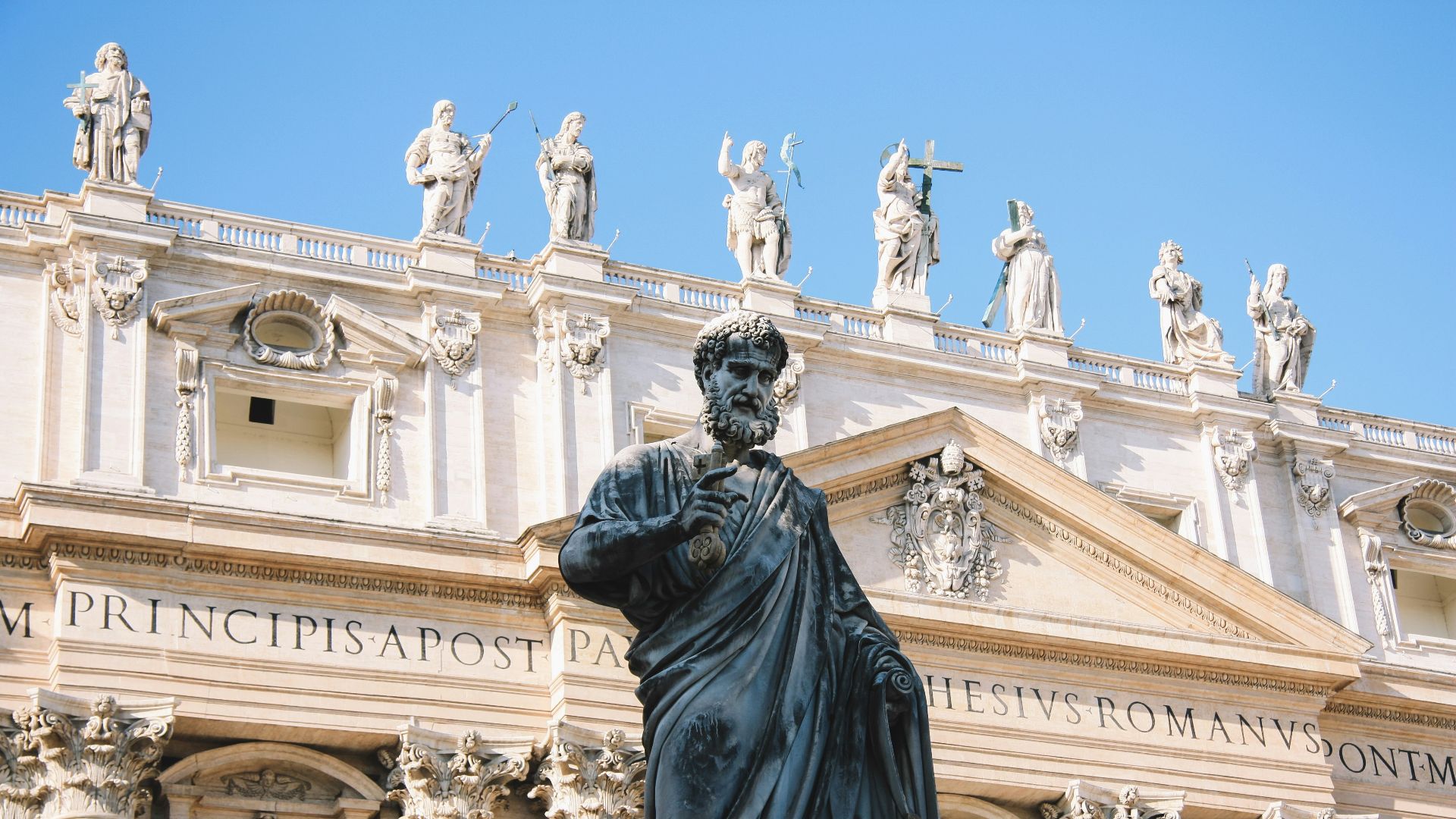
Skimming a saint’s biography reveals more than timelines; it shows struggle and transformation. For instance, Saint Augustine's conversion wasn't immediate; his journey was intellectual and emotional. Learning these stories will create a genuine connection, especially when experiences feel relatable. That connection brings the name alive.

7. Talk To A Sponsor
Confirmation sponsors are more than ceremonial. Many of them have walked this path before and can offer unique insight into names they chose or wish they had. Their wisdom can highlight considerations that go unnoticed. A simple conversation could shift your entire thought process, leading to more thoughtful choices.

8. Stay True To Faith
Avoid choosing based on popularity or appearance. Faith-centered names serve a deeper purpose. The Church encourages reverence in this choice because the name becomes part of liturgical history. Staying rooted in faith ensures the name endures in both personal memory and spiritual identity.

9. Avoid Trendy Picks
A name trending on social media might not hold up in solemn moments. Trends fade; sacraments do not. The Church doesn’t ban modern names but asks for reverence. Names with spiritual depth reflect a candidate’s understanding of the moment, so avoid fleeting influences.

10. Attend A Confirmation Mass
Sit in the pews during a local confirmation ceremony. Listen to the names being spoken. Watch how each candidate carries that moment. Experiencing the rite from the outside offers clarity. It places your decision in a real context—not just as tradition, but as lived faith.
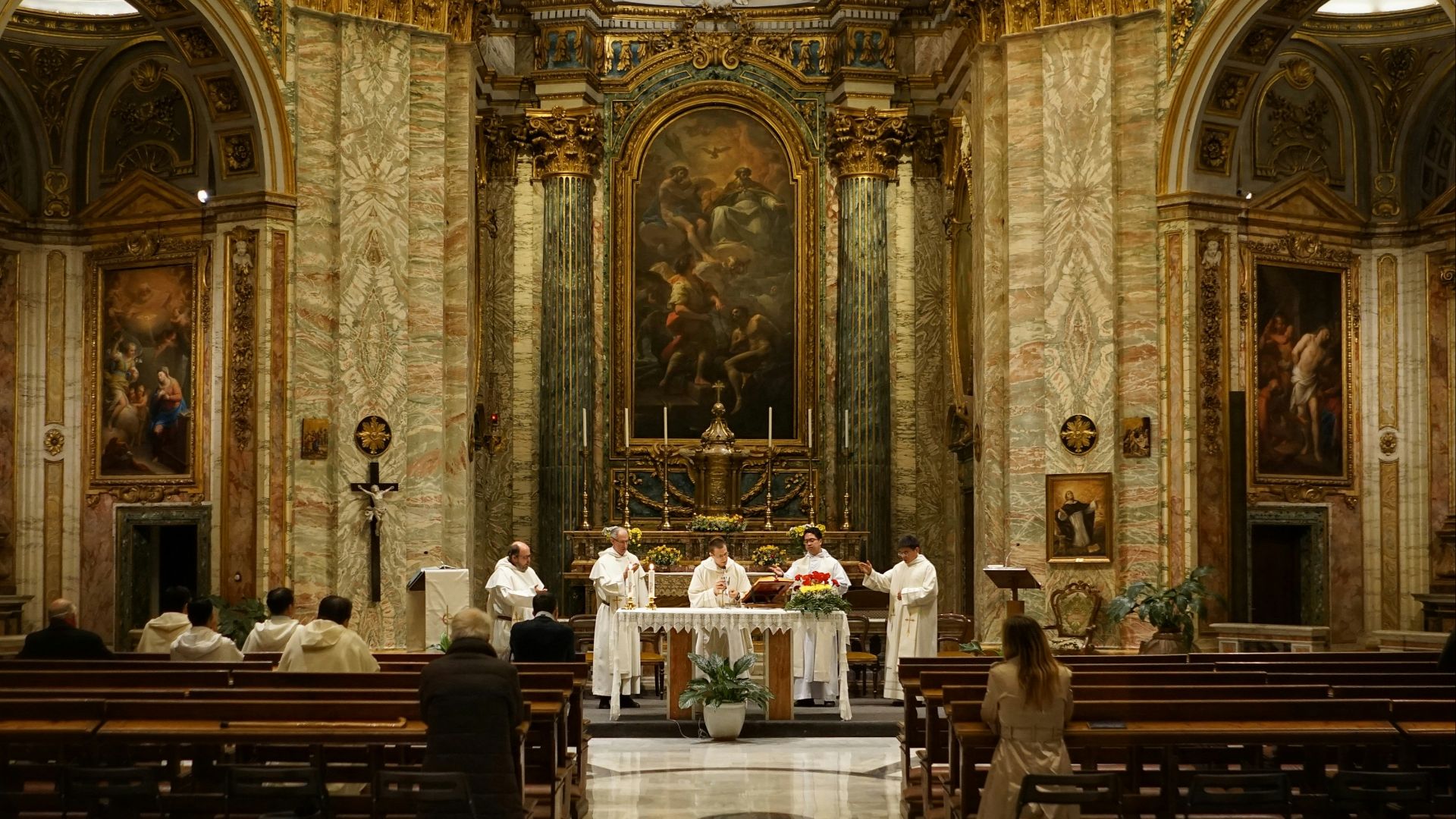
The search leads straight to the names that have shaped centuries of faith. These are time-tested and still chosen for a reason. Let’s take a closer look.
1. Saint Michael
As commander of Heaven’s armies, Saint Michael is the archangel entrusted with defending souls against evil and casting down rebellion in Revelation. He symbolizes courage and spiritual warfare. Often chosen by those drawn to justice or leadership, his name remains among the most honored in Confirmation history.

2. Saint Joseph
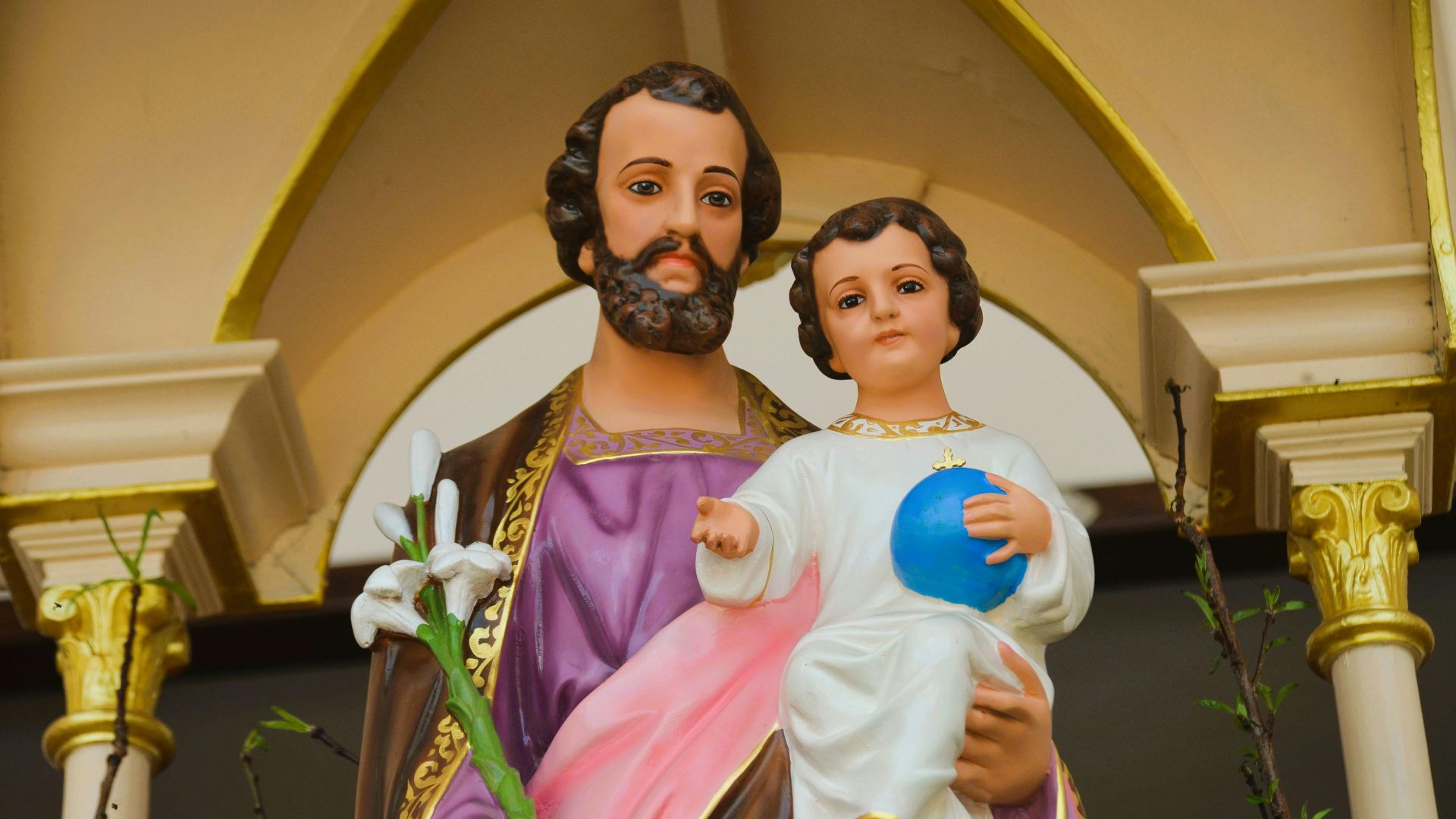
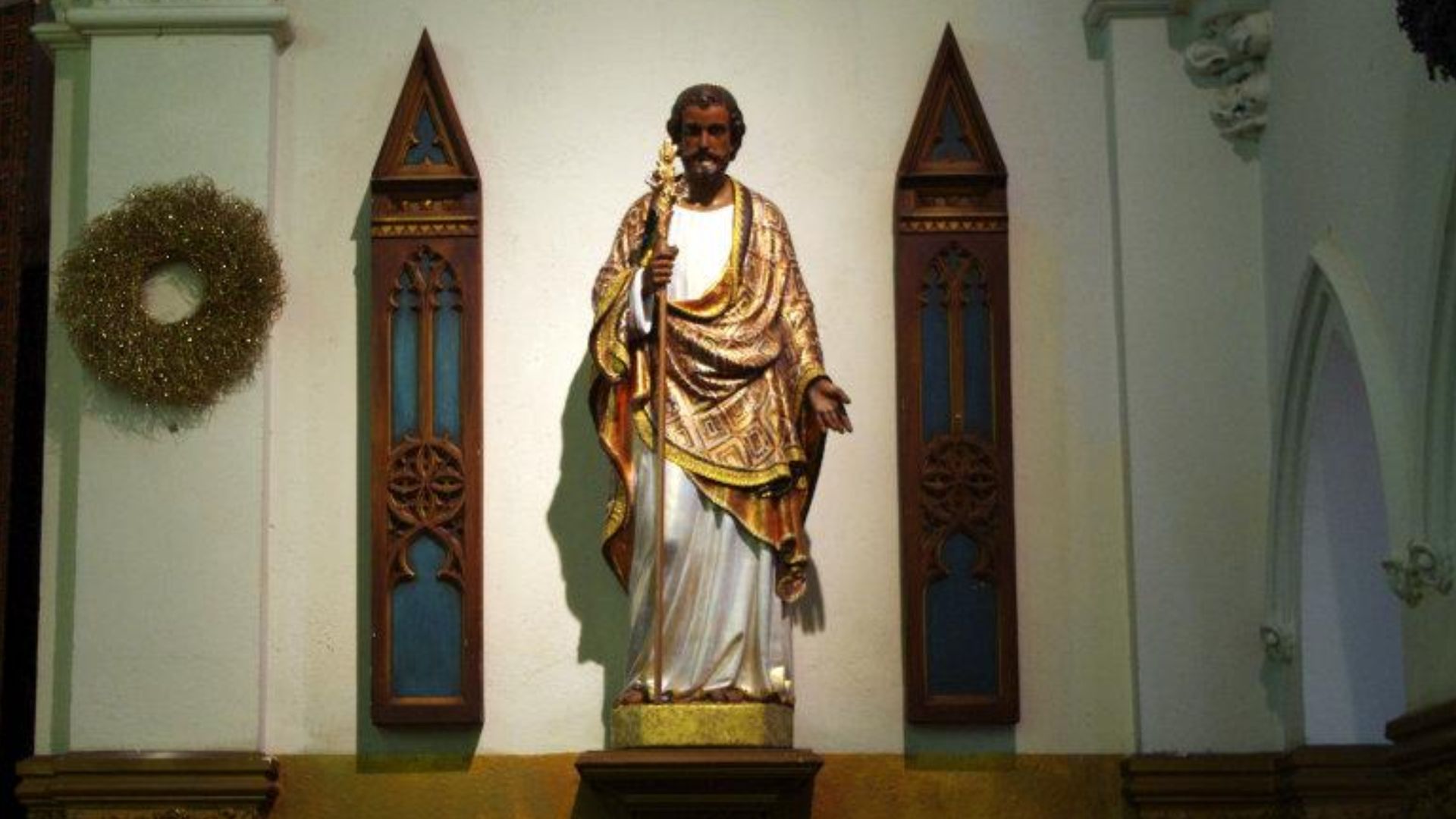
Saint Joseph (husband of Mary and legal father of Jesus) remains the Church’s model of silent obedience and unwavering protection. As the patron of fathers and the universal Church, his life models duty without recognition. Many people choose this name for its strength in quiet faith.
3. Saint Francis
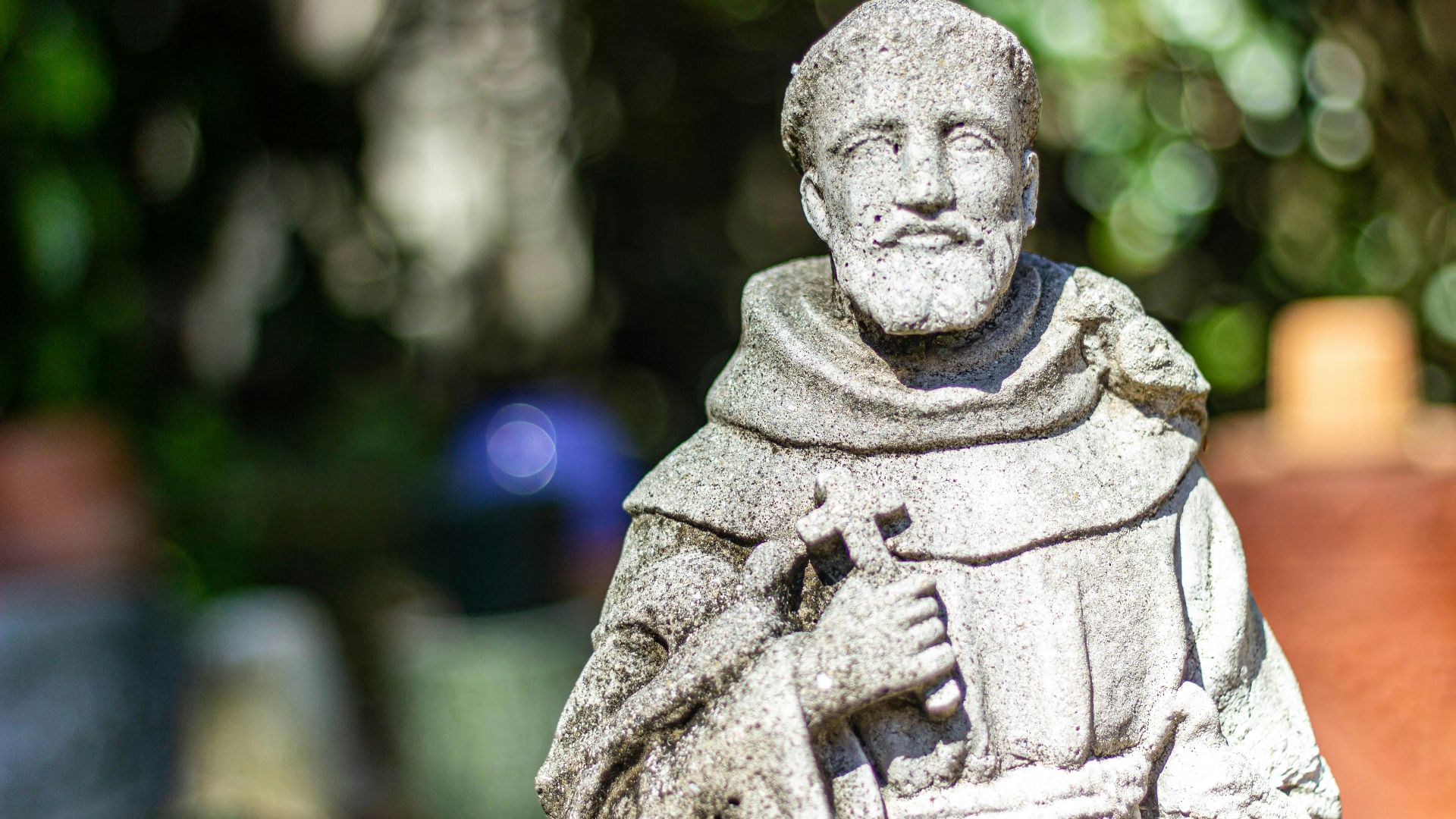
Trading nobility for radical service, Saint Francis of Assisi left behind his status to imitate Christ’s poverty. Known for his deep connection to nature and call to peace, he reshaped spiritual life in 13th-century Italy. The name reflects a life emptied of ego and filled with love for the overlooked.
4. Saint Therese
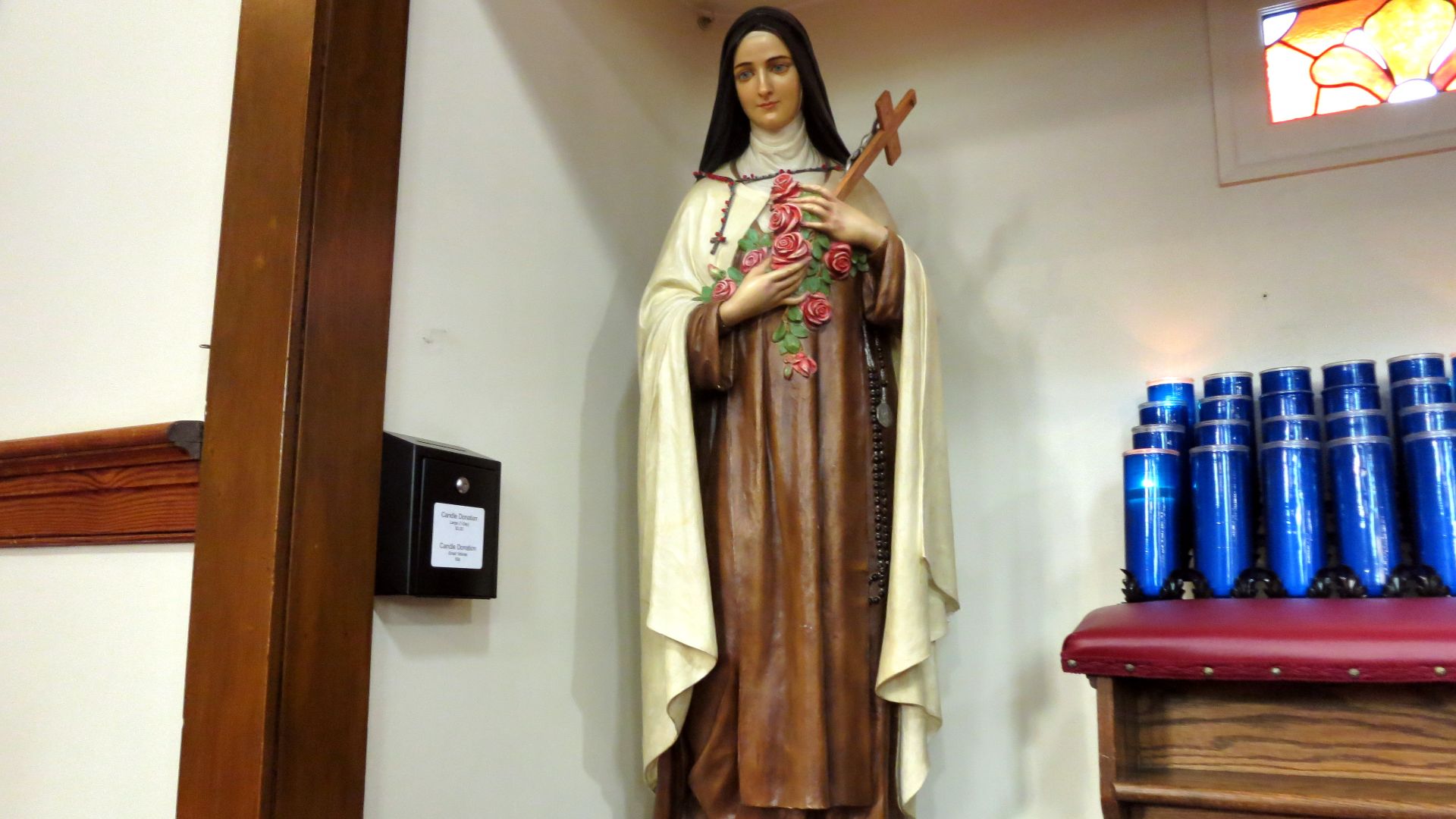
Her Little Way taught that ordinary tasks, done with great love, lead to sanctity. Saint Therese of Lisieux spent her short life behind convent walls. Canonized 28 years after her death, this name resonates with those drawn to quiet perseverance and hidden devotion.
5. Saint Peter
Named Simon at birth, Saint Peter was called “the rock” by Christ and entrusted with guiding the early Church. His leadership was tested by denial and rebuilt through grace. The name Peter shows belief in a strength that grows only through experience and honest repentance.
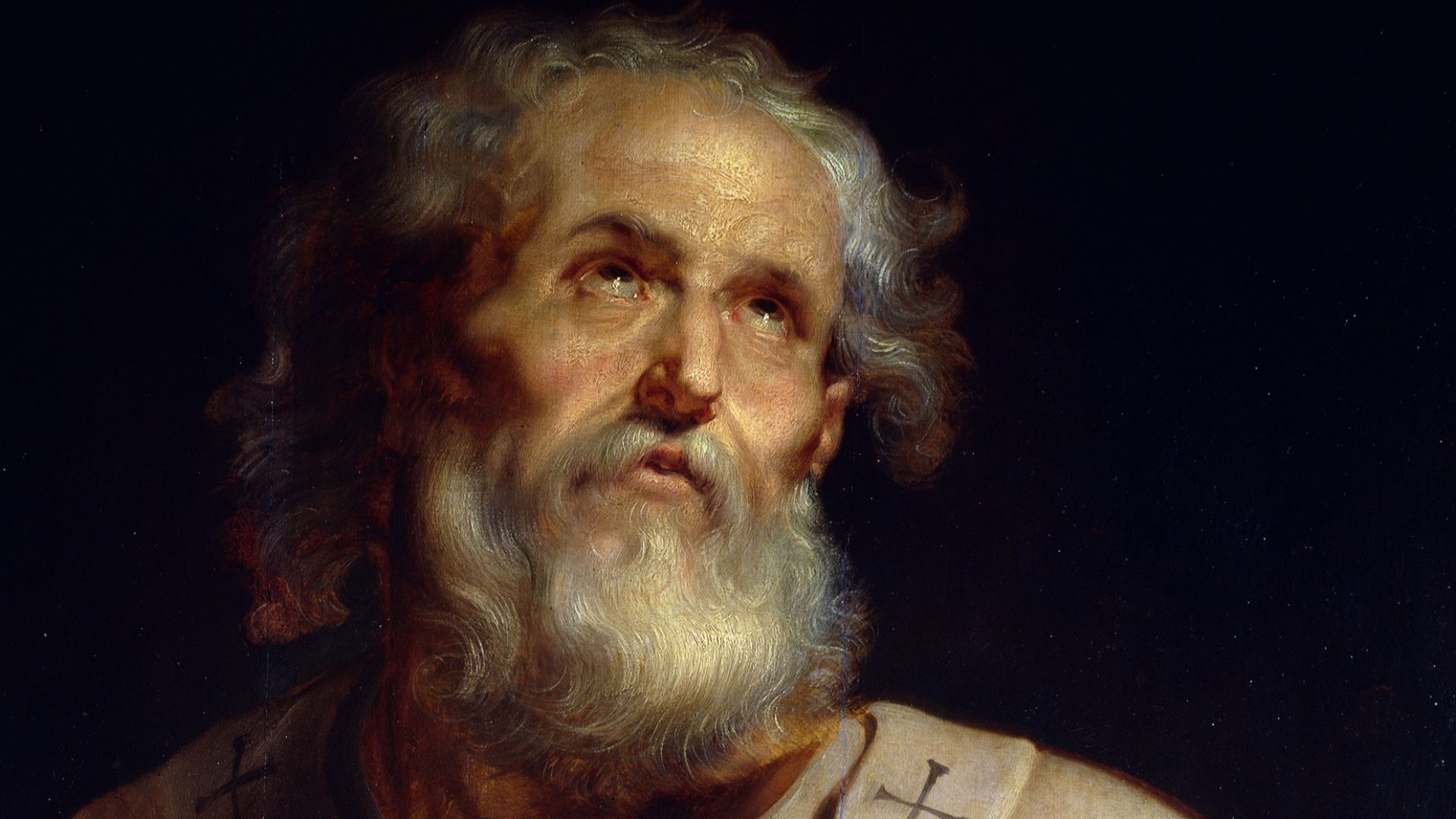 Peter Paul Rubens on Wikimedia
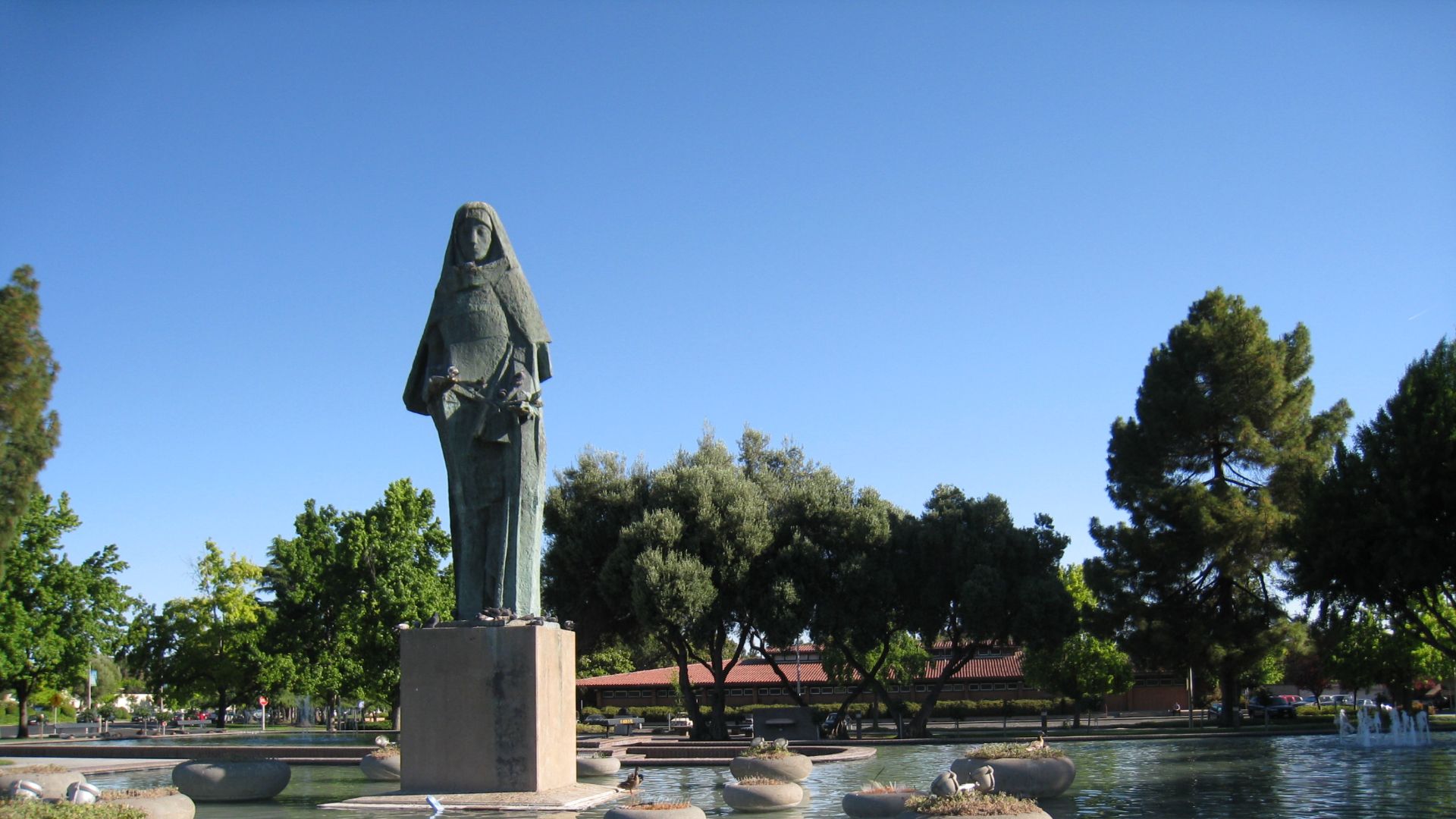
6. Saint Clare
Meaning “bright” or “light,” the name Clare mirrors her radiant devotion. In the 13th century, she renounced wealth and status to create a life of prayer and simplicity. As the founder of the Poor Clares, she embodied moral clarity and the strength to stand firm.
7. Saint Catherine
Few laywomen have shaped Church history like Saint Catherine of Siena. Living in the 14th century, she influenced papal decisions and penned spiritual texts that earned her top theological recognition. Choosing her name often signals a deep respect for spiritual intellect and moral clarity.
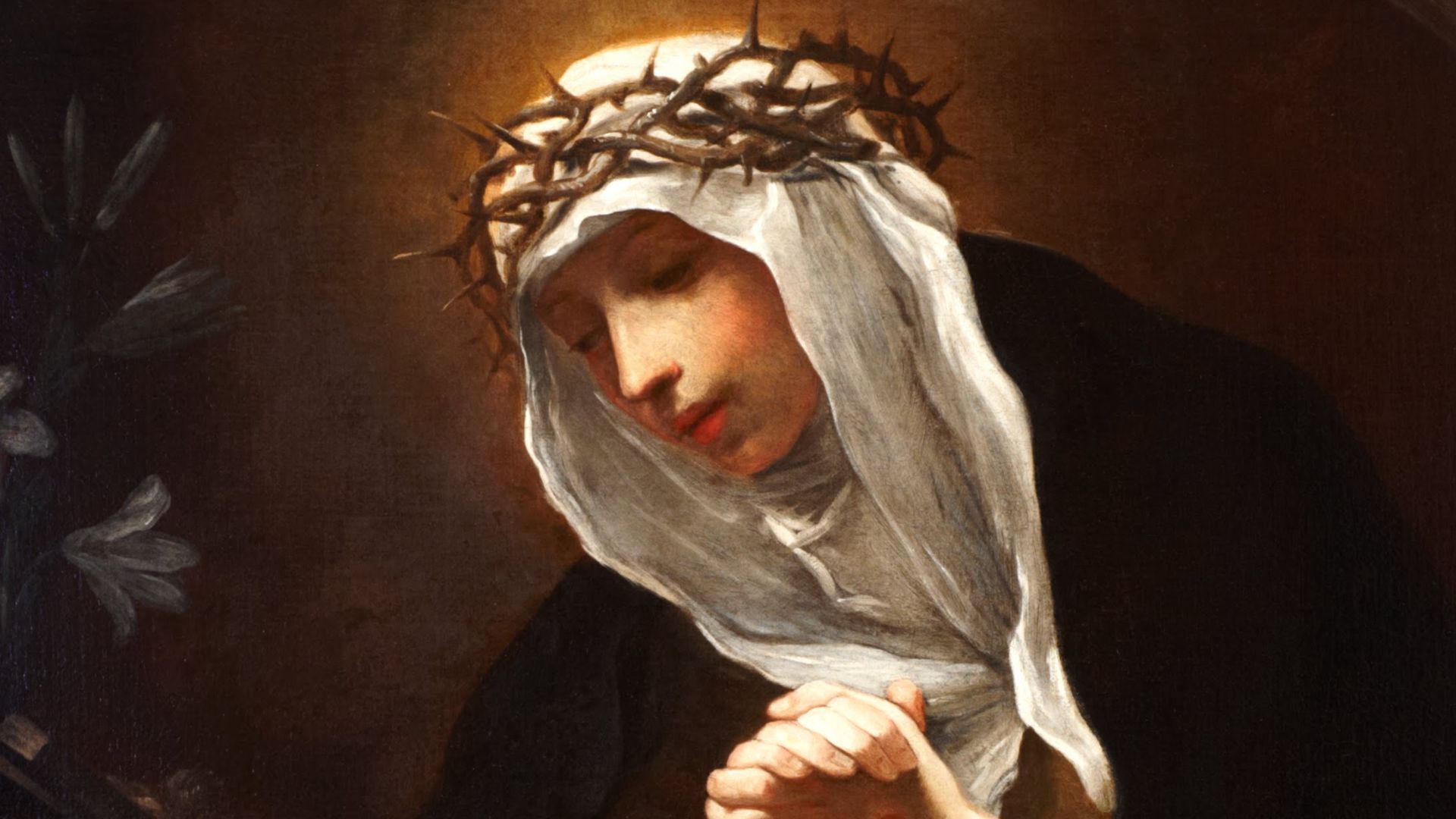 Baldassare Franceschini on Wikimedia
8. Saint Anthony
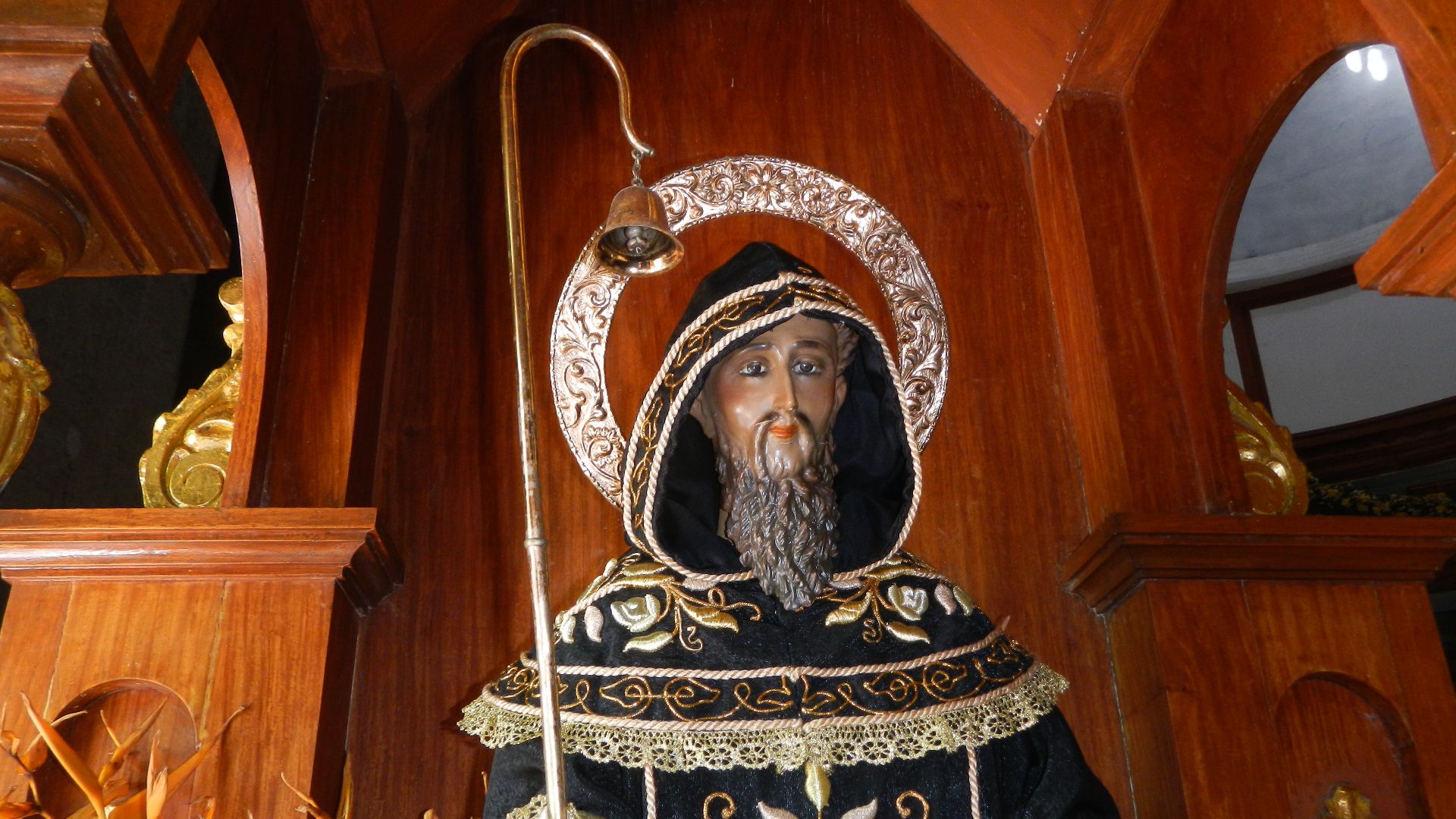
Before becoming a saint associated with lost objects, Saint Anthony was a powerful teacher whose words moved thousands. As one of the Church’s earliest theologians, he shaped Franciscan thought. Today, this name reflects a balance of intellect and kindness.
9. Saint John
Meaning “God’s promise” or “devoted to God,” the name Elizabeth mirrors the life she led. Her late-in-life pregnancy and the blessing of Mary marked moments of divine clarity. She remains a figure of spiritual poise, and the name focuses on inner strength paired with enduring belief.
10. Saint Elizabeth
Meaning “God’s promise” or “devoted to God,” the name Elizabeth mirrors the life she led. Her late-in-life pregnancy and the blessing of Mary marked moments of divine clarity. She remains a figure of spiritual poise, and the name reflects inner strength paired with enduring belief.