
10 Times It’s Okay To Ask Loved Ones For Money & 10 Times When It’s Totally Inappropriate
10 Times It’s Okay To Ask Loved Ones For Money & 10 Times When It’s Totally Inappropriate
Know When It’s Truly Okay
Borrowing money from loved ones walks a fine line—it either deepens trust or damages bonds. Sometimes asking feels right, even necessary. But other times? It can spark resentment, tension, or long-term fallout. We're going to look into both sides of the issue, helping you figure out whether it's okay to reach out, or if you're seriously overstepping a line!

1. Covering Emergency Medical Bills
A sudden medical emergency can’t wait for paperwork, and even with insurance, treatment costs pile up fast. When someone you trust steps in with help, it lifts pressure instantly. In those moments, money becomes more than money, it feels like care.

2. Funding Essential Home Repairs
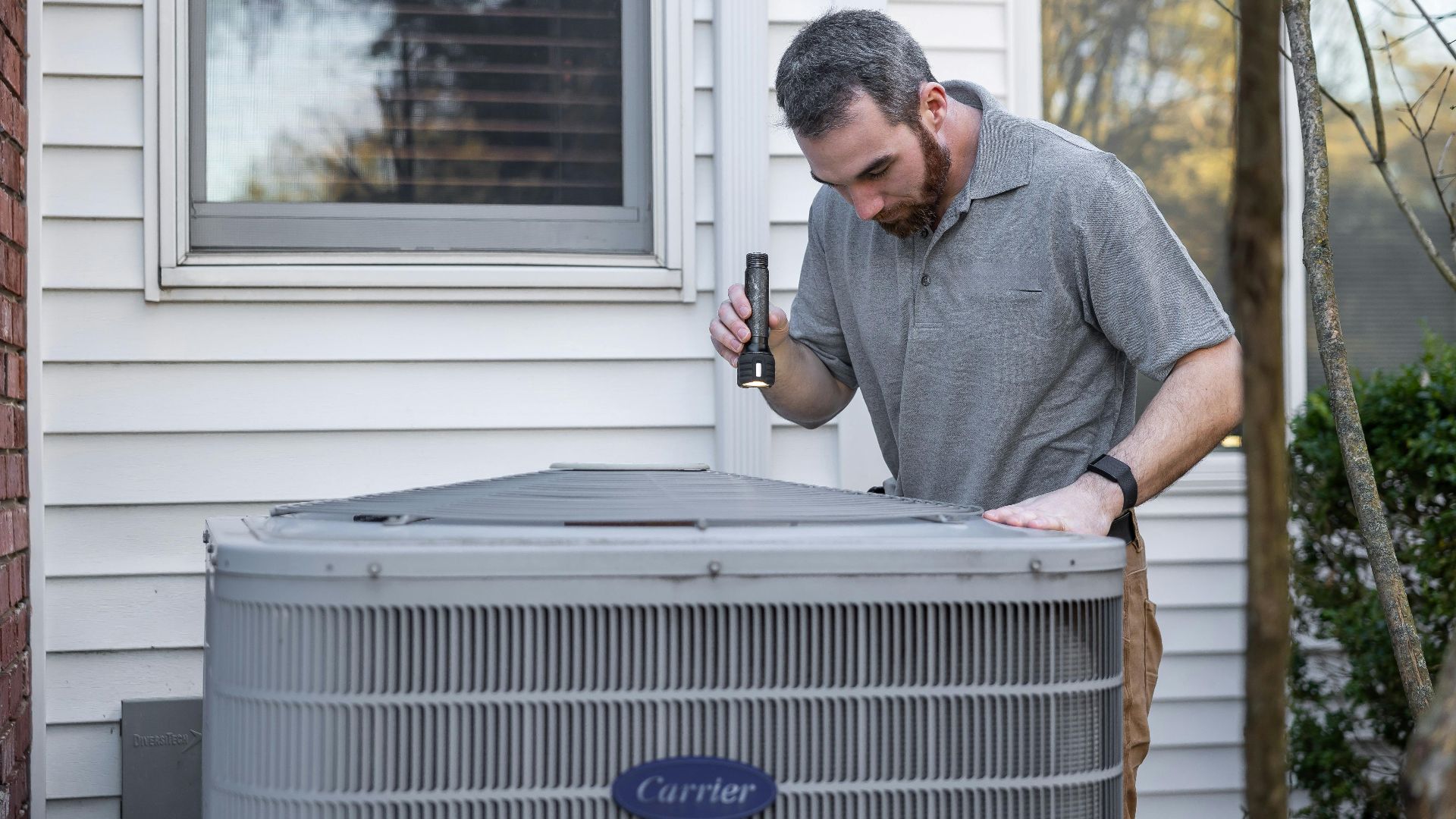
A burst pipe or roof leak doesn’t give you time to save. Small problems turn dangerous, and no one wants to deal with a crumbling abode. If someone offers support when funds run low, the fix comes quicker, and once it’s done, the house feels calmer and safer again.
 Kathleen Austin Kuhn on Pexels
3. Paying Unexpected Funeral Costs
Funerals cost more than people expect, and the need usually comes without warning. The harrowing truth is that most families don’t have enough set aside. But as devastating as it is, grief shared financially often becomes grief carried with more peace.

4. Bridging Short-Term Job Loss
When you lose your job, the bills don’t care; rent, food, and basic needs still show up. A bit of help during that stretch can keep things from falling apart, and it doesn’t take much to feel like the ground is steady.
 Vodafone x Rankin everyone.connected on Pexels
5. Avoiding Eviction or Foreclosure
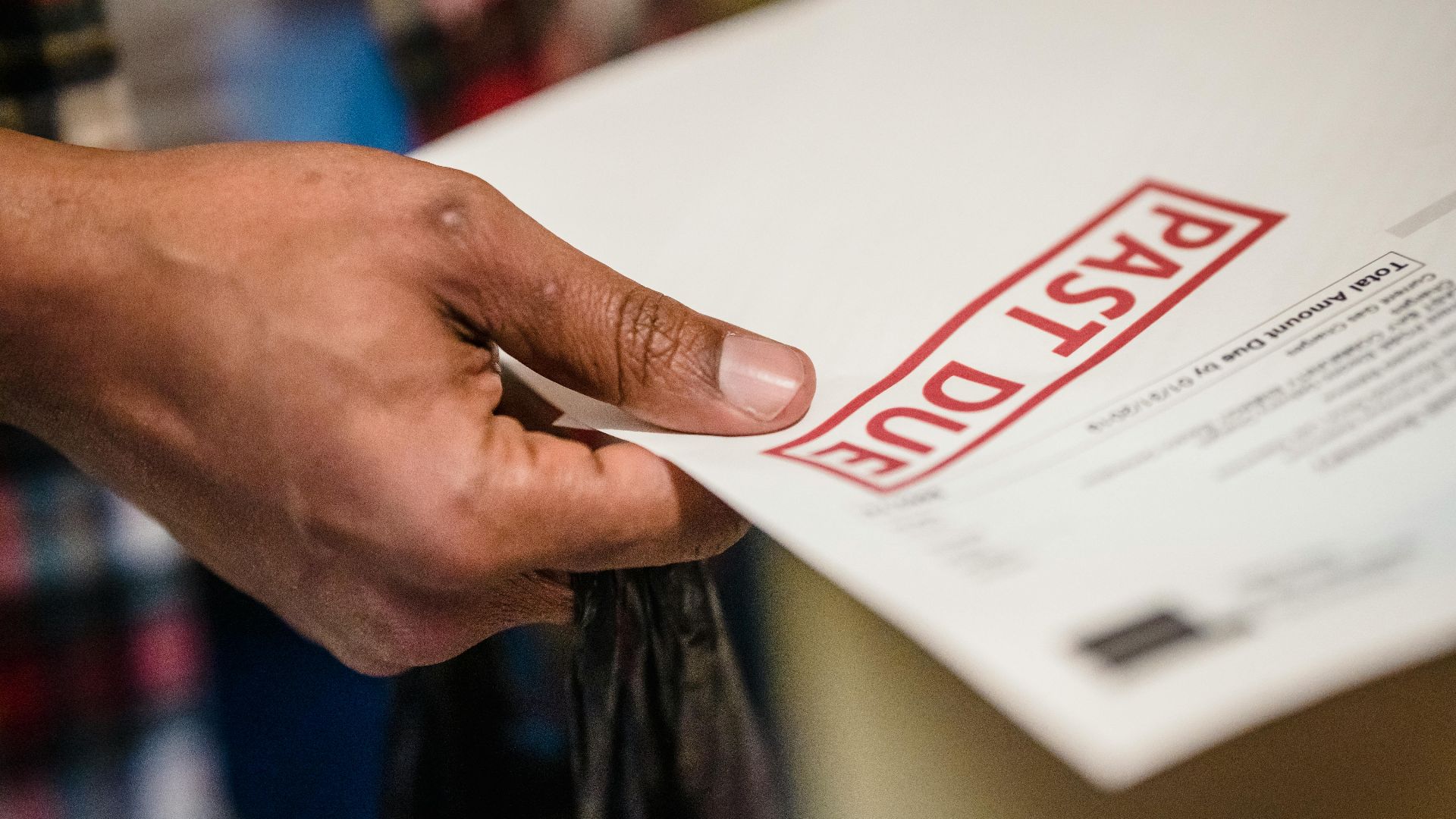
One overdue payment can push a family toward losing their home, and there’s usually no grace period. If someone helps keep the lights on and the doors open, it protects more than property—it keeps comfort and peace from disappearing overnight.
6. Starting a Small Business
Getting a business off the ground takes cash before profit. You think banks would be more helpful, but they often say no to beginners! If someone close believes in the idea, that very support opens doors. Many businesses wouldn’t exist today without a relative who was willing to take a chance.

7. Pursuing Higher Education Degrees
Many students hit a wall as soon as school fees outpace savings. Even with scholarships, the full cost rarely disappears, but a parent or relative might step in to help. That kind of support sticks with someone longer than the degree ever does.

8. Escaping Domestic Abuse Situations
Breaking free from abuse takes more than courage—it takes a safety plan. There’s rent to pay, documents to file, and transport to arrange, so when someone offers help, it creates real safety. For some, that financial lifeline becomes the start of everything better.

9. Handling Sudden Legal Fees
Court dates and legal troubles don’t wait for payday; upfront costs hit hard, especially if options are limited. However, someone helping cover that fee means the difference between walking in prepared and walking in alone. It's okay to reach out if you need the help.

10. Replacing a Broken Vehicle
Losing a car throws life off track. Work commutes stall, errands stop, and appointments get missed. Getting help to repair or replace it can bring everything back into balance. That one fix restores daily life faster than expected.

All that being said, not every request deserves a yes—here’s when asking crosses the line.
1. Covering Avoidable Luxury Purchases
A high-end gadget or designer item can wait. Requests like that suggest your priorities aren’t in the right place. Loved ones usually offer help for genuine needs, not extras, not to mention, saving up on your own makes the final purchase feel far more satisfying.

2. Funding Habitual Gambling Losses
As soon as gambling losses keep piling up, money alone won’t fix the cycle. Each time someone covers the damage, the behavior continues without consequences. As even close family can suffer financially, turning to safer sources of fun is better for everyone involved, including you.

3. Paying Off Secret Debts
Hiding debt doesn’t just hurt your finances—it creates distance in relationships. When you ask for help without sharing the full story, it weakens trust. Loved ones may hesitate next time, so being honest about money opens the door to real support and repair.

4. Repeated Bail Needs
Getting bailed out once is one thing. But repeated requests point to deeper issues that cash can’t solve. Each time someone steps in, frustration grows. Choosing accountability over escape is usually what starts to rebuild trust and change the outcome.

5. Financing Extravagant Weddings
Weddings don’t have to drain everyone’s wallet to feel meaningful. Asking others to help fund a costly celebration can feel more demanding than joyful. Loved ones might support your union, but not the excess. Simpler moments often leave the strongest memories behind.

6. Funding Unshared Vacation Plans
Trips are great, but they’re also personal. Asking others to pay for a vacation they’re not part of can feel unfair. Loved ones want to help with needs, not luxuries. Planning something smaller makes the experience feel earned and shared—even if you go alone.

7. Covering Ignored Bill Payments
Letting bills pile up doesn’t erase them. If you ask someone else to handle what you’ve skipped, it transfers the responsibility without solving the pattern. Ignoring due dates chips away at trust, while small steps can help rebuild your financial habits.

8. Launching An Obviously Risky Venture
It’s tough to back an idea that hasn’t been thought through. Asking for money without a plan puts loved ones in a tough spot. If the risks are obvious, support usually fades, so careful planning turns wild guesses into real opportunities.

9. Covering Cosmetic Surgery Whims
Cosmetic work might boost confidence, but it’s still a personal choice, not a necessity. Asking others to cover the cost shifts focus away from real needs. Most people reserve their support for health or emergencies, where help truly matters. Sometimes, growth comes from self-acceptance instead.

10. Paying Legal Fines Earned
Fines exist for a reason—they hold you accountable. When you ask someone else to pay, it takes away the lesson behind the consequence. Loved ones may care, but covering the cost won’t fix the behavior that led to it.