The Great Generational Showdown
Every generation loves to roll its eyes at the next, but few do it with as much flair as the Boomers. They’ve watched younger people build new worlds, and not all of their reactions have been kind. Some complaints sound ridiculous, others surprisingly reasonable. This piece takes a closer look at both sides with a mix of humor and insight. Let’s begin with the silliest complaints Boomers have about younger generations.

1. Young People Are Too Lazy
The old “no one wants to work anymore” line has been around for ages. Younger workers aren’t avoiding effort—they’re adapting to modern jobs. The focus has shifted toward flexibility and balance, proving that determination looks different now, not weaker.

2. Avocado Toast And Lattes Prevent Homeownership
The idea that skipping brunch could buy a house has never made sense. Financial hurdles come from rising costs and slow wage growth, not breakfast choices. Blaming simple pleasures distracts from the real reasons homeownership feels out of reach.

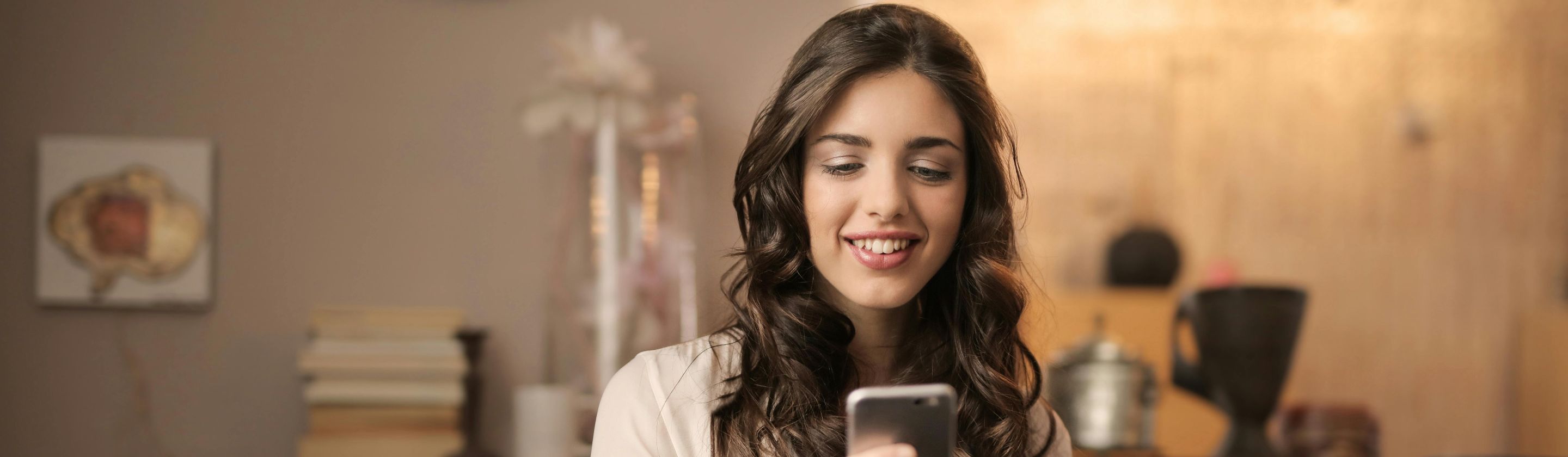
3. Addicted To Phones
Younger people use their phones a lot, though, so do most adults. Devices have replaced older tools and changed how we talk. Real conversations still happen—just through new spaces like messages, video calls, and social platforms.

4. Entitled And Expect Everything Handed To Them
Every generation gets accused of entitlement once it starts asking for change. What some see as expecting too much is often just a desire for fair pay or respect. Wanting progress and opportunity doesn’t make people spoiled. It makes them hopeful.

5. No Manners And Always Disrespectful To Elders
The claim that young people lack manners has echoed through the centuries. Though it appears disrespectful to one generation, it can seem confident to another. Style, speech, and tone evolve with time.

6. Too Sensitive, Can’t Handle Criticism
Calling young people too sensitive oversimplifies a bigger shift. Many have learned to speak up when something feels wrong instead of staying silent. That openness has built stronger communication and a culture that values empathy over suppression.

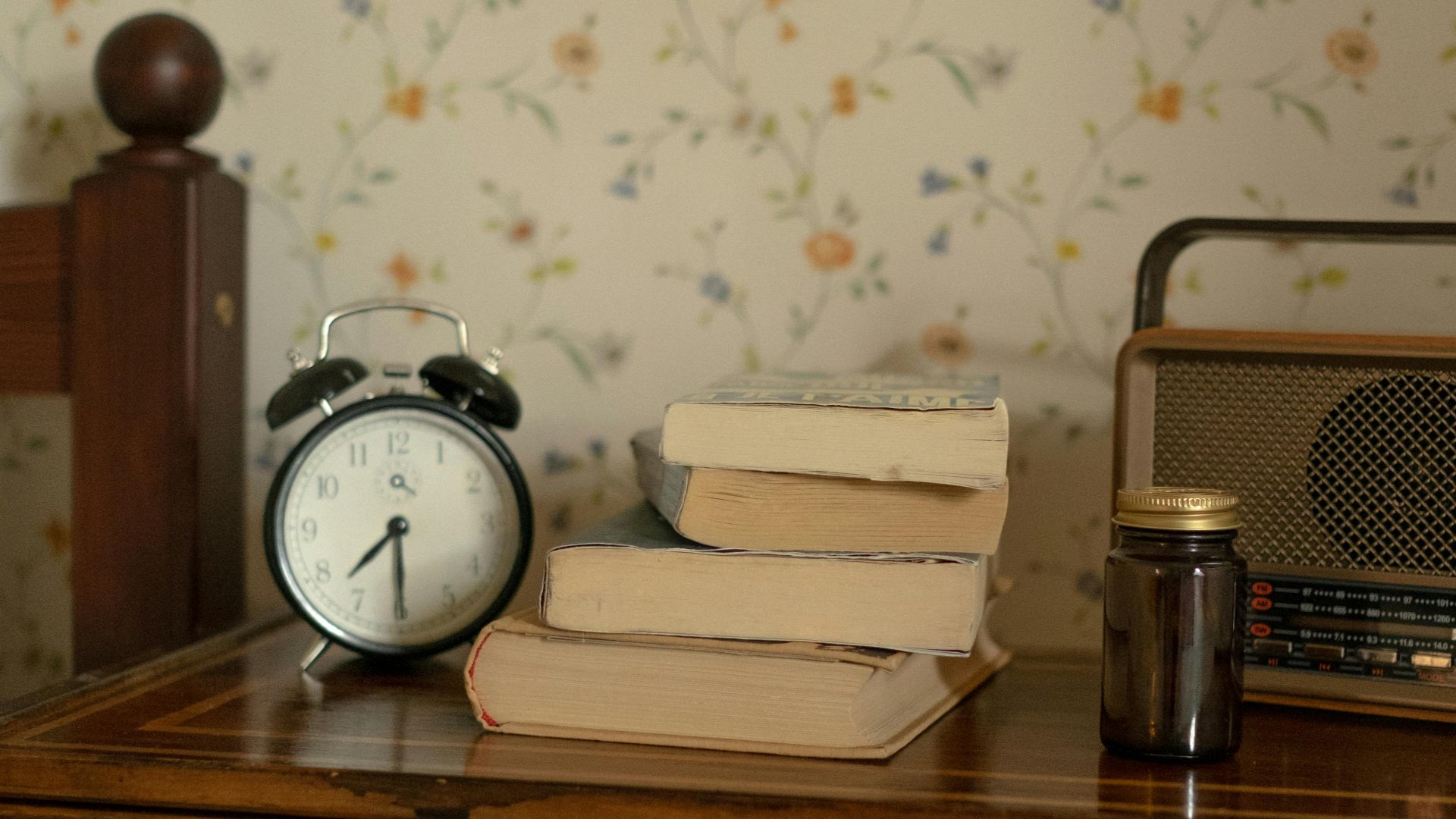
7. Can’t Read Cursive Or Tell Time On Analog Clocks
The world moved digital, and classrooms followed. Reading cursive or analog clocks isn’t as common, but that doesn’t mean young people are less capable. They’ve learned new skills—coding, multitasking, and navigating tech—that matter more in daily life today.
8. Delay Marriage And Kids Because They’re Selfish
Many Boomers married young, but times have changed. Rising costs, longer education, and shifting priorities mean younger people often wait. It’s not about selfishness—it’s about stability. Building a life before starting a family makes sense in today’s world.

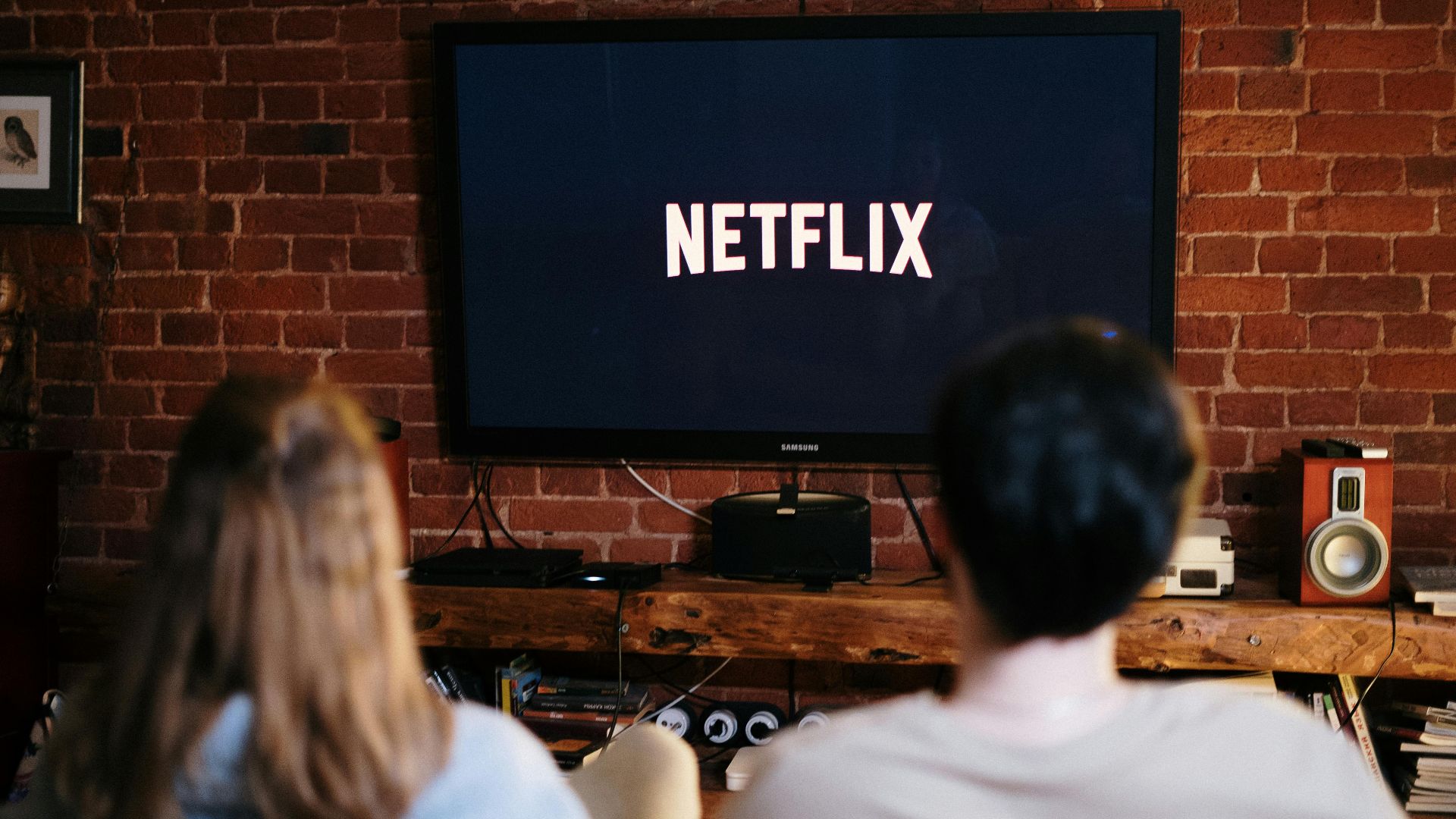
9. Waste Money On Endless Subscriptions
Younger generations didn’t invent subscription culture—they just live in it. Everything from entertainment to furniture can now be rented or streamed. Ownership hasn’t vanished; it’s shifted into access. Convenience and flexibility have just replaced long-term commitment.
10. Vegan Or Plant-Based Diets Are Just Silly Fads
Choosing plant-based foods isn’t a passing craze. It’s a lifestyle shift. People care more about health, sustainability, and food ethics. Even older generations are starting to see that eating more plants doesn’t make someone extreme.

Still, not every Boomer gripe misses the mark; some actually hit pretty close to home.
1. Kids Don’t Spend Enough Time Outside
Parks sit empty while indoor hobbies take over. Boomers remember afternoons spent climbing trees or riding bikes until sunset. Today’s kids trade sunlight for screens, and it shows—nature just doesn’t play the same role it used to.

2. Everyone’s Always Multitasking
Boomers notice that younger people rarely do one thing at a time. Phones at dinner and podcasts during workouts have become the norm. While it looks efficient, this constant juggling can dilute focus and make real presence feel like a lost art.

3. Social Media Is Messing Them Up
Social media has connected people like never before, but also added pressure. The constant comparisons, likes, and filters take a toll on self-worth. What started as a tool for connection now leaves many feeling anxious and overwhelmed.
4. Fashion Makes No Sense Anymore
Trends change so fast that last month’s “cool” becomes today’s cringe. From oversized everything to socks with sandals, Boomers struggle to keep up. It’s hard to tell what counts as style anymore.

5. Tech Has Made Everyone Stop Thinking
Technology now makes so many decisions that people rarely need to. The convenience feels great in the moment, yet it dulls intuition over time. Younger workers rely on algorithms for everything, slowly losing the confidence to trust their own judgment.
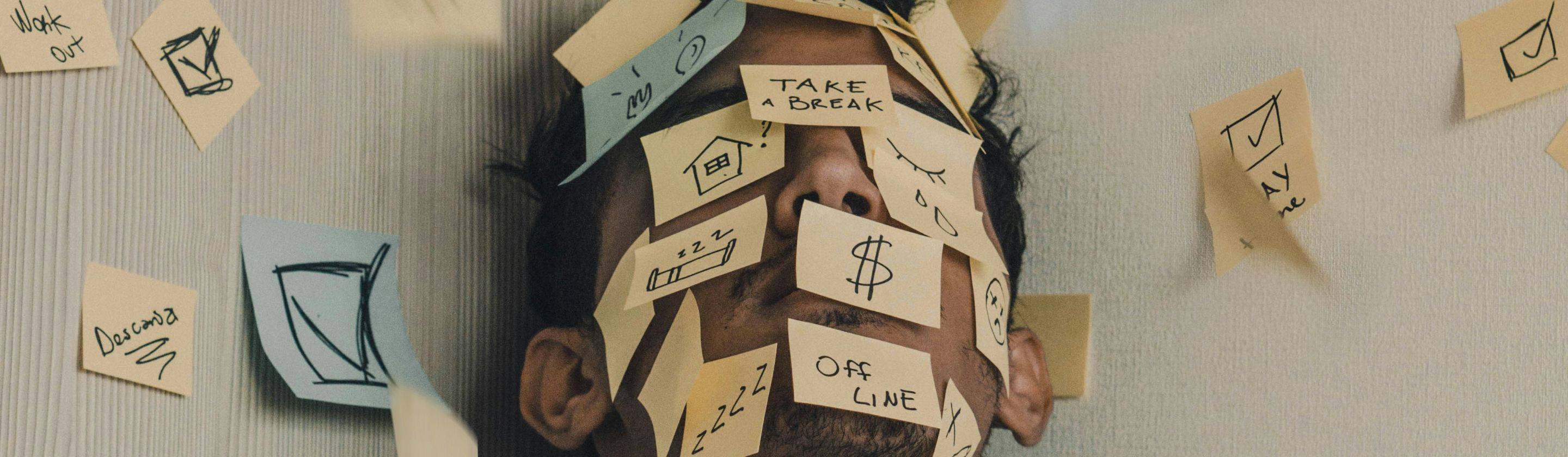
6. Work Is Burning Everyone Out
The people next door used to matter to Boomers. They'd borrow ingredients or help supervise each other's children. Younger generations live differently now, often in urban settings where neighbors stay strangers. That familiar sense of local community has vanished.

7. Young People Don’t Value Family Traditions
Holidays once meant big dinners and familiar faces. Now, distance, work, and packed schedules make gatherings rare. Boomers feel the loss deeply—shared meals and small rituals used to anchor families in ways that group chats can’t replace.

8. Fast Food Has Replaced Real Meals
Fast food and packaged snacks rule most modern diets, making real nutrition an uphill battle. It’s cheap and everywhere. However, those shortcuts add up. The chemicals and processed ingredients that make life easier are also slowly wearing down everyone’s health.

9. Privacy Doesn’t Exist Anymore
Younger generations live online in ways that expose their personal data daily. Every app or login collects information that can be misused. The trade-off between convenience and privacy has never felt riskier, and the consequences of oversharing keep getting more serious.
10. News Has Turned Into Noise
Scrolling has replaced reading, and attention spans don’t stand a chance. The constant flood of updates blurs facts with opinions, leaving people exhausted and unsure what to believe. The overload isn’t helping anyone stay informed. It is just overwhelming them.