
Take Back Control Of Time
Time-wasting habits can be subtle and disguised as harmless routines or productivity illusions. Before you know it, you're drained, rushed, and still behind. Spotting these patterns is the first step toward change, and better time management is sure to follow! Ahead, we’ll walk you through signals that you may be mismanaging your time, followed by practical habits to take back control. If you're ready to shift from scattered to steady, read on. We’ll start with the warning signs.
 Antoni Shkraba Studio on Pexels
1. You Check Your Phone Within Minutes Of Waking Up
Scrolling in bed often replaces healthier habits like planning. It eats into your morning routine, reducing the chance of starting the day with focus. This habit also puts you in a reactive mindset instead of setting the tone for a productive day.

2. Your To-Do List Keeps Growing But Never Shrinks
This is a sign of poor prioritization and unrealistic time estimation. Plus, a cluttered list makes your brain feel busier than it actually is. When you keep adding more than you complete, it leads to overwhelm and lower productivity.

3. You Say “Yes” To Everything Without Thinking
People often say yes out of guilt, not genuine interest. However, your time will be filled with low-priority commitments if you constantly agree to new tasks. There will be little room left for focused work or personal goals.

4. You Jump Between Tasks Without Finishing Them
Task-switching lowers efficiency and increases the time needed to complete each item. It will lead to incomplete tasks, which can clutter your mental space and create stress. Yes, task-jumping may feel productive, but it often produces sloppy work.

5. Your Workspace Is Always Cluttered
Not only does a messy environment create distractions and reduce focus, but clutter also leads to lost time spent searching for items or information. You won’t notice it, but visual chaos actually increases stress levels, too.

6. You Frequently Stay “Busy” But Feel Unproductive
“Fake productivity” can show up as color-coding notes or endlessly tweaking apps. This often signals reactive work patterns instead of proactive planning. Being busy doesn’t mean you’re getting meaningful work done, and sadly, some people use it to avoid more important but difficult tasks.

7. You Multitask During Meetings Or Conversations
Splitting your attention reduces comprehension and retention, and leads to miscommunication and repeated tasks or corrections. Even switching tabs during Zoom reduces your focus dramatically. People often believe they’re great at multitasking—but they’re usually not.

8. Your Calendar Is Full, But Your Goals Aren’t Progressing
A packed schedule doesn’t guarantee progress if it’s not aligned with your priorities. Meetings and tasks can consume your day without contributing to key outcomes. When you overschedule, it leaves less or no time for deep, focused work.

9. You Procrastinate Even Simple Tasks
Putting off small tasks causes mental clutter and compounds over time. As deadlines get closer, it builds unnecessary pressure. Many people clean or snack as a form of “productive” avoidance, but the task never goes away until you do it.

10. You Regularly Miss Deadlines Or Rush Last Minute
Some people confuse working under pressure with working well, but they’re not the same. Poor time management often leads to panic-mode work and compromised quality. Beyond that, constant last-minute rushes cause stress and erode trust with others.

Now that you’ve seen the signs, let’s show you how to manage time better.
1. Plan Your Day The Night Before
Pre-planning your day gives you a head start and helps you hit the ground running. It prevents wasted time in the morning deciding what to do first. People who plan the night before are less likely to skip important tasks.

2. Use Pomodoro To Stay Focused
Pomodoro sessions are great for racing the clock and gamifying boring tasks. You may just notice that short bursts of work with breaks improve your concentration and reduce burnout. This technique trains your brain to work in focused intervals, making tasks less overwhelming.

3. Block Deep Work Time On Your Calendar
Calendar events aren’t just for meetings—they’re powerful for protecting your time. First, reserving time for deep work ensures that important projects get your full attention. And when you block time, it helps protect your schedule from interruptions and low-priority tasks.

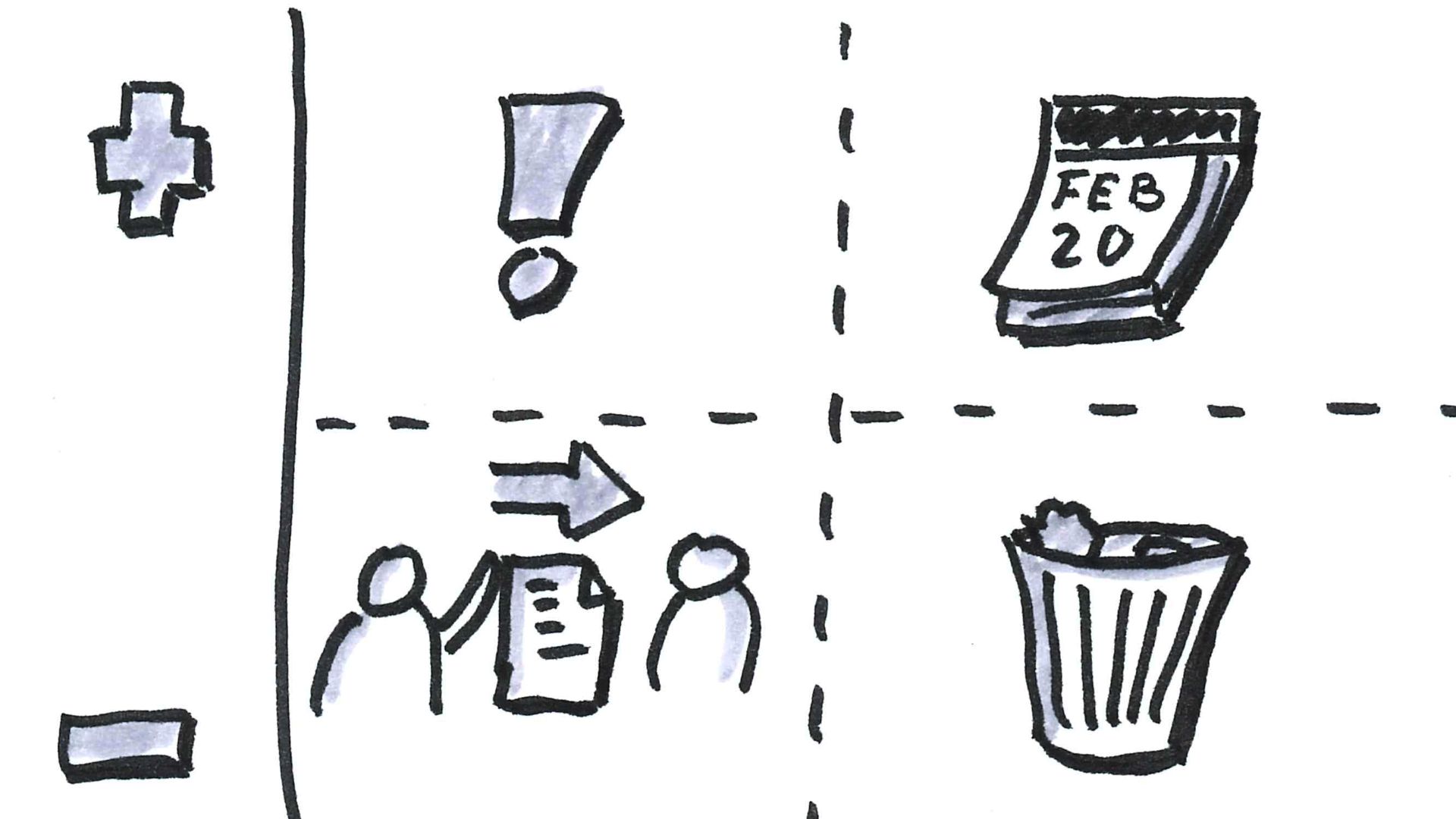
4. Set Clear Priorities Using The Eisenhower Matrix
This method helps you separate urgent tasks from truly important ones. Note that while some tasks are urgent, they are unimportant, like other people’s emergencies. By organizing tasks into four clear action types, it reduces decision fatigue.
5. Limit Phone Usage With App Blockers
App blockers reduce distractions from social media, games, and notifications. They create digital boundaries that protect your focus during work time. Some blockers even shame you with funny messages when you try to bypass them.

6. Schedule Regular Breaks To Reset Your Mind
A refreshed brain works faster and makes fewer mistakes, so take breaks regularly. Even a 60-second walk or stretch can recharge your focus. You may also notice that some of your best ideas pop up when you're not working.

7. Delegate Tasks When Possible
Offloading tasks through delegation prevents burnout, builds efficiency, and frees up your time for higher-impact work. While letting go of control can feel weird, it’s often the smartest move. Remember, delegating doesn’t make you lazy; rather, it makes you strategic.

8. Say “No” To Non-Essential Commitments
When you say no, it protects your time and energy for what truly matters. It prevents your schedule from being hijacked by low-priority requests. Every “yes” is a “no” to something else—like rest, focus, or family time, so choose your “yes” wisely.

9. Use A Task Manager To Track Progress
Task managers keep all your to-dos in one place, reducing mental overload. They also help break big goals into small, actionable steps. Digital task lists can even send you reminders so nothing slips through the cracks.

10. Track Your Time To Identify Hidden Time-Wasters
Time tracking shows where your hours really go, not where you think they go. With it, you can spot habits and activities that silently drain your productivity. You might just find out that your 10-minute breaks are actually 30 minutes long.