
Ring-Ring!
What's your reaction when you're told you need to make a call? Or that you're going to have to answer the phone when someone calls you back? If your gut immediately twists and your heart starts pounding at the mere thought of either of those situations, you probably have phone anxiety. Thankfully, you're not alone; telephobia is a lot more common than you might think. The person on the other line might also be dreading calling you back, or having to answer you. But if you're still wondering (or in denial), we've got the list for you: here are 10 signs you have phone anxiety, along with 10 helpful tips to conquer your fear.

1. You Put Off Making Calls as Long as Possible
A classic sign of phone anxiety is when you keep telling yourself you’ll call later, even when the task is simple and only takes a few minutes. What starts as a small delay often turns into a full day of avoidance because the anticipation feels worse than the call itself. Deep down, you know the conversation probably won’t be that bad, but you still can’t bring yourself to dial.

2. Your Heart Races When Your Phone Rings
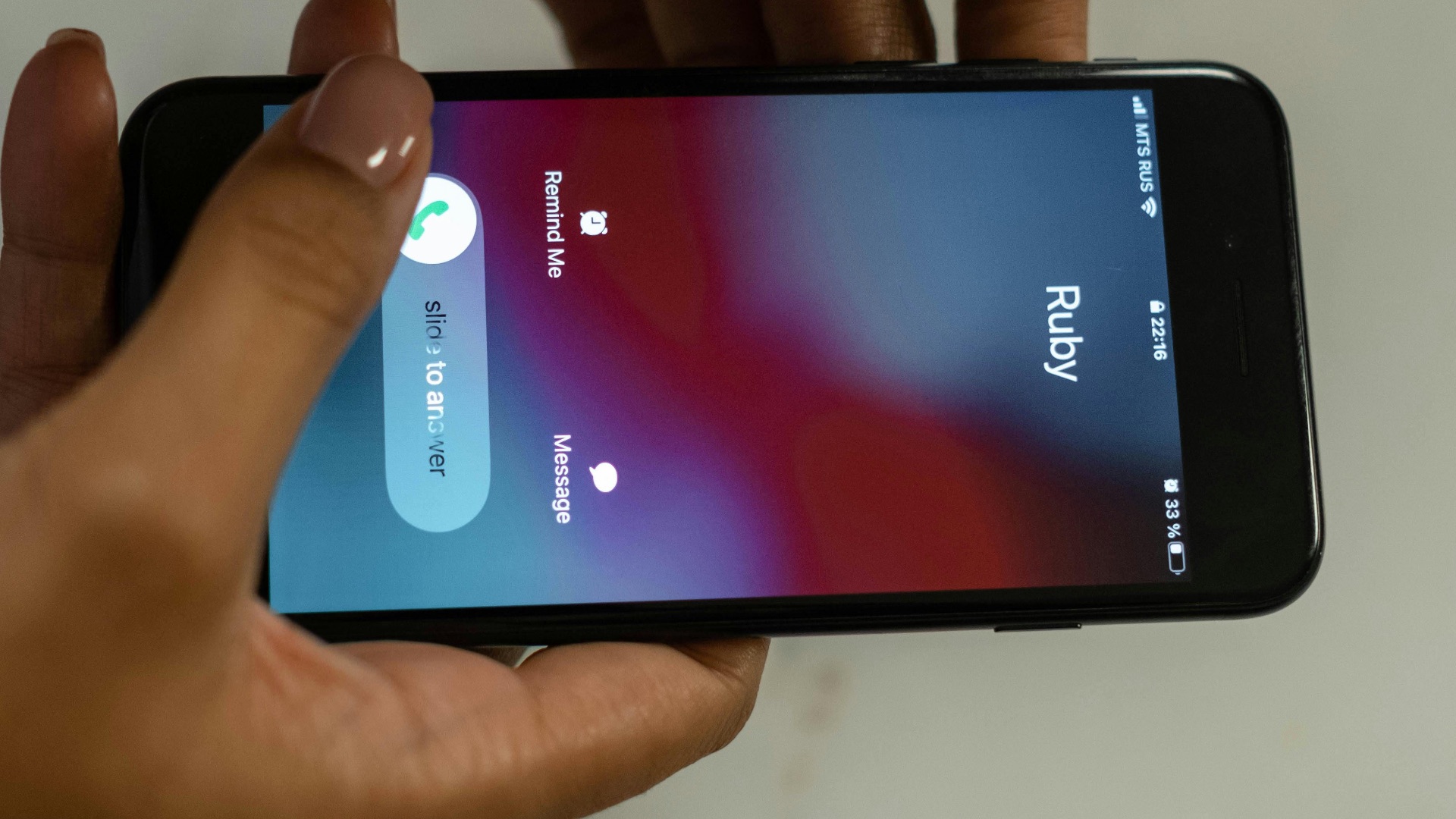
Does the sound of an incoming call immediately put your body on alert, even before you know who’s calling? That's another sign you probably have telephobia. Instead of feeling normal when the phone rings, you feel a rush of tension that makes you want to silence it and look away, or maybe throw it into the next room.
3. You Rehearse What You’re Going to Say Over and Over
Before making a call, do you mentally script the conversation several times to avoid sounding awkward or unprepared? You might even write down opening lines, possible responses, and backup explanations just in case your mind goes blank. Sure, preparation can be helpful, but it's another clear sign of anxiety when it feels impossible to call without a full plan.

4. You Let Calls Go to Voicemail Even When You’re Available
Even when you see the phone ringing and have time to answer, you still let it go to voicemail because picking up feels too stressful. You may tell yourself you’ll respond later, but the real reason is that you want a buffer between you and the conversation. That extra distance feels safer because it gives you time to think before responding.

5. You Prefer Texting for Almost Everything
Texting feels easier because it gives you more control over your words, timing, and tone. A phone call, on the other hand, can feel too immediate and unpredictable, especially when you don’t know exactly where the conversation will go. If you regularly avoid calls even when they’d clearly be faster and more useful, anxiety is probably playing a role.
6. You Worry About Sounding Strange or Saying the Wrong Thing
A big part of phone anxiety is the fear that you’ll stumble over your words, freeze up, or come across poorly. You may replay past conversations in your head and focus on tiny details that other people probably didn’t even notice, and probably forgot about as soon as you hung up. That self-consciousness can make every call feel much more high-stakes than it actually is.

7. You Feel Relieved When Someone Doesn’t Answer
When you finally gather the courage to make a call and nobody picks up, your first reaction is often relief instead of disappointment; rather than feeling inconvenienced, you’re glad you don’t have to go through the conversation right away. But the relief is short-lived: once you realize you'll have to dial a second time, the anxiety creeps up again.

8. You Overthink Voicemails Before Leaving Them
Leaving a voicemail can feel even worse than having a live conversation because you can’t immediately correct yourself or adjust based on the other person’s response. You may start over several times, hang up before finishing, or avoid leaving a message altogether. The pressure to sound clear, calm, and polished can make a short voicemail feel strangely difficult.

9. You Avoid Tasks That Might Require a Call
You may delay scheduling appointments, following up on services, or asking important questions simply because the task involves speaking on the phone. What looks like procrastination on the surface is often fear underneath. Over time, this can become frustrating because the anxiety starts interfering with practical parts of your life.

10. You're Drained After Even a Brief Phone Conversation
After a short call, you might feel mentally exhausted, tense, or oddly emotional even if the conversation went fine. That’s because anxiety can make your body stay in a heightened state the entire time, which uses up more energy than most people realize. When something so ordinary leaves you feeling worn out, it’s worth paying attention to how much stress it’s causing.
Do you relate to any of these signs? If so, don't worry—we've got some tips that might just help you squash your fear with the phone.

1. Start with Low-Pressure Calls
The easiest way to build confidence is to begin with calls that feel safe and manageable. You could call a trusted friend, a family member, or a small business where the conversation is likely to be short, friendly, and predictable. Starting small helps your brain learn that phone calls aren’t automatically something to fear.

2. Write Down a Few Key Points Instead of a Full Script
It might help to have notes in front of you, but you shouldn't feel the need to prepare every sentence in advance. A few bullet points can keep you focused without making you feel panicked if the conversation goes off-script. So keep a few post-it notes in front of you, and just be you on the phone.

3. Practice Speaking Out Loud Before the Call
Saying your opening sentence out loud can make the real call feel much less intimidating. When you hear the words a few times beforehand, they tend to come out much more naturally once someone answers. That little bit of practice can reduce the fear of freezing in the first few seconds.

4. Make Calls When You Feel Calm
If you already know certain parts of the day are more stressful for you, don’t schedule phone calls during those times whenever possible. Instead, choosing a quieter moment in the day can make a bigger difference than you might expect because your nervous system is already less activated. Setting yourself up well isn’t avoiding the problem; it’s making it easier to face.

5. Don't Overthink It
Phone anxiety often makes a simple conversation feel much more serious than it really is, when in reality, most calls are pretty short, to the point, and quickly forgotten by the other person once the chat ends. Keeping that in mind can help lower the pressure you place on every word. And, if it makes you feel better, whoever you're talking to might have phone anxiety, too.
6. Let Yourself Pause Instead of Panicking
You don’t have to answer instantly or speak perfectly to handle a phone conversation well. A short pause to think is completely normal, and most people won’t judge you for taking a second. Once you stop treating silence like a disaster, calls usually become less stressful.

7. Take Deep Breaths
If your body is already tense before the call starts, your mind is more likely to spiral once you hear the dial tone. So instead of setting yourself up for failure, help yourself relax. Taking a few slow breaths beforehand can help settle the physical symptoms enough for you to feel more in control.

8. Stop Replaying Every Call in Your Head
Once a call is over, try not to review every sentence you said like they're something that needs to be graded. Most people are far less focused on your "performance" than you think, and small awkward moments usually pass unnoticed (since they happen all the time!). When the call ends, it's done, so give yourself a pat on the back and move on.

9. Give Yourself Regular Exposure
Avoidance makes phone anxiety stronger because it teaches your brain that calls are something to escape, something to be scared of. So instead of shying away from doing it, do it more often! Regular practice helps reduce the fear by making the experience more familiar; even one or two short calls a week can start to shift your comfort level over time.

10. Reach Out for Support
If phone anxiety is stopping you from handling work, appointments, relationships, or other responsibilities, it may help to talk with a mental health professional. Support can give you practical tools for managing the fear instead of just pushing through it and feeling overwhelmed. Remember: you don’t have to solve it alone, and getting help can make the process feel much more doable.