When Neighbors Drift Apart
Every neighborhood tells a story, and much of it comes from the connections people share. Once those ties begin to fade, the atmosphere changes. It’s not always easy to notice, but when you do, the difference is clear. Thankfully, there are ways to restore connection. In this list, we’ll explore 10 signs that the community is fading and 10 ways to bring it back. First, let’s look at the signs.
1. Empty Streets At Prime Hours
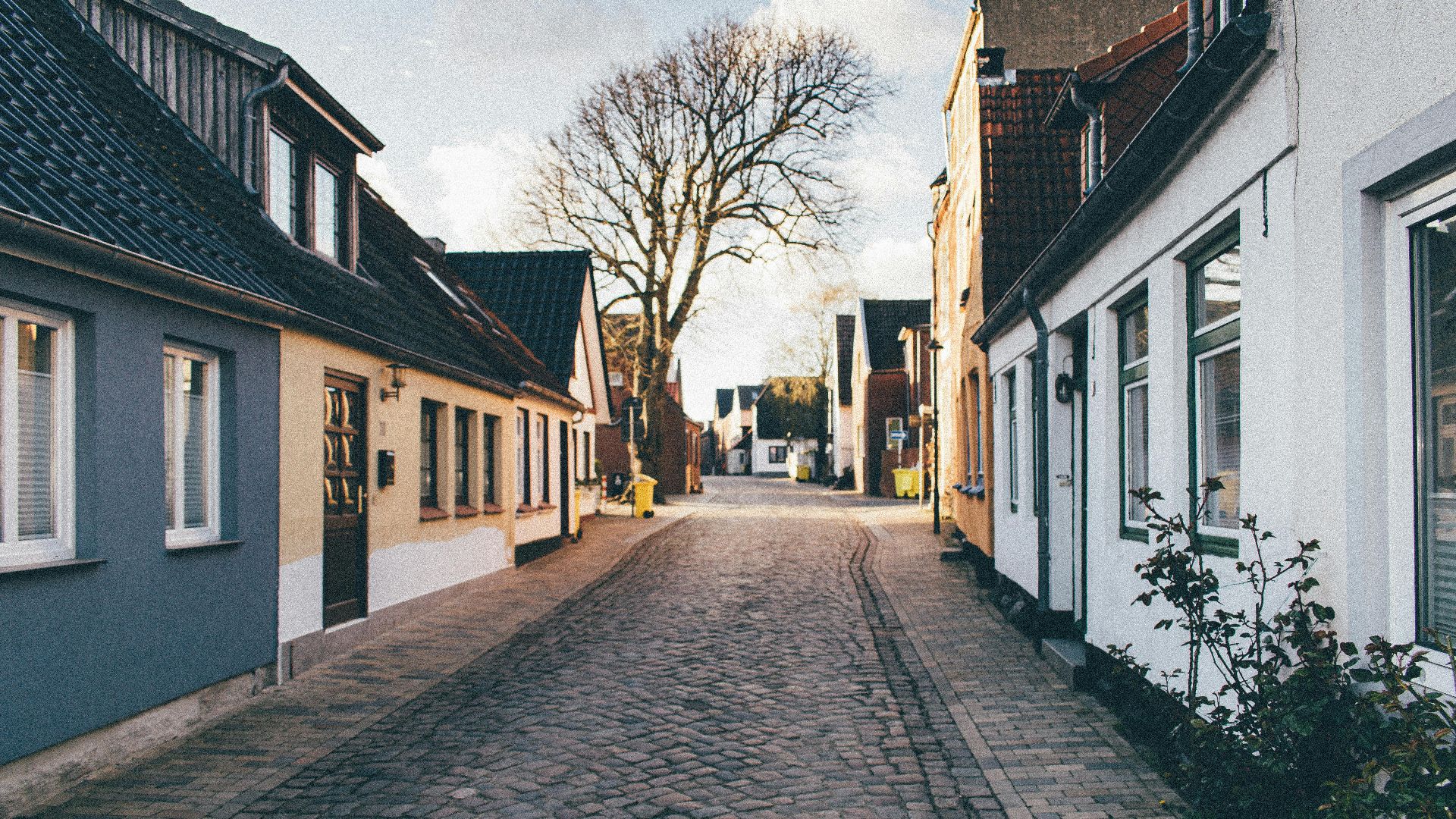
Step outside during the busiest part of the day, and silence follows you. Without people strolling or chatting outside, the neighborhood feels more like a collection of houses than a living community. That emptiness quickly sets the tone for everything else you notice about the place.
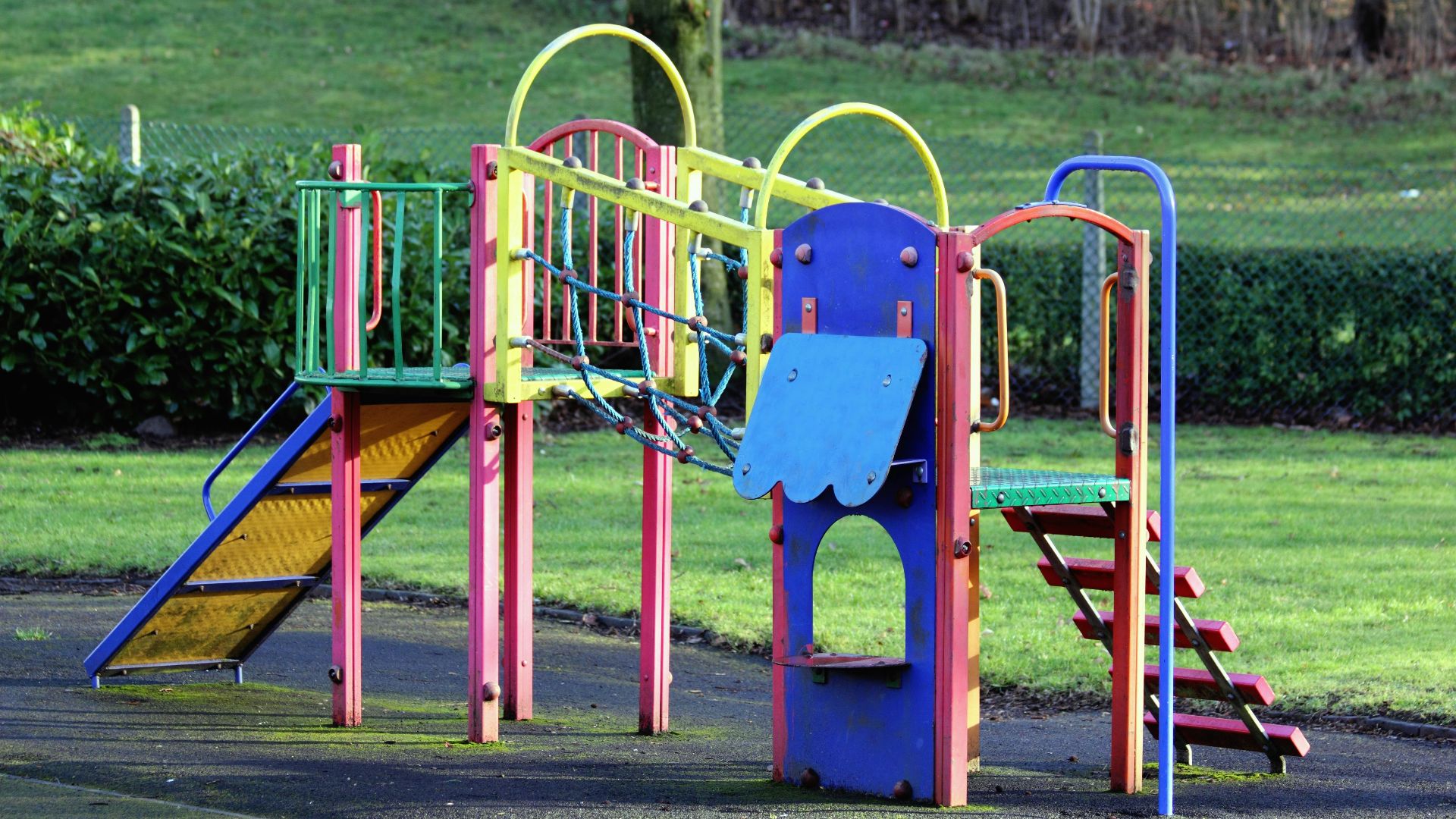
2. Empty Parks
A park should carry laughter and footsteps, yet some sit unused. When benches remain bare and swings stay still, the absence reflects more than free time. It shows a community without energy flowing into its shared spaces.
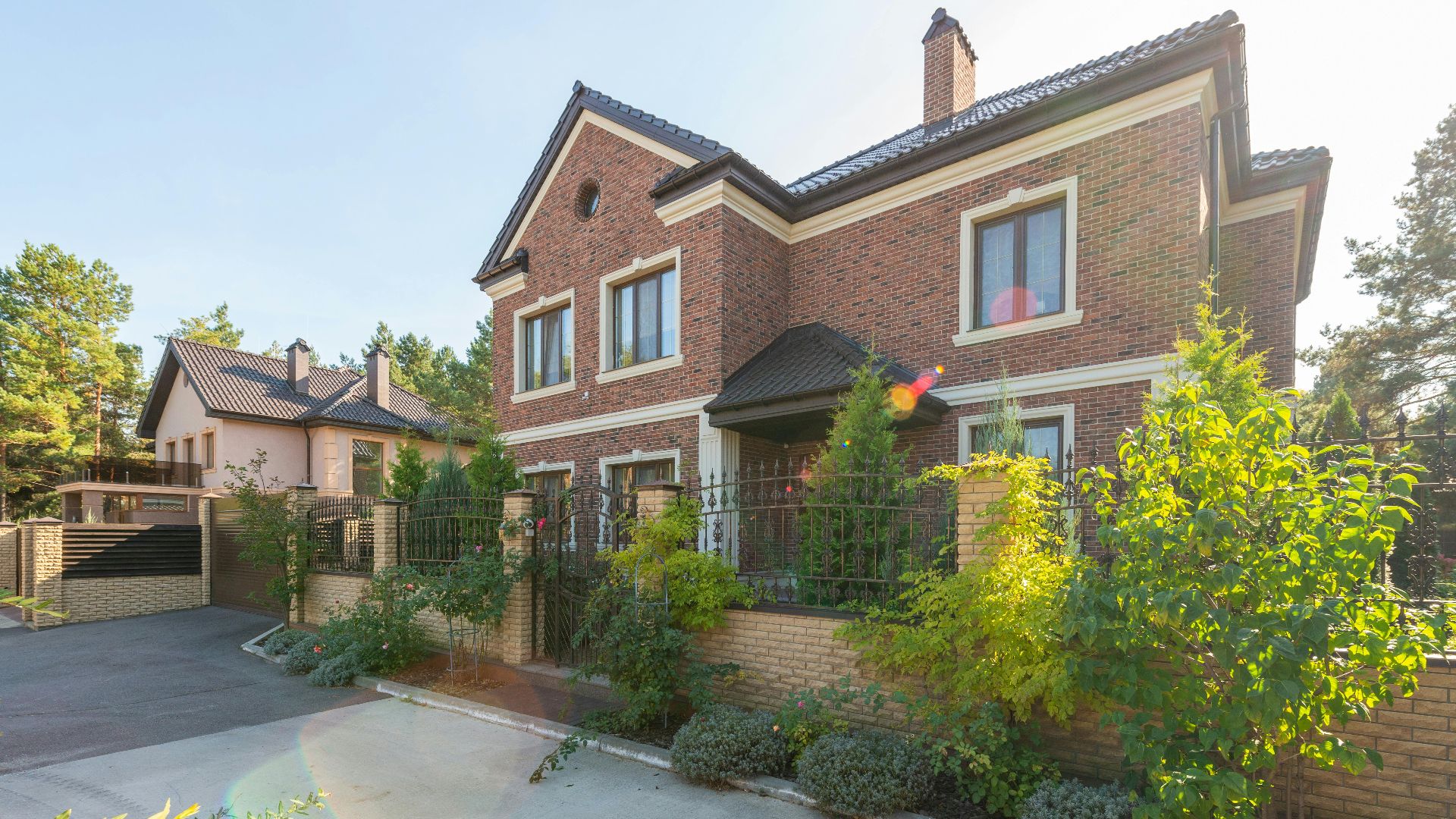
3. Closed Windows
Instead of friendly porches or open windows, every home appears guarded. Curtains pulled tight and gates locked shut communicate distance. The streets then carry a message of separation, with each household retreating from the idea of shared space.
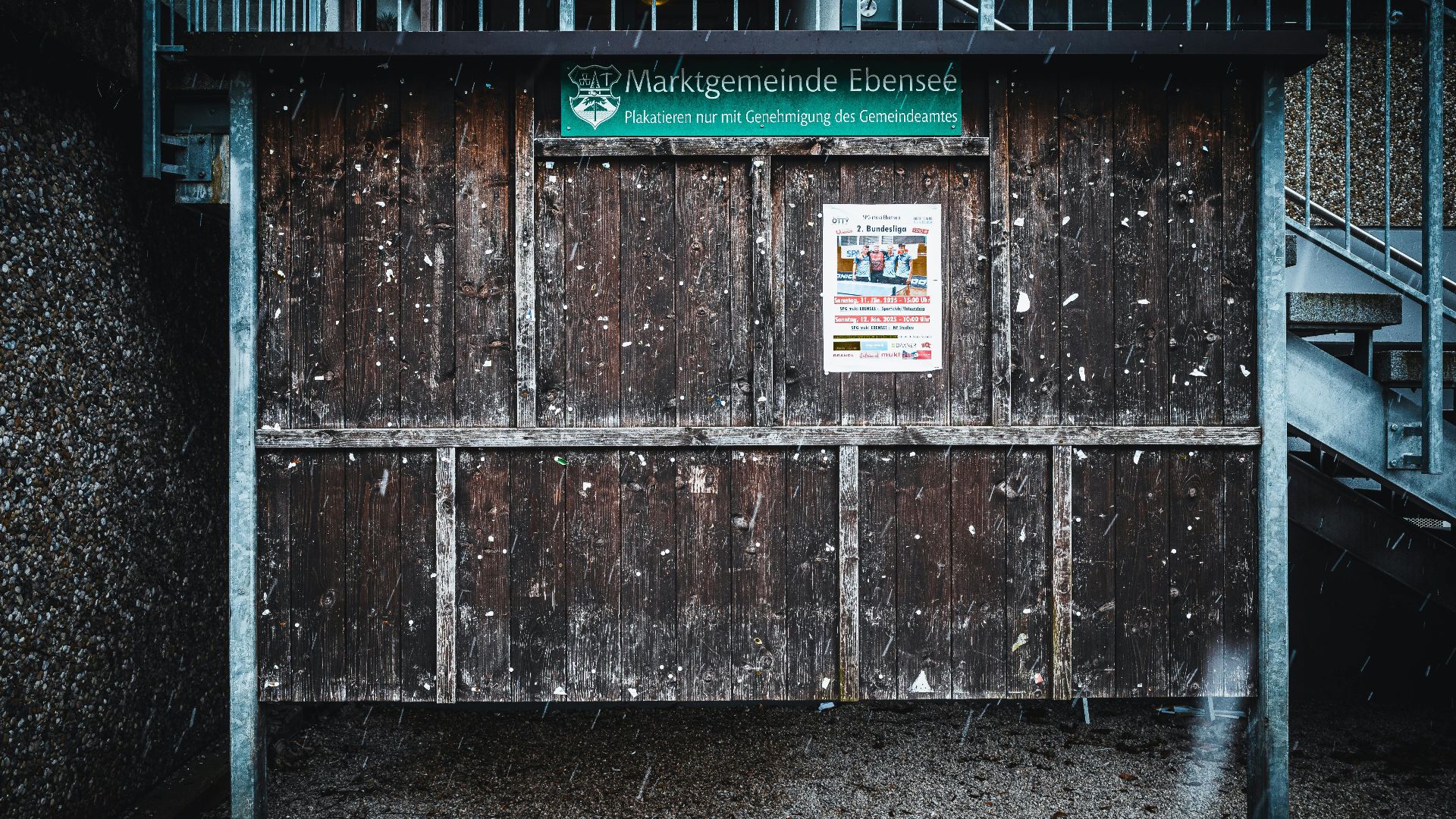
4. Abandoned Bulletin Boards
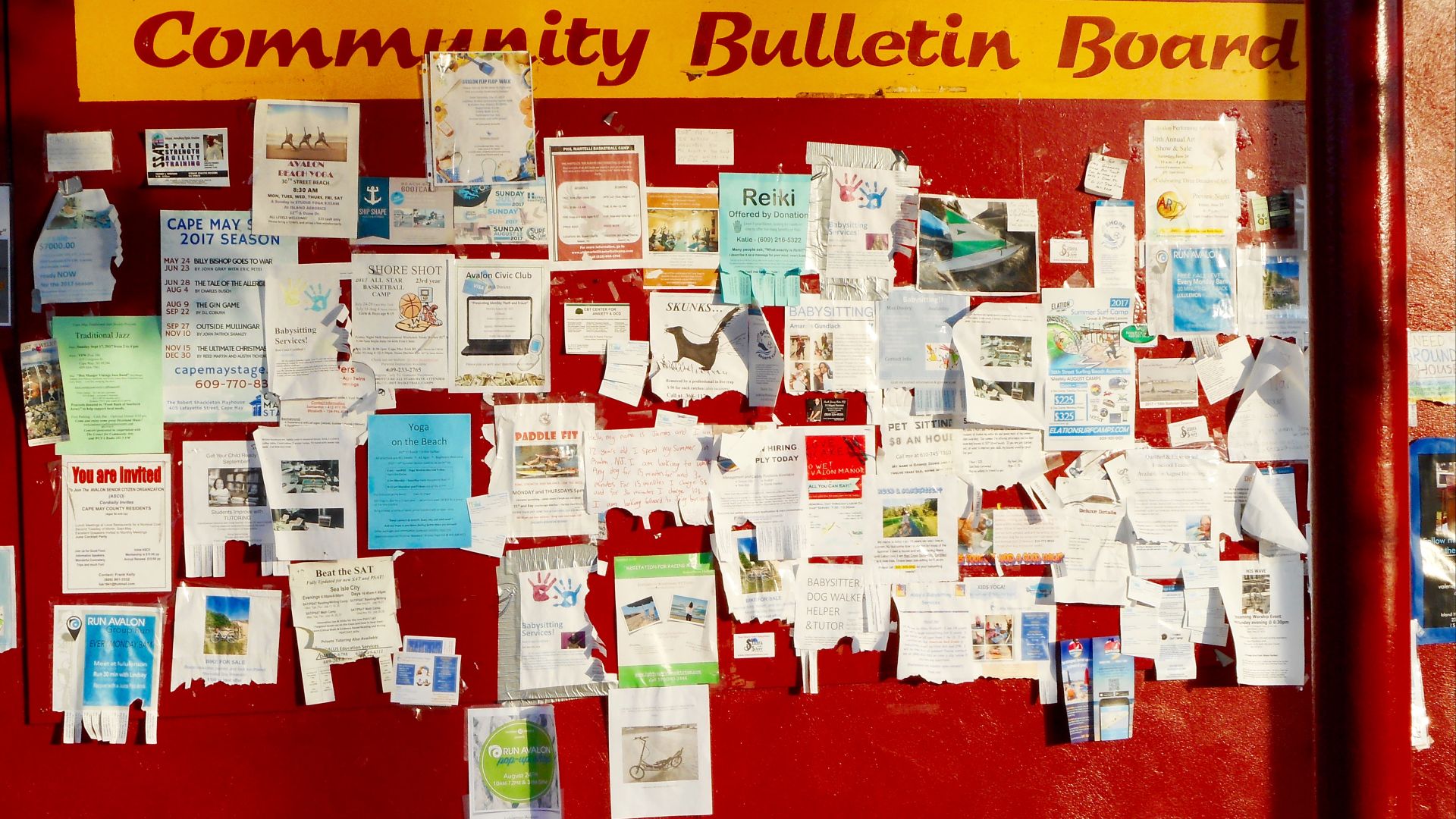
Walk past a community board, and the story tells itself. Outdated flyers or a bare cork surface reveal a neighborhood without shared announcements. Rather than being a hub of activity, the board becomes a reminder of how little is happening together.
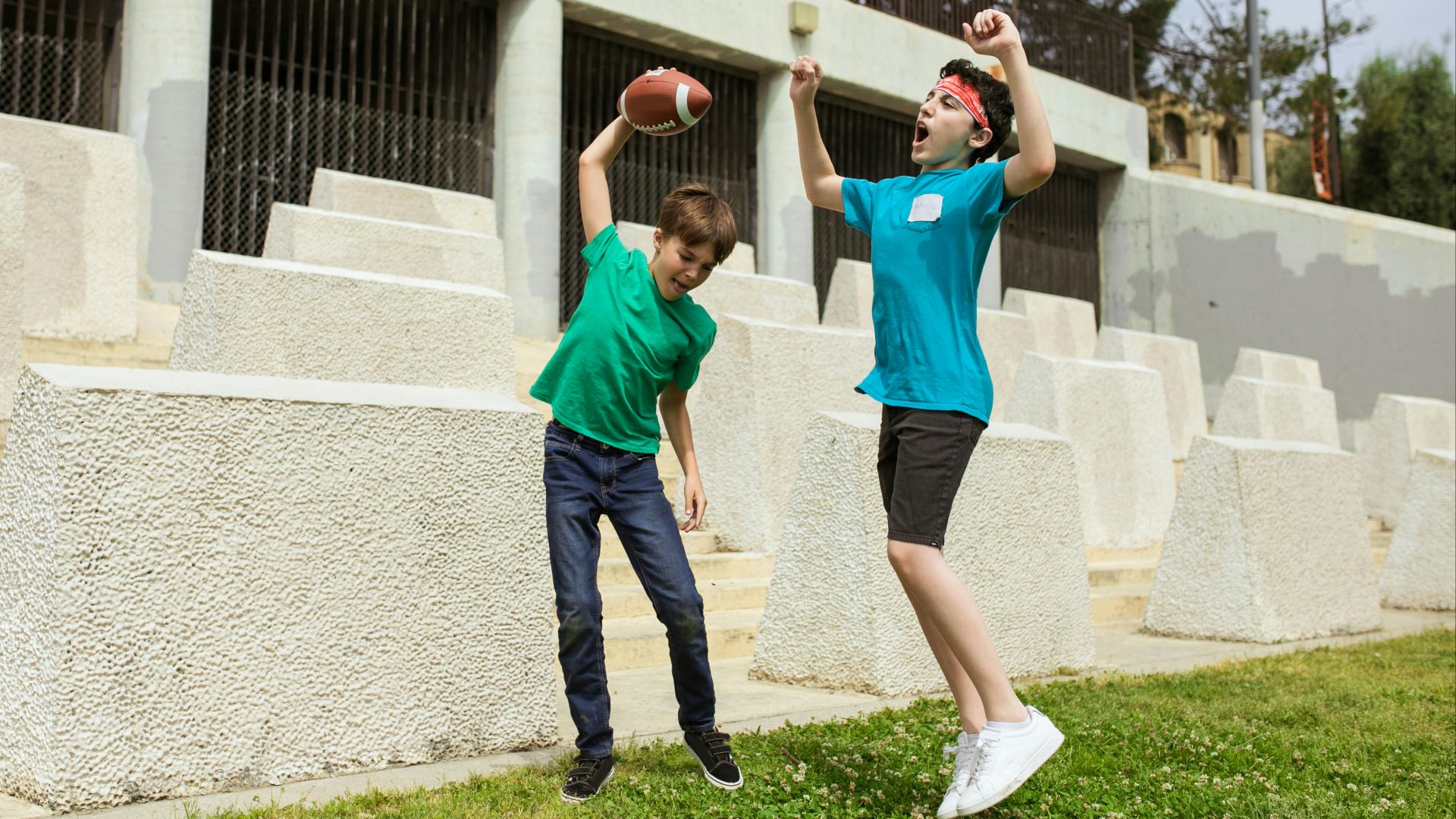
5. Few Children Playing Outside
Where children once filled sidewalks with games, the quiet speaks volumes. Without play, neighborhoods lose the sound and movement that spark casual bonds. Families become more private, and the area slowly turns into a set of isolated homes.
6. No Familiar Greetings
Every encounter feels transactional when no one says hello. Passing neighbors without recognition erases the small gestures that form trust. In the long run, the lack of these quick exchanges leaves the neighborhood feeling colder than it should.
7. Few Independent Businesses
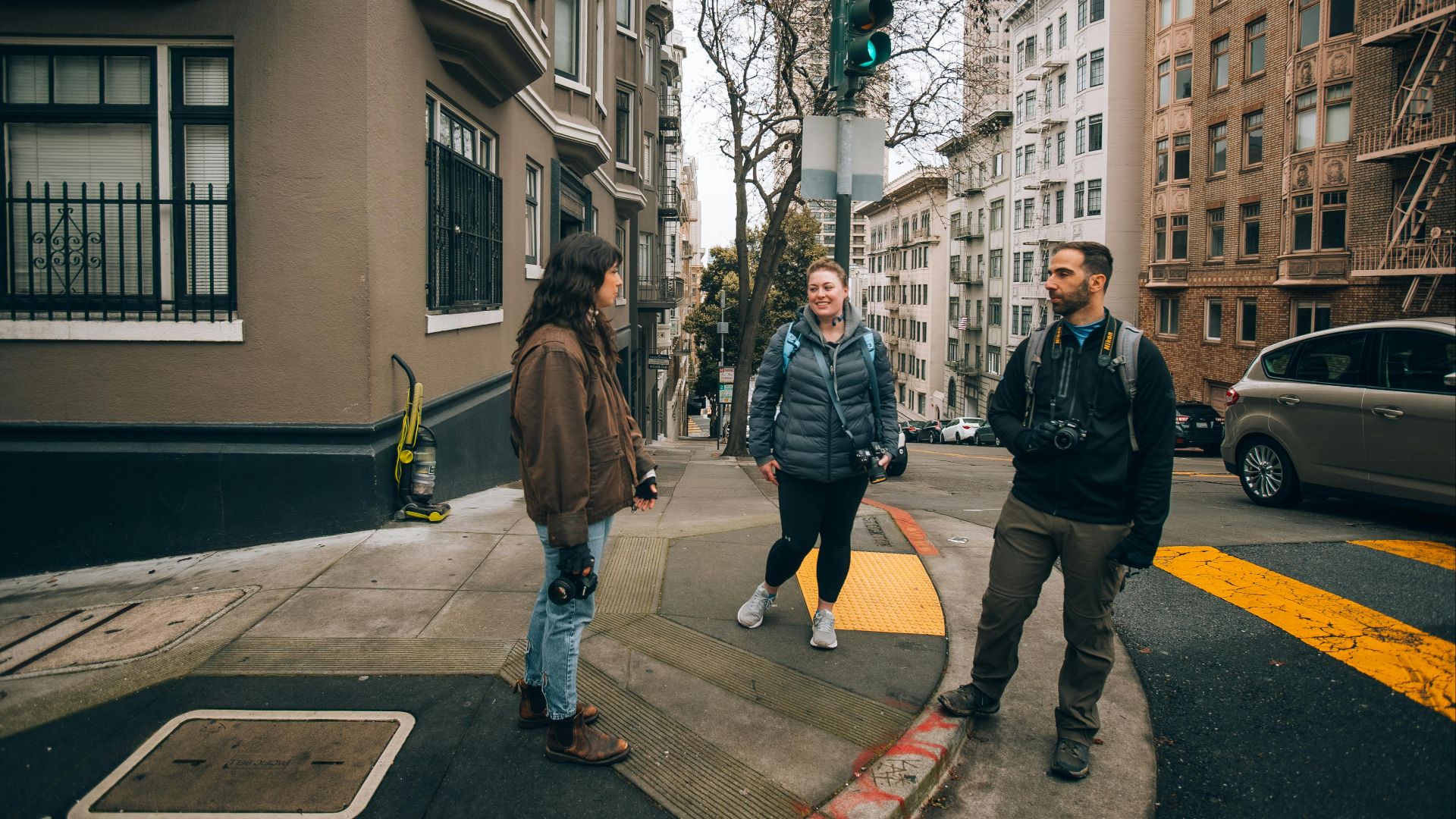
A strip of chain stores can run smoothly, yet something feels missing. Independent shops usually invite conversation and familiarity. Without them, streets lose their character, and residents lose one of the easiest spaces for casual connection.

8. No Volunteer Groups
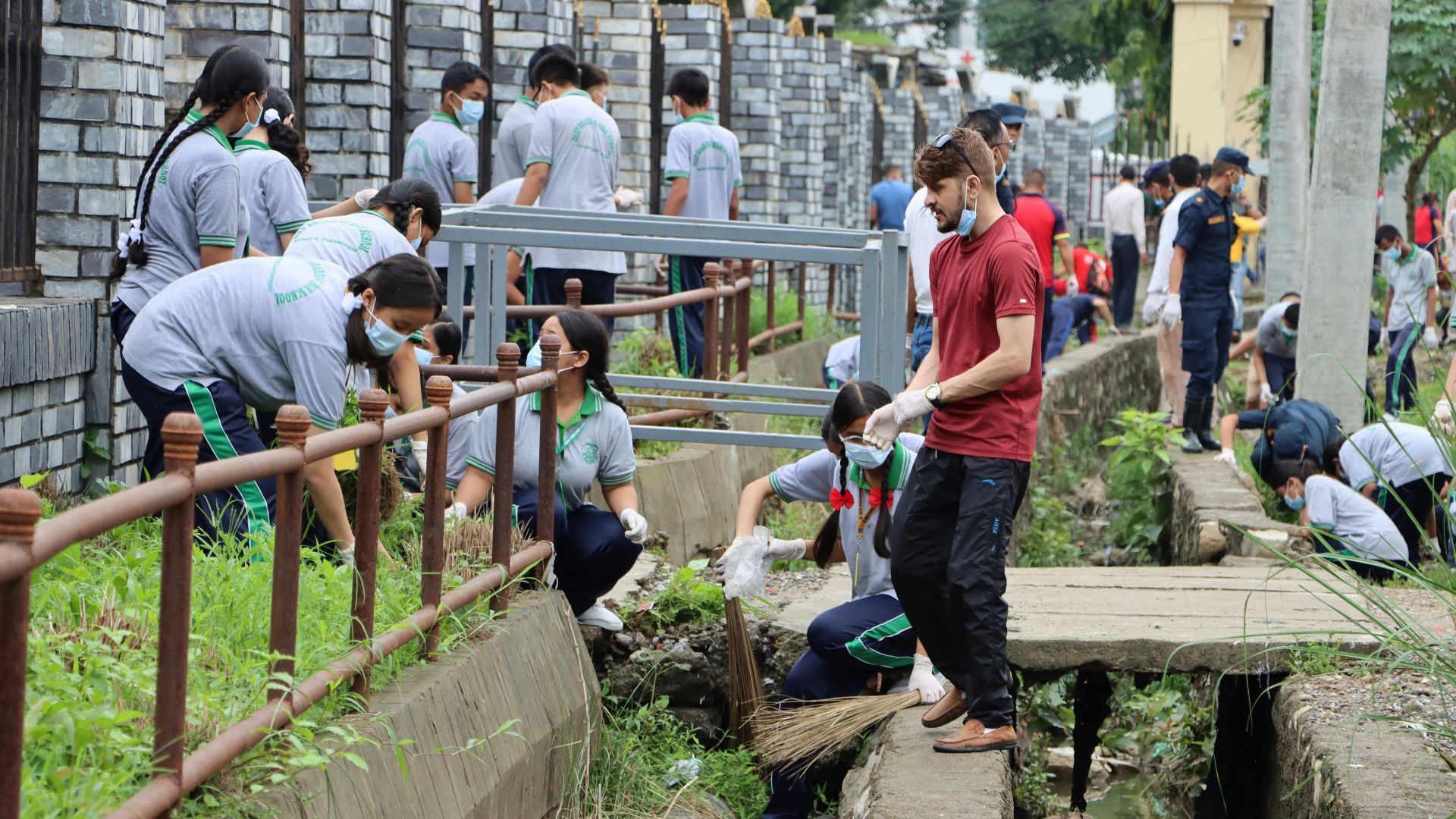
Take note of the sidewalks and shared spaces. If there are no community gardens or drives to improve things, the silence is telling. A lack of volunteer efforts highlights how little people feel tied to one another.
9. High Resident Turnover
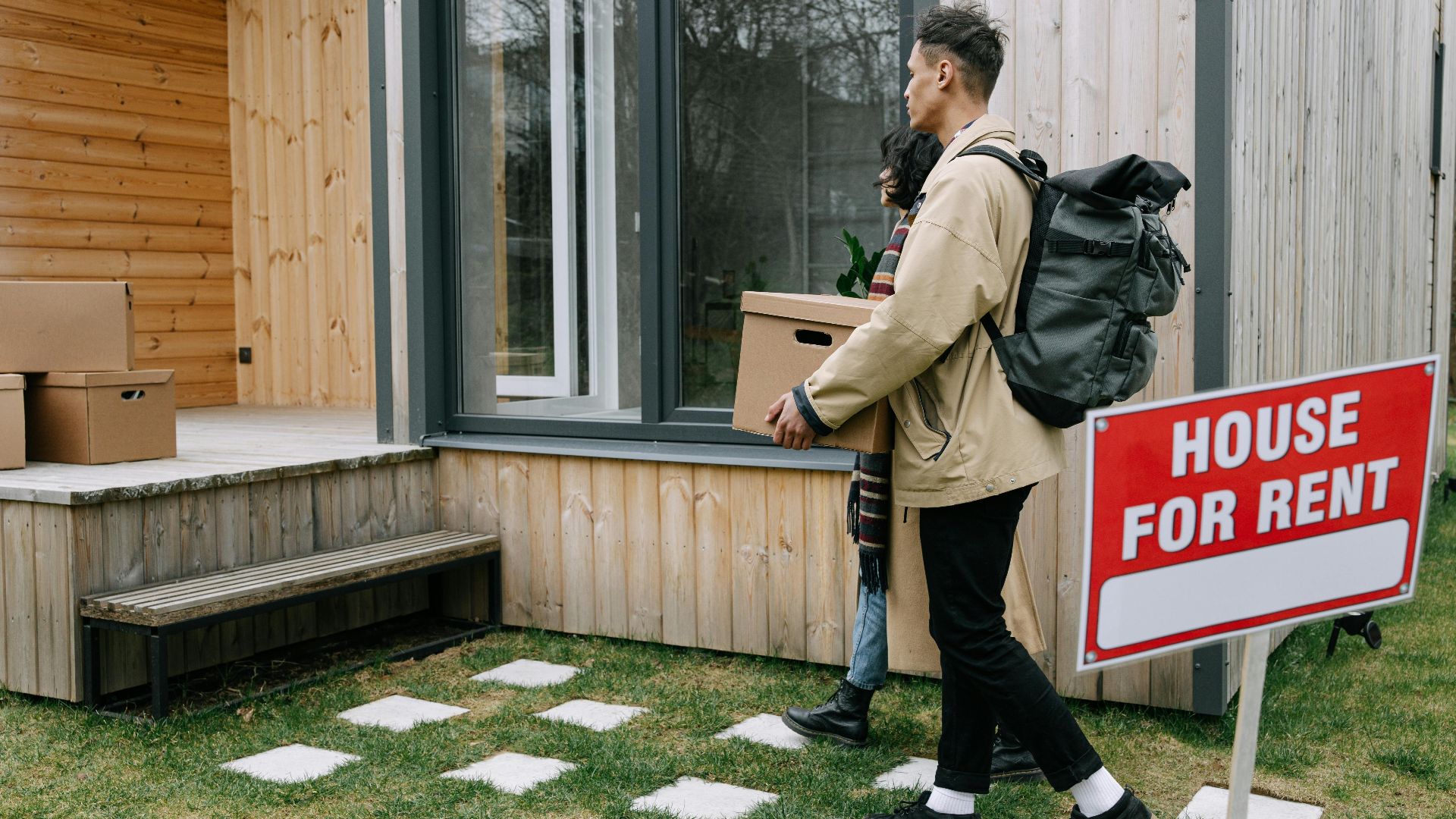
Moving trucks reveal more than cardboard boxes—they reveal instability. When people rarely stay long enough to know their neighbors, bonds never form. The constant cycle of new arrivals keeps the neighborhood in permanent reset mode.
10. Silence On Online Community Pages
Scroll through local Facebook groups or neighborhood apps and notice the quiet. If posts go unanswered and events go unnoticed, it signals minimal engagement. Active online spaces mirror strong real-world connections, so their dormancy is a clear warning.

Now that we’ve noticed the gaps, let’s talk about easy ways to bring people together and build that sense of community.
1. Host A Block Party
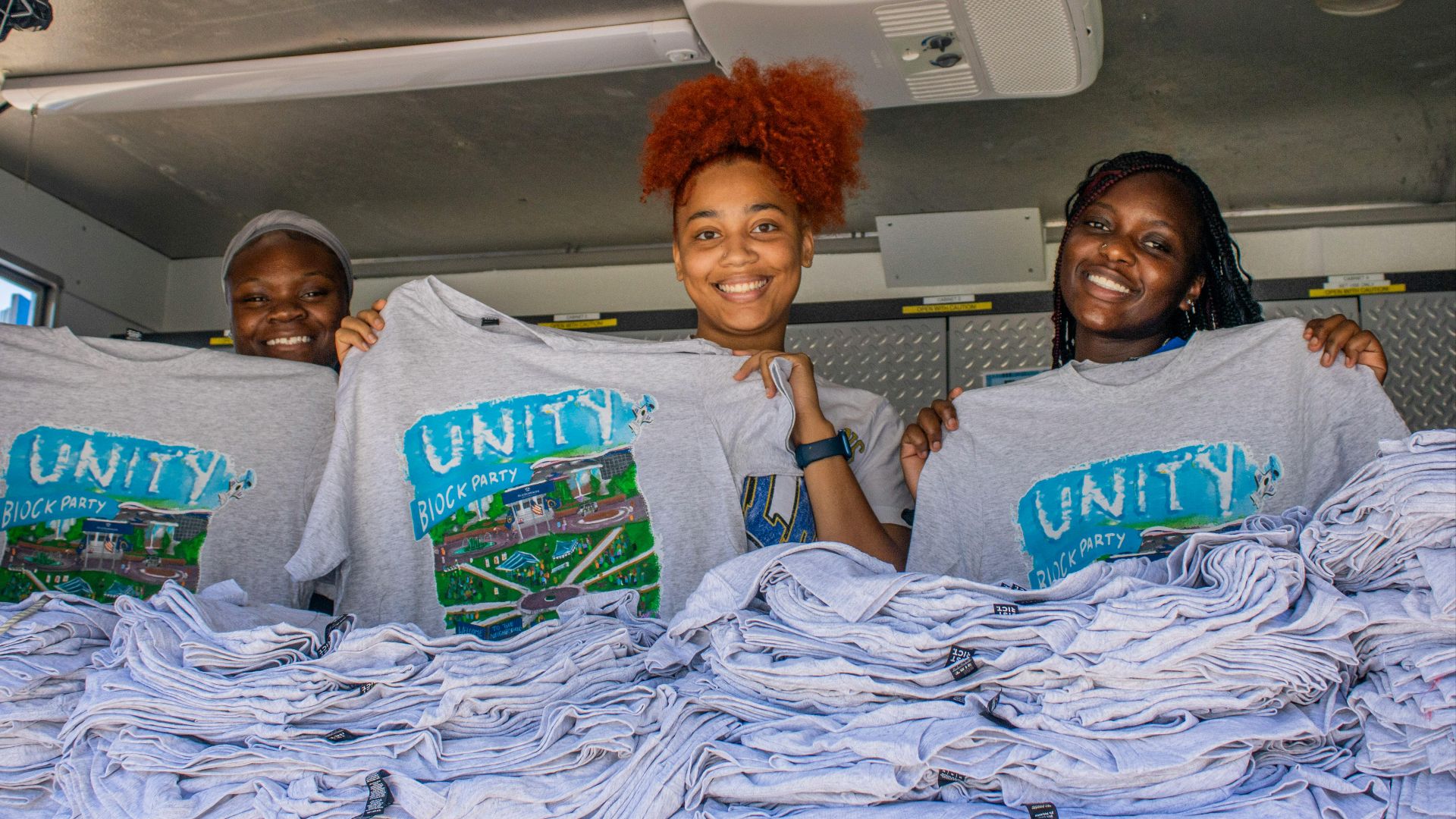
Start with a simple street gathering where neighbors can eat and laugh together. As people mingle, conversations spark naturally. Kids playing nearby invite smiles and greetings, and the atmosphere slowly shifts from quiet to lively. This one event can change how everyone sees the block.

2. Start A Book Exchange
A little library on the corner gives people a reason to pause. Someone drops off a book, another picks up a story, and suddenly neighbors are chatting. Over time, these small interactions create a rhythm of connection, and people begin to recognize faces they might have walked past unnoticed before.

3. Organize A Cleanup Day
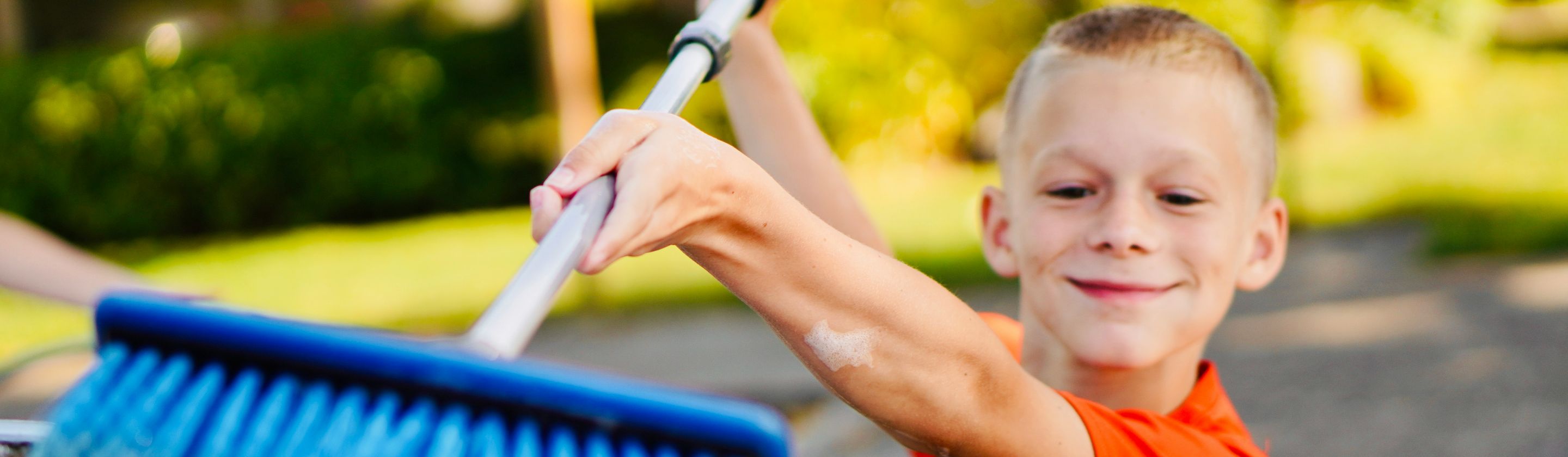
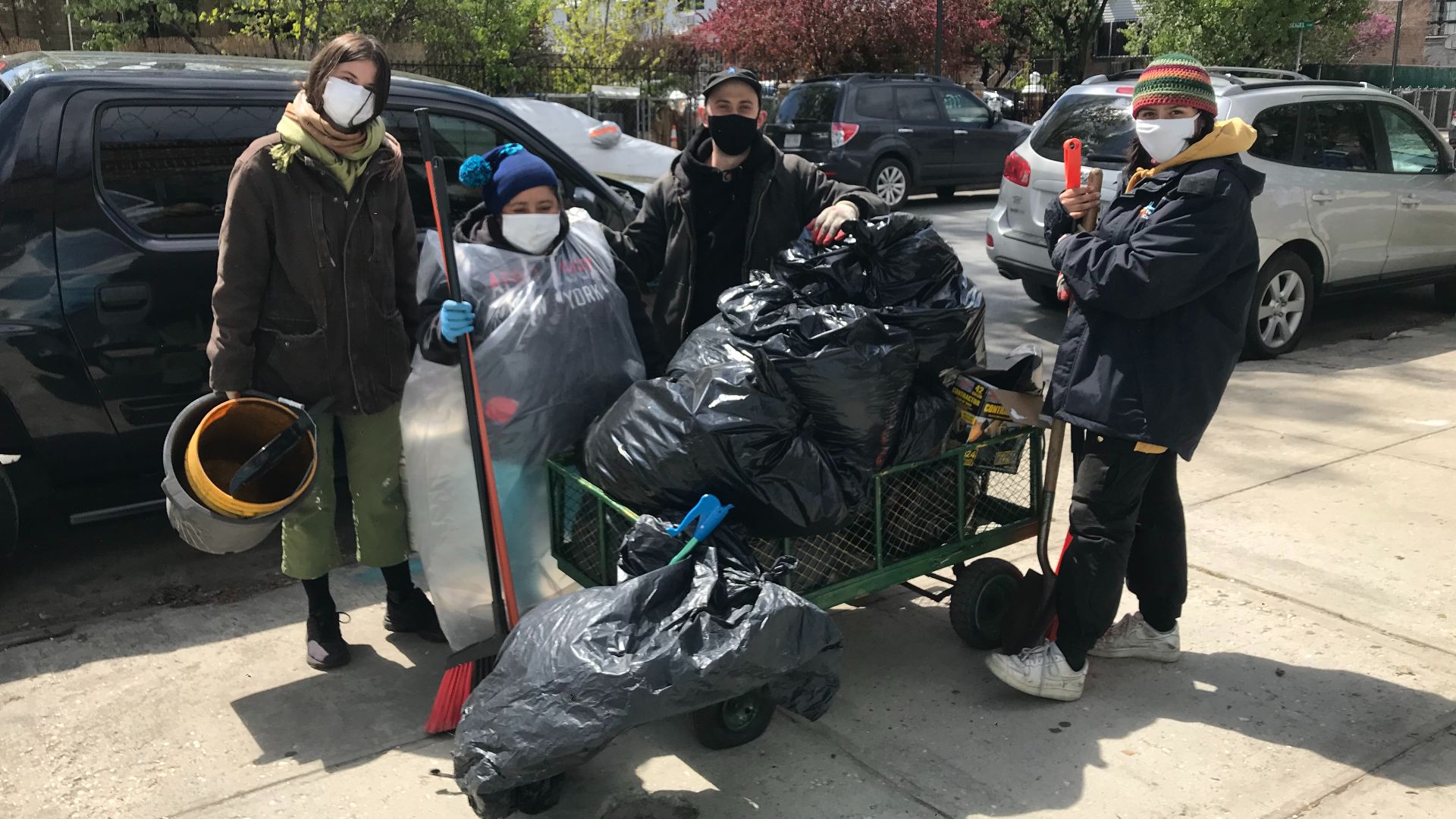
Gather a few neighbors for a park or street cleanup. While tidying up, conversations happen naturally, and the work itself brings a shared sense of accomplishment. Children helping with small tasks add energy, and by the end of the day, the neighborhood feels cared for and noticeably brighter.
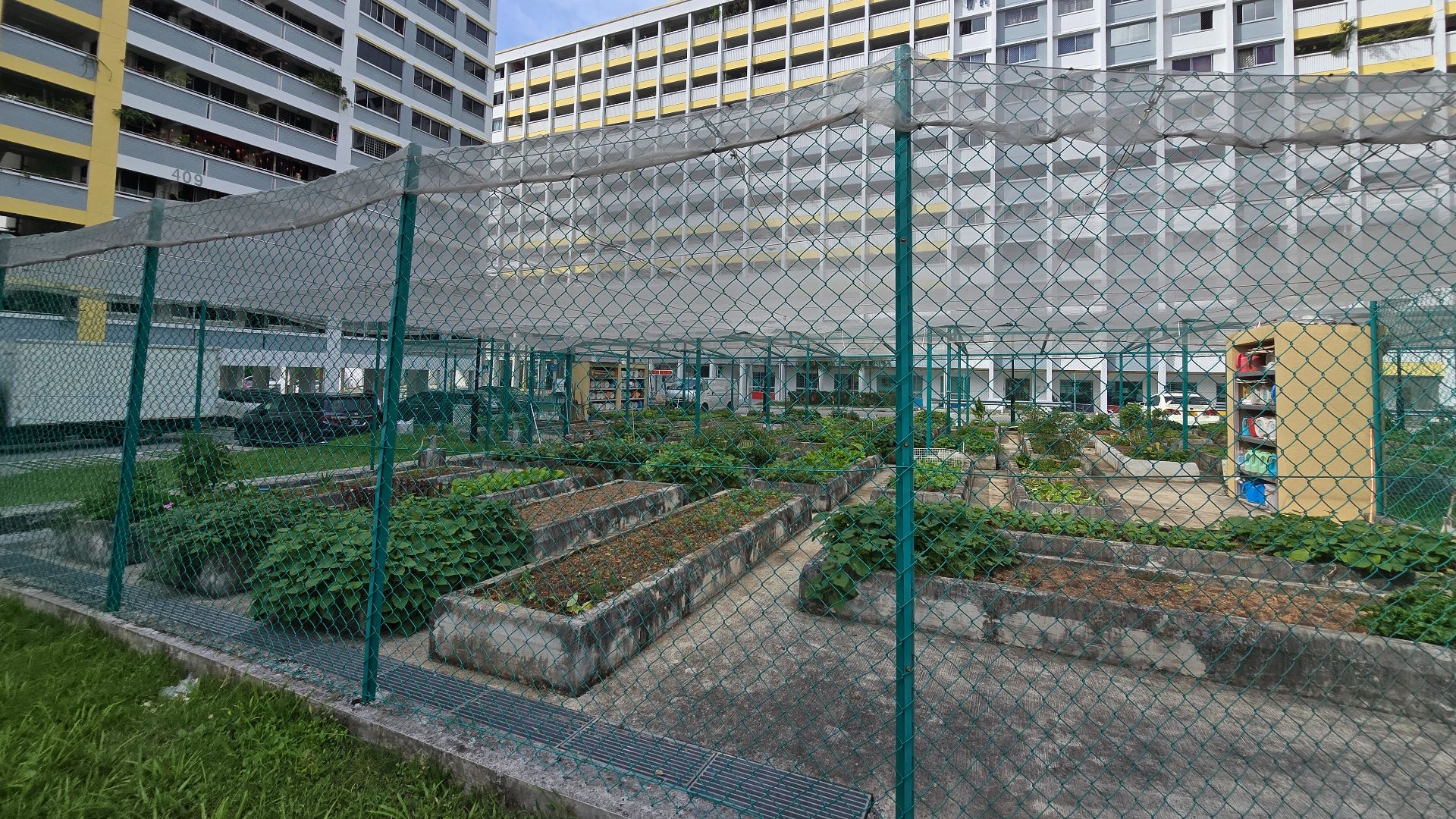
4. Create A Community Garden
Transform an empty patch into a thriving garden and watch it bring people together. Neighbors trade tips on planting and harvesting, and stories flow between watering sessions. Gardens turn mundane chores into shared experiences that help the neighborhood feel alive and connected.
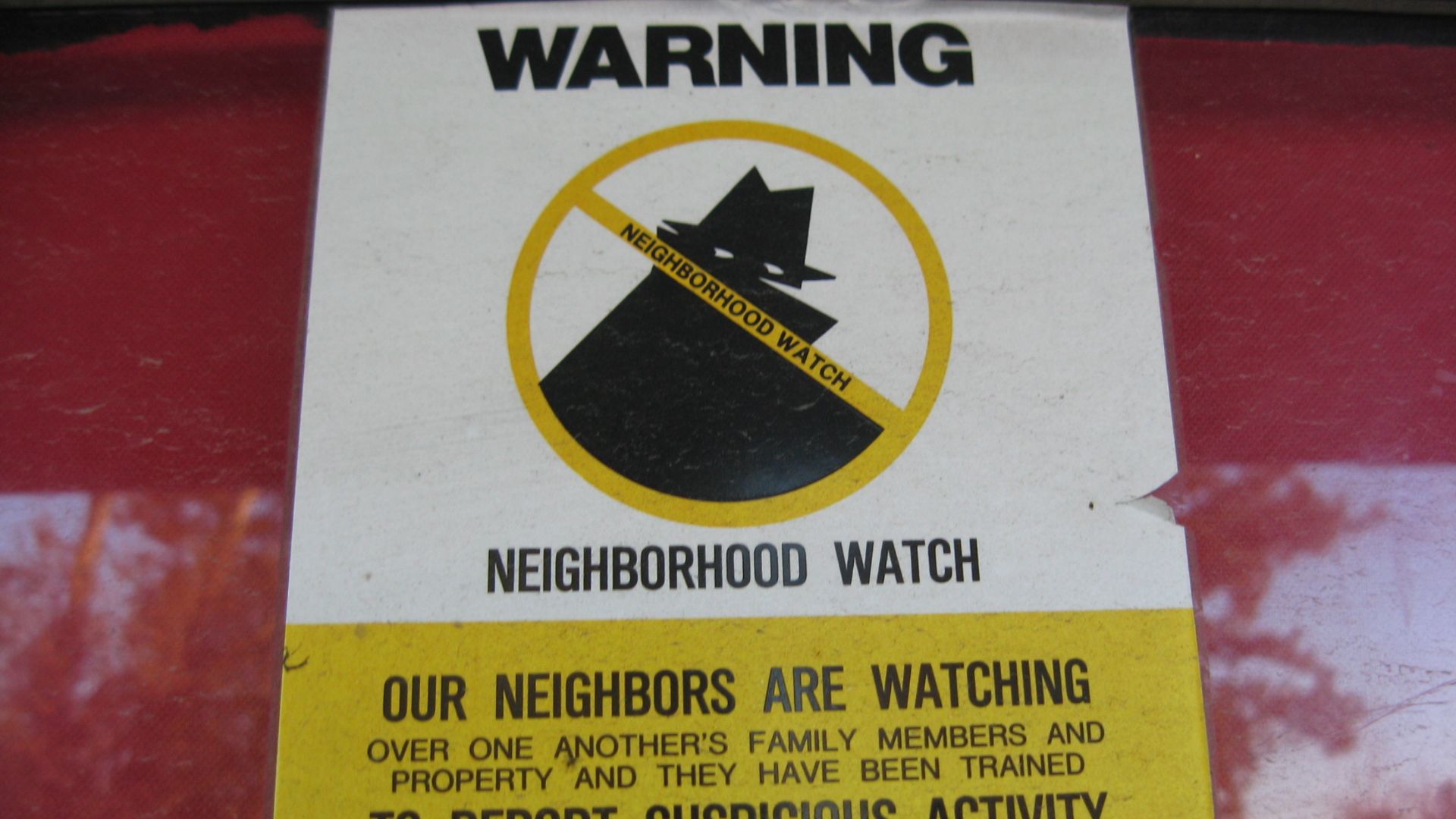
5. Launch A Neighborhood Watch
Forming a watch group gives people a reason to check in and talk regularly. While discussing safety or keeping an eye on shared spaces, friendships grow. As people collaborate to look after the neighborhood, trust builds up and makes the streets feel more welcoming.
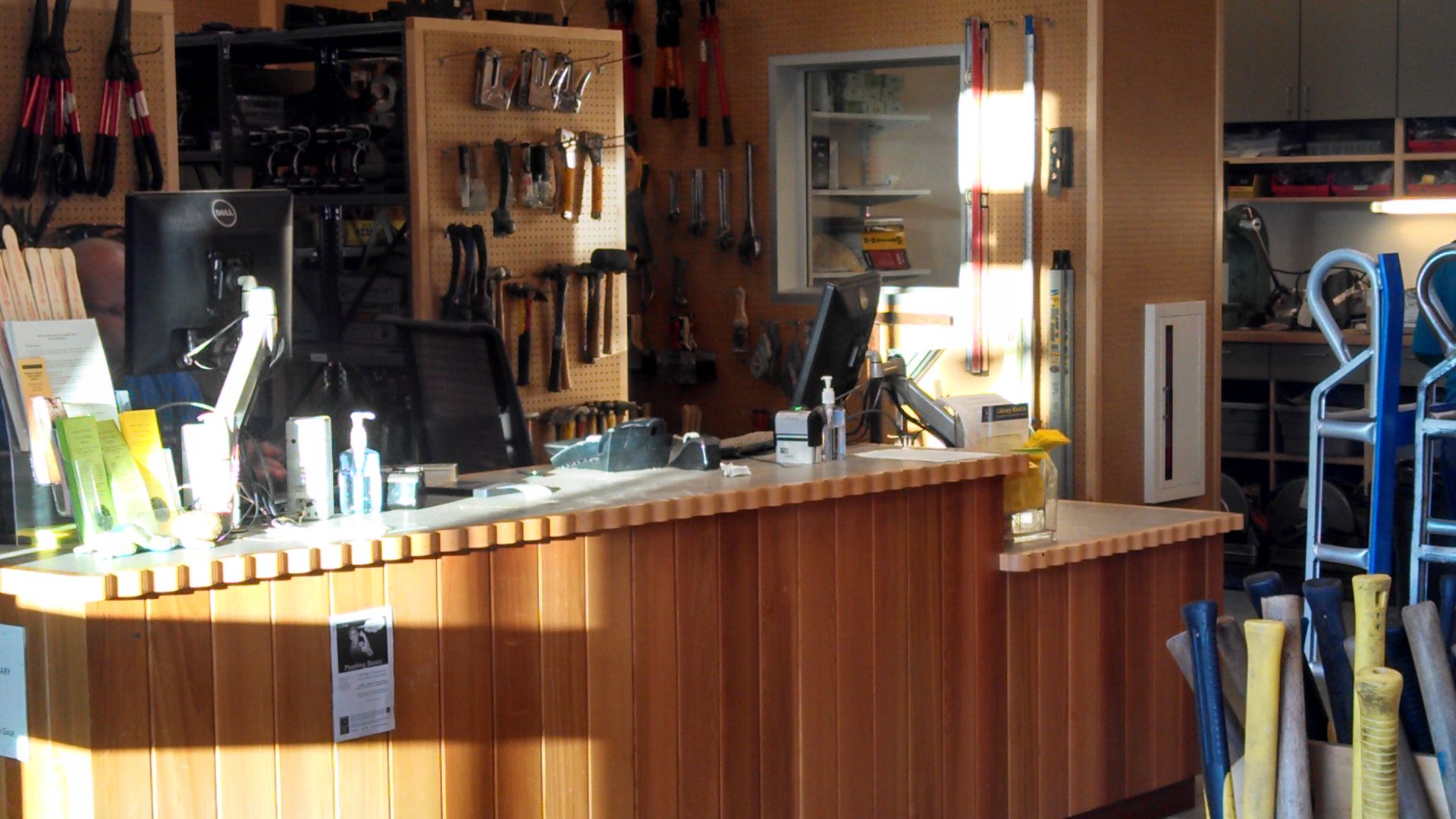
6. Set Up Shared Tools Or Resources
Creating a tool-sharing space encourages casual meetups. Someone borrowing a ladder might bump into a neighbor returning a drill, leading to conversations that wouldn’t happen otherwise. These small interactions nurture trust and gradually remind everyone that collaboration is rewarding.
7. Form A Walking Group
Start a casual group walk through the neighborhood, and watch how paths bring people together. Passing the same houses and chatting about everyday events sparks interaction. The routine builds friendships over time and makes both neighbors and the streets feel safer and inviting.

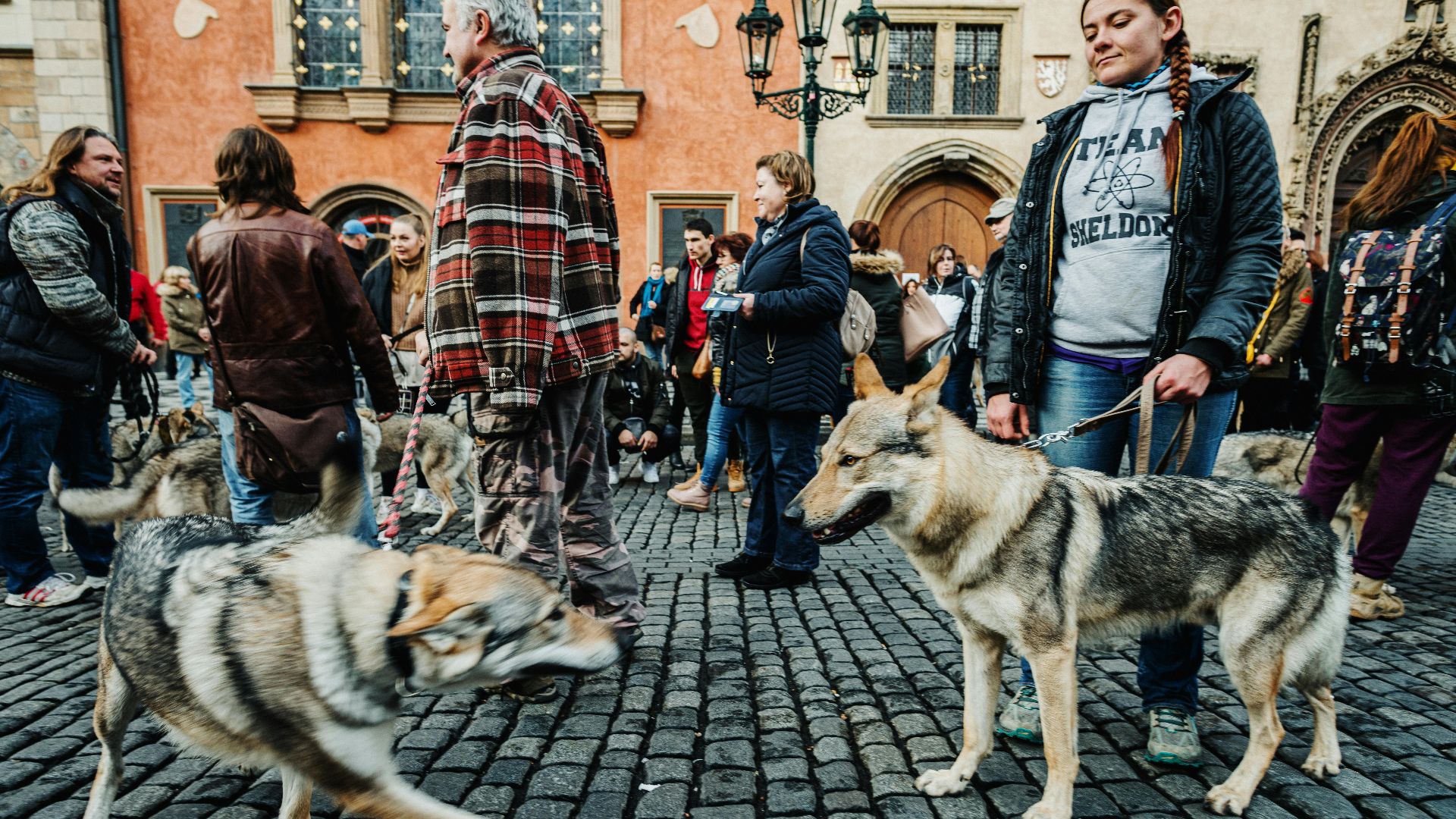
8. Create A Pet Meetup
Pets are natural conversation starters. Gather neighbors for a dog walk or small meetup, and people start chatting while the animals play. Conversations happen effortlessly, and green spaces begin to buzz with life, creating a warmer and more connected neighborhood.
 Helena Jankovičová Kováčová on Pexels
9. Celebrate Cultural Holidays Together
Invite neighbors to share in local or cultural celebrations. Food, music, and decorations create fun experiences and provide reasons to interact. Through these shared traditions, people learn about each other, build trust, and begin forming friendships naturally.

10. Build A Neighborhood Bulletin Board
A physical board becomes a hub for sharing news and small updates. People stop to read and comment, which sparks casual conversations. The board turns into a focal point where information and interaction flow naturally.