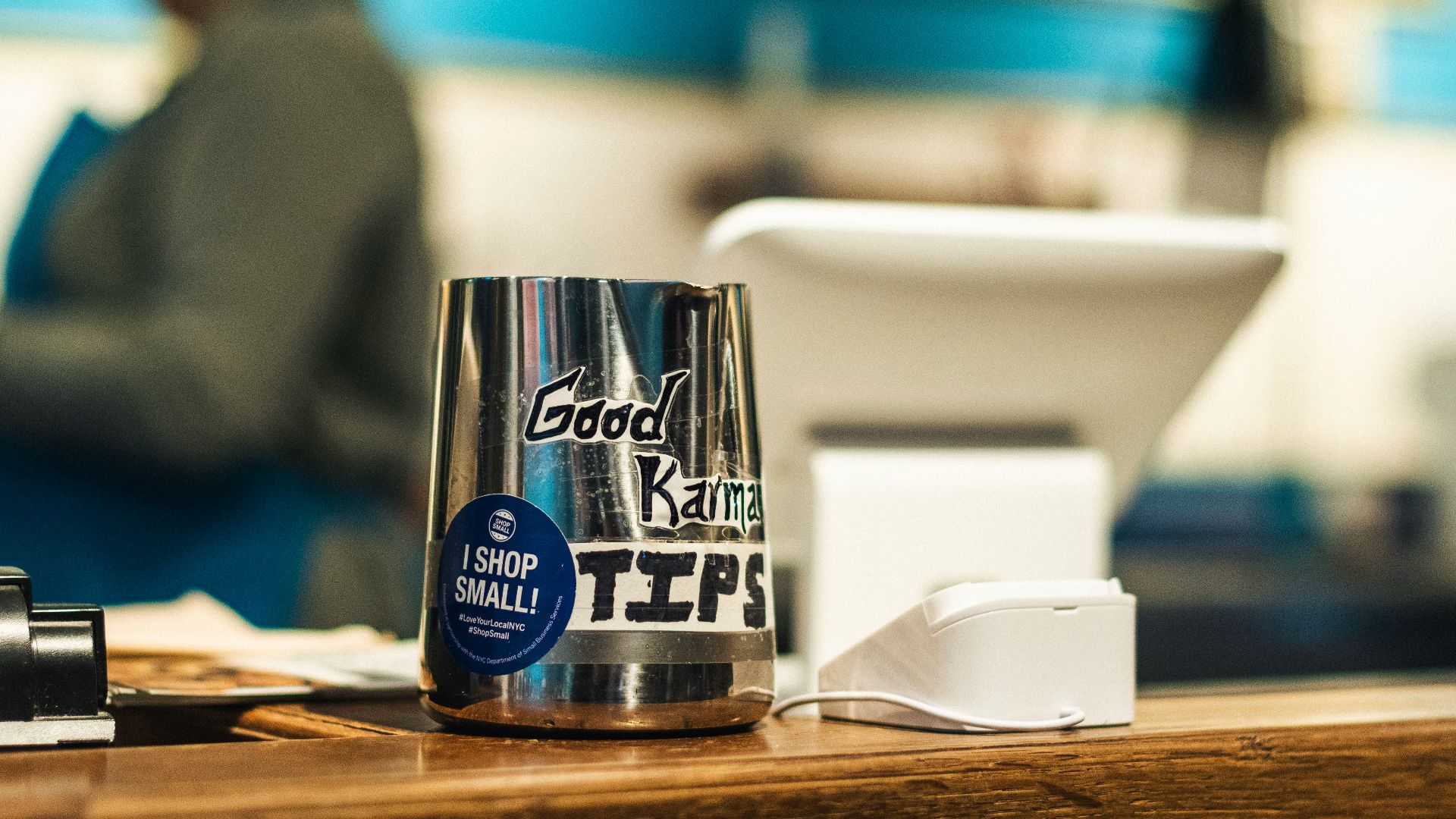
The Awkward Tip Moment
Tipping at coffee counters has become oddly loaded—one screen tap can trigger second-guessing, quiet pressure, or a shrug followed by compliance. Expectations feel unclear, and everyone seems to carry a different rulebook. Today, we're breaking down both sides without judgment to help you sidestep an awkward encounter!
1. The Price Already Includes Labor Cost
Menu prices are designed to cover wages, rent, supplies, and profit before a drink is ever made. Because counter service doesn't include table attention, that labor cost is already built in. Tipping on top shifts payment responsibility away from the business and onto customers.
2. Tipping Was Designed For Table Service, Not Counter Service
Tipping grew out of sit-down dining, where servers stayed with a table from start to finish. Cafés once worked differently. Orders were placed, drinks were handed over, and payment ended there. Digital prompts changed that rhythm, but not the original service model.
3. Digital Prompts Shift Responsibility From Employer to Customer
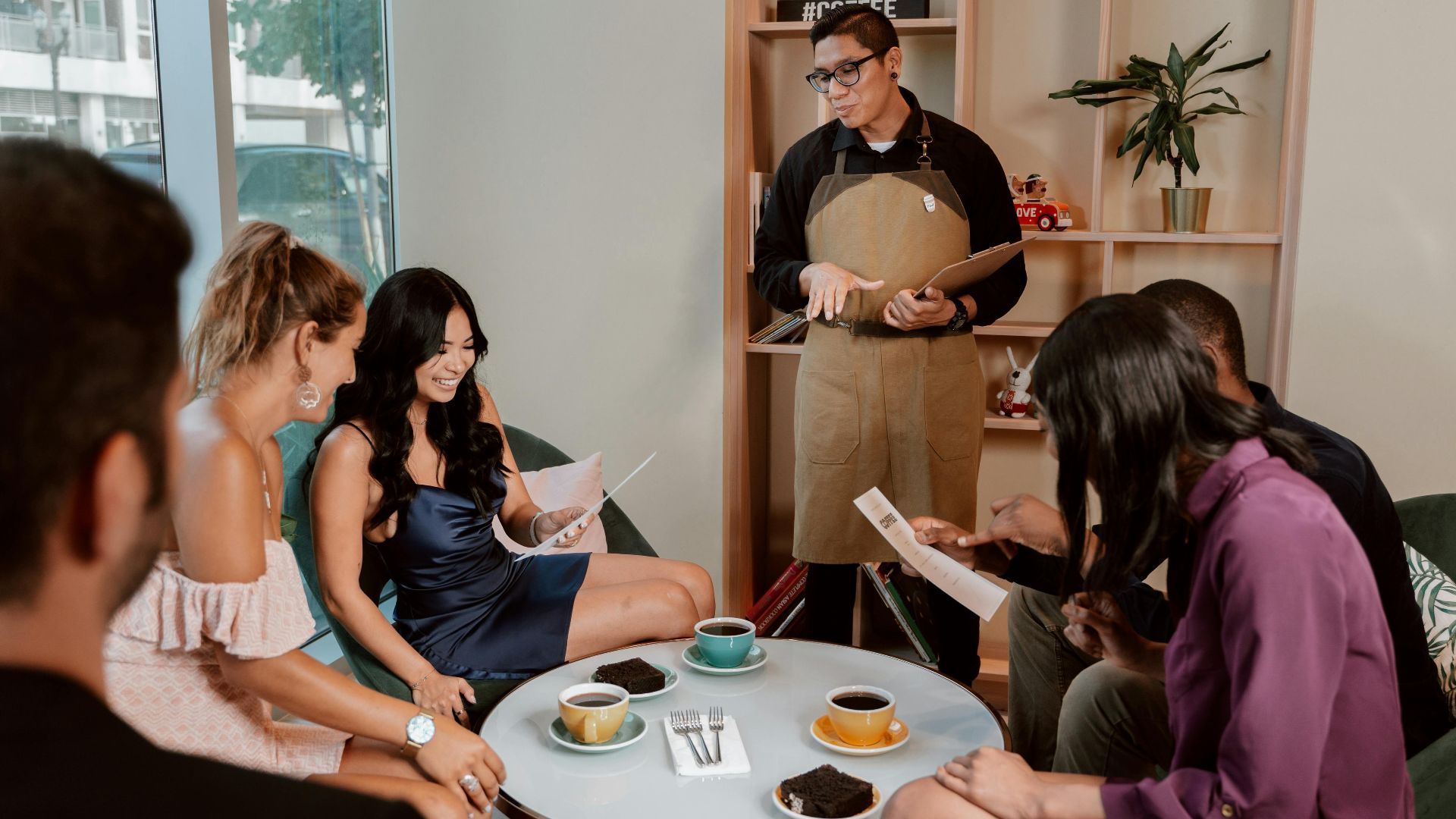
Tip screens appear before the drink exists. Cue the social pressure. Since payment happens first, customers feel nudged into covering labor costs directly, and that moment subtly reframes wages as a shared obligation rather than something handled entirely by the employer.
4. Tip Requests Appear Before Service Quality
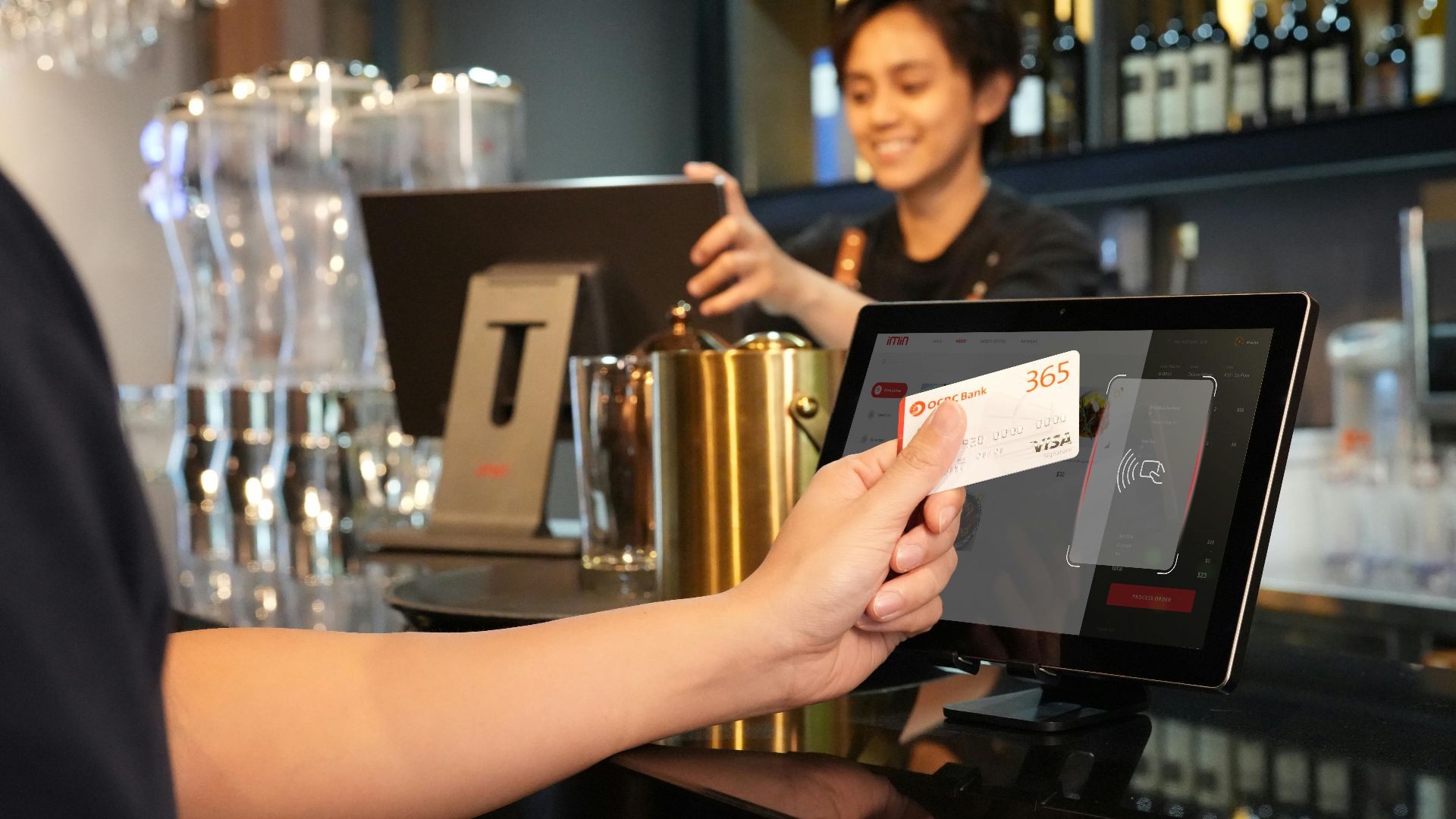
Nothing happened yet, but the screen already wants a tip. That feels off because tipping usually comes after a good interaction. Without seeing the outcome, the decision turns automatic instead of being based on how the service actually felt.
5. Tipping Can Reinforce Inconsistent Pay Across Shifts
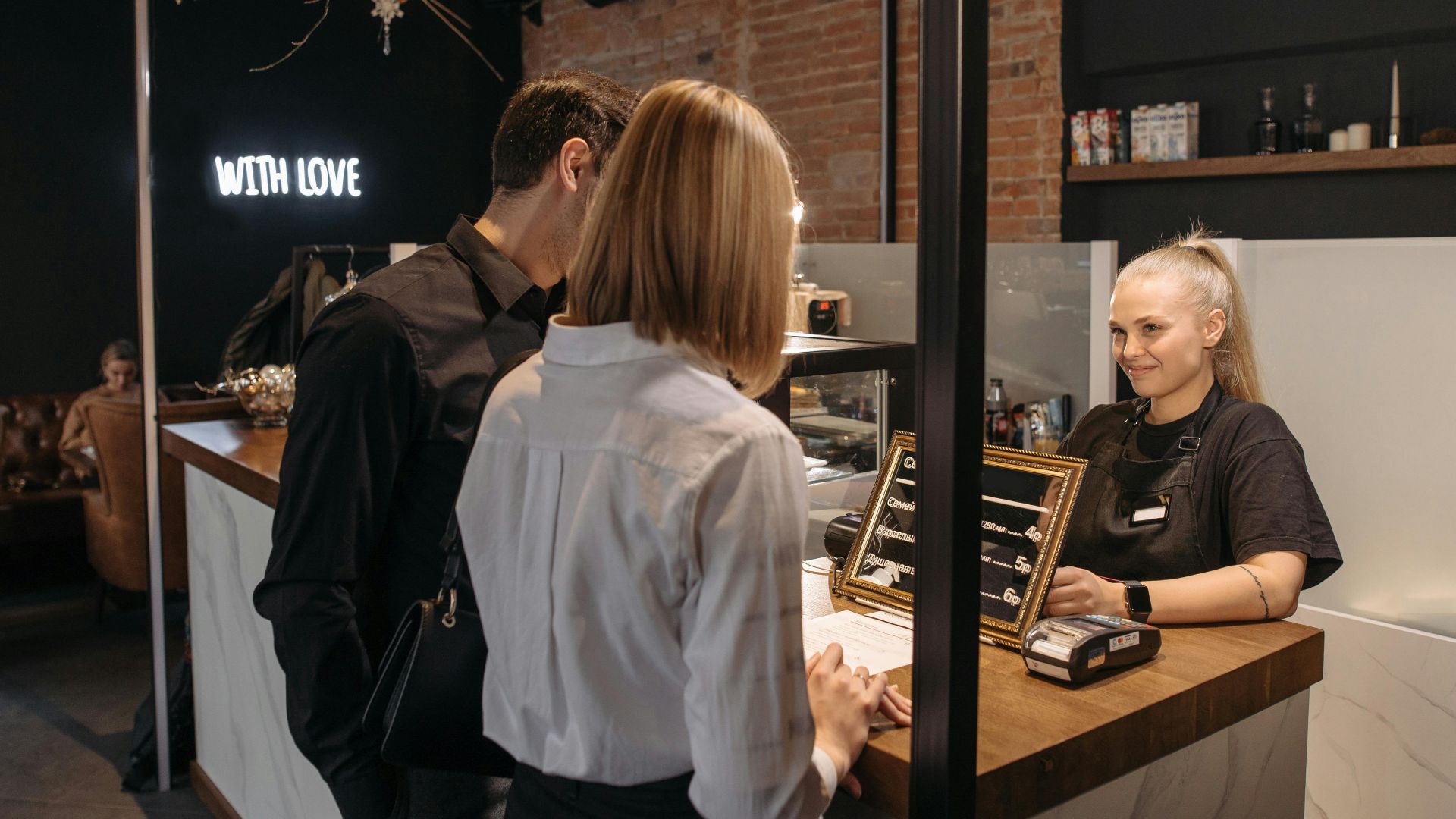
Tip totals change by hour, crowd, and location more than by effort. Morning rushes often earn more than slower periods with identical work. Choosing not to tip avoids supporting a pay system where income swings based on timing rather than steady wages.

6. Tip Culture Can Mask Low Base Pay
Some cafés lean on tips to keep hourly wages lower. Higher earning potential sounds appealing, yet it often replaces stable pay with uncertainty. Skipping tips reduces customer participation in a system that shifts compensation risk away from businesses and onto workers.
7. Uniform Wages Promote Fairness Among Staff
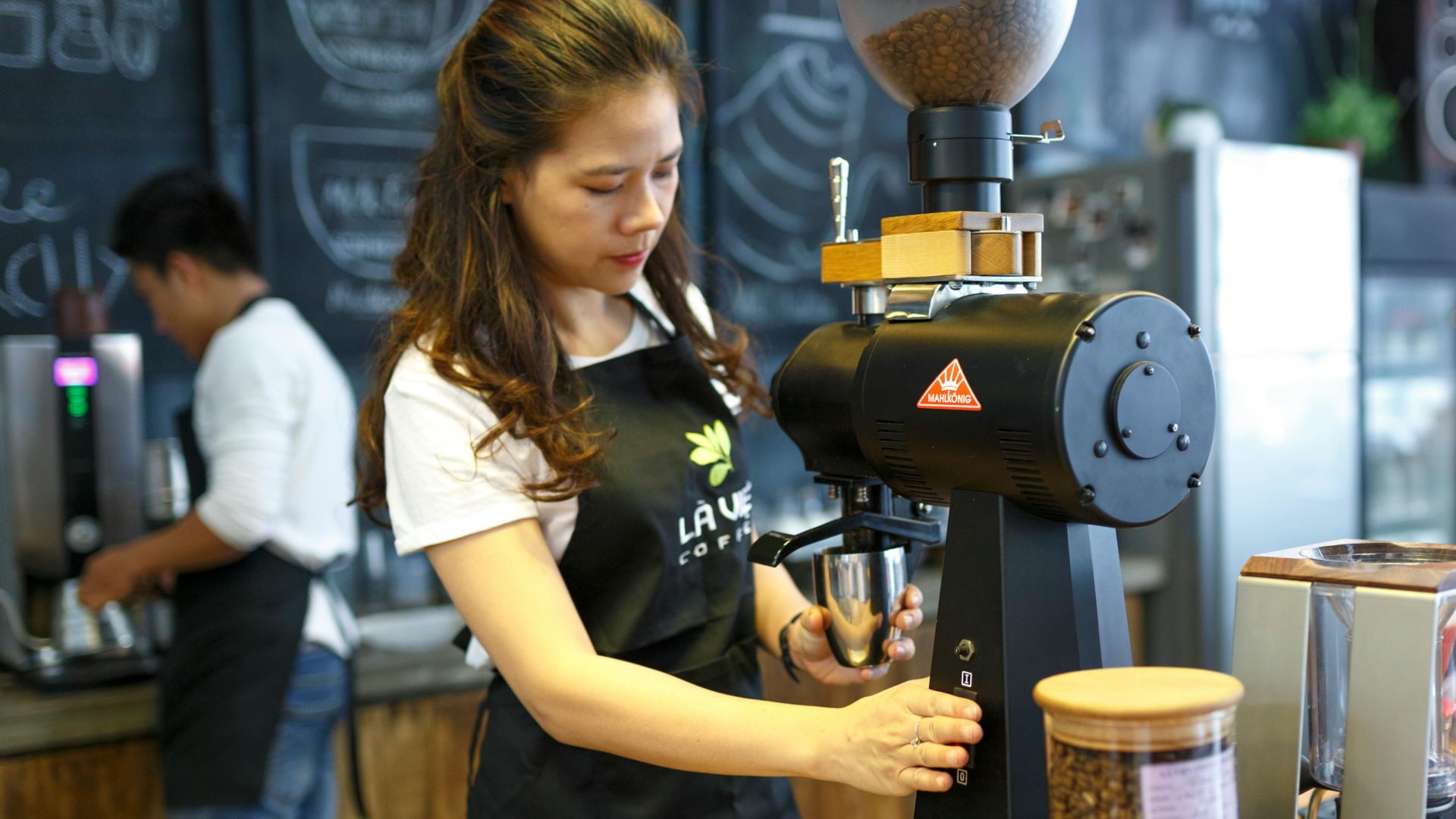
Tips are not always shared evenly among café employees. Some workers receive more visibility, while others support the same workload behind the scenes. Choosing not to tip avoids reinforcing uneven distribution and keeps responsibility for fair pay where it belongs, with the employer.

8. Customers Lack Transparency on Where Tips Go
Few customers know how café tips are actually handled. Distribution rules, again, stay unclear, and money may enter pooled systems rather than reach the person who helped you. Declining to tip avoids contributing to a process that offers little visibility or assurance about outcomes.

9. Social Pressure Undermines Genuine Gratitude
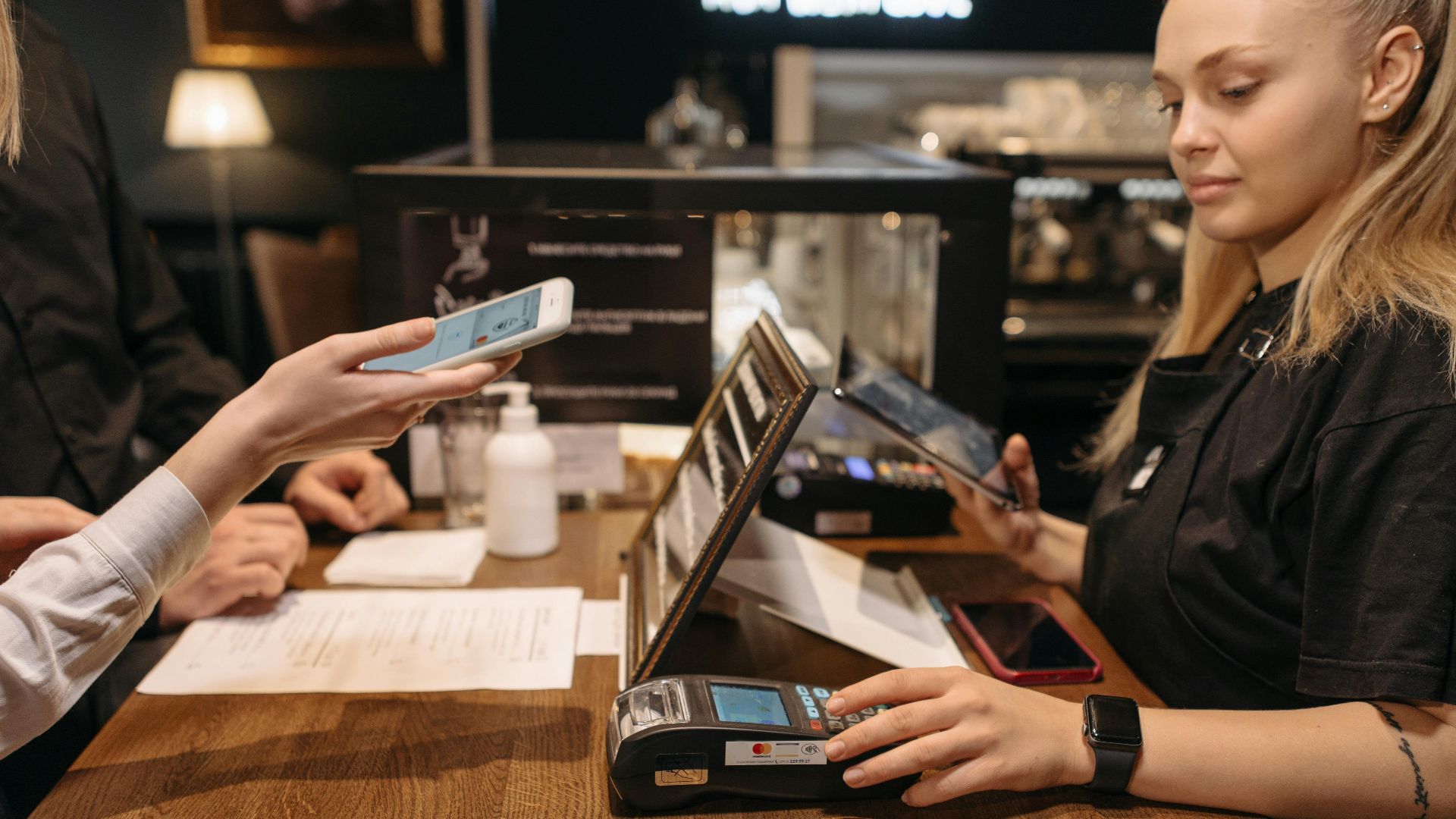
Tip screens often suggest amounts before any decision feels natural, and standing at the counter adds tension. That pressure changes the gesture from appreciation to compliance. Not tipping removes the obligation from the moment and keeps generosity from being shaped by discomfort.
10. Tipping Creates Unequal Treatment Among Customers
When tipping becomes expected, service can shift in subtle ways. Staff may spend more time with customers, seen as generous, even without intent. That dynamic changes counter service from predictable to uneven, which weakens the idea that everyone receives the same experience.
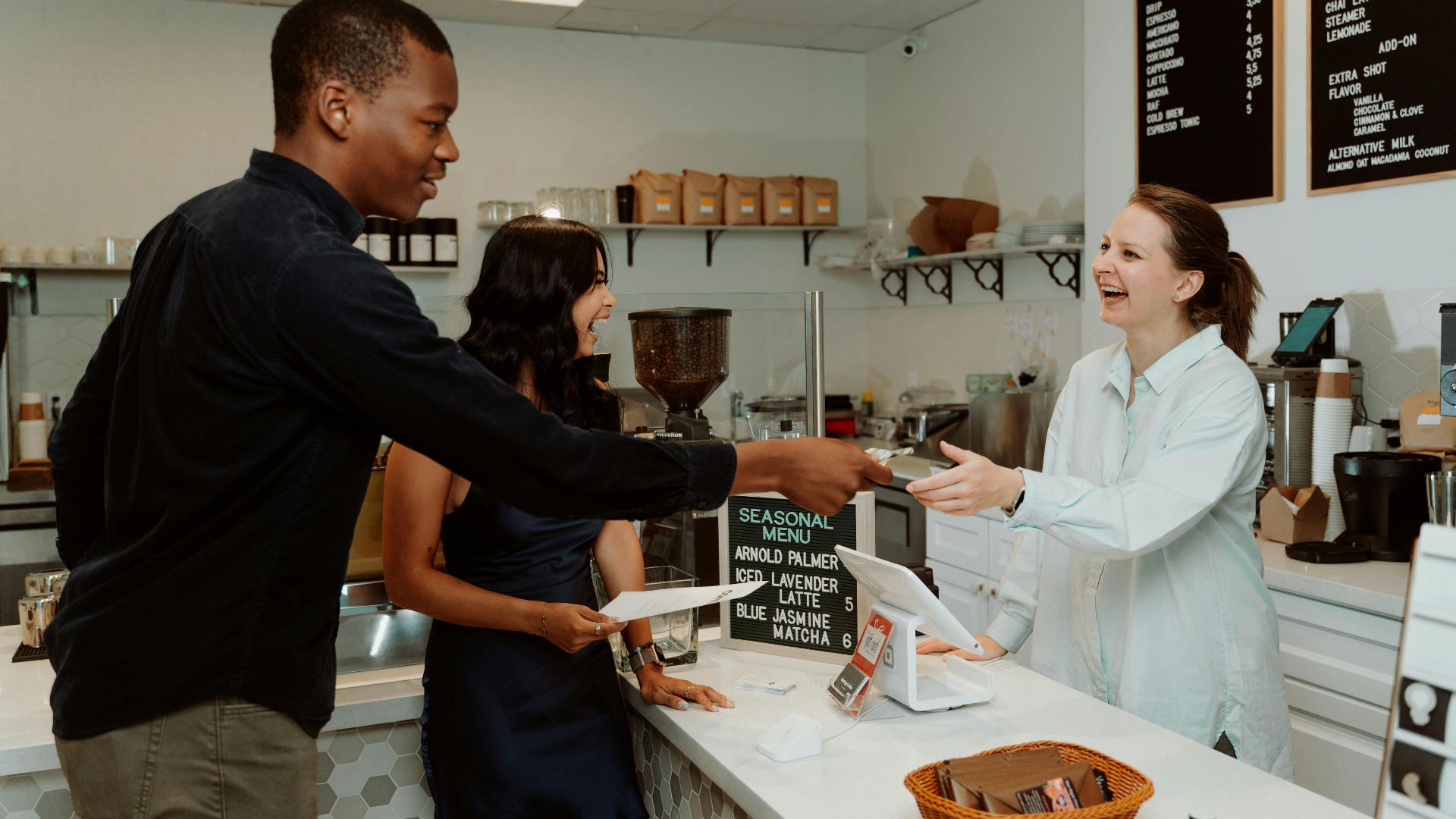
Still, skipping the tip does not erase the effort behind the counter, which is why the other side of this debate deserves equal attention.
1. Barista Work Requires Real Skill, Not Just Speed
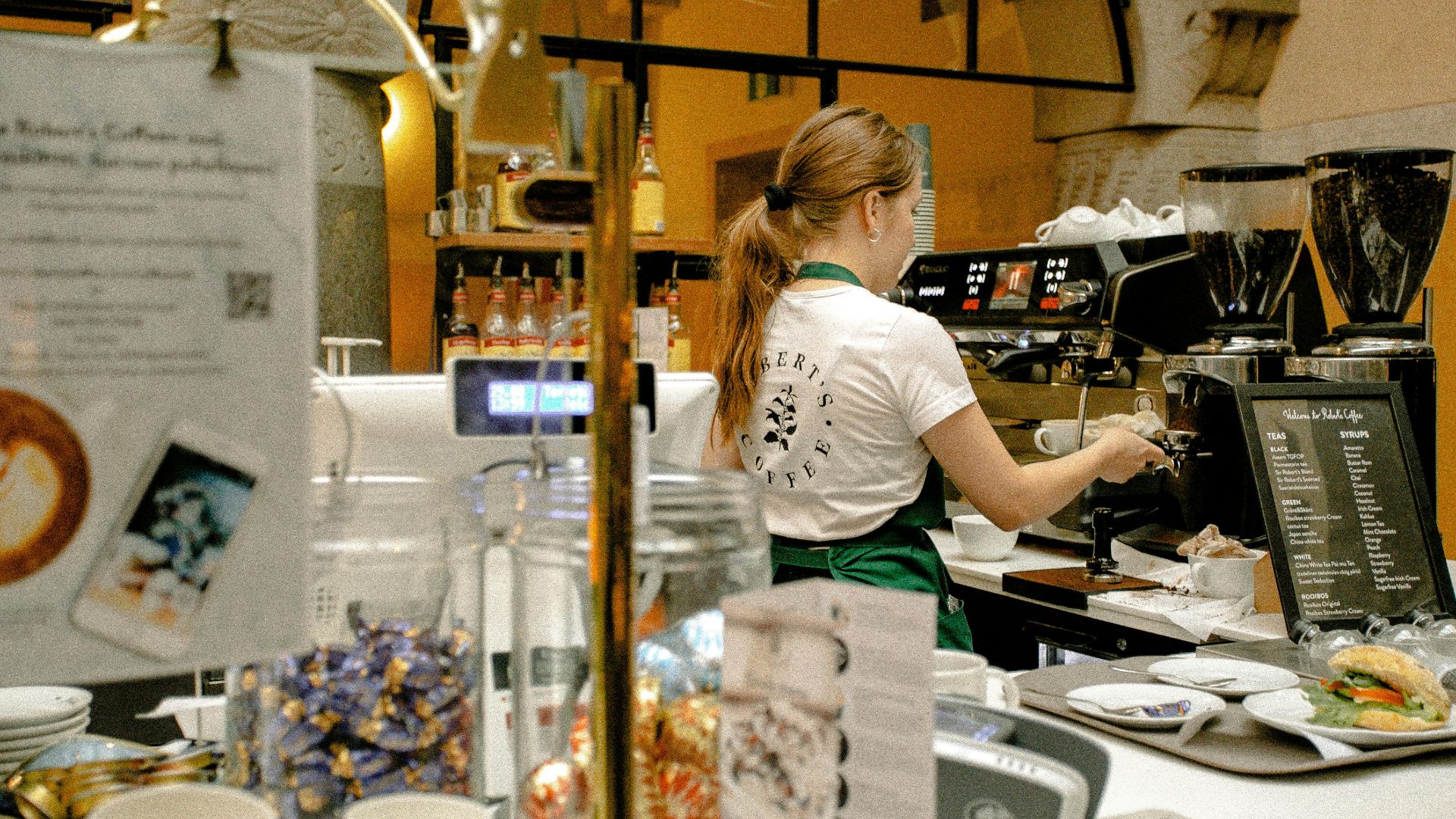
Making a good espresso takes more than moving fast. Grind size, extraction timing, and milk texture all affect the final cup. Training also teaches precision. Tipping recognizes that craft, not just the act of handing over a drink, plays a real role in what you receive.
2. Baristas Handle a High Volume of Micro Interactions
Orders blur together during a busy shift. Faces change. The pace doesn't. Still, each customer gets greeted and helped without pause. That consistency takes effort, so tipping supports the human side of service that keeps running long after attention feels thin.
3. Customization Dramatically Increases Cognitive Load
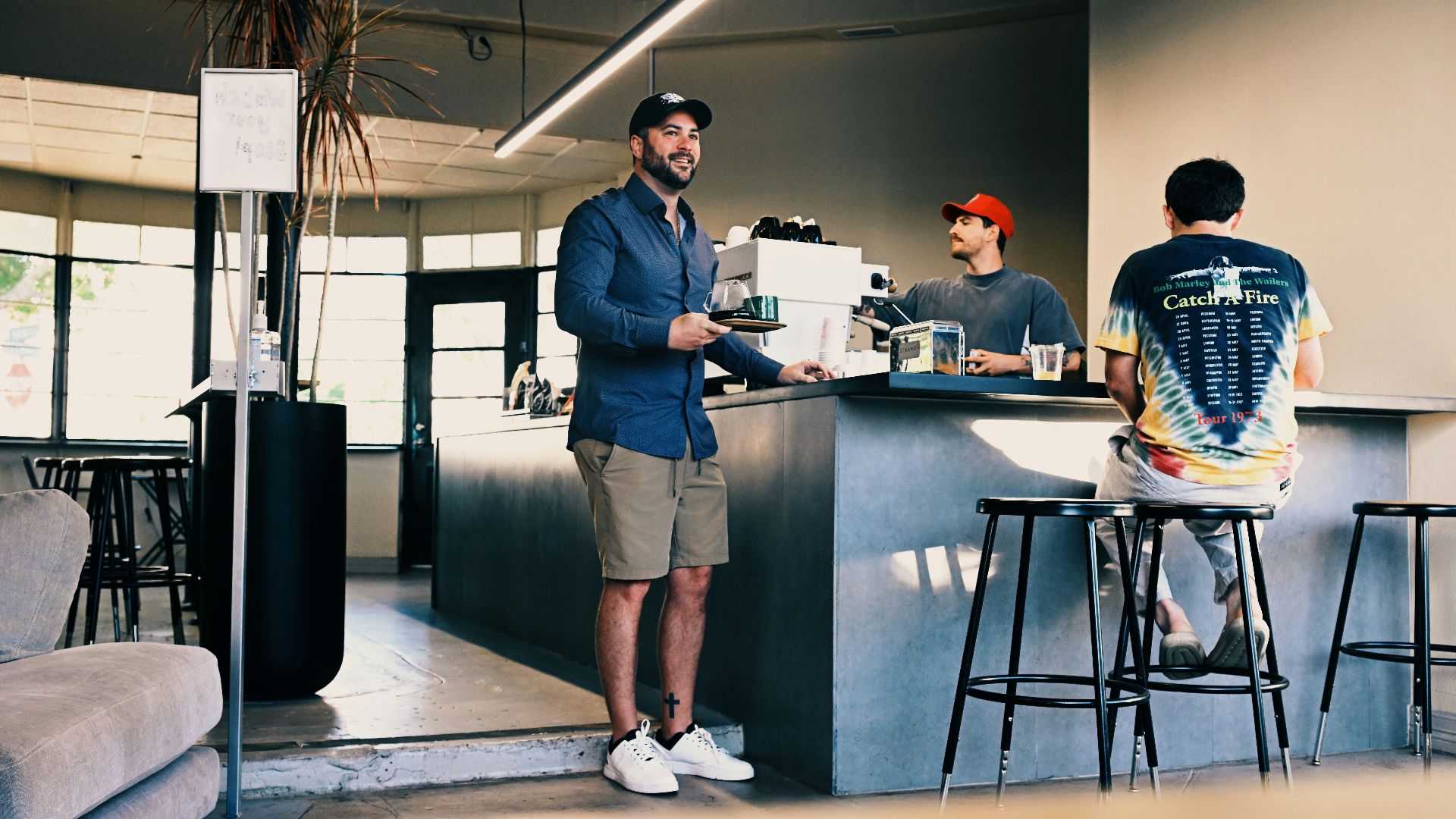
Custom orders demand memory and accuracy under time pressure. Size changes, milk swaps, and flavor adjustments must stay straight while the line keeps moving. Tipping acknowledges the mental effort required to manage complexity without slowing service or letting small details slip.
4. Peak Hours Involve Physical Strain
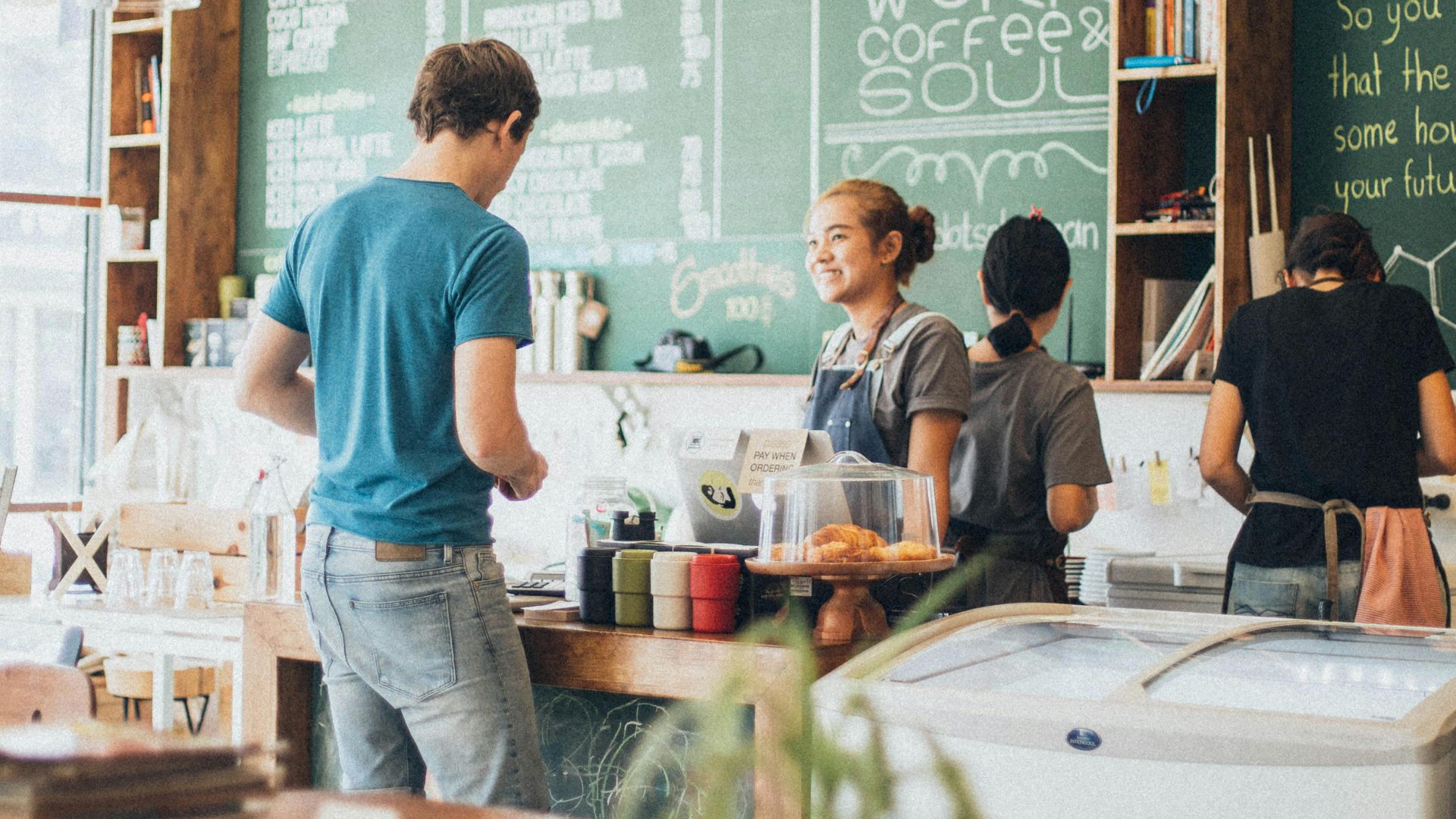
Anyone who has worked a busy rush knows how quickly physical tiredness sets in, even when the shift is still far from over. Standing and moving continuously takes a toll. And a tip reflects awareness of that strain when fast service is expected without real downtime.
5. Tips Can Function as Immediate Positive Feedback
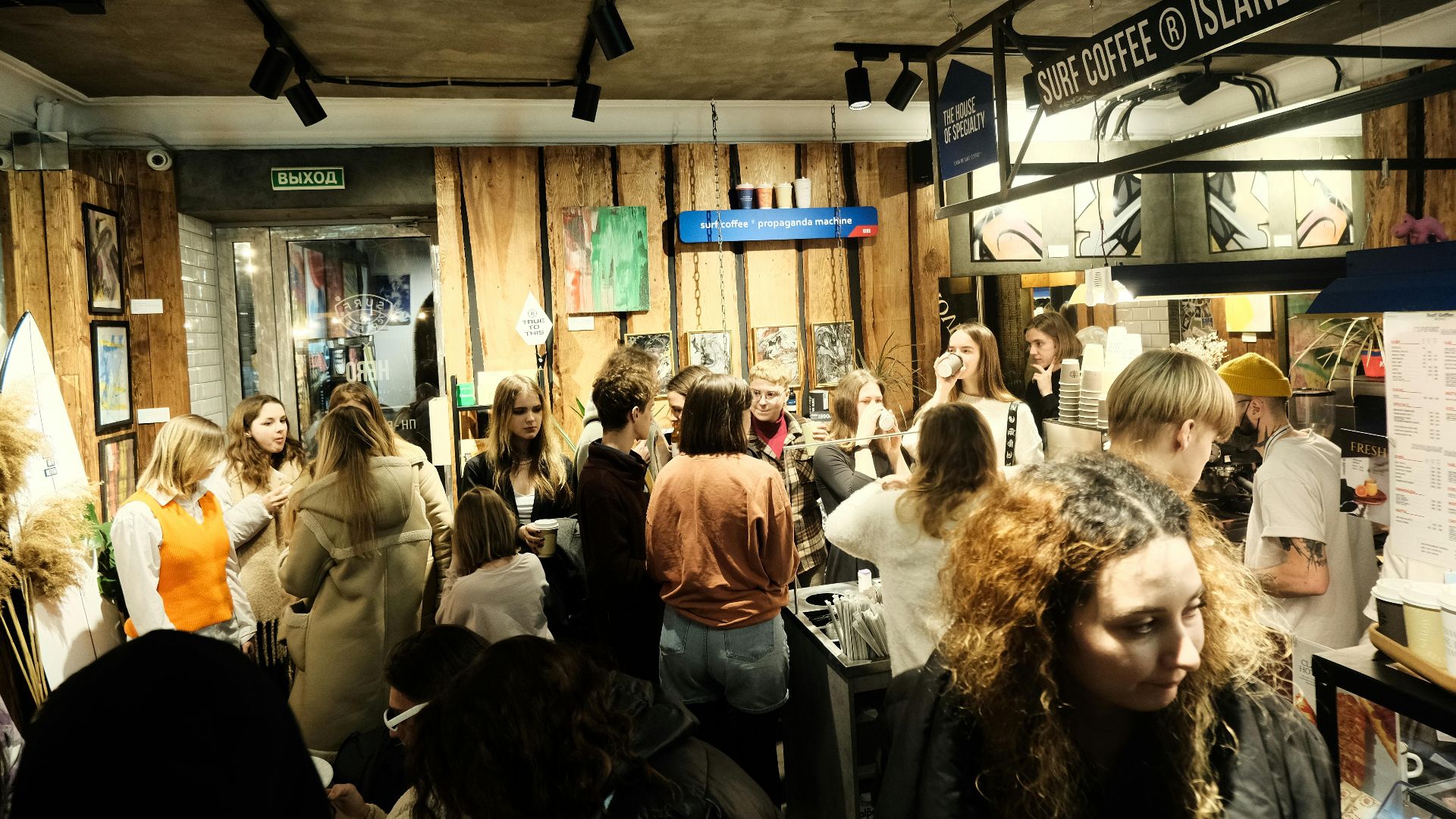
Fast-paced service leaves little time for praise or follow-up. A tip delivers that feedback instantly, and the immediacy matters. It lets appreciation land in the moment, rather than getting lost once the line moves on and the shift keeps rolling.
6. Many Baristas Earn Bottom of the Barrel
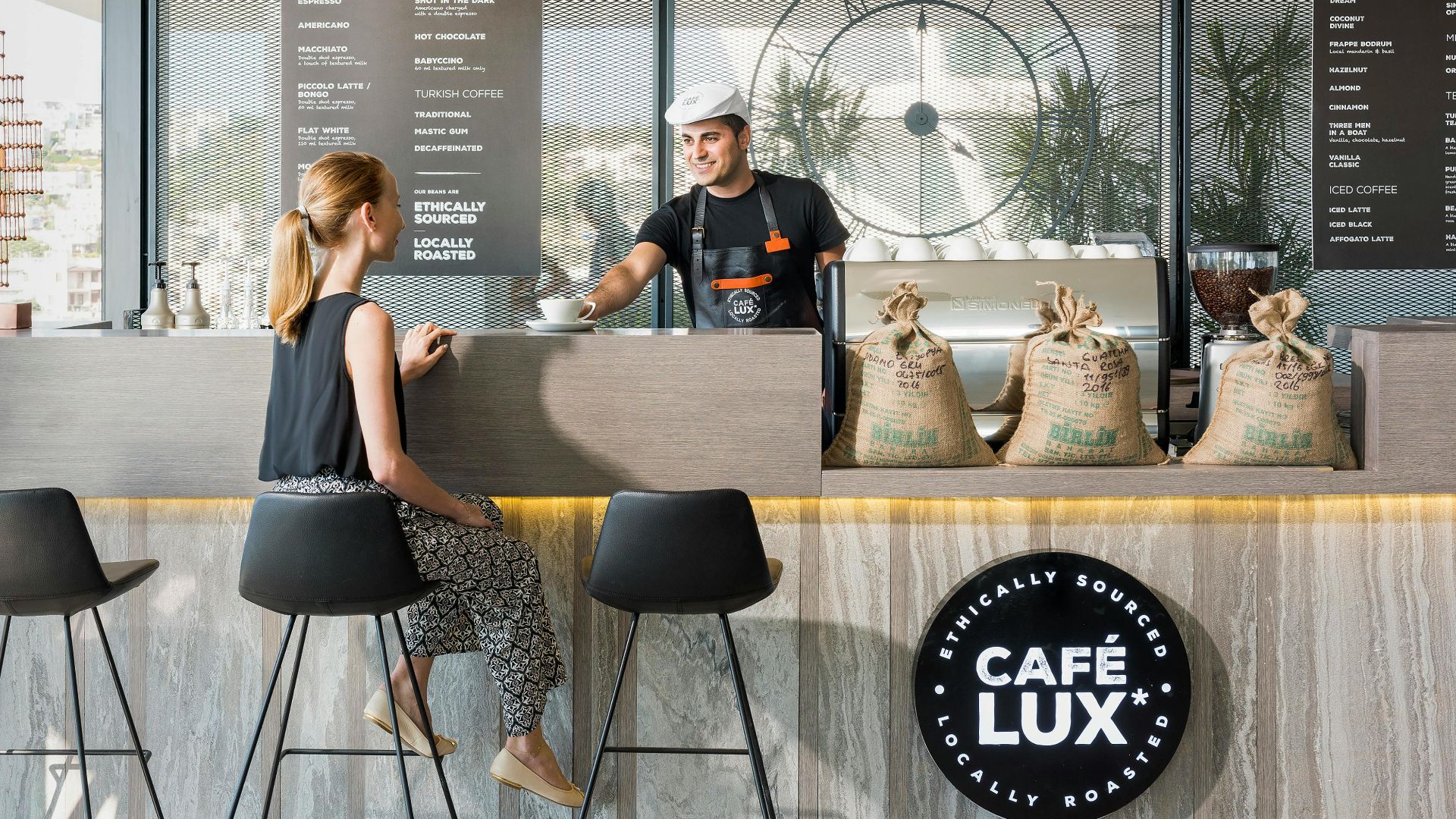
In many cities, baristas' pay sits close to minimum wage despite rising living costs and unpredictable hours. This is where tips offer immediate financial relief in roles where base pay sometimes fails to stretch far enough on its own.

7. Baristas Absorb Problems They Didn't Create
Supply shortages, delayed orders, and pricing complaints often land on the barista at the counter. Managing frustration without authority to fix the cause requires restraint, and tipping recognizes the burden of handling conflict that originates elsewhere.
8. Tips Can Help Keep Experienced Baristas Around
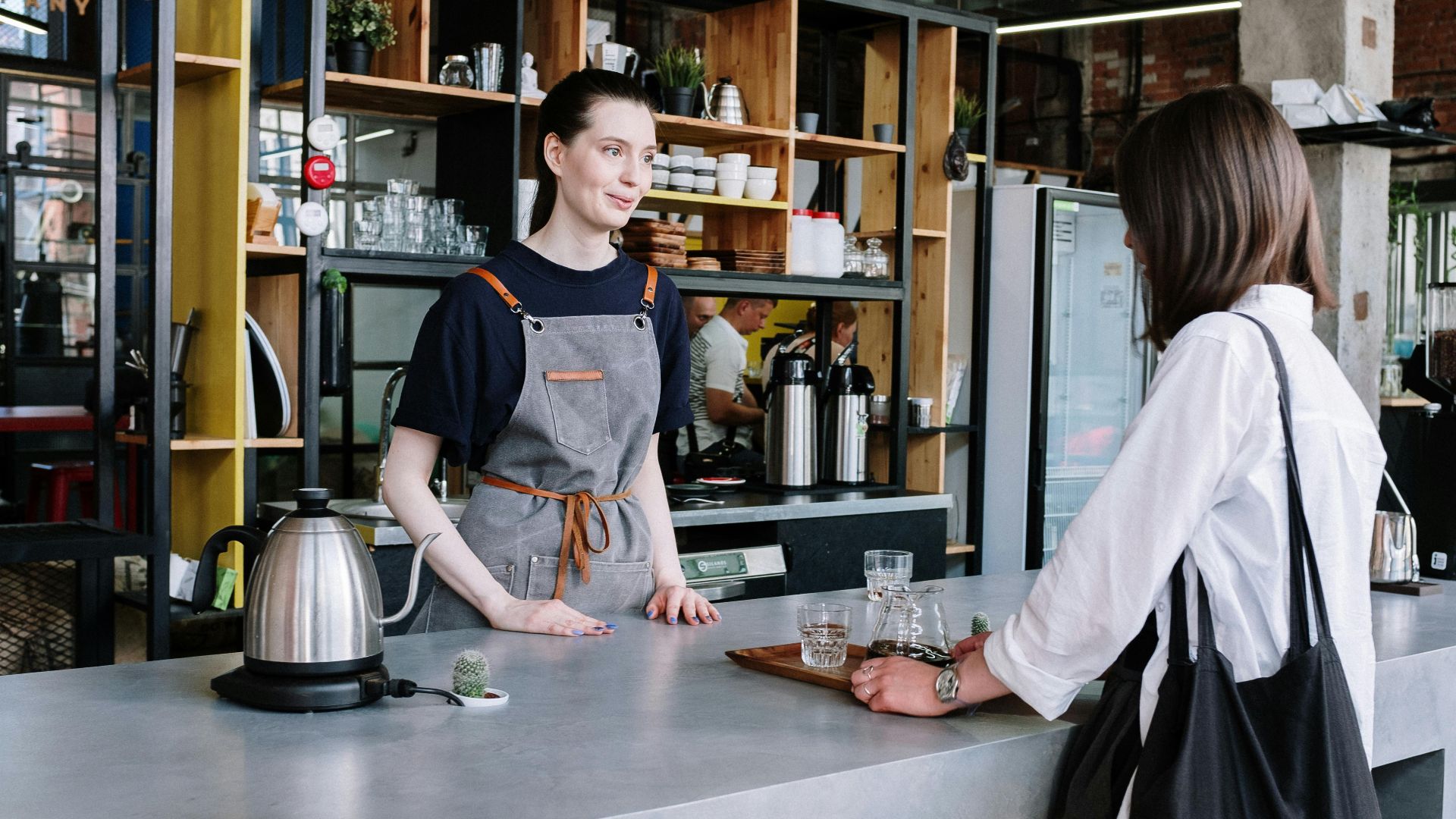
High turnover disrupts consistency and slows service as new staff cycle in. Extra income from tips can make staying worthwhile for experienced workers, which helps preserve familiarity and efficiency that regular customers notice quickly.

9. Tipping Rewards Care Taken Under Pressure
Long lines increase speed expectations while accuracy still matters. Therefore, choosing to tip acknowledges the effort involved in staying careful during rush periods, when mistakes become more likely, and attention has little room to wander.
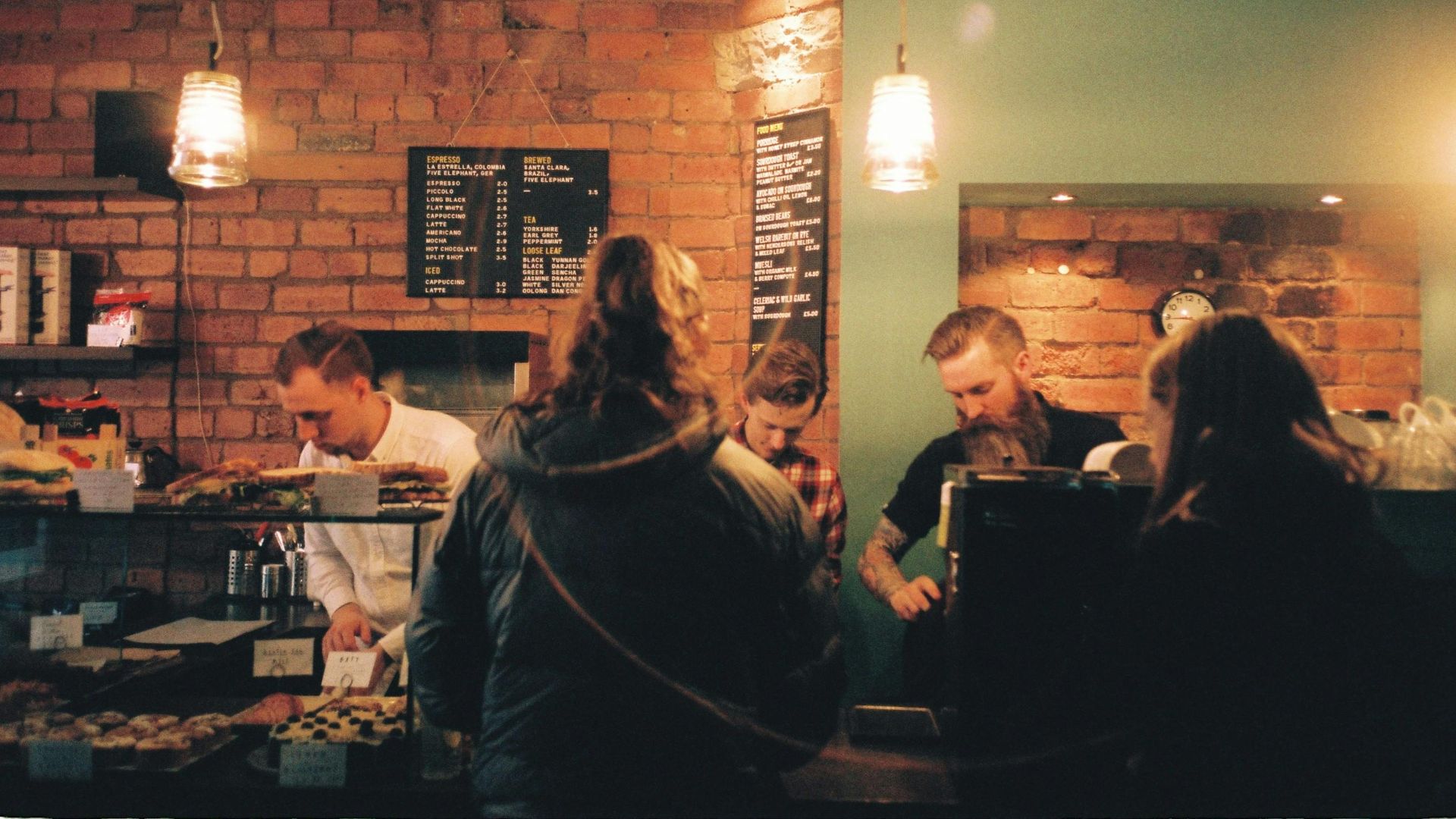
10. Tipping Allows Personal Choice Without Obligation
Some customers tip because it aligns with their own sense of generosity. This is where the option remains voluntary. That freedom lets people support service workers directly without turning the act into a rule or an expectation.