10 Old-School Skills That Are Now Useless & 10 That Are Surprisingly Useful Again
Some Skills Aged Out, & Some Quietly Came Back
A lot of old-school skills were once seen as basic parts of daily life, and people learned them because they had to, not because they were trying to impress anyone. Then technology, convenience, and changing habits pushed some of those abilities to the sidelines. That's why a few old skills now feel almost decorative, while others have made a surprisingly strong comeback in a world that's suddenly tired of being helpless without an app. Here are 10 old-school skills that have mostly lost their practical edge and 10 that have become unexpectedly useful again.
1. Memorizing Dozens of Phone Numbers
There was a time when keeping a pile of phone numbers in your head felt normal. Now, most people barely know their own number. Contact lists have done such a thorough job taking over that this skill mostly survives as a party trick.

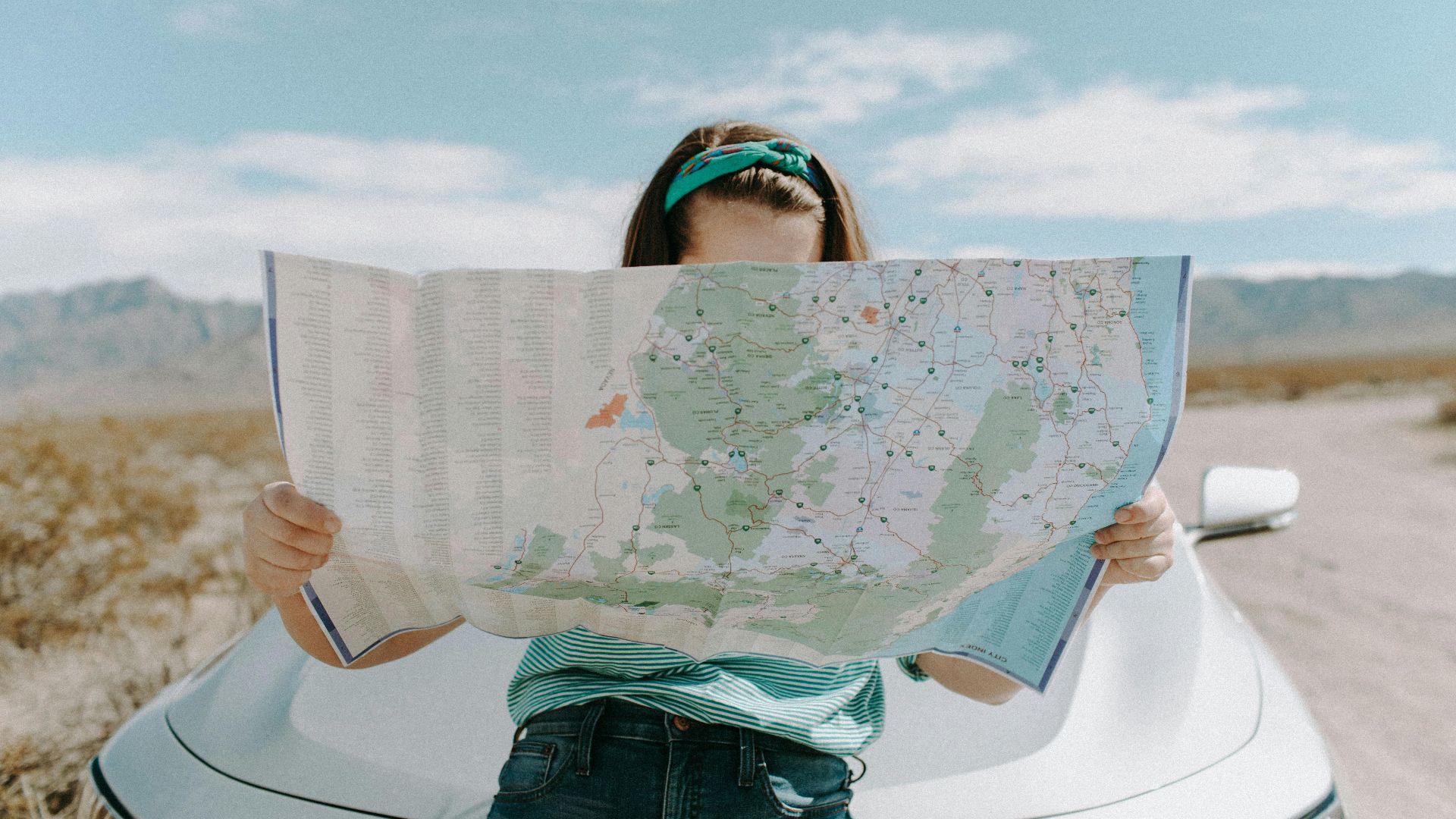
2. Reading a Road Atlas
Knowing how to unfold a giant road atlas without starting a fight with it used to be genuinely useful. These days, most people would rather trust turn-by-turn directions than try to squint at state highways while parked at a gas station. Paper maps still have their place in certain backup situations, but the average person isn't navigating cross-country that way anymore.
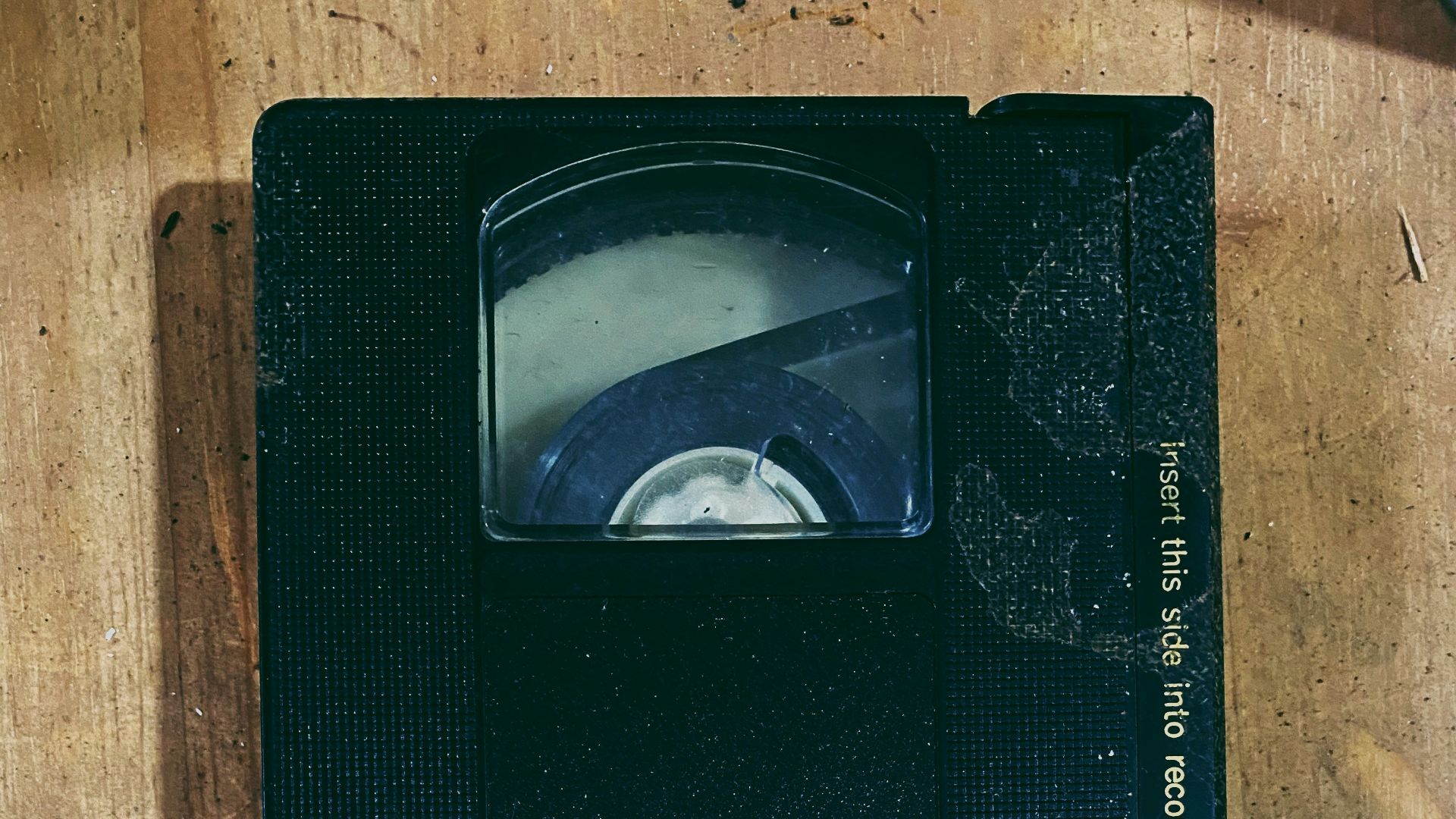
3. Programming a VCR
Once upon a time, setting up a VCR recording felt like a very specific form of adulthood. You needed patience, suspicious optimism, and a willingness to be defeated by blinking numbers on occasion. That skill now belongs entirely to the museum wing of domestic knowledge.
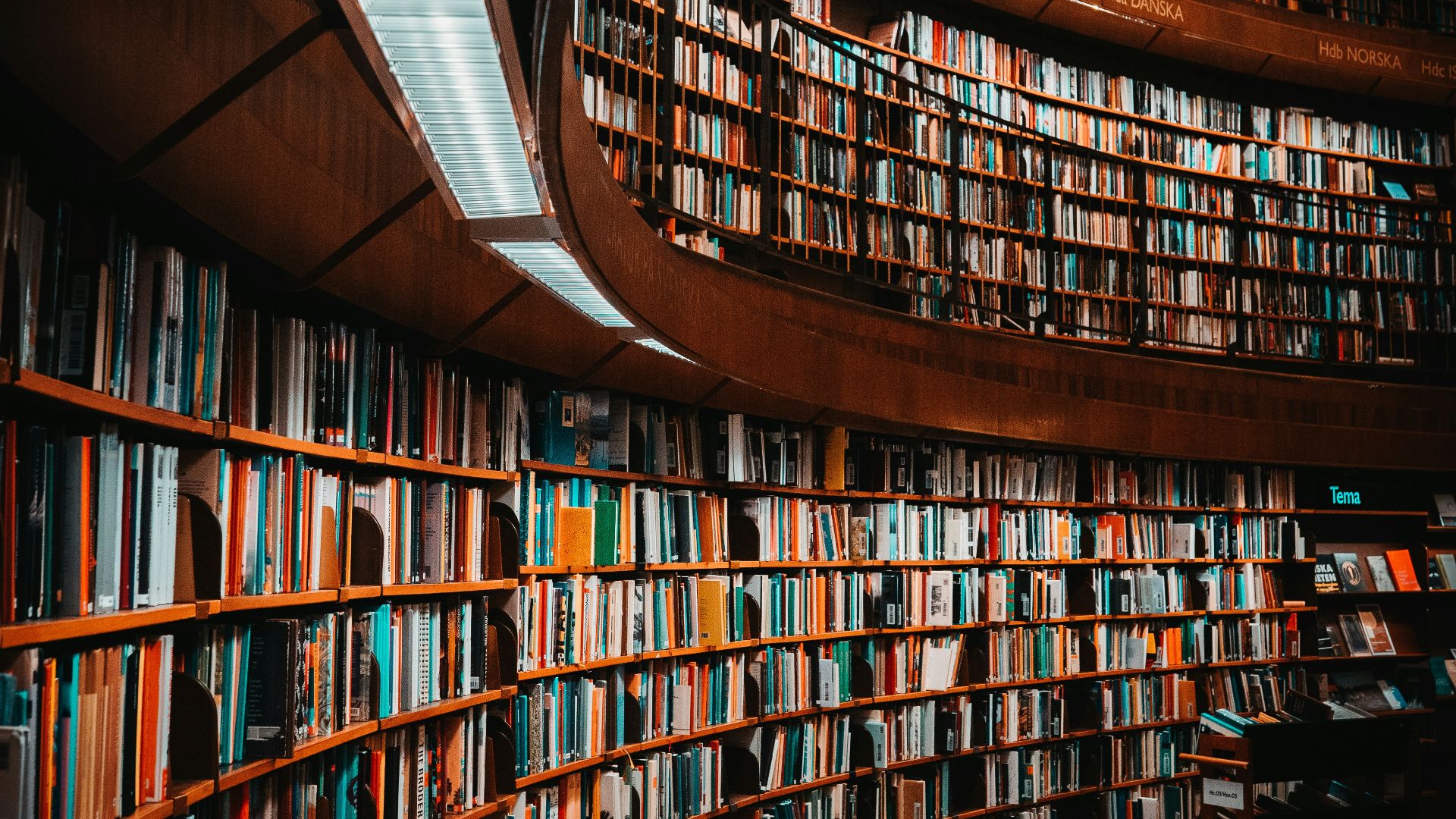
4. Using a Card Catalog
If you know how to use a traditional library card catalog, congratulations on your historical range. It was once essential for finding books efficiently, but searchable databases and digital library systems have made the physical version mostly unnecessary for modern users. The logic behind it is still respectable, but its practical role has faded.
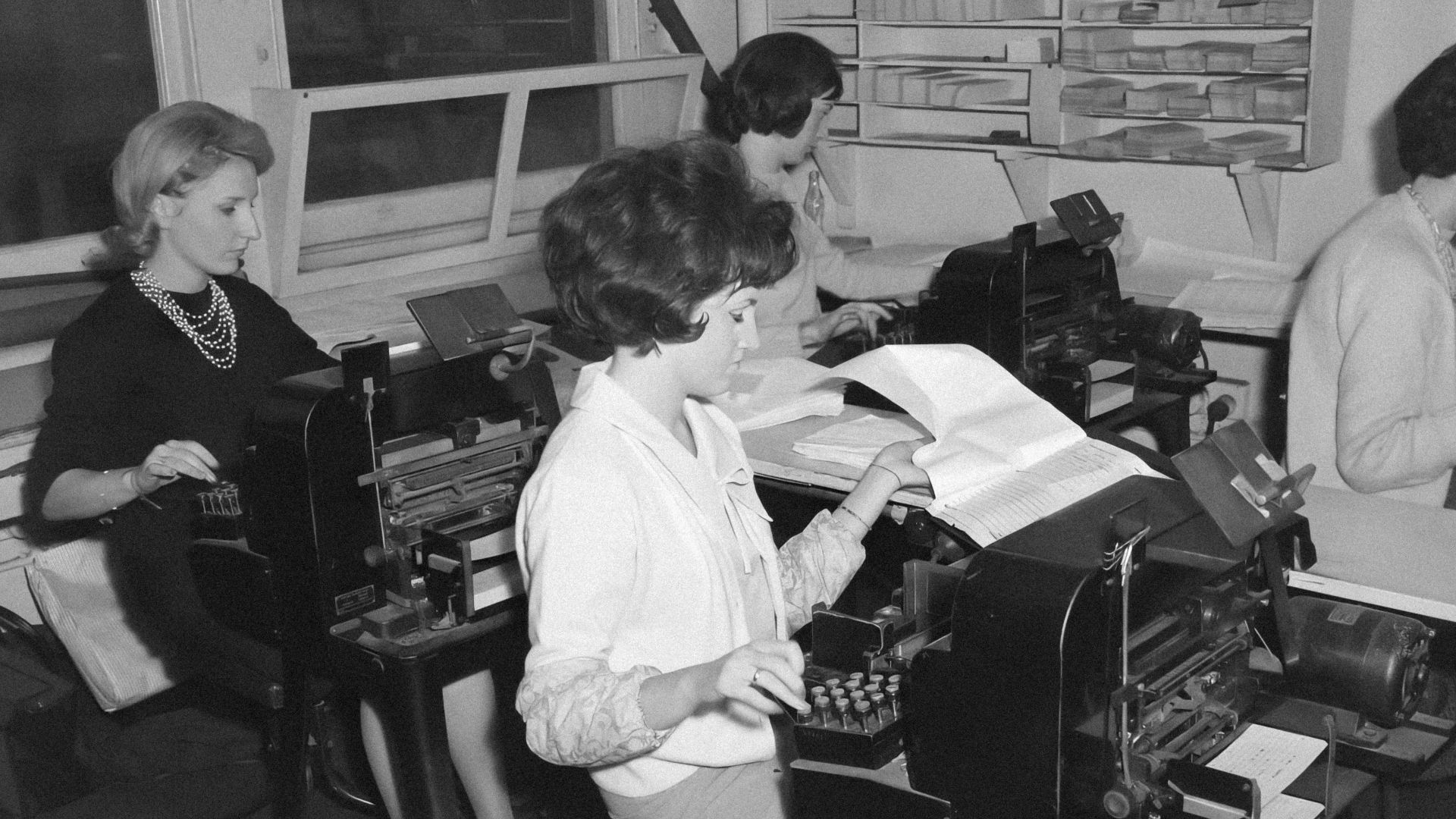
5. Writing in Shorthand
Shorthand used to matter for note-taking, reporting, and office work in a much more serious way. Once typing, recording devices, and transcription software took over, the urgency around learning it dropped fast. It's still interesting, and it can be useful in a niche way, but most people aren't missing it in daily life.
 Museums of History New South Wales on Unsplash
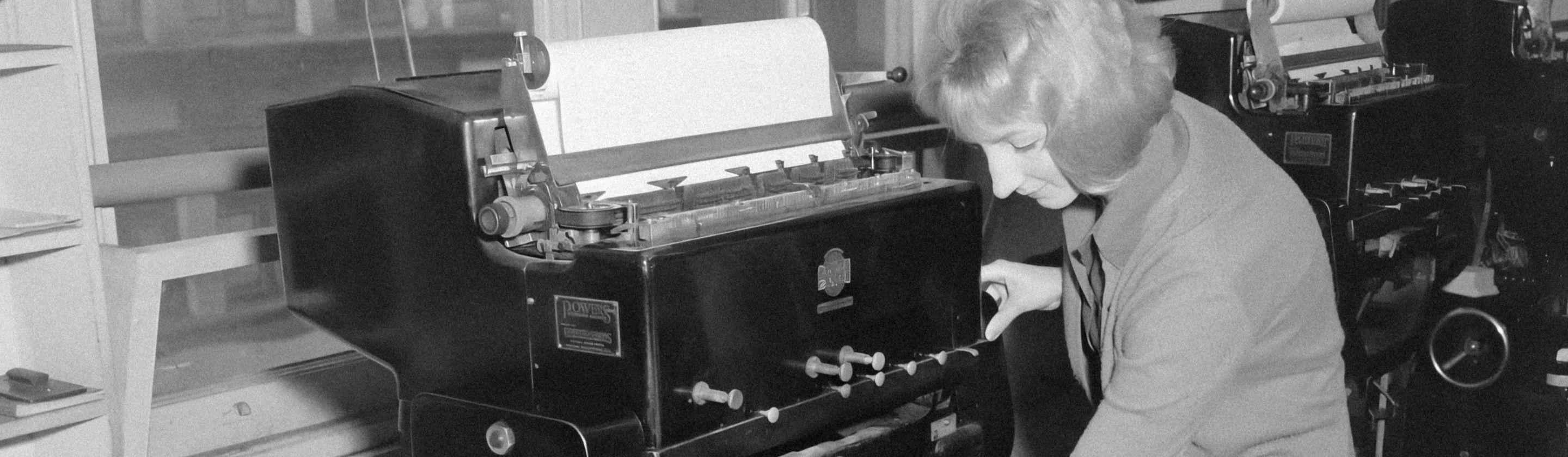
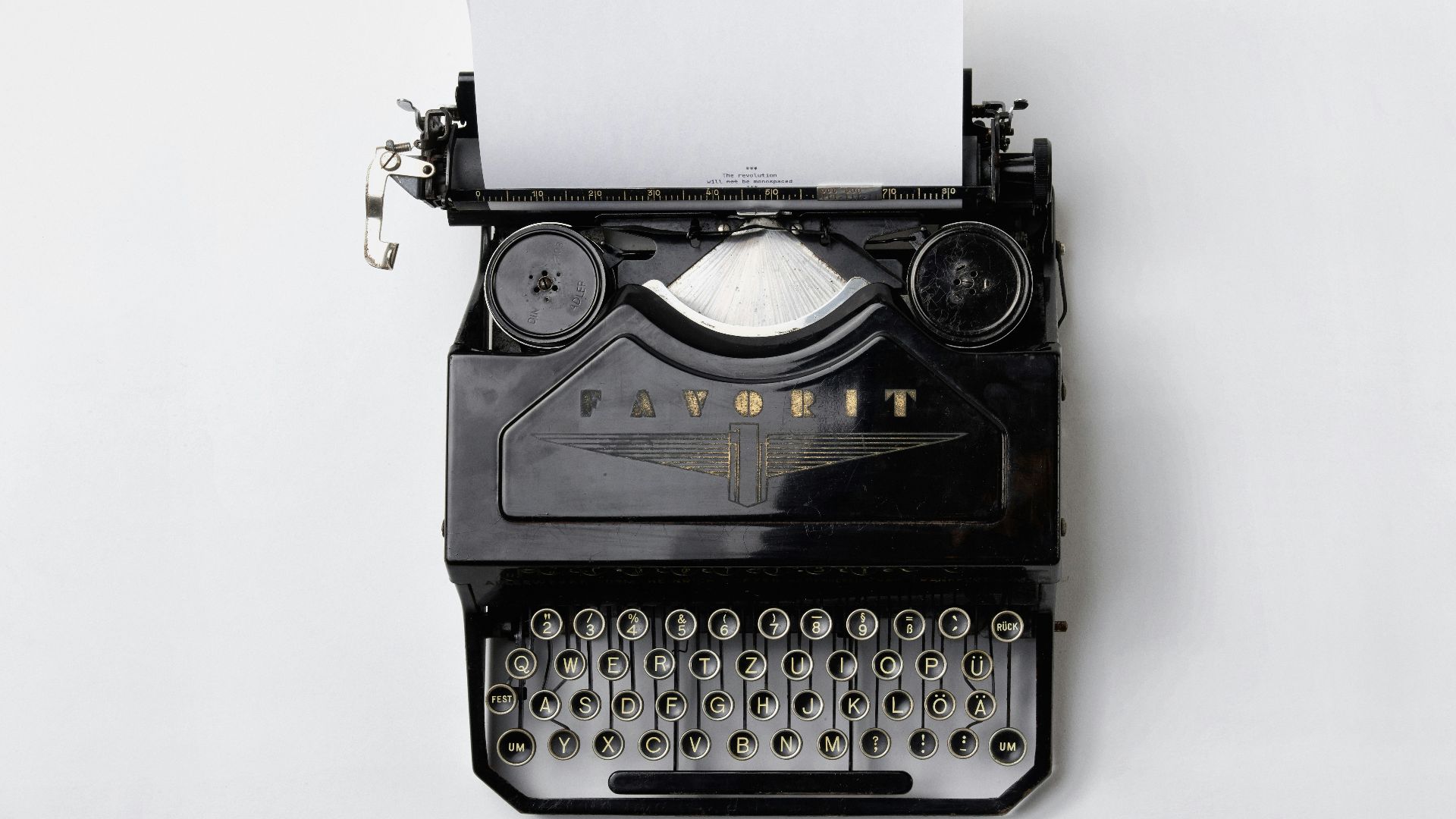
6. Repairing a Typewriter
Being able to fix a typewriter would once have made you incredibly useful in the right office. Now it mainly makes you either charmingly specialized or suspiciously committed to analog drama. Typewriters still exist, of course, but most people are not urgently waiting for one to be restored before they can send an email.
7. Calculating Everything in Your Head
Mental math is still useful, but the older version, where you had to do every percentage, tip, and grocery total without touching a device,e has lost a lot of ground. Phones, calculators, and smartwatches handle the burden now. It's still impressive when someone is very good at it, but most people no longer need that level of arithmetic readiness.

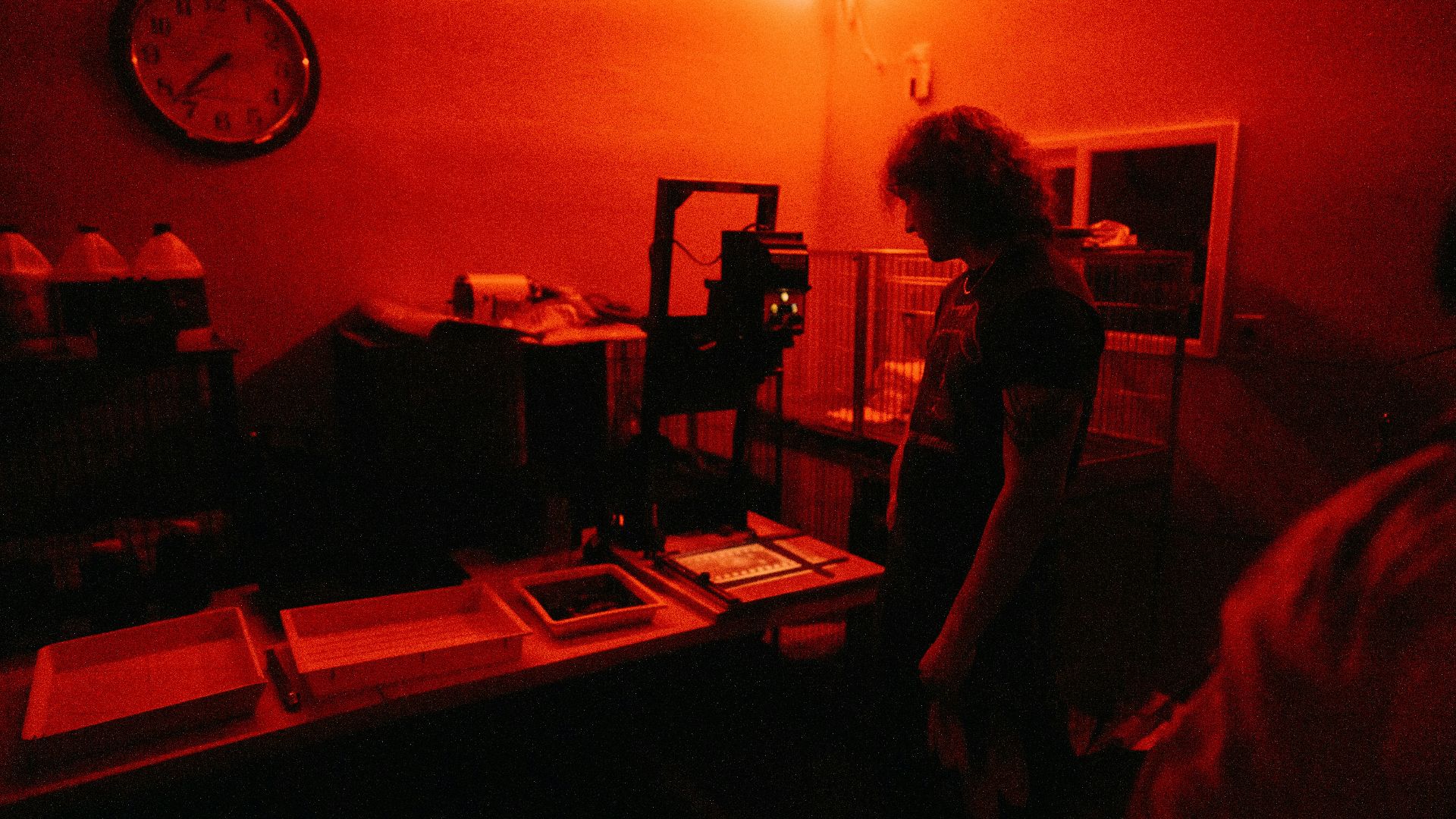
8. Developing Film by Hand
Knowing how to develop film used to be part of photography in a much more practical sense. Digital cameras and phone photography changed that so thoroughly that darkroom skills are now more artistic than essential for most people. You can absolutely still use them, and some photographers love the process, but daily life isn't really waiting on your chemicals anymore.
 Francisco Gonzalez on Unsplash
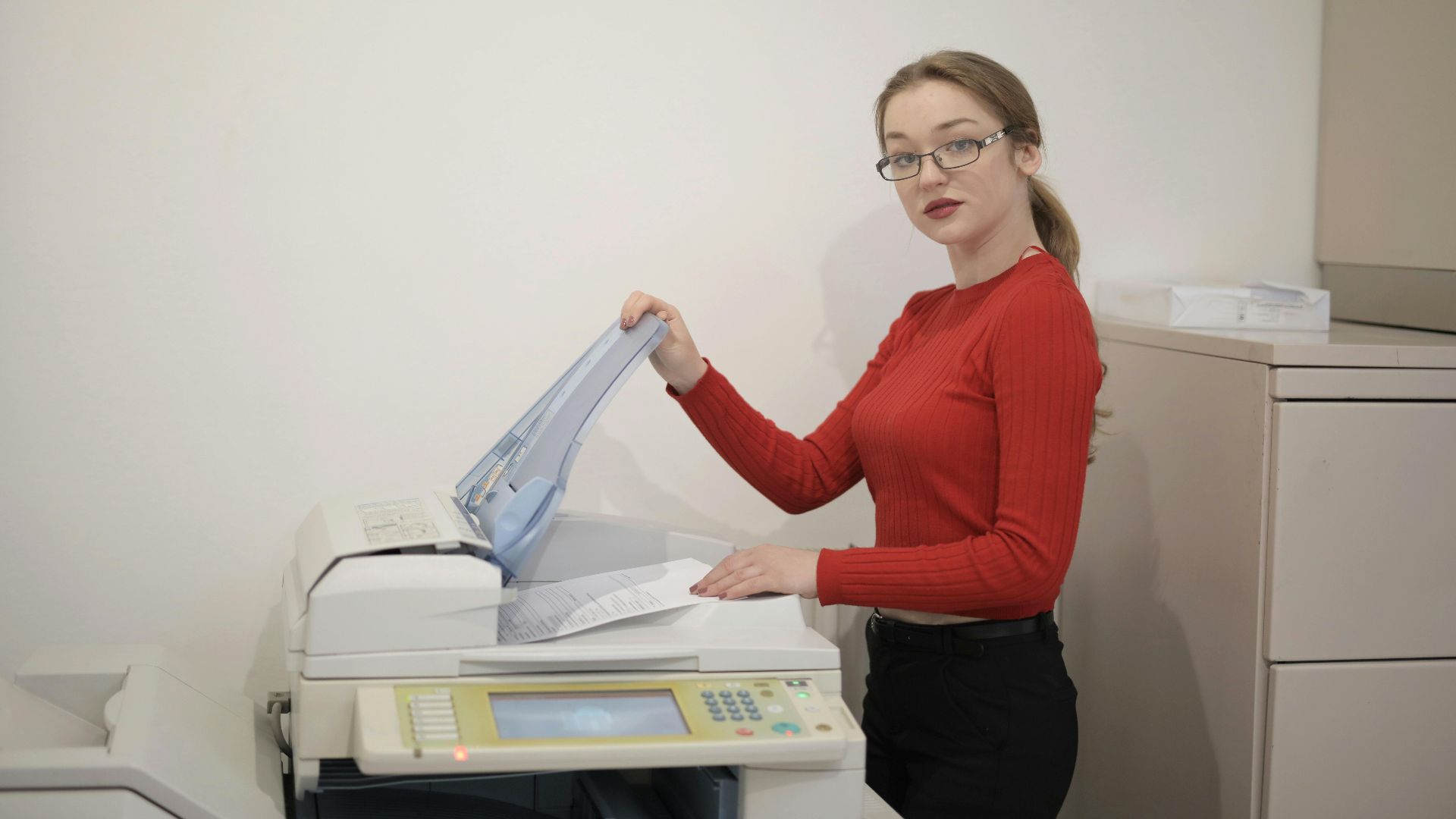
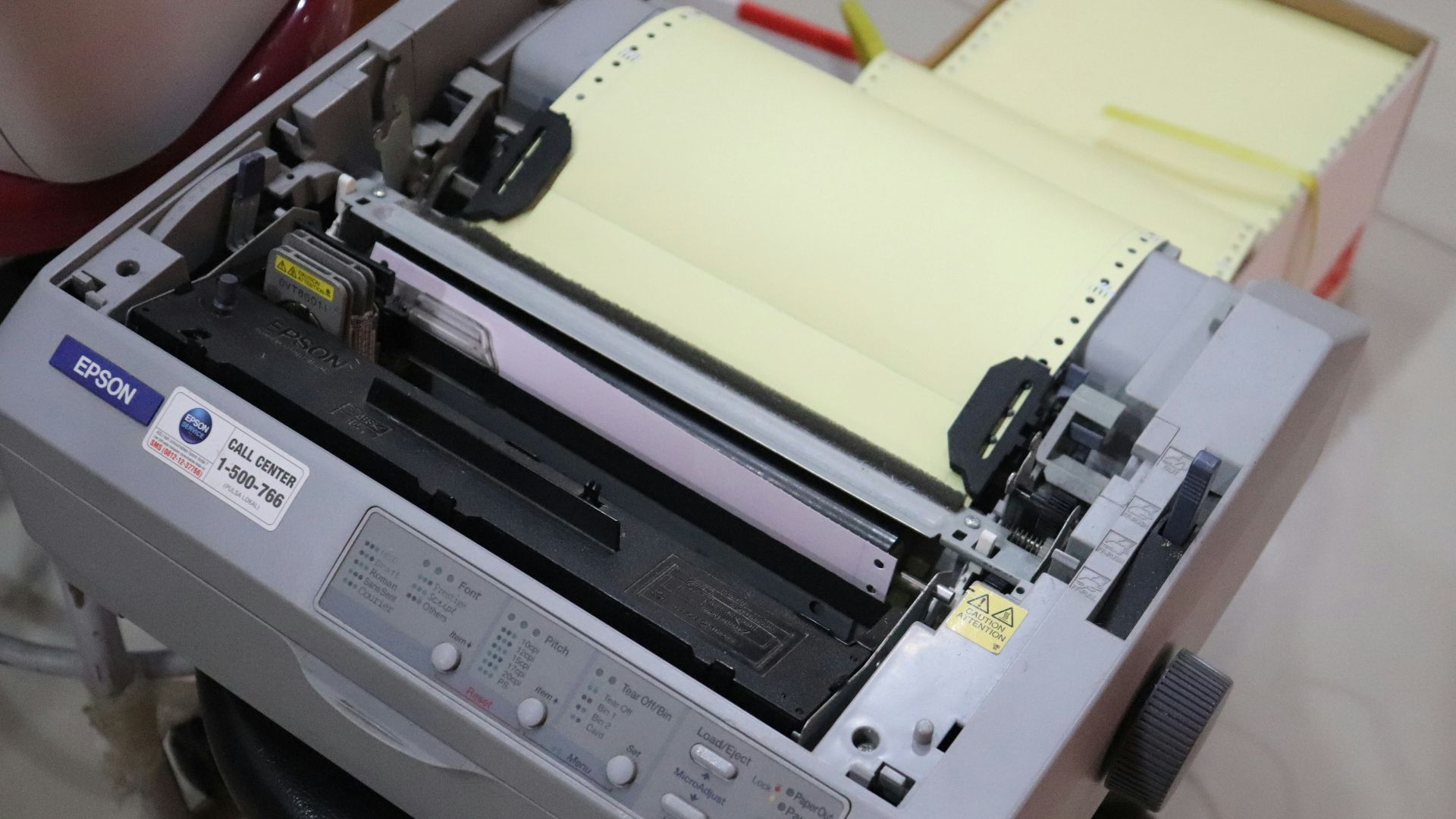
9. Knowing How to Operate a Fax Machine
There was a stretch of time when fax-machine confidence felt oddly powerful. Today, most people would look at one like it was a literal dinosaur. Some offices still cling to faxing in weird pockets of the professional world, but the average person can live very comfortably without mastering it.
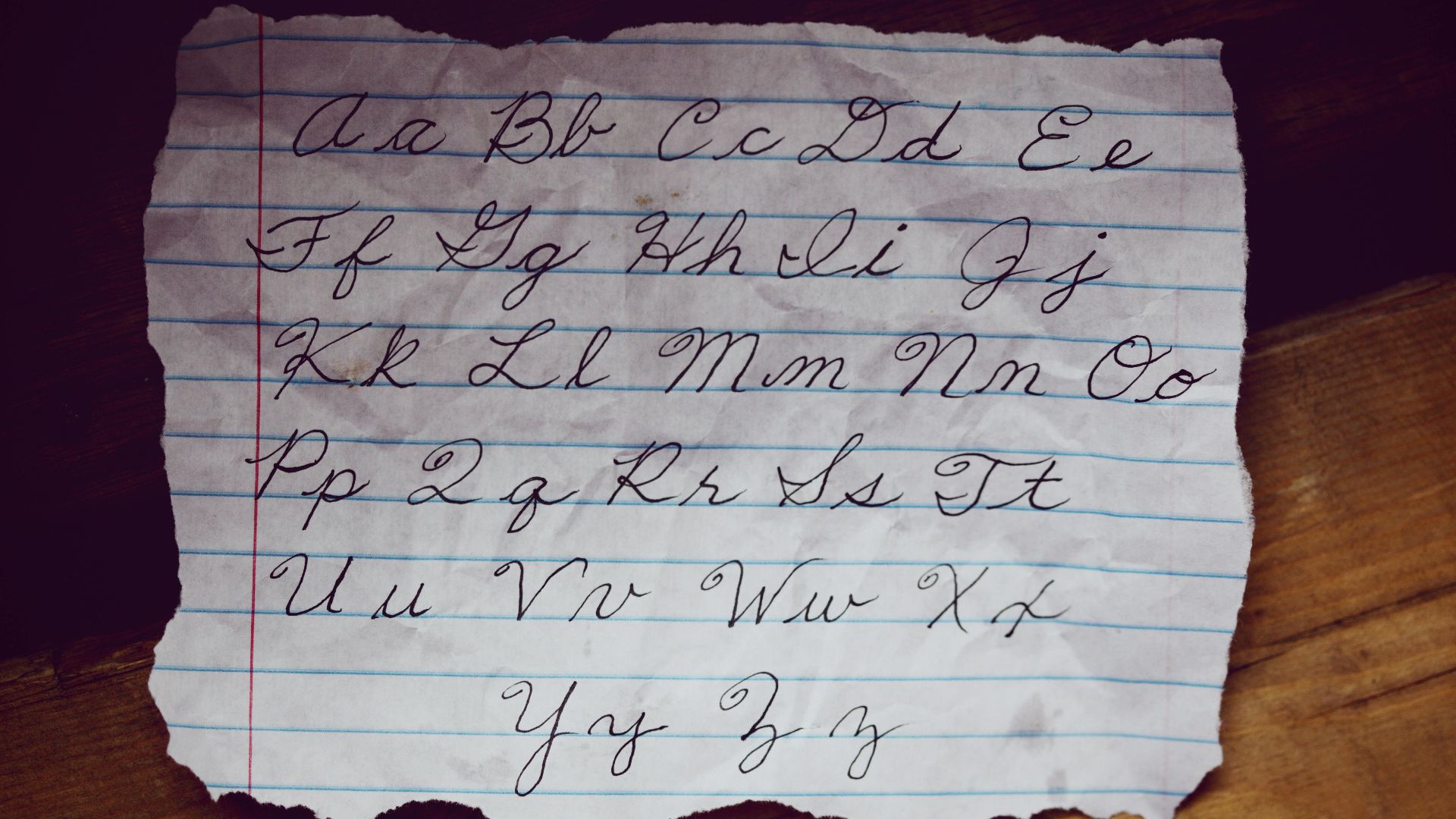
10. Penmanship as a Serious Social Requirement
Beautiful penmanship used to carry real weight, especially when handwritten communication was common and expected. Now legibility matters more than elegance, and many people do most of their writing on screens anyway. Good handwriting is still nice, but it no longer decides whether you seem educated, polished, or capable in the same way.
Now that we've covered the old-fashioned skills that are more or less useless now, let's talk about the ones that have made a surprising comeback.
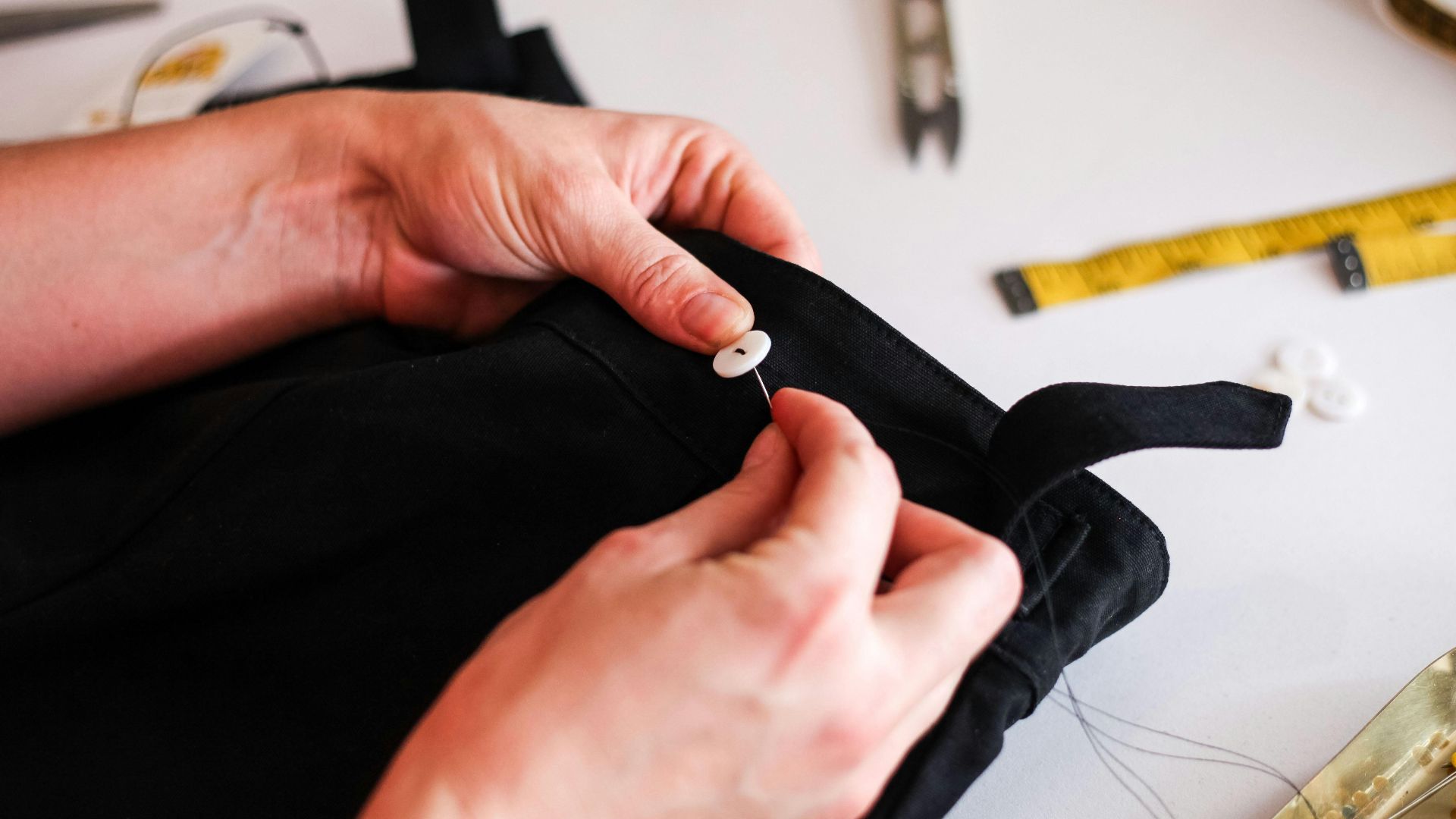
1. Sewing on a Button
This one looked old-fashioned for a while, then people realized replacing a shirt over one missing button or paying for a professional to do it is a ridiculous way to live. Sewing on a button is simple, useful, and exactly the kind of small, practical skill that saves time, money, and low-level irritation.
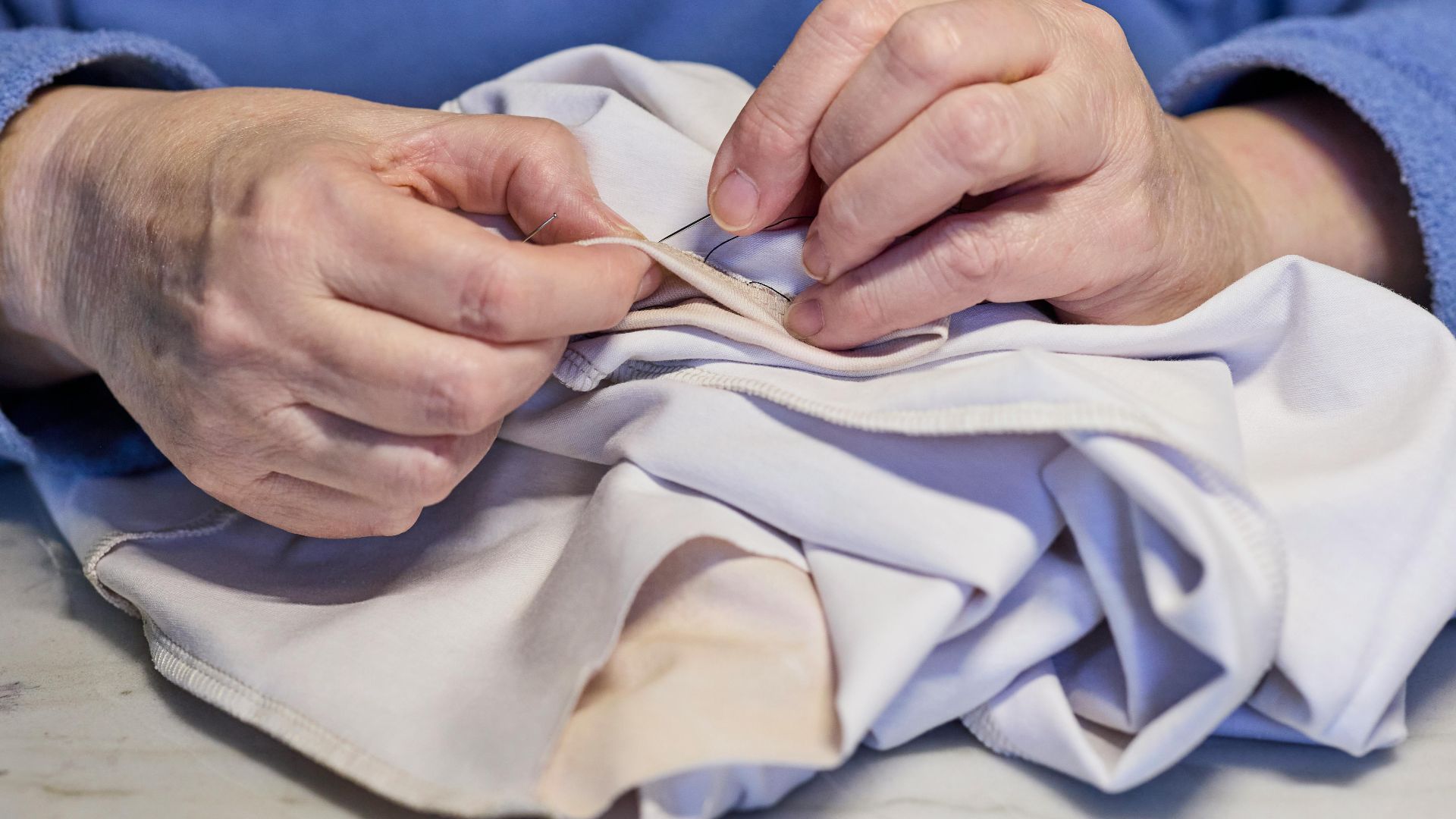
2. Basic Mending
Knowing how to mend a torn seam, fix a hem, or patch something well enough to keep using it has become useful again, partly because replacing everything gets expensive and annoying. Fast fashion may have encouraged disposable habits, but a lot of people are becoming more interested in making clothes last. That makes simple repair skills feel practical again rather than quaint.
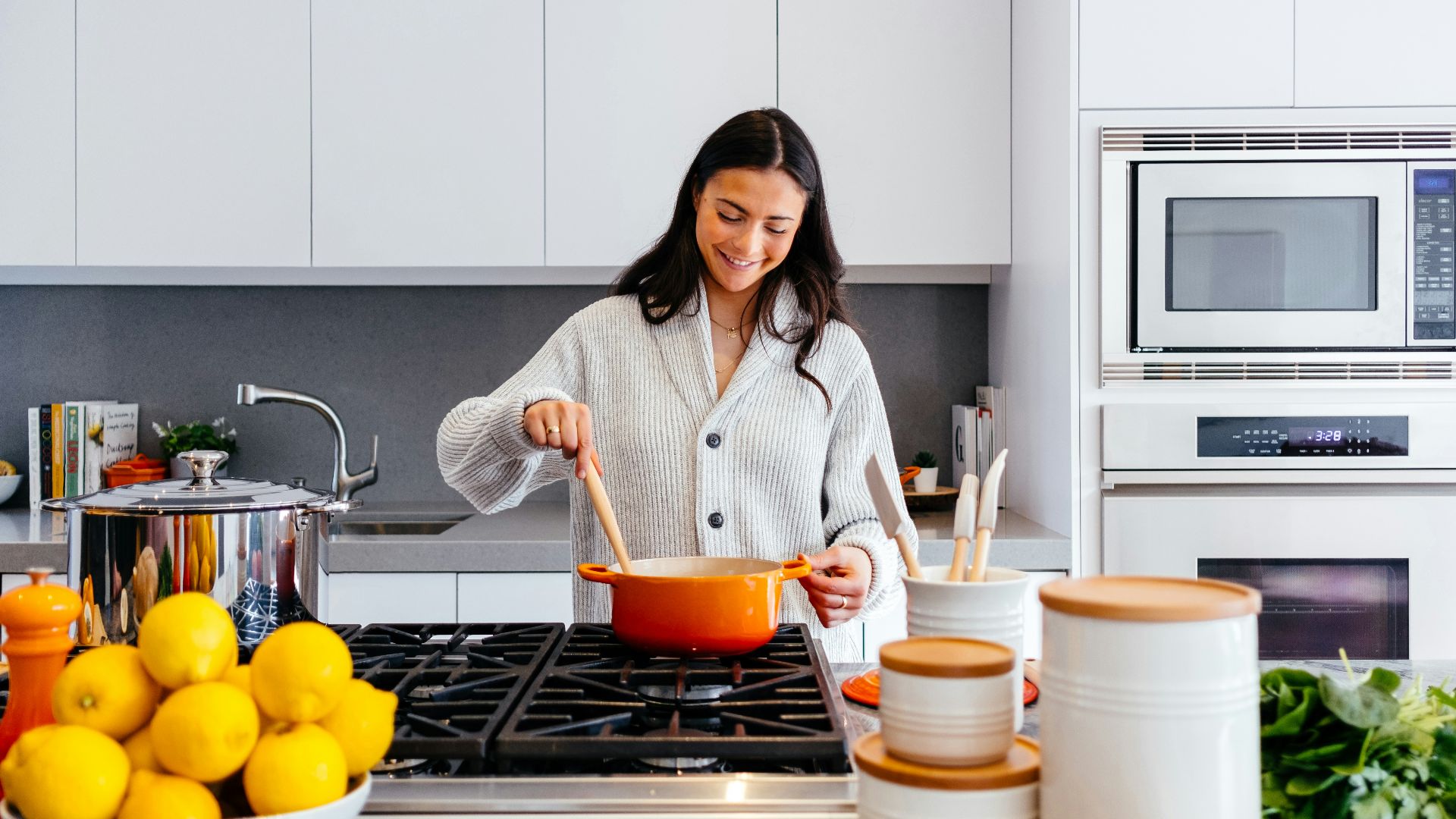
3. Cooking From Scratch
Cooking from scratch never fully disappeared, but it definitely spent some time looking less essential in the age of delivery apps and aggressively convenient food. Now it feels useful again because it saves money, gives you more control over what you eat, and makes you less dependent on expensive shortcuts.
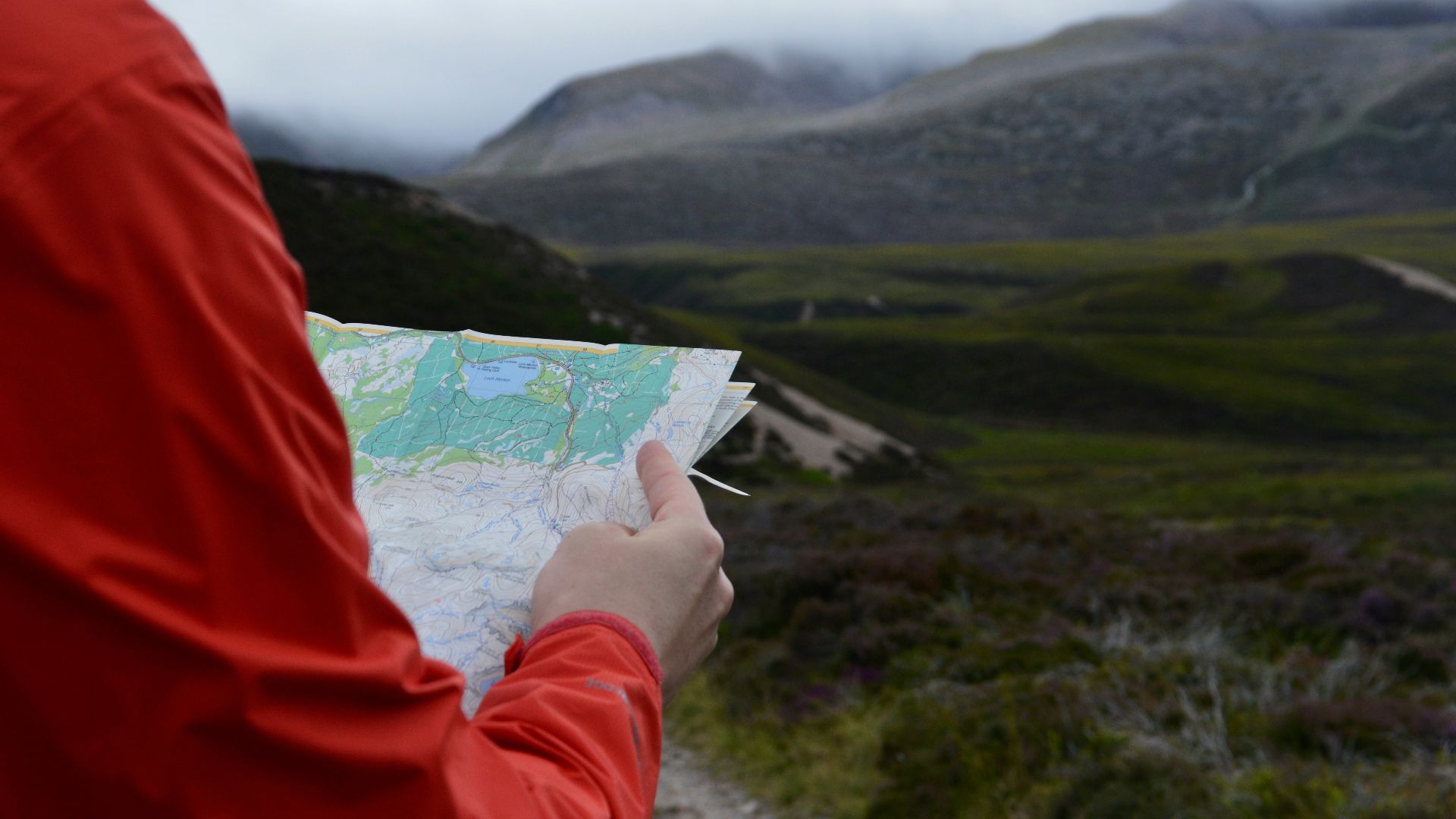
4. Reading a Paper Map as Backup
The full atlas lifestyle may be mostly gone, but knowing how to read a paper map has become surprisingly useful as a backup skill. Phones lose signal, batteries die, and navigation apps occasionally become far too confident about terrible roads. If you can orient yourself without a screen telling you where to breathe, that still counts for something.
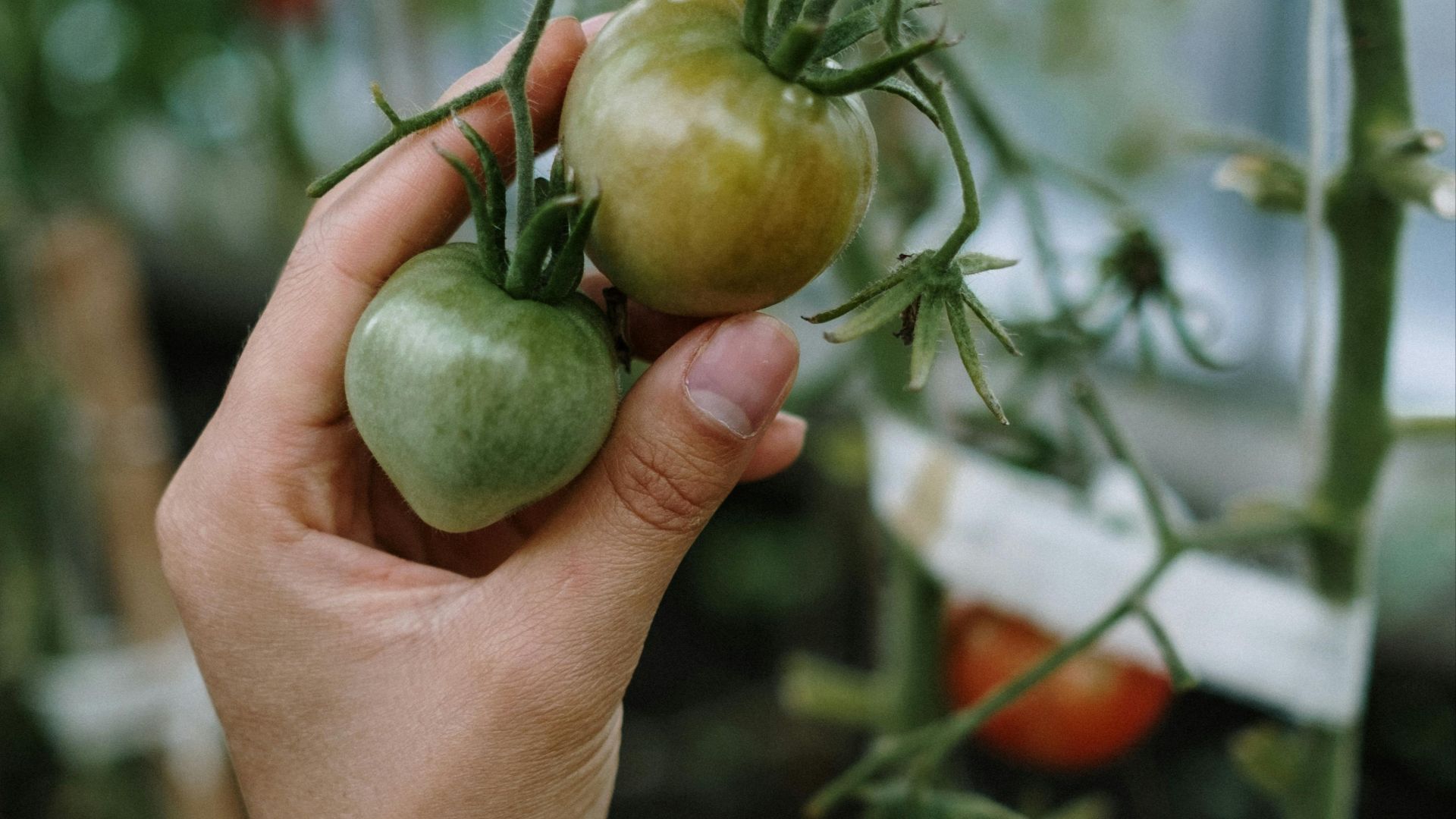
5. Growing Your Own Food
For a while, gardening was treated more like a hobby than a practical life skill for many people. Now, even small-scale growing, whether it is herbs, tomatoes, or a few vegetables, feels useful again for cost, flavor, and basic self-sufficiency. You don't need to become a full homesteader, but a little food knowledge suddenly feels a lot less old-timey when grocery prices keep showing off.
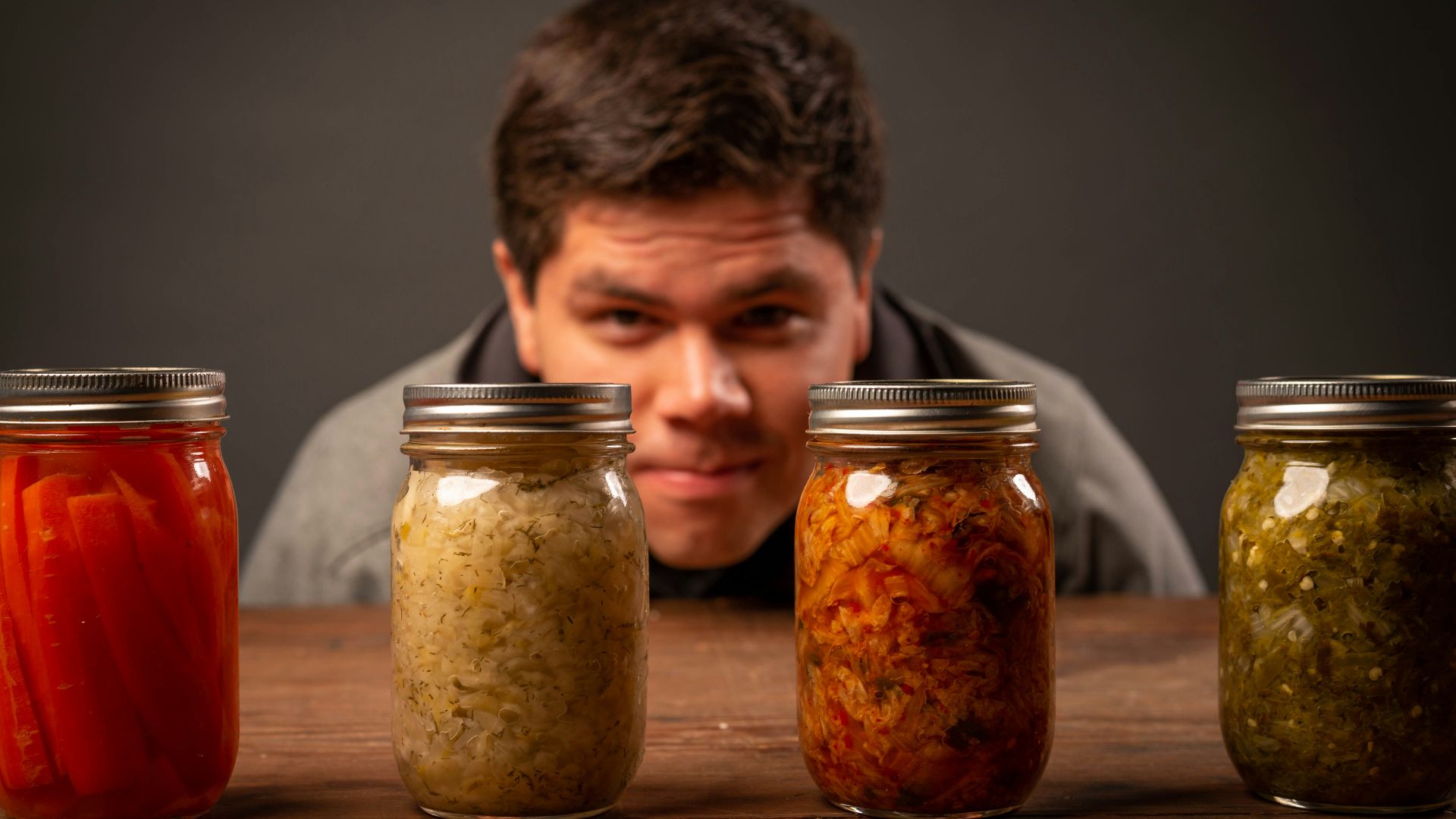
6. Preserving Food
Canning, pickling, freezing, and otherwise preserving food used to be standard practical knowledge in many households. Then convenience culture pushed it aside, and now it's come back partly through cost-consciousness and partly because people like feeling prepared and less wasteful. It's not just a hobby for people with too many jars, but a very practical way to make food last and stretch what you already bought.
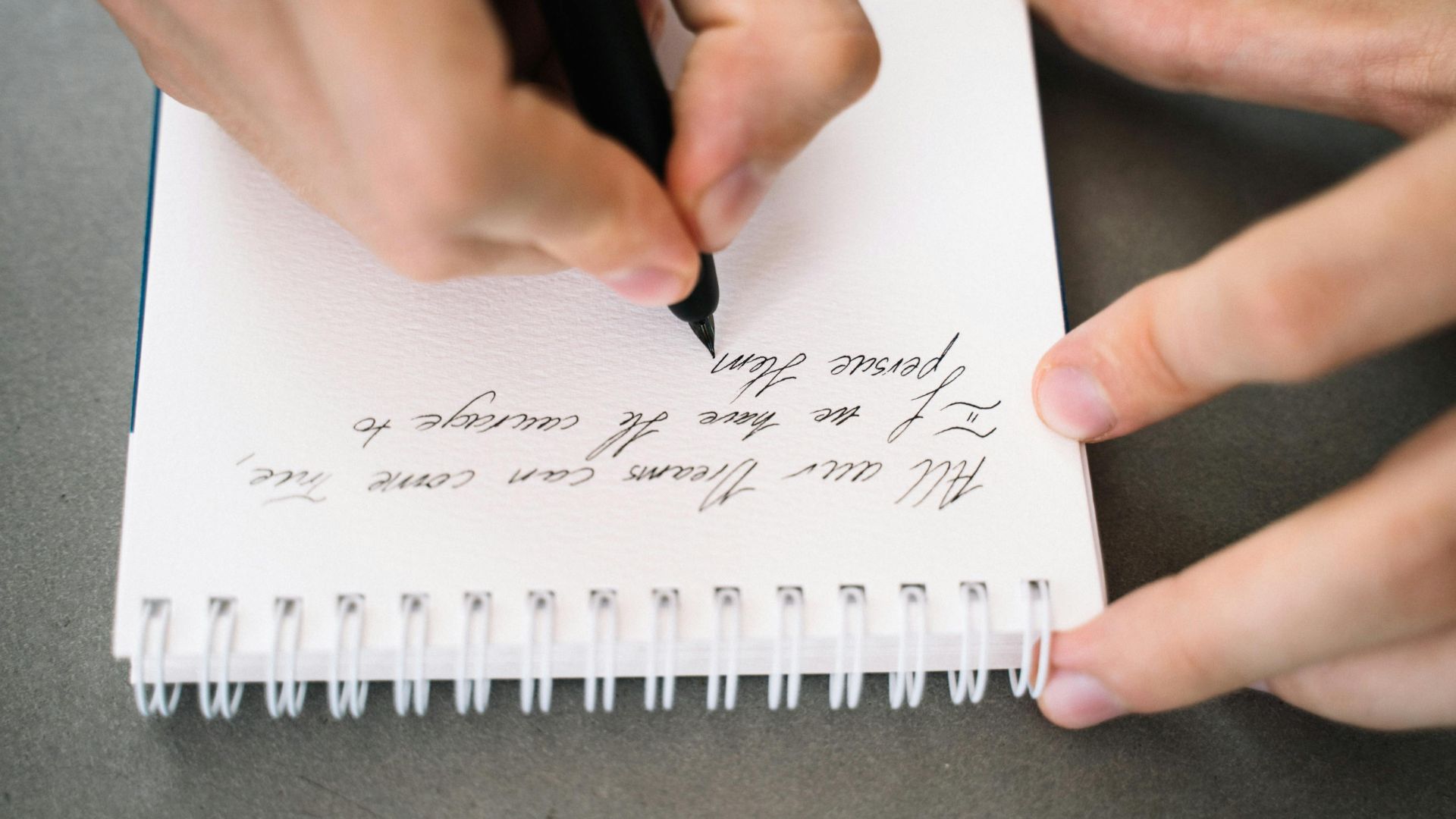
7. Handwriting Clear Notes & Letters
While elegant penmanship isn't a social requirement anymore, clear handwriting is still surprisingly useful. Being able to leave readable notes, label things, write cards, or fill out forms still matters. In a world where many people barely write by hand, basic clarity actually stands out more.
8. Basic Home Repair
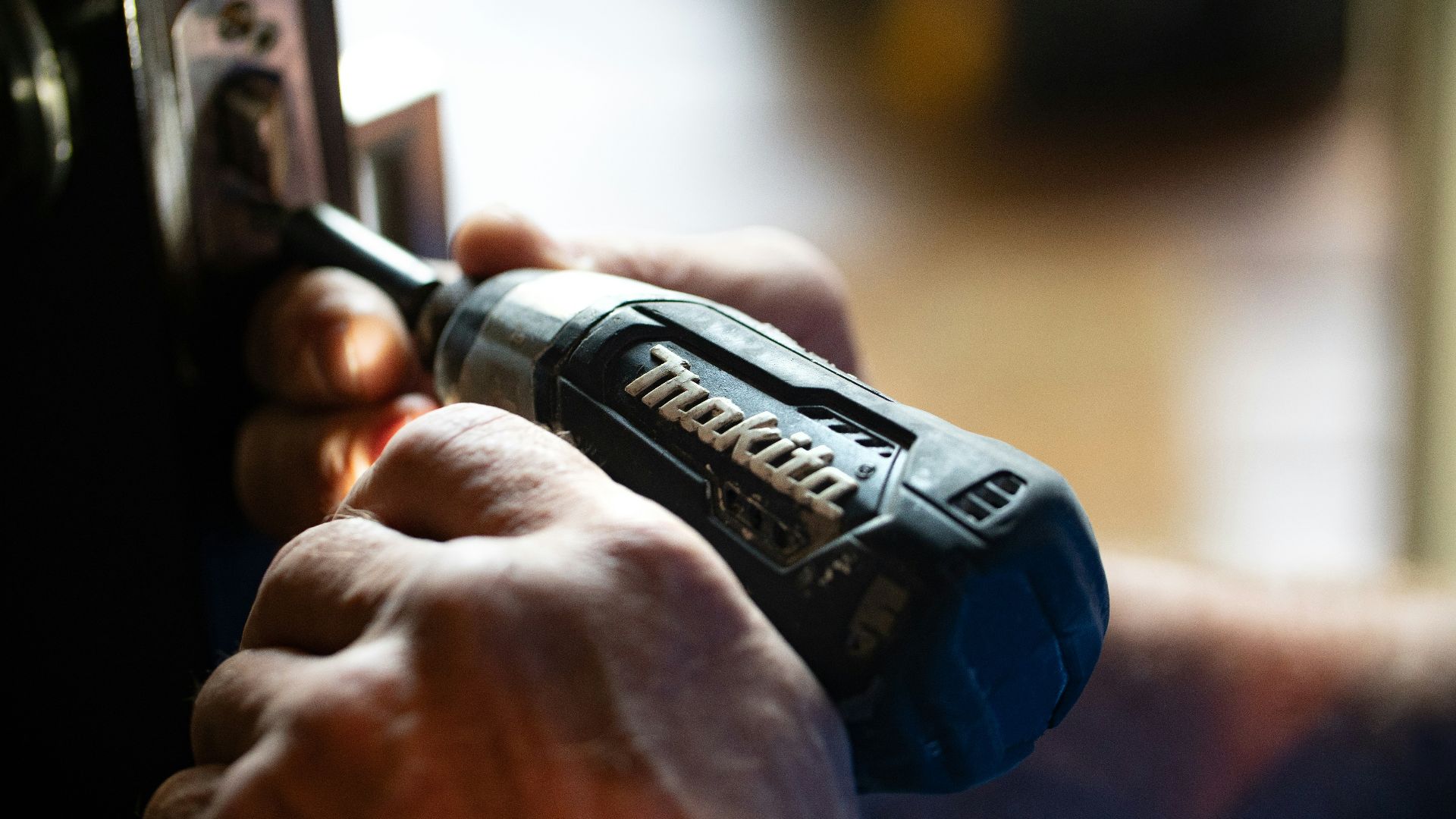
Older generations often learned how to fix little things around the house because they had to, not because they were collecting weekend hobbies. That knowledge feels useful again because hiring someone for every tiny repair gets expensive fast. Knowing how to patch a hole, tighten hardware, unclog something simple, or stop a small problem from becoming a larger one still has real value.
9. Hand-Washing & Air-Drying Certain Clothes
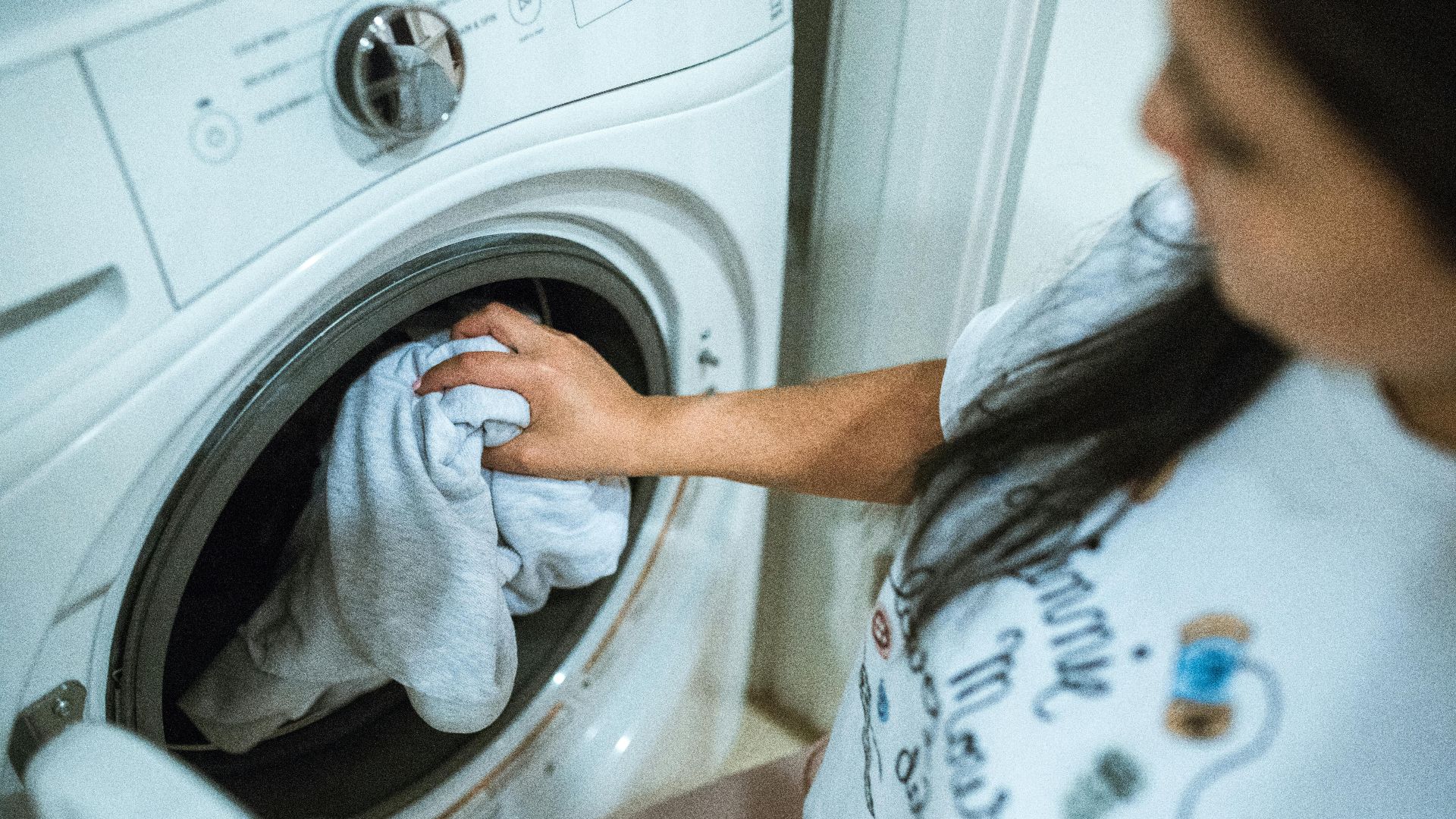
This one sounds incredibly unglamorous until you ruin something nice in the dryer and suddenly become a believer. Knowing which fabrics need gentler treatment and how to wash them properly can save you money and keep clothing looking better longer. It's not thrilling, but it's exactly the kind of practical knowledge people quietly rediscover.
10. Entertaining
Old-school hosting skills looked less essential for a while because digital convenience took over so much of how people gather, communicate, and organize. Yet being able to cook a simple meal, make people comfortable, carry on a conversation, and create a good evening without relying on screens now feels unexpectedly useful again.