Your Child Probably Isn't Ready For A Sit-Down Restaurant—Even If You Think They Are
At some point, you start craving a real meal out like you used to enjoy before kids. You imagine your child behaving beautifully, trying new dishes, maybe even impressing nearby tables with their manners. The reality check usually comes fast, though.
Restaurant readiness requires a specific set of skills that take years to develop, and wishful thinking won't speed up that timeline, no matter how much you want it to.
Warning Signs That Mean Your Child Needs More Time
Sensory struggles at home reveal the biggest predictor of restaurant disasters. Kids who cover their ears during normal household noise or complain about everyday smells face a sensory nightmare in restaurants where dozens of conversations echo off hard surfaces and kitchen aromas intensify everything.
Beyond that, extreme food rigidity creates another major obstacle. We're talking about kids who eat maybe five specific foods prepared in exact ways and refuse even slight variations. Restaurant menus rarely match those narrow preferences, which means you're paying for meals they won't touch while managing their disappointment and hunger.
Impulse control problems show up differently but matter just as much. Children who grab things off other tables, run between booths, or shout across rooms lack the self-regulation that restaurant settings demand. They're not being defiant—their brains simply haven't developed those executive function skills yet.
What Actual Readiness Looks Like In Practice
Restaurant-ready kids show patience through longer attention during longer activities at home. They can focus on board games, craft projects, or family conversations for thirty to forty-five minutes without needing to jump up constantly or switch tasks. This staying power translates directly to managing the natural pace of restaurant service.
Their self-entertainment abilities make a huge difference too. While waiting at the doctor's office or during car rides, they occupy themselves through conversation or quiet play rather than demanding constant parental engagement. Restaurants require that same independence during the inevitable gaps between ordering and eating.
Moreover, kids who willingly try unfamiliar preparations or say "no thank you" politely when something doesn't appeal handle restaurant dining far better than those who panic over anything new. You'll also notice their awareness of surroundings and how they adjust their behavior accordingly. They naturally lower their voices in libraries and recognize when their actions might bother others. This environmental sensitivity shows cognitive development.
Moving Toward Restaurant Success Gradually
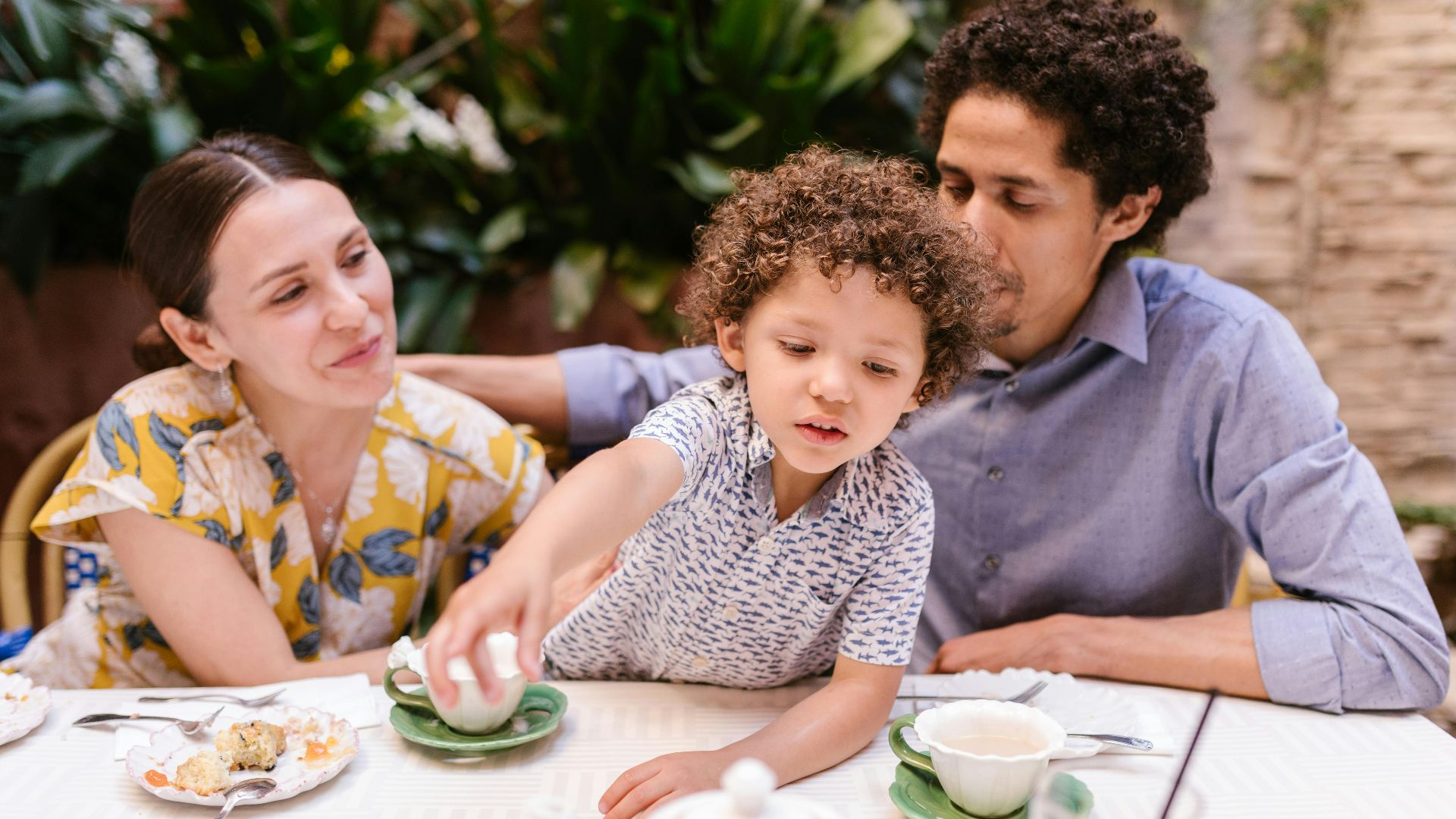
Building these skills happens through low-pressure practice rather than hoping for sudden breakthroughs. Pick the most relaxed establishments during their slowest hours—think diners at 3 pm on Tuesday rather than busy bistros on Saturday night. The casual atmosphere and patient staff create better learning conditions.
Time these early attempts strategically too, going when your child feels rested and fed rather than hungry and cranky, which stacks the deck in everyone's favor. Home rehearsals speed up progress significantly. Set the table formally, require everyone to stay seated throughout the meal, and practice polite requests and patient waiting. Make it feel special rather than like a chore, so they associate restaurant behavior with positive experiences.