
The decision to have just one kid seems financially smart. There are fewer college funds to worry about, one set of braces instead of three, and a smaller car that doesn't guzzle gas like an SUV—to name a few benefits. Families with single children save thousands every year on the basics alone. Despite what the spreadsheet may show, there’s a whole category of expenses that doesn’t show up in any parenting cost calculator. These are costs that have nothing to do with diapers or daycare and everything to do with what happens when you're the only source of literally everything for a small human being.
The Entertainment Budget Becomes Your Problem
Only children don't have built-in playmates. This may not seem like an insurmountable problem until you're paying for their third extracurricular activity because they need social interaction and you can't just tell them to go play with their sibling. Soccer runs $200 per season. Piano lessons cost $120 monthly. Summer camps easily hit $400 per week, and you need at least six weeks of programming unless you're planning to take the whole summer off work.
Kids with siblings entertain each other for hours with a cardboard box and some markers. They negotiate, they fight, they make up and together create elaborate imaginary worlds in the backyard. It may not be free childcare, but it’s about as close as it gets.
You're Funding Every Milestone Alone

College costs what it costs. That part's obvious. What isn't obvious is how having siblings spreads out the emotional and logistical costs of every other life transition. When the oldest goes to college, the younger ones are still home and the house doesn't go silent overnight.
When you only have one child, every transition is absolute. That first day of kindergarten is also the last first day of kindergarten you'll ever experience. High school graduation happens once, then never again. Each milestone carries extra weight because there's no sequel, no chance to do it differently or better the second time around.
Social Development Comes with a Price Tag
Psychologists used to think only children were at a social disadvantage. Research has mostly debunked that, showing that they develop perfectly normal social skills. They just develop them differently, and that difference costs money.
Children with siblings learn conflict resolution at the dinner table. They practice sharing because they have to, not because a parent orchestrated a teachable moment. They learn that the world doesn't revolve around them when their sister gets attention for making honor roll or their brother gets to choose the movie.
Some parents compensate by keeping their only child in activities year-round. They enroll them in sports come fall, swimming lessons in winter, art classes in spring, camp in summer. These bills add up fast.
The Gear Never Gets Reused
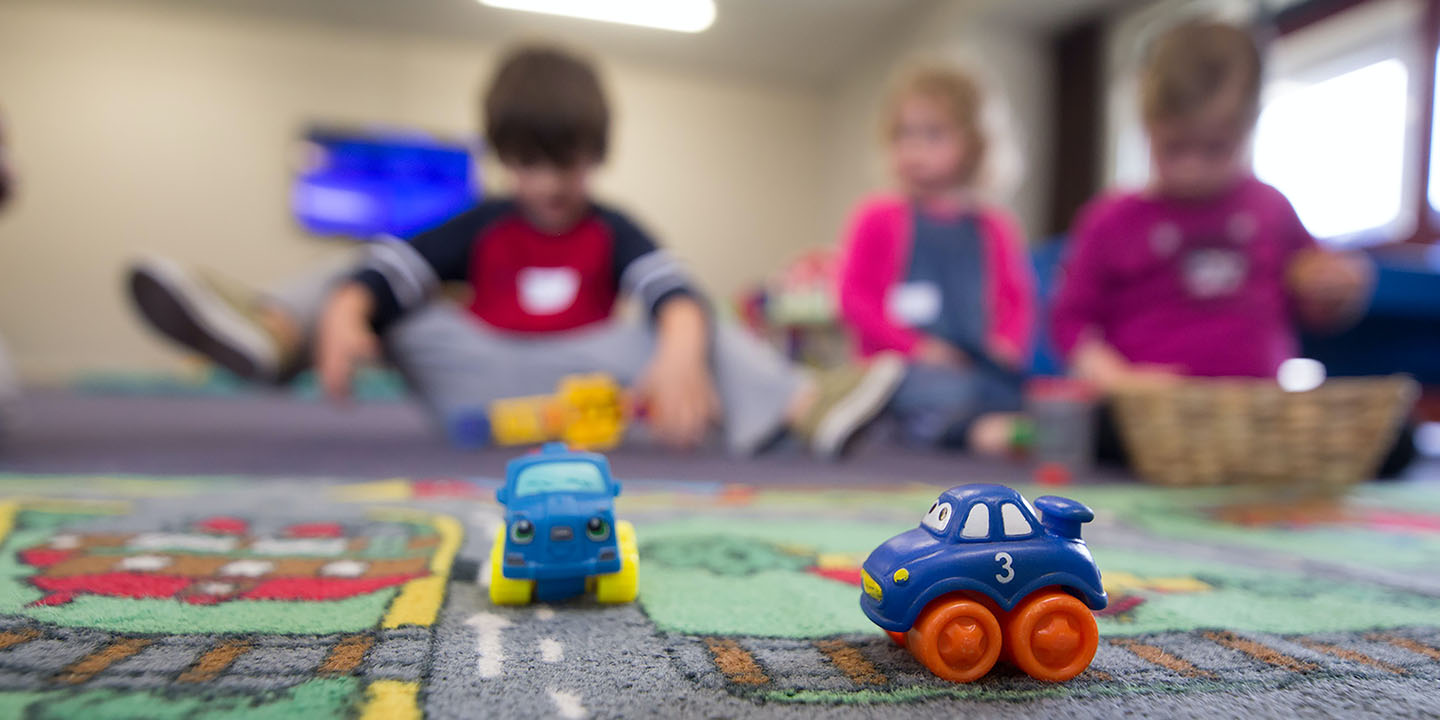
 Tamara Govedarovic on Unsplash
Hand-me-downs save families with multiple children something like 30% on clothing costs, maybe more if you're not picky about stains. Toys get passed down. Books get read until the spines crack. That crib your oldest used for eighteen months is pulled out of storage for the next one and maybe the next one after that.
For parents with an only child, every growth spurt means new clothes that'll get donated after a year. That new bicycle you bought them for their birthday gets ridden for two seasons then sits in the garage because you can't pass it to anyone.
You can sell stuff, sure, but you’ll be lucky to recoup 20% of what you paid, and that's only if you're motivated enough to deal with the Facebook Marketplace people who ask if you'll take $15 for the stroller you bought for $400.
You're the Only Memory Keeper
Siblings remember childhood together. Come family reunions, they corroborate stories, fill in gaps, and argue about what actually happened that summer at the lake. They share the work of remembering, which sounds abstract until you're the sole keeper of your child's entire history and every baby book, every school project, every photograph falls on you to preserve and organize.
Only children don't have anyone else who was there. You're the archive, and if you don't document it, it's just gone. That's not a financial cost exactly, though there's certainly time and money involved in preservation. It's more like an emotional tax that compounds over decades.