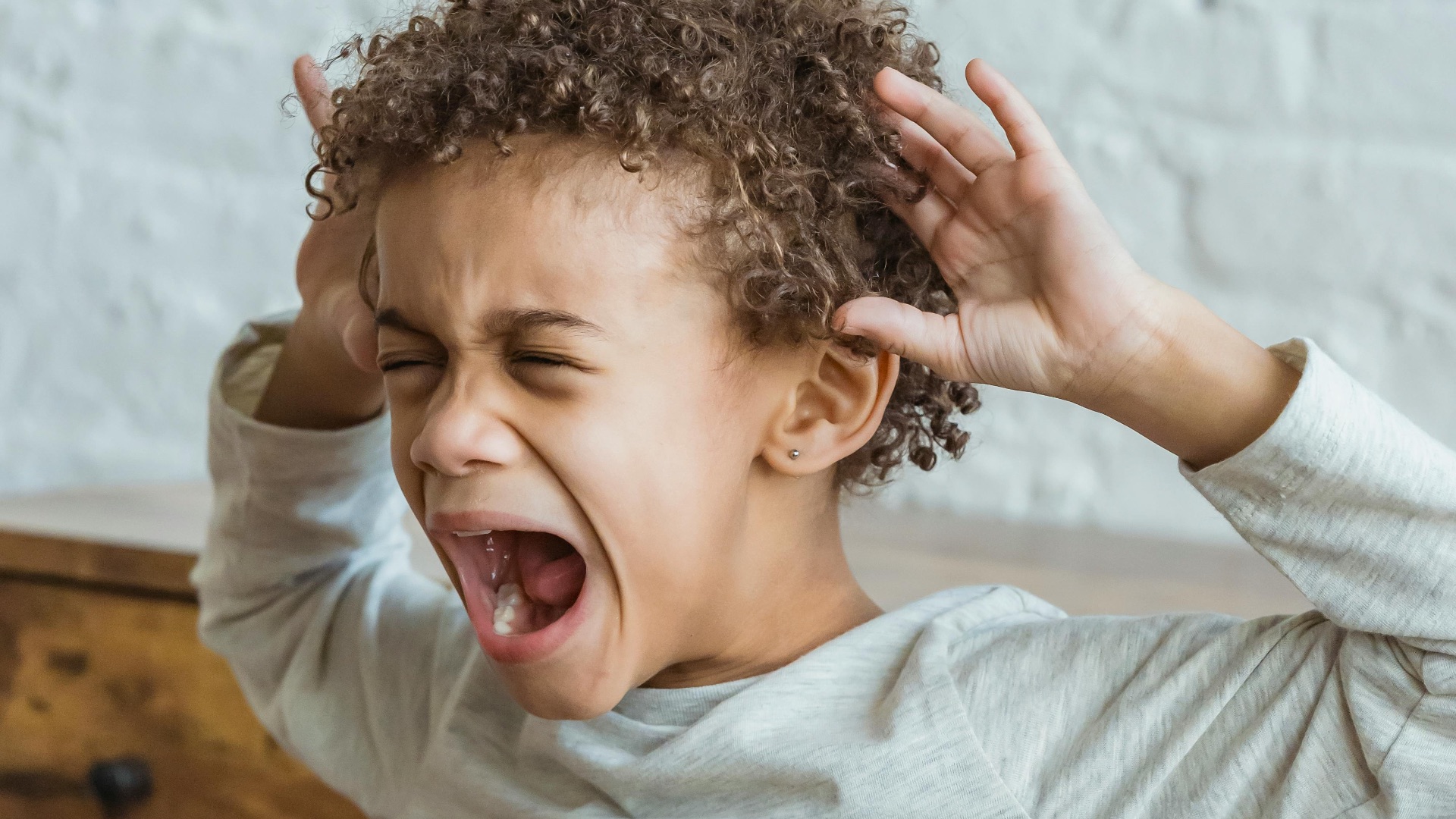
You've heard it all before: only children are spoiled monsters who get everything they want. If they don't, they'll cry until others finally give in. They're also inherently selfish, self-obsessed, and lack respect or manners for anyone else but themselves. Good luck ever getting them to share or care.
But if you're an only child yourself, you've probably wondered whether you fit into that stereotype or if it's simply a load of baloney. After all, is growing up without siblings really a fast track to entitlement, or is this unfair assumption rooted more in myth than reality? As it turns out, the psychology behind being an only child is far more nuanced than most of us have been led to believe.
What Is the "Only Child Syndrome"?
The concept behind the only child syndrome seems to date back to the 1800s, when child psychologists found that an overwhelming amount of people attributed negative traits to those without siblings. American psychologist E.W. Bohannon, for one, has largely been credited for this finding, having conducted a study with 200 participants in the late 19th century. The reason why the results of his research endured for so long is perhaps, in part, because another pioneering psychologist, G. Stanley Hall, had also once said: "Being an only child is a disease in itself."
And, at least at that time, it wasn't so hard to imagine or assume that only children were spoiled, self-centered, and maladjusted. Without any siblings at home, that likely meant that their parents gave them everything they wished for, right? They didn't have to share their toys or compete for attention, and they never had to learn how to compromise with anyone but themselves. All of this, of course, seemed to conclude that only children considered themselves to be at the top of the world, simply because they were raised to think so.
What Does Science Say About It?

But modern research doesn't paint such a drastic picture. In fact, most studies have shown that only children don't grow up to be any more narcissistic or self-centered than those who grow up with siblings. And the assumption that only children tend to be coddled more by their parents seems to have been debunked as well. Yet, the stereotype continues to persist.
The key is this: only children don't grow up to be selfish and spoiled because they were born with those traits. It's simply due to how they were parented and raised. The environment they grow up in, especially during those critical developmental years, matters more than birth order ever could. And that's not even taking into account individual temperament and personalities.
Additionally, research has shown that, since only children often experience more loneliness in childhood than those with siblings, they're more likely to benefit from having an imaginative companion to guide and support them to facilitate their creativity and growth. Without playmates to interact with at home, this may push only children to seek friendships elsewhere, which can help them develop better communication skills and emotional awareness.
So: are only children destined to be selfish? Not even close. Personality, after all, can't be dictated by birth order alone, and it's often influenced and shaped more by external factors. To pin certain negative traits to only children perpetuates an unfair perception, when in reality, only children are just as capable of kindness and empathy as anyone else.