
It sounds sentimental—naming your baby after a parent, grandparent, or even that great-uncle who told the best tall tales. The gesture can carry deep pride, but it also comes with expectations and a few surprises you might not expect until you’re knee-deep in birth announcements. Before you stamp a family name on the birth certificate, take a breath and think through what the name might carry. Let’s unpack what’s really in a name.
Legacy Or Luggage? The Emotional Weight Of Family Names
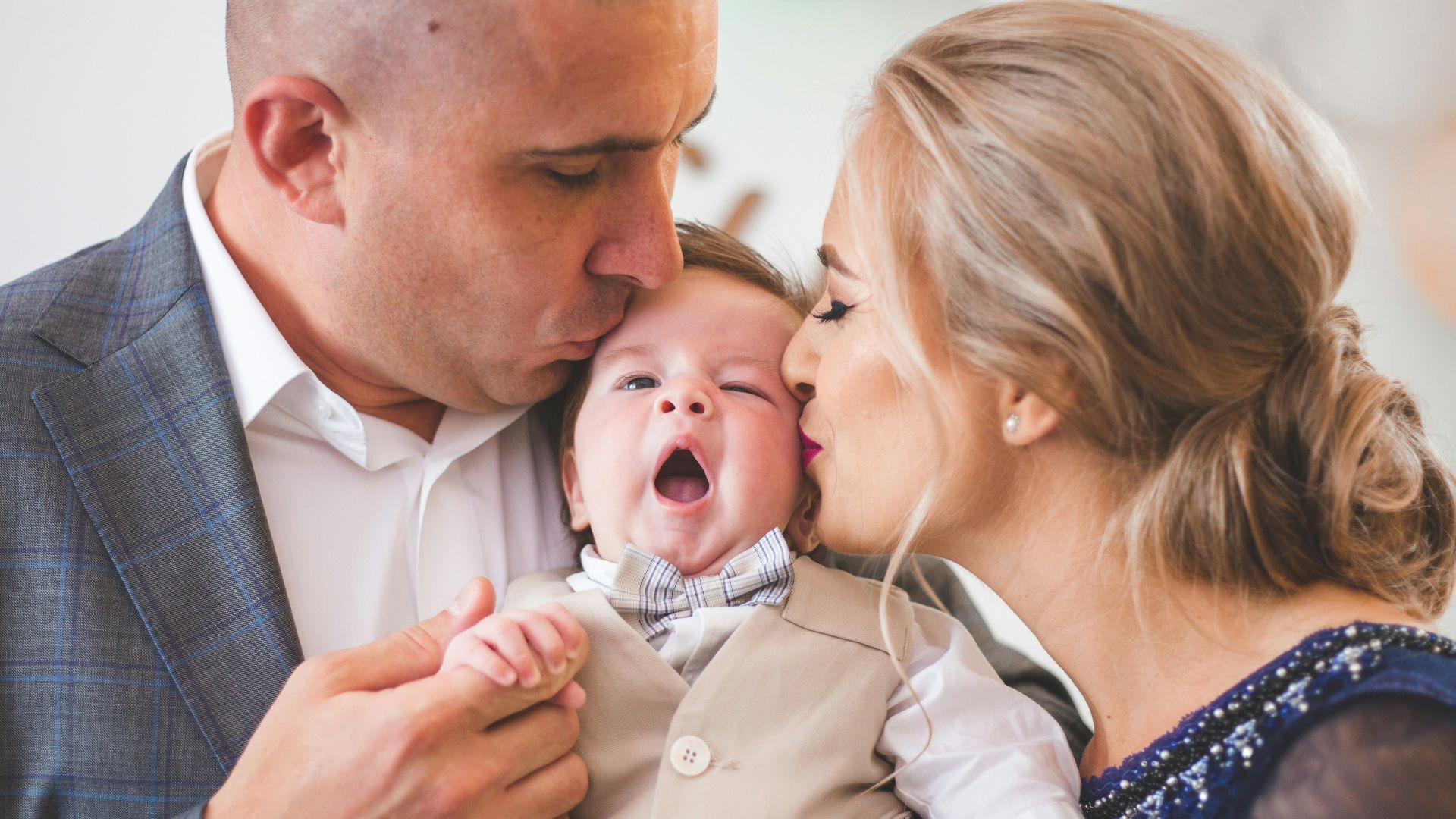
Handing down a name often feels like preserving family history. Family names carry stories that reach across generations to show up in old photos and family conversations about ‘the one you were named after.’ A familiar name can make a child feel connected to something much larger than themselves.
But the weight can be heavy. Sharing a name with a strong-willed relative may spark constant comparisons. A child named after a late loved one could feel pressured to live up to their memory. Talk about the “why” behind the name with your family before deciding—it’s better to honor someone than accidentally clone them.
The Identity Factor: How Names Shape Perception
Names influence how others see (and even treat) us. Names perceived as from older generations, like “Mildred” or “Gerald,” may contribute to subtle age-related biases in hiring and social settings. Meanwhile, short, modern names are often perceived as fresh and appealing, potentially conveying confidence or creativity.
That doesn’t mean you should skip honoring Grandma Ethel entirely. Some parents modernize family names by adjusting spelling or using them as middle names. This keeps the tribute alive without giving your child a name that may feel like a time capsule.
Avoiding Awkward Family Politics
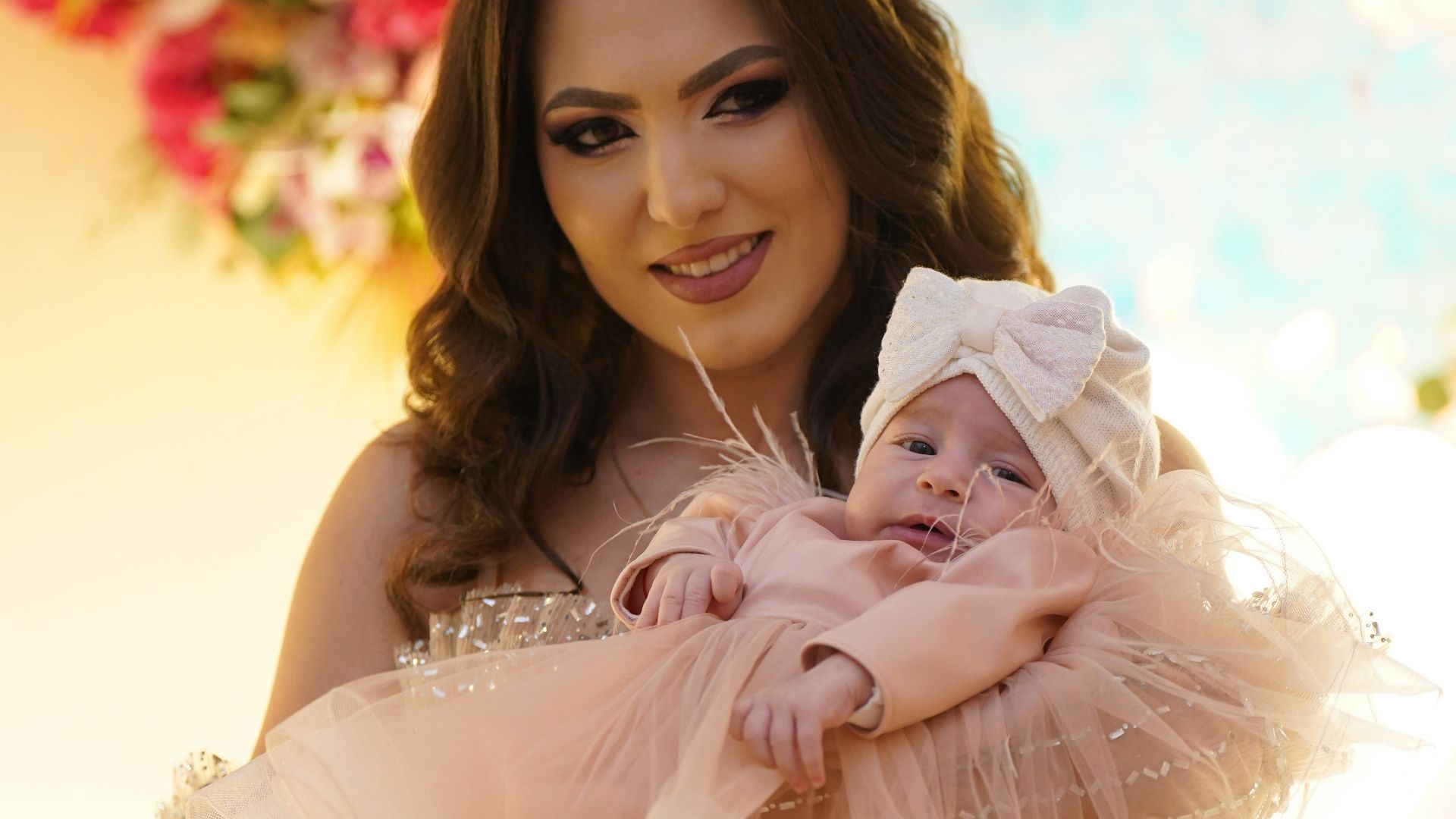
Naming a baby after one relative can unintentionally ruffle others’ feathers. In families where traditions or hierarchies run strong, choosing one name over another can spark unexpected drama. Naming traditions once followed strict birth order—first sons were often named after paternal grandfathers, and first daughters after maternal grandmothers.
Today, that pattern has loosened, so there is more room for debate. The best way to dodge hurt feelings? Be transparent. Share the sentimental reasoning early. Even better, involve loved ones in brainstorming. They’ll feel valued, and you might discover creative combinations that surprise everyone.
Balancing Tradition With Originality
Some parents thread the needle by pairing a family name with a fresh one. For instance, “Henry Luca” honors Grandpa Henry while giving the child a contemporary flair. It’s also a smart way to prevent confusion if multiple relatives already share the name.
If you love your family’s history but crave individuality, consider using maiden names or ancestral surnames as middle names. It’s a nod to lineage without boxing your child into a single identity.
The Final Word
Naming your baby after family can weave generations together, but it’s worth weighing the meaning, legacy, and emotions attached. Mix it up and trust that your instincts will lead you down the right path. And remember: the best names grow with the person—not the other way around.