
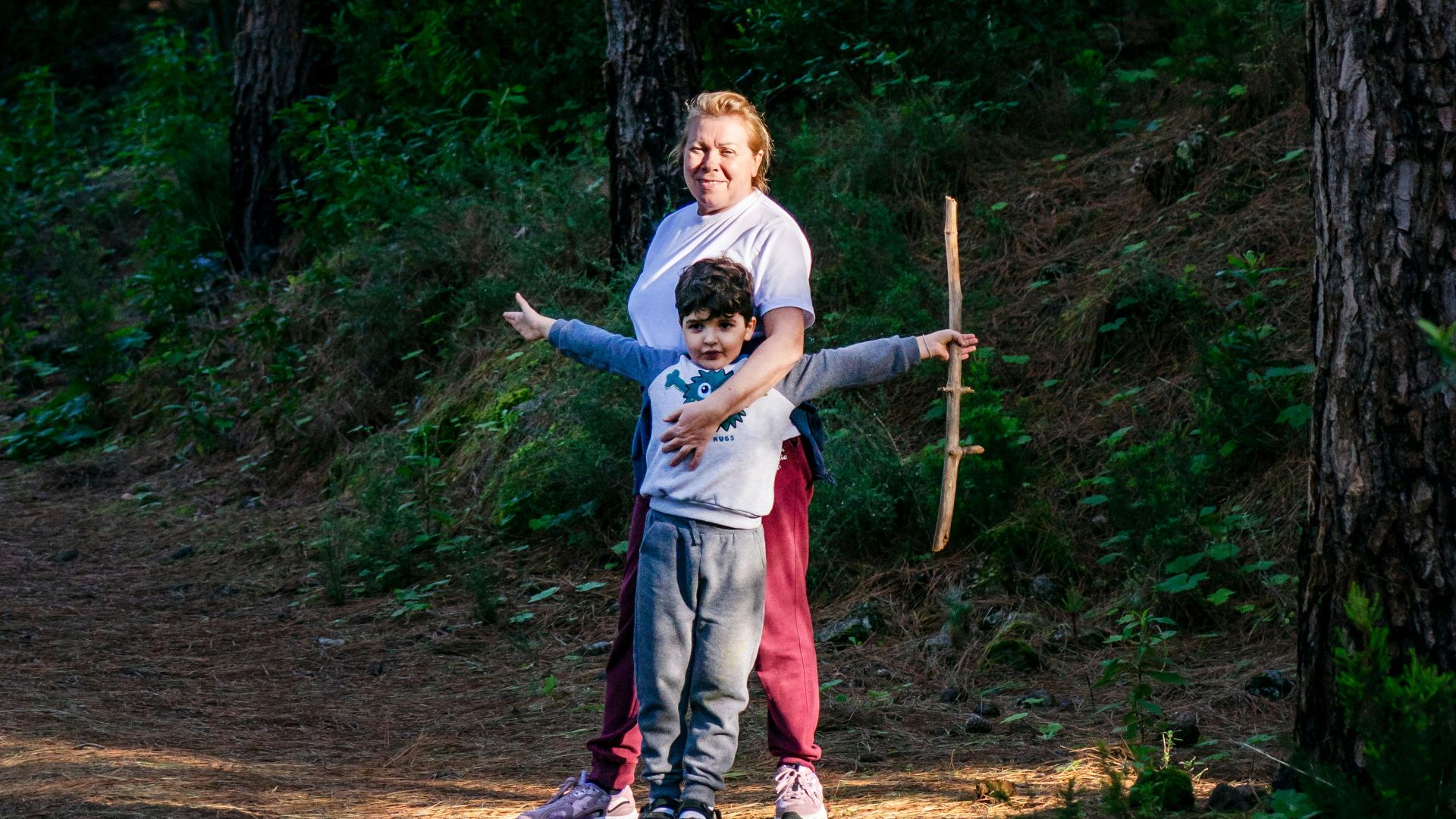
Family conversations can become surprisingly difficult when everyday life is packed with school runs, work messages, errands, and screens that never seem to stop glowing. Even when everyone is physically together, it’s easy for real connections to get pushed aside by rushed updates and half-finished thoughts. That’s why a simple nature walk can feel less like another activity and more like a quiet reset button.
Walking outdoors gives families a shared space where conversation doesn’t have to feel formal, awkward, or heavily planned. Research has consistently linked time in nature with reduced stress, improved mood, and better attention, which can make people more open to listening and sharing. When you add gentle movement to that calmer setting, family discussions often become more natural, thoughtful, and enjoyable. Even a short walk after dinner can create opportunities for better connection.
Nature Makes Talking Feel Less Forced
A nature walk removes some of the pressure that can make family conversations feel uncomfortable. Sitting across from someone at a table can feel serious, especially for children or teenagers who don’t want a casual question to turn into a lecture. Walking side by side feels easier because everyone can talk while looking at the trail, the trees, or the sky.
The outdoor setting also helps soften the mood before anyone even says much. Fresh air, open space, and natural sounds can make people feel less trapped by the stress they carry from home. When the body feels calmer, the conversation usually has a better chance of staying patient and respectful.
Nature gives families something to talk about when the conversation needs a gentle start. A bird call, a muddy path, or a squirrel acting like it owns the whole neighborhood can break the ice without effort. Those little moments help everyone ease into deeper topics without making the discussion feel staged. Children especially tend to respond well when conversations begin in a playful and relaxed way.
Walking Creates Shared Moments
Family bonds often grow through ordinary experiences that become meaningful because they’re shared. A walk through a park or along a quiet street may not sound dramatic, but it gives everyone the same sights, sounds, and small surprises to notice together. Those shared details can turn into stories that get remembered long after the walk ends. Over time, these memories help create a stronger sense of family closeness.
Outdoor walks also invite curiosity, which can bring out conversations that wouldn’t happen indoors. A child might ask why certain leaves change color, while a parent may point out animal tracks, clouds, or seasonal changes. These exchanges create a lighter kind of learning where nobody feels like they’re being tested. The relaxed environment makes learning feel fun rather than forced.
Regular walks can become dependable family traditions that make connections feel easier over time. When children know there will be a relaxed moment to talk, they may be more likely to bring up what’s really on their minds. That consistency builds trust in a quiet but powerful way. Many families find that their strongest conversations happen during these simple routines.
Nature Encourages Better Listening
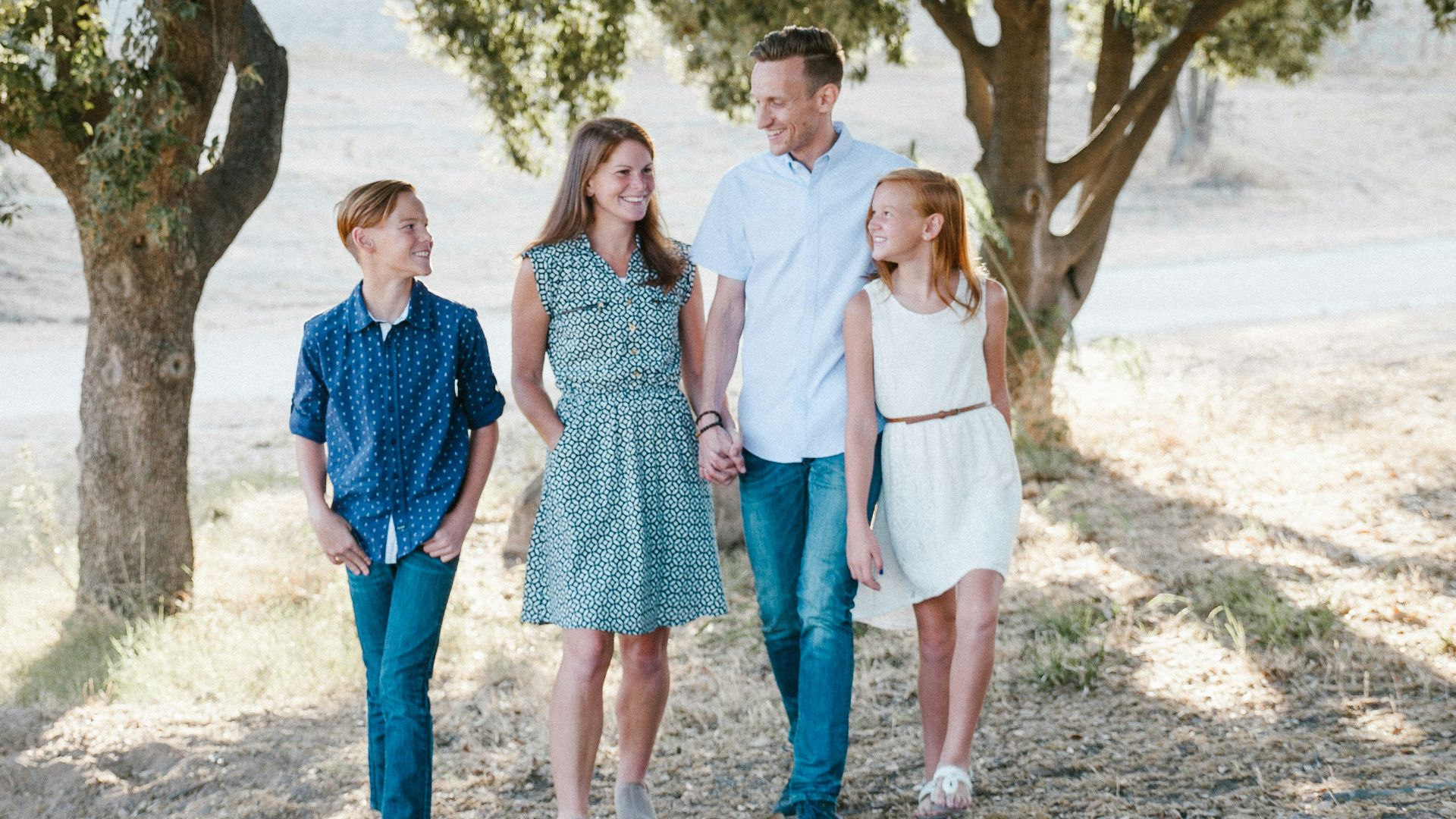
At home, conversations often happen while someone is cooking, checking a phone, folding laundry, or trying to answer one more email. During a walk, there are fewer competing tasks, which makes it easier to give another person full attention. Feeling truly heard can change the entire tone of a family conversation. People are generally more willing to open up when they know someone is actively listening.
Walking can also support clearer thinking because gentle physical activity helps the mind feel more alert and flexible. Studies have connected walking with improved creativity, which explains why people sometimes find better words for complicated feelings while moving. A family walk can make serious topics feel less heavy because the body is active and the setting feels calm. This can be especially helpful during stressful periods at school or work.
The slower pace of a walk teaches patience without announcing itself as a lesson. Silences don’t feel as awkward when birds are chirping or leaves are moving in the breeze. Instead of rushing to fill every pause, family members can think, listen, and respond with more care. Those thoughtful pauses often lead to more meaningful conversations overall.
Nature walks don’t need to be long, expensive, or perfectly planned to make a real difference. A nearby trail, a local park, or a familiar neighborhood route can give your family a healthier space to talk and reconnect. When walking together becomes part of your routine, everyday conversations can grow warmer, more honest, and more meaningful, one step at a time. In many ways, these simple walks can become some of the most valuable moments a family shares together.