
When AI Joins The Family
Parenting isn’t always chaos, but let’s be honest—it’s rarely calm. Between school runs, picky eating, endless questions, and zero downtime, every shortcut counts. That’s where AI lends a hand. Today’s tools are built to support your parenting flow. They offer calm and reprieve in the storm, ideas when you're out, and help when time runs short. Let’s explore how AI can take care of the small stuff, so you can focus on the big moments.

1. Making Family Schedules
Juggling everyone’s calendars can be a headache, but AI apps like Cozi and Google Calendar make it seamless by syncing family events and reminders automatically. These smart tools help cut down on scheduling conflicts and boost coordination.

2. Personalized Learning Recommendations
AI takes learning to the next level by analyzing your child’s strengths and offering custom educational resources. In fact, a recent survey by Save My Exams found that 75% of students use AI to help with their homework. Additionally, many apps gamify learning, keeping kids engaged.

3. Smart Meal Planning
Finding dinner ideas is easier with AI meal planners that recommend recipes tailored to your family’s dietary needs and whatever you already have in the fridge. The assistants not only generate grocery lists but also adapt to your family’s changing preferences.

4. Better Safety Monitoring
Peace of mind comes standard with AI wearables and cameras that can instantly detect unusual activity and send alerts to parents. These devices also track your child’s location and allow you to set safe zones. For extra reassurance, some offer real-time video feeds and can notify multiple caregivers at once.

5. Developmental Milestone Tracking
Keeping up with your child’s growth is easier thanks to AI apps that monitor and alert you to important developmental stages. Such tools use data to suggest age-appropriate activities, making it simple to support your child’s progress. On top of that, some trackers celebrate milestones with digital badges.

6. Adaptive Parental Controls
Screen time battles get easier when AI tools like Qustodio automatically adjust content access based on your child’s habits. You can customize these controls for your child’s unique needs, and some apps even send weekly digital wellness reports. Plus, AI can block risky content before your kids ever see it.
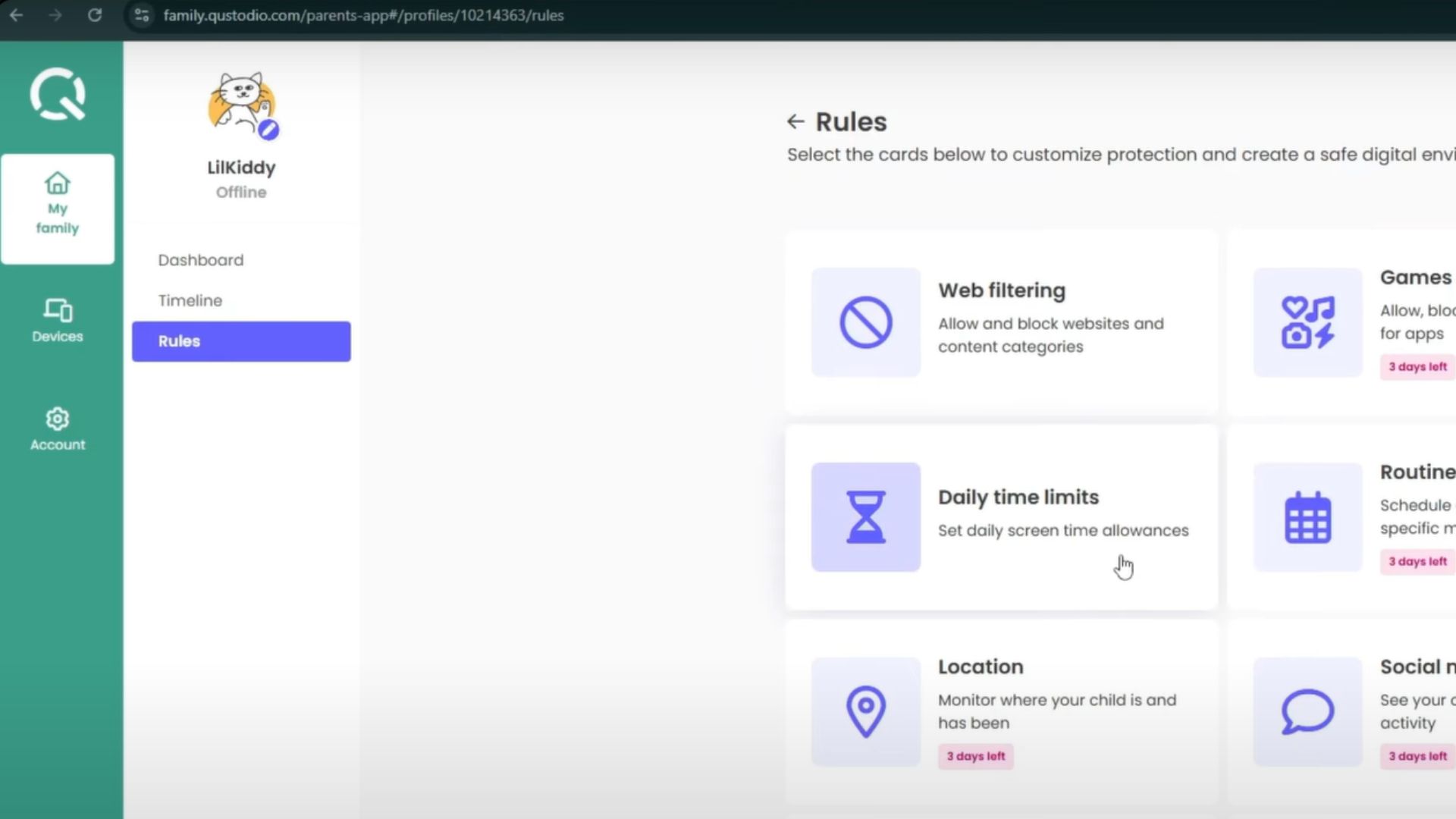 Qustodio review 2025 | A new kind of parental control apps? by Cybernews
7. Instant Parenting Advice
When you need answers fast, AI chatbots are available 24/7 to tackle your parenting questions. Over half of parents have relied on AI like ChatGPT for advice, and these bots get smarter as you interact with them. Some are even trained by parenting experts, ensuring reliable support whenever you need it.

8. Emotion Recognition And Support
AI tools Moxie and Affectiva magically read your child’s emotions through voice or facial cues by offering fun ways to manage tantrums with calming music or games. Over time, these apps help spot emotional patterns and turn feelings into playful learning moments that boost your child’s emotional skills and well-being.
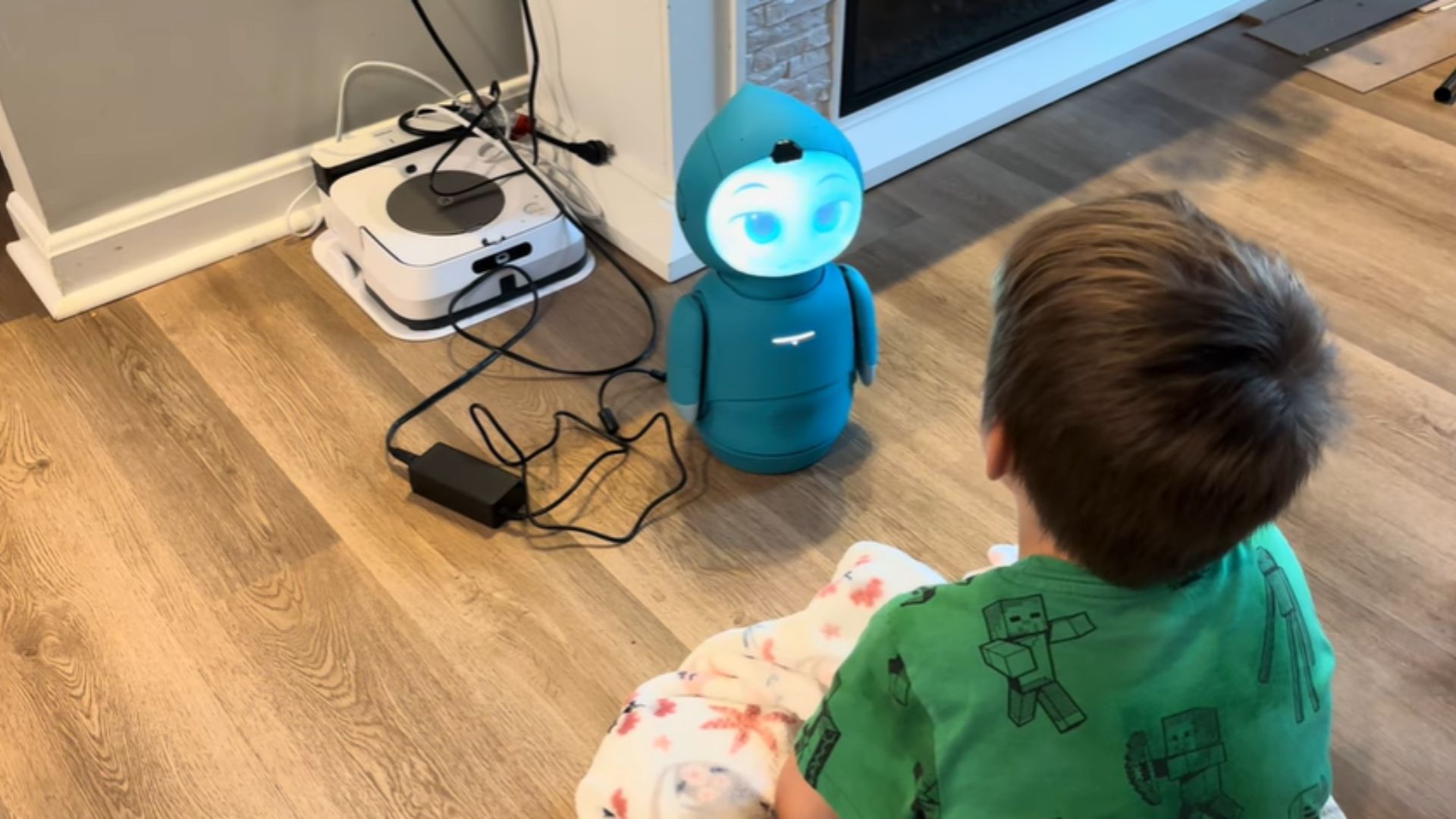 The Truth about Moxie AI Robot for Kids! Must-See Before You Buy! by Kids Fun Channel
9. Homework Help (Not Cheating)
Homework struggles are less daunting with AI tutors that walk kids through problems step by step. Nearly a third of children under eight have already used AI for school learning. Additionally, some helpers feature interactive avatars and can quiz kids in fun and engaging ways.

10. Personalized Reading Recommendations
AI makes it simple to find books your child will love by suggesting titles based on their reading level and interests. Recommendations evolve as your child’s skills grow, and some apps track reading streaks for extra motivation. Virtual libraries are updated daily, so there’s always something new to discover.

11. Language Learning Practice
AI-powered language apps turn learning into an adventure by tailoring lessons to each child’s pace and offering instant feedback on pronunciation. Kids can also join global leaderboards, play interactive games, and even chat with AI partners. This makes language practice feel like a fun, friendly competition.

12. Screen Time Management
By automatically monitoring and limiting screen time to healthy levels, AI-driven apps keep device usage in check. Additionally, these tools generate detailed reports on which apps are used most and offer practical tips for achieving a better tech-life balance.

13. Social Media Analysis
AI acts like a digital guardian by scanning your child’s social media for risky behavior or bullying. Parents get instant alerts if something’s off, while sentiment analysis spots mood swings and celebrates achievements, which gives you a colorful and complete view of your child’s online world.

14. Smart Travel Planning
AI turns trip planning into an adventure by suggesting family-friendly destinations, optimizing routes, and creating interactive packing lists. Travel ideas update with the weather, making every journey smoother and more exciting—so you can focus on the fun, not the logistics.

15. Health And Wellness Tracking
AI wearables make health tracking a family game. They can monitor sleep, daily activity, and vital signs. Parents can spot trends early, while kids join step challenges and get fun reminders to drink water or go jogging. Wellness becomes a team effort that turns healthy habits into daily wins.

16. Special Needs Support
For parents of children with special needs, every word spoken or step taken is a milestone. Apps like Otsimo and Speech Blubs gently guide kids through speech practice, routines, and learning—at their own pace. With real-time updates, parents can witness progress and celebrate the little victories that make a big difference.
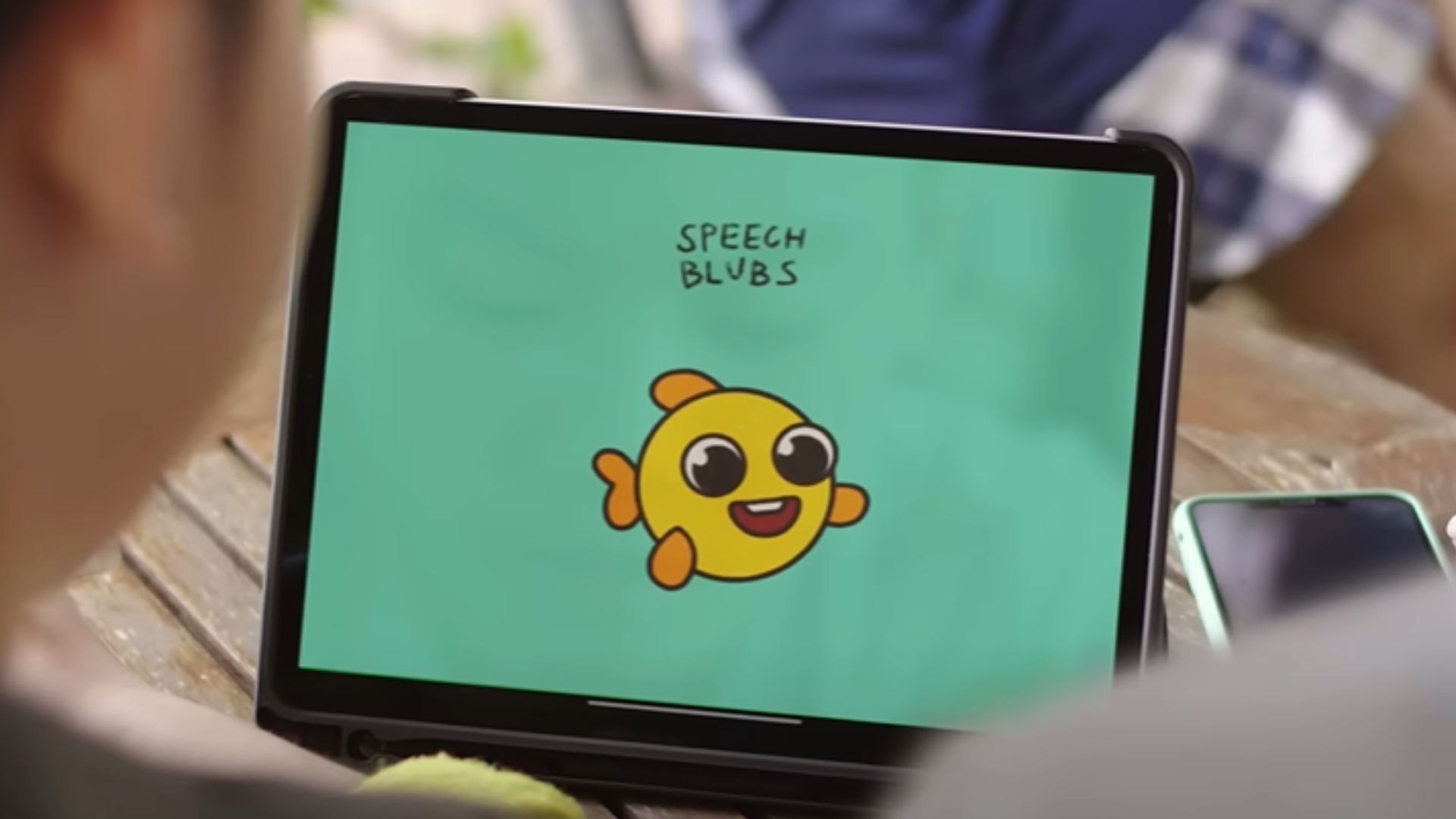 Speech Blubs: The Best Speech Therapy App by Speech Blubs
17. Digital Chore Management
AI chore apps turn family tasks into a fun competition, assigning age-appropriate chores and tracking completion. Kids earn points, get rewards, and race up family leaderboards, while parents enjoy smooth reminders and a little less nagging.

18. Virtual Playdate Coordination
Planning playdates gets easier when smart tech suggests friends and offers fun activity ideas. Everyone gets reminders, so no one’s left out. Suddenly, organizing virtual get-togethers is effortless by letting kids connect and play with friends, minus the scheduling headaches!

19. Smart Budgeting
Raising kids gets expensive—fast. AI budgeting apps like YNAB, Cleo, and Monarch help you track spending and even flag wasteful habits. You can plan for school supplies, birthday gifts, or family vacations without the stress. Some tools offer kid-friendly features, too. This way, AI turns saving and spending into a family lesson in money smarts.
 YNAB Budgeting App Review | NerdWallet by NerdWallet
20. Virtual Health Consultations
When fevers spike or rashes appear at odd hours, AI health tools like Ada, K Health, and Babylon offer instant symptom checks and medical advice. Some even connect you to pediatricians for late-night questions. For kids, friendly avatars explain symptoms and routines, making doctor time feel less scary and more like story time.