How Weddings Quietly Changed Over Time
Weddings have always been shaped by more than romance, even if we like to pretend otherwise. Many traditions were born out of religion, social expectations, or sheer practicality, and they stuck around simply because no one questioned them. As couples gained more freedom to personalize their celebrations, some long-standing wedding staples slowly faded, leaving behind a version of weddings that feels more relaxed, intentional, and reflective of real life.
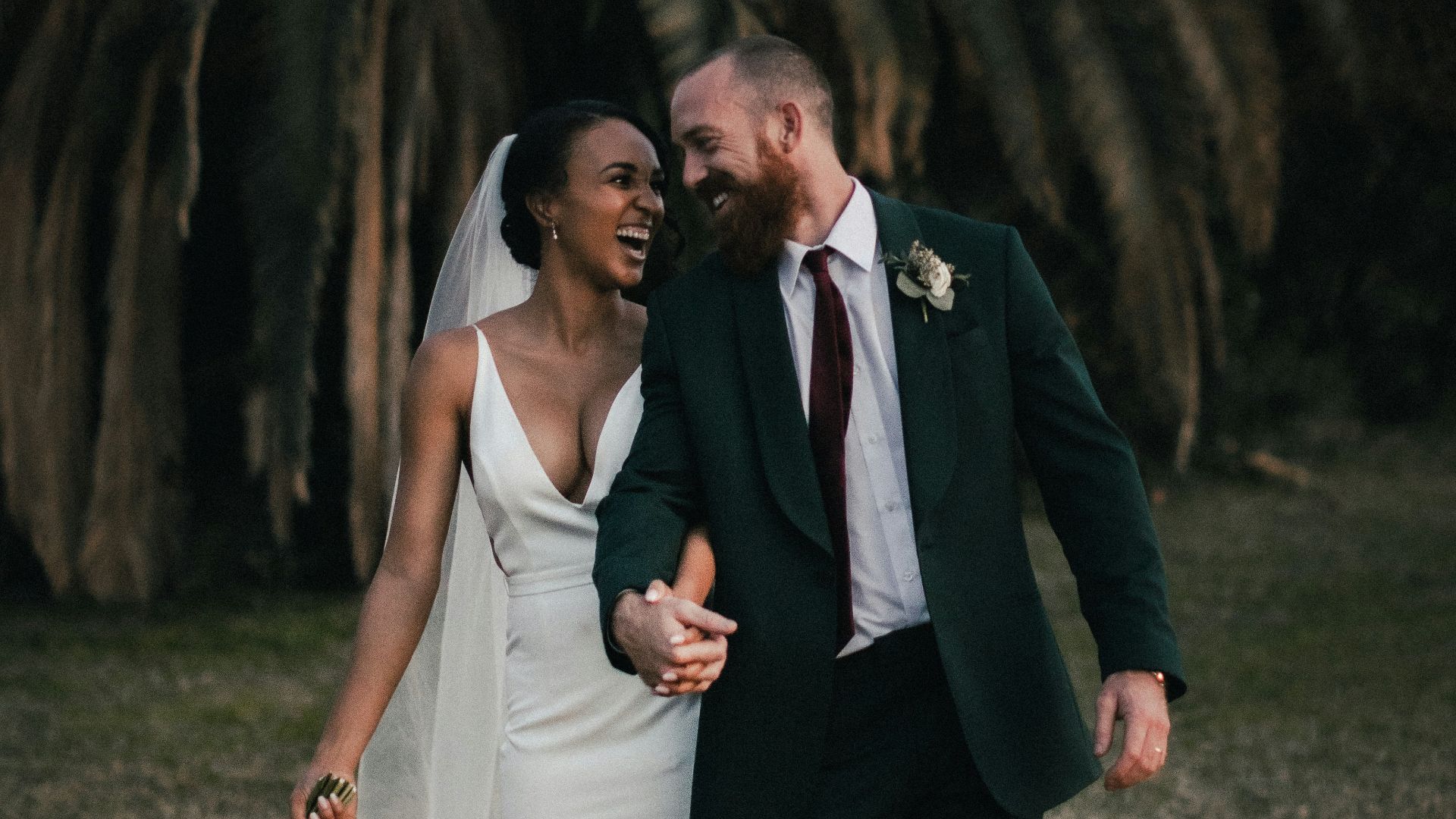
1. Receiving Lines
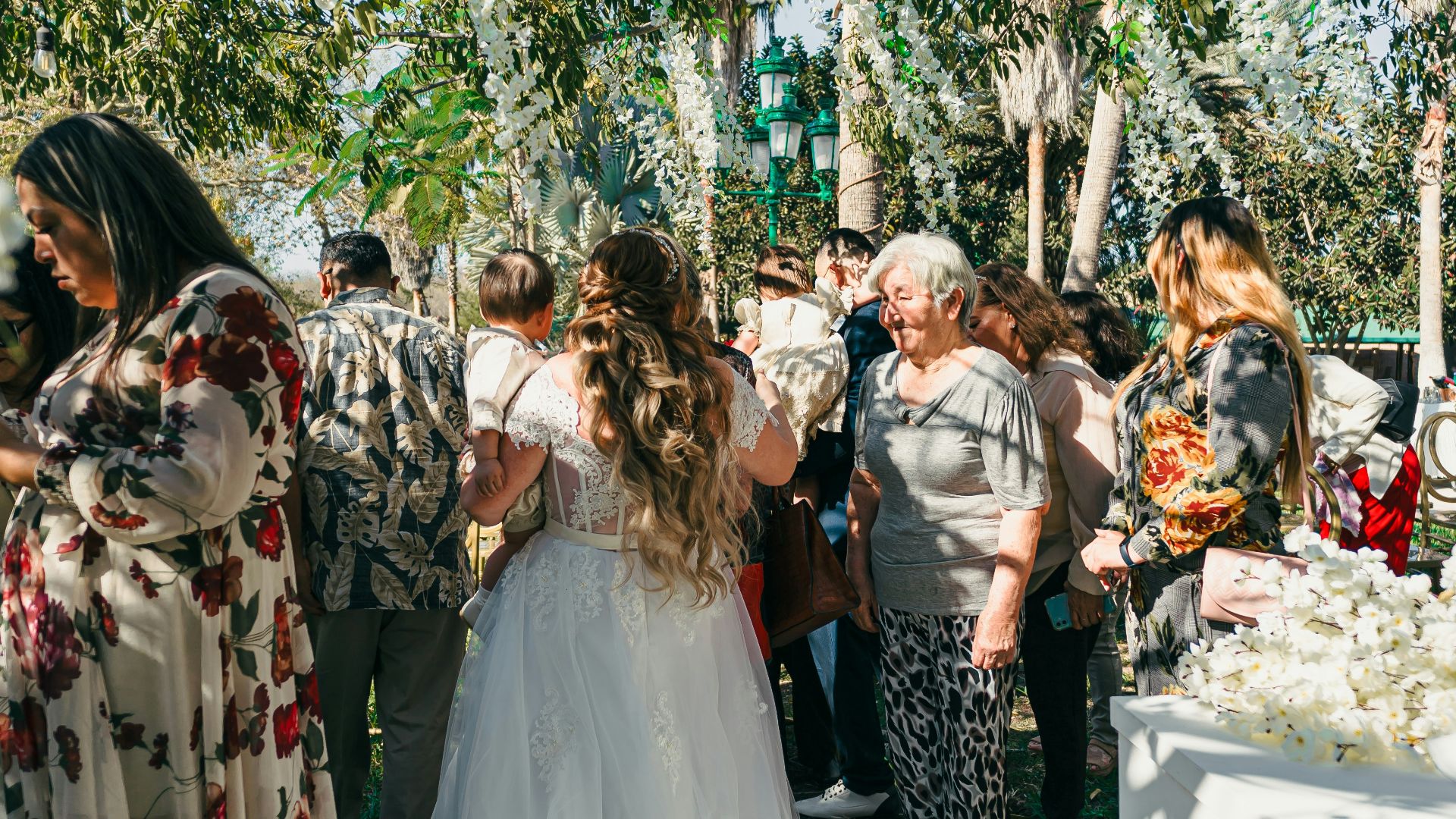
Receiving lines became popular in the early 1900s when weddings were highly formal, structured events with strict etiquette rules. Couples were expected to stand for extended periods, greeting every guest, even when conversations blurred together, and smiles grew tired. Today, most couples would rather spend that time actually enjoying their guests instead of performing politeness on repeat.
 Fotógrafo Samuel Cruz on Unsplash
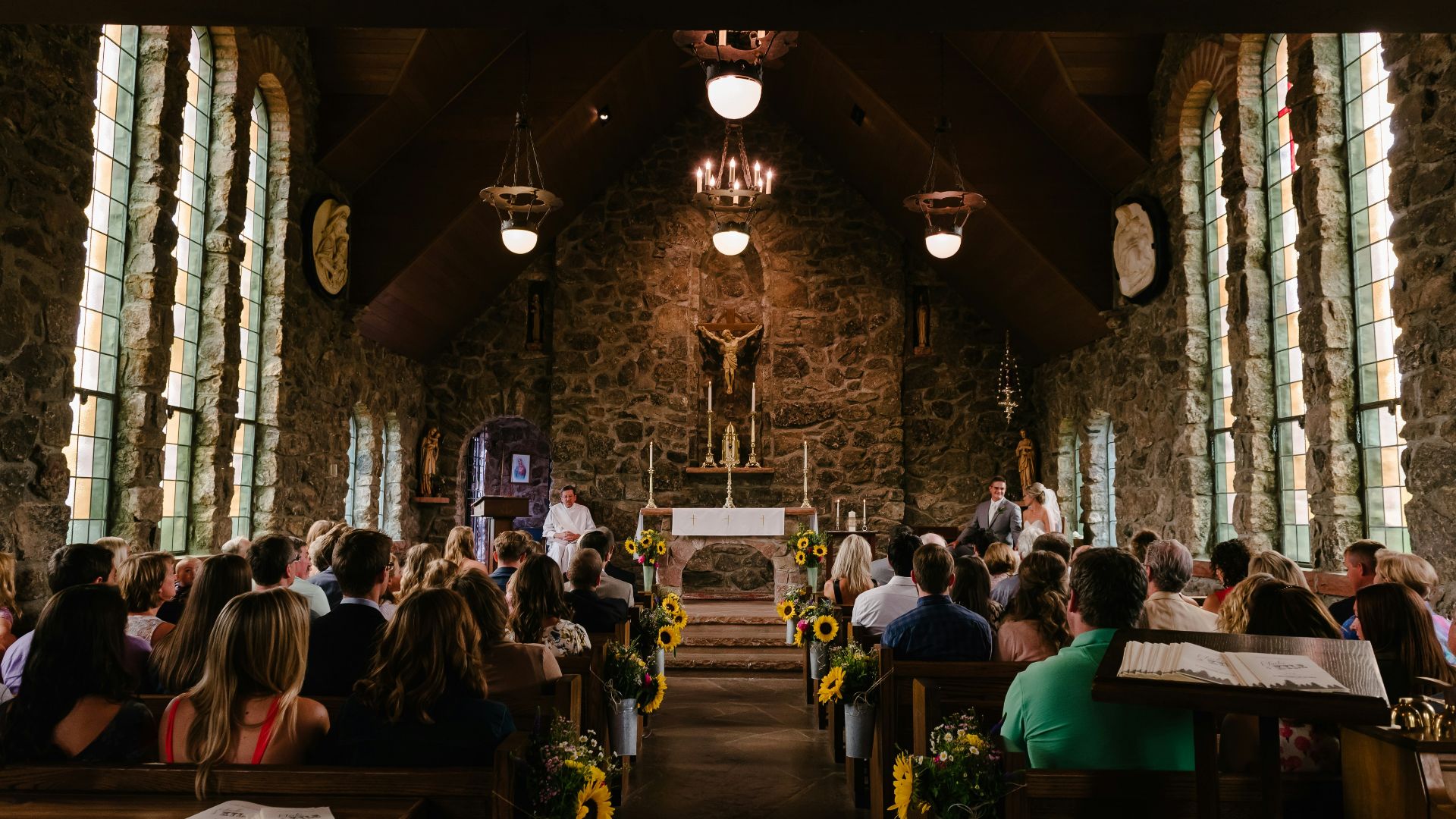
2. Church Basements
For a good chunk of the 20th century, church basements served as practical reception spaces, especially for families watching their budgets. These rooms prioritized function over style, often featuring folding chairs, homemade decorations, and potluck-style meals. Modern couples now seek venues that feel more personal, atmospheric, or visually memorable.
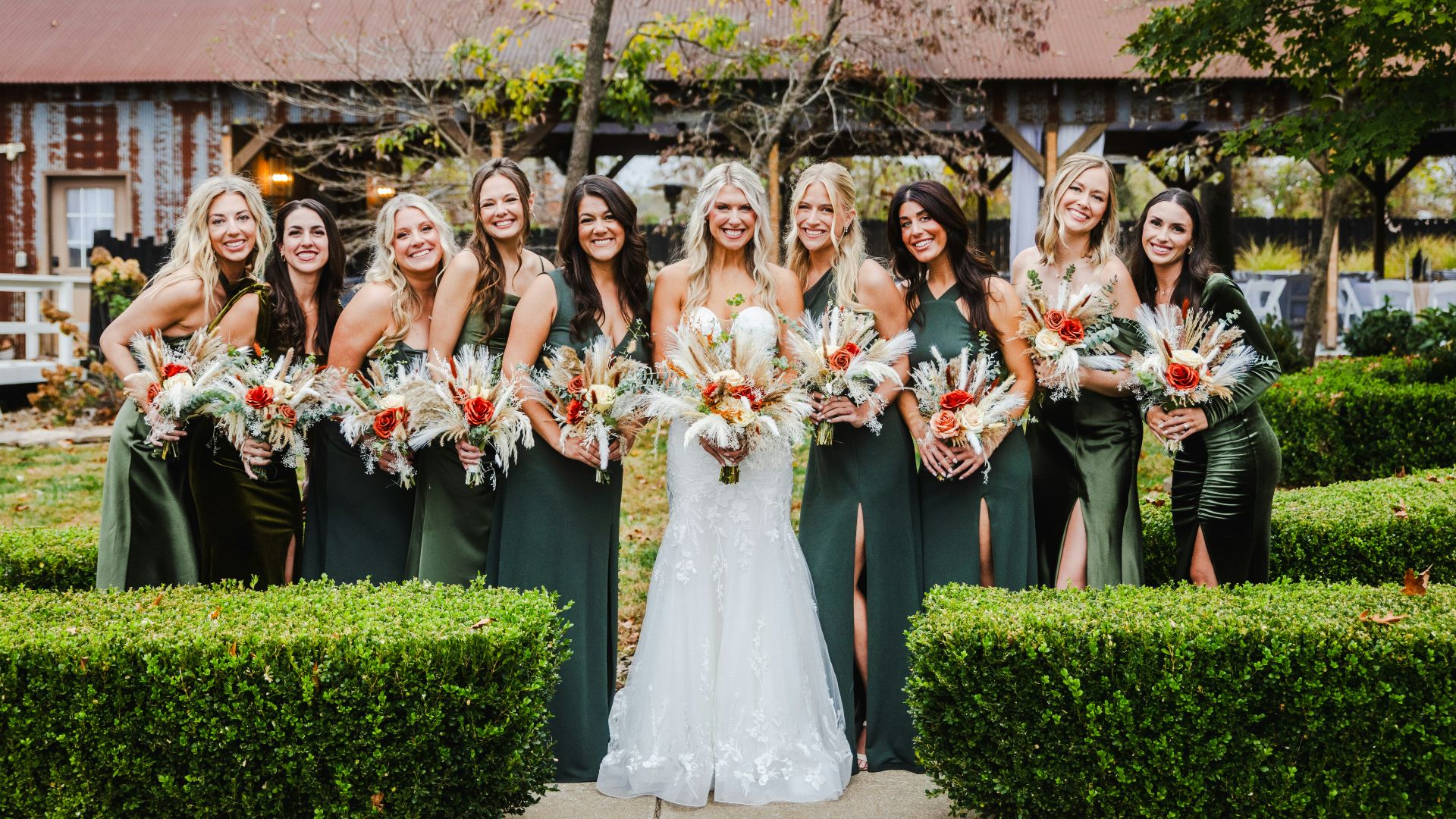
3. Matchy Bridal Parties
Identical bridesmaid dresses rose in popularity after World War II, when uniformity symbolized order and tradition. While the look was photographed well, it often ignored comfort, body types, and personal style. Today’s weddings favor coordinated colors or themes that let individuals feel confident instead of constrained.
 Kari Bjorn Photography on Unsplash
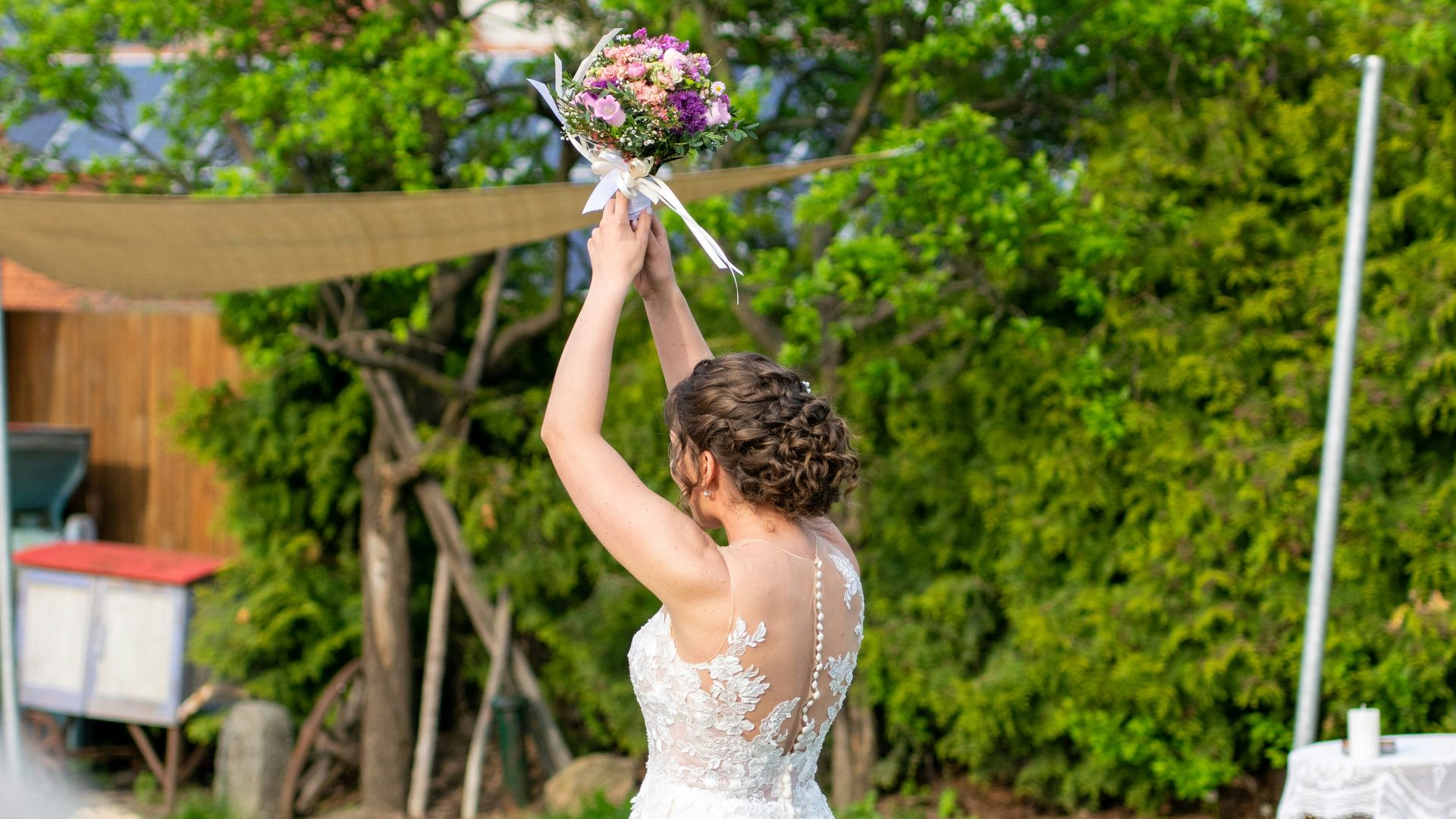
4. Bouquet Tosses
The bouquet toss originated from medieval beliefs that wedding items carried luck and fertility. Over time, it became a competitive moment aimed almost exclusively at single women. Many couples now skip it to avoid awkwardness or outdated assumptions about relationships.
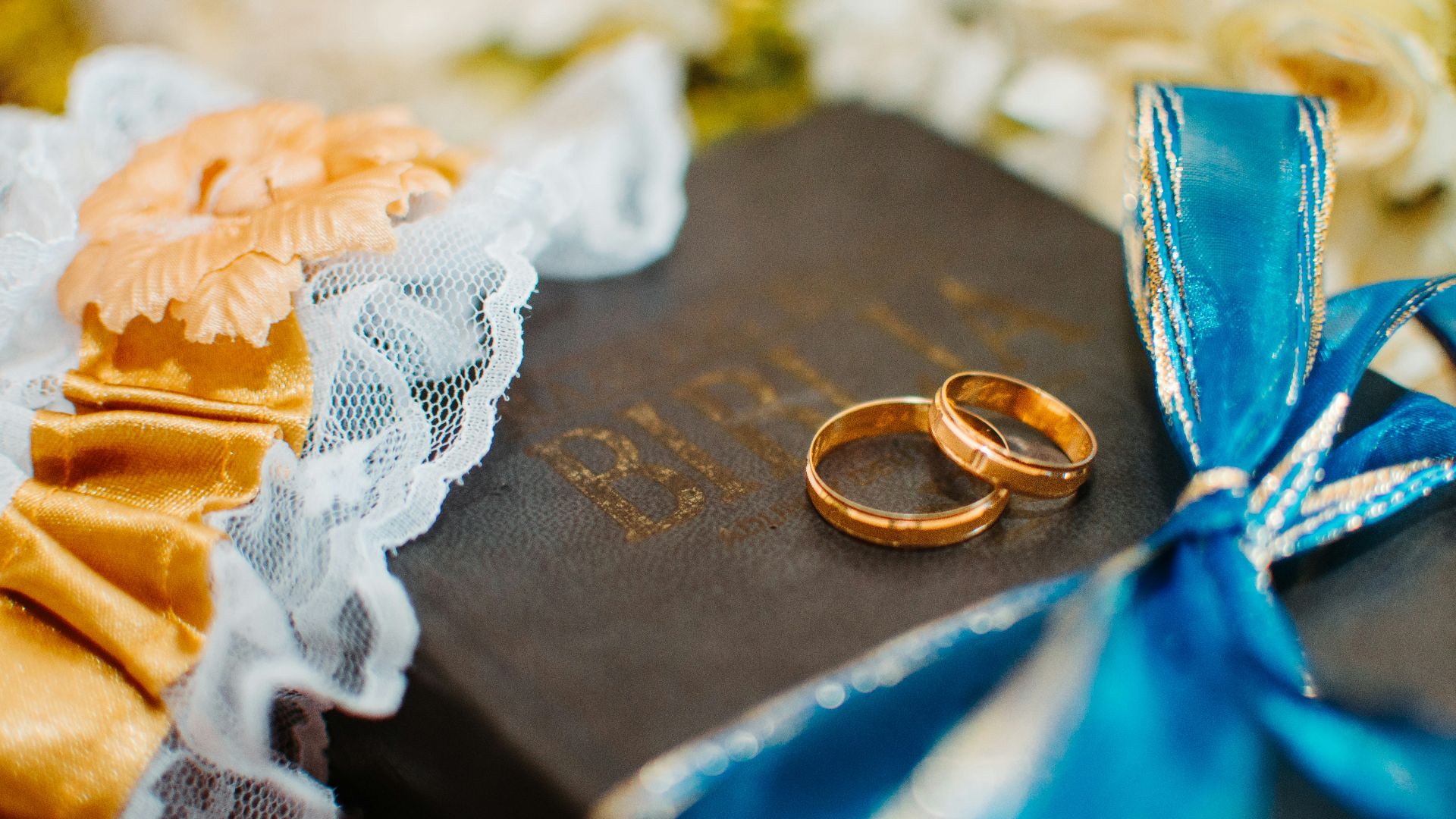
5. Garter Tosses
The garter toss traces back to old European customs tied to good fortune and proof of marriage. What once felt playful now often feels uncomfortable or unnecessary to modern audiences. As weddings became more inclusive, this tradition quietly slipped away. And really, who wants to watch your partner take it off of you anyway?
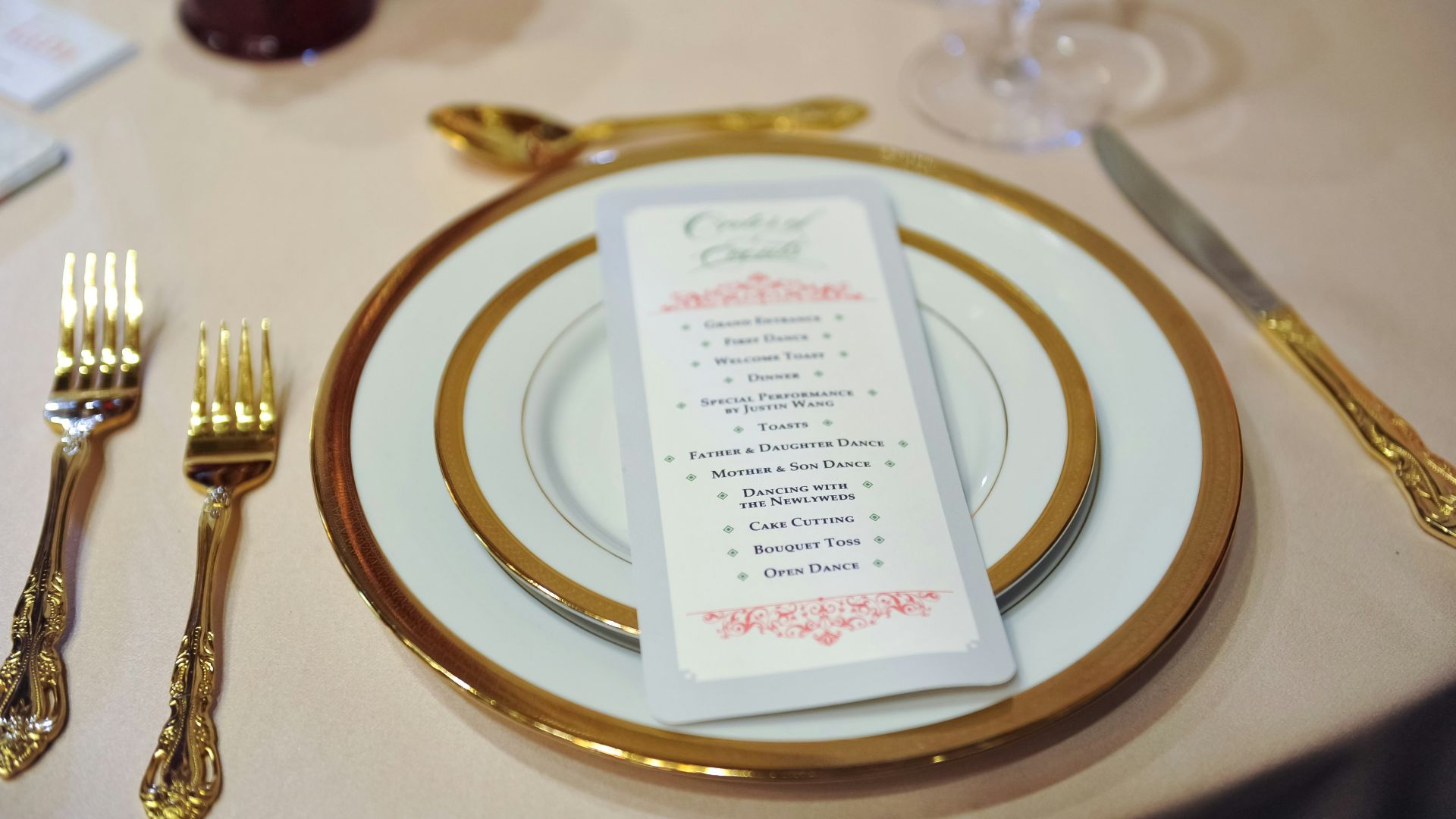
6. Receiving Wedding Programs
Wedding programs were once essential when ceremonies followed long religious scripts filled with unfamiliar rituals. Guests relied on them to understand what was happening and when to participate. As ceremonies became simpler and more personalized, printed programs lost their purpose.
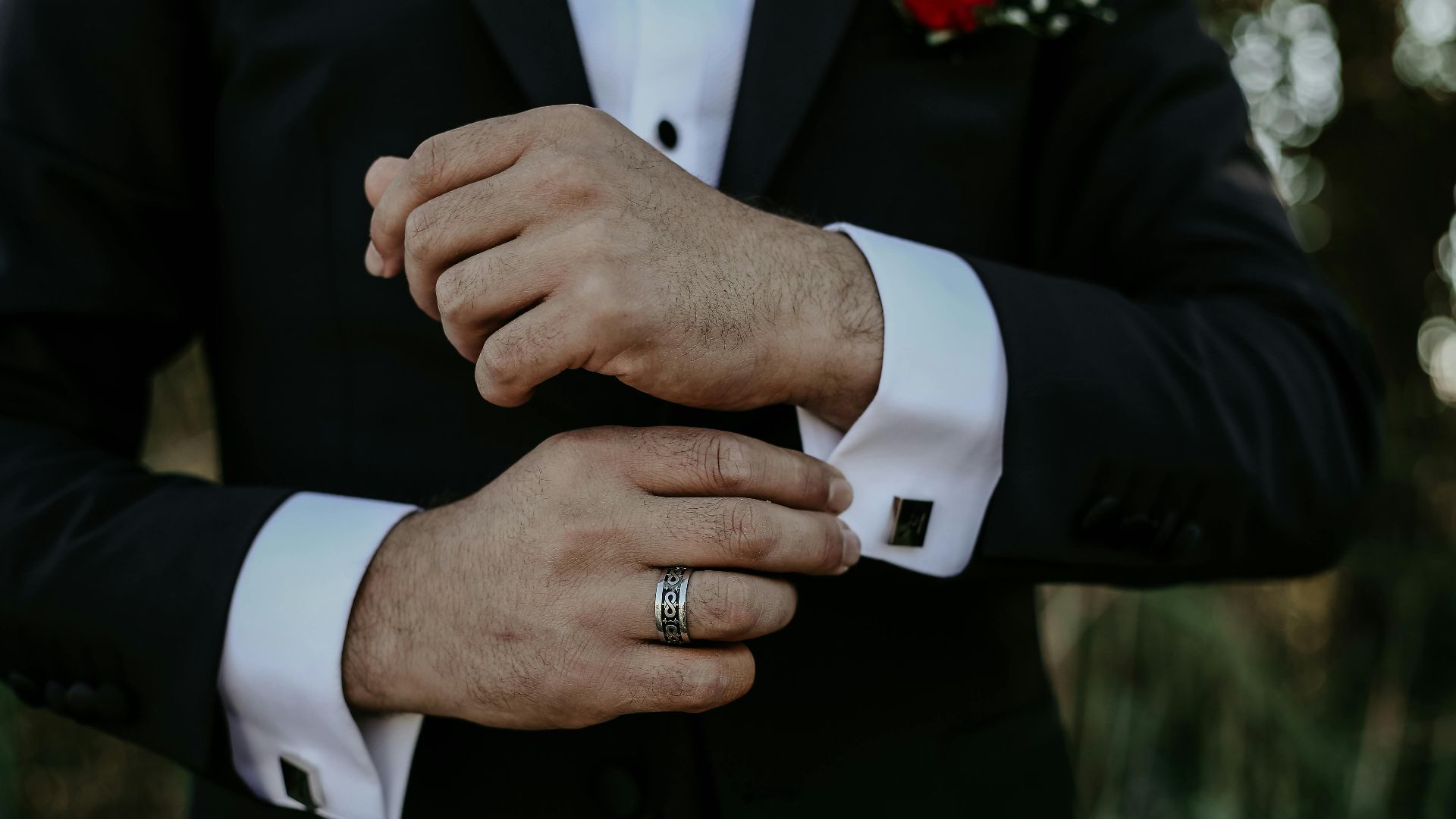
7. Heavy Formalwear
Strict dress codes were historically tied to class and social standing. Guests dressed formally to show respect for the institution of marriage itself. Today, couples prioritize comfort and self-expression alongside style, with many encouraging fun themes and budgets for everyone.
8. Long Guest Lists
Historically, weddings were community-wide events with extensive guest lists. Families felt obligated to invite neighbors, coworkers, and distant relatives regardless of closeness. Modern couples tend to focus on intimacy rather than obligation. This could partially be due to finances or just personal desires.
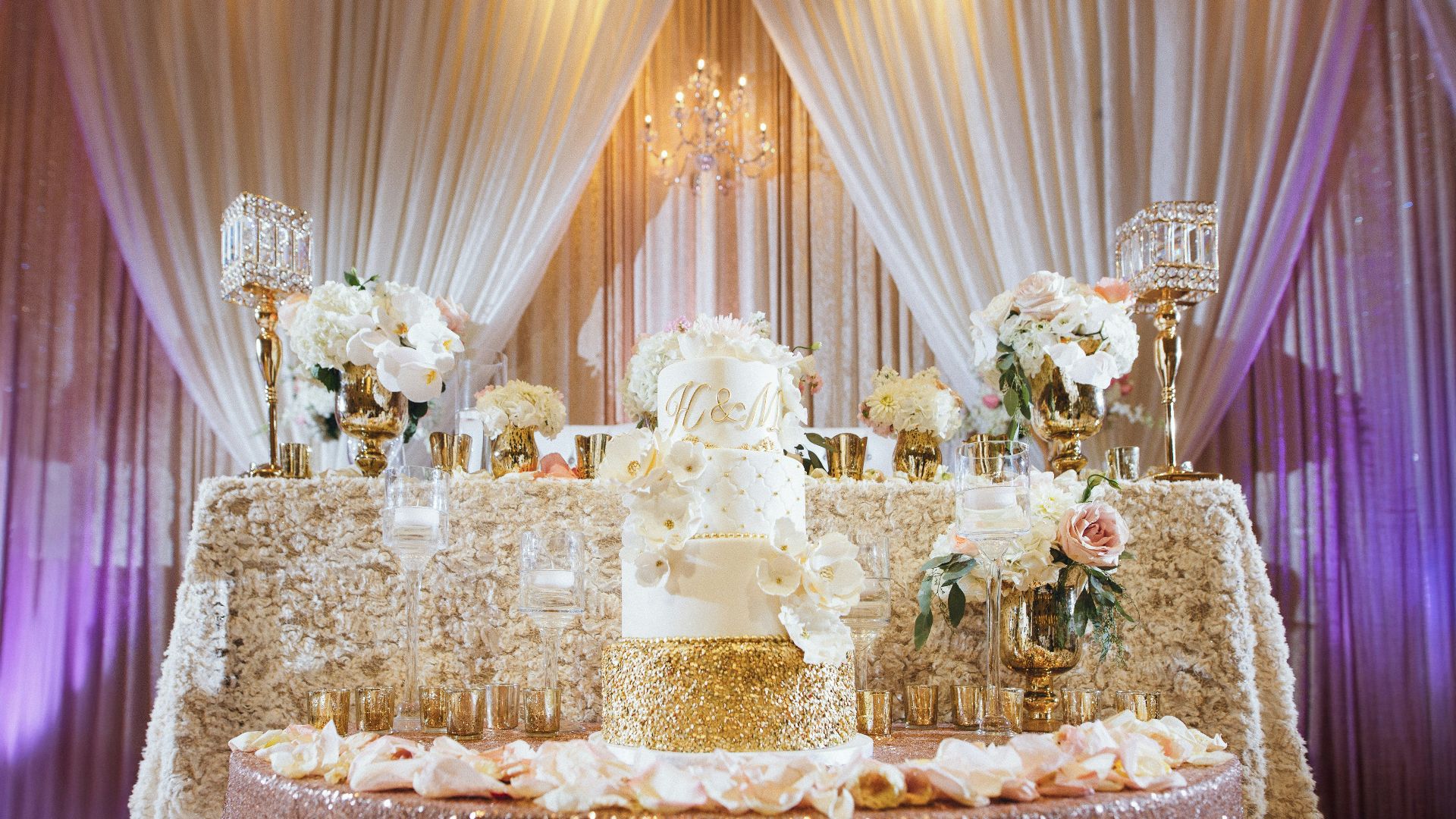
9. Traditional Head Tables
Head tables once symbolized hierarchy and importance within the reception space. While visually striking, they physically separated couples from their guests. Many now prefer seating that encourages connection instead of distance, while still prioritizing the desire to center the happy couple.
 Lucas T Photography on Unsplash
10. Receiving Favors
Wedding favors became popular in the 1800s as symbolic tokens of appreciation. Over time, they turned into small items that guests often forgot or discarded. Couples now focus on creating memorable experiences instead of handing out objects.

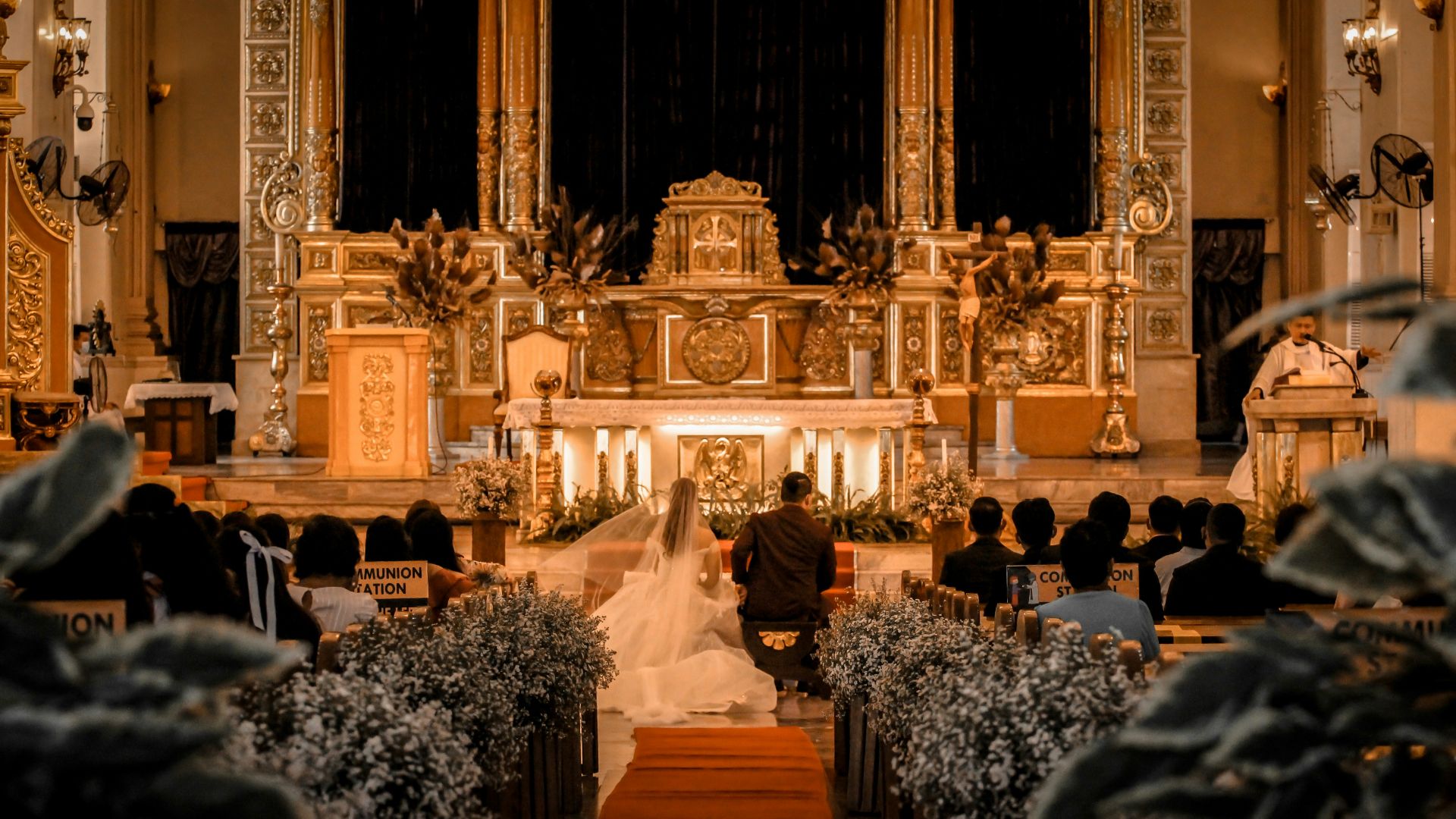
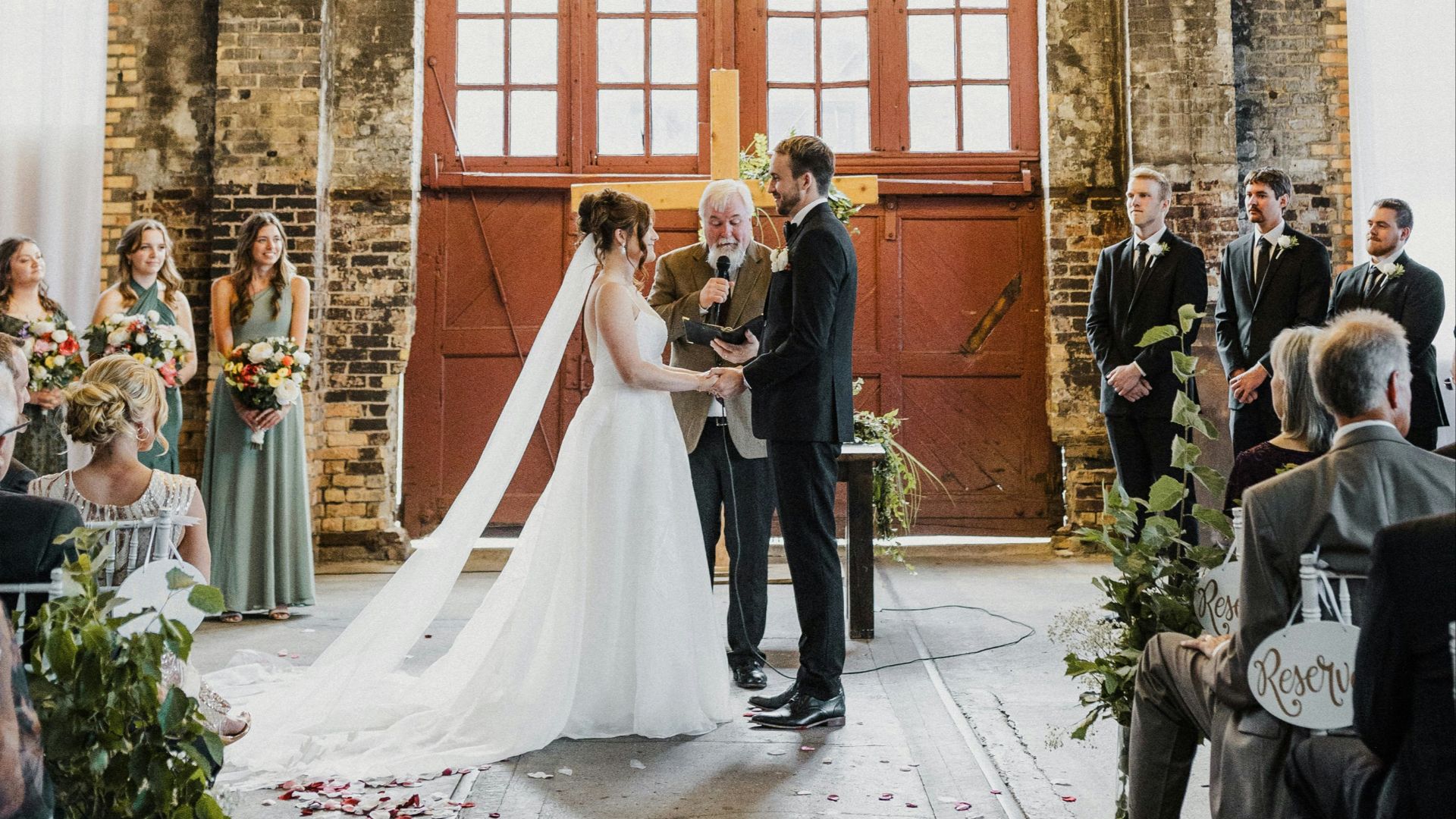
11. Strict Ceremony Scripts
For much of history, wedding ceremonies followed rigid scripts dictated by religious institutions, leaving couples with little room for personal expression. The wording, structure, and order were often identical from one wedding to the next, reinforcing the idea that marriage was an institution rather than a personal story. Modern couples now reshape ceremonies to reflect shared values, emotional honesty, and their hopes for the future.
 Jennifer Kalenberg on Unsplash
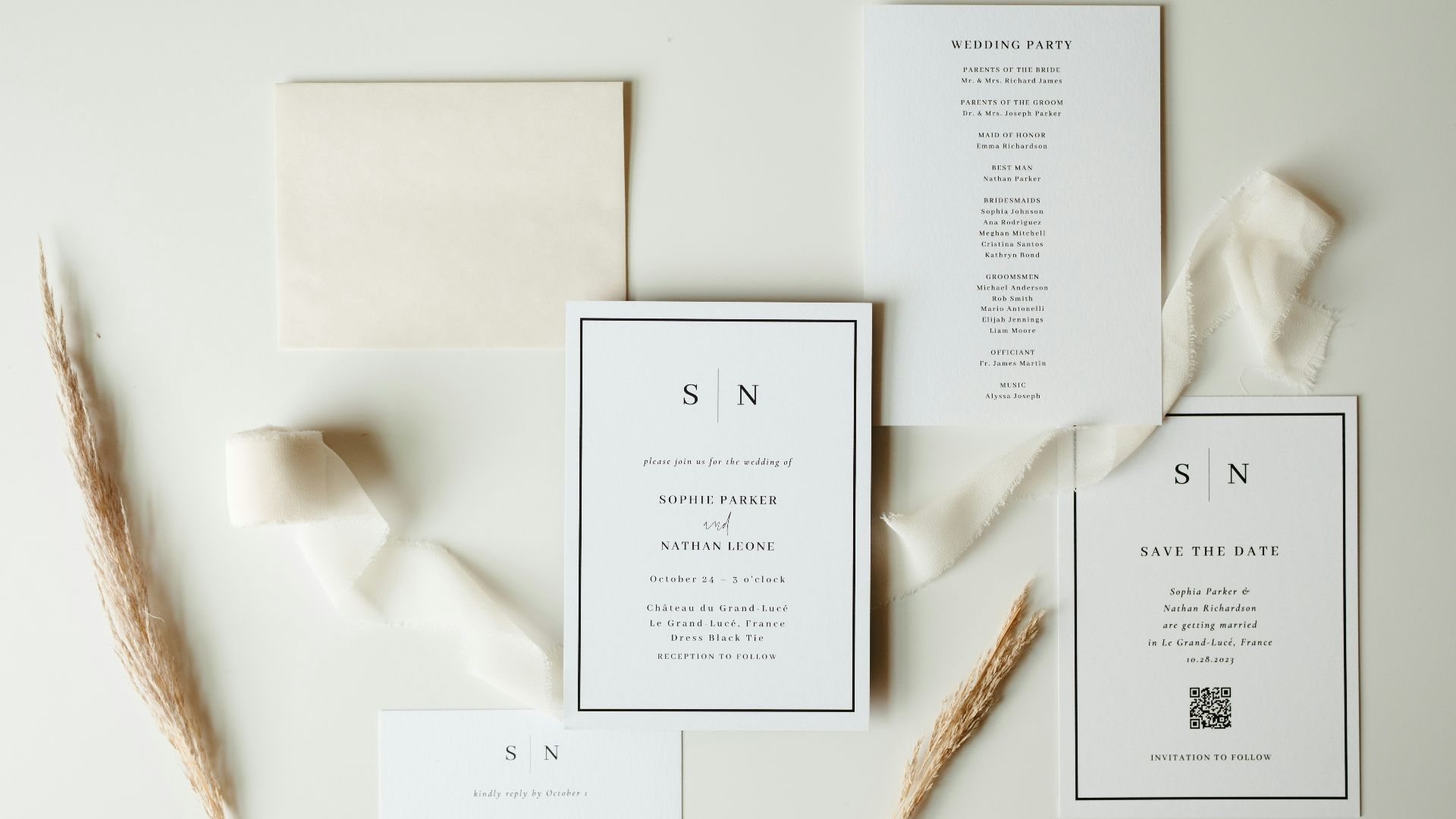
12. Paper RSVP Cards
Paper RSVP cards became standard when formal letter writing was a social expectation, especially in the late 19th and early 20th centuries. Guests were expected to mail responses weeks in advance, which often resulted in lost cards, late replies, or the dreaded follow-up calls. Digital RSVPs have largely replaced this process, offering efficiency without sacrificing etiquette.
 Micah & Sammie Chaffin on Unsplash
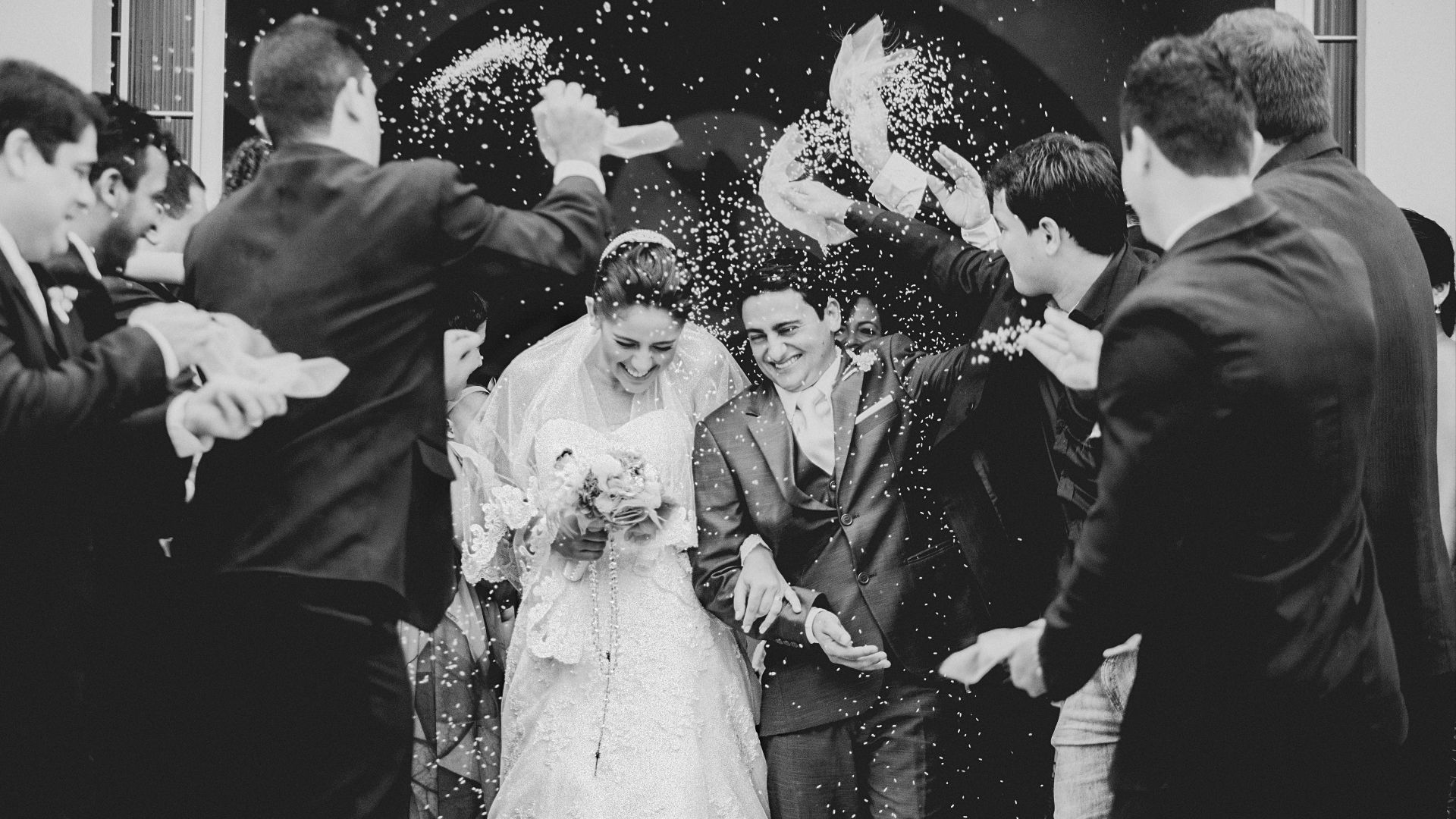
13. Overly Stiff Posing
Early wedding photography required couples to remain still for long periods, which naturally led to rigid postures and serious expressions. That aesthetic lingered for decades, even after cameras improved and movement became easier to capture. Today’s couples favor candid images that reflect laughter, emotion, and real interaction rather than formal perfection.
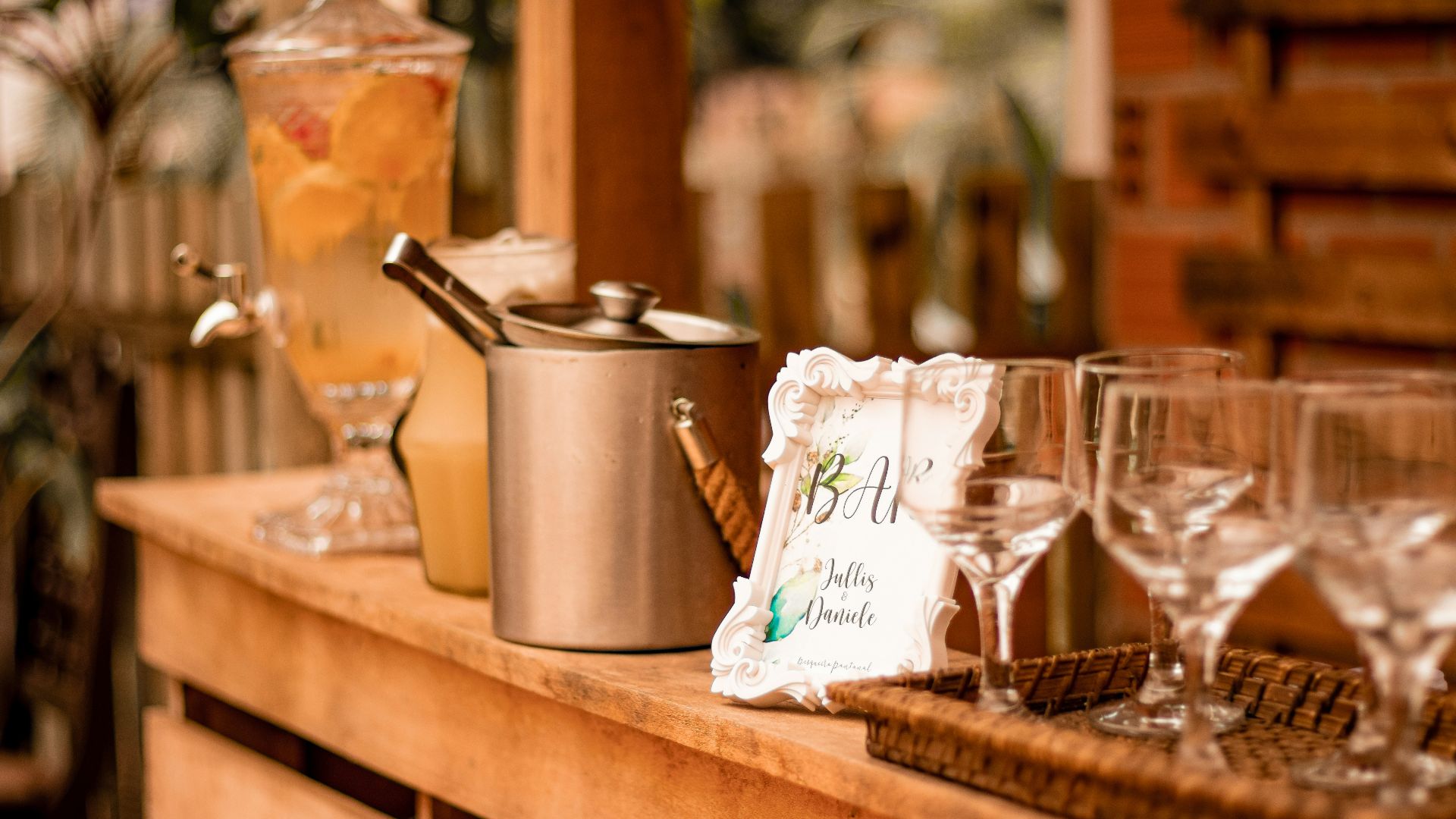
14. Cash Bars
Cash bars became common during periods when hosting alcohol for large groups was financially unrealistic. Guests accepted the practice because it aligned with broader social norms around paying for drinks at events. Many modern couples now see hosting drinks as part of the hospitality experience, even if it means offering a limited or curated menu.
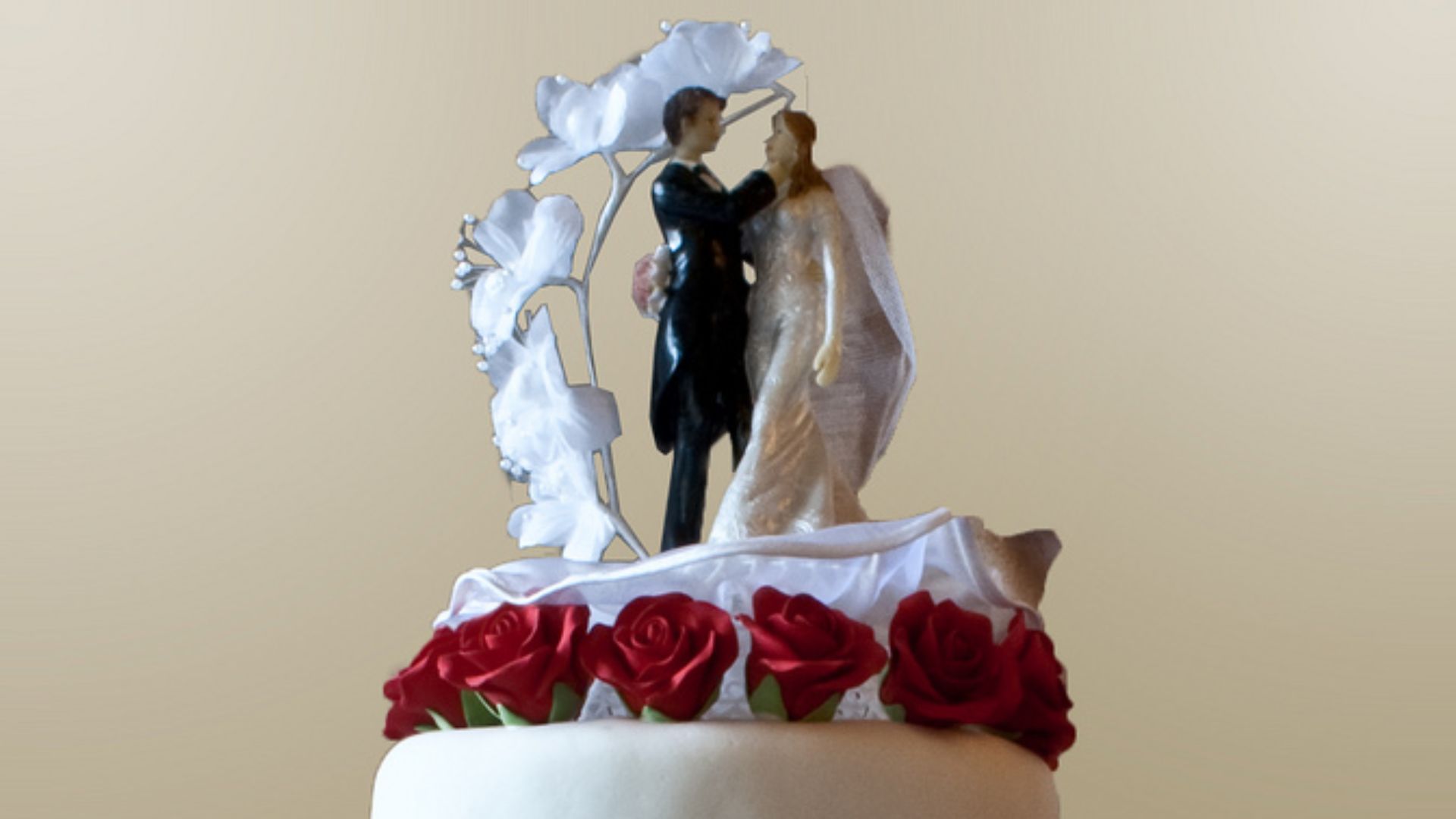
15. Matching Cake Toppers
Matching bride-and-groom cake toppers gained popularity in the mid-20th century as weddings became more commercialized. These figurines symbolized tradition but rarely reflected the couple’s actual personality or relationship. Contemporary cakes often skip toppers entirely or use designs that align more with their personal style.
16. Strict Seating Rules
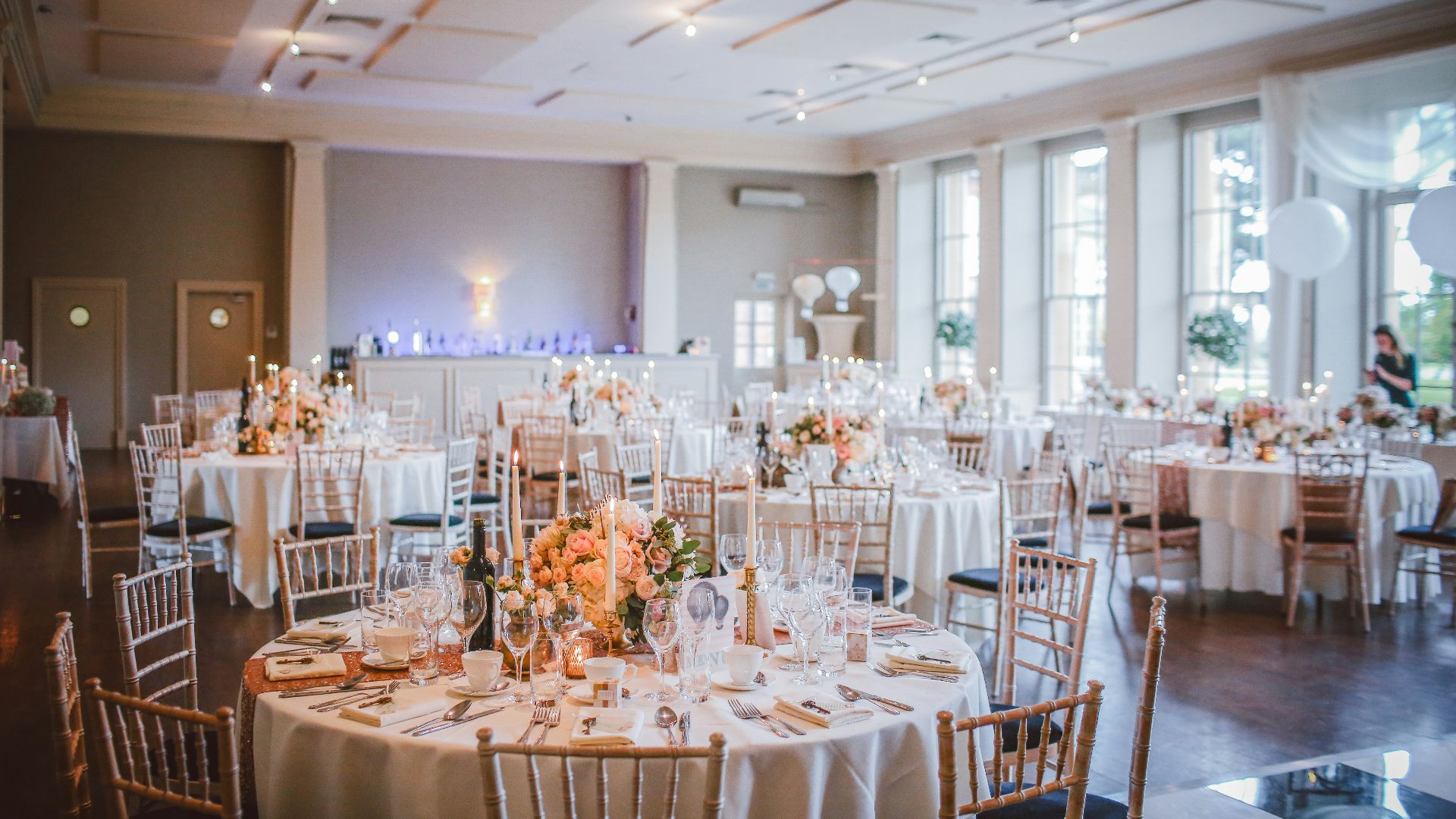
Formal seating charts were once essential to uphold social hierarchy and etiquette. Guests were expected to remain in their assigned seats throughout dinner, limiting movement and conversation. Modern receptions often relax these rules to encourage mingling and comfort.
17. Overstuffed Gift Tables
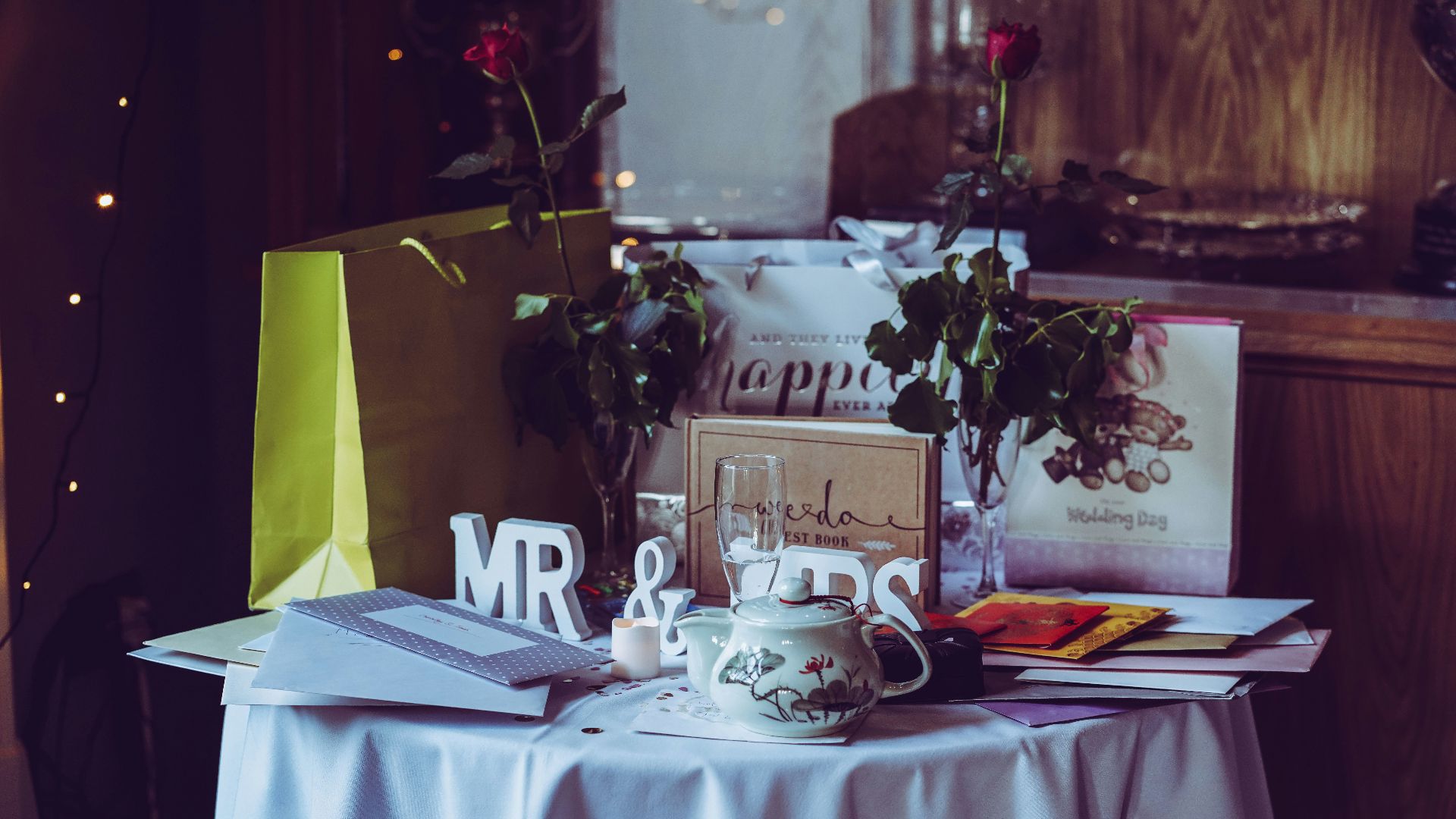
Wedding gift tables were once filled with household items meant to help couples start married life. As people began marrying later and already owning essentials, these gifts became less practical. Registries now favor experiences, contributions, or shared goals instead.
18. Long Speeches
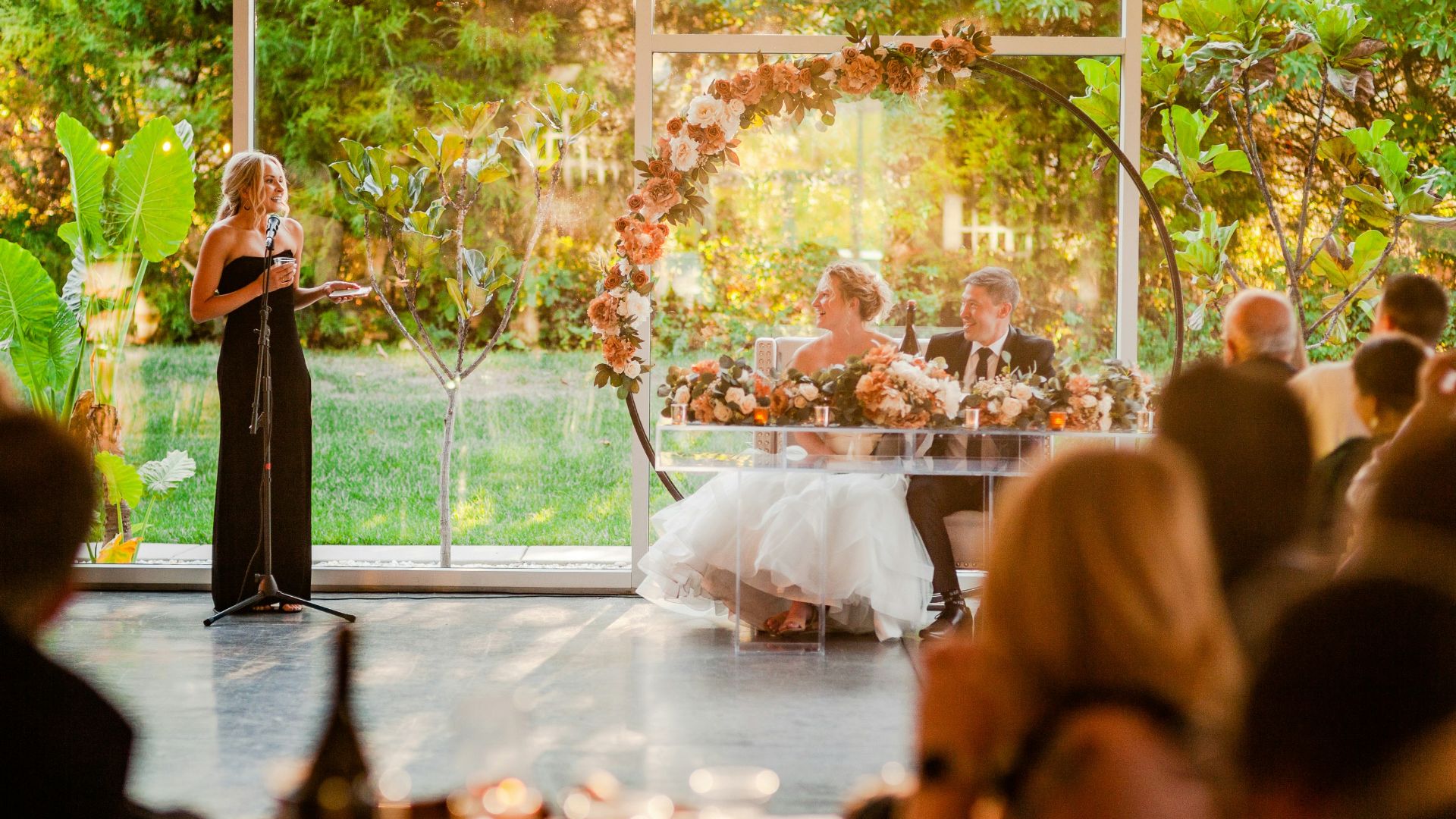
Extended wedding speeches were historically seen as a sign of respect and honor. Unfortunately, they often became repetitive and slowed the momentum of the reception. Couples now encourage shorter toasts that feel meaningful without overstaying their welcome.
 Kari Bjorn Photography on Unsplash
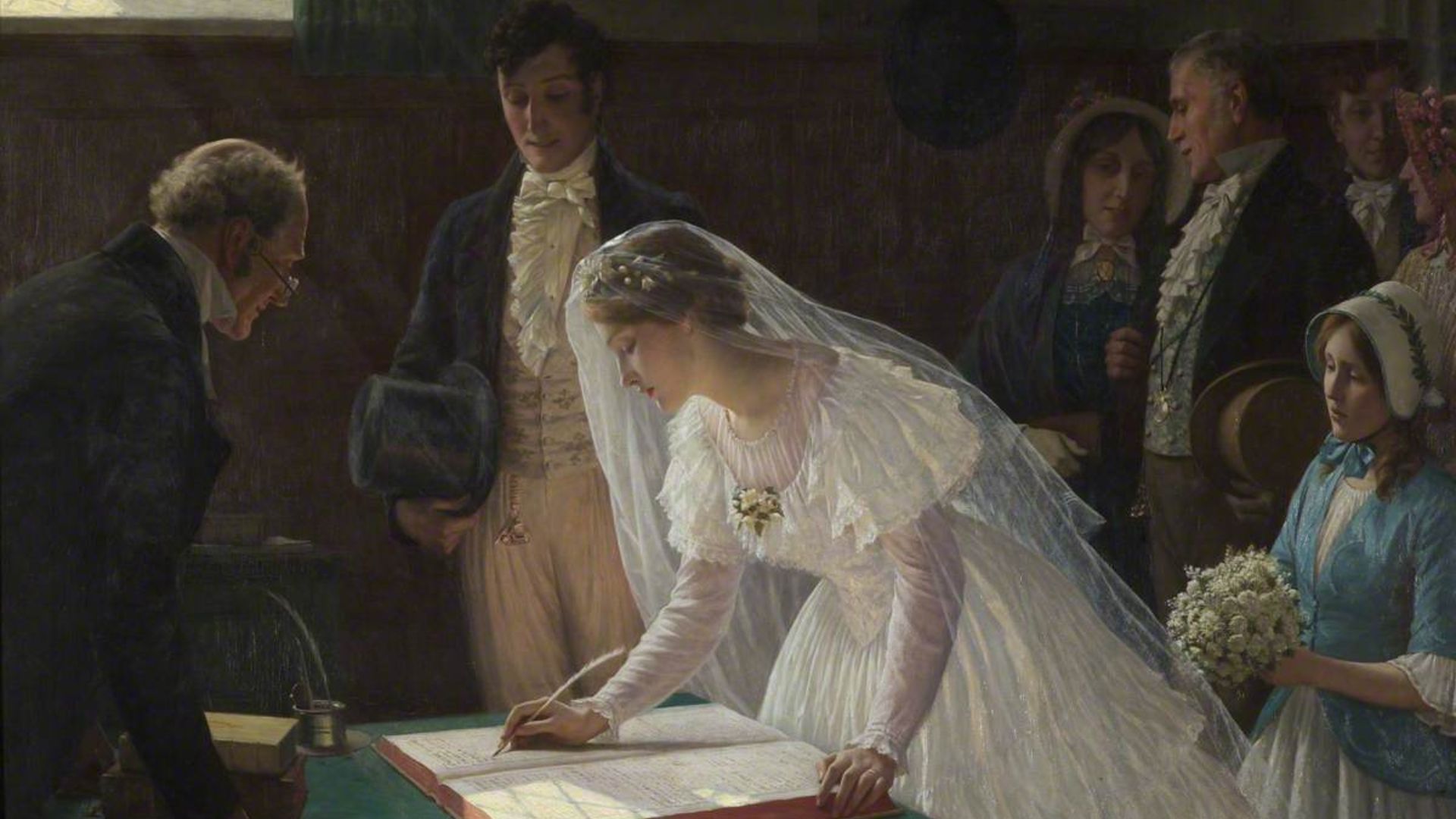
19. Traditional Guestbooks
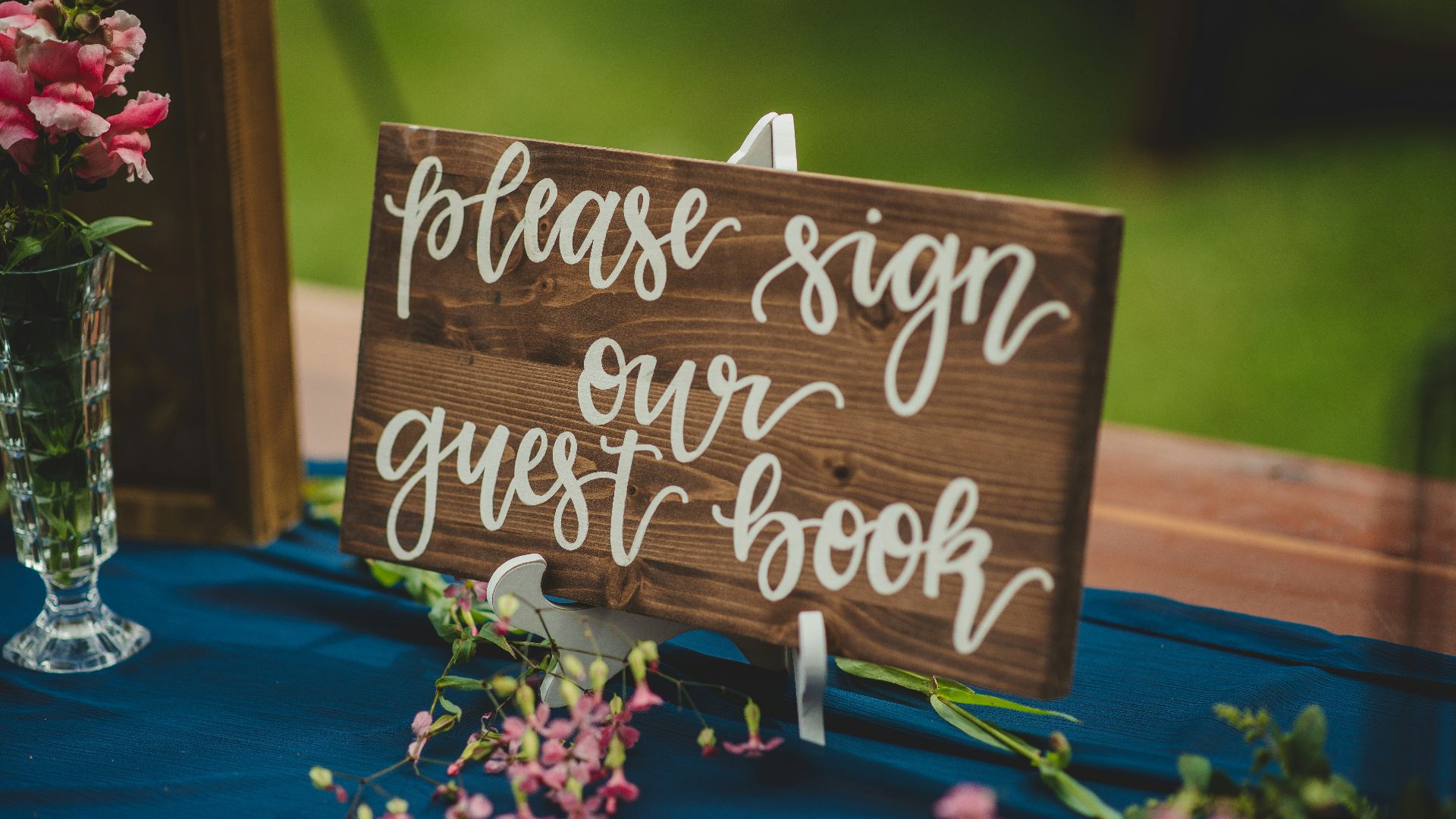
Guestbooks were originally practical records rather than sentimental keepsakes. Many ended up stored away, rarely revisited after the wedding day. While some still encourage the idea, Interactive alternatives now allow couples to preserve memories in ways that feel more engaging and personal.
20. Rigid Traditions
For generations, couples followed traditions without questioning their relevance or meaning. Weddings often prioritize expectation over personal preference. Today’s couples feel empowered to choose what resonates and discard what doesn’t.