Parenting Success Hides In Plain Sight
You question yourself late at night, replaying moments that make you wonder if you’re truly doing enough. Parenting rarely comes with applause, and even the most devoted moms and dads can overlook the small victories that matter most. But here's the thing—you're probably doing way better than you think. The proof isn't loud or obvious. It hides in everyday moments you barely notice. These signs reveal you're succeeding more than you realize.

1. You Apologize When You're Wrong
You don't hide behind parental authority when you mess up. Instead, you look your child in the eye and say, "I was wrong, I'm sorry." This honesty teaches them that everyone makes mistakes and accountability matters.

2. You Let Your Child Express Themselves Freely
A home filled with listening ears becomes a safe stage for imagination. Letting your child speak their mind, even about small things, conveys that their voice matters. Freedom like that builds confidence and emotional maturity that lasts well beyond childhood.
3. You Show Them Physical Affection Regularly
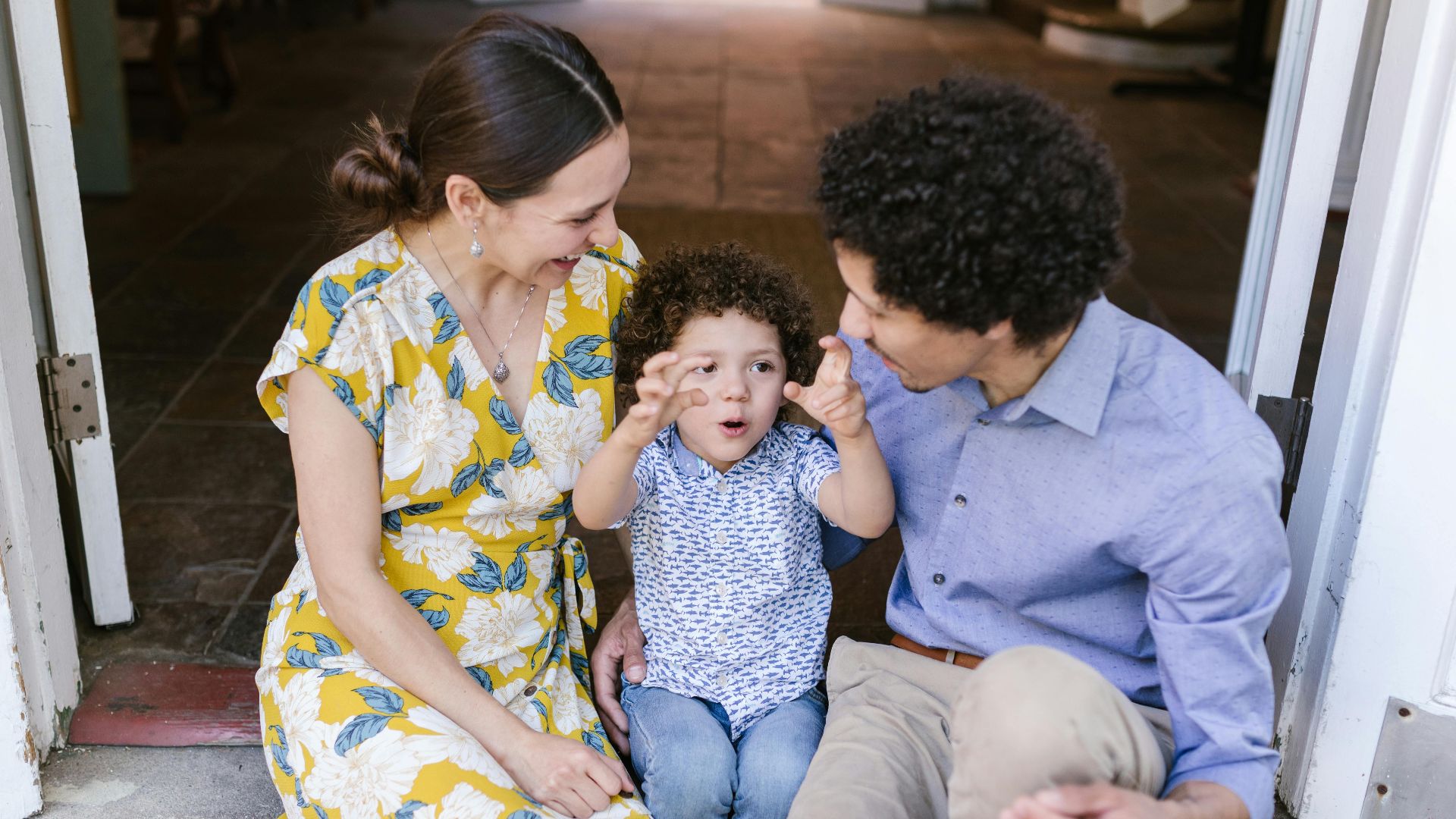
A hug after a rough day can say everything words can’t. Touch reassures children they’re safe and loved. Consistent affection boosts emotional health and connection. You’re not spoiling them; you’re giving comfort that strengthens confidence and trust.

4. You Prioritize Time With Them
No grand gestures needed—just shared laughter over spilled cereal or a quick bedtime chat. Kids remember presence more than presents. Those small moments, stacked over years, become proof that they matter most and that your love shows up daily.
5. You Allow Them To Make Choices
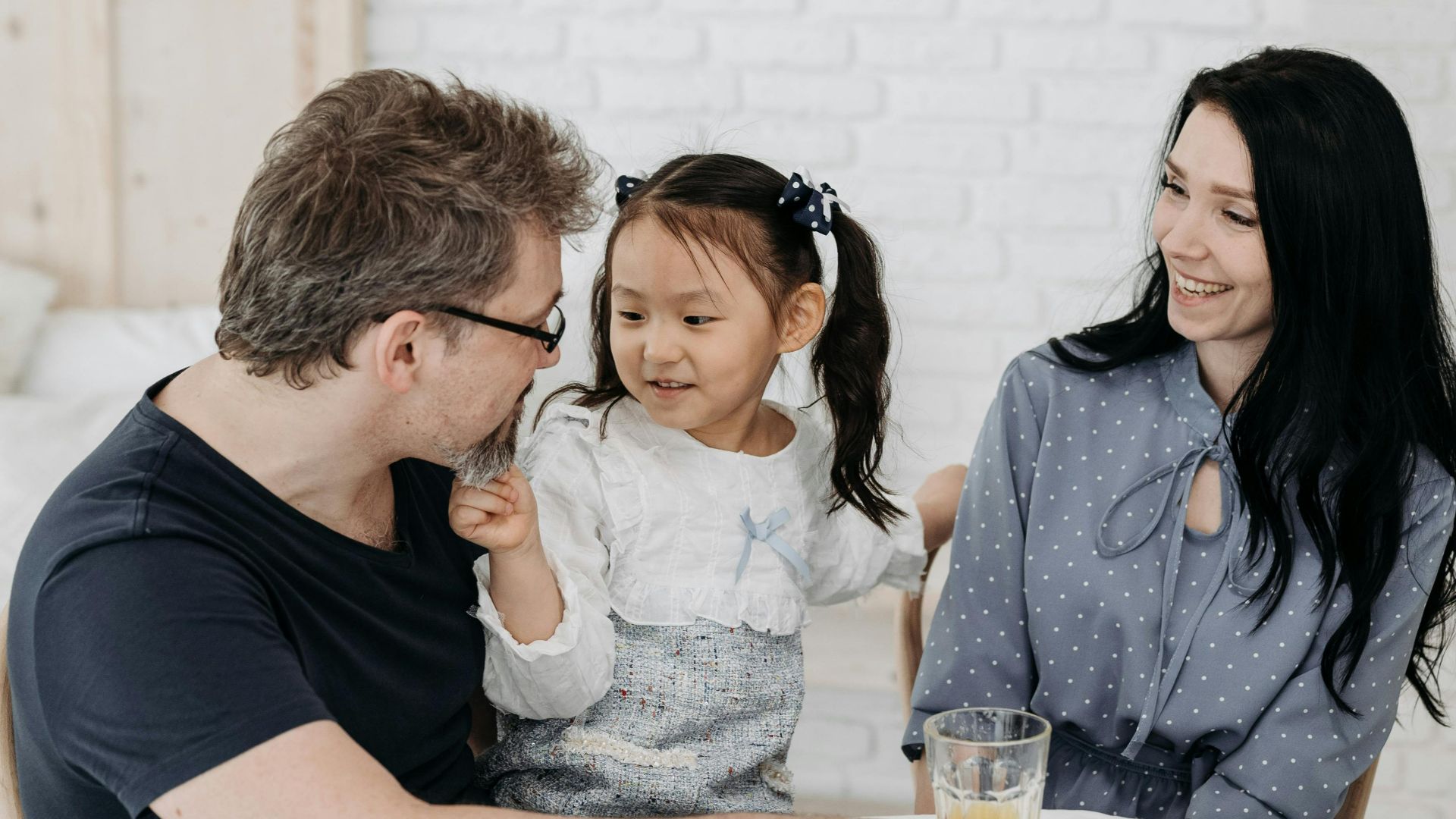
Control doesn’t have to clash with freedom. Giving kids real decisions—choosing dinner, outfits, or weekend plans—shows trust in their judgment. Those small moments prepare them for independence while reinforcing the boundaries that keep life steady.
6. You Encourage Them To Try New Things
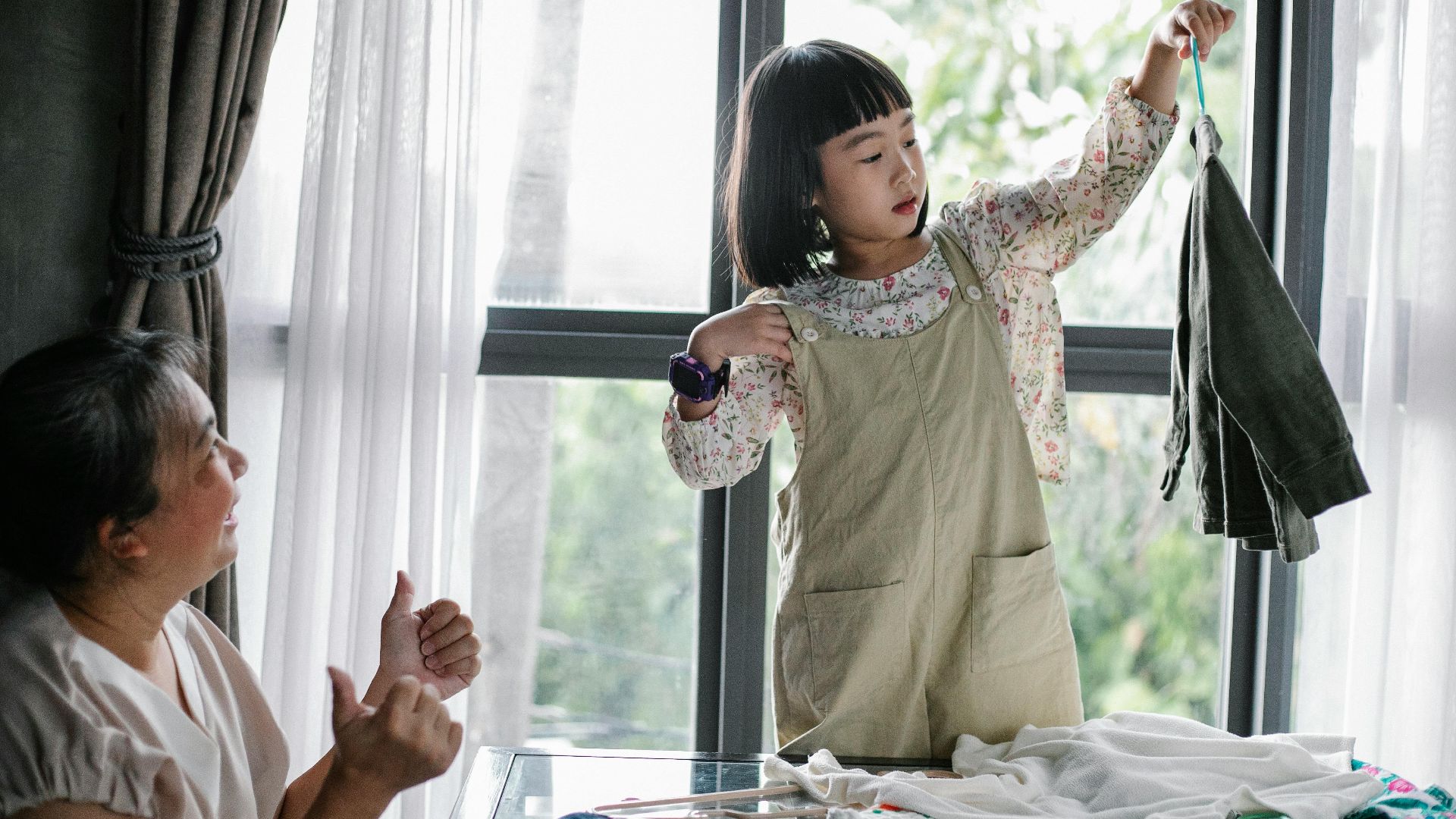
A little nudge toward the unknown builds courage. Applauding effort instead of outcome shows that bravery matters more than perfection. Over time, those chances taken—and survived—teach resilience, the kind that helps kids keep going after every stumble.
7. You Respect Their Individuality
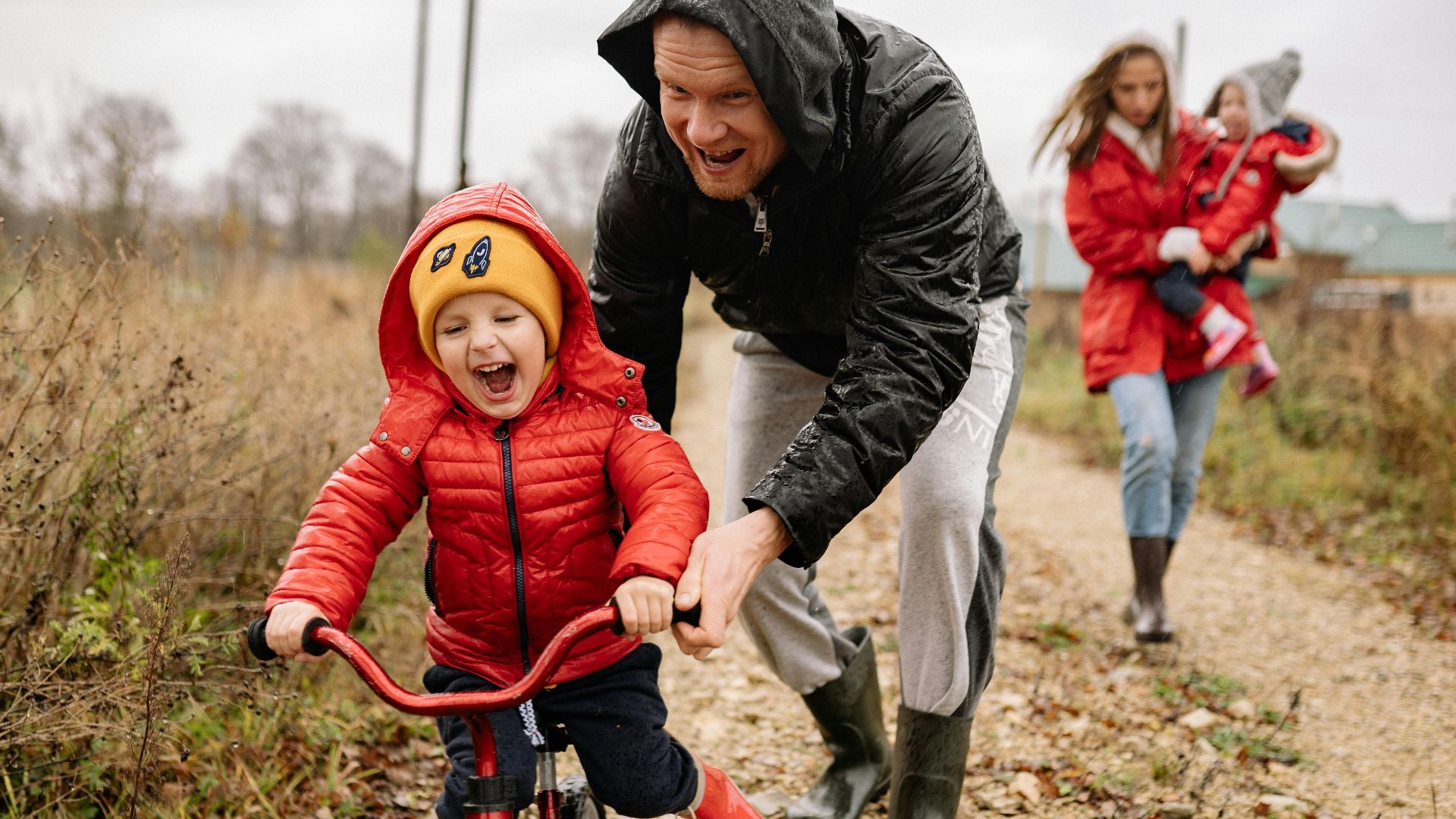
No two kids bloom the same way. When you let those quirks shine, it shows them their uniqueness belongs. Instead of molding them into a version of you, you give them the freedom to grow into themselves.

8. You See Their Strengths Before Their Flaws
Your instinct is to notice what your child does right, not wrong. You catch their kindness, creativity, and effort before pointing out mistakes. This perspective builds their confidence naturally. While others criticize first, you celebrate their strengths and help them bloom through positive recognition.
9. You Set Clear Boundaries
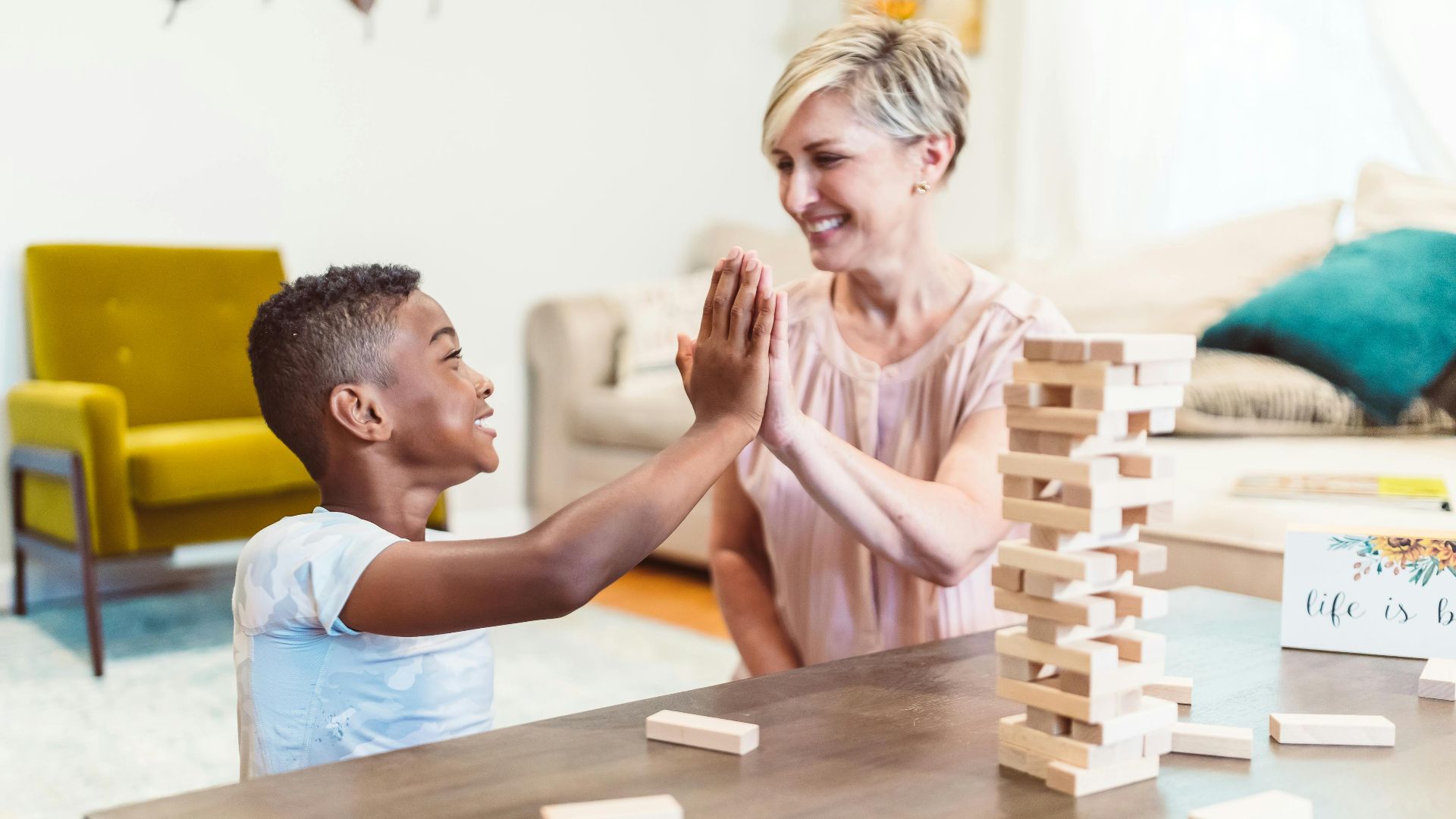
Boundaries may seem like fences, but to a child, they’re a map. Clear limits reduce chaos and make the world feel safe. Add a few gentle choices inside those limits, and structure turns into freedom built on trust.

10. You Encourage Honest Conversations
Secrets shrink when truth feels safe. Kids talk freely when they know you’ll listen. Open chats about daily ups and downs create understanding and strengthen the bond that keeps communication flowing through every stage.

11. You Celebrate Their Progress, Not Just Success
A child beams when effort earns recognition. Praising persistence instead of perfection encourages consistency. Every cheer for small steps strengthens confidence, teaching that growth happens in moments, not milestones, and that progress itself is something worth celebrating.
12. You Keep Your Promises
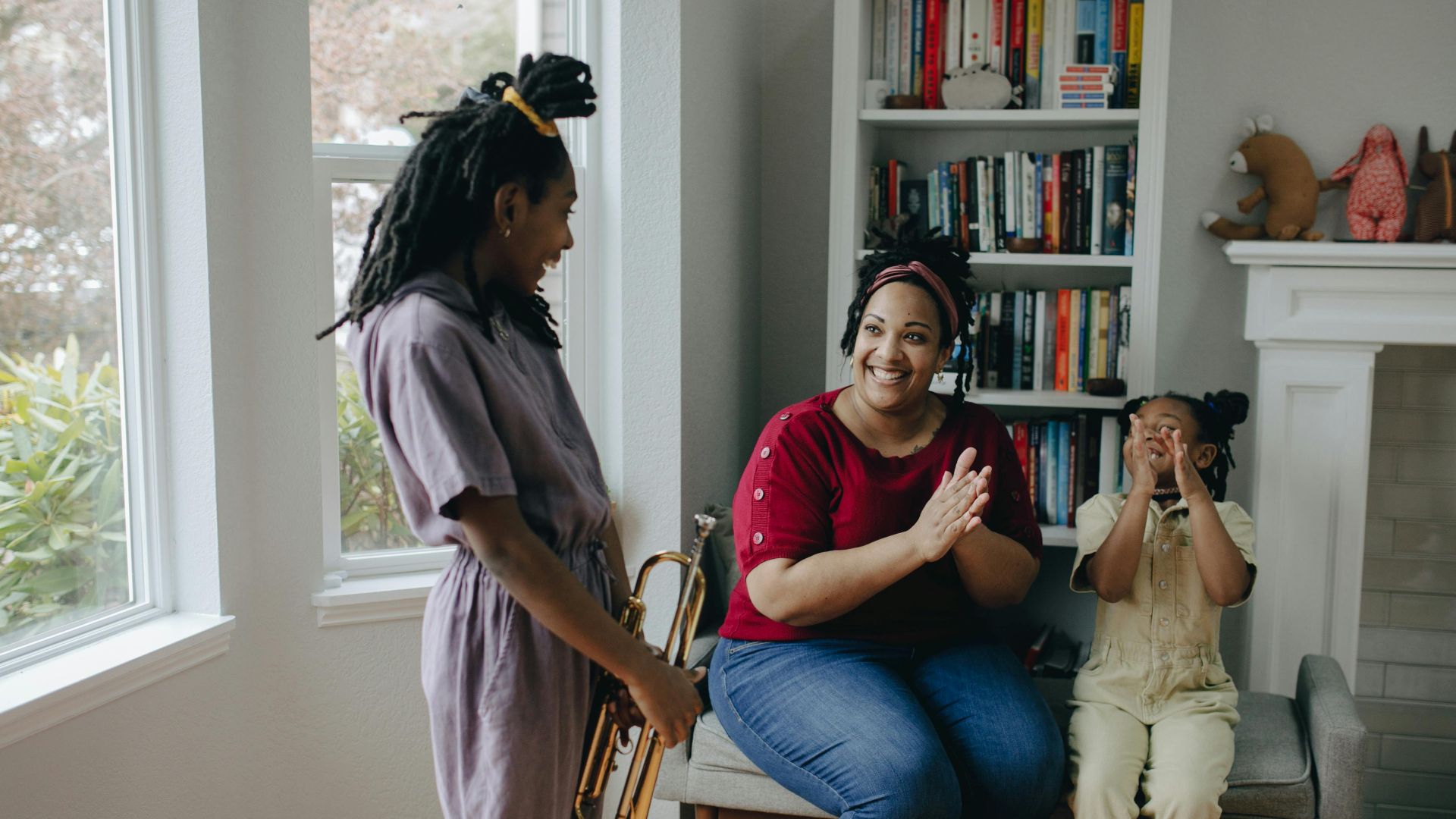
Trust doesn’t come from speeches; it grows from reliability. Following through, even on tiny promises, proves your word means something. Each kept commitment quietly builds respect and becomes the framework of honesty your child will carry forward.

13. You Teach Them Responsibility
Kids learn responsibility through action. Simple tasks like feeding the pet and setting the table teach cause and effect. With your guidance and praise, accountability starts to feel natural, shaping habits that last beyond childhood.
14. You Allow Them To Fail Safely
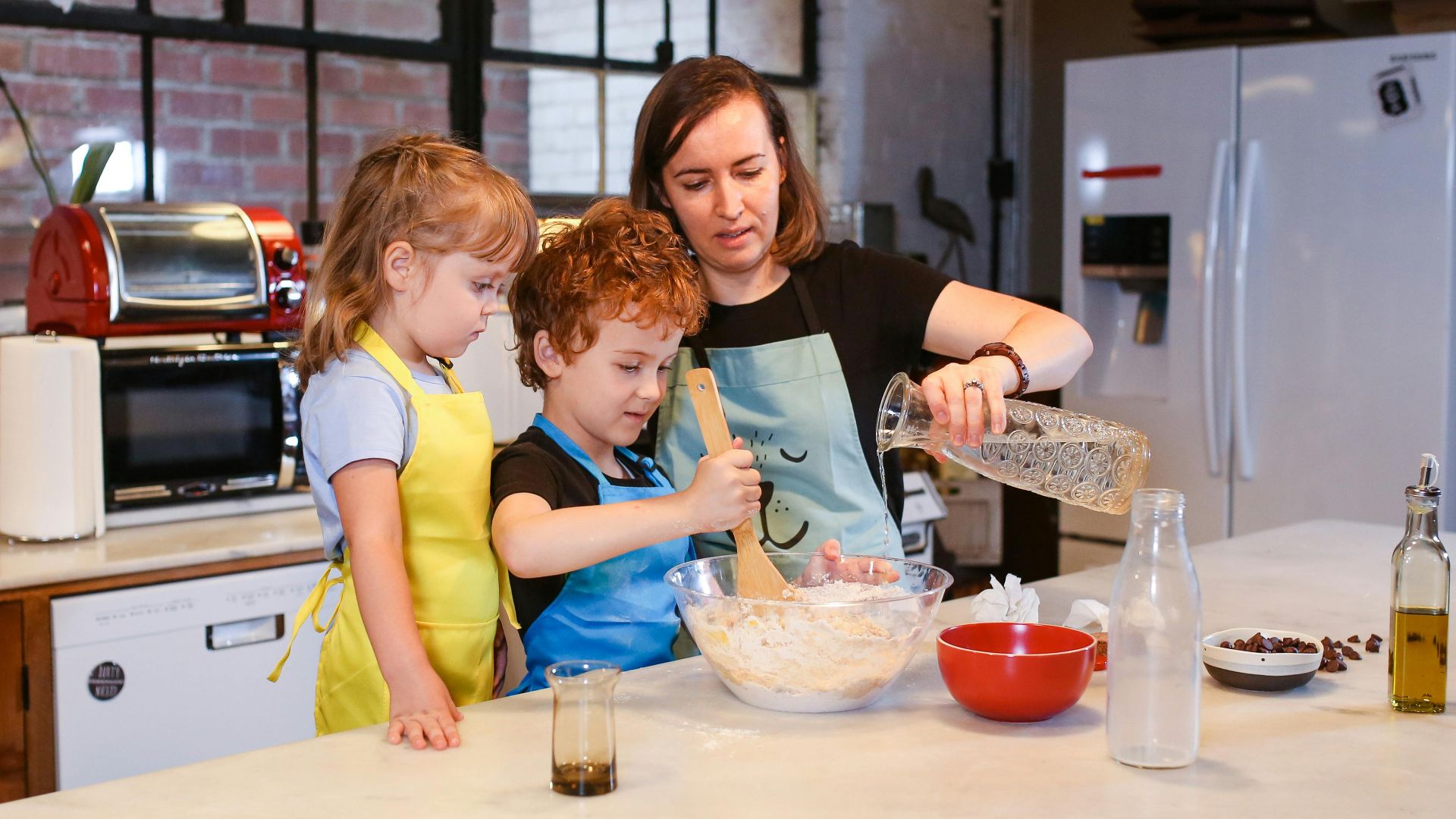
Failure isn’t the enemy—it’s a teacher. Allowing natural consequences shows kids that mistakes can be fixed and lessons can be learned. That space to stumble without shame builds courage and teaches resilience better than constant rescue ever could.

15. You Stay Calm During Conflicts
Arguments don’t have to turn into battles. When you keep your tone steady and your words gentle, it teaches self-control better than lectures ever will. Calm handling of conflict tells kids that their emotions can be managed without fear or shouting.
16. You Take Care Of Your Own Well-Being
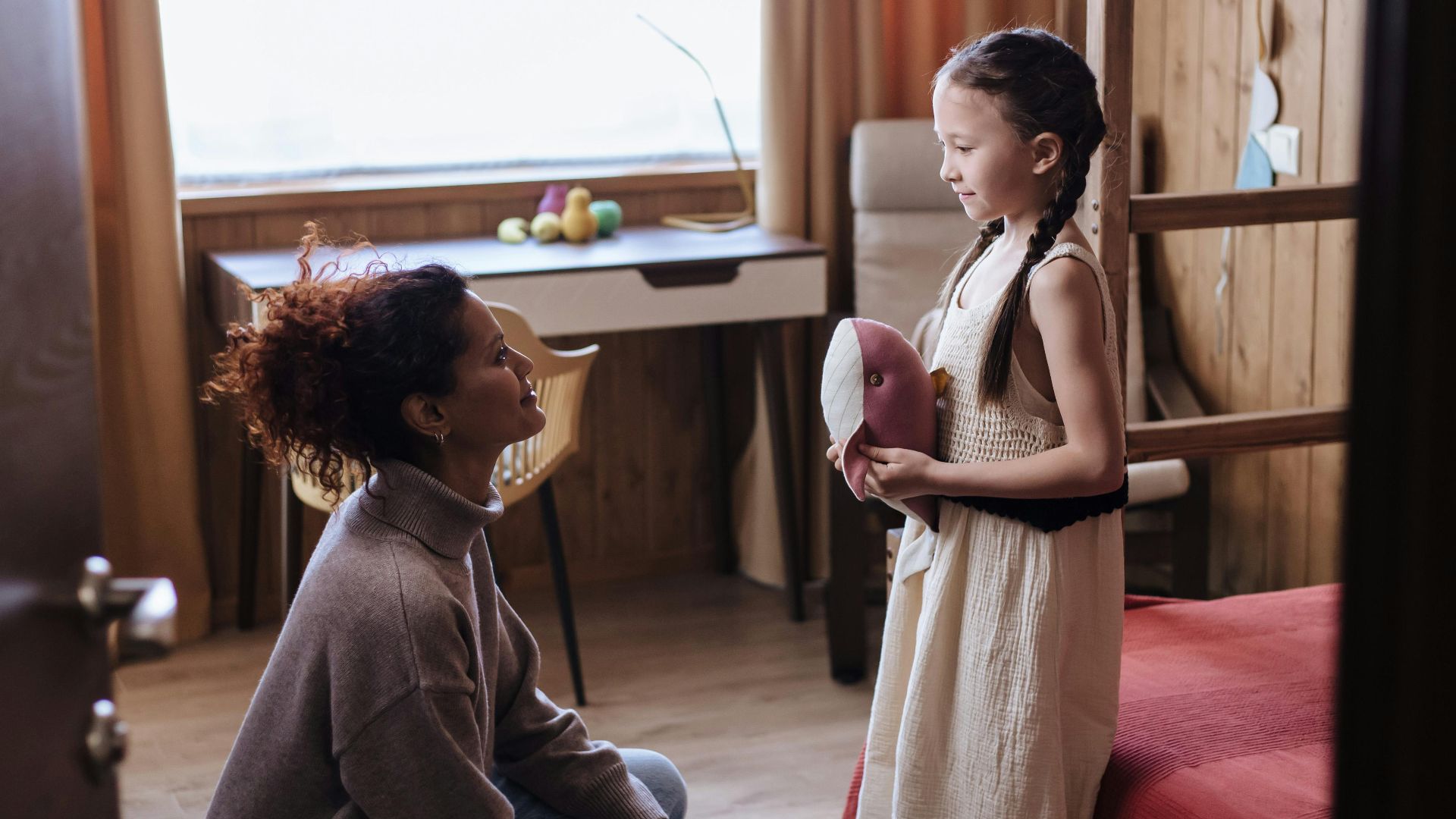
Your peace of mind shapes your parenting more than you realize. Breaks, laughter, and rest restore patience and presence. Looking after yourself gives kids the best version of you—the one who has energy left for love.

17. You Respect Their Boundaries Too
Kids notice how you handle their space. A gentle pause before hugging or asking permission before helping sends a strong message—respect goes both ways. That awareness teaches them to value consent and builds deep, lasting trust.

18. You Admit You Don't Have All The Answers
You don't pretend to know everything, and that's actually beautiful. When your child asks something you can't answer, you say, "I'm not sure, let's look it up together" without hesitation. This honesty shows them it's okay not to have all the answers. You're teaching humility and curiosity simply by being real with them.

19. You Advocate For Them When Needed
No one forgets the moment someone stood up for them. When you defend your child in tough situations, it tells them they’re worth protecting. That confidence echoes later, helping them stand tall in rooms where their voice feels small.

20. You Teach Them To Stand Up For Themselves
Self-respect starts early. Showing your child how to state opinions kindly and assert boundaries clearly gives them courage that lasts. They learn that confidence doesn’t mean conflict—it means believing their feelings deserve to be heard.