Know When to Step In
Parenting often means walking a fine line between setting firm boundaries and knowing when to let things go. Discipline helps shape a child’s behavior and reinforces the importance of taking responsibility for their choices, but not every slip-up needs correction. Understanding the difference can ease daily challenges and strengthen the parent-child bond. Here, we explore both sides of the equation to help parents act with intention and clarity.
1. Harming Others Intentionally
If a child hits, pushes, or lashes out with words, it can’t be ignored. These moments shape how they treat others. A calm but firm response shows that causing harm isn’t acceptable and helps them develop empathy and better emotional control.

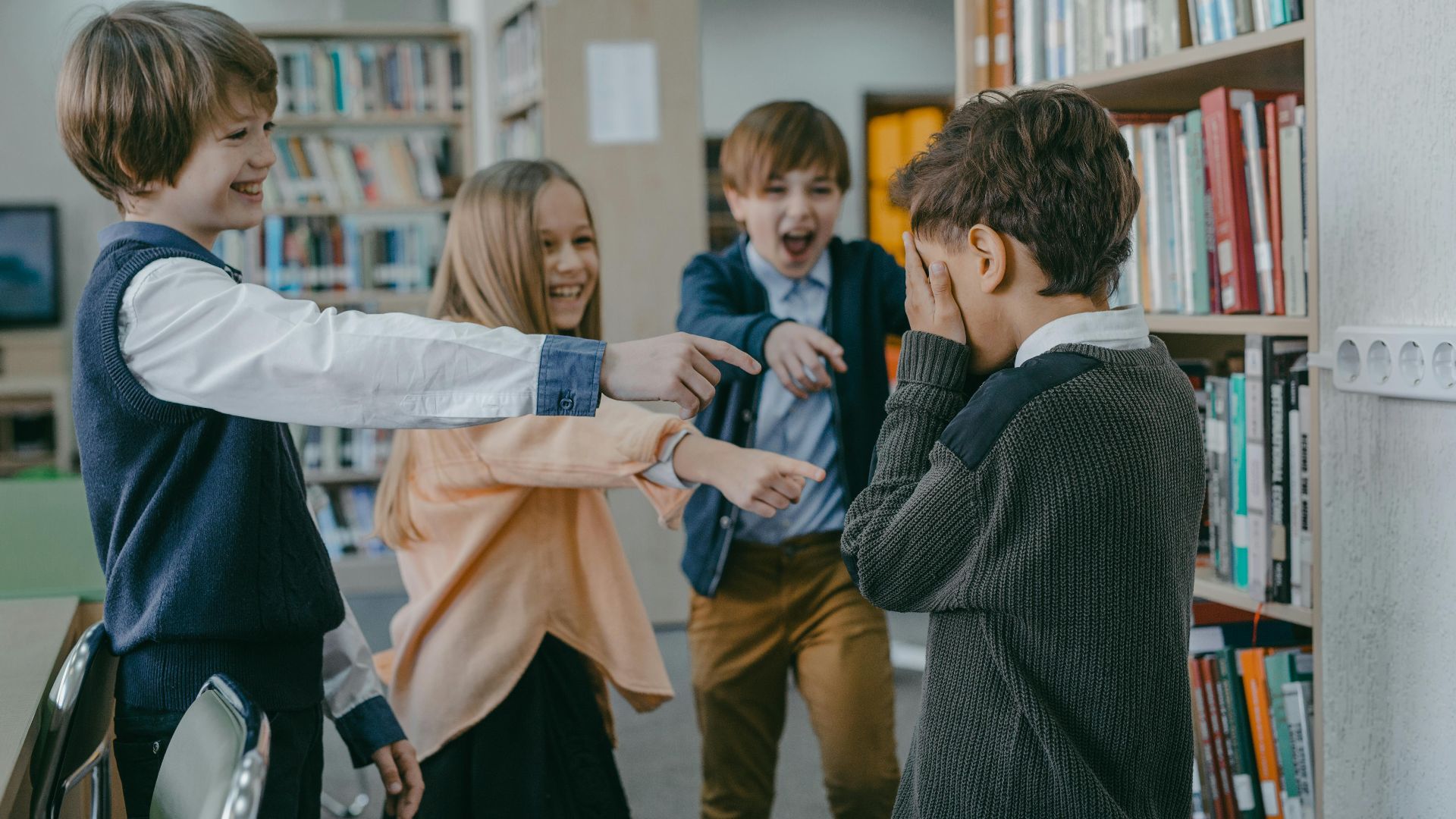
2. Bullying or Name-Calling
Cruel comments or belittling others need to be stopped early. Kids must understand that words carry weight, and being funny at someone else’s expense doesn’t make it okay. Discipline helps grow kindness and stronger friendships rooted in mutual respect.
3. Deliberate Defiance of Rules
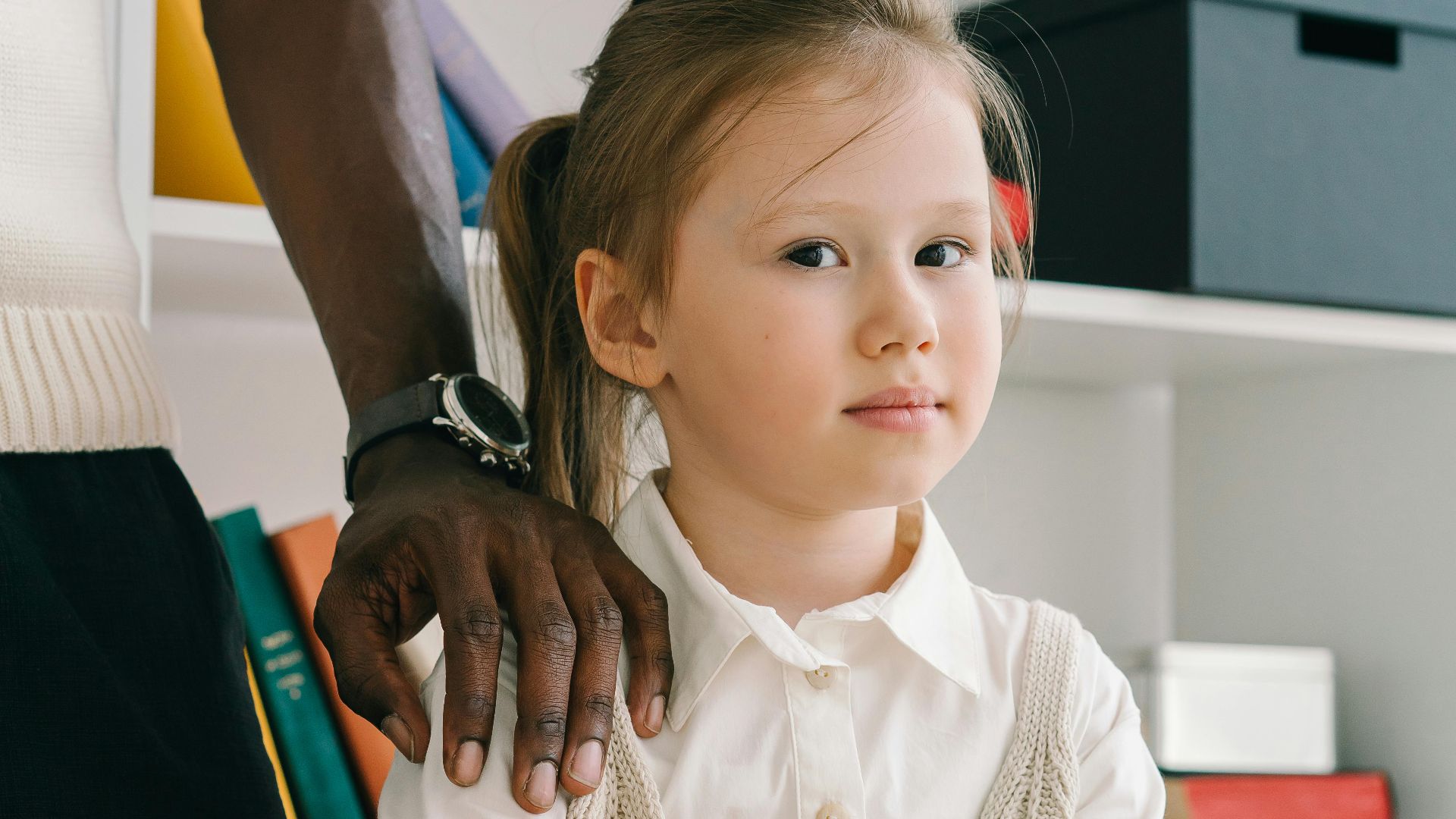
Blatantly ignoring rules is a challenge to structure. If nothing happens, boundaries blur fast. By stepping in calmly and clearly, parents reinforce the idea that rules exist for a reason, and making different choices has real consequences.
4. Stealing or Taking Without Asking
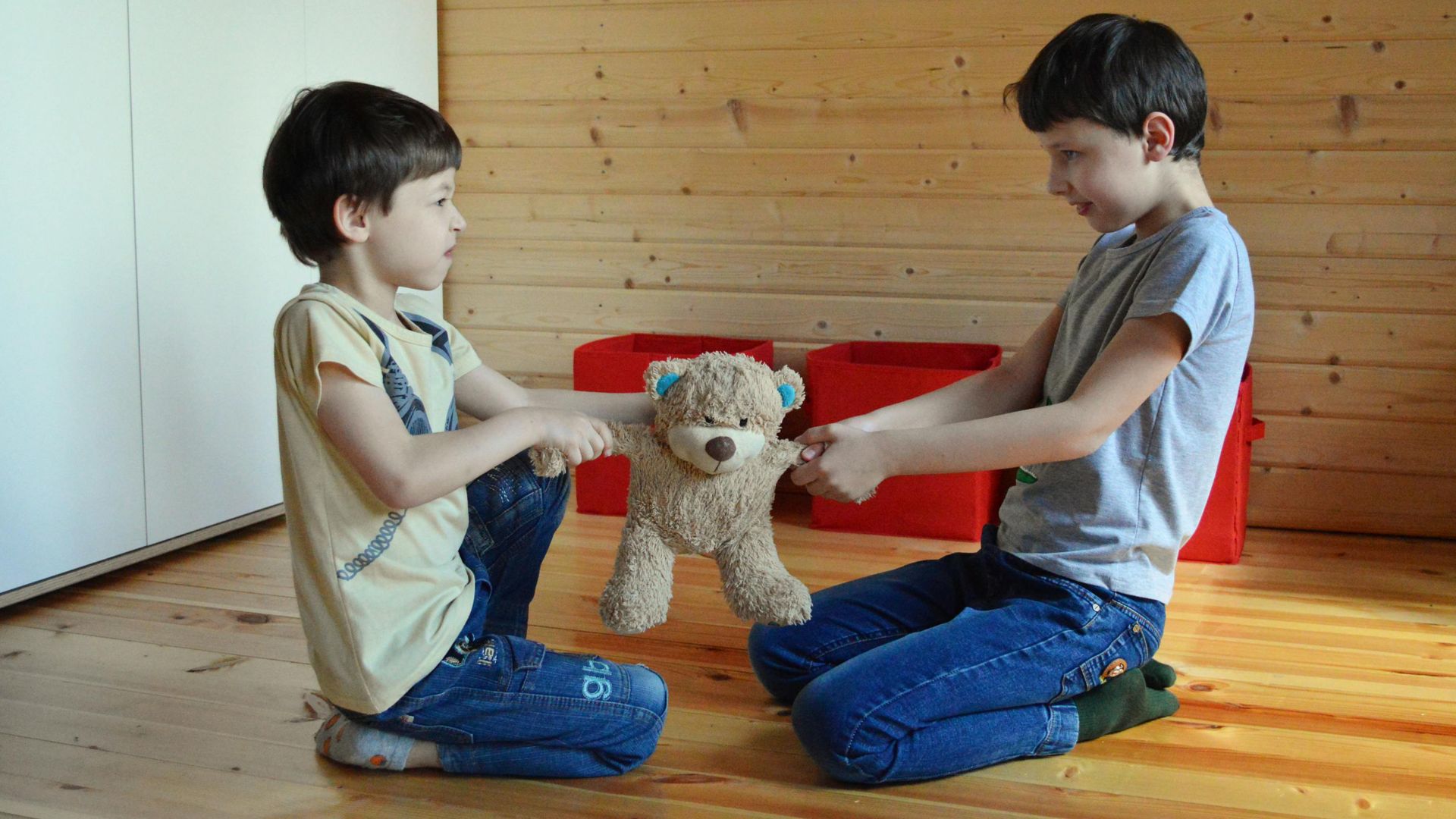
Grabbing someone else’s things isn’t harmless curiosity—it’s a habit that can grow fast if ignored. Teaching kids about ownership and permission helps shape their sense of fairness. Correcting this behavior builds social trust and keeps entitlement from taking root.
5. Lying With Clear Intent
Lying to stay out of trouble might seem small, but it creates cracks in trust. It’s better to face it directly. Kids start to understand that honesty matters more than avoiding consequences, and trust is something that’s built, not assumed.
6. Inappropriate Language or Gestures
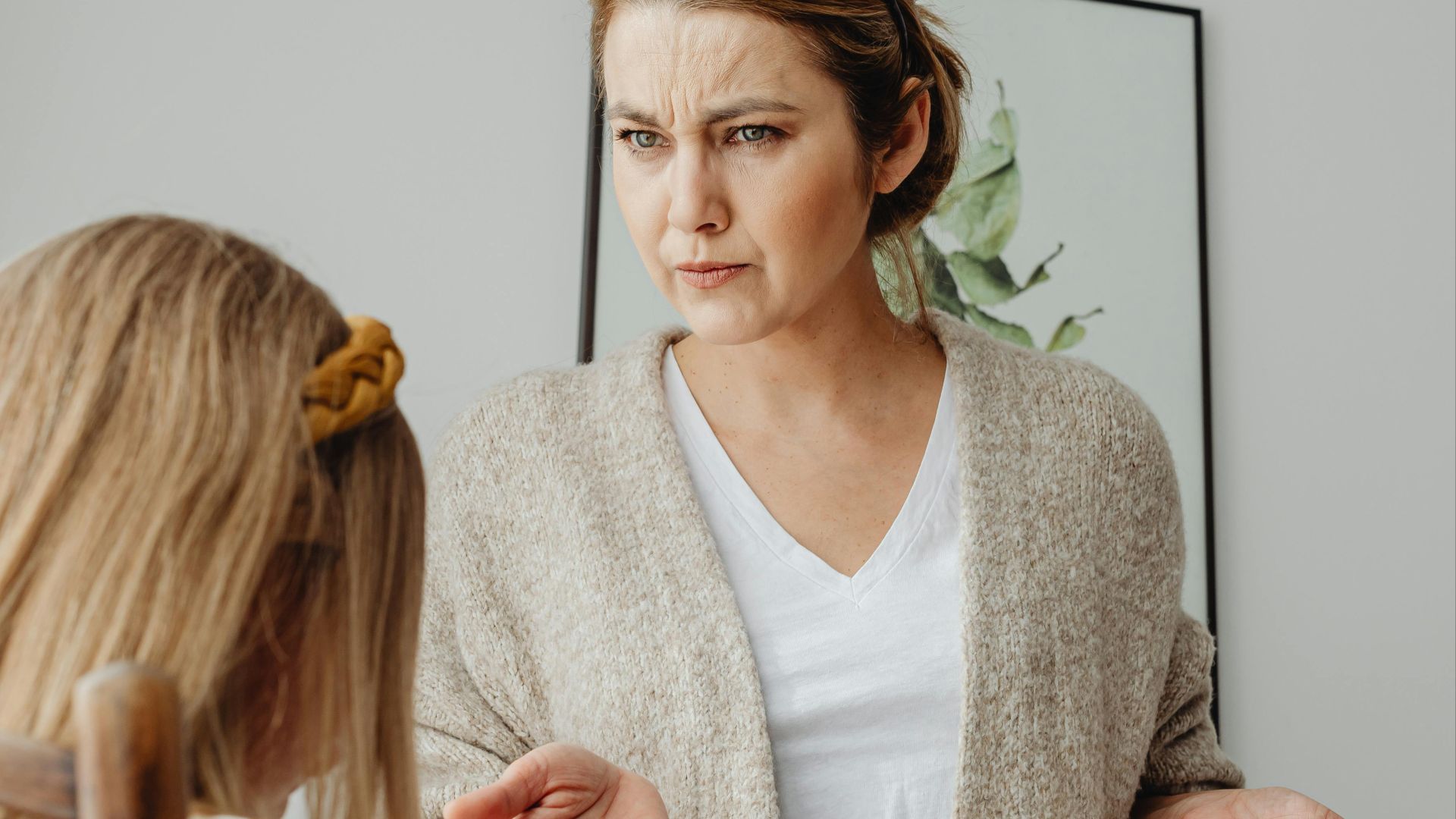
Repeating rude words or gestures may start as curiosity or imitation. If it’s put by the wayside, kids assume anything goes. Clear boundaries around language lead them toward respectful expression, and show that how they speak says a lot about who they’re becoming.
7. Unsafe Behavior on Purpose
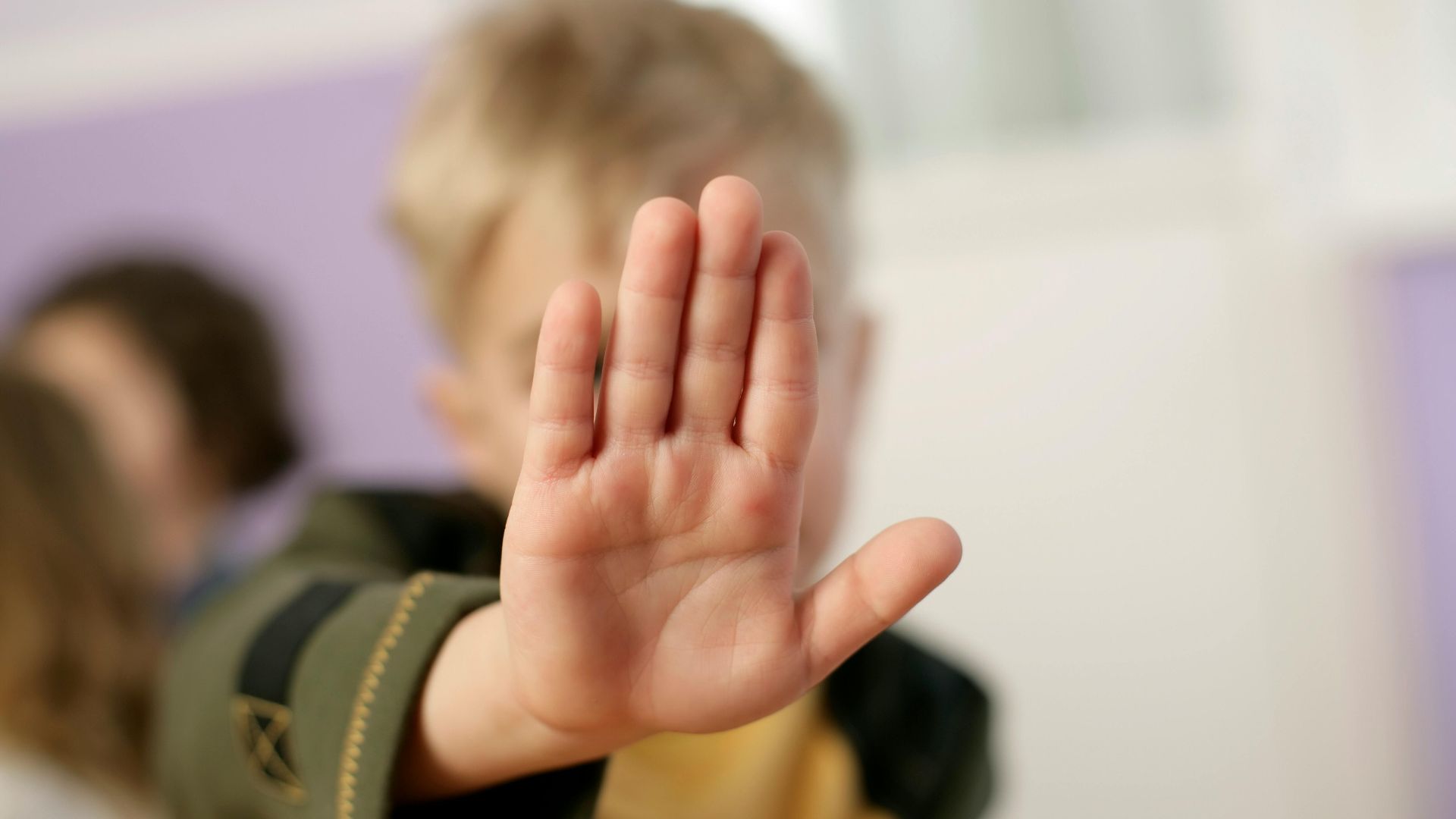
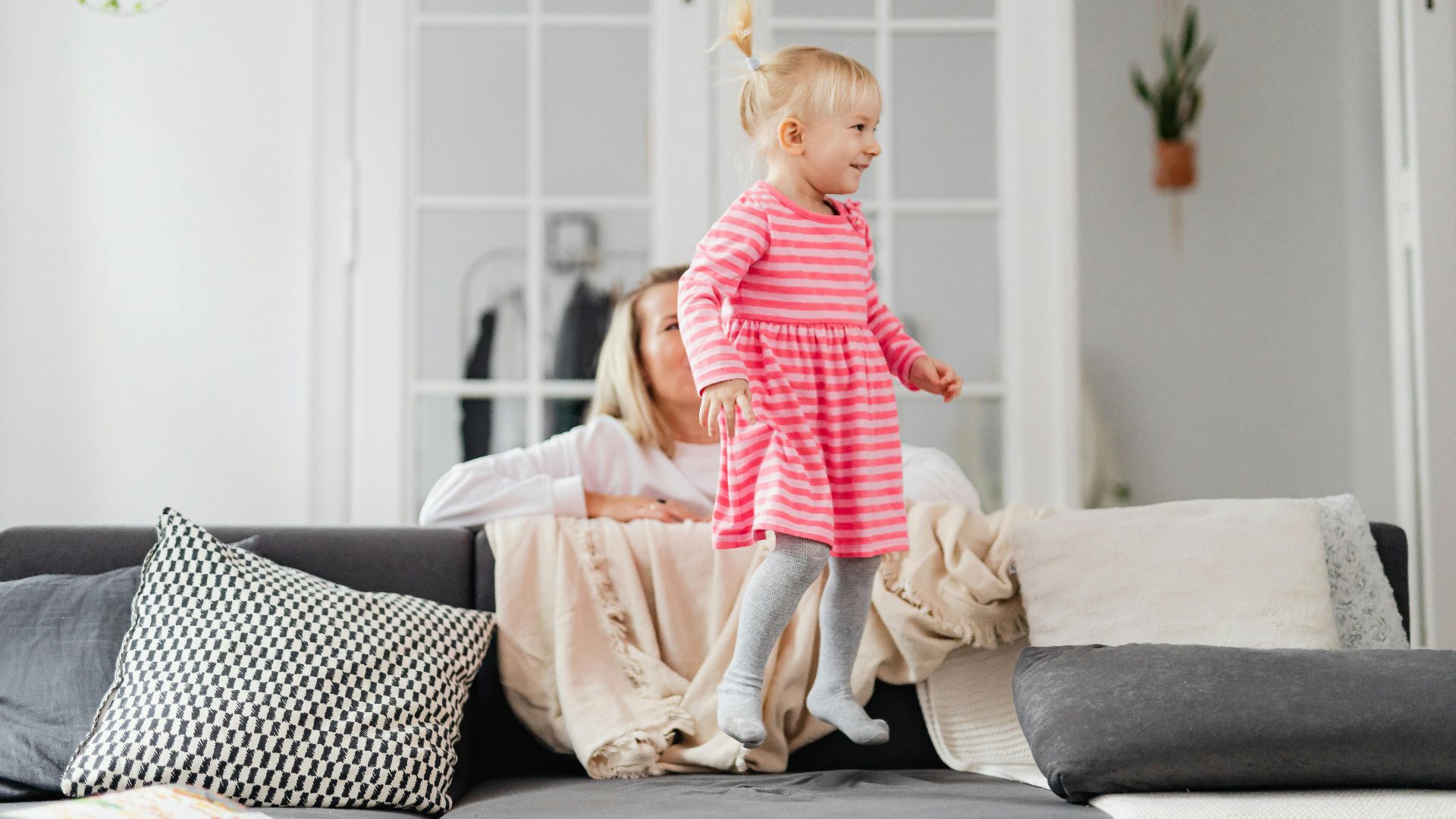
Jumping off furniture or dashing into a parking lot isn’t just high energy—it’s dangerous. These actions need clear correction every time. Kids learn that some rules exist for their safety, not control, and ignoring them isn’t something adults can overlook.
8. Cheating
Sneaking a win or copying answers might not seem serious at first glance. At least, that's what kids think when the behavior isn't addressed. Early correction helps them value fairness and effort over shortcuts, even if they’re eager to succeed or impress.

9. Disobeying in High-Stakes Situations
Some instructions come with no room for delay. If a child refuses to stop near traffic or touches something dangerous, they’re putting themselves at risk. These moments call for strong follow-through that helps them grasp the importance of urgent cooperation.

10. Destruction of Property Intentionally
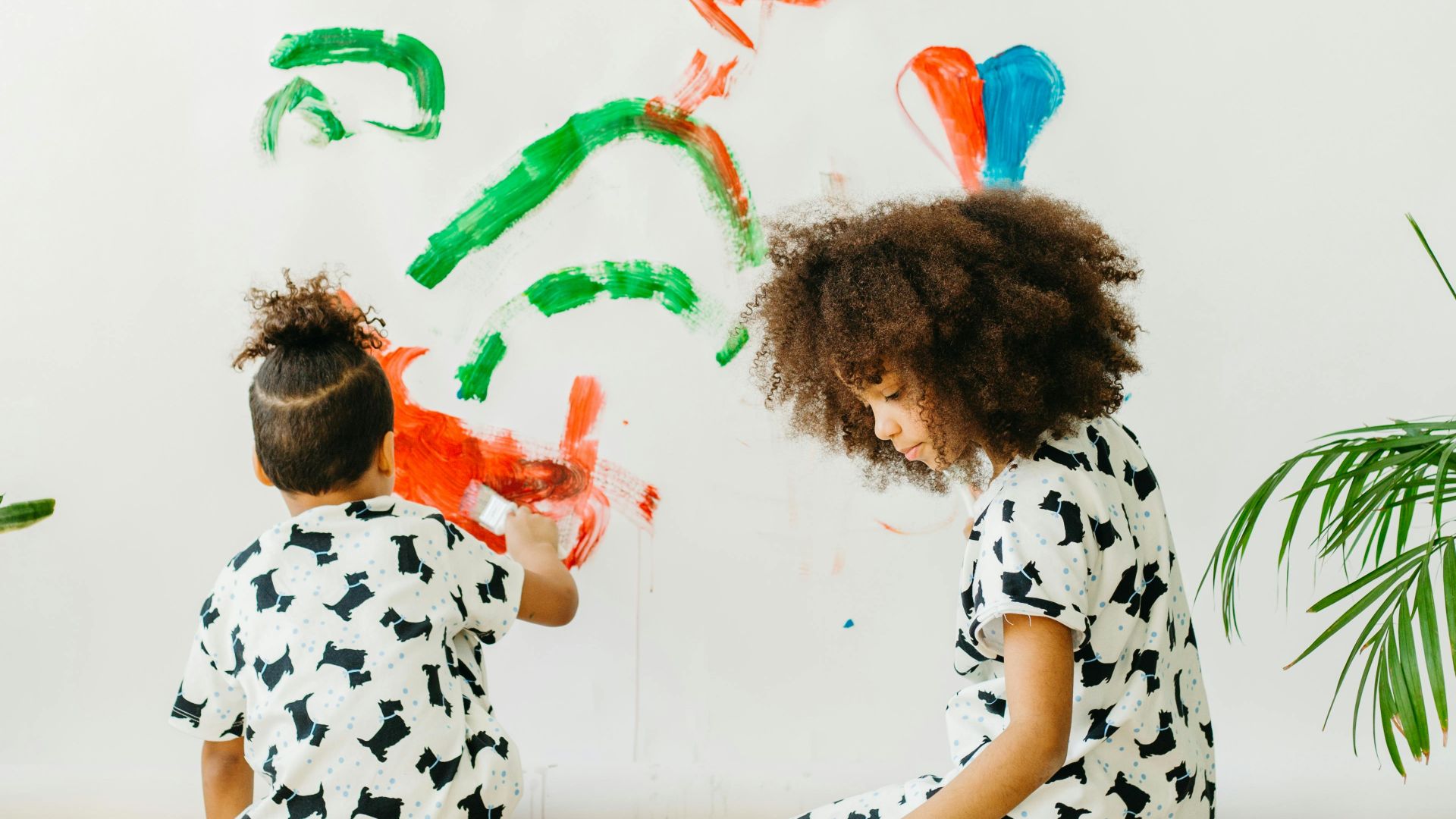
Breaking something out of anger or scribbling on walls isn’t just an outburst. It’s a message about control and limits. Addressing it calmly helps children learn to respect shared spaces, take responsibility for actions, and manage frustration in better ways.
Not every misstep needs correction—some things are better off left alone, and these next ones are worth letting go.
1. Occasional Moodiness
Kids aren’t cheerful on demand, and that’s okay. A quiet sulk or irritated shrug doesn’t always mean trouble. Letting these moods pass without jumping in teaches emotional space and shows them it’s safe to feel things without fear of punishment.

2. Dressing in Their Personal Style
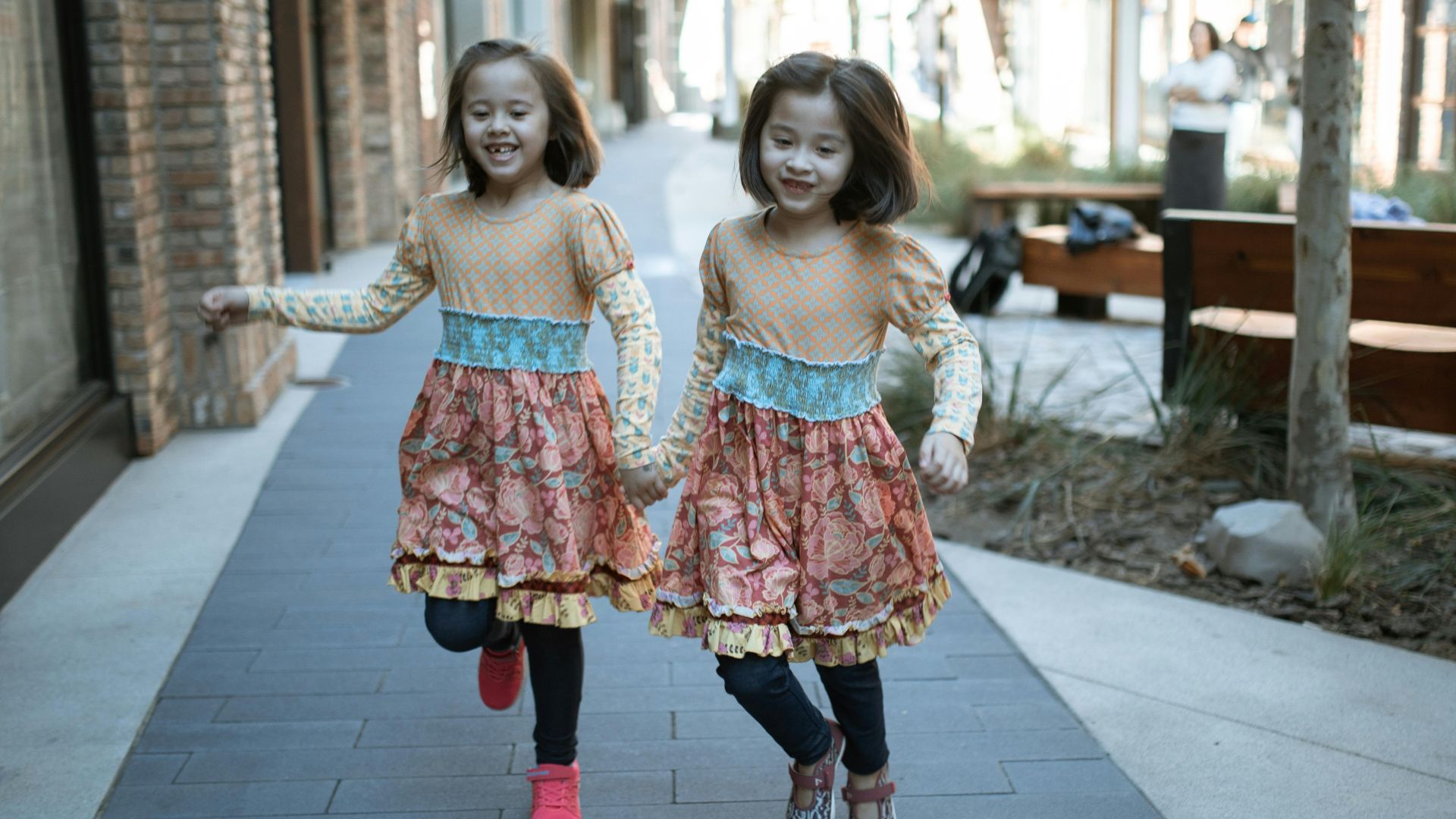
A polka dot shirt with striped pants might not be your pick, yet it’s harmless. These choices give kids a sense of control and creativity. Letting them dress themselves—within reason—builds confidence and doesn’t need to turn into a battle.
3. Changing Their Minds Often
Waffles sounded great five minutes ago—now it’s toast. That flip-flop thinking isn’t a power move, so don't lose your cool. It’s simply part of growing up and learning what they like. Some choices can hold firm, but others don’t need a lesson every time.

4. Mild Whining Without a Pattern
A single whiny request doesn’t mean your child is becoming disrespectful. For example, they may be tired or even hungry. Responding with calm or ignoring it completely can be more effective than calling it out every time their tone drops.
5. Slow Transitions Between Activities
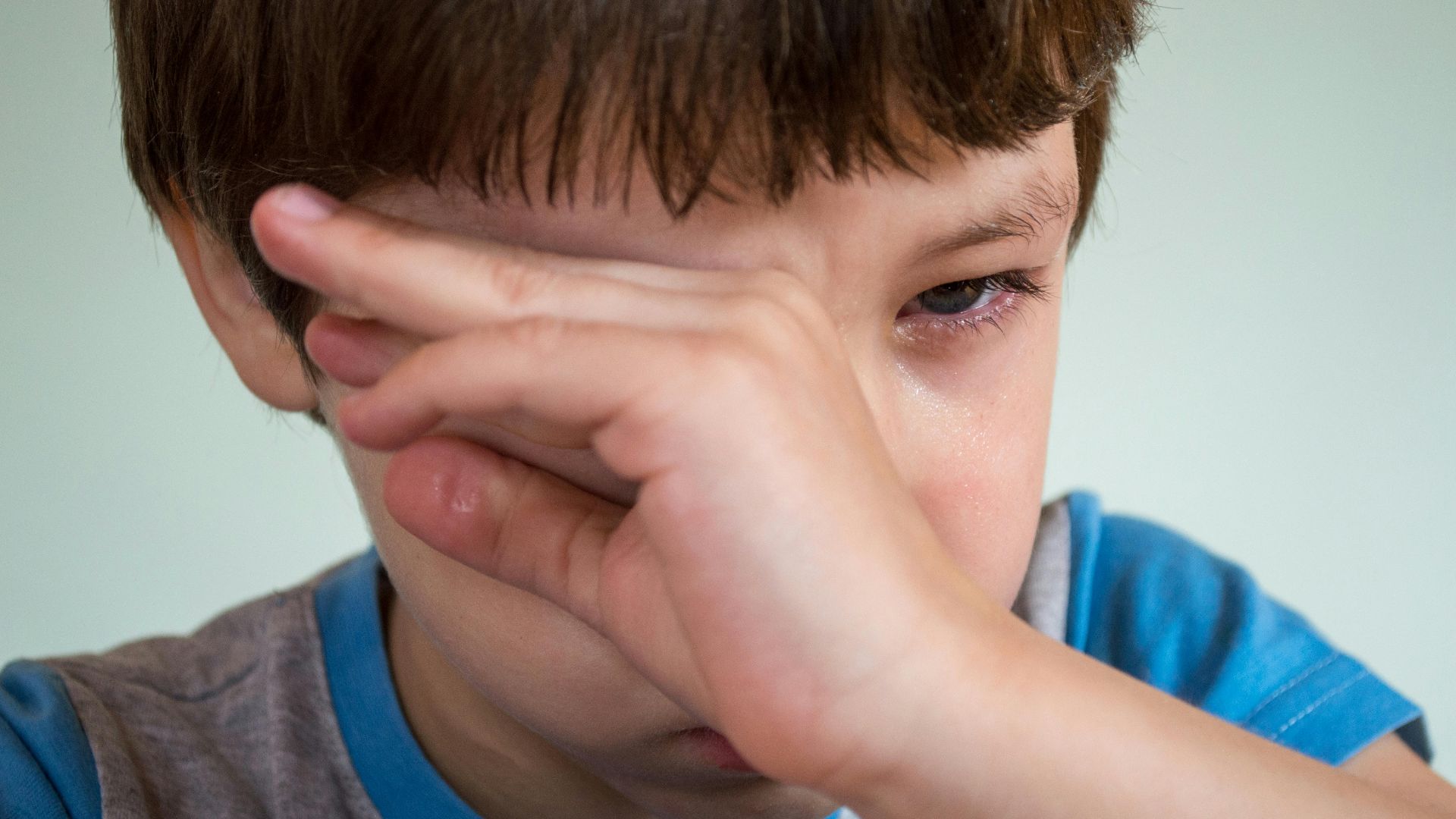
Taking forever to put on shoes or clean up toys isn’t always rebellion. Switching gears is tough for some kids, and a little patience or a playful approach often works better than pushing hard when time isn’t truly pressing.
6. Getting Overly Excited Indoors
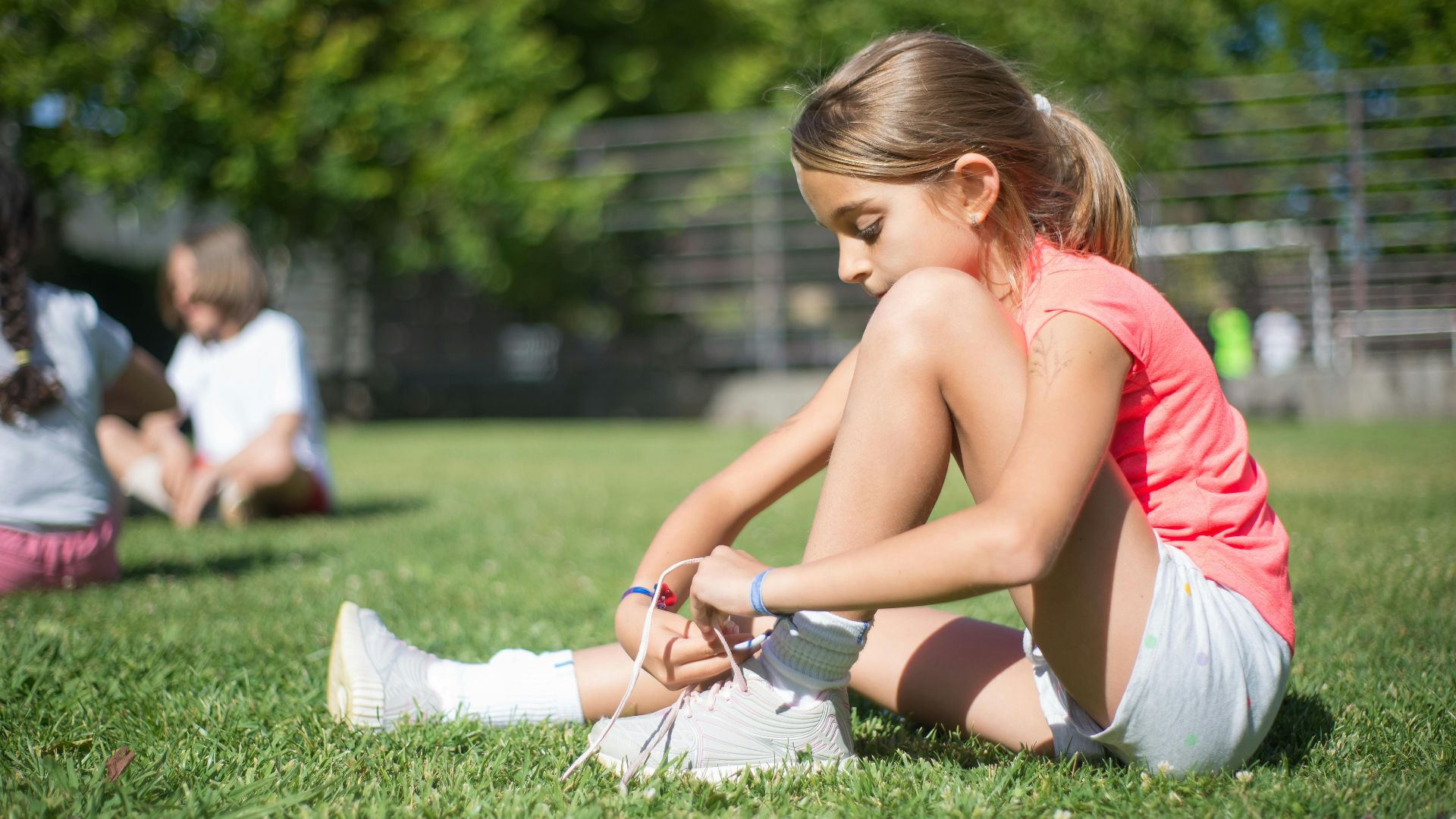
Loud giggles, bouncing around, and talking a mile a minute usually come from joy, not misbehavior. Unless things are unsafe or genuinely disruptive, it’s okay to let that wild energy run its course without stepping in every time.
7. Occasionally Complaining About Fairness
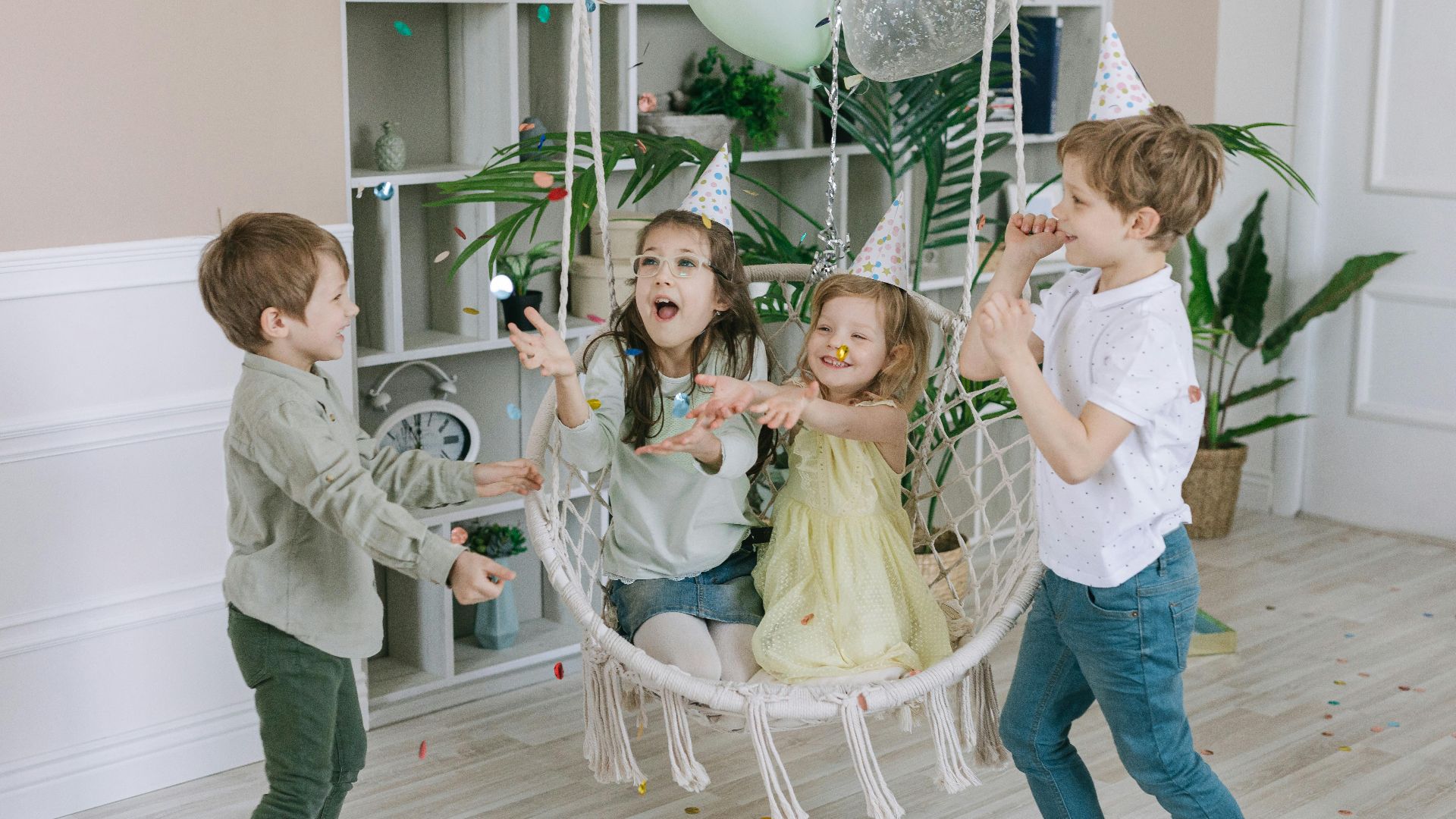
Kids who shout “that’s not fair” aren’t always challenging you—they’re learning how rules apply. Unless it turns into rude behavior, letting them speak gives you a chance to explain your choices and helps them better accept limits over time.
8. Showing Strong Preferences
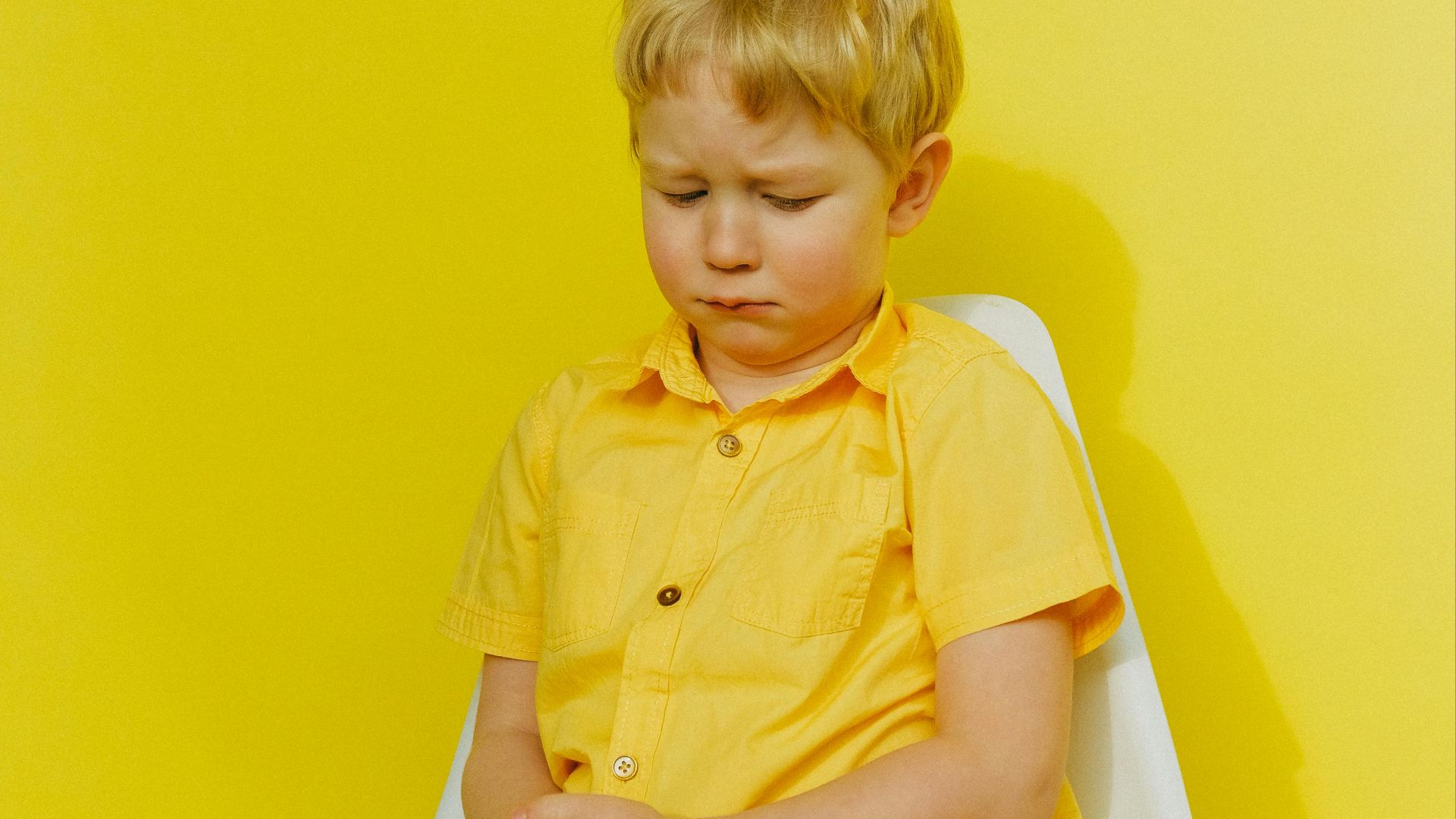
Hating broccoli or refusing to wear itchy socks may be due to sensitivity or opinion. Some preferences fade, some stick, and forcing every choice only fuels resistance. Letting a few things slide teaches flexibility on both sides and keeps the peace.

9. Interrupting With Excitement
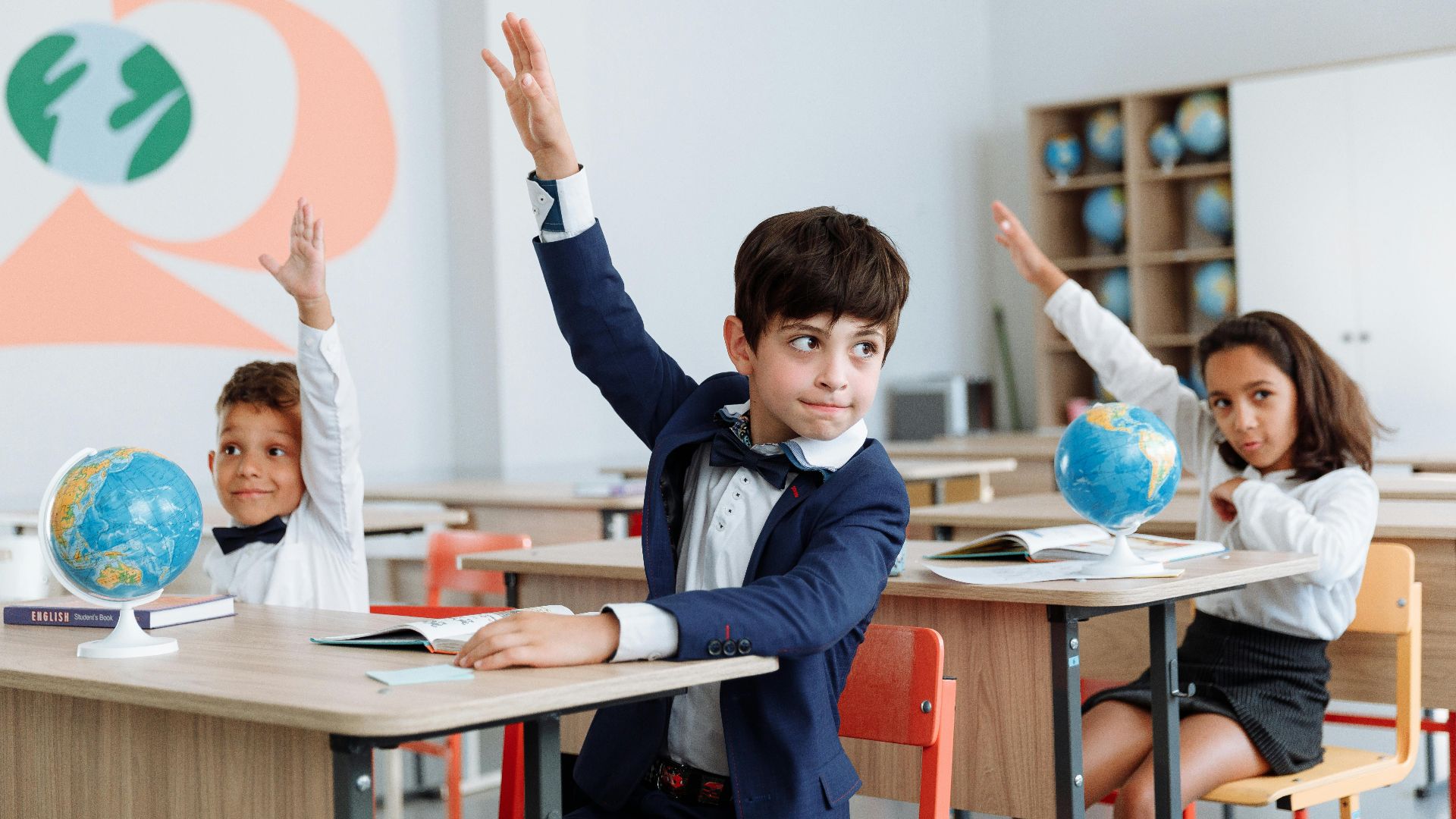
Jumping into conversations can feel rude, but the truth is that many kids are just excited. Holding back takes practice. A calm reminder afterward teaches more than scolding in the moment. It’s eagerness, and it doesn’t need a serious response every time.
10. Asking “Why”? Repeatedly
Hearing the same question over and over can wear you down. Still, it’s often about curiosity. Letting some “whys” hang in the air or giving a quick response keeps things light without turning curiosity into conflict.