
When Care Starts Turning Into Control
Are you a helicopter parent? Do you hover around your child at every possible moment, making sure they never make any mistakes? Sure, even if you have good intentions, too much involvement can slowly crowd out your child's confidence, independence, and ability to learn from their mistakes and handle ordinary life. If these following 10 signs feel familiar, you might want to reevaluate your parenting methods and understand how to step back.

1. You Solve Problems Before Your Child Tries
If your first instinct is to step in the moment something goes wrong, you may be doing too much too soon. Maybe you email the teacher before your child asks a question, or fix a scheduling conflict before they even look at their calendar. Over time, that pattern teaches them that problems are handled for them instead of by them. Even when your intentions are good, constant rescue can weaken their sense of capability.

2. You Monitor Every Detail of Their Schedule
Keeping track of your child's responsibilities is part of parenting, but managing every minute is something else. If you know every deadline, remind them repeatedly, and feel uneasy when they aren't fully structured, it may be a sign you've taken over. Children need some practice remembering, planning, and recovering when they don't get it right. When you carry the whole mental load, they don't learn how to carry any of it themselves.

3. You Feel Responsible for Their Every Disappointment
It's hard to watch your child feel left out, frustrated, or embarrassed, especially when you know you could soften the blow. But if you treat every disappointment like something that must be prevented or corrected, you're taking on emotional work that belongs to them. Feeling upset after a bad grade, a lost opportunity, or a friendship problem is part of growing up. Children build resilience by moving through those moments, not by being shielded from all of them.

4. You Frequently Speak for Them
If you tend to answer questions directed at your child, explain their feelings for them, or handle conversations they could reasonably manage, you may be overfunctioning. This can happen in classrooms, doctors' offices, family gatherings, and even casual social situations. The message it sends is that you don't fully trust them to represent themselves. Even confident kids can start second-guessing their voice when someone else keeps using it first.

5. You Struggle to Let Them Make Age-Appropriate Decisions
Small decisions matter more than they seem because they help children practice judgment. If you're choosing their clothes, resolving every social conflict, or controlling choices they could handle on their own, you may be crowding out that development. Independence doesn't begin with major life decisions. It begins with everyday moments where a child gets to think, choose, and deal with the result.

6. You Step In Quickly When They Feel Uncomfortable
Discomfort isn't always a sign that something is wrong. Sometimes it simply means your child is trying something new, facing uncertainty, or learning how to cope without immediate help. If you rush to remove every awkward, frustrating, or stressful experience, your child may come to believe they can't handle difficulty. Support matters, but so does giving them the chance to discover they can get through hard moments.

7. You Worry That Mistakes Will Have Lasting Consequences
Many hovering parents aren't reacting to the present moment as much as to what they fear it could lead to. A missed assignment becomes a threat to future success, and a social slip starts to feel like a permanent setback. That kind of catastrophic thinking can make ordinary childhood errors seem too dangerous to allow, but constantly trying to prevent them only boxes your child in.

8. You Get Deeply Invested in Their Performance
It's natural to care about how your child is doing, but it becomes a concern when their outcomes start to feel like a reflection of you. You may become overly focused on grades, sports, achievements, or behavior because those things shape how you believe you're doing as a parent. That pressure can be felt even if you never say it aloud. Children often pick up on the fact that success seems to matter a little too much.
9. You Have Trouble Letting Natural Consequences Happen
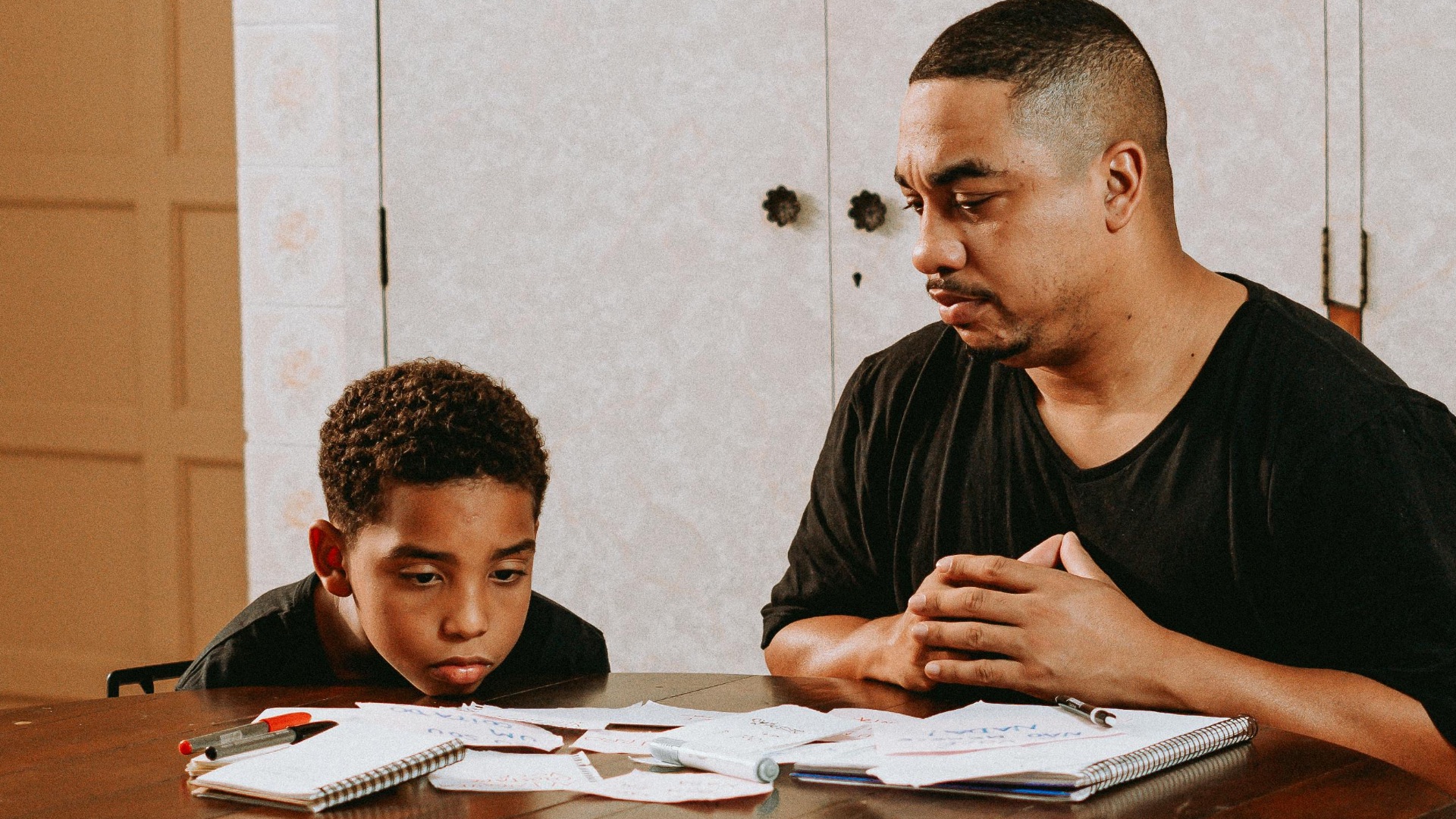
When your child forgets homework, misses a deadline, or fails to prepare, the urge to step in can be strong. You may drop off the missing item, negotiate an extension, or smooth things over before the consequence lands. While that may help in the moment, it also interrupts one of the most effective teachers in life: experience. Natural consequences, when they're safe and reasonable, help children connect choices with outcomes.

10. You Don't Feel Comfortable Unless You're in Control
One of the clearest signs of helicopter parenting is internal: if you feel anxious when you're not involved, unsettled when your child handles something alone, or irritated when they don't need your help, it's worth paying attention to those emotions. Sometimes the hovering is less about what your child needs and more about what you need to feel okay. Recognizing that can be the first real step toward change.
Now that you're aware of the signs, let's jump into some helpful tips to help you step back.

1. Pause Before You Step In
The next time your child runs into a problem, resist the urge to act immediately. Give yourself a moment to ask whether this is truly something they can't handle or just something they might handle differently than you would. In many cases, your child just needs more time than needing you to rescue them.

2. Ask More Questions Instead of Giving Solutions
Rather than telling your child exactly what to do, try asking what they think their options are. You can also ask what outcome they want, what they've already considered, or what feels hardest about the situation. Questions encourage thinking, and they help your child practice problem-solving.

3. Let Them Handle Small Tasks on Their Own
Independence grows through repetition. Let your child pack their bag, talk to the coach, email the teacher, order their own meal, or keep track of their own school materials when it's appropriate for their age. They may not do these things exactly as you would, and that's part of the point. Competence usually develops through imperfect practice.

4. Stop Treating Discomfort Like an Emergency
Your child won't fall apart because they feel nervous, frustrated, or disappointed for a while. Those emotions are uncomfortable, but they are also manageable and important to work through. When you stay calm instead of trying to erase or prevent every hard feeling, you show them that discomfort is survivable.

5. Give Them Room to Speak for Themselves
Look for moments where your child can answer, explain, request, or advocate without you stepping in first. That might mean staying silent a little longer in conversations or letting them work through some awkwardness instead of immediately rescuing them from it. Letting them speak for themselves builds both confidence and clarity, and the more often they do it, the less they depend on you to carry those interactions.

6. Allow Safe, Reasonable Mistakes
Not every mistake needs to be prevented, and not every bad outcome needs to be fixed. If the consequence is safe and proportionate, let it happen and talk about it afterward instead of trying to block it in advance. Children often learn more from one mistake they can connect to than from 10 lectures meant to keep them from making it. Letting that happen can be uncomfortable for you, but useful for them.

7. Watch Your Anxiety Without Letting It Lead
Sometimes the need to hover comes from your own fear rather than your child's actual situation. You may imagine worst-case outcomes, feel tense when they're uncertain, or believe stepping back means you're being careless. But remember: parenting from fear tends to create control, while parenting with awareness creates more balance.

8. Redefine What Good Parenting Looks Like
Good parenting isn't about preventing every setback. While it's understandable that you don't want your child to struggle, you also want to raise someone who can learn, recover, decide, and keep going without constant supervision. When you stop measuring your success by how tightly you manage everything, it gets easier to loosen your grip.

9. Build Independence Gradually
Stepping back doesn't have to happen all at once. You can start by choosing one area where your child is ready for more responsibility, then let that grow over time. Maybe they begin by managing one part of their routine or handling one conversation on their own. Gradual change often works better than an abrupt shift because it gives both of you time to adjust.
 Sarla's Eye Photography on Pexels
10. Stay Supportive Without Taking Over
Your role doesn't disappear when you step back; it simply changes. You can still listen, encourage, guide, and be available without controlling the process or the outcome. Children need to know support is there, but they also need space to use it well. The goal is to adopt a steadier kind of involvement that helps them become more capable, not more dependent.