
When Family Bonds Feel Strained
Every relationship goes through changes, and sometimes those changes can be pretty devastating. When resentment arises, it can create space where closeness used to be and coldness where there was once warmth. But it doesn’t have to stay that way! Ahead, we’ll walk through the signs it might be present and the steps to take in response. Before exploring how to rebuild a stronger connection, let’s begin by understanding what those signs could be.

1. Secretly Confiding In Others About You
When private family matters become conversations with friends or neighbors, it’s usually about seeking validation elsewhere. This habit can deepen mistrust at home, especially if you hear about it from someone else first.

2. Constant Sarcasm In Conversations
Playful teasing can be harmless, yet sarcasm that dominates every exchange often carries a sharper edge. It might surface when they’re trying to mask frustration or test boundaries. Over time, this kind of talk chips away at mutual trust and makes open dialogue harder.

3. Avoiding Physical Affection
When hugs vanish and playful touches fade, it’s not always about growing up. Keeping a constant physical distance can signal emotional distance, too. If a child stiffens at a hug or steps back from contact, they may be guarding themselves from a deeper connection.
 Guillaume de Germain on Unsplash
4. Spending Excessive Time Alone
It’s natural for kids to want privacy, but hours locked away in a bedroom can point to something deeper. Choosing isolation over family activities may help them avoid friction—but it also keeps resolution out of reach.

5. Ignoring Household Rules On Purpose
When a child deliberately breaks a rule they understand, it can be more than forgetfulness. This quiet rebellion often says, “I don’t feel heard here.” Consistently testing limits can be their way of pushing back against authority they feel disconnected from.
6. Overreacting To Minor Requests
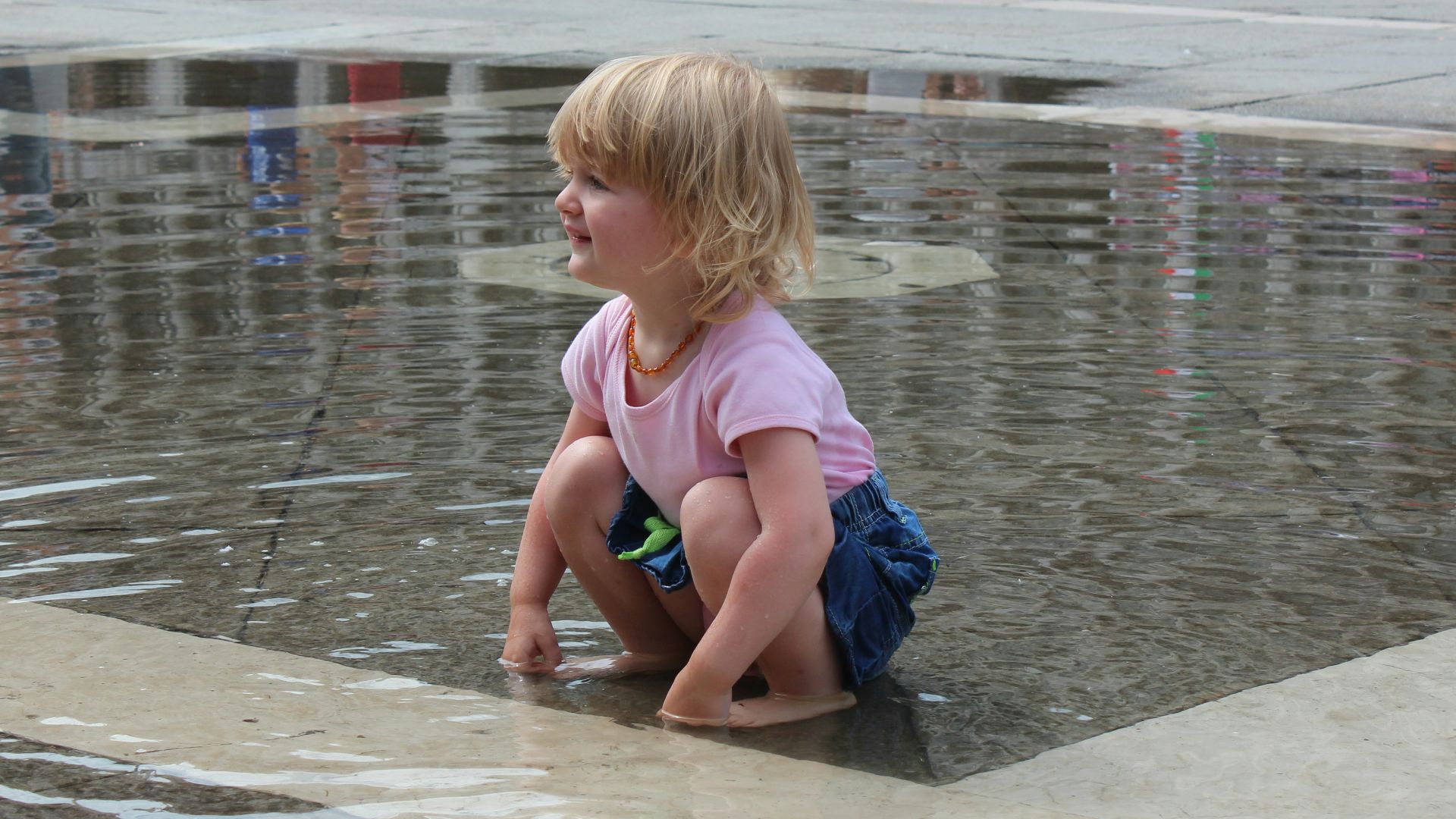
A simple “Please take out the trash” turns into slammed doors or heated words. These outbursts may seem dramatic, yet they can stem from emotions that have been building for a long time. The small task becomes the outlet for a much bigger frustration.

7. Showing Favoritism Toward Other Adults
Hearing your child rave about another adult’s understanding can sting. When they seek guidance from teachers or relatives instead of you, it might reflect trust gaps at home. Sometimes, it’s also a subtle way of pointing out what they feel is missing.

8. Reluctance To Share Personal Feelings
Conversations become short, answers clipped, and personal stories get reserved only for friends. Emotional walls can rise quickly, especially when past talks have ended in conflict. As time passes, these unspoken feelings can create a gap wide enough for misunderstanding to thrive.
9. Rolling Eyes Or Mocking Your Opinions
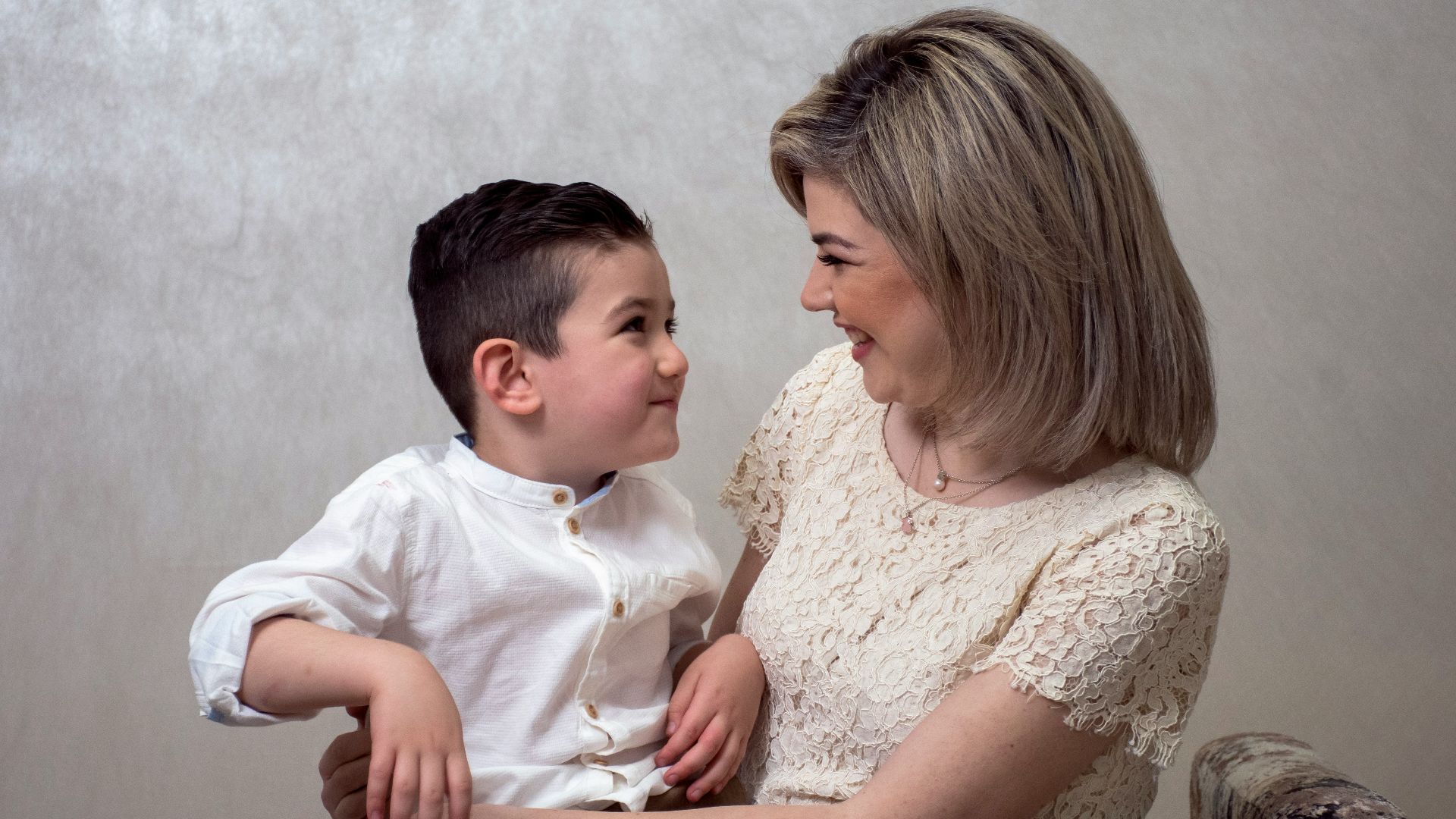
An eye-roll in a heated moment might be easy to dismiss, yet frequent mocking or mimicry, especially in front of others, erodes respect. It’s often used to downplay your perspective without starting a direct argument, making it harder to address the root cause.

10. Refusing To Celebrate Special Occasions
Skipping a holiday dinner or ignoring a birthday isn’t always about disinterest. For a resentful child, staying away can feel like making a statement. Their absence in these moments speaks volumes about the distance they feel inside.
Once you know what’s been pulling you apart, you can start working on what will bring you closer. Here’s what you can do.
1. Initiate Honest One-On-One Conversations
Find a quiet spot, even if it’s just the porch or the car ride after school. Speak without rushing and listen without planning your reply. These small, focused talks can give them the confidence to share what’s been kept inside.

2. Acknowledge And Apologize For Past Mistakes
There’s weight in looking someone in the eye and admitting you got it wrong. Naming exactly what you regret shows you’ve thought about it. When they hear that level of honesty, they may start to believe change is possible.

3. Set Realistic Expectations Together
Instead of handing them a set of rules, slide a notebook across the table and say, “Let’s figure out what works for both of us.” Writing it down together can turn boundaries into shared commitments rather than one-sided demands.
4. Involve Them In Family Decisions
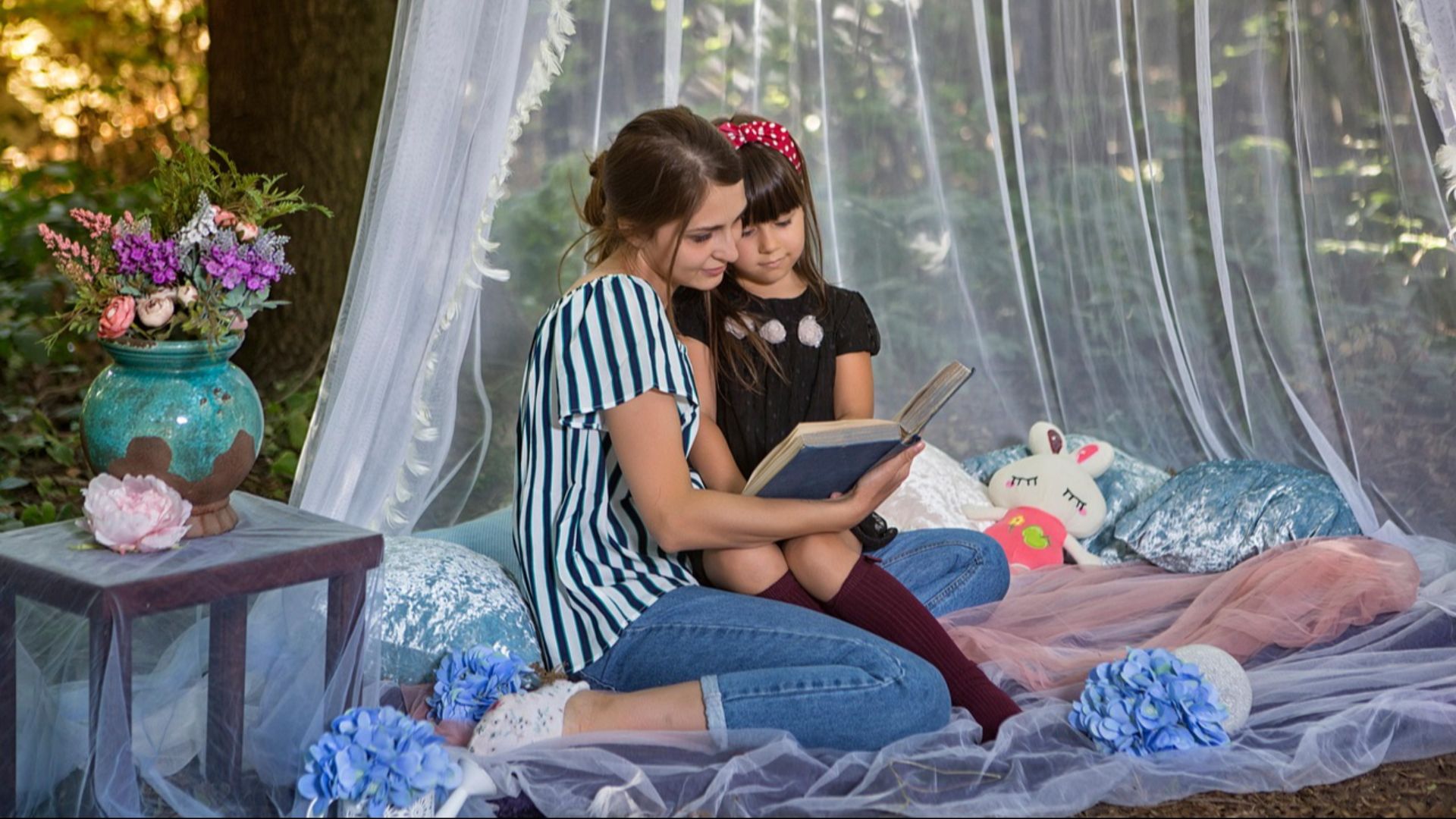
Ask what they think about vacation plans or which meals should make the weekly menu. Giving them a voice in choices that affect everyone helps them feel included. This sense of influence can make the family feel more like a team.

5. Support Their Hobbies And Passions
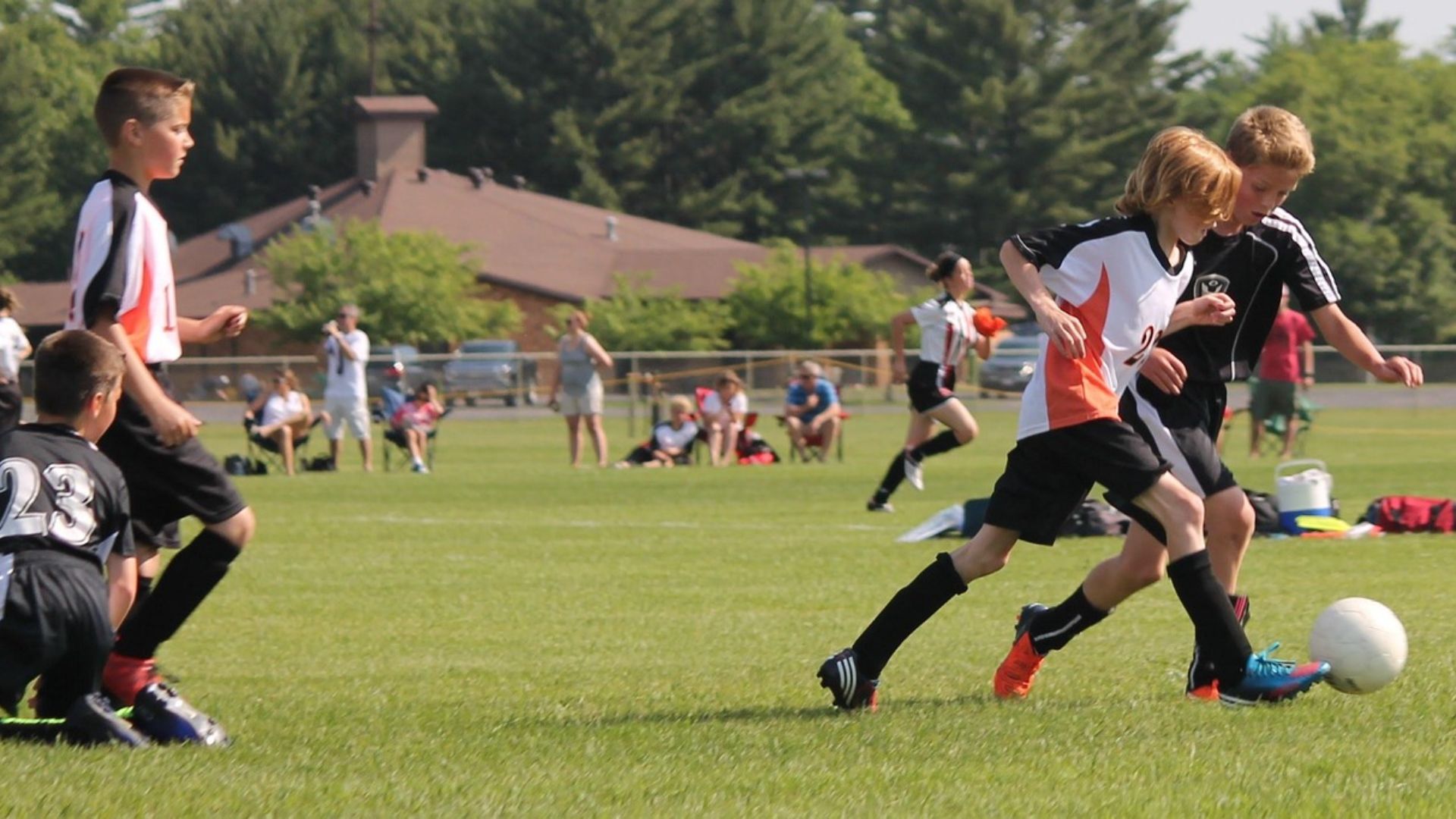
Showing interest in what lights them up reminds your child to see their individuality, not just their role in the family. A front-row seat at their performance or a cheer from the sideline says more than a dozen speeches.

6. Celebrate Achievements No Matter How Small
A spontaneous high-five for finishing a book or a warm “I’m proud of you” after they try something new can stick with them. These moments, though quick, leave imprints that say their efforts matter.

7. Show Consistency In Words And Actions
If you promise to be at the school event, be there. When your rules stay steady and your reactions match your words, it builds a sense of safety. Trust grows faster when they know what to expect from you.
8. Respect Their Privacy And Boundaries
Knock before you enter their room, as it sends a stronger message than you might expect. Waiting for permission before stepping in shows that you value their space. That simple courtesy can make them more willing to invite you in on their own.

9. Spend Quality Time Without Distractions
Take out a bit of time from your schedule where the phone stays on the counter and the TV stays off. Do something they enjoy, even if it’s not your favorite. These moments matter because they feel your full attention.

10. Create Fun Traditions To Share
It can be silly dance-offs on rainy nights or a yearly picnic at the same park. These rituals don’t have to be grand—they just have to be yours. Over time, they become the glue that holds good memories in place.