What The Podium Can Teach You At Home
Olympic coaches work in a world where preparation is relentless, feedback is constant, and growth is measured in fractions of a second. They help athletes manage pressure, recover from failure, and build habits that hold up on the biggest stages in the world. Parenting obviously isn’t the same as preparing someone for the Olympic Games, but there are surprising parallels in how growth happens. When it comes to Olympic coaching, here’s what’s worth borrowing and what you should probably leave behind.

1. Focus On The Process
Olympic coaches rarely obsess over medals in daily training because outcomes are unpredictable. Instead, they emphasize technique, repetition, and incremental improvement.

2. Set Clear And Measurable Goals
Elite athletes train with specific benchmarks, whether that’s improving sprint times or refining a routine’s execution. Vague ambitions don’t give anyone something solid to chase. At home, you can help your child define what success actually looks like to them, such as finishing a chapter book each week or mastering multiplication tables.
3. Build Consistent Routines
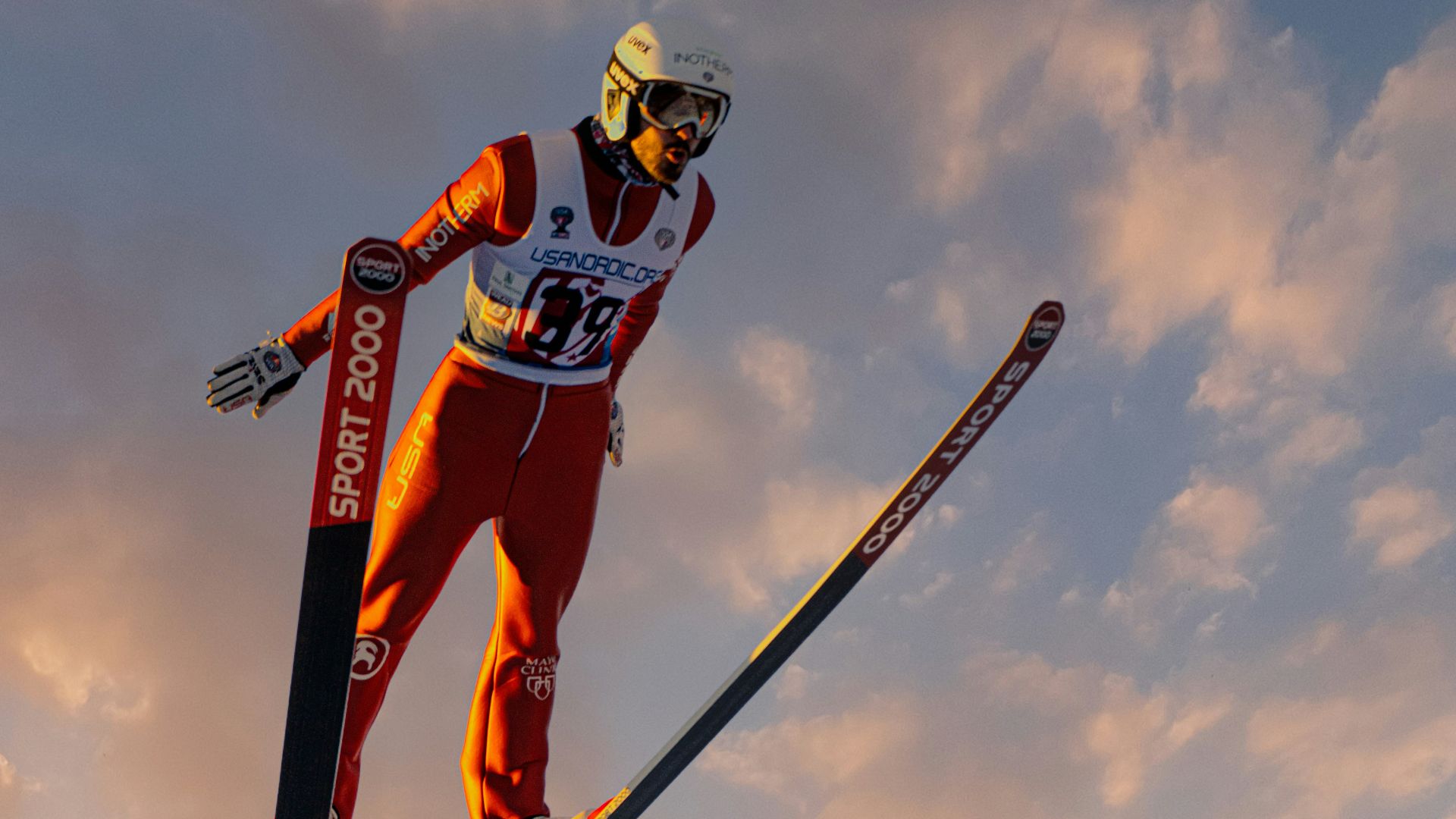
Olympians rely on structured schedules that balance training, nutrition, and sleep because consistency fuels performance. Kids thrive on predictability for the same reason.

4. Teach Resilience After Loss
Even the most decorated Olympians have lost far more competitions than they’ve won. Coaches often review performances calmly, identifying what worked and what didn’t without turning mistakes into personal failures. When your child strikes out or flunks a quiz, you can respond with curiosity instead of frustration.
5. Prioritize Rest And Recovery
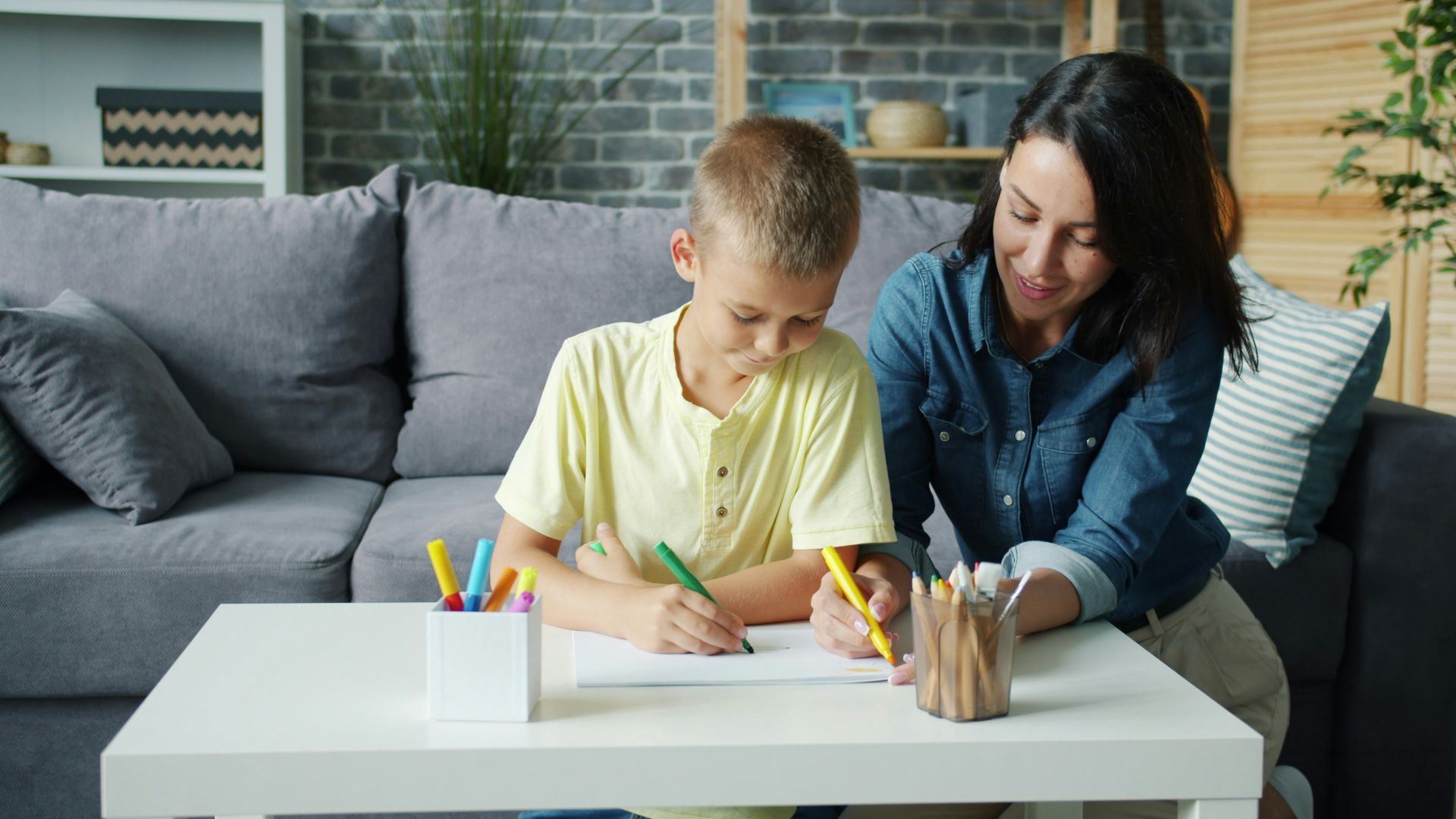
Sports science consistently shows that recovery time prevents injury and improves performance. Olympic training programs build in rest days because overtraining leads to burnout and physical harm. Children need even more sleep and downtime than adults, especially during developmental years.
6. Offer Specific Feedback
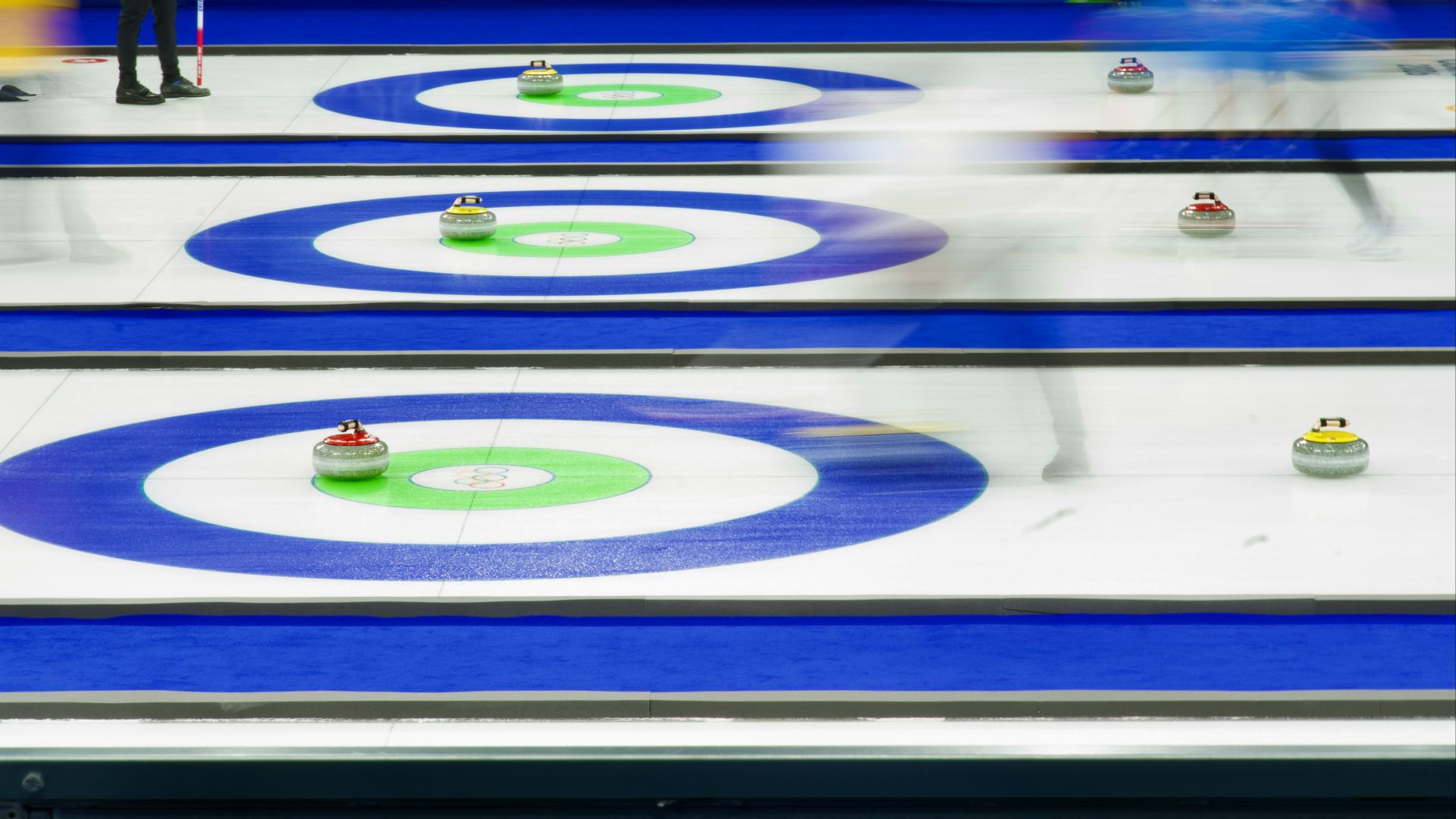
Top coaches don’t just say “good job.” They point out exact movements, timing, or decisions that can be improved. You can do the same by highlighting what your child did well and where they can adjust. Specific feedback feels more useful and less confusing than blanket praise.
7. Model Calm Under Pressure
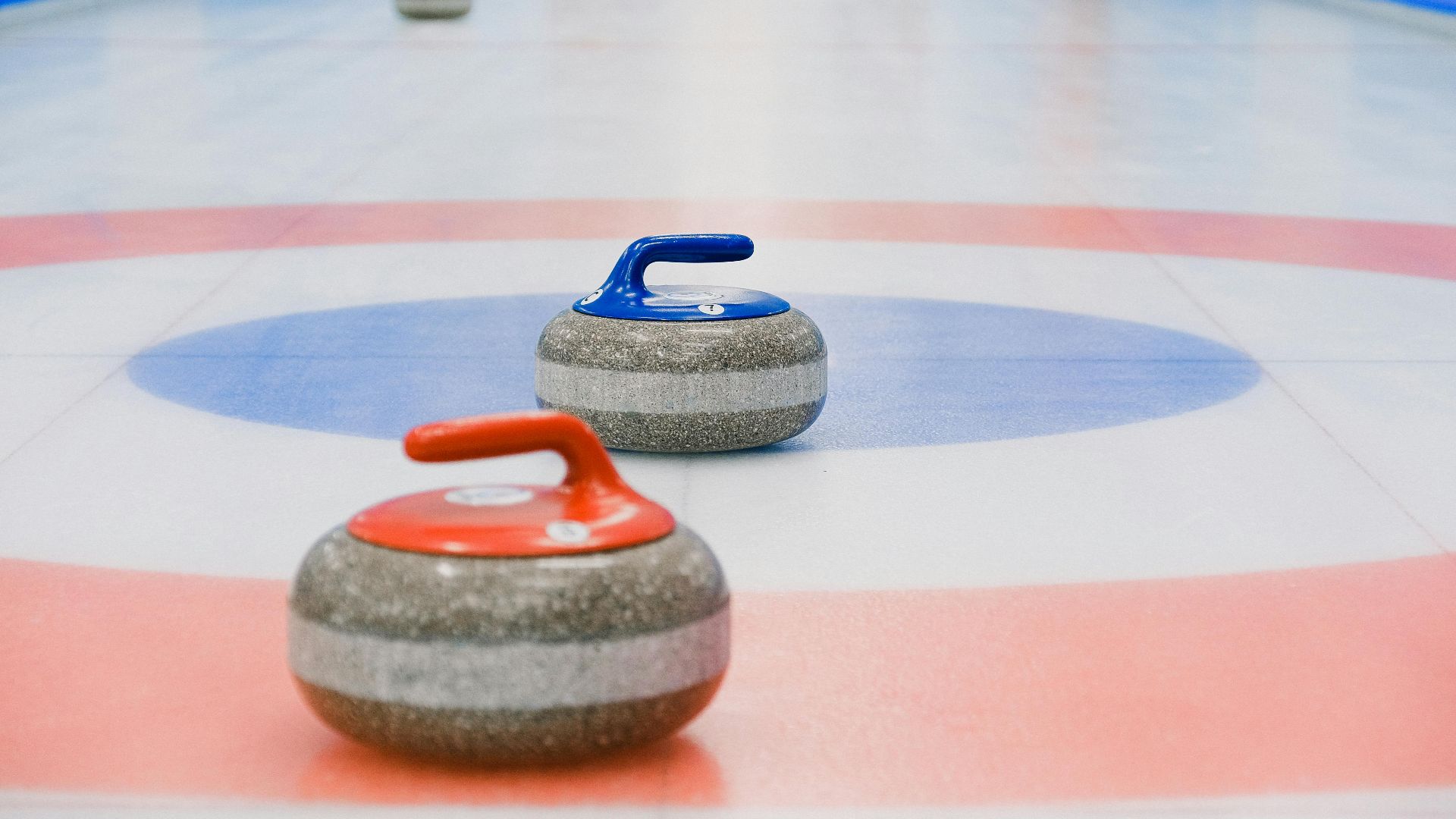
When cameras are rolling and the stakes are high, experienced coaches stay composed. Their emotional steadiness often influences how athletes respond in tense moments. At home, your calm during a chaotic morning or a difficult conversation sends a powerful message.
8. Encourage Healthy Competition
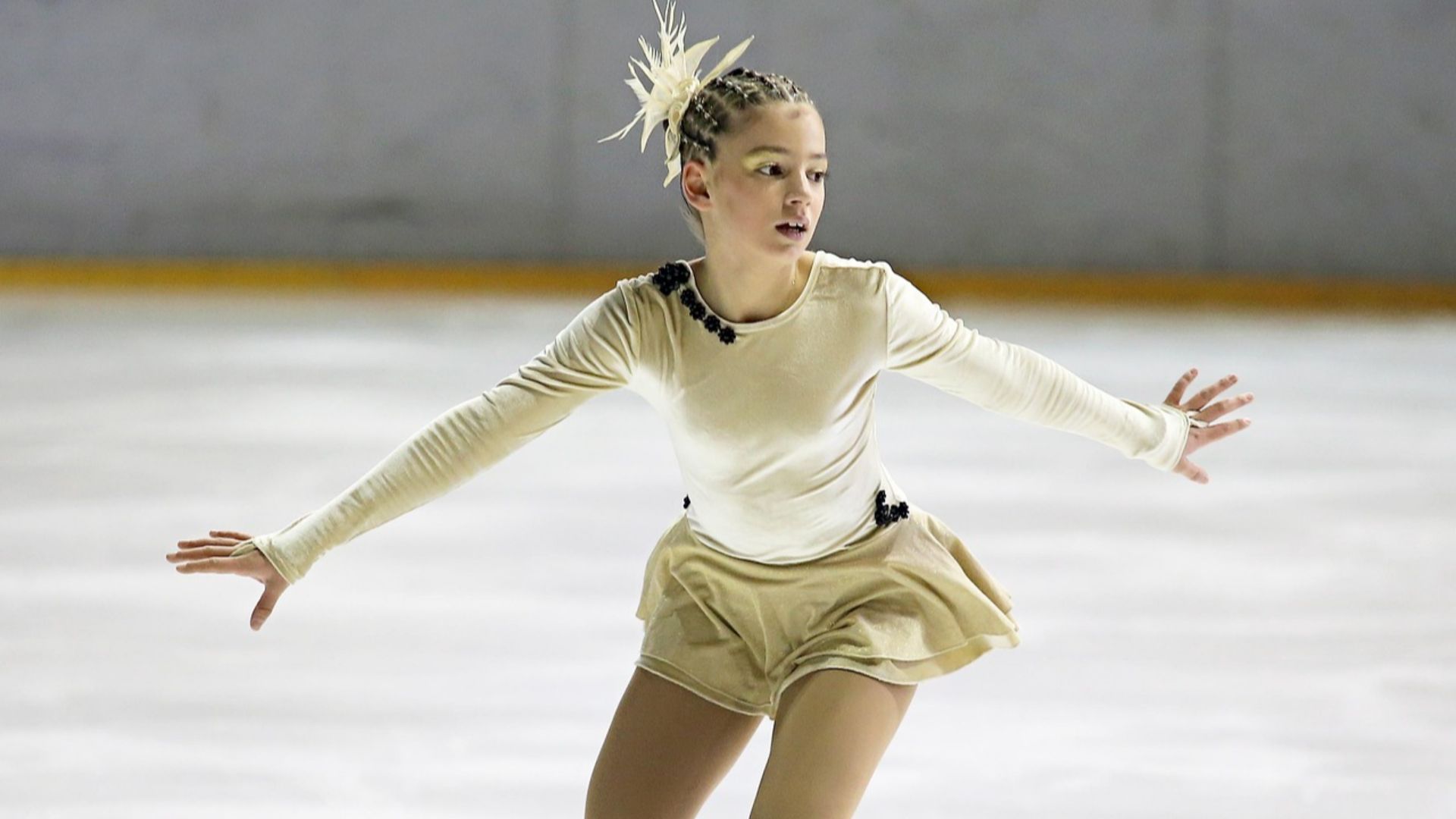
Competition in elite sports can sharpen focus when it’s framed properly. Many coaches push athletes to beat their personal best rather than obsess over rivals. You can apply that by encouraging your child to improve their own performance instead of constantly comparing them to classmates or siblings.

9. Invest In Team Culture
Even in individual sports like gymnastics or swimming, athletes rely on teammates and support staff. Olympic programs often emphasize trust, communication, and shared standards.

10. Think Long Term
Olympic development cycles can stretch across four years or more. Coaches plan carefully so athletes peak at the right time instead of burning out early. Parenting also requires patience because maturity doesn’t happen overnight. When you focus on long-term character and skills, short-term frustrations become easier to handle.
1. Win At All Costs
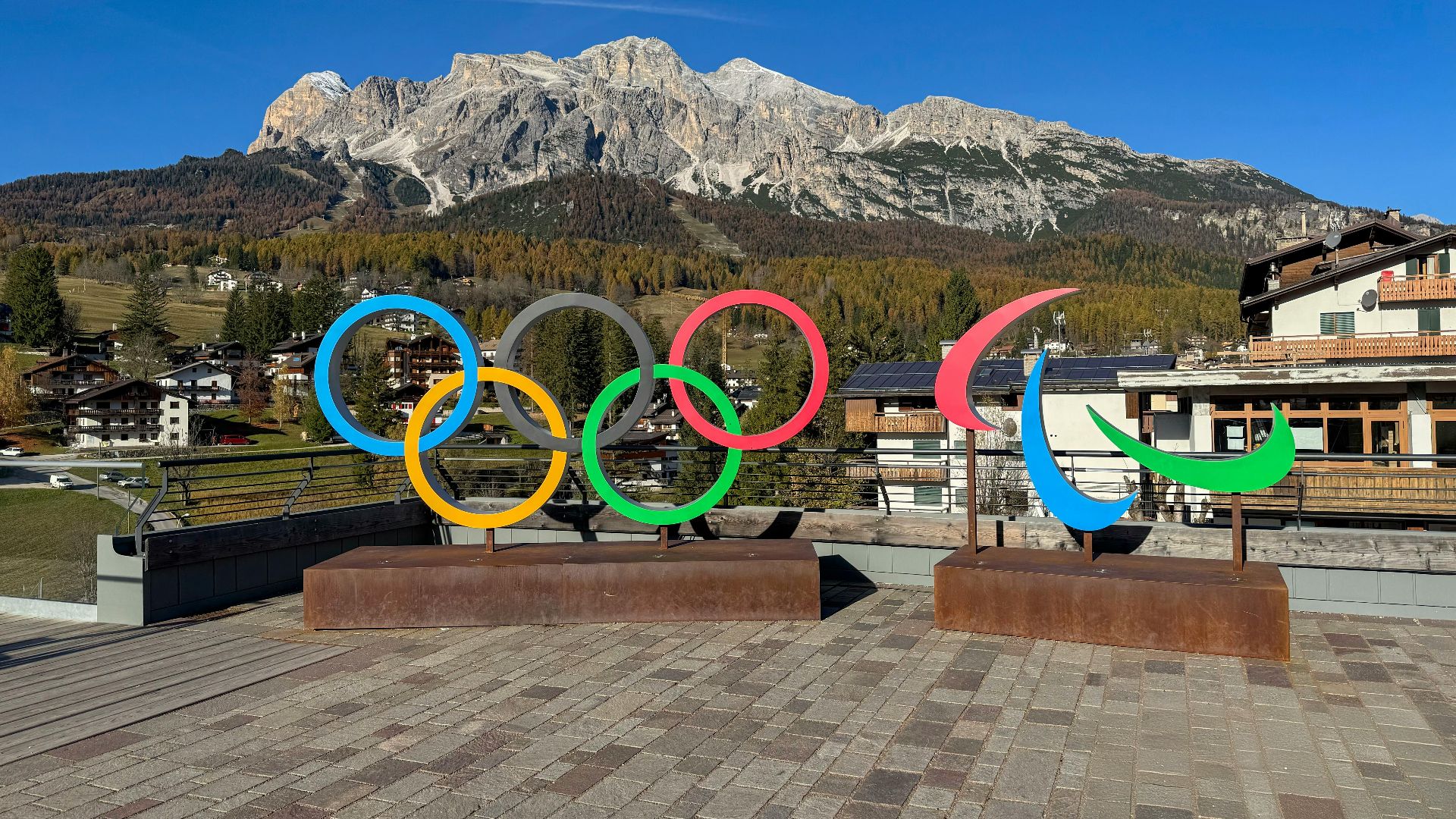
Elite competition sometimes rewards a medals-first mentality, but history has shown how damaging that can be. Scandals involving unethical coaching practices and performance-enhancing drugs reveal the dark side of obsessive winning.
2. Specialize As Early As Possible
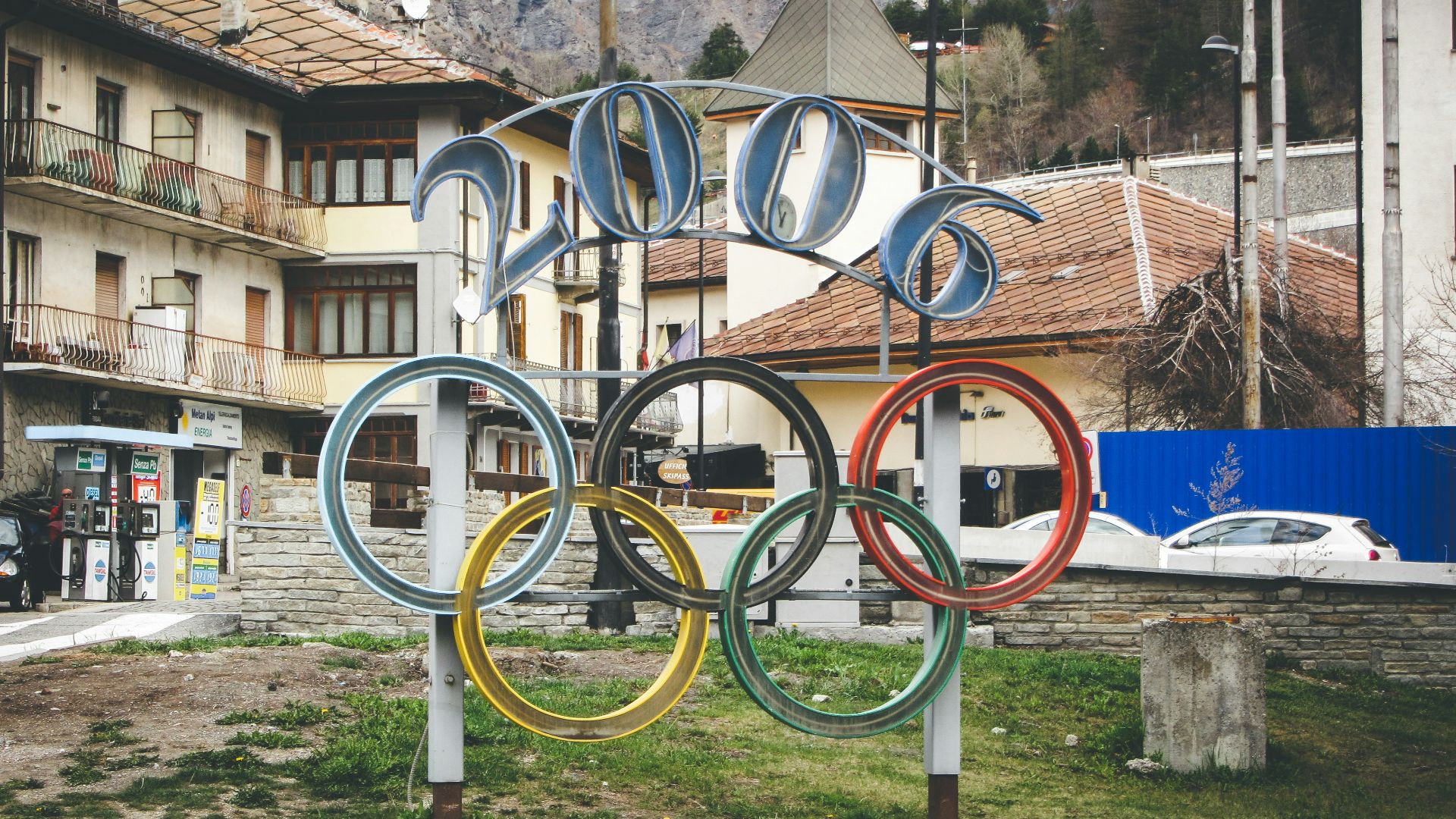
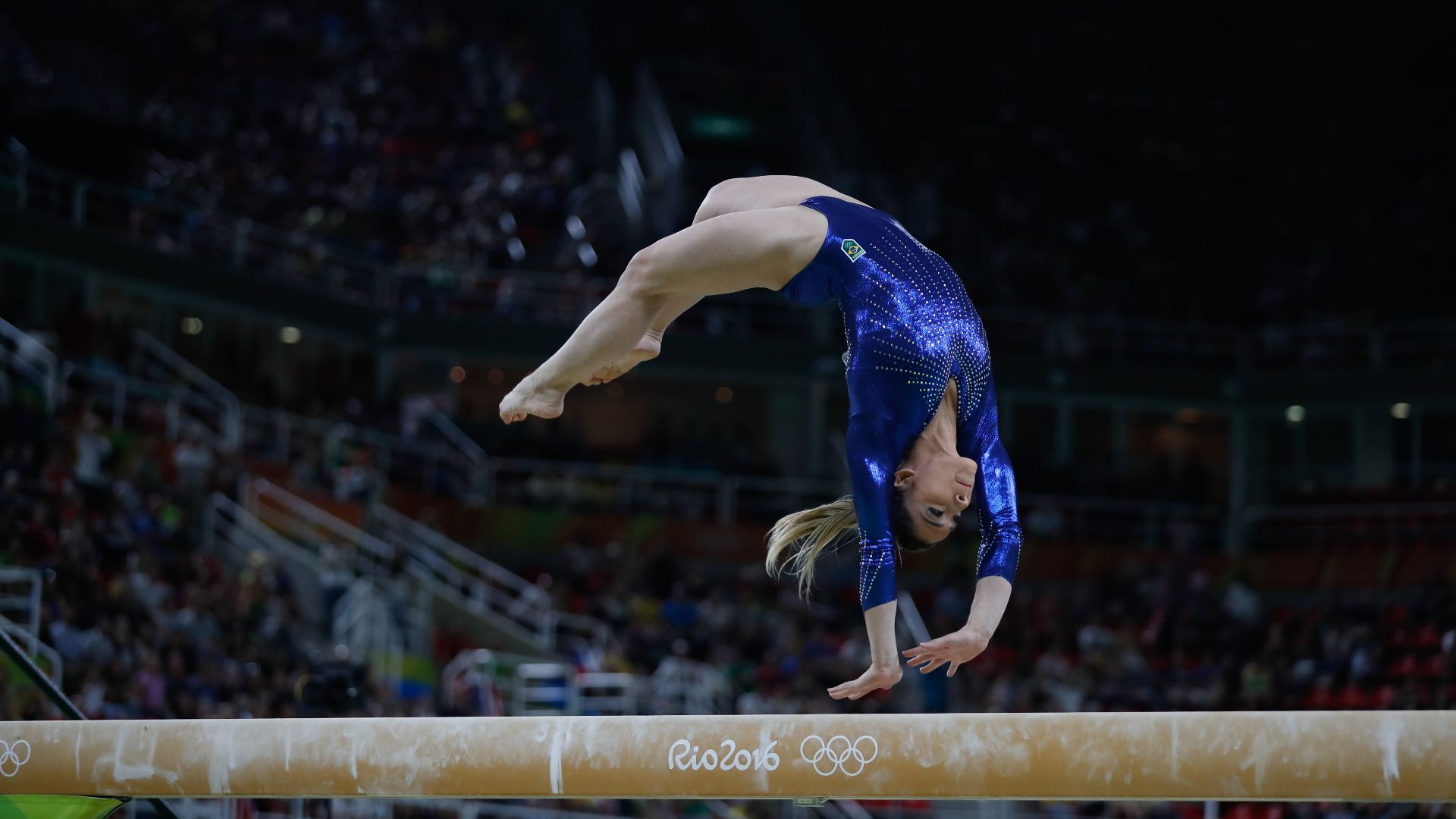
While some Olympians began training young, research in youth sports development suggests that early specialization can increase burnout and overuse injuries. Many experts recommend diversified activities during childhood to build broader skills.
 Fernando Frazão/Agência Brasil on Wikimedia
3. Train For Hours Every Day
Olympic athletes often train multiple hours daily because it’s their profession. Children balancing school, friendships, and growth need space to breathe.

4. Tough It Out No Matter What
High-performance environments sometimes glorify pushing through pain. Responsible coaches, however, pull athletes from competition to prevent long-term injury. You shouldn’t encourage your child to ignore emotional or physical warning signs.
5. Publicly Call Out Mistakes
Some outdated coaching styles relied on public criticism to motivate athletes. Modern psychology shows that humiliation can damage confidence and trust. Correcting your child privately and respectfully builds growth without embarrassment. Motivation rooted in safety lasts longer.
6. Treat Every Hobby Like A Career
Olympians sacrifice enormous amounts of time and energy for their sport. That intensity makes sense at the highest level, but it’s unnecessary for a weekend soccer league or school band. If every activity feels like an audition, joy disappears quickly.
7. Compare Them To The Best In The World
Highlight reels of teenage prodigies can distort expectations. Olympic athletes typically represent rare combinations of talent, access, and years of specialized training. Comparing your child to global elites sets an unrealistic bar. It’s healthier to measure progress against their own past efforts.
 Unknown authorUnknown author on Wikimedia
8. Analyze Every Performance In Detail
Elite teams often break down competition footage frame by frame to refine technique. Your child’s spelling bee doesn’t require that level of scrutiny. Offering one or two helpful observations is enough. Sometimes, celebration is more valuable than critique.
9. Outsource All Authority To Experts
Olympic coaches command tremendous authority within their domain. In parenting, outside instructors and mentors can be helpful, but they shouldn’t replace your involvement.
10. Perform For An Audience
Olympians compete under national scrutiny and media attention. Home life shouldn’t feel like a televised event. Kids need a safe environment where they can stumble without judgment. When you remove the spotlight, growth feels a lot less intimidating.
 PublicDomainPictures on Pixabay