Relevant Or Retired
Family values shape our lives in ways that often get overlooked. They're like old jeans—some fit perfectly forever, while others just don't work anymore. Love never fades, but forcing kids into family businesses? That ship has sailed. Times change, people evolve, yet certain principles remain rock-solid through generations. Let's start by looking at some values that stand the test of time.

1. Unconditional Love
While many believe love must be earned through good behavior or achievements, true familial love operates quite differently. Unconditional love means embracing family members completely, without prerequisites. This absolute acceptance helps children feel emotionally secure.
2. Mutual Respect
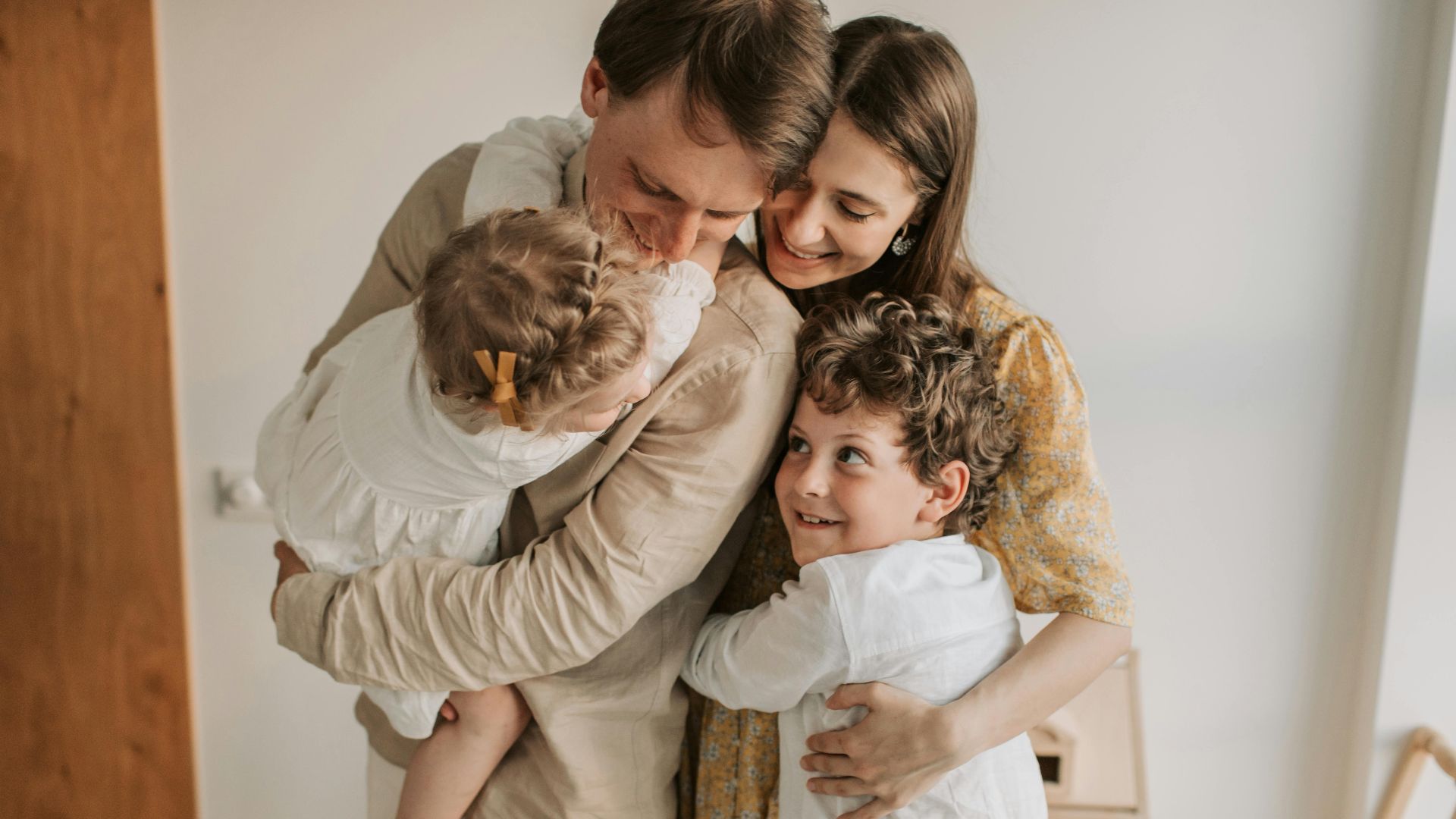
At the heart of every thriving family lies mutual respect, serving as the cornerstone for lasting relationships. When family members value each other's opinions and feelings, it builds an environment where everyone feels genuinely heard. This respectful foundation encourages more honest communication.

3. Trust And Honesty
Just like a sturdy foundation supports a home, trust forms the ground of healthy family relationships. When parents demonstrate reliability and keep their promises, children naturally learn to trust. In return, everyone feels emotionally safe, allowing family bonds to deepen.

4. Responsibility
Creating a stable family environment presents an ongoing challenge, yet two key elements provide the foundation: responsibility through consistent task-sharing and dependable actions, coupled with accountability when mistakes occur. This combination gives rise to a supportive home atmosphere.

5. Patience And Understanding
Family conflicts can quickly spiral into hurt feelings and damaged relationships when tempers flare. But by choosing patience—taking time to truly listen and respond thoughtfully—family members build a foundation of mutual understanding. This calm, empathetic approach helps people feel valued.

6. Loyalty
At its heart, loyalty binds families through unwavering support in both triumph and tribulation. This core commitment manifests in daily decisions to prioritize each other's welfare, radiating outward through shared celebrations of success and maintained traditions.

7. Empathy
Empathy, the ability to understand and share family members' feelings, serves as the foundation for deeper emotional connections. This understanding tends to evolve into compassionate actions of kindness and support during challenges, forming an environment of trust and emotional safety.

8. Gratitude
It starts with a simple "thank you"—those two words that can instantly brighten a family member's day. When people feel genuinely appreciated and recognized, they flourish, leading to stronger family relationships and elevated morale. This ripple of gratitude is beyond beautiful.
9. Forgiveness
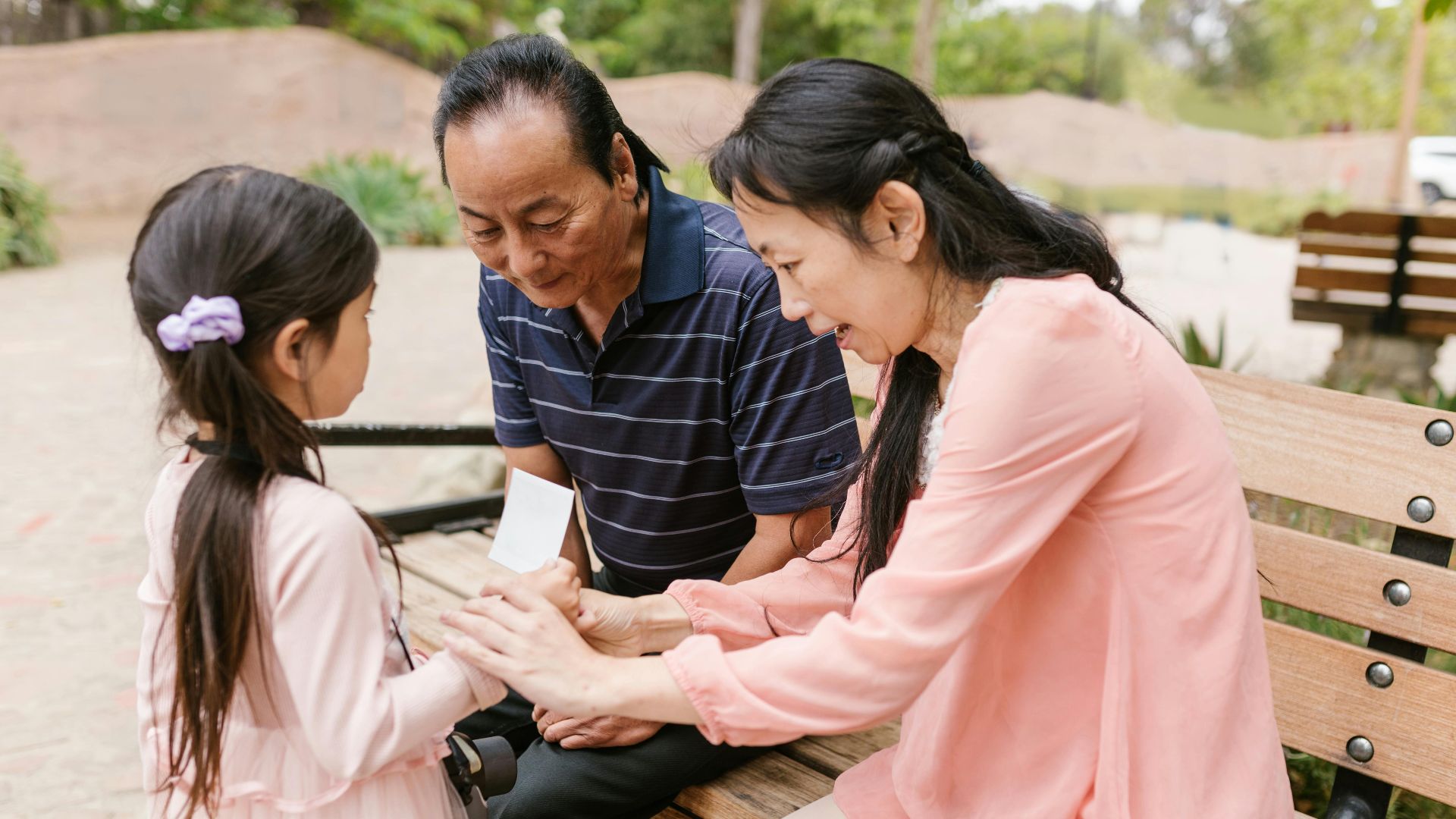
When family wounds run deep, the healing power of forgiveness acts as a gentle balm, allowing loved ones to mend together. By extending grace and understanding through second chances, families craft a nurturing space where relationships can flourish anew, growing stronger through their commitment to moving past mistakes.

10. Perseverance Through Hardship
Like warriors facing a formidable challenge, families who confront hardships emerge changed through their collective perseverance. The journey through difficult times forges deeper bonds between family members, as they support one another and build resilience together.

The following practices are more like those avocado-green appliances from the 70s—once standard, now replaced.
1. Blind Obedience To Elders
The practice of unquestioned obedience to elders once formed the bedrock of family hierarchies, with children expected to comply regardless of their personal views. This dynamic has steadily changed as younger generations advocate for more authentic relationships, replacing rigid authority structures.

2. Gender-Defined Household Roles
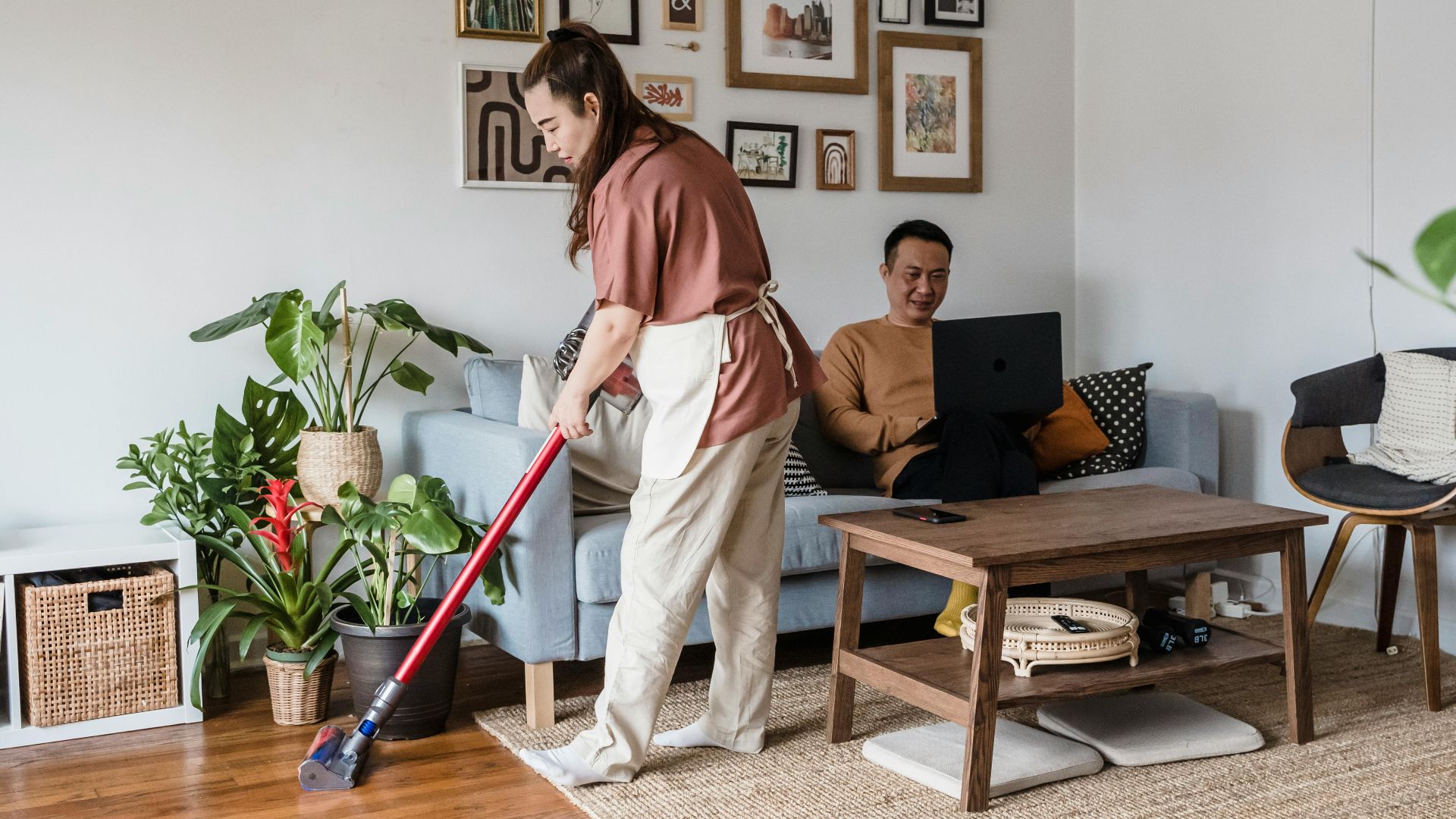
While shared household responsibilities have largely replaced the old breadwinner-homemaker divide, the "tradwife" movement is pushing back, advocating for traditional gender roles. This cultural tug-of-war played out in shows like Murphy Brown, which boldly featured working single mothers.
3. Suppressing Emotional Expression
In past generations, families often adhered to the belief that emotional restraint maintained domestic harmony, actively discouraging the open expression of feelings. This suppressive approach, while intended to preserve order, has given way to contemporary wisdom that recognizes emotional transparency as fundamental.

4. Prioritizing Family Reputation Over Well-Being
Yes, protecting the family's public image seemed like a noble priority in traditional households, but this focus on reputation came at a steep personal cost. Families would sweep serious problems under the rug, sacrificing individual well-being for appearances.

5. Shaming Divorce
Forcing unhappy couples to stay together once seemed like the "healthy" choice, with divorce carrying a crushing stigma of family failure. But a wellness revolution reshaped these attitudes, as society recognized that individual well-being actually strengthens family bonds.

6. Male Financial Dominance
The rise of dual-income households has proven remarkably beneficial for family financial resilience, marking a stark departure from traditional expectations where men bore sole responsibility as breadwinners. This shift away from male financial dominance reflects broader workforce evolution.

7. Forcing Children Into Family Careers
Today's youth increasingly forge career paths guided by personal passion and individual aspirations, marking a decisive shift from earlier times. Previous generations operated under strict familial expectations, with children routinely pushed into inherited professions and family businesses regardless of their interests.

8. Ignoring Mental Health Issues
Sadly, mental illness used to live in the shadows of family life, with relatives defaulting to silence and minimization rather than acknowledgment. This generational pattern of treating psychological struggles as private matters only deepened stigma and isolation.

9. Treating Discipline As Punishment
What does discipline really mean? While past generations defined it through punishment and strict control—think "spare the rod, spoil the child” modern families have completely redefined the concept. Today's discipline means positive guidance and understanding of children's needs.

10. Marrying Within Social Class
For generations, families exerted intense pressure on their members to marry within rigid social and racial boundaries, seeking to preserve status and tradition through carefully controlled unions. Thankfully, these constraining expectations have given way to greater freedom.