Sweet Names Families Use
Every family has its own vocabulary that nobody else quite understands. The names we give mothers and grandmothers aren't random—they come from baby babble, old traditions, or just what feels right when you say it out loud. Some families stick with what their parents used, while others invent something completely new that becomes their own little tradition, passed down and treasured. Let’s explore these family favorites—starting with alternatives for “mom.”
1. Mama
Babies naturally make the "ma" sound before they can say much else, which explains why Mama shows up in nearly every language on earth. It feels warmer than Mom somehow, maybe because it takes a little longer to say.
2. Mommy
Little kids cling to Mommy when they're scared, tired, or just want attention. Most children eventually drop it as they get older and want to seem more grown-up. That shift usually happens somewhere around elementary school.
3. Ma
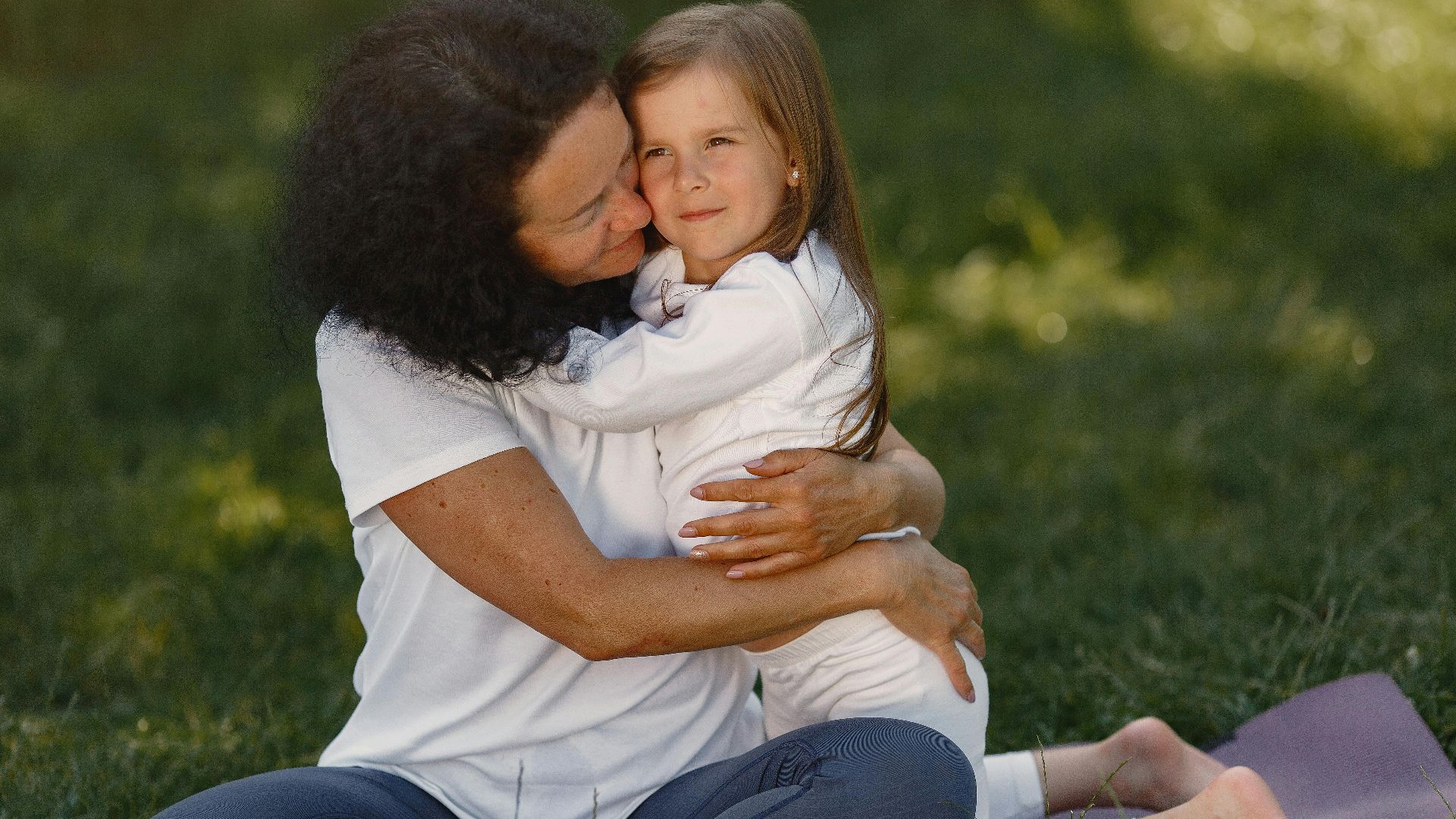
Ma gets straight to the point without any fuss. It showed up a lot in working-class and rural American families where people didn't waste words. There's something honest about it—no sugarcoating, just a simple name that says exactly what it needs to and nothing more.
4. Mimi
Most Mimis got their name from a toddler who couldn't quite say something else and landed on this instead. Kids love repeating sounds, which makes Mimi easy and fun to say. It feels special because it usually starts within one family rather than being handed down from grandparents or borrowed from friends.
5. Amma
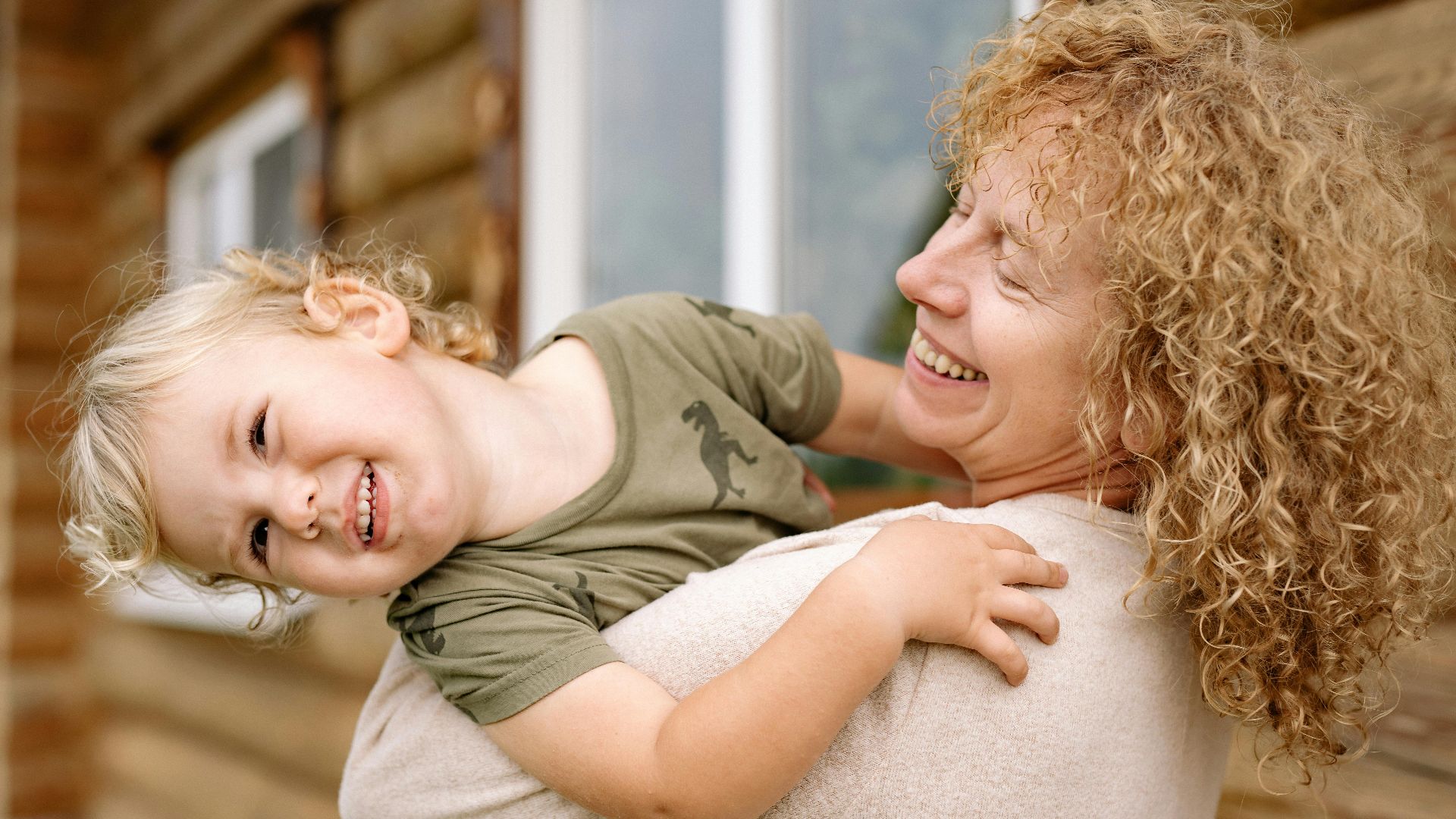
South Asian families brought Amma to America, and it's stuck around in households trying to keep their heritage alive. Using it helps children grow up connected to their culture, even when everything around them is entirely American.
6. Momma Bear
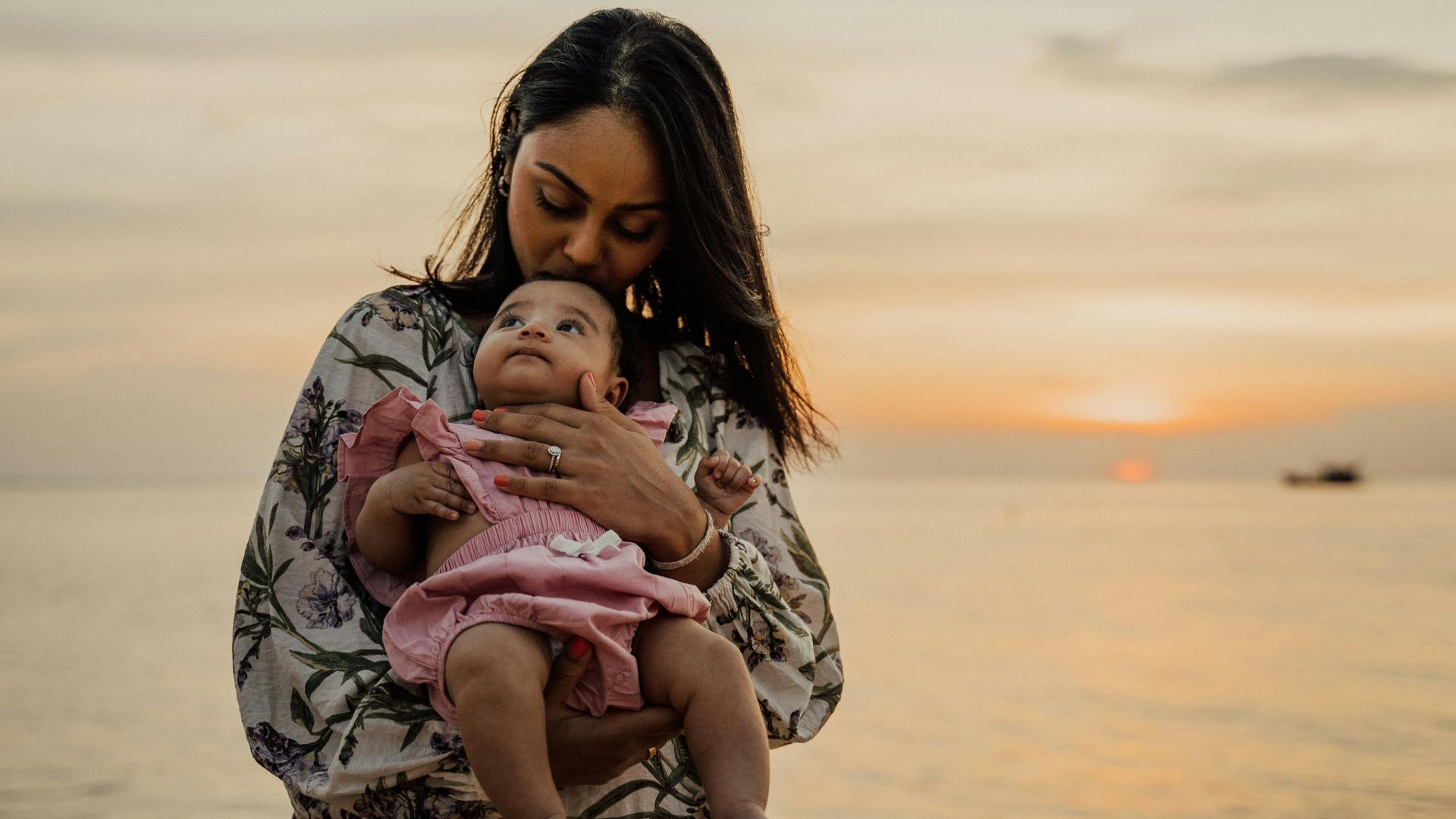
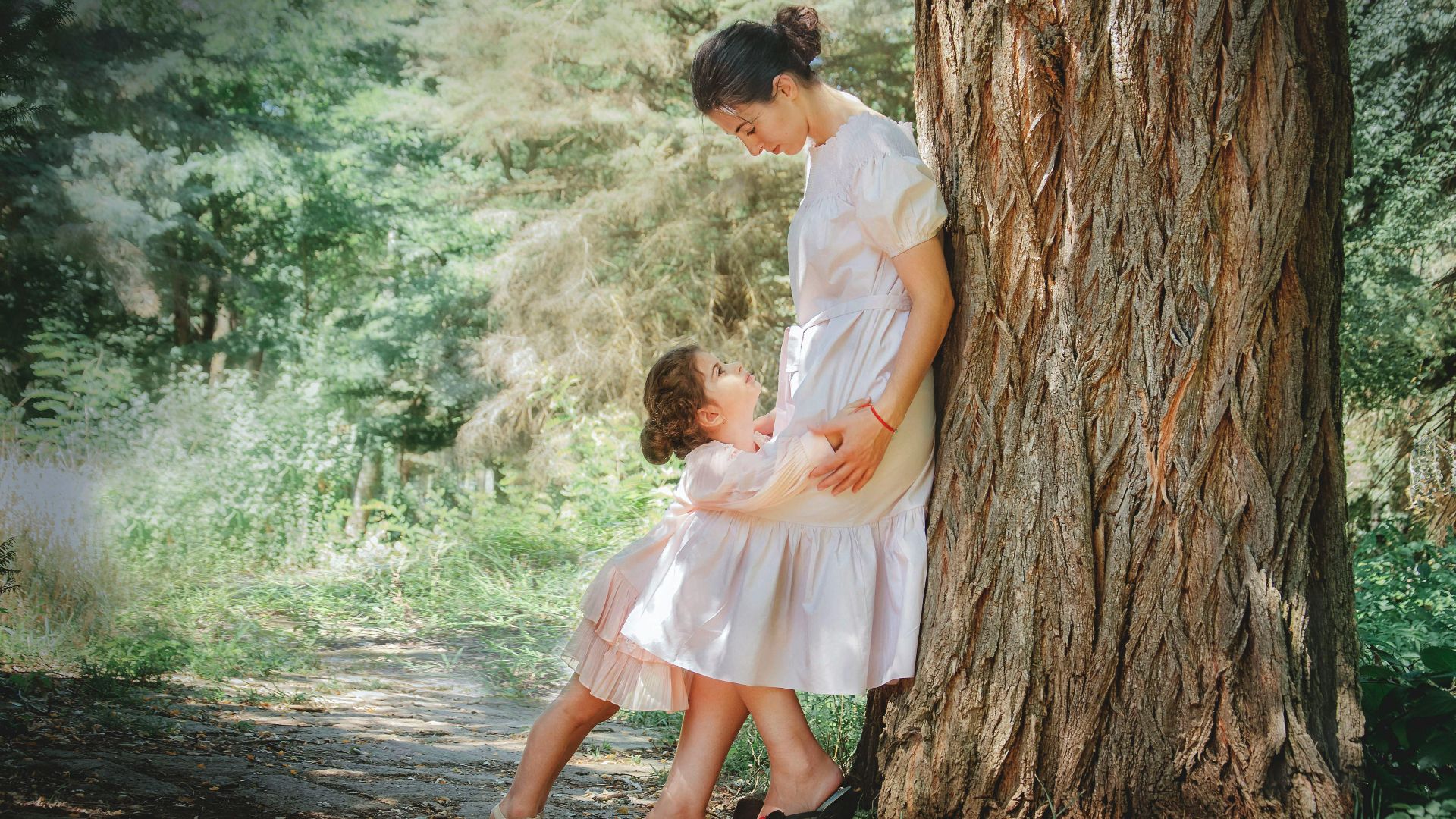
This one comes with a built-in personality—protective, fierce, and loving all at once. Families use it half-jokingly to acknowledge when Mom goes into full defense mode. It's affectionate without being sappy, and it works because everyone knows exactly what a mama bear does when her cubs need protecting.
7. Mammy
Mammy used to be common in certain parts of America, especially in older generations. Some families still use it fondly. The name sits in that tricky space where family tradition meets cultural awareness, requiring thought about what it means beyond your own household.
8. Mãe
Portuguese and Brazilian families in America often stick with Mãe because it keeps their language alive at home. It's short and simple to pronounce once you know how. Speaking Portuguese to Mom—even just one word—helps kids stay bilingual and reminds them where their family came from originally.
9. Momsie
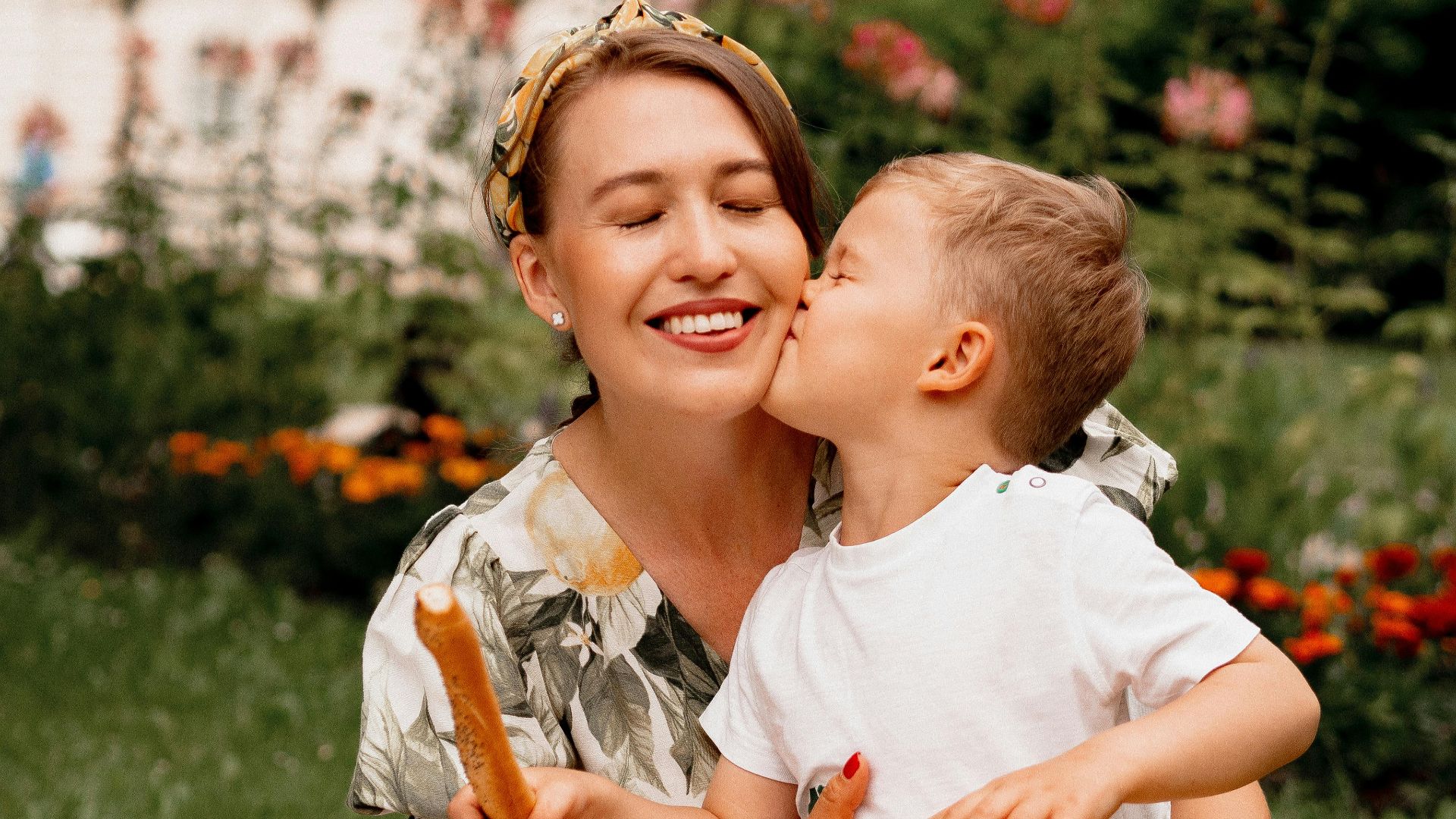
Momsie sounds playful without crossing into baby talk territory. Some families just stumble onto it and decide it fits perfectly. It works well because it's affectionate and casual at the same time, giving families their own unique name.
10. Ma'am
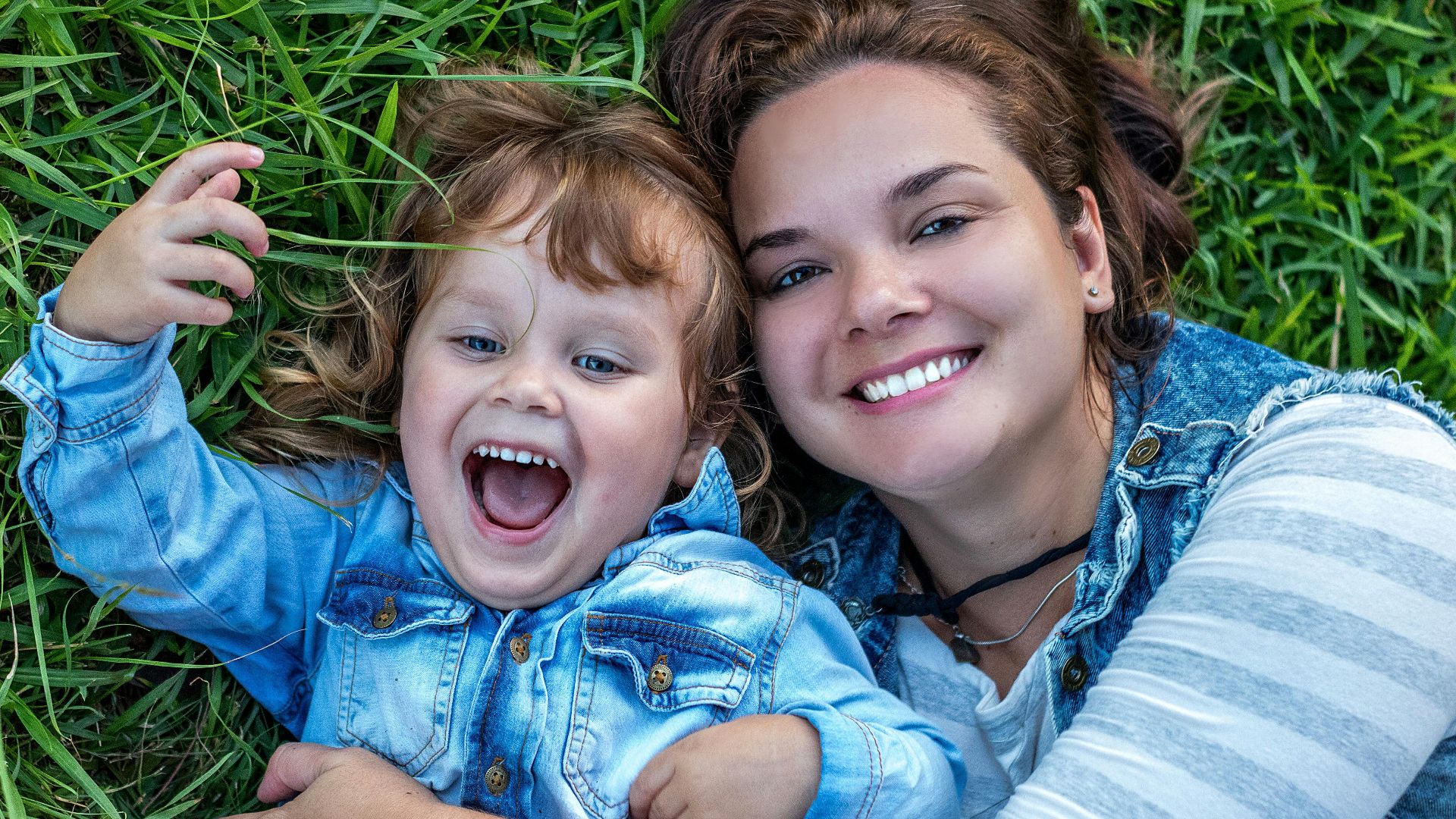
In some families, especially Southern ones, calling your mother Ma'am mixes respect with affection in a way that feels natural. It's often used with a smile, not as formal politeness but as something closer to an inside joke. The word manages to show respect while staying warm and familiar.
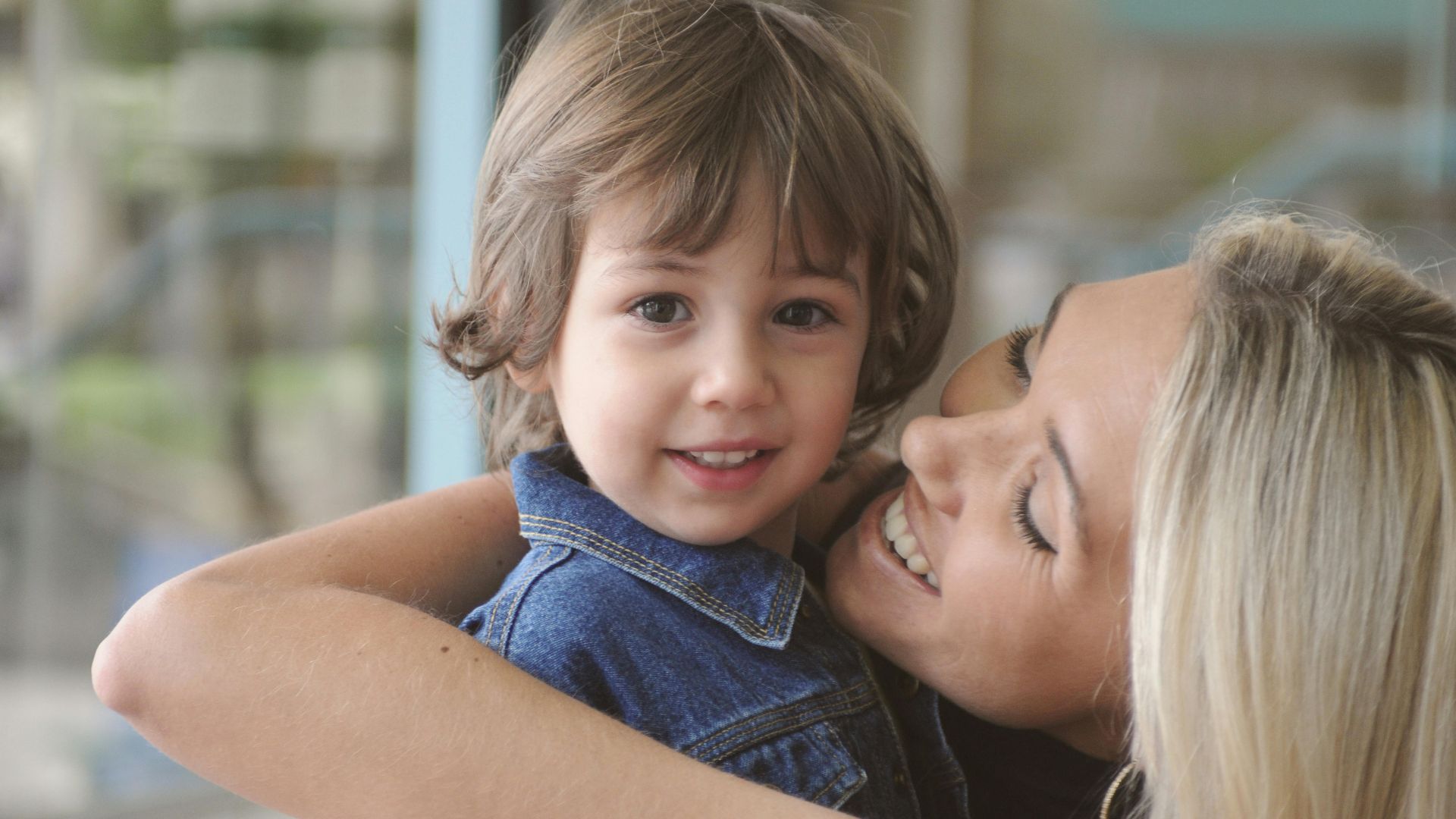
Mom names grow out of everyday life, but grandmother names carry a deeper history and tradition. These are the names families use for the women who hold it all together.
1. Gran
Gran feels modern and easy, which is probably why it's caught on with families who want something simple. Kids can say it clearly without struggling, and it doesn't sound old-fashioned or stuffy. It strikes a nice balance between showing respect and keeping things casual.
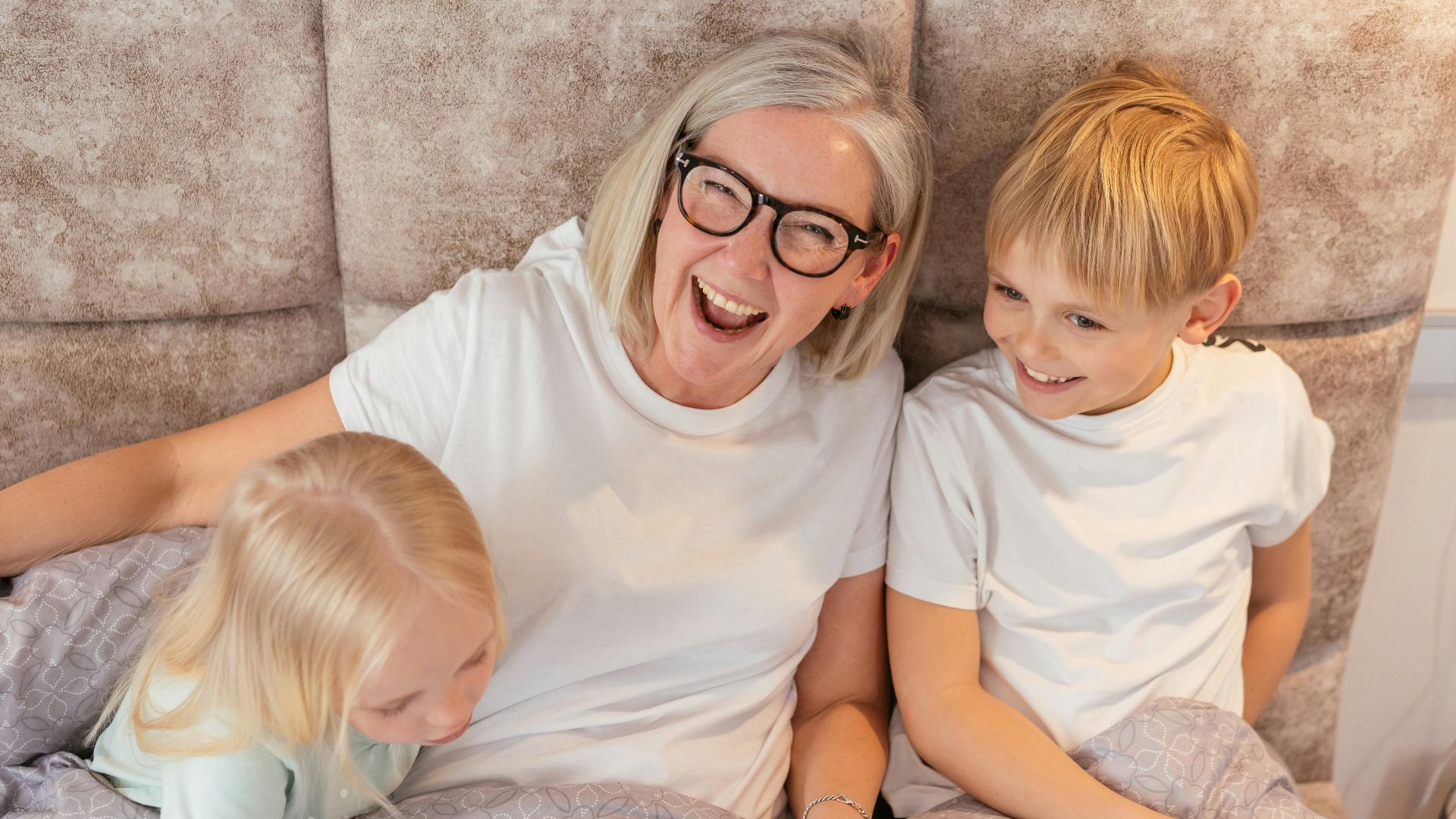
2. Nana
Walk into any American preschool, and you'll hear kids talking about their Nanas. The word just rolls off the tongue naturally, even for toddlers just learning to speak. Adults like it too because it never goes out of style.
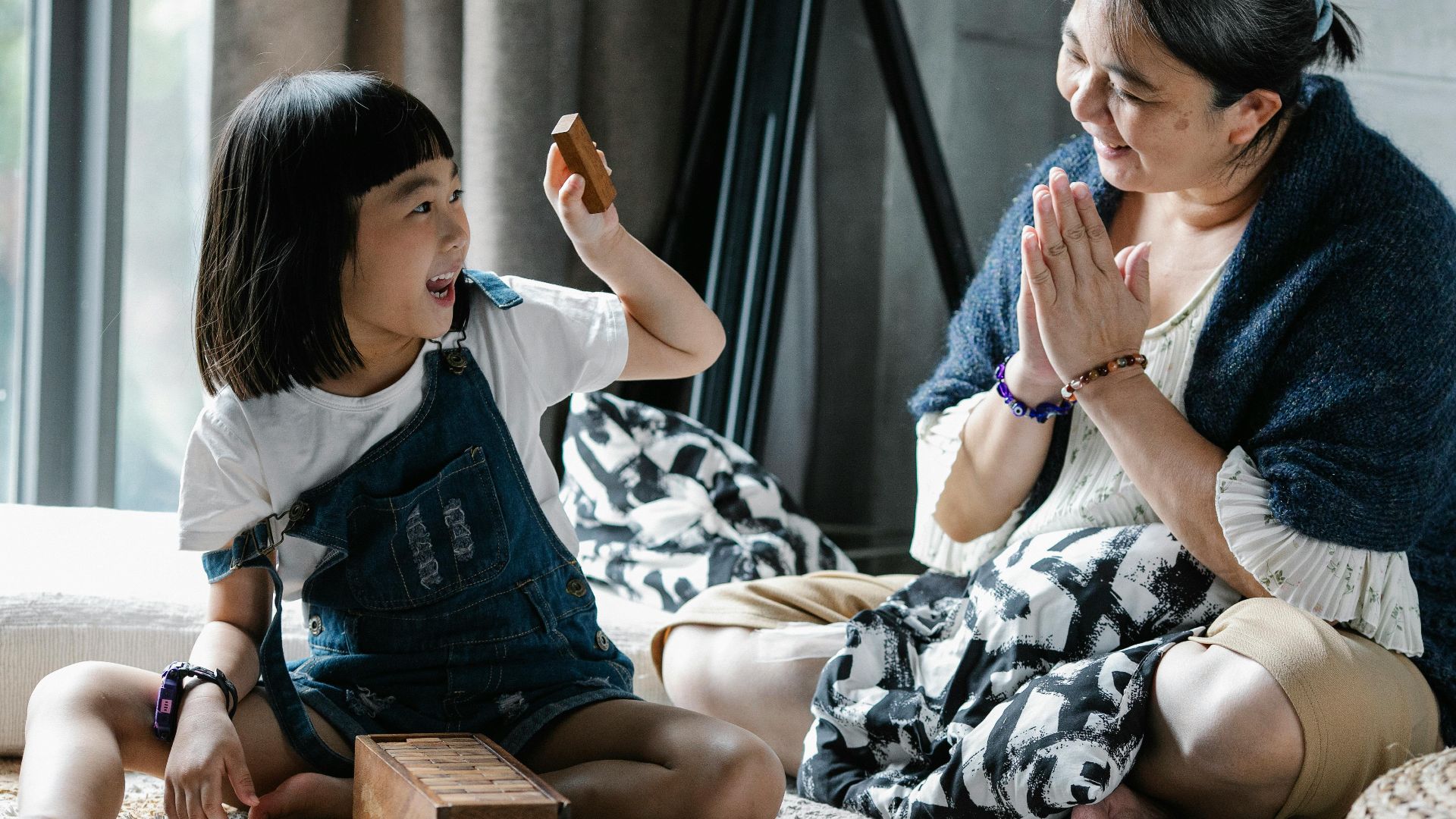
3. Nonna
Italian families treasure their Nonnas, and the name has spread beyond Italian-Americans because it sounds so warm. There's something about the double N that makes it feel like a hug. Even families with no Italian roots sometimes choose it simply because they love how it sounds.
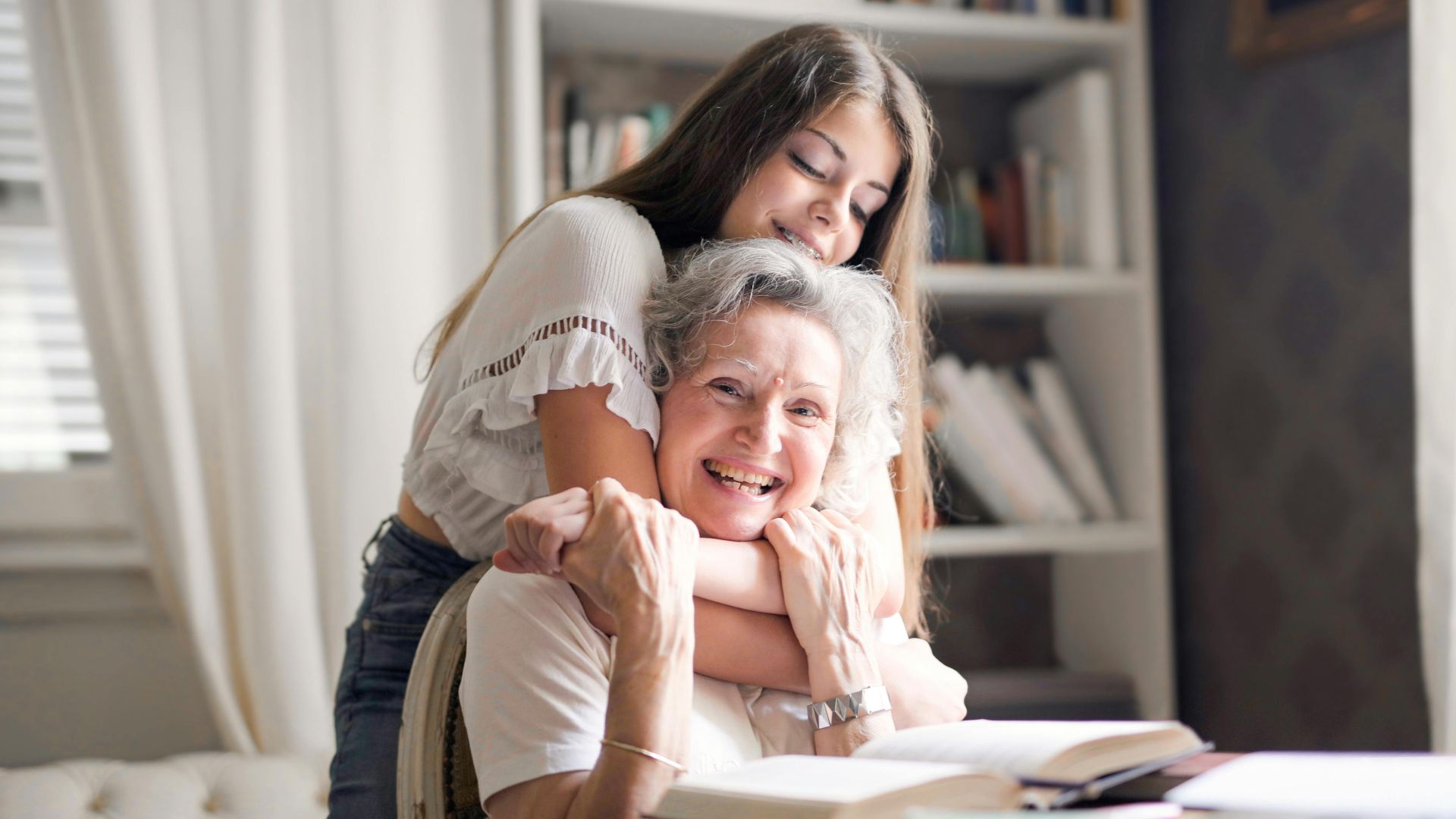
4. Grammy
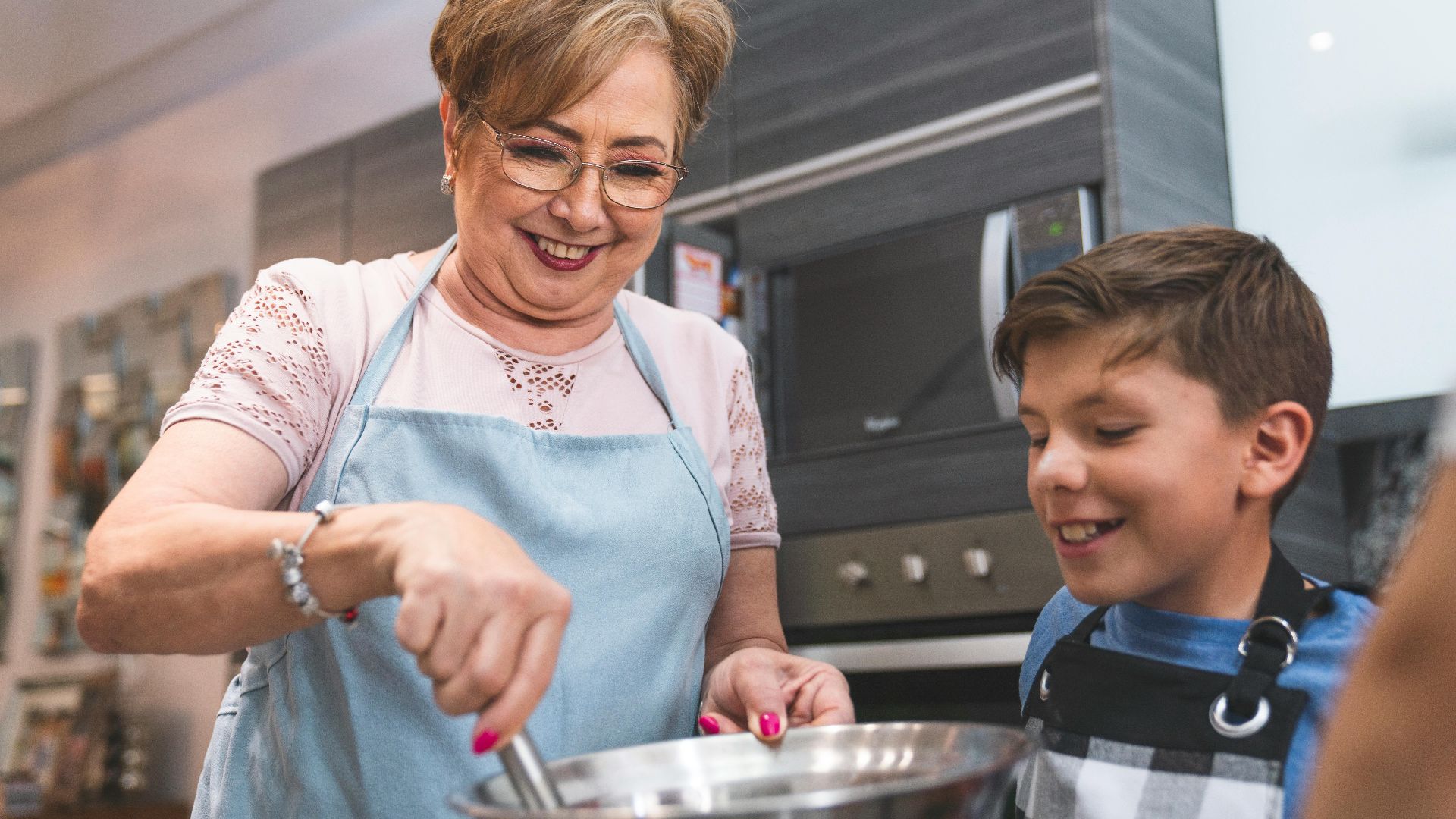
Grammy feels friendly and approachable, like the kind of grandmother who always has cookies ready. It’s casual enough that kids use it comfortably, but it isn’t disrespectful. Many families land on Grammy naturally because toddlers find it easy to say.
5. Gigi
Younger grandmothers who aren't ready for traditional grandma names often pick Gigi. It sounds modern and fun, almost like a nickname a friend would have. The name lets grandmothers show their personality instead of being defined by age.

6. Oma
German families brought Oma to America, and it's become more common as people celebrate their heritage. Kids can pronounce it easily, which helps when they're little. Using Oma instead of Grandma keeps cultural traditions alive and gives children a connection to their family's history that goes back generations and across oceans.
7. Abuela
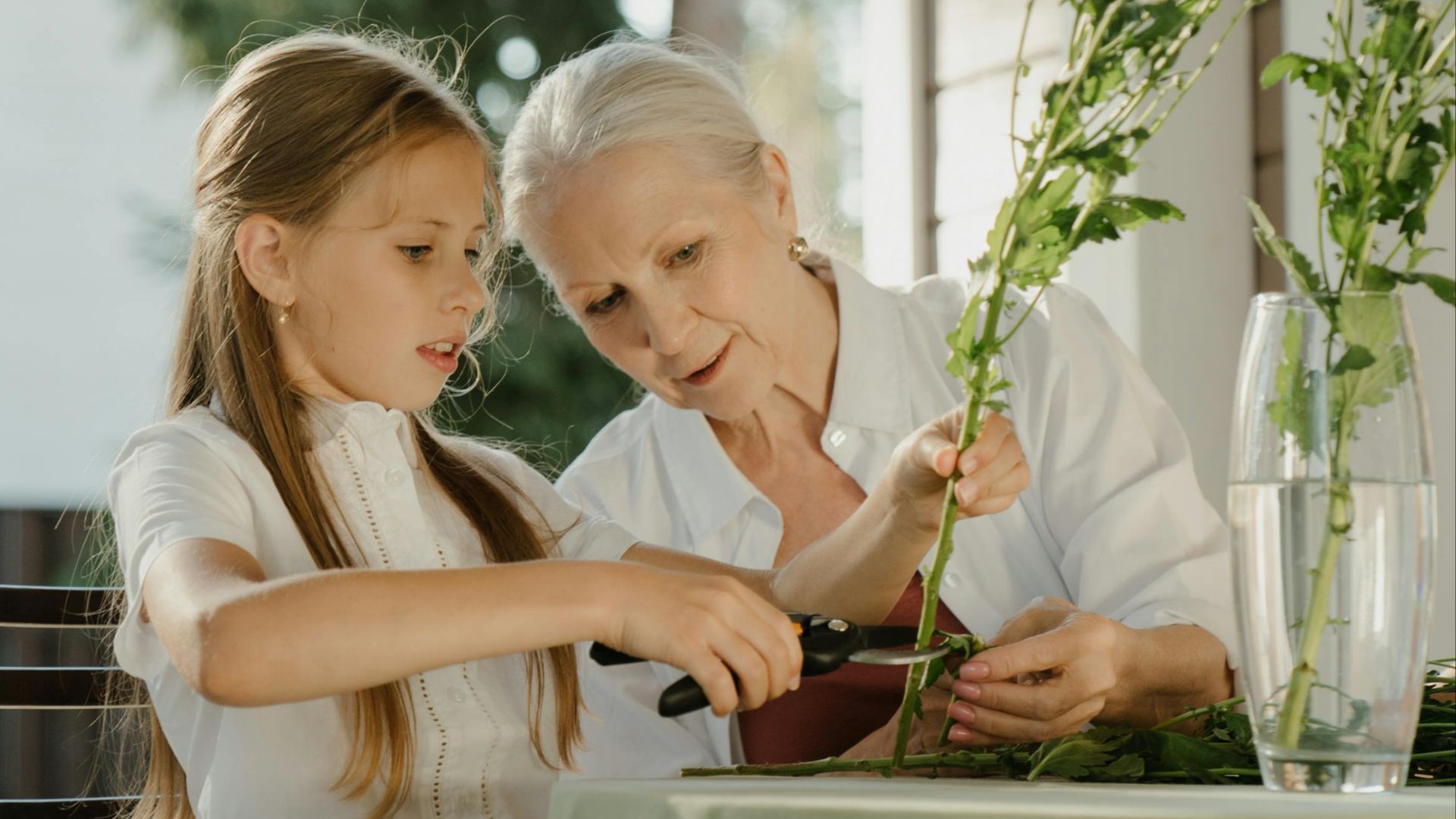
Many Spanish-speaking families keep saying Abuela even when they're speaking English the rest of the time. The word carries respect and love in a way that feels important to preserve. It helps children stay connected to Spanish and reminds them that their family identity includes language, culture, and traditions worth holding onto.
8. Mawmaw
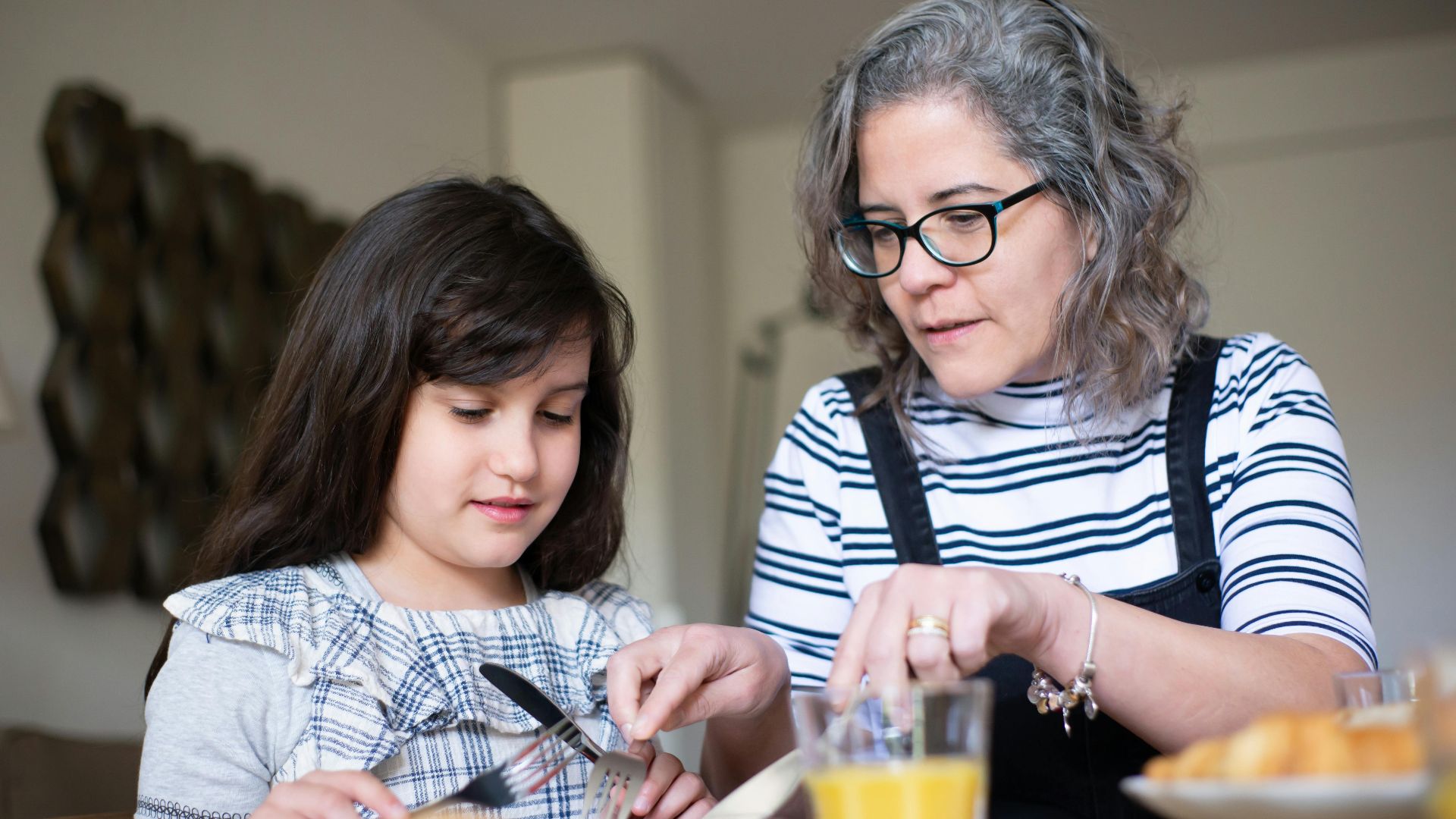
Travel through the South and Appalachia, and you'll meet plenty of Mawmaws. The name gets passed down through generations because families value continuity and tradition. Using the same name your parents and grandparents used creates a thread connecting everyone, a reminder that you're part of something bigger than just your immediate household.
9. Bubby
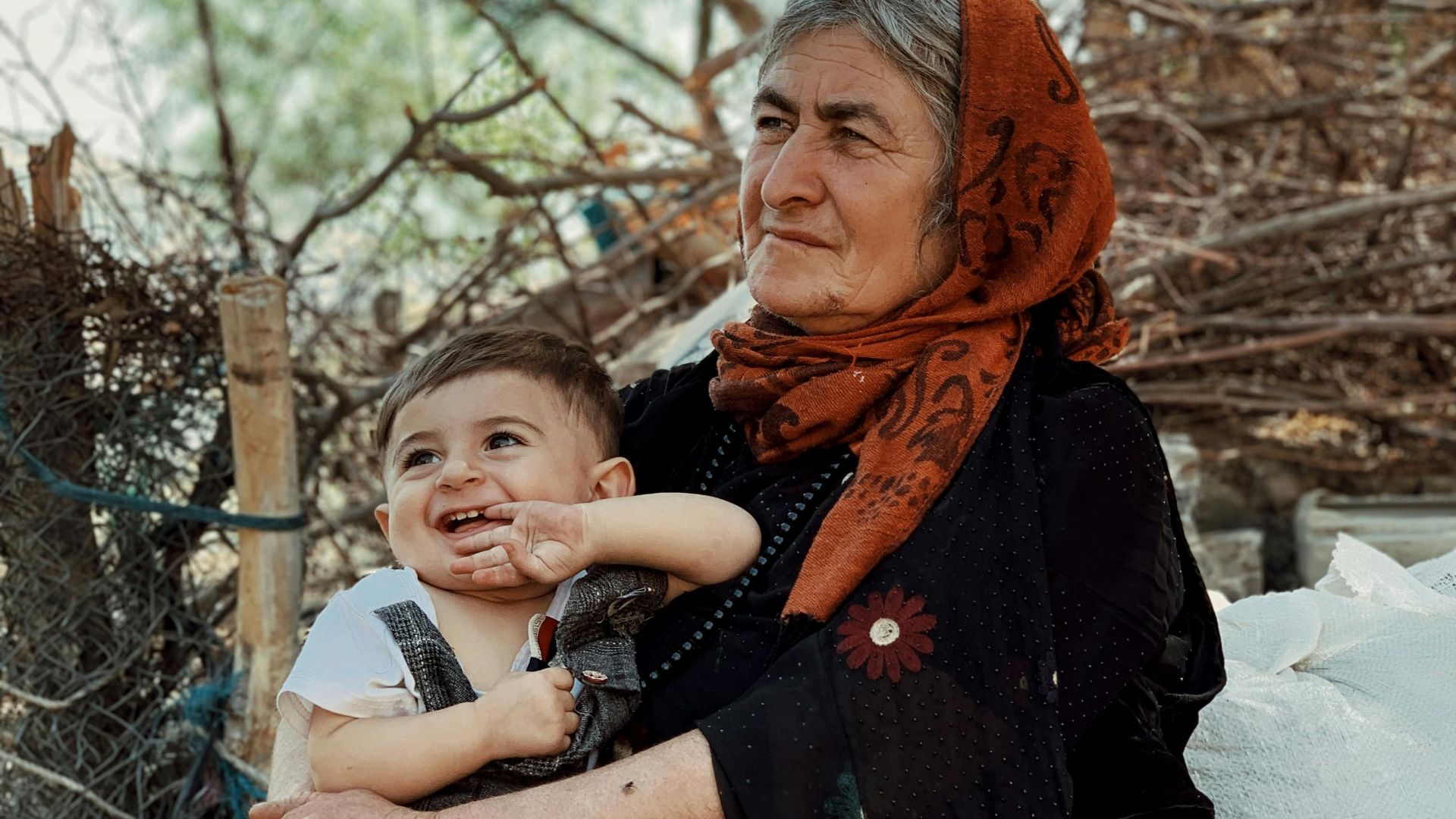
Jewish American families have been using Bubby for generations, and it remains beloved for good reason. The word feels cozy and familiar, like coming home. It connects children to Yiddish and Jewish culture, giving them a linguistic tie to their heritage that means something beyond just having a cute name for Grandma.

10. Lola
Filipino families treat their Lolas with deep respect and affection. The name reflects cultural values about honoring elders and maintaining family bonds. Children who grow up calling their grandmother Lola learn from an early age that their Filipino identity matters, and that heritage deserves to be celebrated and preserved with pride.