Setting Up A Registry That Actually Excites You
Building a wedding registry can feel exciting, but it also comes with pressure to choose items you’ll genuinely use. While it’s tempting to add trendy or expensive pieces, a thoughtful balance of practicality and longevity will serve you better. You want gifts that fit your lifestyle, not items that collect dust. Knowing what to skip and what to prioritize can make your registry more useful for both you and your guests. Here are 10 items you should avoid adding to your wedding registry and 10 must-haves.

1. Single-Use Kitchen Gadgets
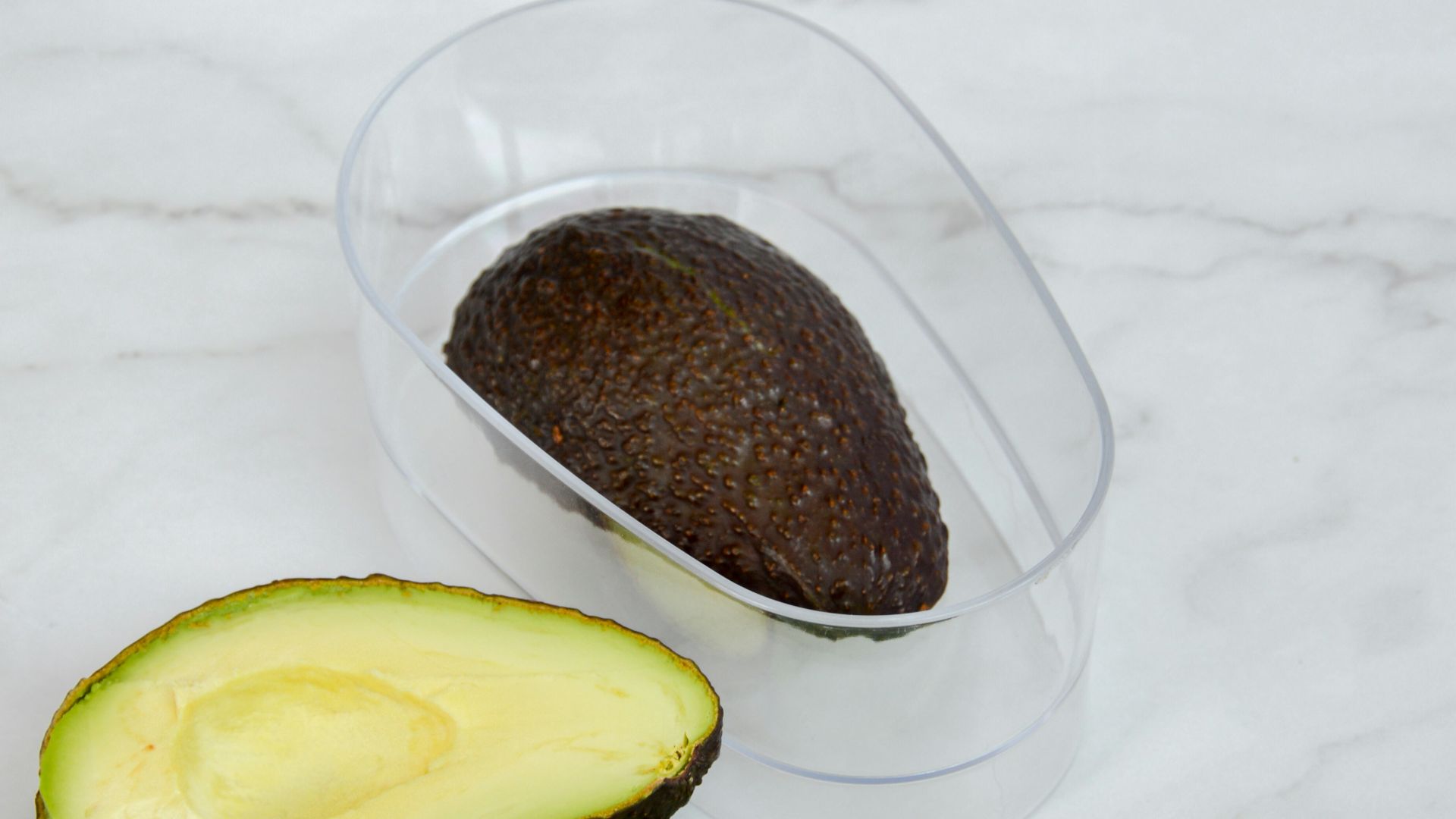
It’s easy to get drawn in by niche kitchen tools, but many only serve one purpose and take up valuable space. Items like avocado slicers or banana holders often end up unused after the novelty wears off. You’re better off focusing on versatile tools that can handle multiple tasks. Guests also tend to prefer buying gifts they know you’ll use regularly.
2. Fine China Sets
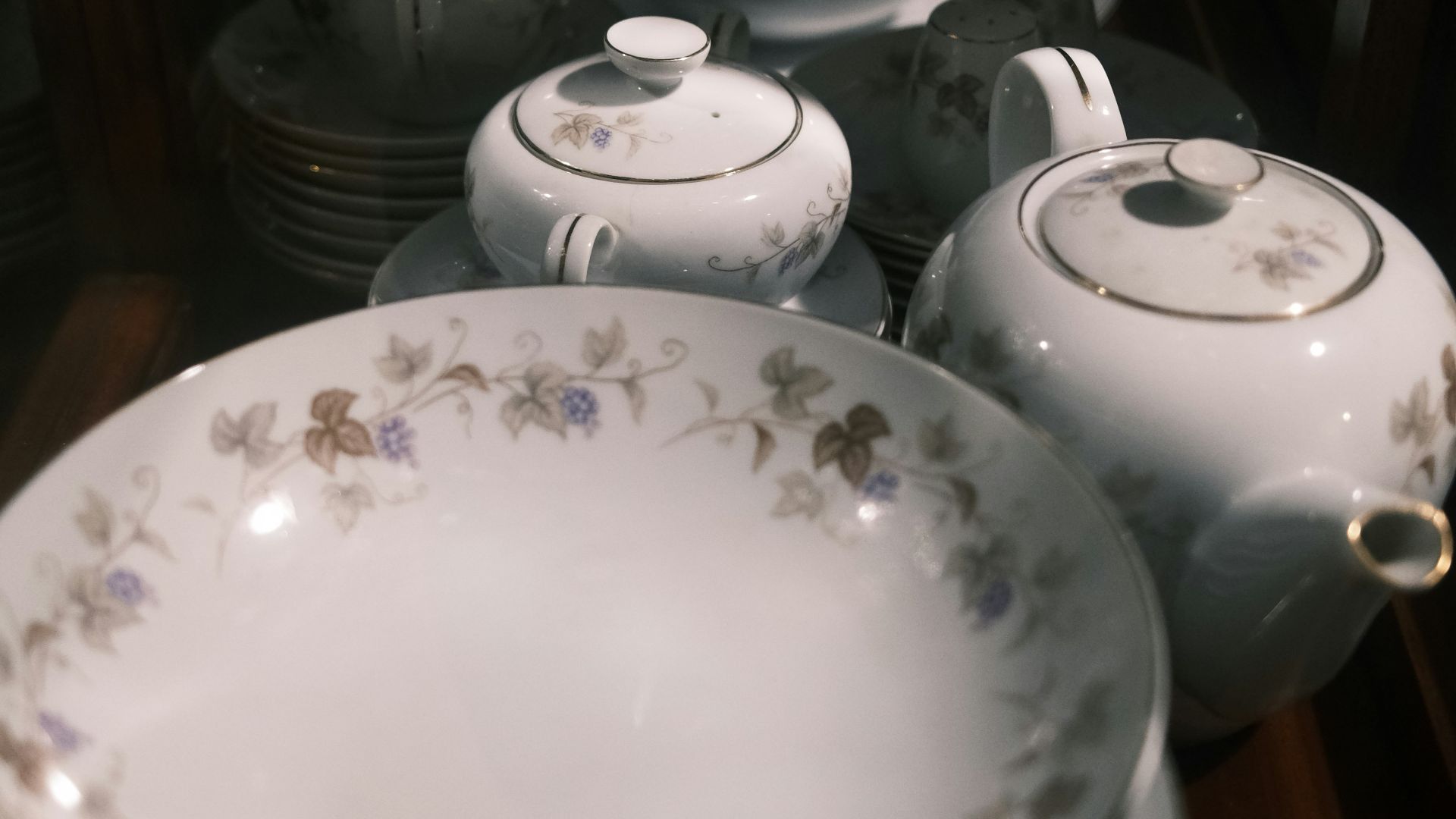
Formal dinnerware might seem traditional, but many couples rarely use it in modern households. These sets can be expensive, fragile, and require careful storage and maintenance. If you don’t host formal dinners often, it may not justify the cost. Everyday durable dishware is usually a more practical choice.
3. Oversized Furniture
Large items like couches or dining tables aren’t ideal registry picks for most situations. They can be difficult to ship, coordinate, or return if needed. Guests may also feel uncomfortable contributing to such expensive purchases. It’s better to handle major furniture decisions independently.

4. Trendy Decor Pieces
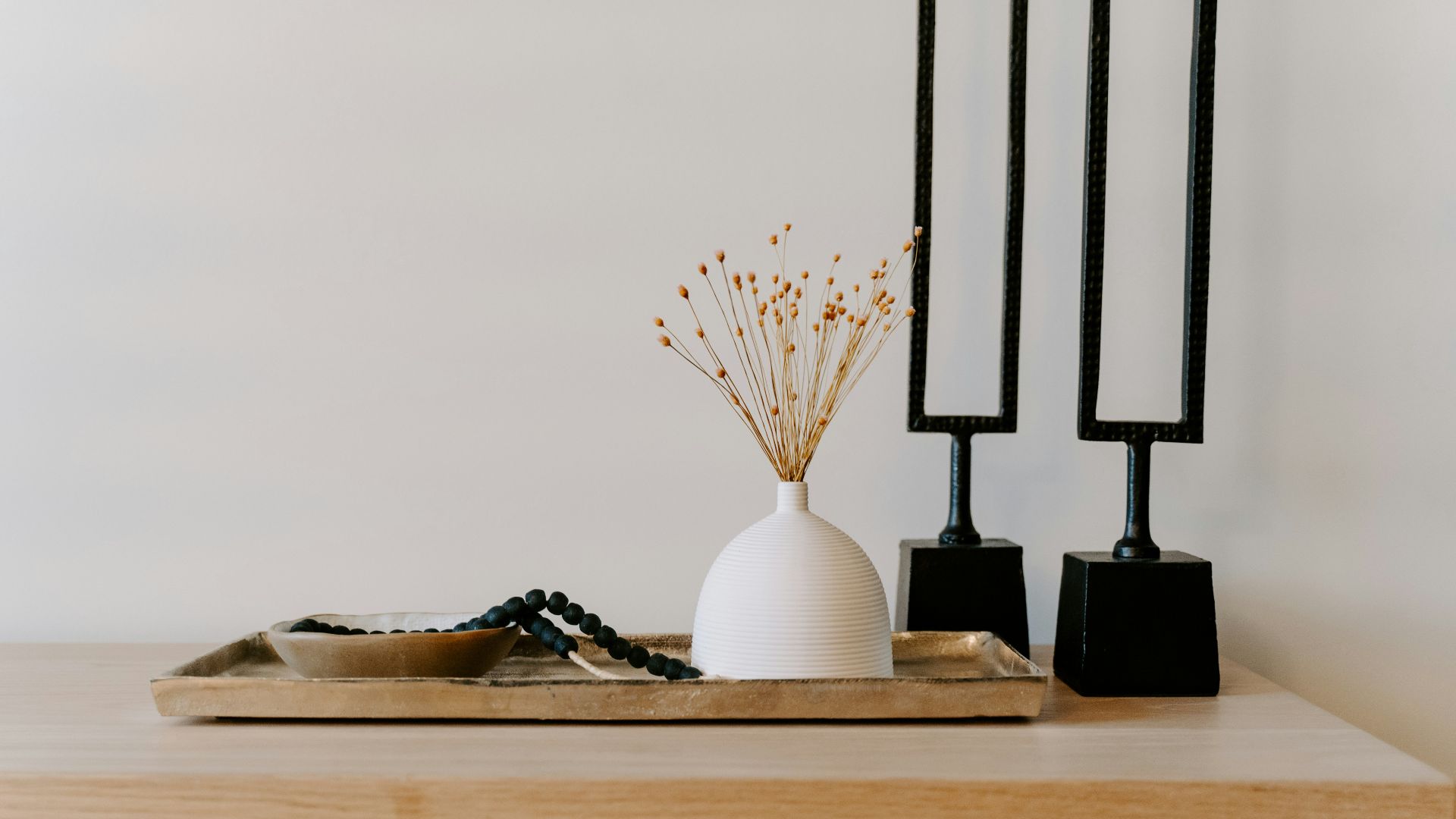
Home decor trends change quickly, and what feels stylish now may not age well. Decorative items can also be highly personal, making it harder for guests to choose correctly. You don’t want to feel stuck with something that no longer fits your taste. Keeping decor off the registry gives you more flexibility later.
5. Excessive Glassware Sets
While having a few quality glasses is useful, registering for multiple specialized sets can be unnecessary. Wine, champagne, whiskey, and cocktail glasses add up quickly and take up cabinet space. Many couples find they only use a couple of types regularly. A simple, versatile set often covers most needs.
 Natalia Nikolaieva on Unsplash
6. High-End Appliances You Won’t Use
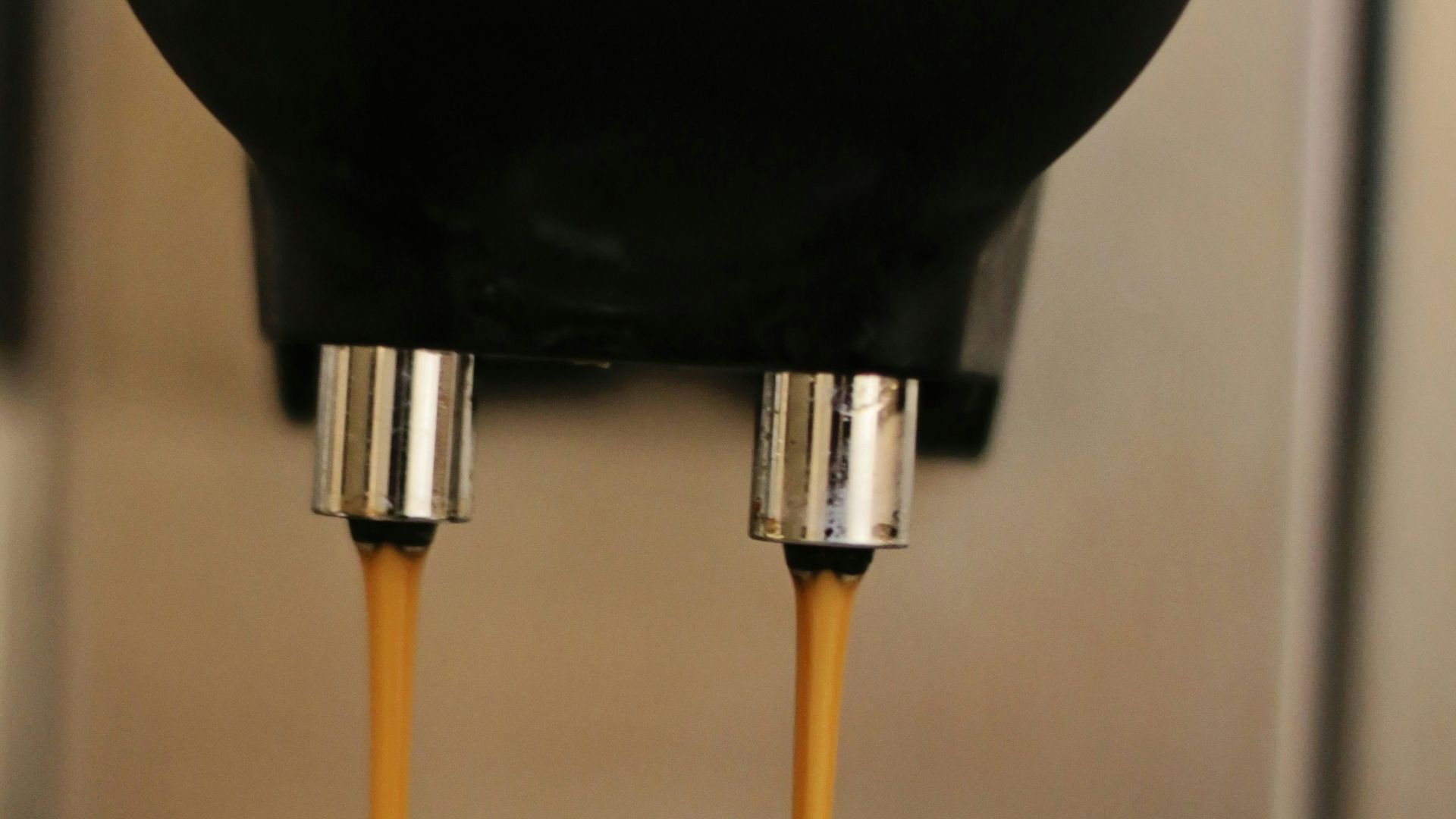
Expensive appliances like pasta makers or espresso machines may sound appealing, but often go unused. These items require time, maintenance, and commitment to justify their value. If you’re not already using something similar, it’s unlikely you’ll start. It’s smarter to prioritize items that fit your current habits.
7. Duplicate Basics
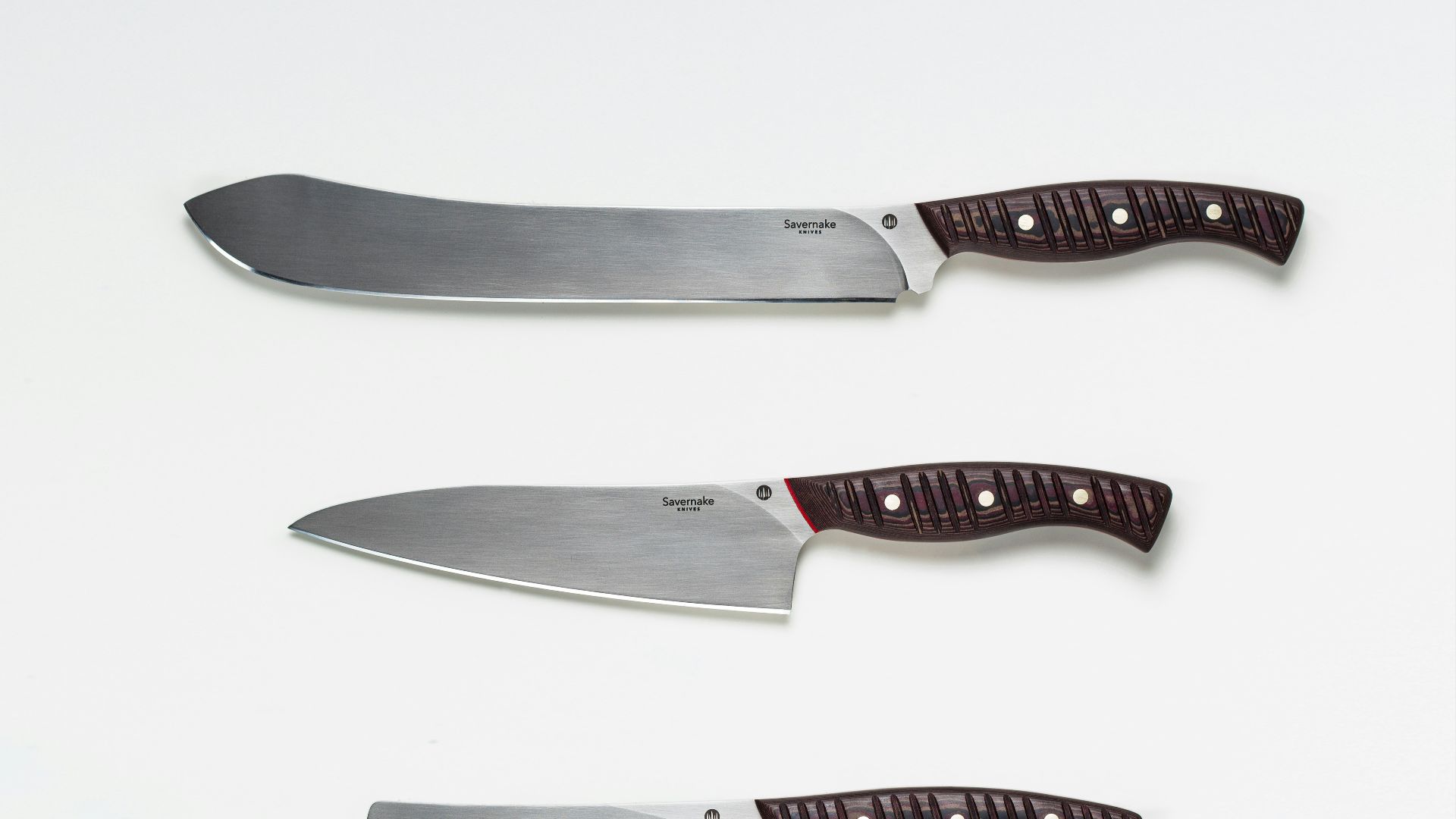
Registering for too many of the same type of item can lead to clutter. For example, having several sets of mixing bowls or multiple knife collections isn’t necessary. Most households function well with a carefully chosen set of essentials. Thoughtful selection prevents wasted space and redundancy.
8. Seasonal Items
Holiday-specific products, such as themed dishes or decorations, have limited use throughout the year. These items often spend most of their time in storage. They can also become outdated or worn before they’re used frequently. Keeping your registry focused on year-round items is more practical.

9. Low-Quality Bedding
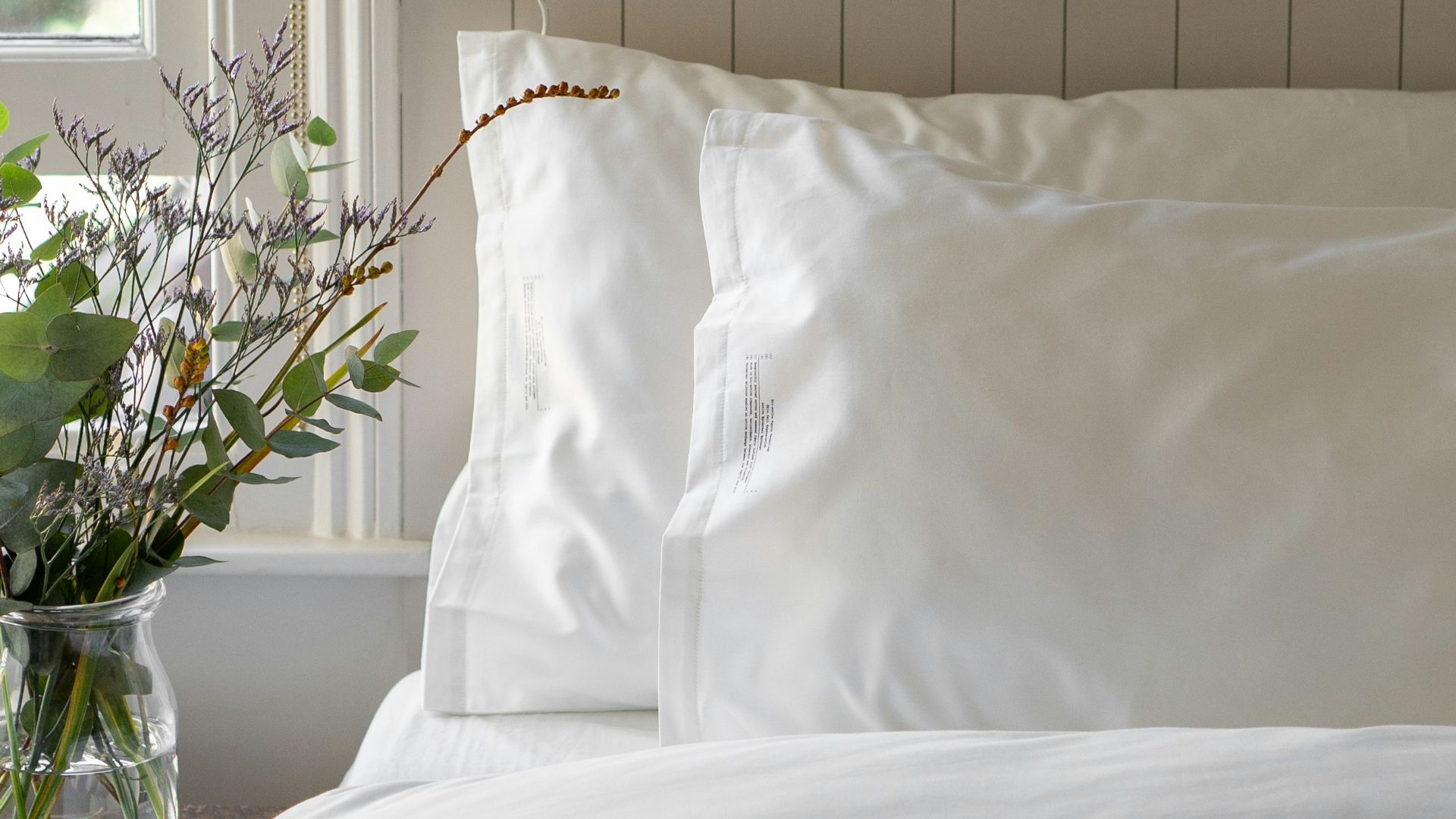
While it may be tempting to add cheaper bedding options to give guests more choices, quality matters here. Low-thread-count sheets or poorly made comforters wear out quickly and affect your sleep. Investing in durable, comfortable bedding is a better long-term decision. Guests often prefer contributing to items with lasting value.
 byMATTER MADE BETTER on Unsplash
10. Items Without Return Flexibility
Some registry items come with strict return policies or none at all. This can create issues if you receive duplicates or if something doesn’t suit your needs. You’ll want the option to exchange or return gifts easily. Choosing retailers with flexible policies helps avoid unnecessary stress.
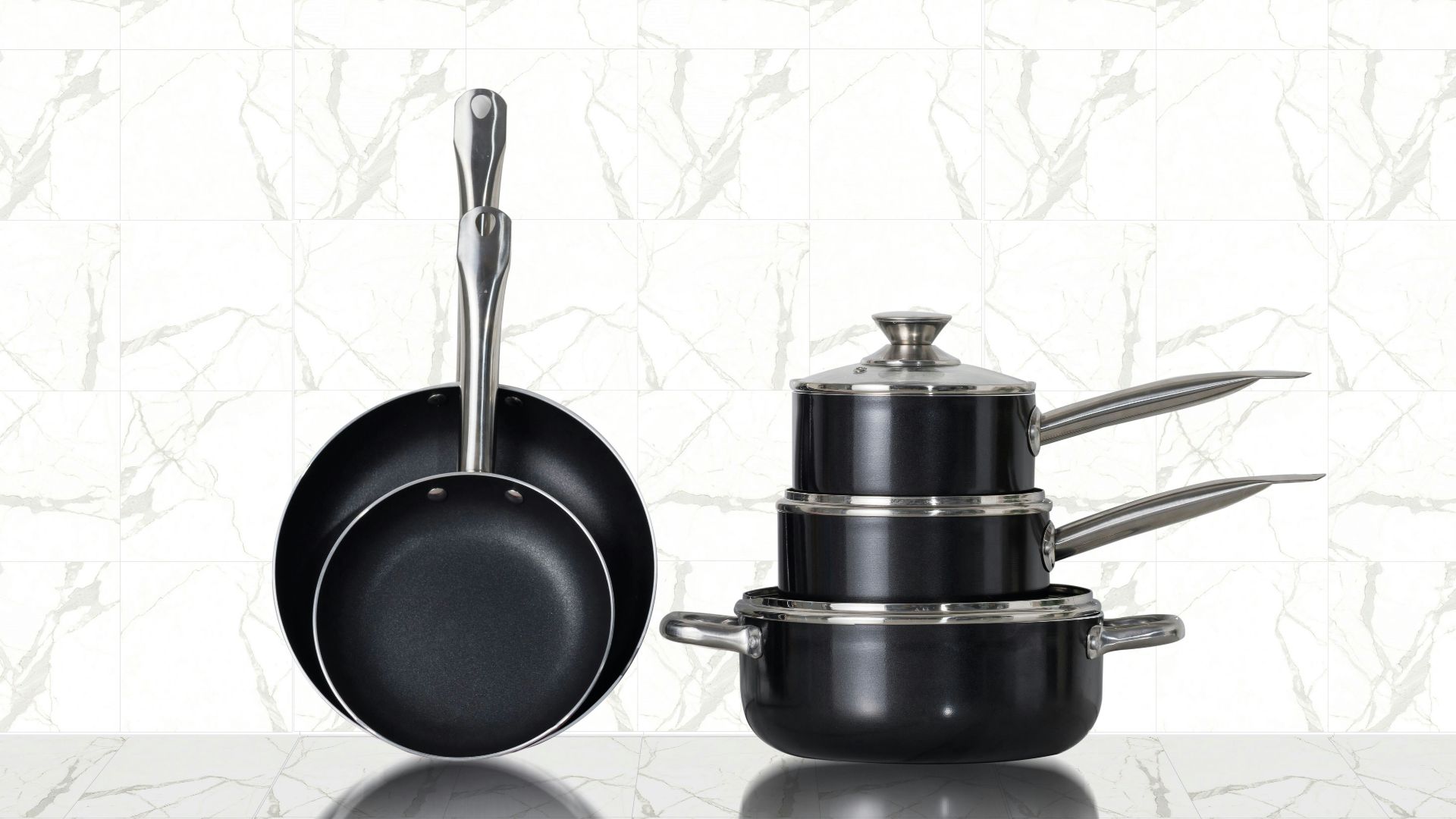
1. Quality Cookware Set
A durable cookware set is one of the most practical registry additions. Good pots and pans can last for years and support everyday cooking. Look for materials like stainless steel or nonstick options with strong reviews. You’ll likely use these items almost daily.
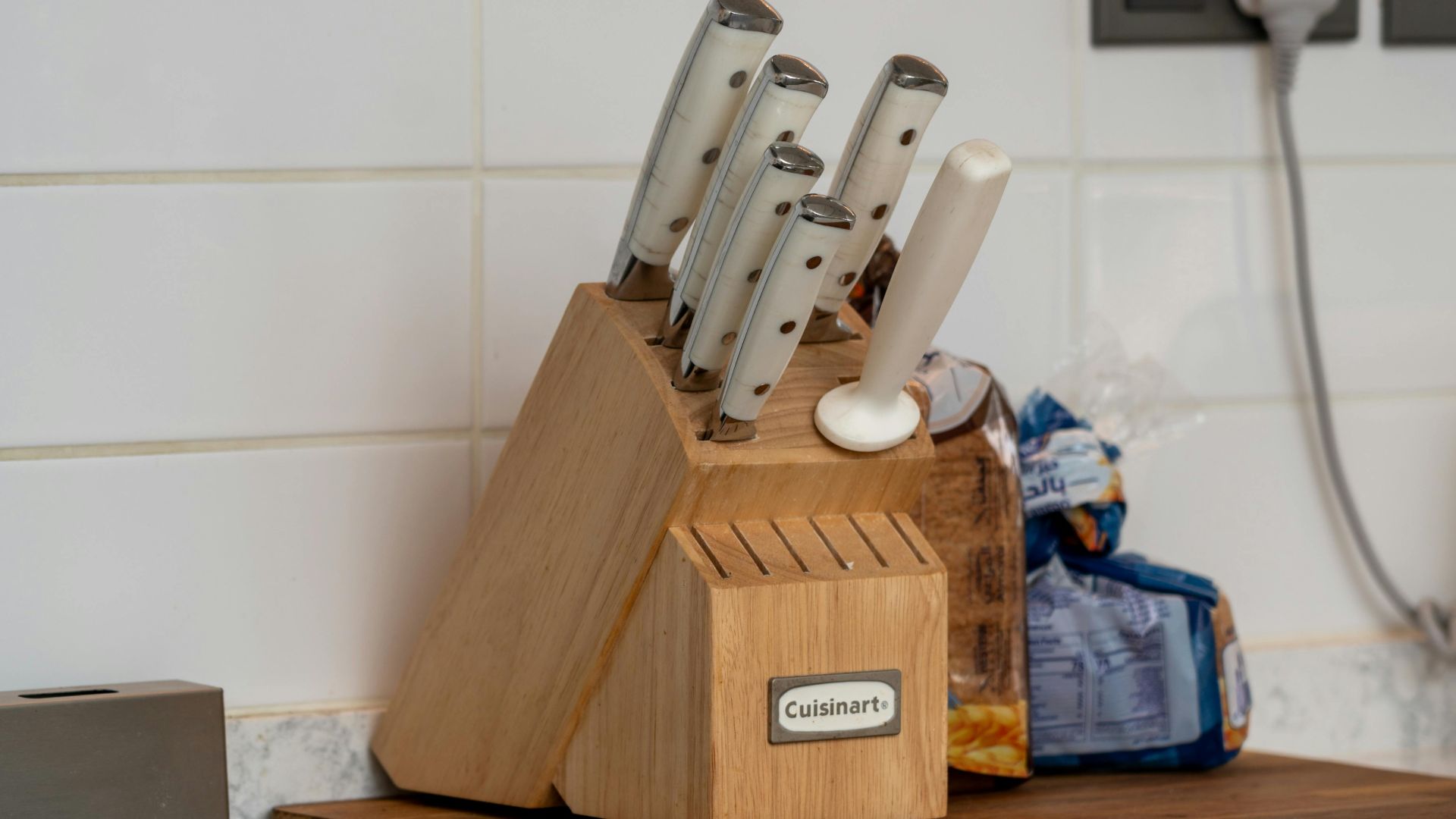
2. Versatile Knife Set
A reliable set of kitchen knives is essential for meal preparation. Sharp, well-balanced knives make cooking safer and more efficient.
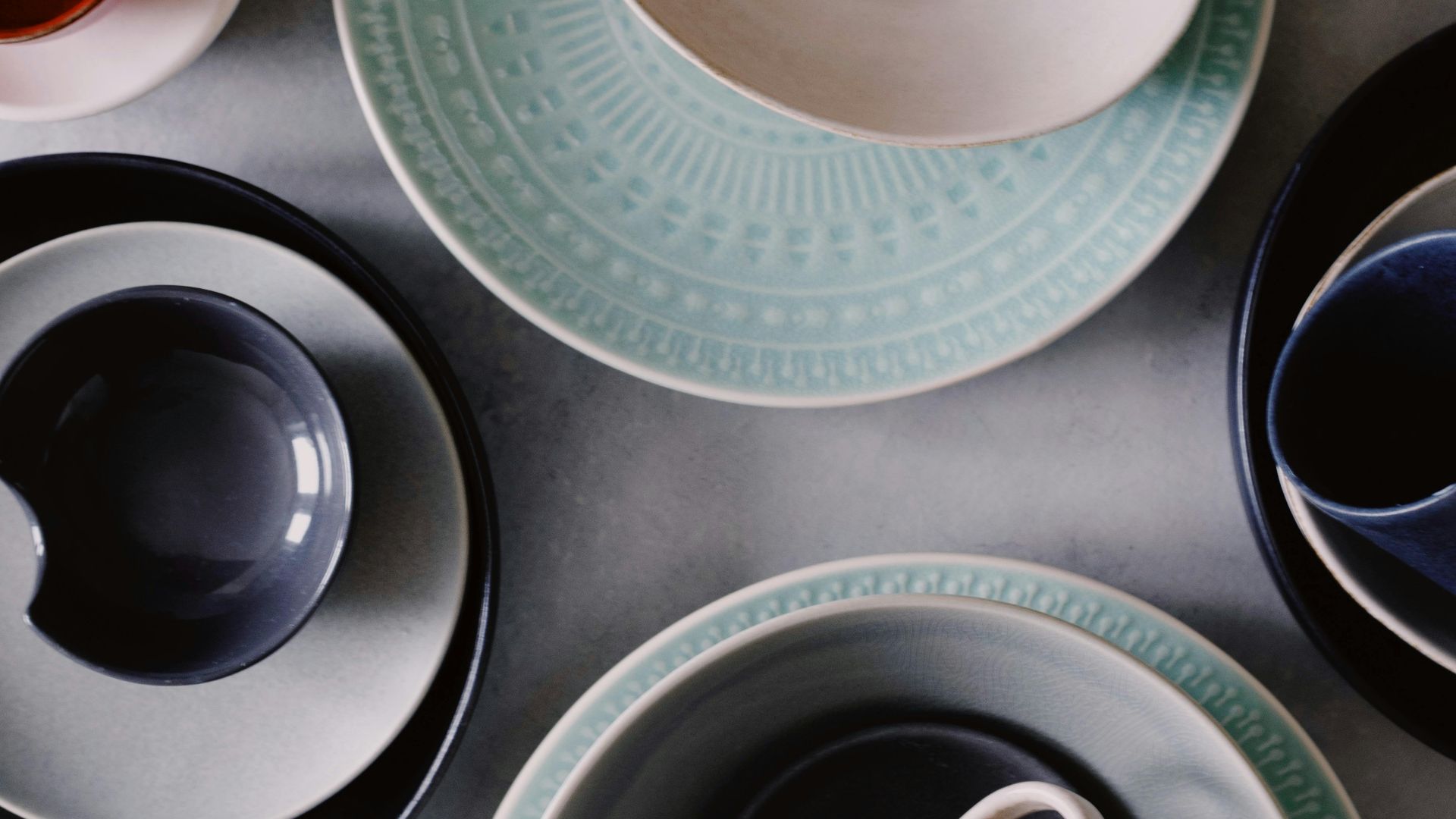
3. Everyday Dinnerware
Durable, dishwasher-safe dinnerware is a smart and practical choice. These are items you’ll use daily, so quality and simplicity matter.
4. Bedding Essentials
Comfortable sheets, pillows, and a quality duvet can significantly improve your daily routine. These items contribute to better rest and overall well-being. Look for breathable materials like cotton or linen. They’re practical gifts that you’ll appreciate immediately.

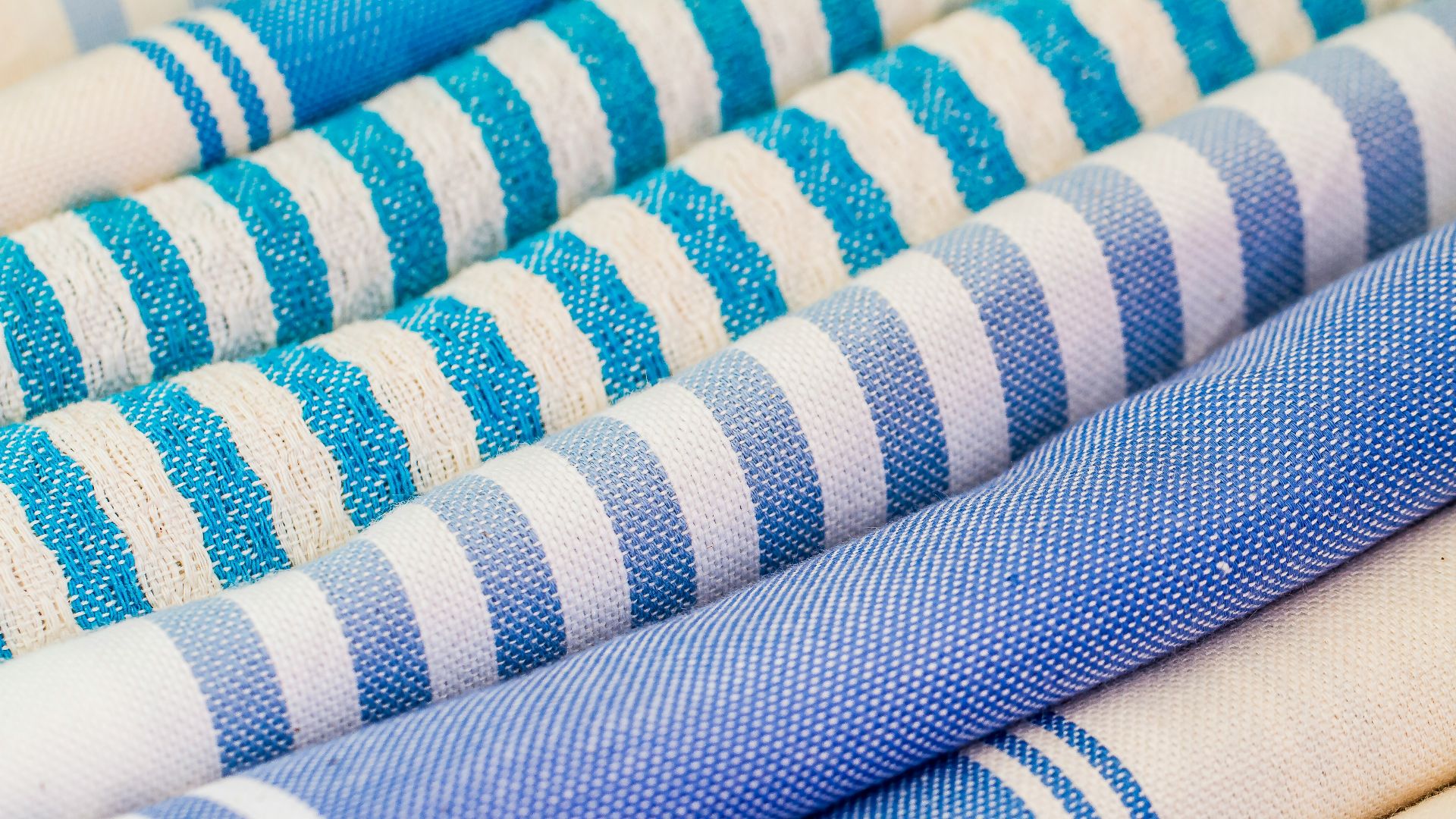
5. Towels And Linens
High-quality towels and bath linens are often overlooked but used constantly. Soft, absorbent options last longer and provide better comfort. Having a complete matching set also adds a polished feel to your home. It’s a simple yet valuable registry addition.
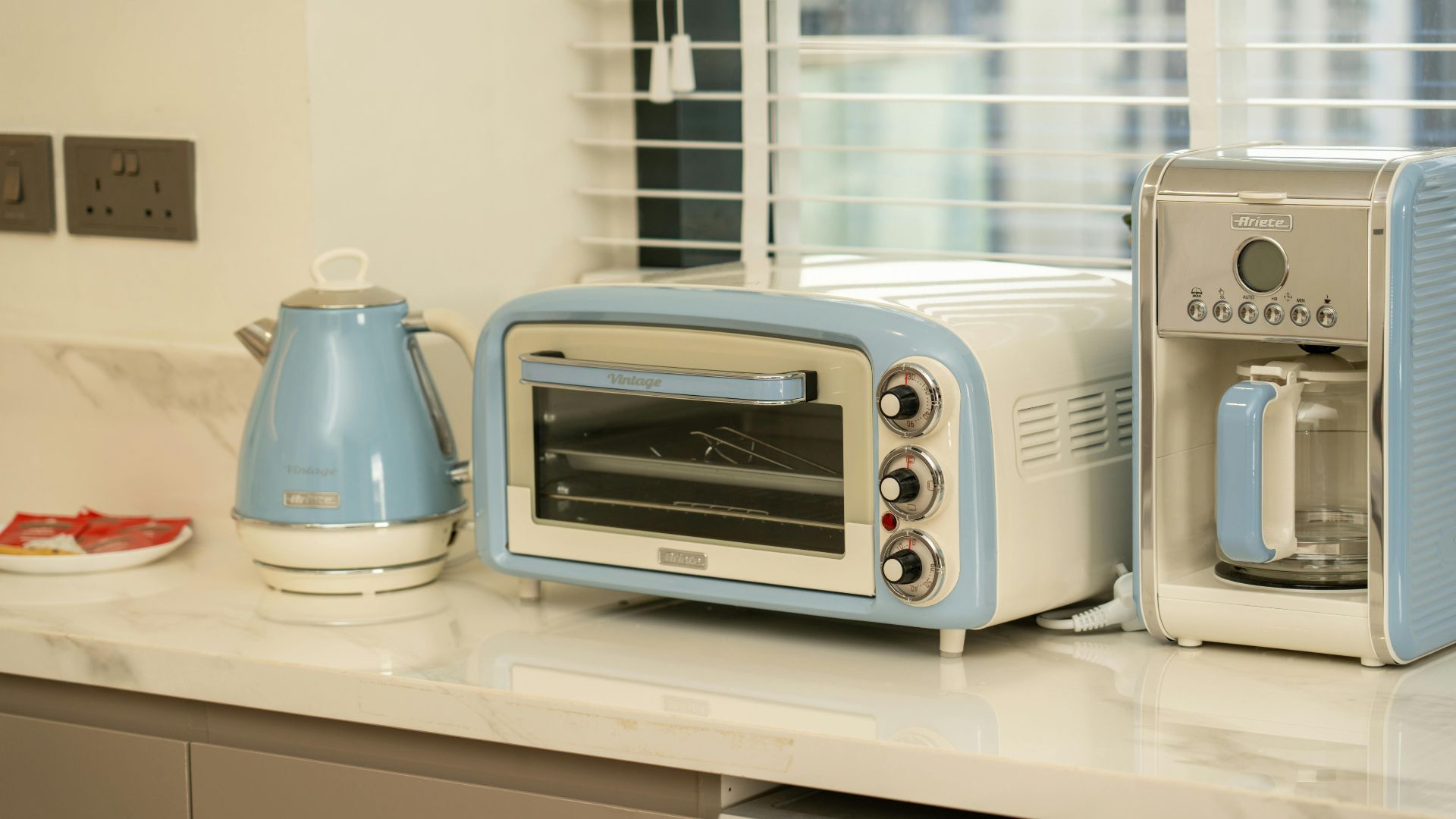
6. Small Kitchen Appliances
Appliances like blenders, air fryers, or food processors offer everyday convenience. These tools can save time and expand your cooking options. Choose items that align with your current lifestyle and habits. Guests tend to enjoy gifting functional items like these.
7. Storage Solutions
Practical storage items help keep your home organized from the start. Things like food storage containers or closet organizers make daily life easier.

8. Cleaning Equipment
Quality cleaning tools, such as a vacuum or mop system, are essential for maintaining your home. While they may not feel exciting, they’re incredibly practical.

9. Serving Essentials
Basic serving dishes and utensils are useful when hosting guests. Items like platters, salad bowls, and serving spoons come in handy more often than expected.
10. Gift Cards Or Cash Funds
Including flexible options like gift cards or honeymoon funds gives you more control. This allows you to allocate resources where they’re most needed.

.