The Jocks and the Nerds
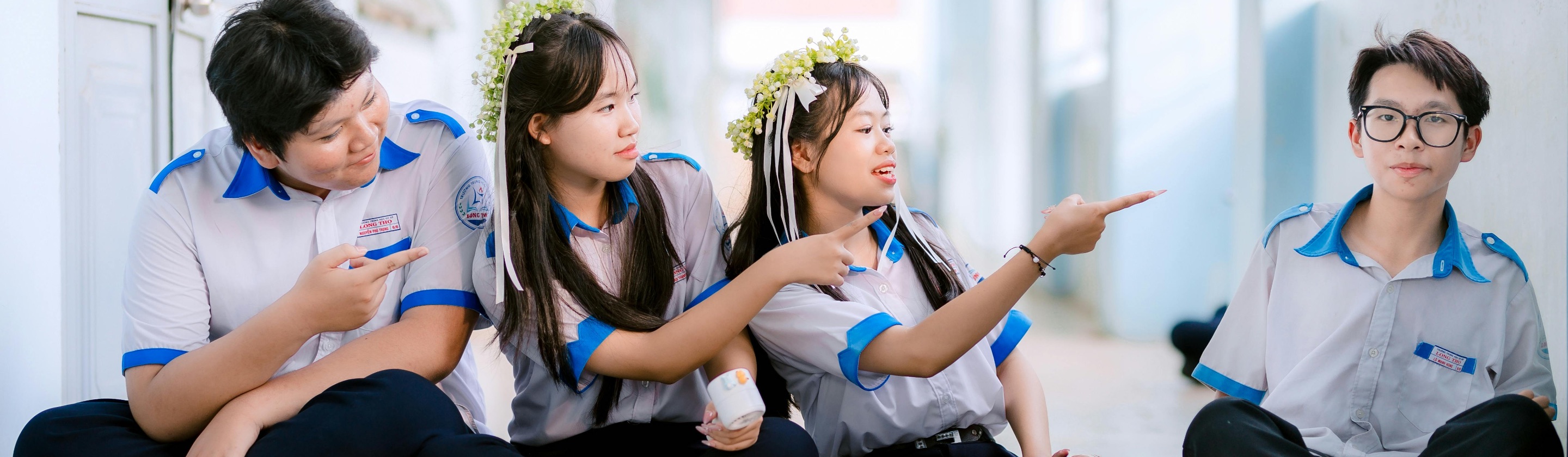
High school is a social landscape unlike any other, and if you spent any time in those hallways, you probably remember exactly where everyone, including yourself, seemed to belong. From the jocks who ruled the cafeteria to the theater kids who turned every hallway (and classroom) into a stage, cliques were a defining feature of the teenage experience—and there are some interesting reasons why and how they form. As you read through this article, ask yourself: Which clique were you a part of, and why?

1. The Jocks
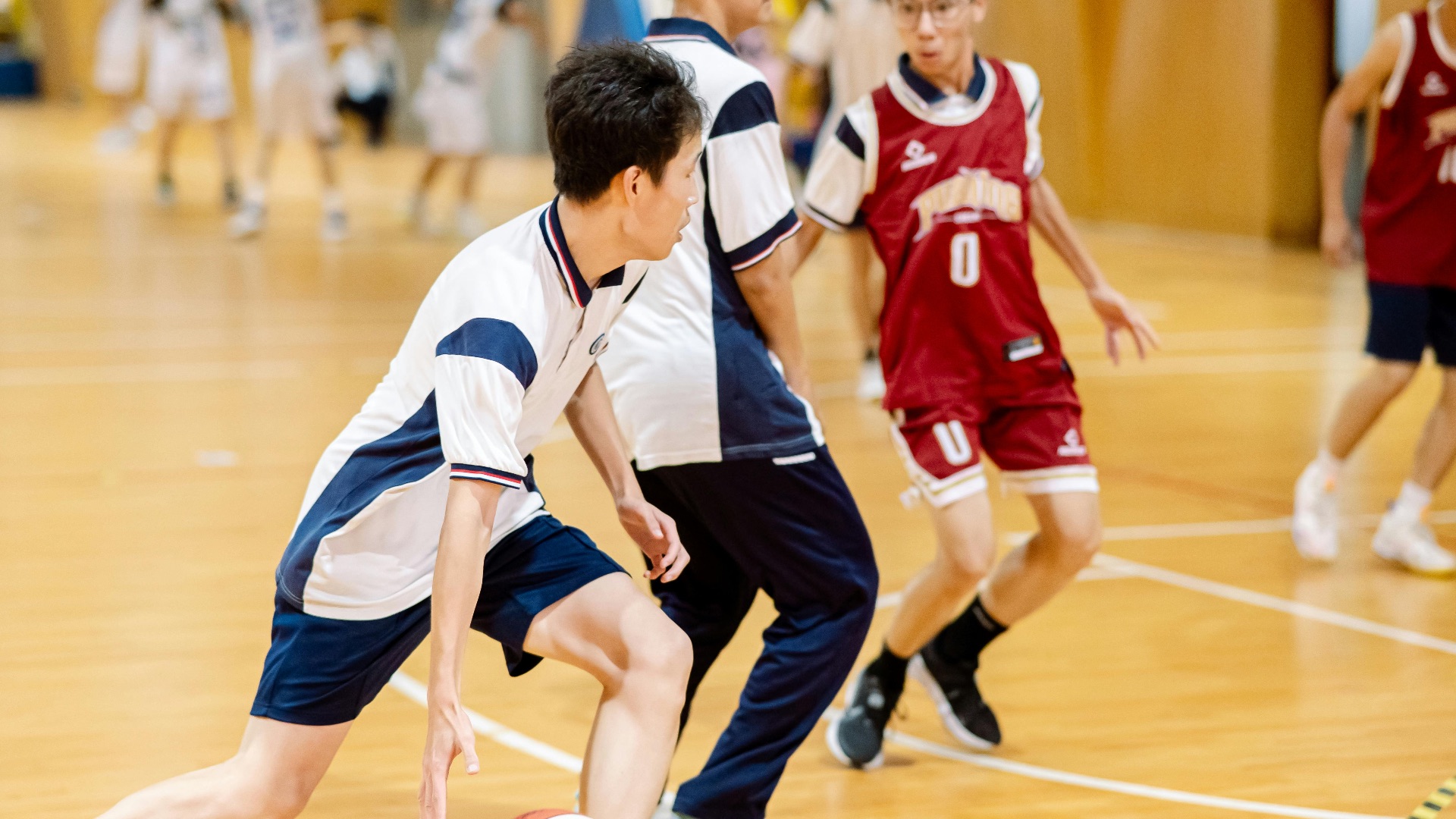
Jocks have long held a prominent spot in the high school social hierarchy, and their clique tends to be one of the most visible on campus. Friday night games, team jerseys, and a packed social calendar made this group hard to miss, never mind the arrogance that came with it. If you wore a varsity letter yourself, you probably knew exactly what it felt like to have people recognize you in the hallway before you'd even introduced yourself.
 This And No Internet 25 on Pexels
2. The Mean Girls (or Guys)
Every school seemed to have a group of students who wielded social power like it was their full-time job, and this clique was both feared and fascinating in equal measure. They had a very specific set of unspoken rules about who was in, who was out, and what you had to do to stay on their good side. Looking back, most people can agree that the social energy it took to maintain that kind of hierarchy was probably exhausting for everyone involved.

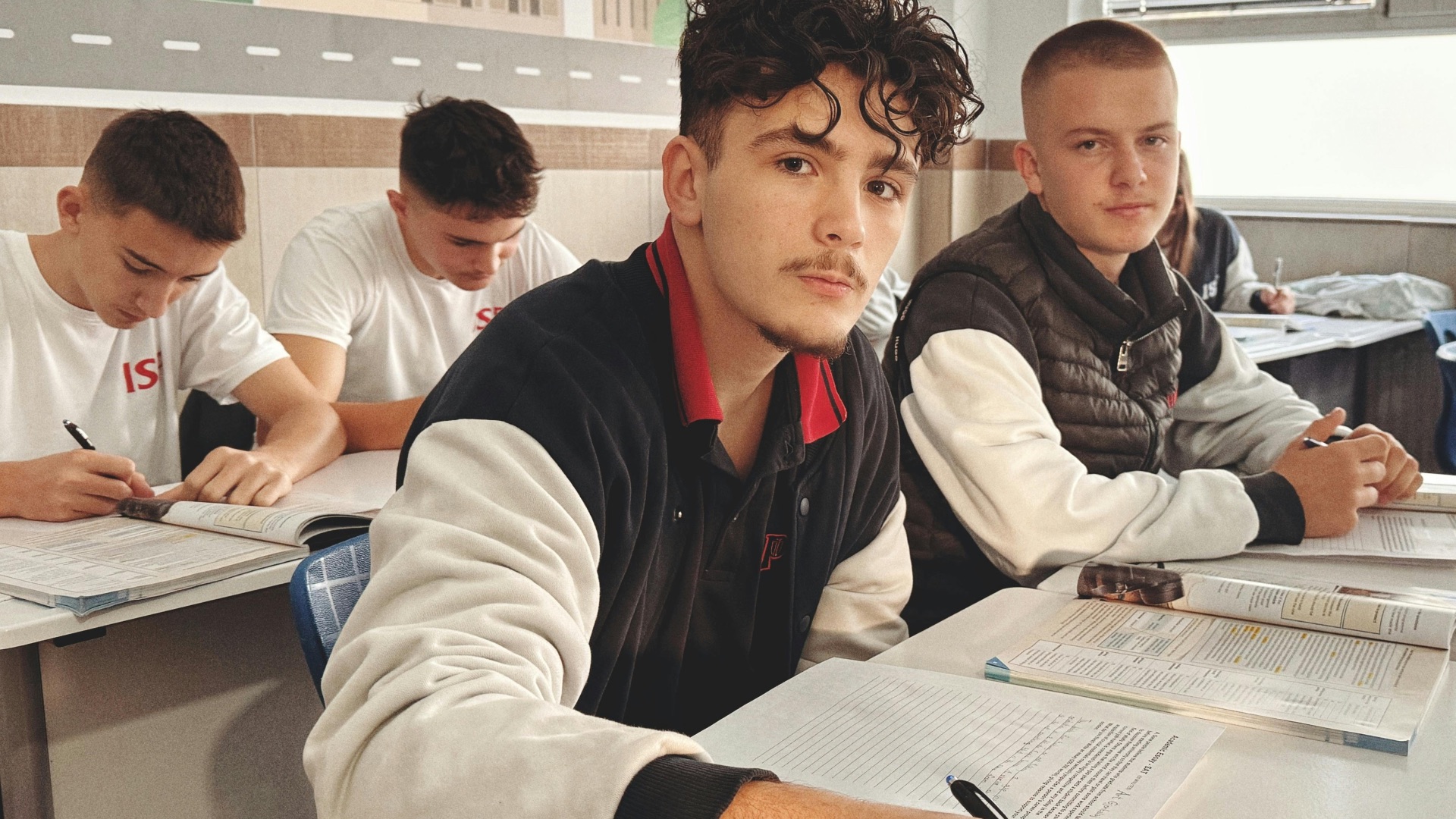
3. The Nerds and Academic Overachievers
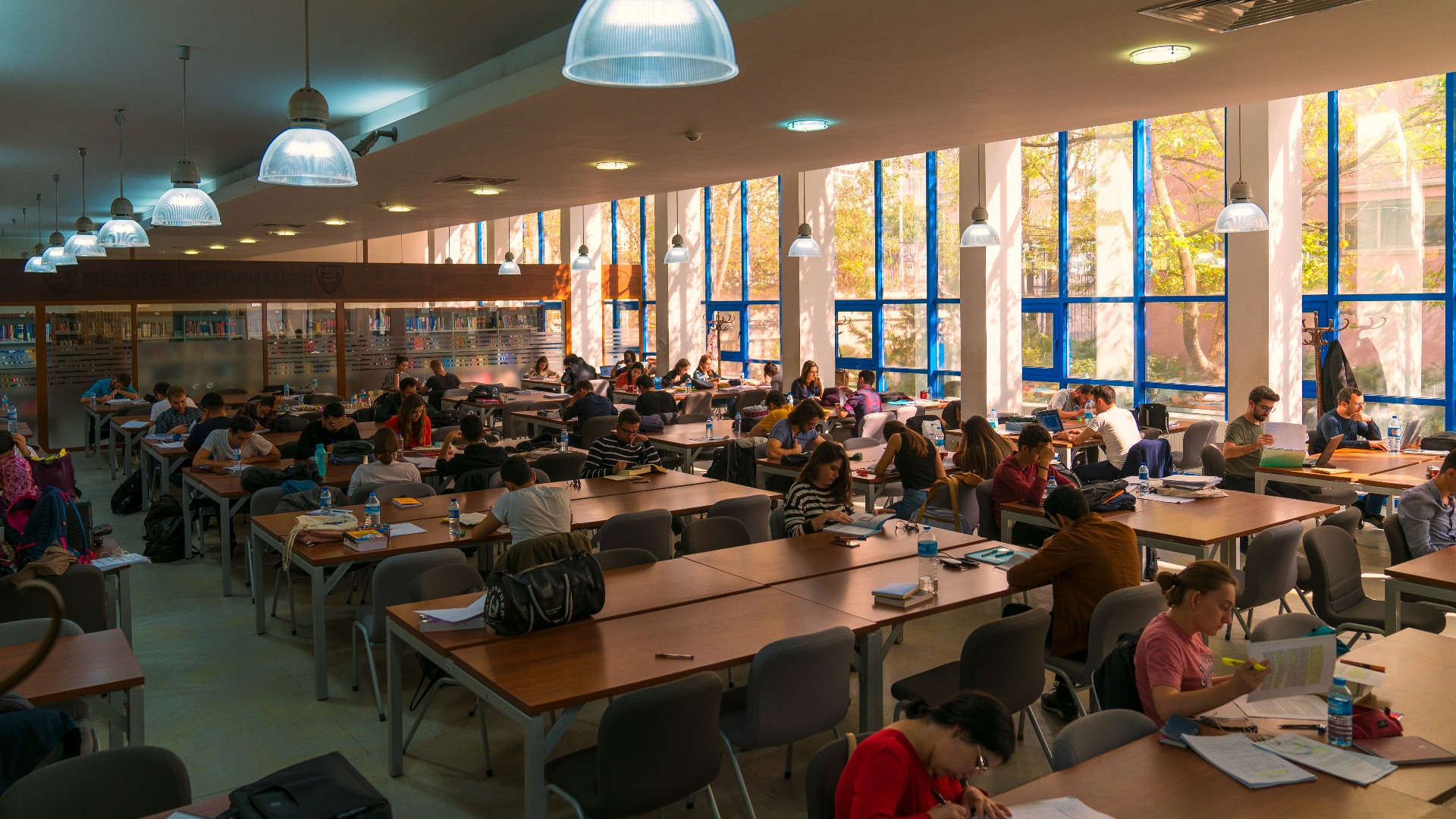
This was the group that actually read the assigned chapters, color-coded their notes, and studied every night (and not just the night before exams). They were often the ones teachers loved and classmates turned to the night before an important test, making them more socially useful than anyone cared to admit at the time. These days, a lot of people who once avoided sitting with them probably wish they'd paid a little more attention to their study habits.

4. The Theater Kids
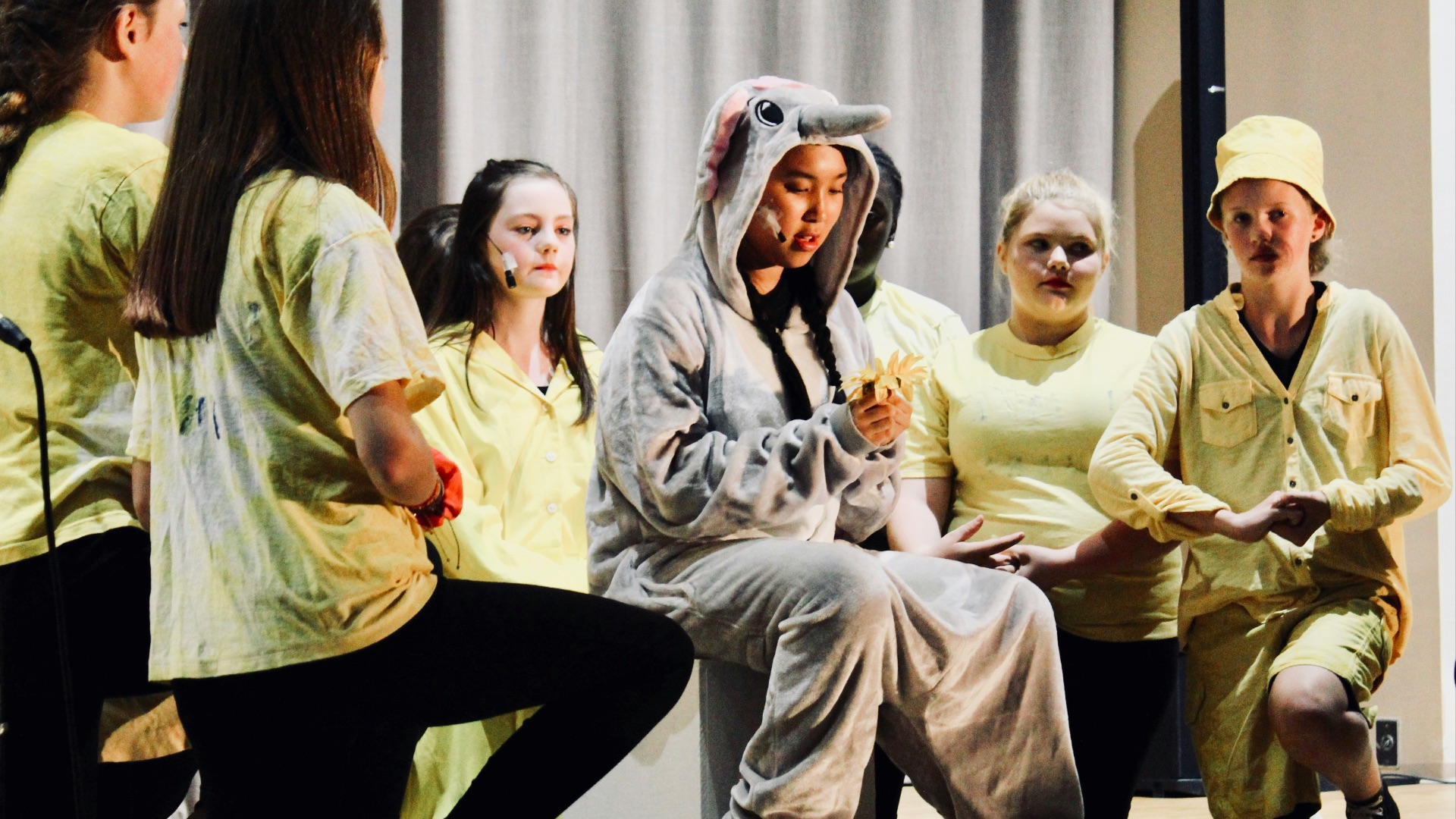
Loud, expressive, and utterly unafraid of standing out, the theater kids made their presence known well beyond the auditorium. Rehearsal schedules, cast parties, and an intense emotional investment in every production gave this group a strong sense of identity and belonging. If you were in drama club, you likely still have friendships from that era that feel completely different from the ones you made anywhere else in school.

5. The Goths and Alternative Kids
Dark clothing, band tees, and a general indifference to mainstream trends defined this group's aesthetic, and their social circle tended to be tight-knit and fiercely loyal. They were often misunderstood by students who didn't take the time to look past the exterior, even though most of them were creative, thoughtful, and deeply interested in art and music. There's a good chance that the alternative kid you thought was intimidating back then has a pretty impressive record collection and a great sense of humor today.

6. The Stoners
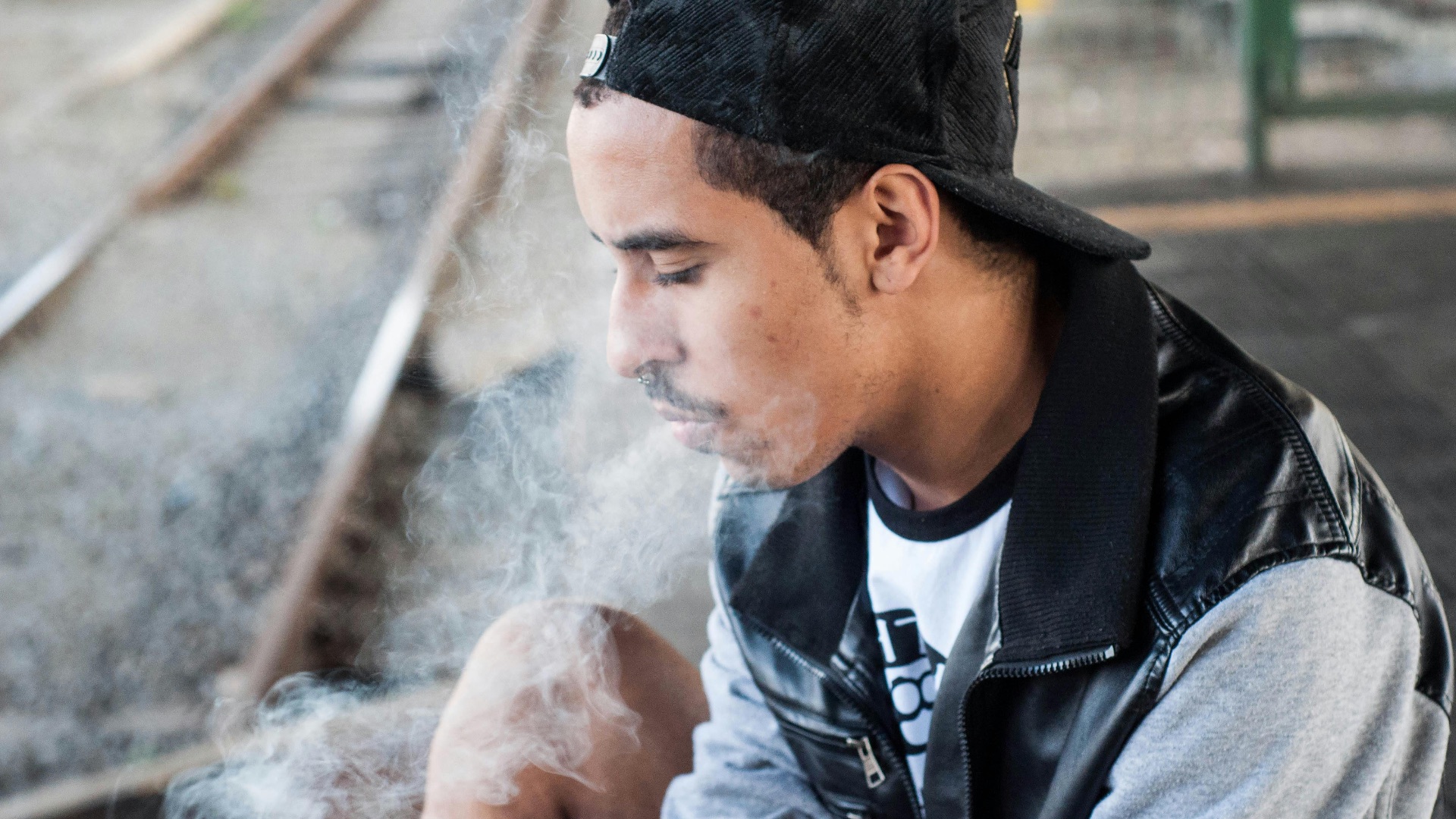
This group had a reputation that often preceded them, and they were usually easy to spot by the corner of the parking lot they had unofficially claimed as their territory. Their clique tended to attract students who valued a laid-back attitude and didn't put much stock in the conventional rules of high school social climbing. Whether or not you were part of this crowd, you probably borrowed a lighter from one of them at least once at some point, or maybe even had an impromptu heart-to-heart.
7. The Band and Orchestra Kids
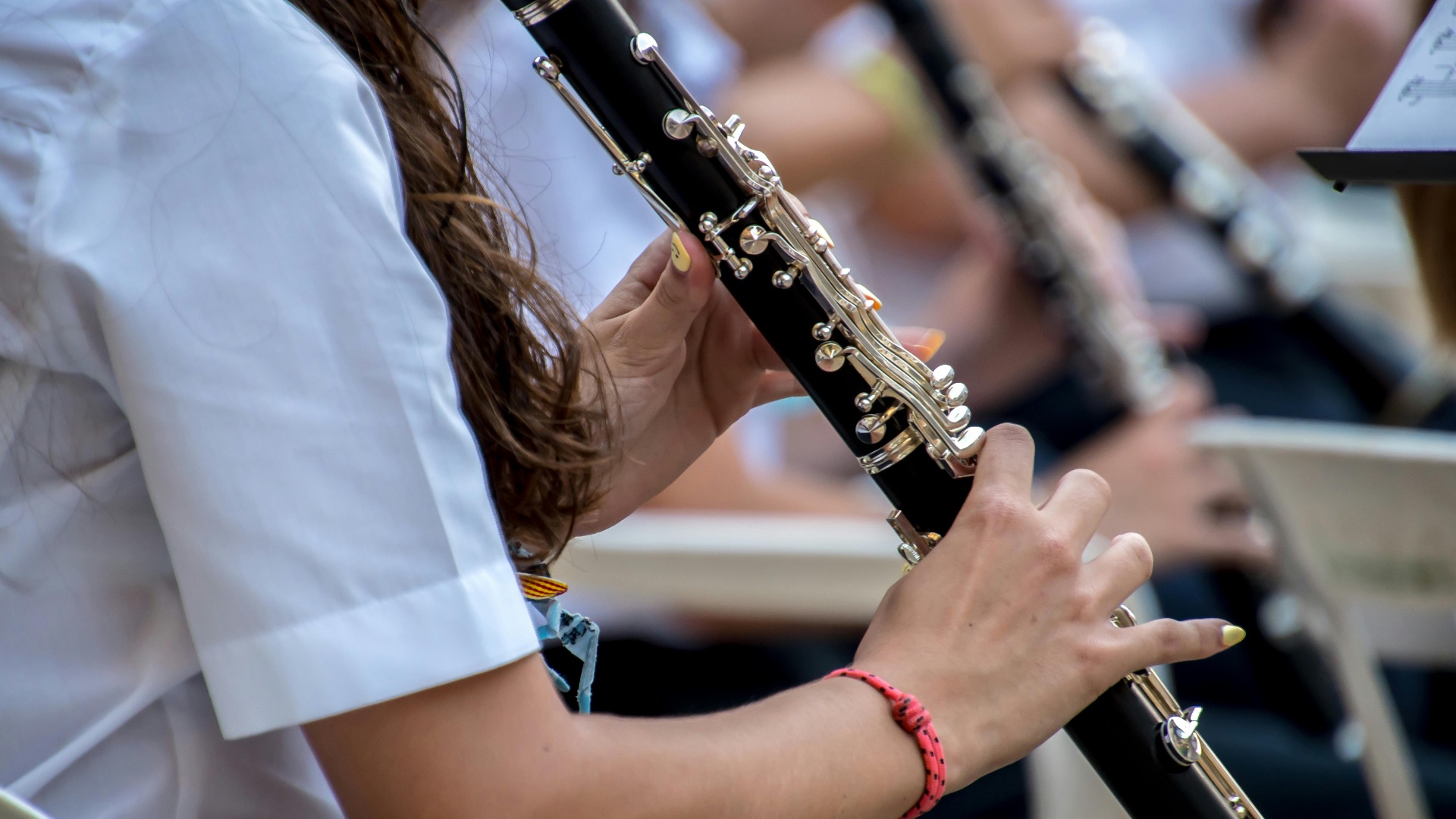
Hours of practice, early morning rehearsals, and a shared language of sheet music and tempo markings gave this group a bond that was hard to replicate elsewhere in the school. They occupied a unique social space: respected for their discipline but often overlooked by the louder, more visible cliques that dominated the cafeteria. If you spent your lunch period in the band room instead of the main hall, you know there was something oddly comforting about that choice.
8. The Anime and K-Pop Fans
These were the kids who were caught up on every new chapter of Naruto or episode of Bleach, and if you happened to strike a conversation with them before class, you'd probably learn a lot of new words you'd never hear anywhere else. During lunch, you'd likely find them in an empty hallway somewhere, either reading manga or trying to nail the choreography of some new K-Pop song.

9. The Athletes Who Weren't In-Your-Face Jocks
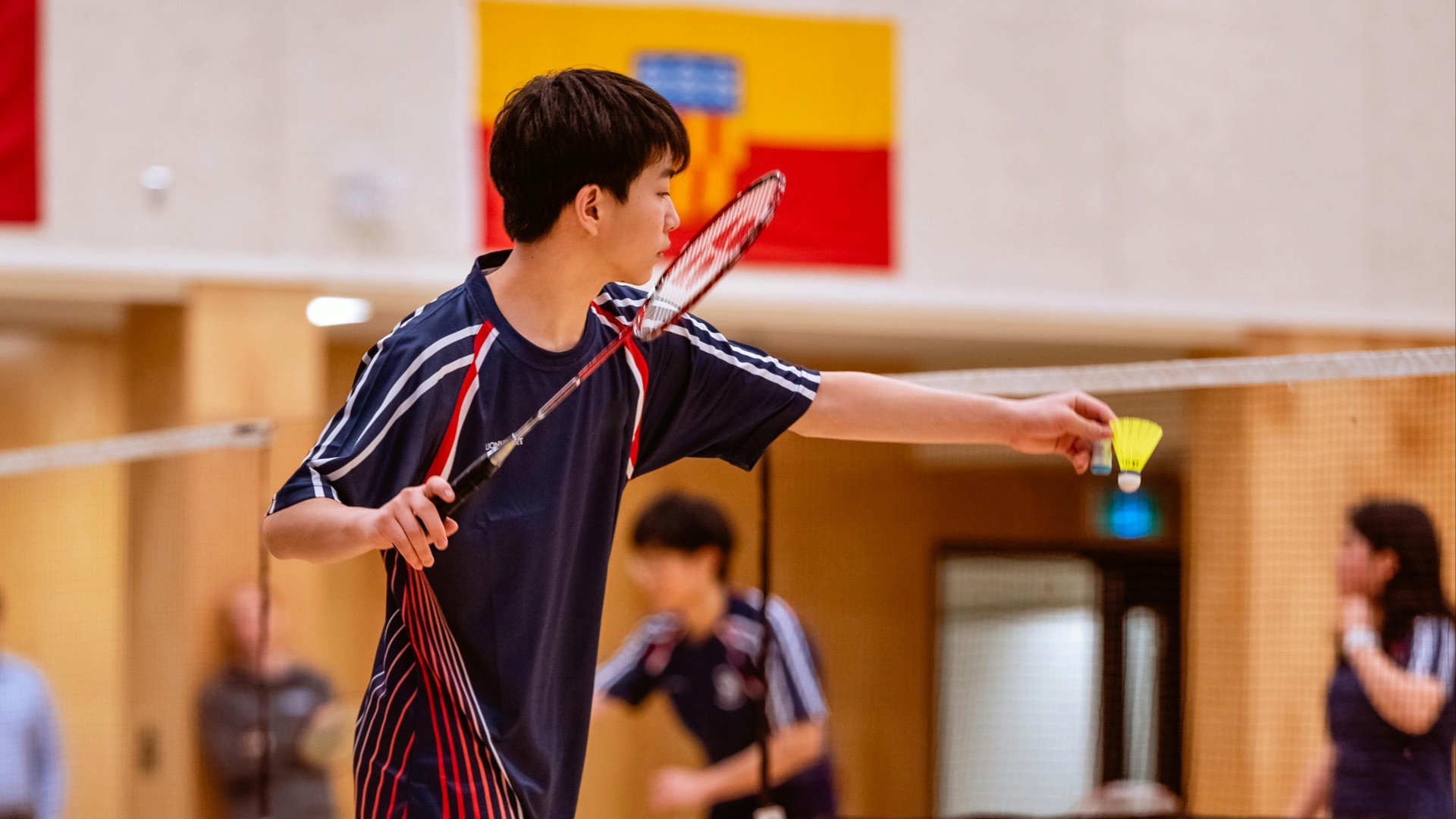
Distinct from the varsity letter crowd, this group played sports that didn't come with the same social spotlight: think badminton stars, swimmers, track-and-field runners, or tennis players who trained just as hard but flew largely under the radar. They had the discipline and team camaraderie of their more celebrated counterparts, but without the in-your-face fanfare that came with football or basketball.
10. The Floaters
Not everyone fit into a single, clearly defined clique, and the floaters were the students who drifted comfortably between different social groups without fully belonging to any one of them. They had friends in multiple circles, which gave them a kind of social flexibility that most clique members didn't have, even if it sometimes came with a sense of not quite fitting in anywhere. In many ways, being a floater was one of the more socially sophisticated positions a high schooler could hold, even if it didn't always feel that way at the time.
Now that you've taken a walk through the familiar cast of high school characters, it's worth asking why these groups formed in the first place. As you'll see, social clustering in adolescence is often driven by a combination of psychology, environment, and some very deeply human instincts.

1. The Need to Belong
One of the most fundamental drivers of clique formation is the basic human desire to feel like part of a group, and adolescence is when that need tends to hit its peak. Teenagers are in the middle of figuring out who they are, and having a consistent social circle provides a sense of stability during a pretty turbulent developmental period. The comfort of knowing where you sit, both literally and figuratively, in the social landscape can be a significant source of security at that age.

2. Shared Interests and Activities
It's far easier to build friendships with people you already spend time with, and school structures naturally push students with similar interests into the same spaces. If you're in band every day after school, you're going to form bonds with your fellow musicians simply through repeated exposure and shared experience. Cliques often start less as deliberate social choices and more as the natural byproduct of doing the same things with the same people over and over again.
3. Social Identity Theory
Psychologists have long documented that people, especially teenagers, tend to define themselves partly by the groups they belong to. That means being a "theater kid" or a "jock" becomes part of how you understand your own identity, which makes maintaining those group boundaries feel important on a personal level. The clique, in this sense, functions as a mirror that reflects back a version of who you are during a time when that question feels especially urgent.
4. Peer Pressure and Social Conformity
High schoolers are acutely sensitive to social cues, and the pressure to fit in with a particular group can shape everything from the music you listen to, to the way you dress. Once you're inside a clique, there's a subtle but powerful expectation to maintain the group's norms, and stepping outside them can feel risky in a social environment where reputation matters enormously.

5. Parental and Family Influence
The social values and priorities that students absorb at home often influence which peer groups feel like a natural fit. A student raised in a household that prioritizes academic achievement, for example, may be drawn to high-achieving peers, while one who grew up around athletics will likely seek out others who share that background. Cliques, in many cases, are as much a reflection of where students come from as they are a product of the school environment itself.

6. Social Hierarchies and Status
Schools are social environments with their own informal power structures, and cliques help students navigate those hierarchies by positioning themselves within them. Belonging to a high-status group can feel like a form of social protection, while forming a clique with people outside that hierarchy can provide a sense of community and solidarity. Status-seeking behavior is a well-documented feature of adolescent social development, and cliques are one of the clearest ways it plays out in practice.

7. Developmental Need for Autonomy
Teenagers are in the process of separating from their parents and establishing independent identities, and peer groups serve as one of the primary vehicles for that process. A clique offers a social structure that is chosen rather than inherited, which makes it feel meaningfully different from family in a way that matters a great deal during adolescence. The group becomes a space to rehearse who you want to be before you've fully figured it out on your own.

8. Institutional Structures Within Schools
Schools themselves play a significant role in clique formation simply through the way they're organized. Tracking systems, extracurricular programs, and even lunch seating arrangements create conditions where certain students repeatedly interact with each other and not with others. These structural factors don't just reflect social divisions but actively reinforce and deepen them over time.
9. The Role of Social Media and Technology
Even before smartphones became ubiquitous, the rise of online communication began reshaping how cliques formed and maintained themselves outside of school hours. Group chats, shared playlists, and social media feeds allow cliques to extend their social cohesion well beyond the school day, making the boundaries between groups feel more defined than ever. The ability to curate who you're connected with online has added an entirely new layer to the way high school social dynamics play out.

10. The Search for Self-Definition
At its core, clique formation is about teenagers trying to answer one of the hardest questions any person faces: Who am I? Aligning with a group that reflects your values, aesthetics, or ambitions is one way of working toward an answer during a period when that question feels both pressing and unresolved. The cliques may have seemed rigid and arbitrary from the outside, but for many people inside them, they were genuinely useful scaffolding during one of the most formative stretches of life.