
 Jessica Lewis 🦋 thepaintedsquare on Unsplash
Homework used to be a means of practicing what we’d learned. These days, it's the primary instruction method. Somewhere along the line, teachers stopped teaching full lessons in class and started assigning YouTube videos, textbook readings, and problem sets that students have to figure out alone at home. The actual classroom time gets filled with busywork, group projects, and test prep. Somehow, we came to accept the idea that six hours of school isn’t enough time to actually teach.
Class Time Gets Eaten by Everything Except Teaching
A typical school day is seven periods of about 45 minutes each. This may sound like plenty of time, until you account for how much of it gets siphoned away by extraneous events. Ten minutes disappears to attendance, announcements, and getting settled. Another five go to packing up before the bell. That leaves thirty minutes, and half of that vanishes into managing a group of unruly teenagers.
The time that’s left becomes group work where three kids do nothing while one person carries the team, or independent practice that should happen at home. Teachers assign homework because they genuinely didn't have time to teach the concept properly. It’s not that they’re lazy; the system just doesn't give them enough uninterrupted time to do their jobs.
Standardized Testing Colonized the Curriculum
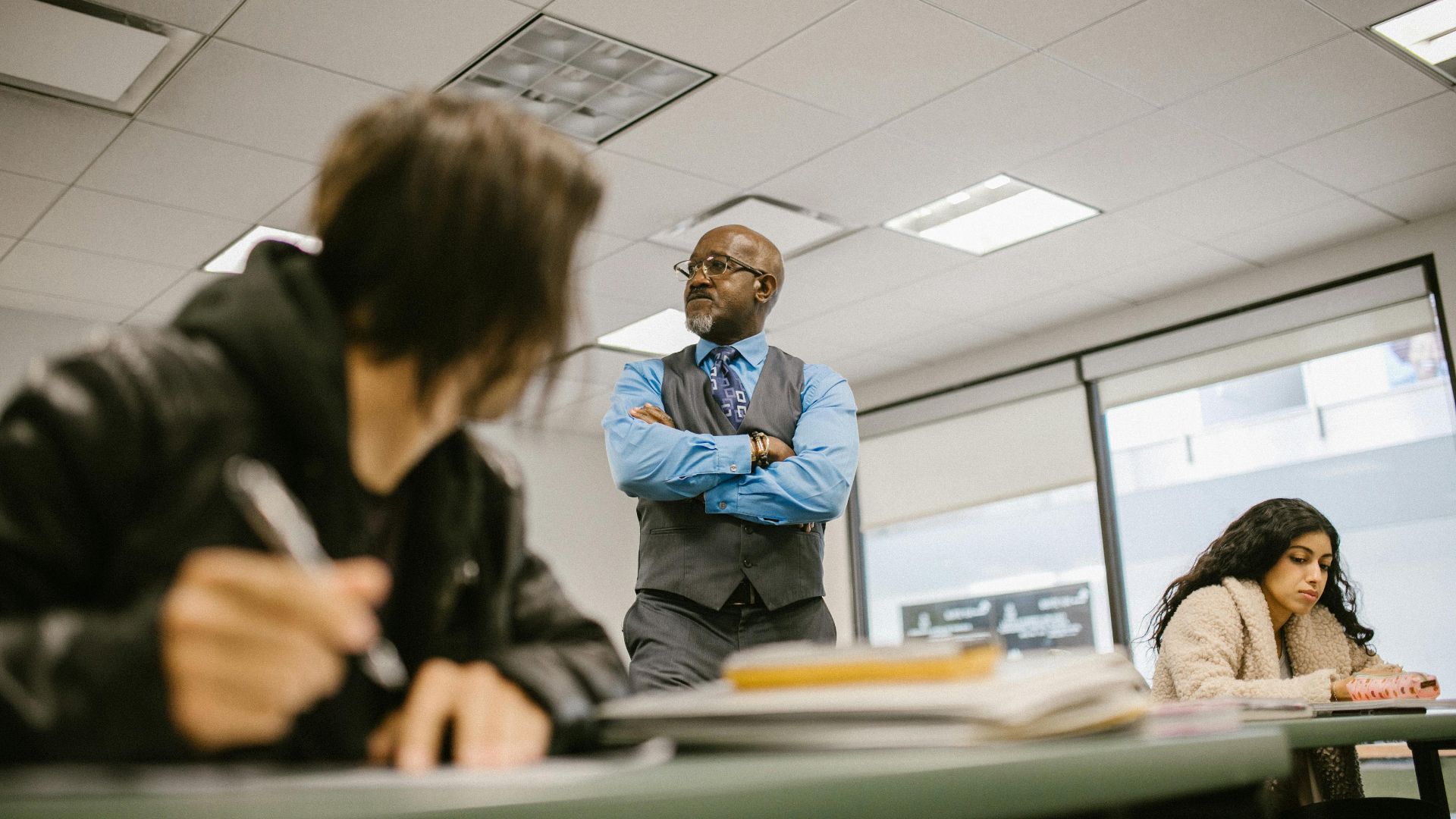
Once No Child Left Behind passed in 2001, everything changed. Schools started teaching to the test because funding depended on scores. Class time became test prep, and actual instruction got outsourced to homework.
Teachers hand out worksheets that look suspiciously like test questions, tell students to watch a Khan Academy video for homework, then use class time the next day to review answers. The teaching happened at home, alone, with no one to ask for help. That's backwards. We've turned education into independent study with occasional check-ins.
Oversized Classes Make Real Teaching Impossible
Try explaining polynomial functions to 35 teenagers at once. The national average class size hovers around 21 students in elementary schools and 26 in secondary schools. When you're managing that many bodies, you can't give individual attention or adapt your explanation when someone's confused.
As a result, homework becomes the differentiator. Kids who get it after a brief overview are fine. Kids who needed more explanation or a different approach are stuck Googling at 10 PM, hoping Reddit has answers.
Parents Became Unpaid Teaching Assistants

Homework shifted the teaching burden onto families. Now parents need to understand Common Core math, know how to diagram sentences, and remember chemistry formulas from 20 years ago. Schools essentially deputized every household into being a tutoring center.
Families with college-educated parents or money for tutors manage just fine. Meanwhile, everyone else falls behind. Homework didn't used to require parental intervention because teachers covered the material thoroughly in class. Now it's assumed someone at home can fill the gaps. That's not education; that's outsourcing instruction to whoever can find the time after getting home from their 9-5.
Professional Development Replaced Prep Time
Teachers spend hours in mandatory meetings about new teaching frameworks, social-emotional learning initiatives, and technology platforms. That's time they used to spend planning lessons, creating materials, or reviewing student work. Survey data indicate that U.S. teachers typically spend about 10–15 hours per week on planning and preparation, much of it outside the regular school day, suggesting that built-in prep periods during the day are often insufficient.
When you can't prepare properly, you default to assigning problems from the textbook. The textbook becomes the teacher, and homework becomes the lesson. The actual class period turns into a holding pattern where students work independently while the teacher troubleshoots last night's confusion.