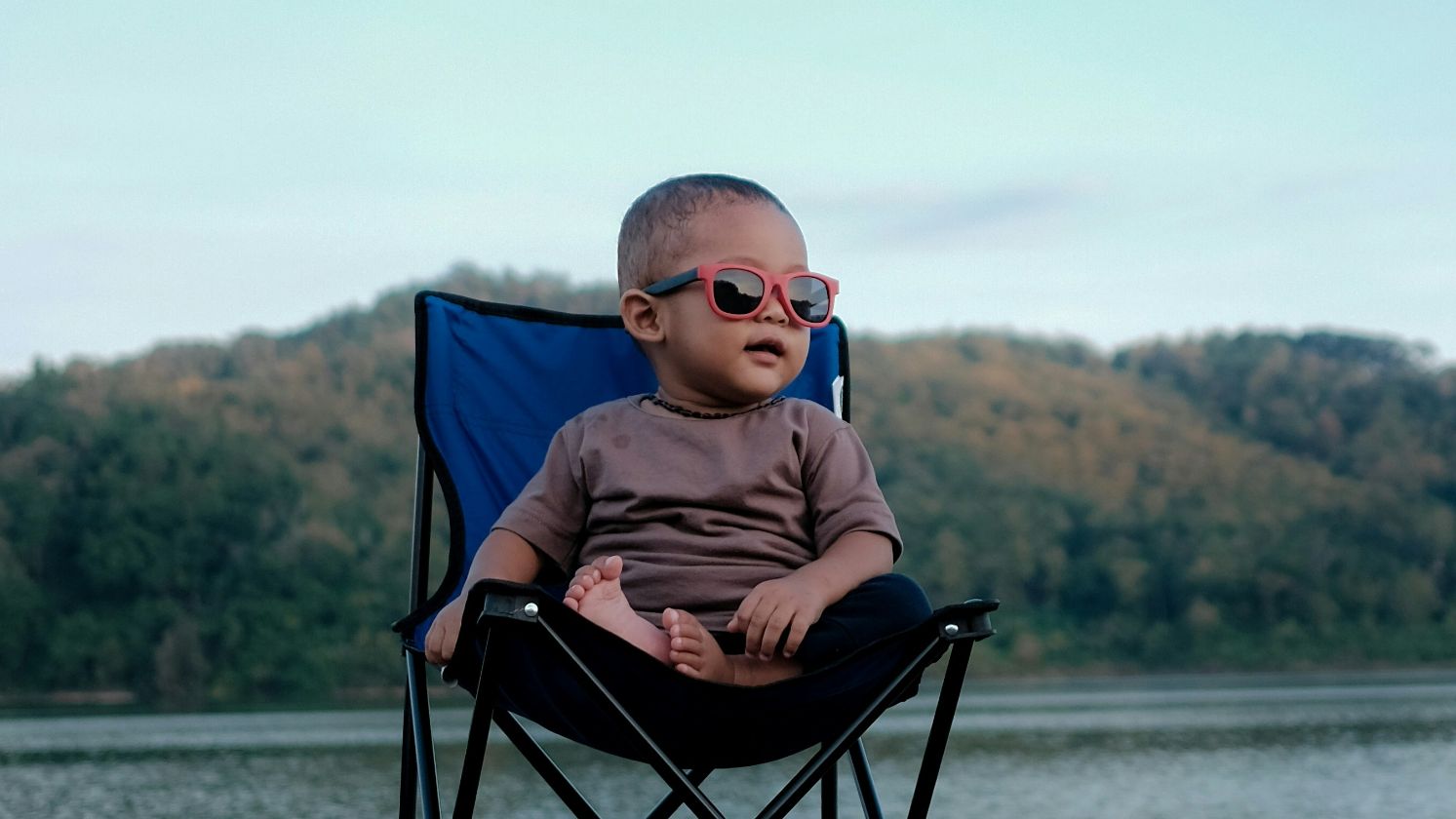

We've become a nation of weather wimps. The slightest bit of drizzle and suddenly playdates are cancelled, recess moves indoors, and kids spend the afternoon parked in front of screens. There's this pervasive idea that children are fragile things who'll melt in the rain or catch pneumonia from a cold breeze.
Scandinavian countries have a different philosophy entirely, bundling up their kids and sending them out into snow, sleet, and rain as a matter of course. Turns out they might be onto something that we've forgotten in our climate-controlled bubbles.
Immune Systems Need Training
Kids who play outside in various weather conditions actually get sick less often. While this may seem counterintuitive, research out of Finland found that children exposed to diverse environmental conditions develop more robust immune responses than those kept perpetually indoors.
The human immune system evolved to handle temperature variations and environmental challenges.
That cold air causes colds is actually a pervasive myth. The real culprit is viruses, and those spread more easily in enclosed spaces where kids are breathing recirculated air and touching the same toys. Send them outside in adverse weather and suddenly they've got space to run around, fresh air to breathe, and significantly less germ exchange happening.
Sensory Development Gets Richer Input
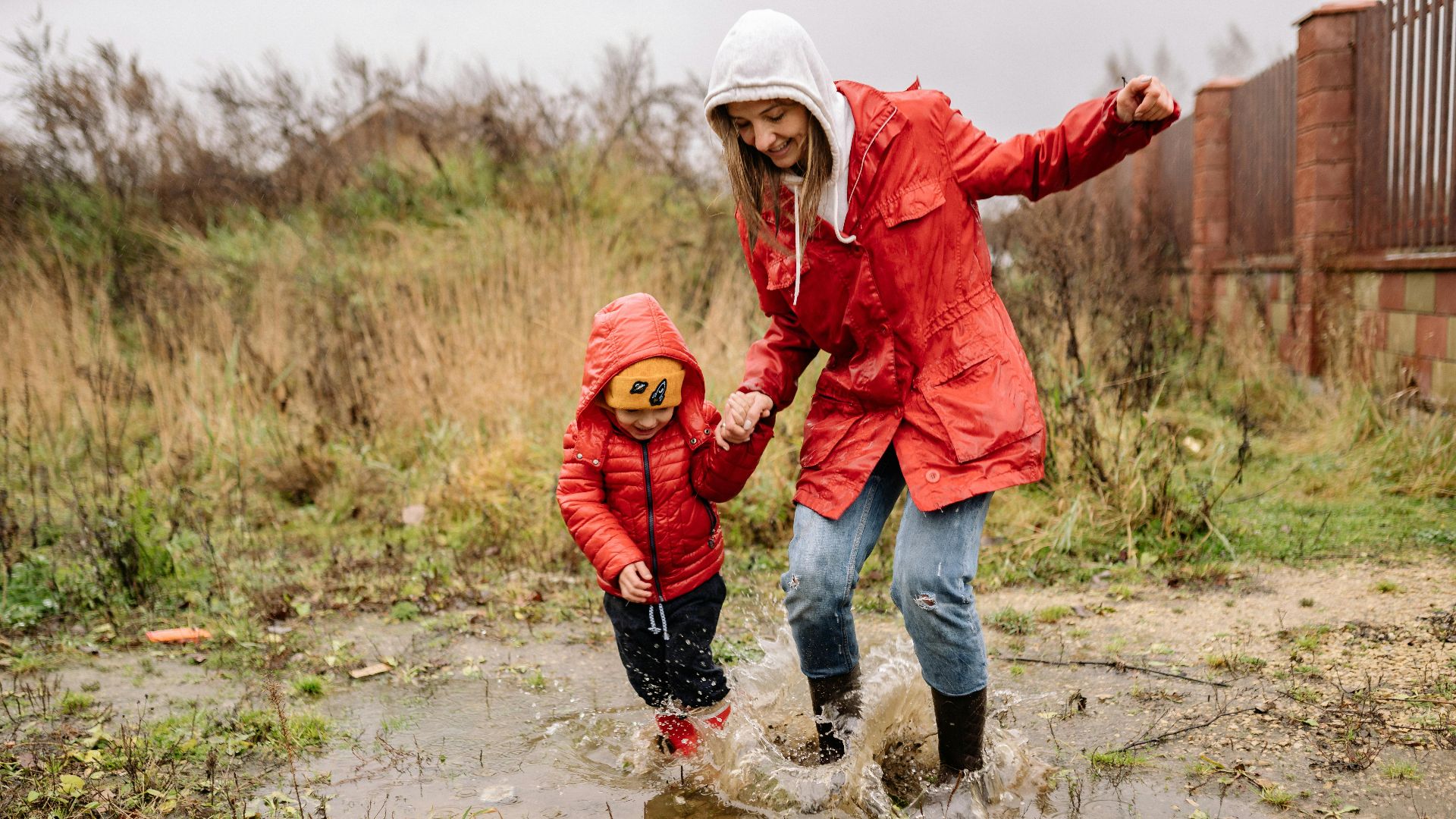
Playing in the rain offers a sensory experience you simply can't replicate indoors. The feeling of water on skin, the smell of wet earth, the sound of drops hitting different surfaces is like nature’s orchestra. Kids learn about their environment through direct physical interaction with it, and bad weather provides texture and variety that sunny days don't.
Mud especially seems to trigger something primal in children. They'll spend an hour digging, squishing, building, destroying. Occupational therapists actually recommend messy play for developing fine motor skills and sensory integration.
Scandinavian preschools operate on the principle that there's no such thing as bad weather, only bad clothing. Kids in Norway and Denmark spend hours outside daily regardless of conditions, and studies show they're healthier, happier, and more physically fit than their peers who stay indoors.
Risk Assessment Skills Develop Through Real Experience
A wet playground is a different beast than a dry one. Surfaces are slippery. That usually-easy climb requires more caution. Kids who navigate these changing conditions learn to assess risk in real-time rather than having adults constantly manage danger for them.
This kind of experiential learning builds confidence and competence in ways that bubble-wrapped childhoods simply can't. That confidence transfers to academic challenges, social situations, and their overall ability to regulate their emotions.
Angela Hanscom, a pediatric occupational therapist, argues that we've become so risk-averse that we're actually creating anxious, physically incompetent children. Her research shows that kids need opportunities to test their limits and occasionally fail in low-stakes situations. A scraped knee imparts a lesson that a verbal warning never will.
Creativity Explodes When Conditions Change
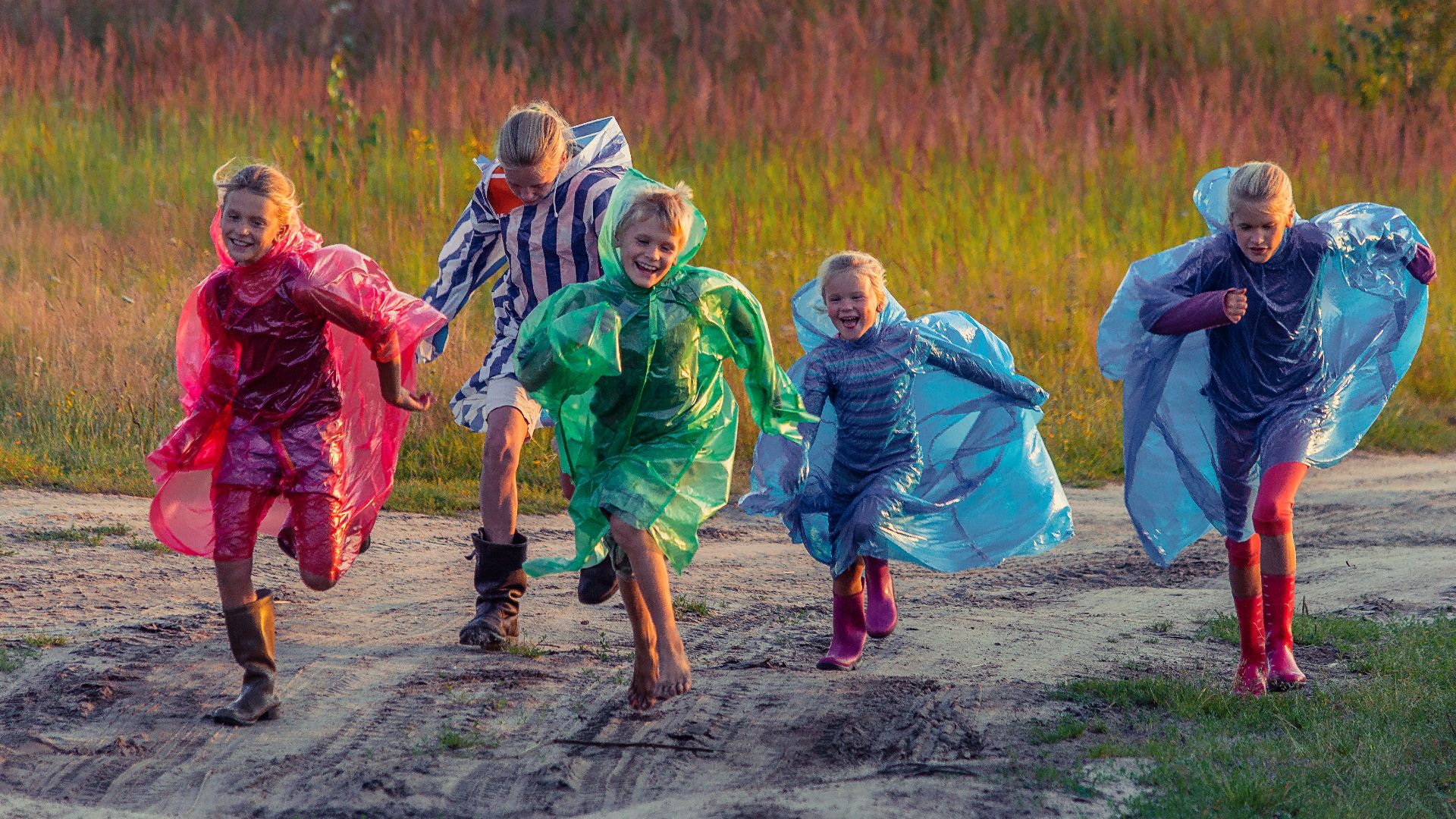
Give kids a sunny day and they'll run around the same way they always do. Give them a rainy day and suddenly they're damming streams, floating paper boats, and constructing elaborate drainage systems. Weather changes the play possibilities dramatically, forcing creative problem-solving and imaginative engagement.
There's also something about mild adversity that focuses attention. Kids playing in light rain or wind are fully present in what they're doing and aren't distracted by phones. That kind of sustained, engaged play is increasingly rare and increasingly valuable.
Mental Health Benefits From Weather Exposure
Vitamin D deficiency is increasingly common in children, contributing to mood issues and poor bone development. While you won't get much vitamin D through clouds, natural light, regardless of weather, helps regulate circadian rhythms and improves mood.
The Japanese practice of Shinrin-yoku or "forest bathing" has gained attention for its mental health benefits, and research backs it up, with evidence emerging that time in nature reduces cortisol levels and symptoms of anxiety and depression.
Those benefits don't disappear in the rain. If anything, a misty forest might be even more atmospheric than a sunny one. We've just convinced ourselves that comfort equals wellbeing, when sometimes the opposite is true.