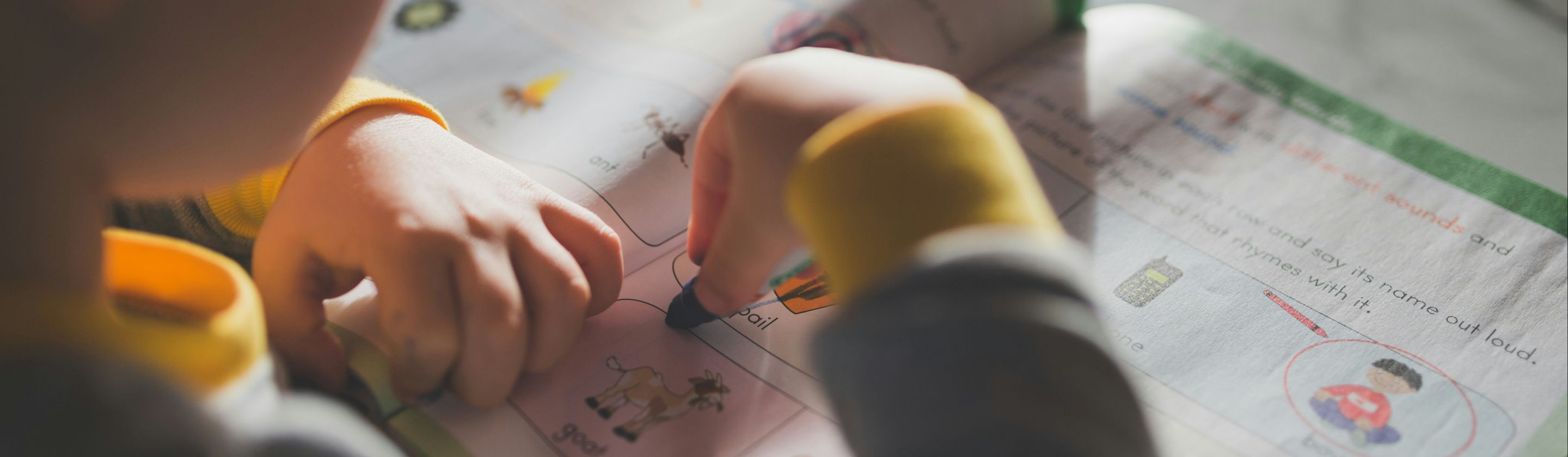
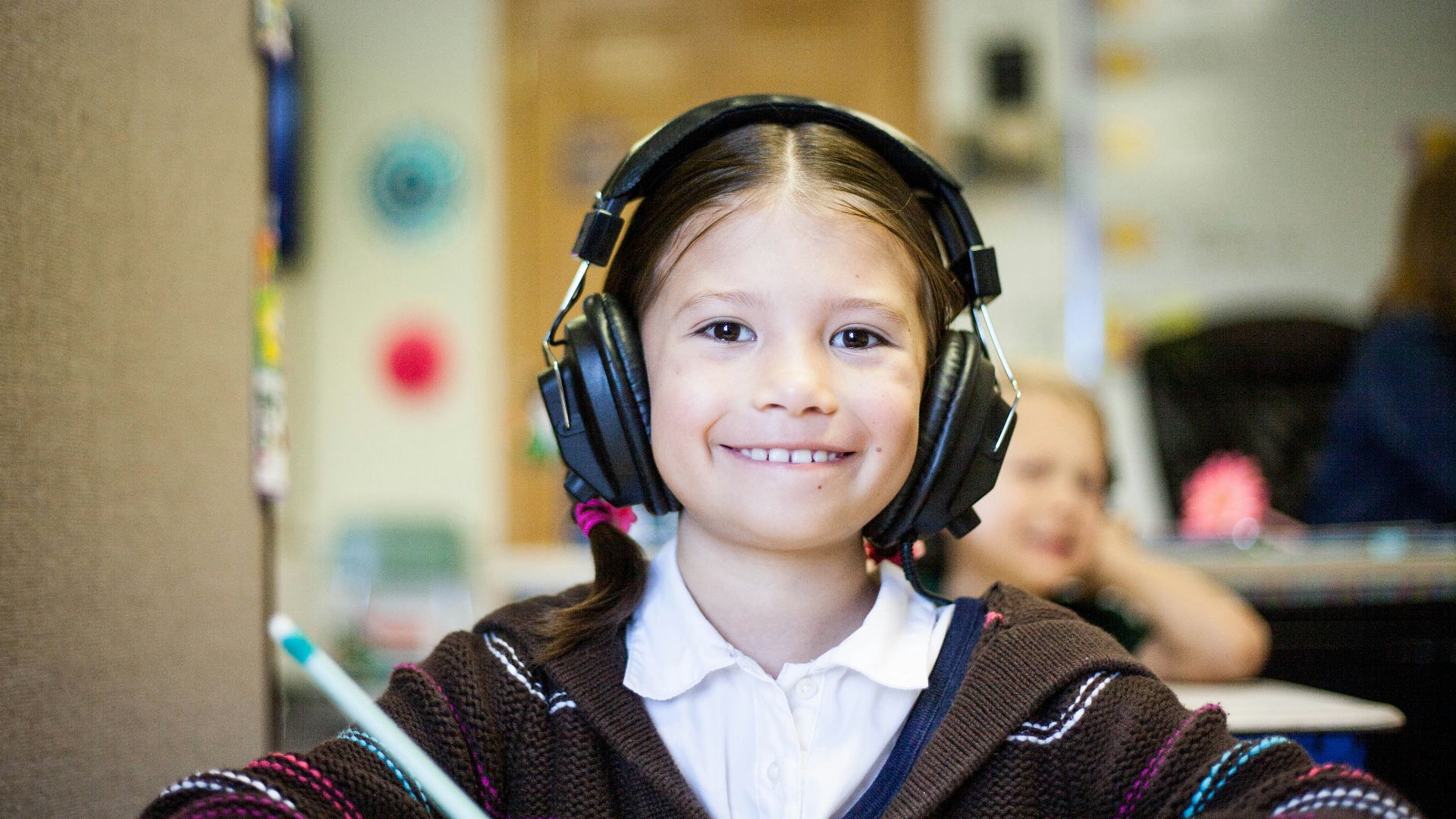
Parents send their children to school with the expectation that they’re, their child will emerge with a thorough understanding of reading, writing, mathematics, science, and history. Ask most parents what their children are learning, and they'll confidently describe their children’s academic milestones. If they were to spend a day actually observing what happens in classrooms, they’d find something entirely different taking up most of the time.
The Real Curriculum Is Compliance
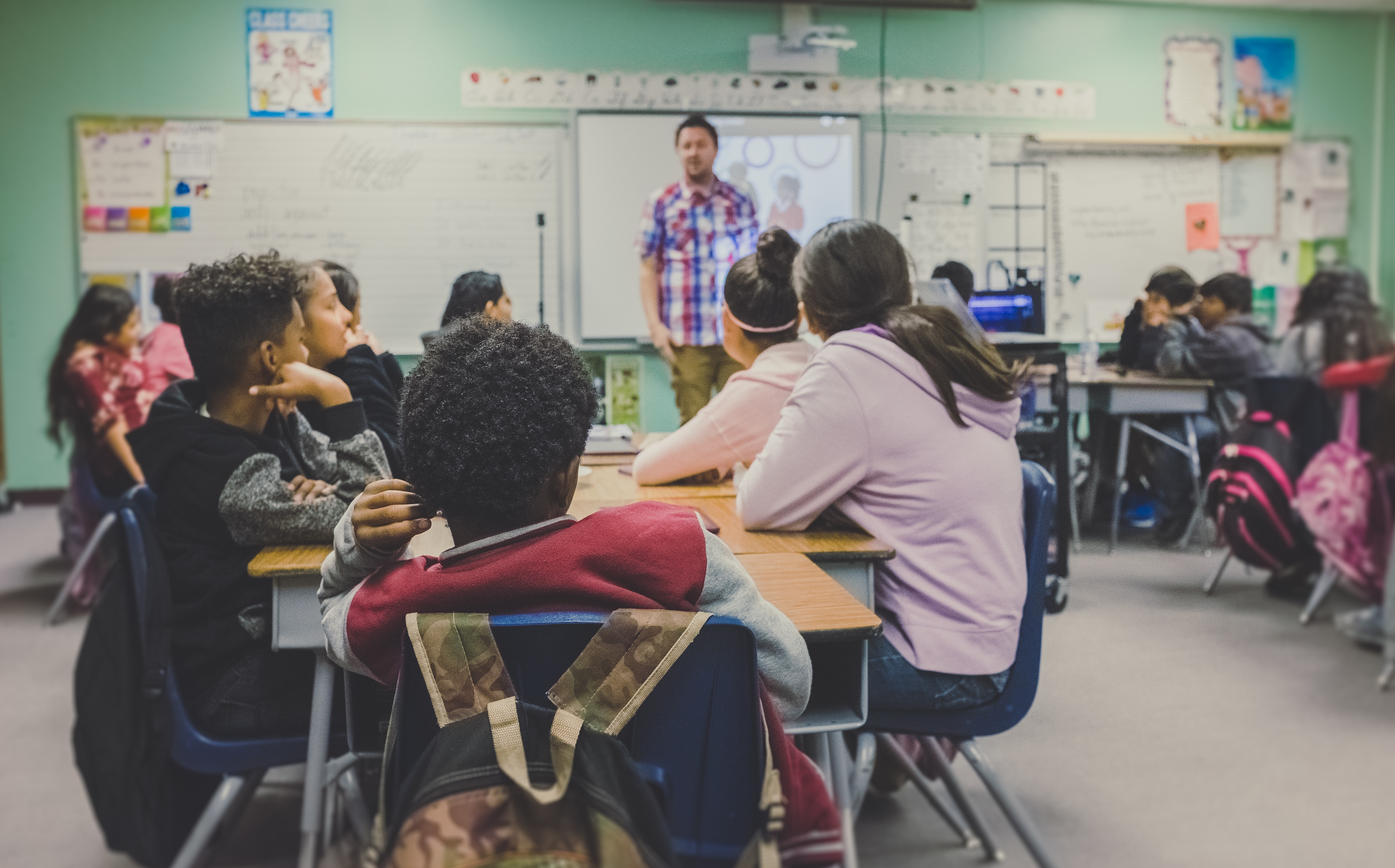
Schools primarily teach children how to follow instructions. They learn how to sit still for six hours and raise their hand before speaking. Even going to the bathroom requires permission. They’re told to move when the bell rings, stop when the bell rings again.
Children who thrive in school aren't necessarily the smartest or most curious. They're the ones who adapt well to institutional expectations and can sit still despite having energy to burn. They’re the ones who find worksheets tolerable even when they mastered the concept three days ago and learned that asking too many questions derails the schedule and annoys the teacher.
Standardized Testing Has Gutted Deep Learning
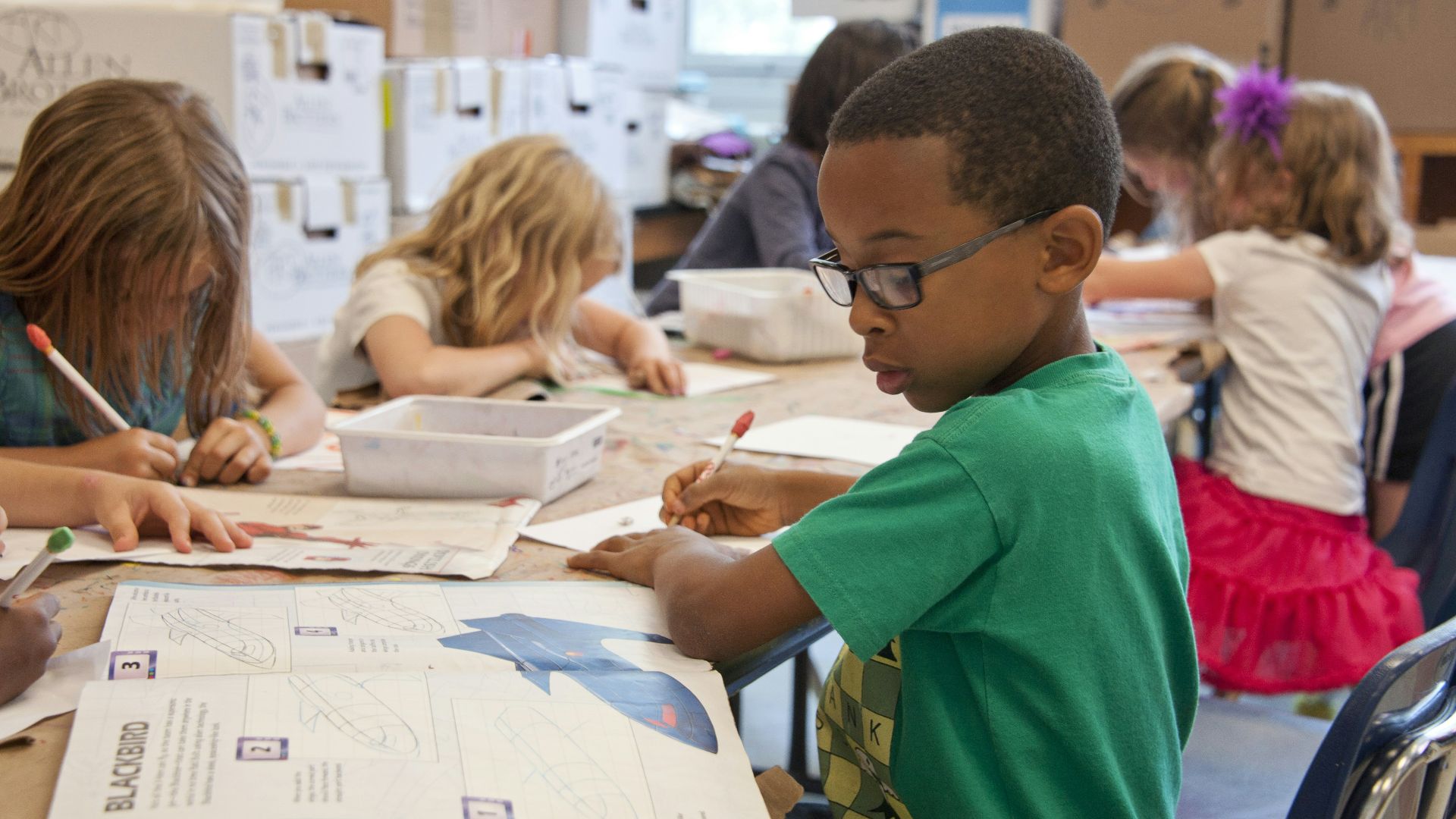
Since No Child Left Behind passed in 2002, schools have increasingly oriented everything around test preparation. Teachers spend weeks drilling students on test-taking strategies that focus on learning to eliminate wrong answers and manage their test time allowance effectively.
A third-grade teacher might love science and want to do hands-on experiments, but there's no time because reading and math scores determine school funding. Subjects get taught in the most superficial way possible. History becomes memorizing dates and names rather than understanding cause and effect or analyzing primary sources. Reading comprehension gets reduced to identifying main ideas in short passages rather than engaging with full books. Math becomes procedural execution rather than actual problem-solving.
Social Indoctrination Over Critical Thinking
Schools socialize children into accepting hierarchy and arbitrary authority. The teacher's word is law not because of expertise or logic, but because of position. Students learn not to question why rules exist or whether they make sense. They learn that challenging authority, even respectfully and with good reason, leads to punishment.
This shows up in small moments throughout the day. A child wonders how historians decide which parts of Christopher Columbus's legacy are remembered and which are left out. The teacher redirects to stay on script because there's no time for that discussion and parents might complain.
Schools don't teach kids to think critically about power, systems, or institutions. They teach kids to navigate those systems without making waves. The hidden curriculum is about producing compliant workers and citizens who accept top-down decision-making as natural and inevitable.
The Myth of Preparing Kids for the Future
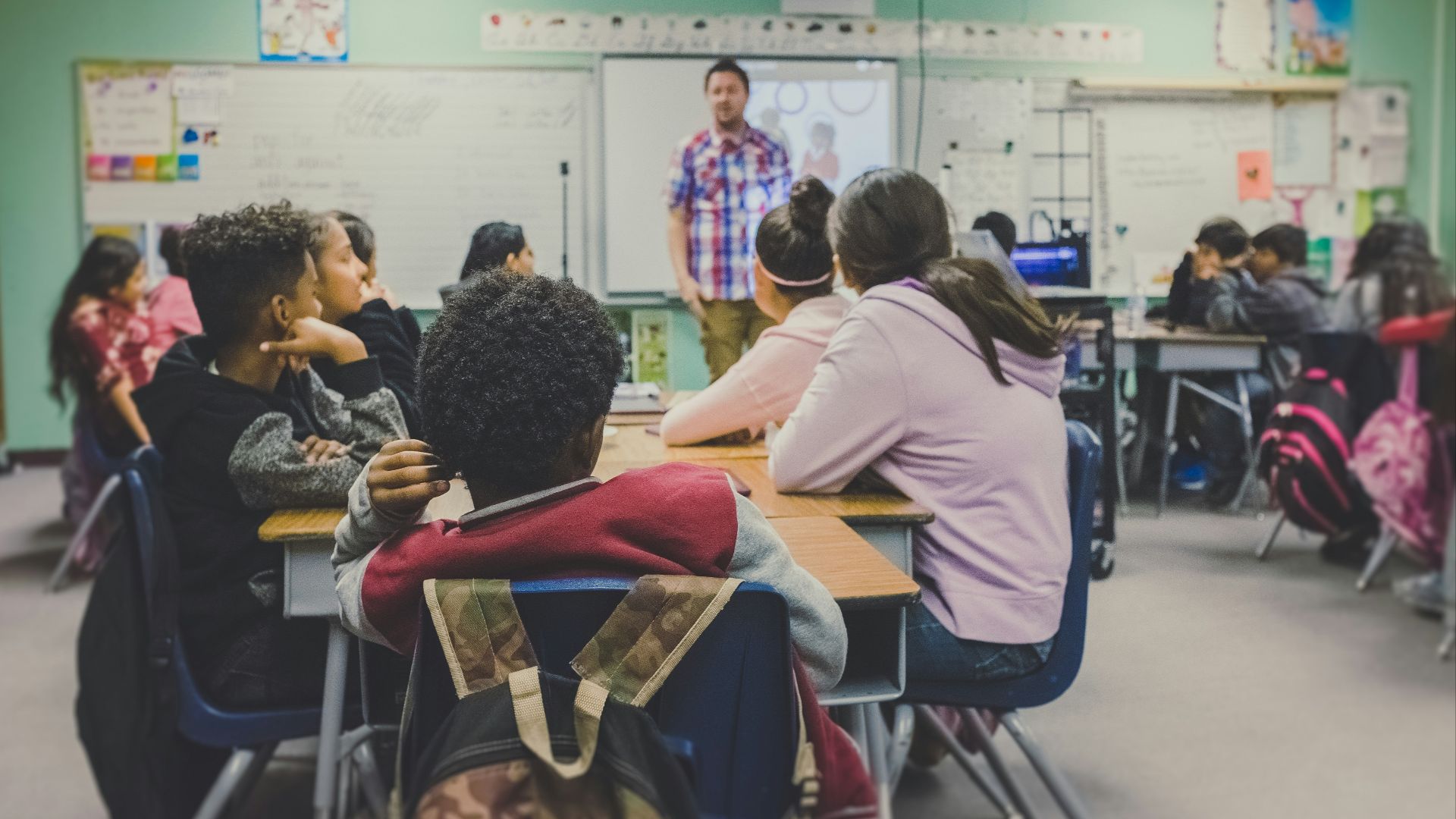
We keep hearing that schools prepare children for jobs that don't exist yet in a rapidly changing economy. This sounds forward-thinking until you look at what actually happens. Schools still operate on an industrial model designed in the 19th century that operates according to age-based cohorts, fixed schedules, and standardized content delivery. Students are then ranked and sorted based on their ability to reproduce information on demand.
The skills actually needed for an uncertain future—creativity, adaptability, self-directed learning, collaboration on complex open-ended problems—get systematically discouraged. Schools reward convergent thinking over divergent thinking. Students learn that there's one right answer, and the goal is to figure out what the teacher wants to hear.
What Kids Actually Learn That Matters
Children do learn things at school; it’s just not what's on the official curriculum. They learn social dynamics and how to navigate peer relationships and find their place in group hierarchies. They figure out who has power and how to get it, or alternatively, how to survive without it.
They learn resilience through boredom. Six hours of mandatory attendance teaches you how to endure tedious situations. Whether that's a useful life skill or a soul-crushing adaptation probably depends on your perspective and what kind of adult life you're preparing for.
They also learn what they're good at relative to others, which shapes identity in lasting ways. These comparisons, happening daily for years, build identity in ways that extend far beyond academic content. Schools are social sorting mechanisms, and kids learn their place among their peers whether teachers intend to impart that or not.