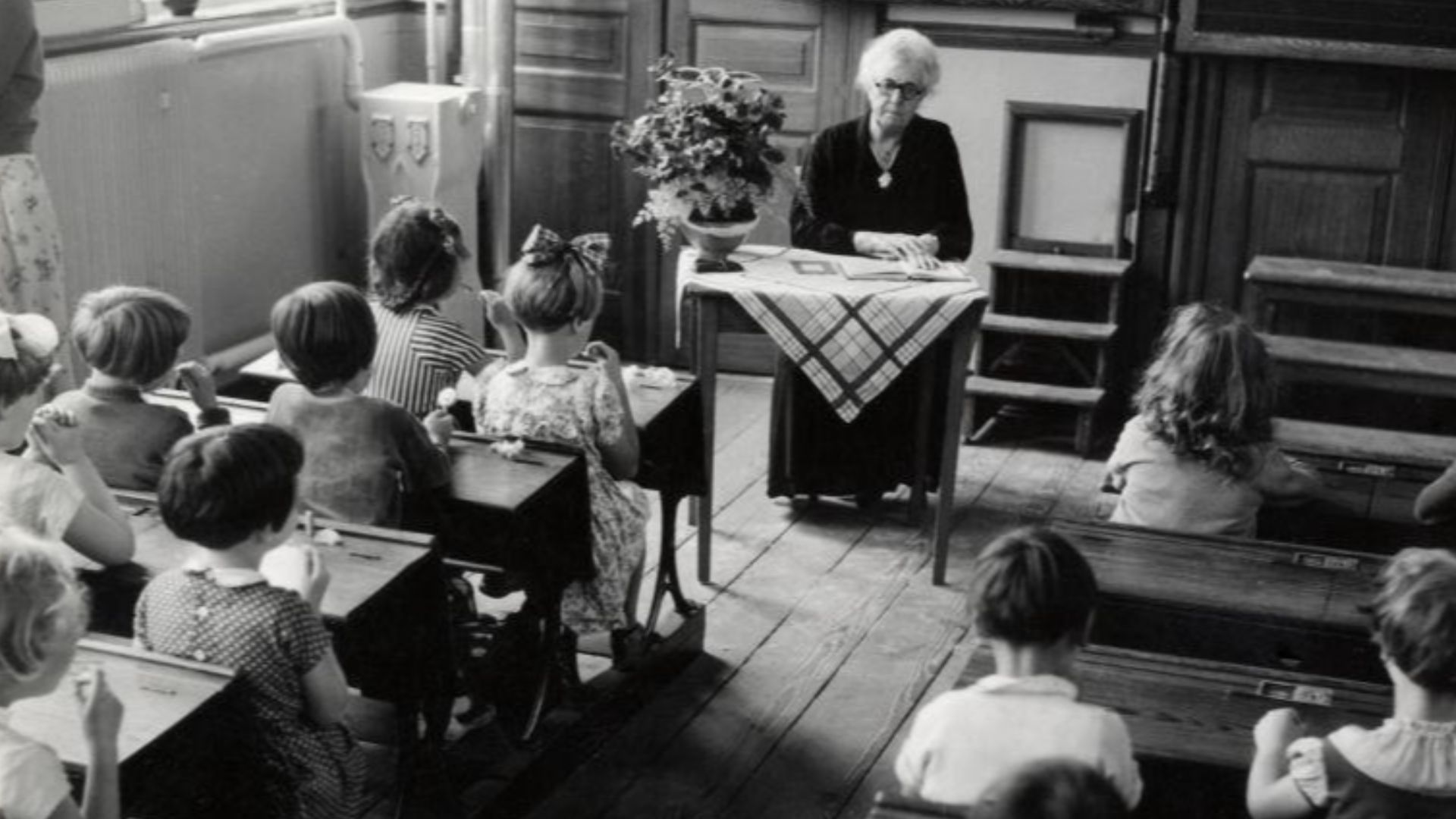
 Nationaal Archief on Wikimedia
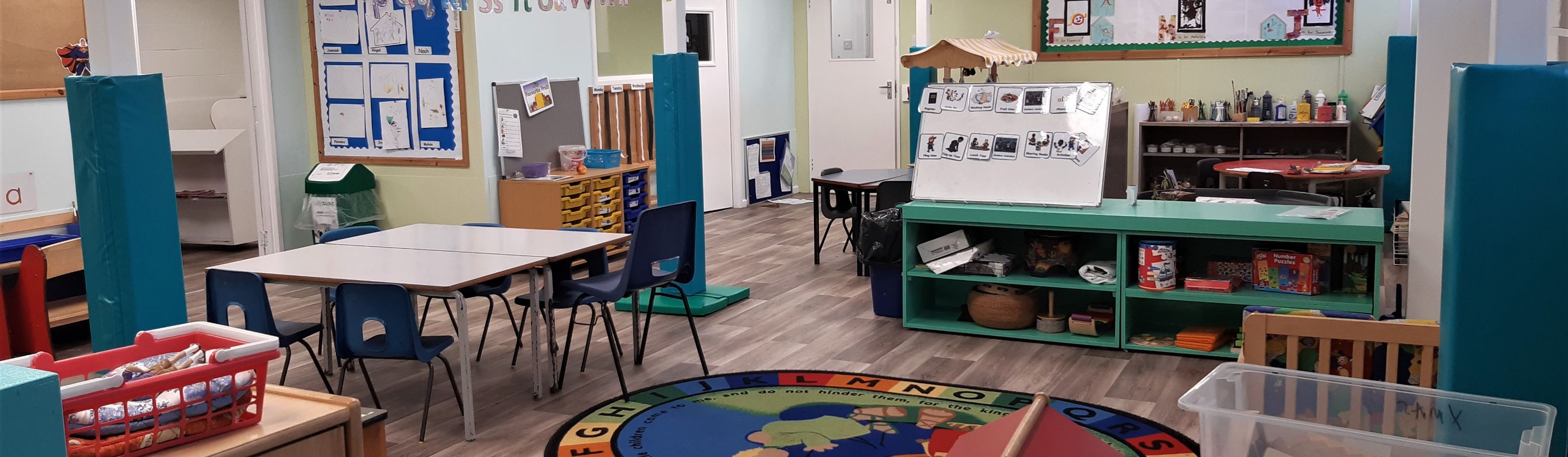
Picture a classroom in 1950 and one from 2024 side by side. Frighteningly, they'd look almost identical. Rows of desks, a teacher at the front, students memorizing information for tests. But the world outside those walls? Completely transformed.
We've gone from rotary phones to smartphones, from typewriters to AI assistants, yet we're still teaching kids like it's the Industrial Revolution. The system was designed to produce factory workers who could follow instructions and work in rigid schedules. That world is gone, but our schools haven't gotten the memo.
Yesterday's Skills For Tomorrow's Jobs
The current education model obsesses over standardized testing and rote memorization, skills that made sense when information was scarce and jobs were predictable. Today's students can Google any fact in seconds, but they're spending hours memorizing dates and formulas they'll forget by summer.
Meanwhile, the World Economic Forum reports that 65% of children entering primary school today will work in jobs that don't even exist yet. We're preparing them for a world that's already disappeared. What's actually needed? Critical thinking, creativity, collaboration, and adaptability.
The jobs that can't be automated require human skills like emotional intelligence, complex problem-solving, and the ability to learn continuously. Yet these are treated as extras rather than the core curriculum. A student can graduate with honors without ever working on a real-world project, pitching an idea, or collaborating with people from different backgrounds. That's educational malpractice in the 21st century.
The One-Size-Fits-All Approach Is Failing Everyone
We herd kids through the system in age-based batches, as if all eight-year-olds learn at the same pace and in the same way. People have different learning styles, speeds, and strengths. Some students need visual learning, others learn by doing. Some grasp concepts quickly but need depth, while others need more time with fundamentals.
The current system ignores all of this, labeling slower learners as "behind" and faster ones as "gifted," when really they just process differently. Technology could personalize education at scale, letting students move at their own pace and explore their interests. Schools in Finland and Singapore are already doing this successfully, integrating adaptive learning platforms that meet students where they are.
But most systems cling to the factory model because it's familiar and easier to administer, even though it's crushing creativity and creating unnecessary anxiety and disengagement.
Time To Redesign From The Ground Up
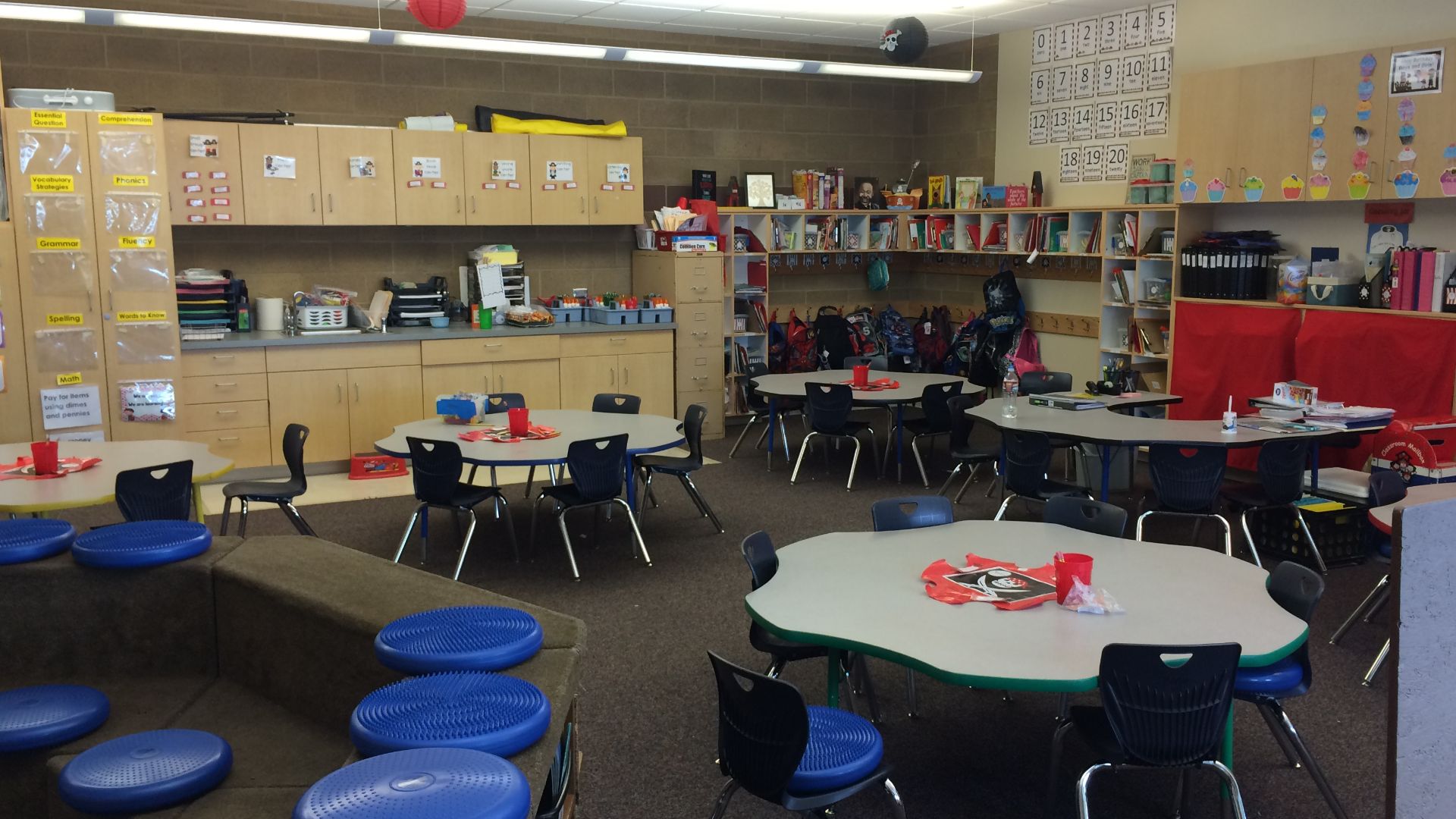
Small tweaks won't cut it. We need a fundamental reimagining of what education means. Schools should focus on teaching students how to learn, not what to learn. Subjects should connect to real-world applications. Assessment should measure growth and understanding, not just memorization.
And for the love of progress, we need to stop treating technology as a threat and start using it as the powerful tool it is. The students sitting in classrooms today will inherit climate change, AI disruption, and challenges we can't imagine. The least we can do is give them an education that actually prepares them for it.