What Your Entryway Says About Your Home, And How To Make It More Welcoming
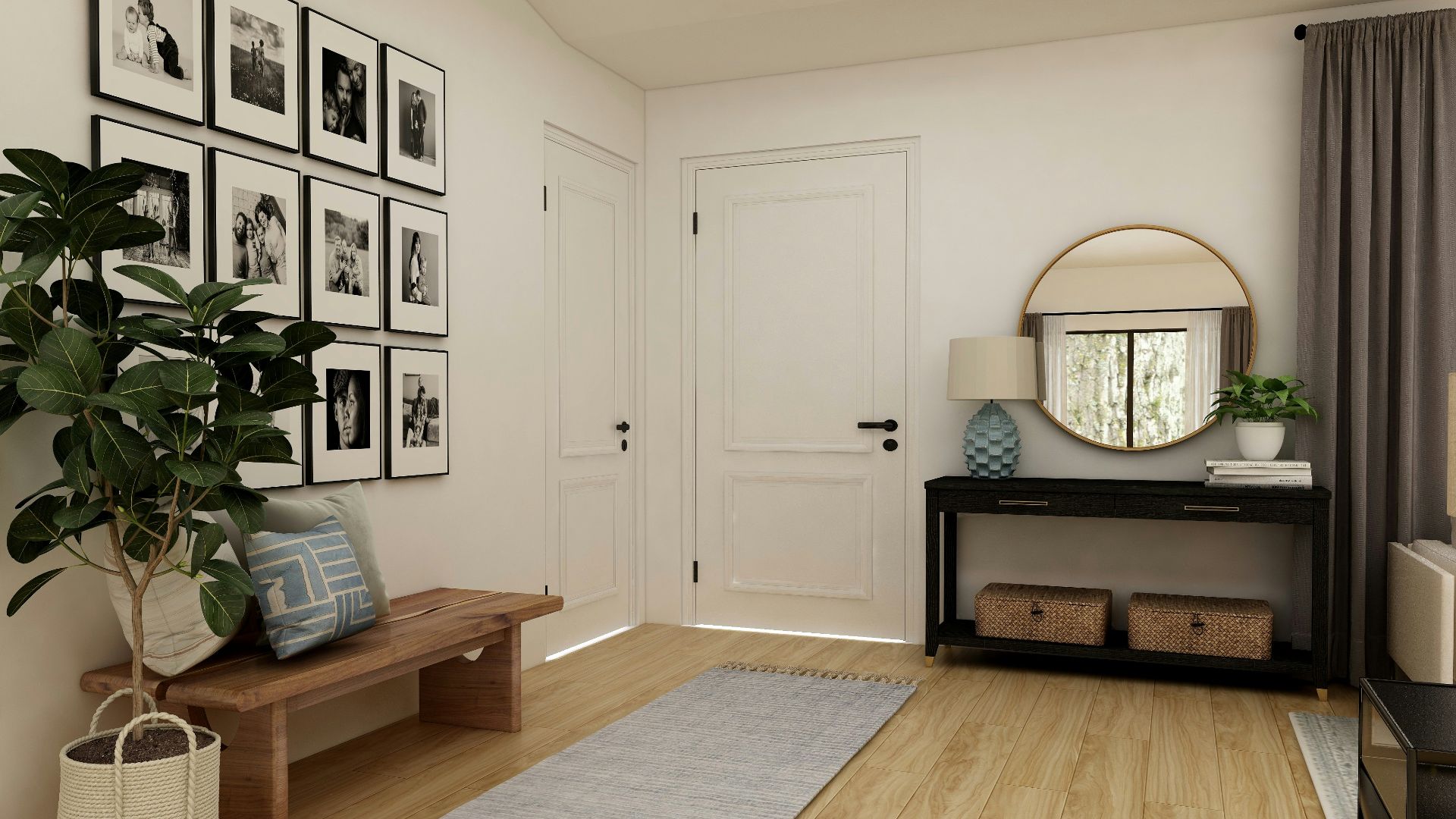 Collov Home Design on Unsplash
An entryway does a surprising amount of work for such a small part of the home. It catches shoes, coats, bags, packages, and all the little things people carry through the door, while also giving visitors their first look at the rooms beyond it. When the area feels calm and easy to move through, guests can settle in before anyone has even said hello. When it feels crowded or awkward, that discomfort shows up just as quickly.
A welcoming entrance doesn’t need a sweeping staircase, an expensive console table, or rows of perfectly matched baskets. It needs a clear walkway, practical places for everyday belongings, and a few personal touches that connect it to the rest of the house. That mix helps the space work during rushed weekday mornings, quiet evenings at home, and visits from friends or family. More than anything, it makes the home feel ready for ordinary life rather than arranged for a photograph.
What The Space Reveals At A Glance
People form impressions from the personal spaces they enter, often before they know much about the people who live there. In research involving offices and bedrooms, independent observers reached similar conclusions about the occupants, and some of their personality judgments were measurably accurate. The researchers also found that observers relied on visible clues in the environment while forming those impressions. An entryway isn’t the same as a bedroom or office, though it contains many of the same kinds of everyday clues.
An entrance can offer a quick glimpse of what life inside the home looks like. A neat stack of library books, a basket holding dog leashes, or a row of well-worn boots can reveal something about the household without making the room feel staged. A clear route through the space also shows that the area has been set up for people instead of being used as temporary storage. Those details feel welcoming because they show real life while still leaving enough room for someone to enter, take off a coat, and move farther into the home.
Some mess is simply part of a busy household, though ongoing visual clutter can affect how a home feels. One study examined home tours given by 60 spouses from dual-income households and grouped references to clutter and unfinished projects into a “stressful home” measure. Wives with higher stressful-home scores had flatter daily cortisol slopes and experienced increased depressed mood throughout the day, while wives with higher restorative-home scores had steeper slopes and decreasing depressed mood. Tidying the entrance won’t fix every source of stress, though it can remove one repeated patch of visual noise from a place people pass through every day.
Make Daily Routines Easier, Not Prettier
The best entryway storage usually works with the habits people already have. When everyone drops their keys on the nearest surface, placing a small tray in that spot will probably be more useful than keeping a complicated organizer inside a cabinet. Hooks, open baskets, and a low shoe rack can turn those automatic habits into a routine that keeps the area reasonably neat without asking much from anyone. Storage should also fit the amount of stuff the household actually owns, with some extra room for seasonal items and visitors.
The floor deserves special attention because an entrance is a busy transition area. CDC fall-prevention guidance for older adults recommends removing trip hazards such as throw rugs, keeping floors clear of clutter, and adding brighter or additional lighting. A low-profile mat with a secure backing and an open route through the doorway can make the space easier to use for guests of different ages and abilities. The door should also open fully without hitting shoes, baskets, or furniture, since even a lovely setup becomes frustrating when it gets in the way.
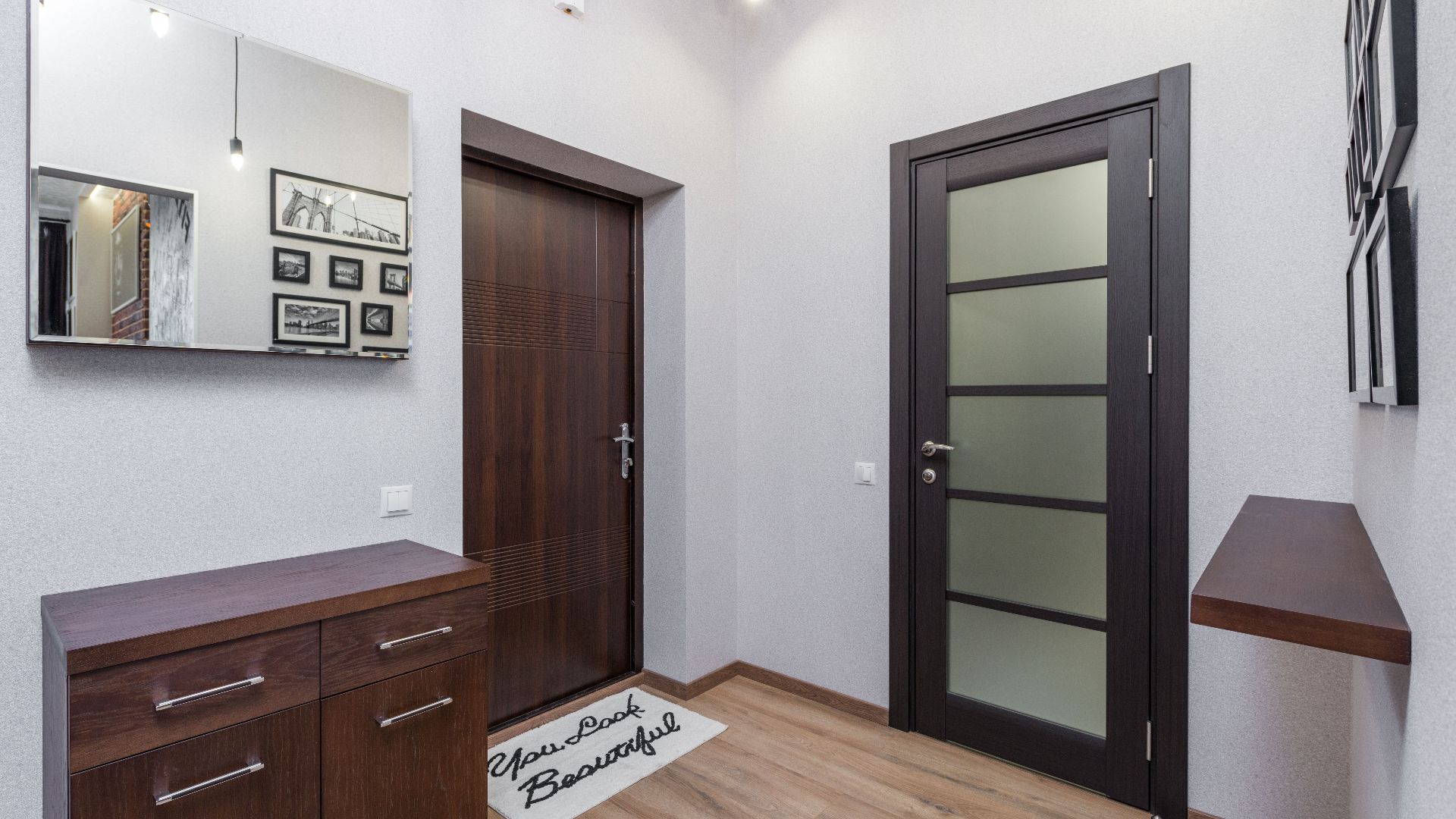
Every piece of furniture should justify the space it takes up. In a narrow hallway, a floating shelf may work better than a deep console table, while a small bench can offer seating and hidden shoe storage in a wider entrance. Keeping at least one hook or open section available for visitors means guests won’t have to carry a wet coat through the house or search for somewhere to put it. A small umbrella stand or washable boot tray can also keep rain, snow, and mud from traveling farther indoors, which makes cleanup easier when the weather turns messy.
Use Light, Fresh Air, And Personal Details
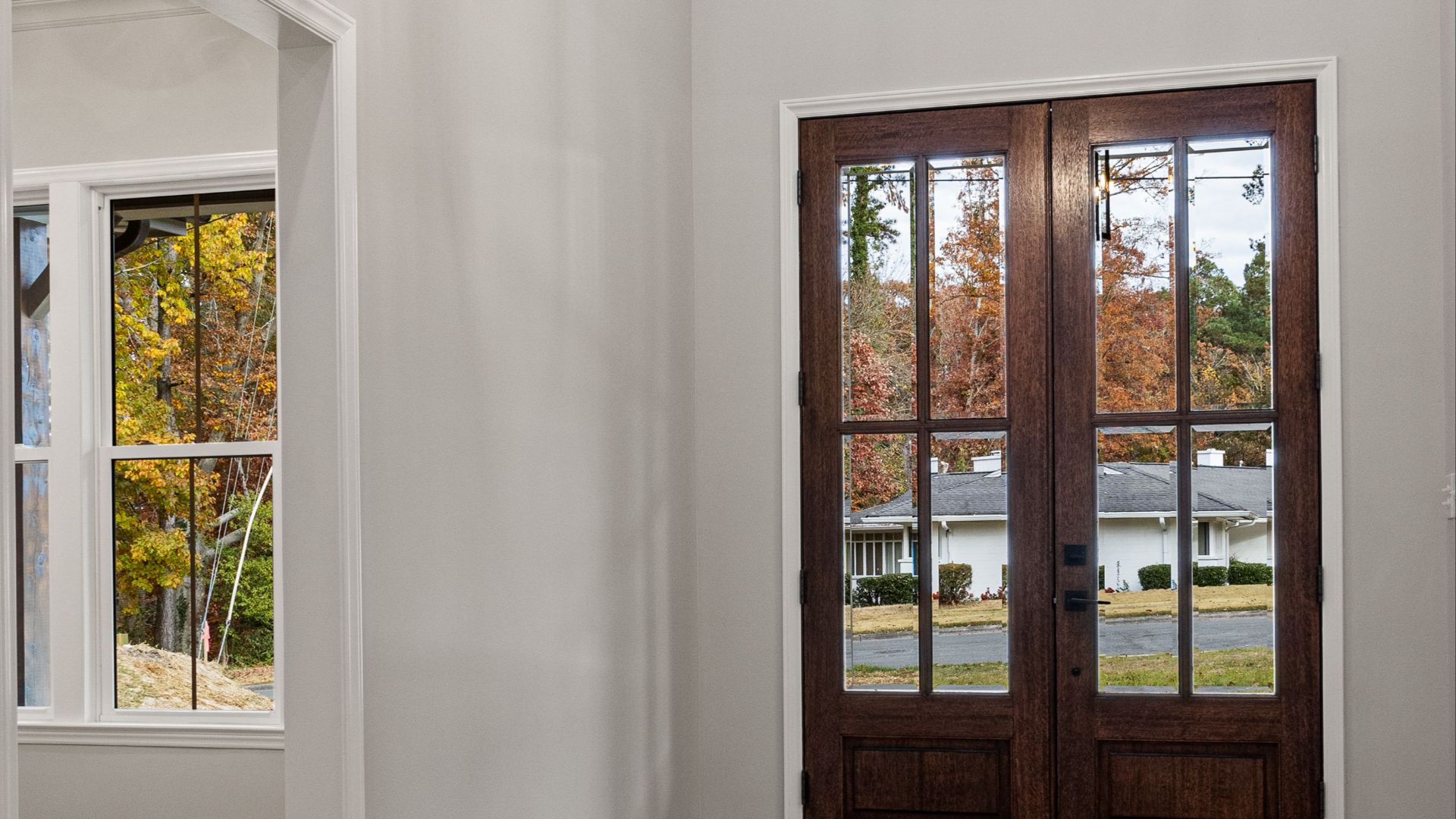
Lighting affects both the appearance of an entryway and how well the space works. The U.S. Department of Energy describes 2,700 Kelvin light as friendly and personal and 3,000 Kelvin light as warm and pleasing, with homes listed among the common uses for both color temperatures. These warmer choices can give the entrance a softer appearance while still providing enough visibility for finding keys, handling packages, or taking off shoes after dark. Switches that are easy to reach or motion-sensor lights can be especially useful when someone comes through the door with full hands.
A fresh-smelling entrance starts with removing the cause of an odor rather than covering it with a stronger scent. The Environmental Protection Agency names source control, better ventilation, and filtration or air cleaning as the three basic approaches to improving indoor air quality. Washing mats, drying wet shoes and coats, and opening doors or windows when the weather and outdoor air conditions allow can help clear out stale air. A strong candle or plug-in fragrance isn’t needed when the area already smells clean, and dealing with damp items first keeps the solution tied to the source.
Personal details bring the room together, though they don’t need to cover every surface. A framed photograph, a favorite print, a handmade bowl, or a mirror with some history can add more character than a crowded display of objects chosen only because they match. Seasonal branches or a small plant can bring in texture when the available light and temperature are suitable, while a sturdy basket can look attractive and still do useful work. When the entrance is open, useful, softly lit, and clearly connected to the people who live there, it gives visitors a simple and reassuring impression: this is a lived-in home where they’ve been considered.