What The Rise of AI Companions Means For Regular Dating
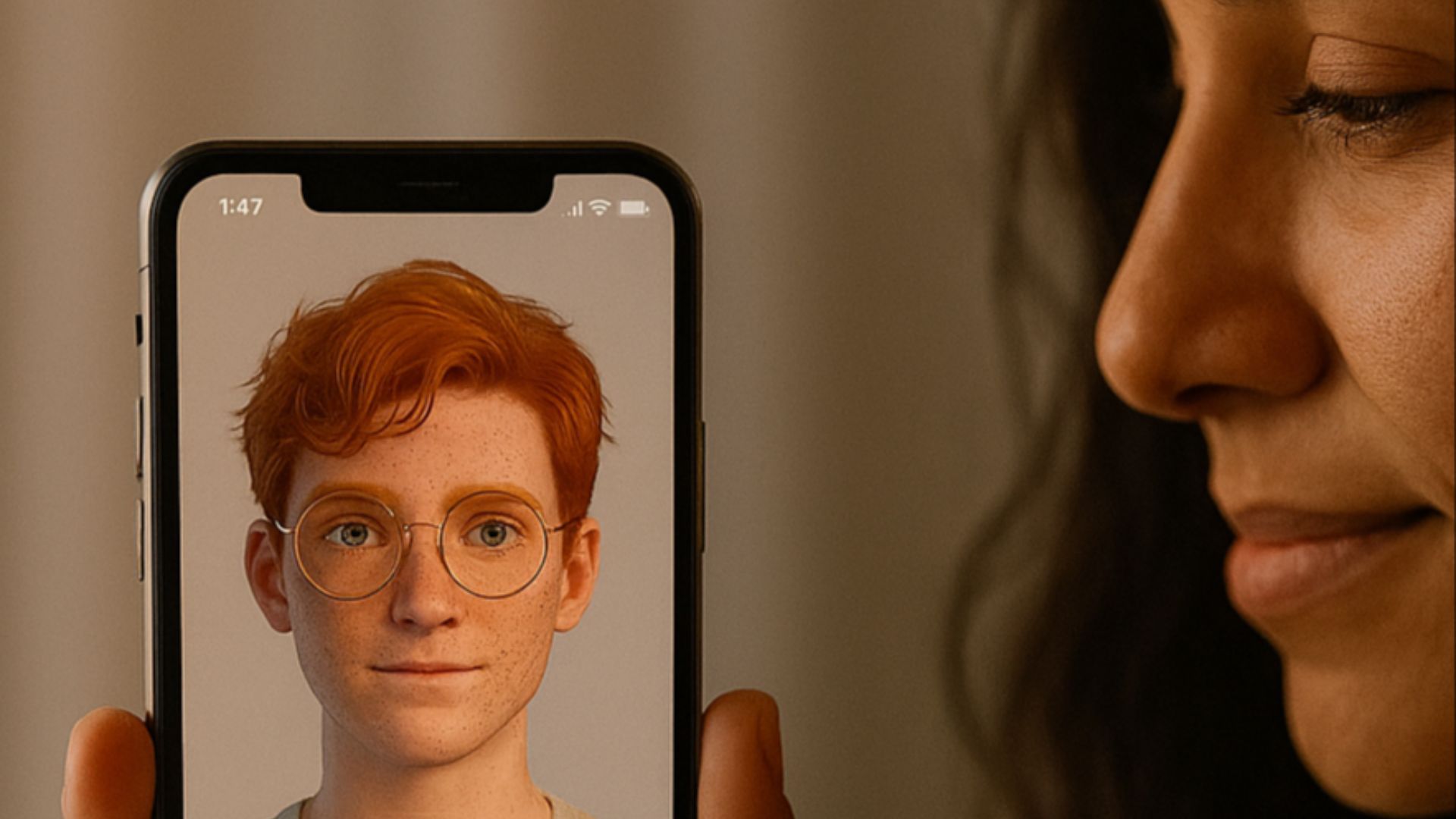
AI companionship has long been the subject of science fiction, but today, it's a real-world thing, too, quietly reshaping modern romance. These AI companions are designed to be emotional support bots who show empathy and ask thoughtful questions, which is a lot more than many people's boyfriends are capable of.
These types of AI aren't a niche subset—Snapchat's My AI has over 150 million users while Xiaoice, a Microsoft AI system based on an emotional computing framework, has 660 million, and growing. For people fed up with endless swiping, ghosting, and repeated heartbreak, these robotic companions make a lot of sense. While these systems aren’t replacing romance entirely, they are changing the expectations and emotional landscape of dating in unpredictable ways.
What's the appeal?
One of the biggest pulls of AI companions is the elimination of rejection. These bots are programmed to provide emotional support, simulate affection, and spend as much time with you as you want. They're patient, gentle, and easy to talk to. There are no awkward silences, mixed signals, or toxicity, creating an emotional comfort bubble that traditional dating may not be able to provide.
Real people come with flaws, boundaries, insecurities, and their own emotional needs; AI companions offer the illusion of intimacy without any of the vulnerability that real relationships demand.
What are the pros?
While it may seem strange or unhealthy to some, studies suggest that forming romantic relationships with AI can facilitate personal growth, well-being, and provide stress relief. Another possible upside is that it may change the current dating landscape, which is plagued by toxicity and incompetent partners.
AI companions may become a "practice ground" for real dating, which is especially useful for shy or anxious people. Instead of stumbling through a first date or risking embarrassment, users can build confidence through interacting with AI, helping them rehearse flirting, communication, and conflict resolution. This has the potential to improve dating by giving people much-needed emotional training.
Toxic dating behaviors like ghosting, manipulation, and gaslighting, which are almost normalized in modern relationships, may also change when non-human competition is added to the dating pool. If you know your partner always has a perfectly programmed AI fantasy to fall back on, you might be more driven to be a better romantic partner.
What are the cons?
The major concern raised when it comes to AI companionship is that it may lead to an over-reliance that actually erodes human relationships. Instead of using AI as a training ground, it could become a comfort zone that users never want to leave.
For couples, AI companions raise new questions about boundaries. Is it cheating if someone turns to AI for romantic comfort? What if they prefer emotional conversations with a chatbot over their partner? These are questions that don't have established norms yet, and society as well as individual couples will have to decide where to draw the line.
The rise of AI companionship doesn't mean that traditional dating is doomed. After all, AI will probably never be able to replicate the things that make human relationships so intoxicating, like chemistry, growth, mutual effort, and unpredictability. However, AI is redefining what people expect from intimacy and can actually help people become better partners. If the 2010s were the decade of dating apps, the 2020s may be the decade where we decide what love looks like when the competition isn’t another human being.