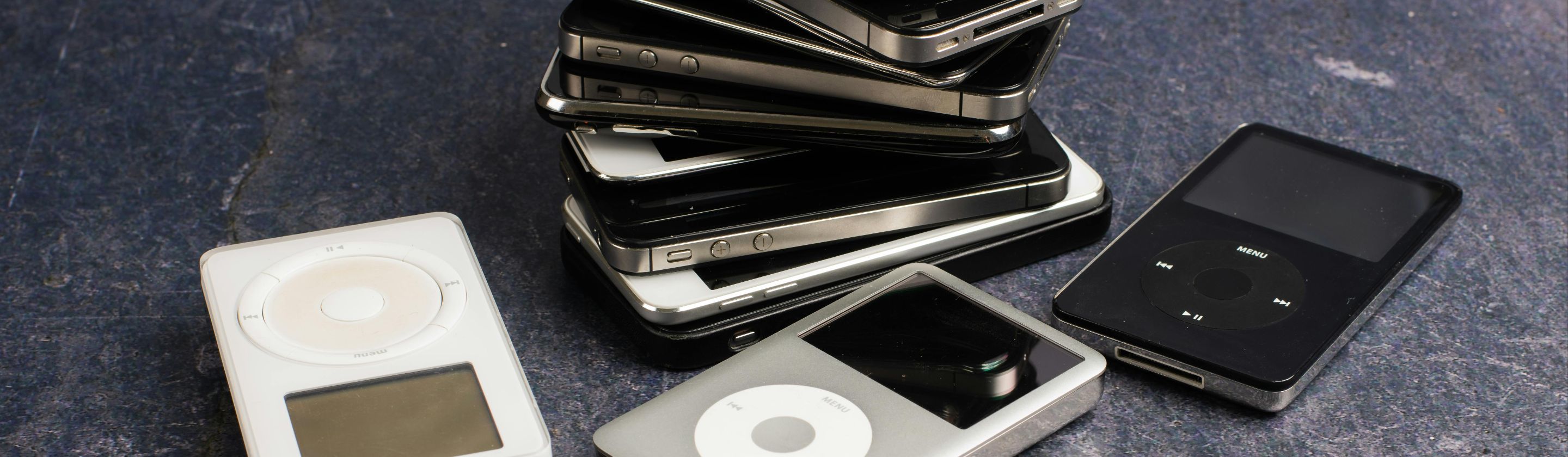
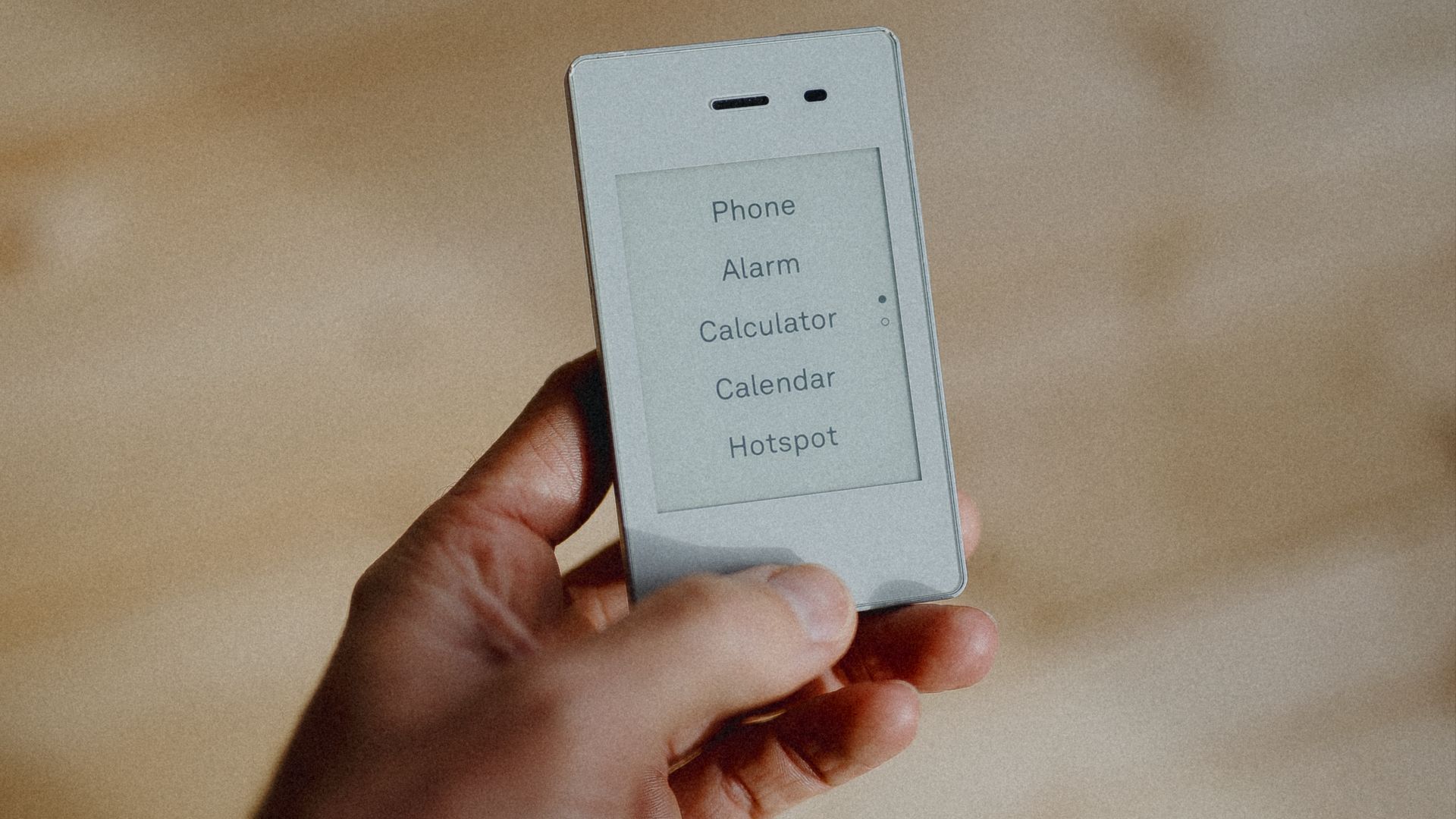
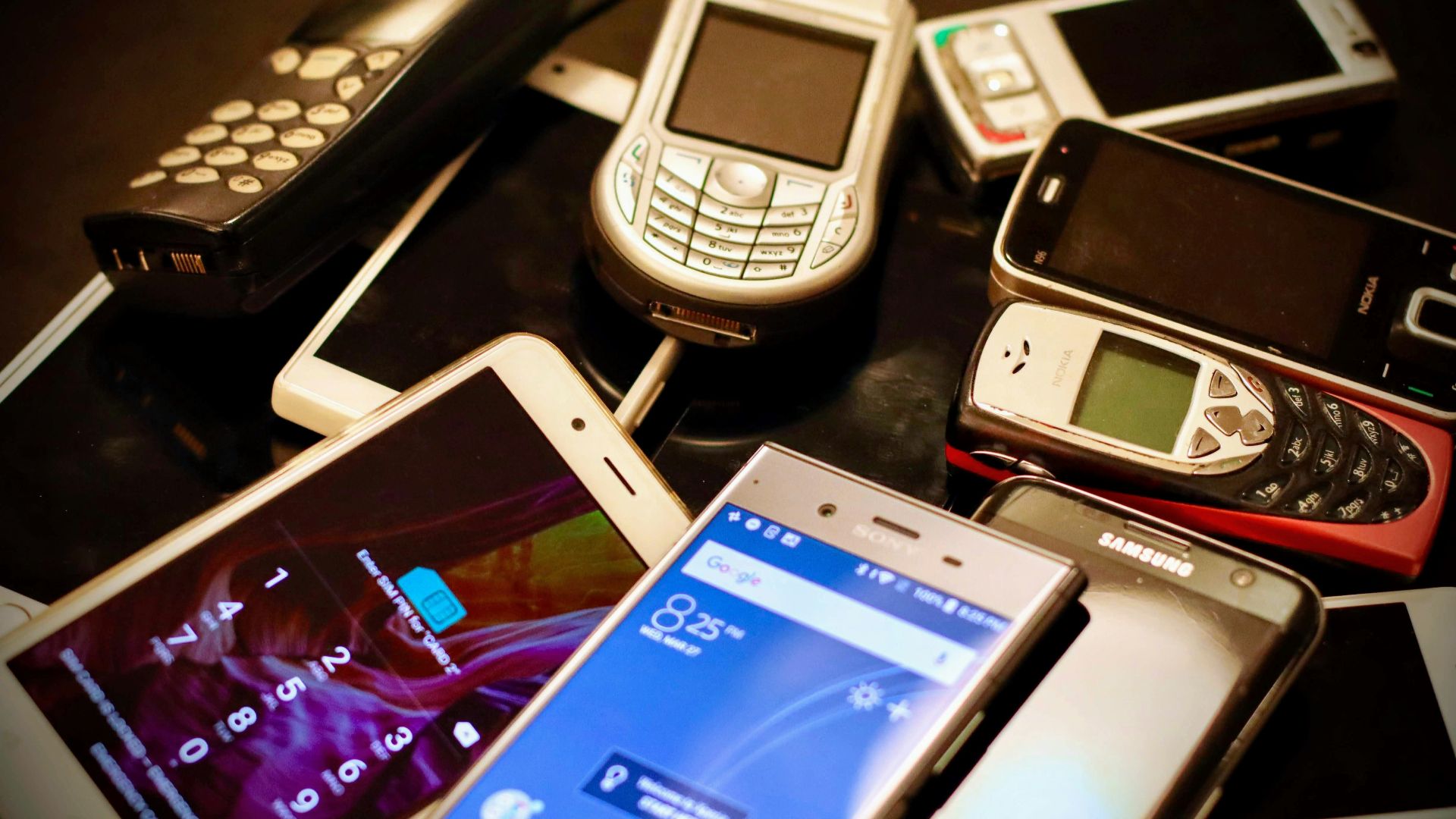
Somewhere between our nostalgia trips and battles against phone obsession, a new competitor entered the octagon. The Light Phone III launched in 2025 with a bold promise: strip away the noise, hand you something that fits in your palm, and get out of the way. At $699 to $799, it costs about as much as a current flagship iPhone, and yet it does a fraction of what that device can do. That, according to its creators, is entirely the point.
If the name rings a bell, that is because the Light Phone has been turning heads since its first generation, which launched in 2015. Generation three takes things up a notch by combining that same distraction-free philosophy with modern hardware and a retro-inspired silhouette. Whether you’re a digital detox advocate or simply someone who misses the days when phones were just phones, this one is worth a closer look.
Turning Back The Clock
Weighing in at 4.37 ounces, with a total measurement of 2.17 x 2.81 x 0.47 inches, the Light Phone III is tiny and mighty. Its metal frame comes in matte black or silver, and the square 3.9-inch AMOLED display carries an unusual 1:1 aspect ratio that makes it look more like a compact camera than a smartphone.
The physical scroll wheel on the side is where things get interesting. Reminiscent of the navigation wheels found on early Nokia handsets and certain Motorola devices from the early 2000s, the scroll wheel gives the phone a tactile quality that touchscreens simply cannot replicate. Physical buttons for power, volume, menu, and the camera shutter round out the experience, reinforcing the sense that this is a device designed for hands, not just eyes.
The display resolution sits at 1080 by 1240 pixels at 419 ppi, which is more than sharp enough for reading a text message or checking a calendar. The phone also carries IPX4 splash resistance and a built-in flashlight, two things we do appreciate on modern devices.
What Does It Actually Do?
Calling and texting are the core functions, and the phone handles both with care. HD voice calls work over major US 5G and LTE networks via eSIM or nano-SIM, and the messaging interface supports SMS and MMS group chats without any additional complexity layered on top. According to the detailed spec sheet on PhoneScoop, the phone supports bands 1 through 78, which means coverage should not be a concern for most users in the United States.
Beyond communication, the Light Phone III also has an alarm, a calculator, a calendar with cloud sync, notes, voice memos, and a music and podcast player. Bluetooth 5.0, USB-C audio, and stereo speakers handle playback, and the phone has a whopping 128 GB of storage and 6GB of RAM. Turn-by-turn GPS navigation rounds out the essential kit, making the device genuinely usable for travel even without a live data connection to social platforms.
The camera is a 12-megapixel rear shooter capable of producing up to 50-megapixel processed images, and it uses a two-step shutter button. An 8-megapixel front camera and NFC are present on the hardware but were disabled at launch, with the company signaling plans to activate them for video calls and a digital wallet in future updates. As Engadget's review noted, the minimalism extends to the operating system itself, which skips the notification floods and background app activity that drain battery life on conventional smartphones.
Who Should Get This Phone?
The Light Phone III has no Wi-Fi, no social media apps, and no full web browser. The entire philosophy centers on reducing what the company describes as smartphone addiction by removing the specific vectors through which it typically takes hold. Reviews from outlets like Field Mag have pointed out that the phone shines especially during travel and outdoor adventures, where the temptation to scroll gives way to a device that simply stays out of the way.
The Y2K appeal runs deeper than surface-level aesthetics, though. The tactile interface, the deliberately limited feature set, and the friction built into every interaction mirror the pre-app era of mobile phones. Younger generations that never experienced that era firsthand have enthusiastically embraced the Y2K energy through fashion, music, and technology choices, and seem particularly drawn to what the Light Phone represents as a kind of analog-adjacent antidote to digital overload.
The $699 starting price is admittedly steep for a device that does less than a mid-range Android, and Engadget's review was candid about moments where the minimalism tips into genuine frustration. The removable 1,800mAh battery and USB-C charging, while lacking wireless support, keep the hardware accessible and repairable in ways that most flagship phones no longer bother with. For the right person, someone who genuinely wants to reclaim their attention without disappearing off the grid entirely, the Light Phone III makes a compelling, if expensive, case for slowing down.