Some Rules Stick, While Others Just Start Arguments
It’s only fair that every family operates on its own set of rules, alongside the general rules we use in society. The problem is that not all rules are created equal, and the gap between a rule that kids absorb and understand, and one that sends them into a spiral of confusion or outright defiance,m often comes down to phrasing and consistency. Research in child development has long shown that kids respond far better to specific, positive instructions than to vague directives they have no framework to interpret. When rules are clear, age-appropriate, and consistently enforced, children don't just follow them; they start to own them. Here are 10 household rules that actually land with kids, followed by 10 that tend to blow the whole thing up.
1. Keep Hands And Feet To Yourself
This rule gives kids a specific behavior to control rather than an abstract emotional standard to meet. Young children especially respond well to body-based instructions, and they’re applicable in nearly every situation.
2. Use An Inside Voice
Kids understand the concept of volume far better than they understand the concept of noise as a social inconvenience. Framing it as inside versus outside gives them a clear mental category to file it under, which makes self-correction much easier.

3. Clean Up Your Mess
Ownership matters to children more than most parents realize, and attaching responsibility to the mess they personally created feels more fair than general cleaning instructions. This rule also fosters long-term cleaning habits, hopefully becoming second nature by the time they reach their teens.
4. Knock Before Entering
Privacy is a concept kids grasp earlier than expected, partly because they want it for themselves. A closed door means something, and once children understand that the rule protects everyone equally, it becomes easier to follow.
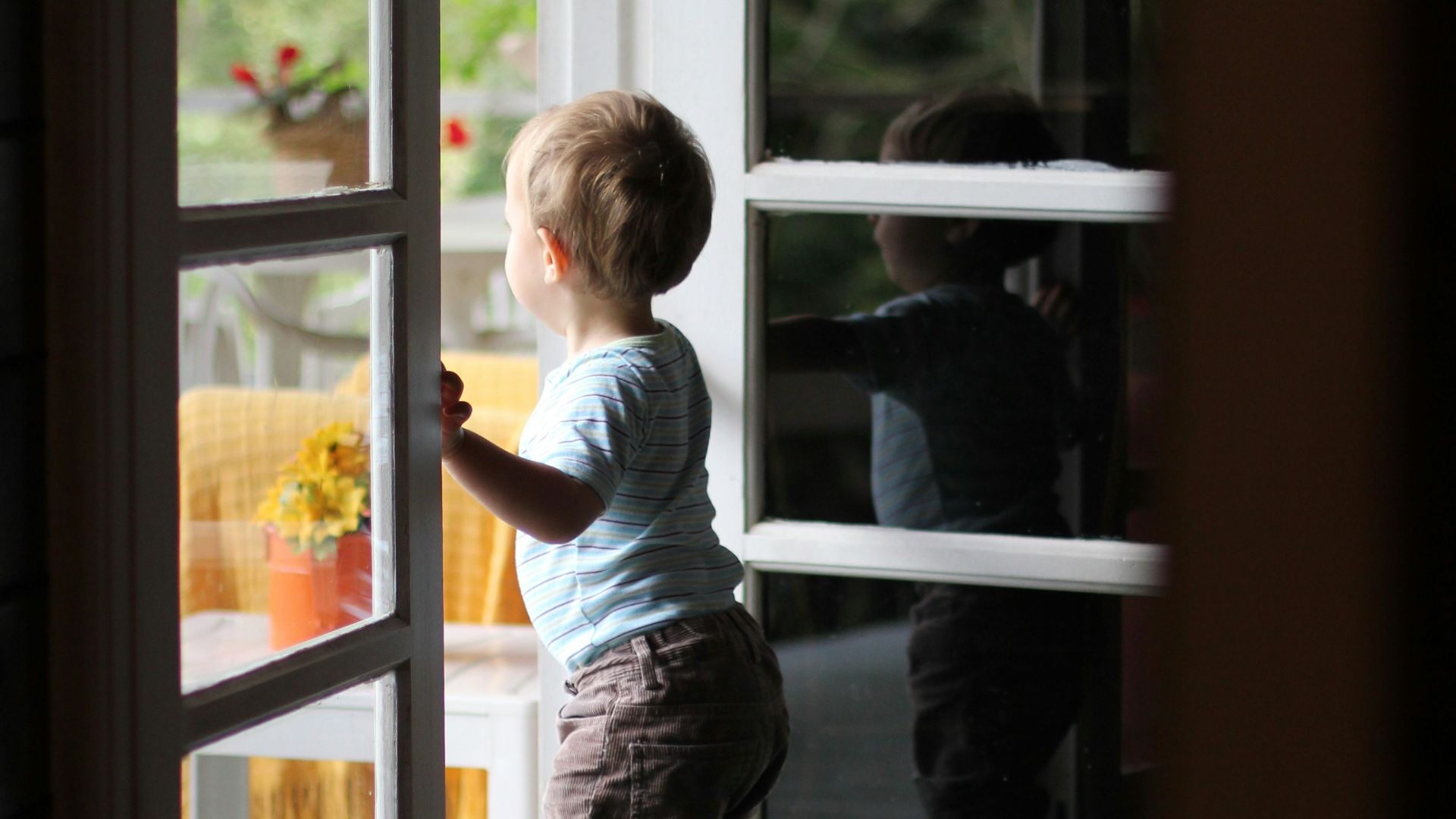
5. Say Please And Thank You
Politeness rules stick when they are modeled consistently by adults in the home, not just demanded from children in isolated moments. Kids who grow up hearing please and thank you used genuinely around them absorb those habits the way they absorb language, without needing to be reminded constantly.

6. Sharing Is Caring
This rule connects directly to how children experience fairness, which is one of the earliest moral concepts to develop in early childhood. It works best when parents reinforce it during actual moments of conflict rather than delivering it as a pre-emptive lecture before play begins.
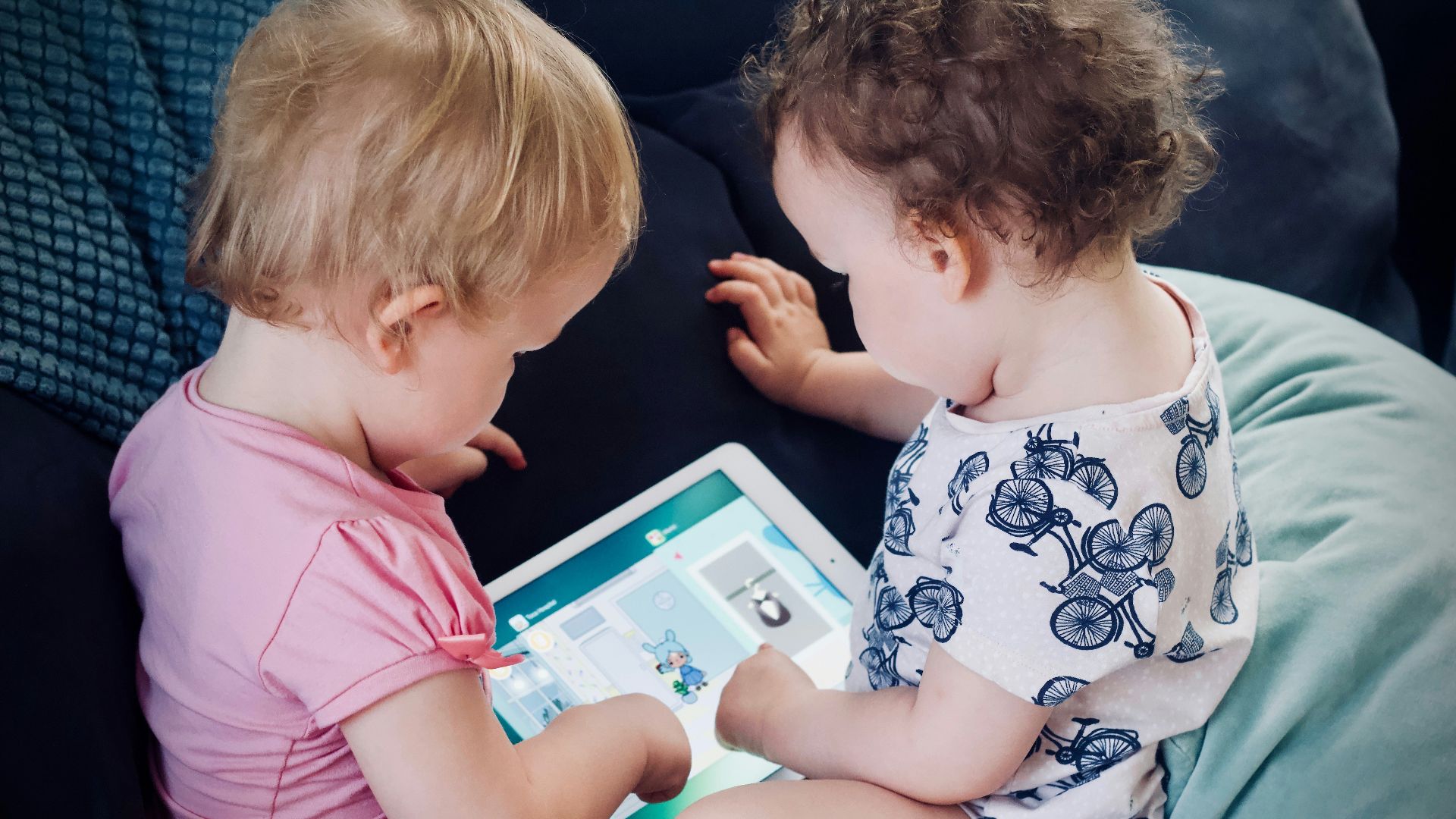 Jelleke Vanooteghem on Unsplash
7. Put Your Coat Away
Routine-based rules are among the easiest for kids to follow, as they attach to an existing sequence of events, like coming home from school, rather than requiring an independent decision each time. We are habitual creatures, and the little ones are no exception.

8. Wash Your Hands
Asking kids to wash their hands before dinner or after coming inside consistently tends to create a healthy, long-term habit. Kids who grow up with this as a non-negotiable part of mealtimes rarely question it because it never feels like a rule so much as just what you do.

9. Make Your Bed
Studies on routine and self-regulation in children consistently suggest that small, completable tasks done at the start of the day build a sense of order and competence that carries into other areas.

10. Wait Your Turn To Speak
Children who learn not to interrupt develop stronger listening skills and, eventually, stronger social relationships, though the rule requires patient, consistent reinforcement before it becomes automatic. Modeling it during family conversations is an excellent way to achieve long-term success.

1. Be Good
No instruction frustrates children more reliably than one they genuinely cannot decode, and “be good” is the classic offender. Without knowing what “good” looks like in a specific situation, kids have to guess what it looks like. If they mess up or forget what was asked of them, it can lead to a cycle of miscommunication.
 Hoi An and Da Nang Photographer on Unsplash
2. No Running
This rule collapses the moment anything exciting happens, which, with children, is approximately every twenty minutes. A more specific version, like walking inside and running outside, gives kids a workable framework rather than semi-remembering a vague rule.
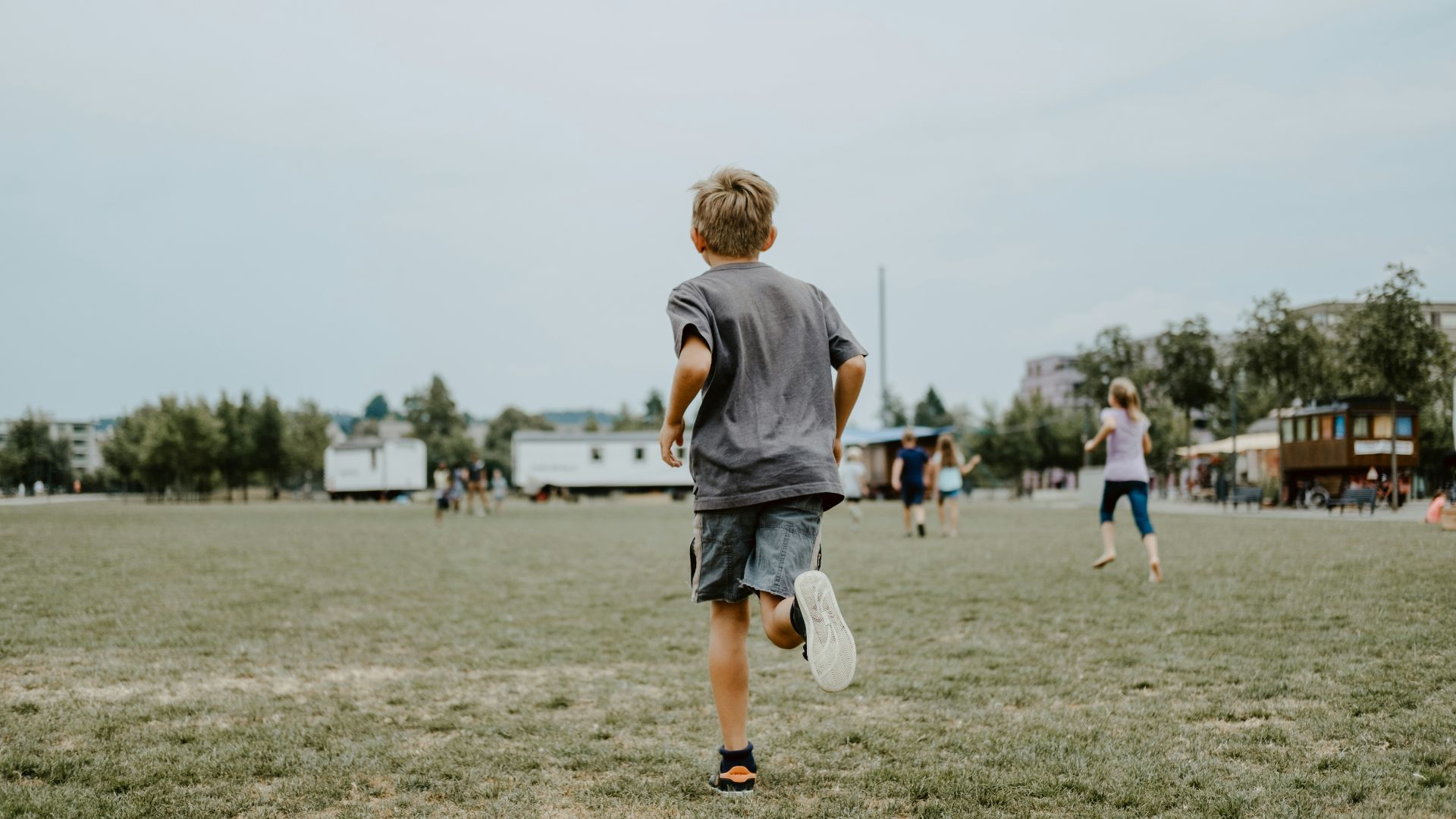
3. Go To Bed When I Say So
Bedtime rules that shift based on a parent's mood, the day of the week, or how tired everyone is teach children one thing above all else: that the rule is negotiable. Inconsistent timing around sleep creates anxiety and resistance rather than the wind-down routine that actually helps kids settle.
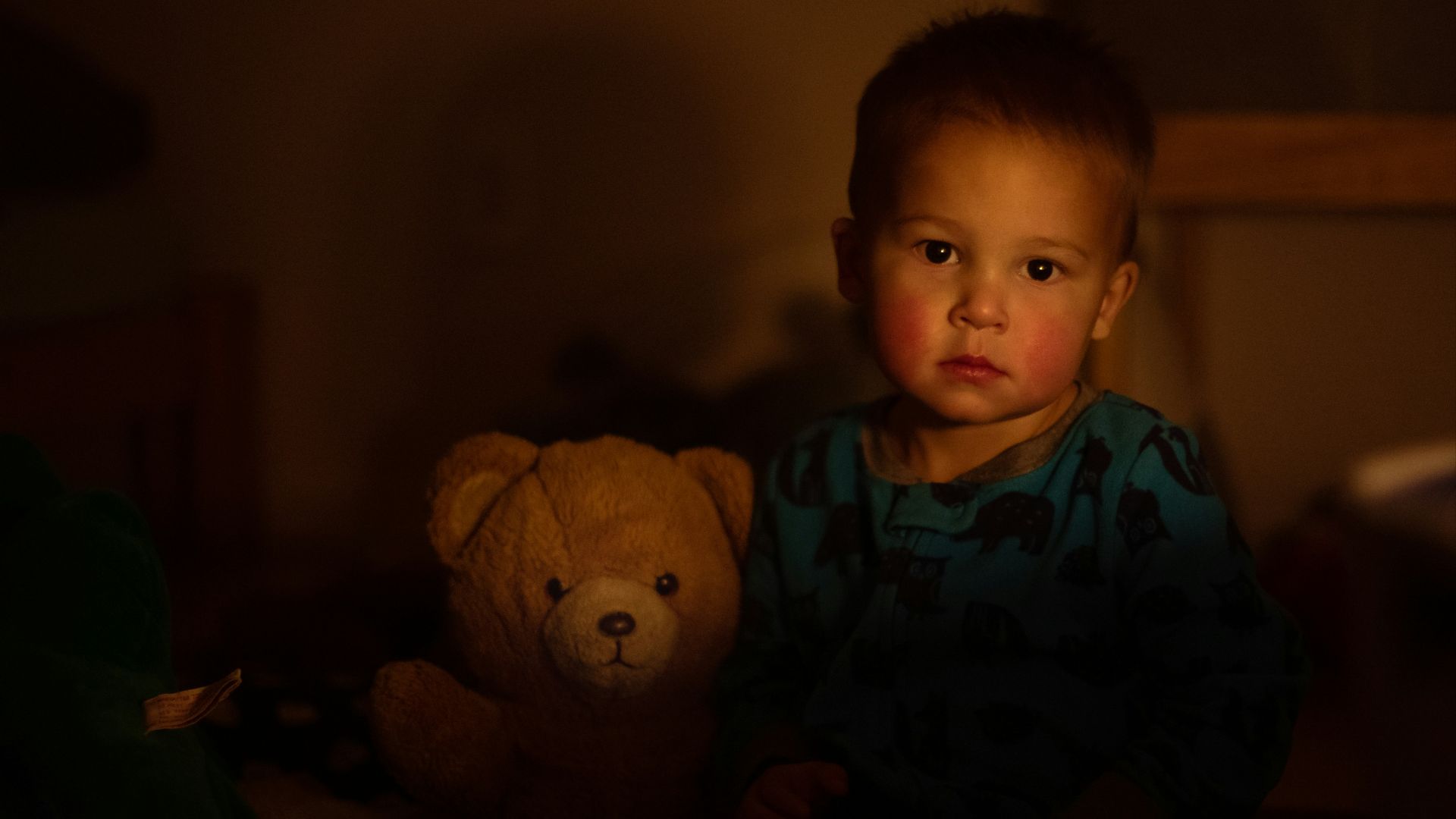
4. Don't Be Messy
Without a specific behavior attached to it, this rule has nowhere to land in a child's mind. Messy by whose standard, compared to what, and in which room are all questions a child cannot answer, which means the rule generates anxiety at best and complete indifference at worst.
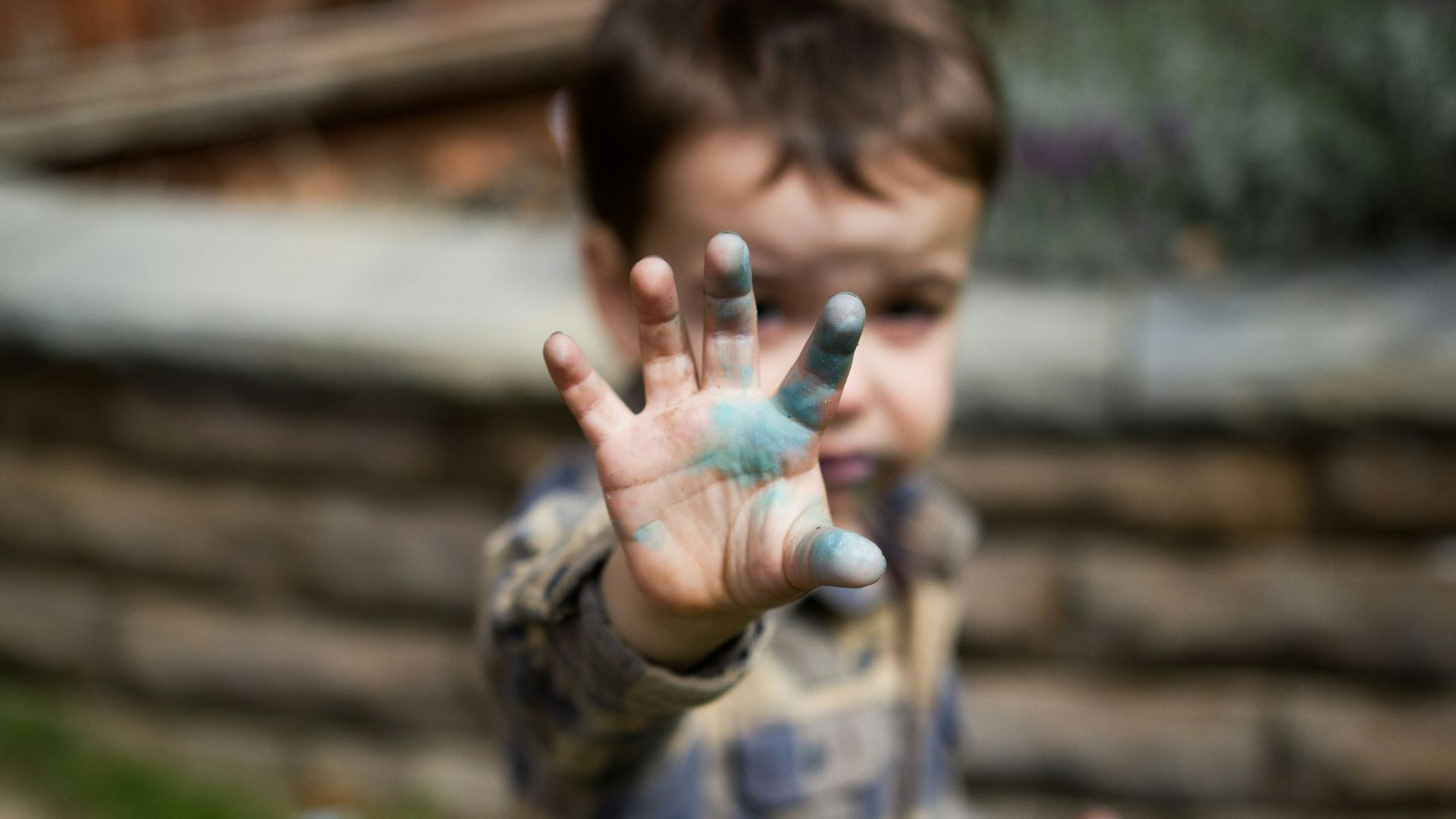
5. Listen To Your Brother Or Sister
Delegating authority to a sibling almost always produces more conflict than it prevents, because children have a finely tuned sense of horizontal hierarchy and will not accept peer-level enforcement without a fight. This rule puts the older child in an impossible position and gives the younger one a built-in reason to resist.
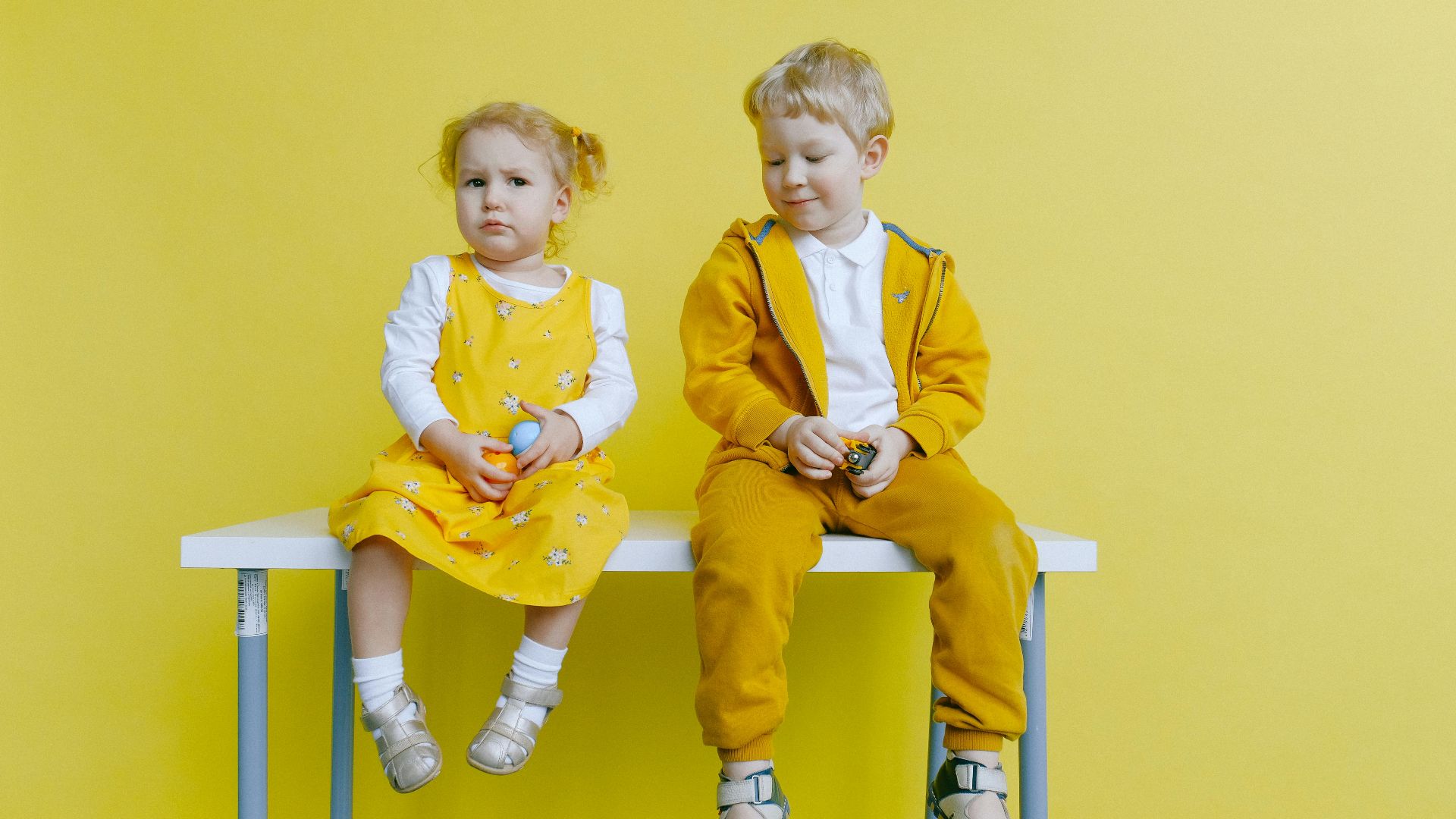
6. No, You Can’t Have Screen Time
Absolute bans on things children encounter everywhere else, at school, at friends' houses, and in virtually every public space, tend to generate fixation rather than disinterest. Research on restrictive media rules consistently shows that children in zero-tolerance households often develop more compulsive relationships with screens, not fewer.
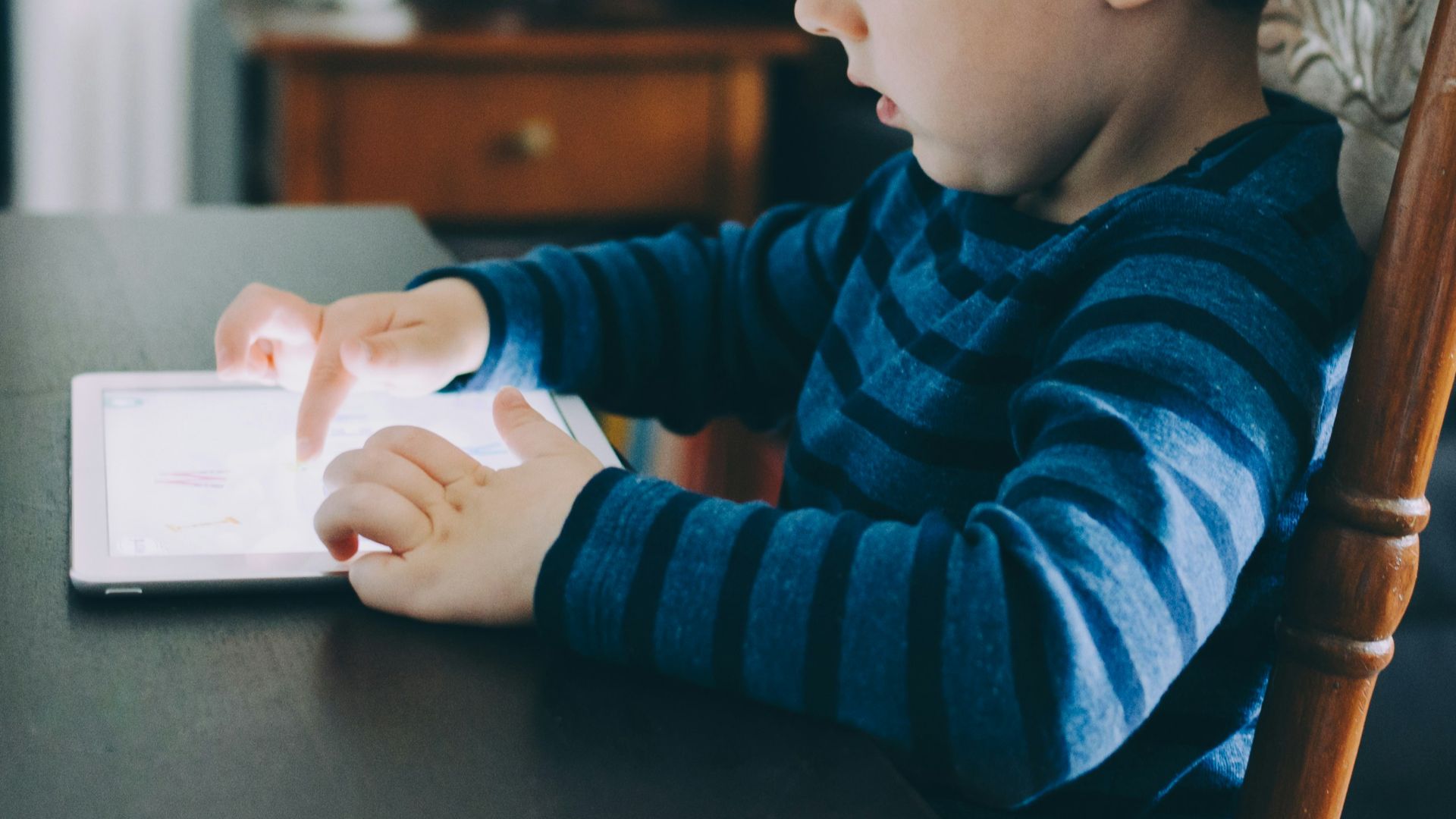
7. Your Room Better Be Spotless
Perfection as a standard is overwhelming for adults, let alone children, and a rule that feels impossible to achieve is a rule that stops being attempted. Breaking room-cleaning into specific, complete steps works significantly better than issuing a sweeping directive and expecting it to land. It’s also important not to yell at them if they miss something. They’re new to this!
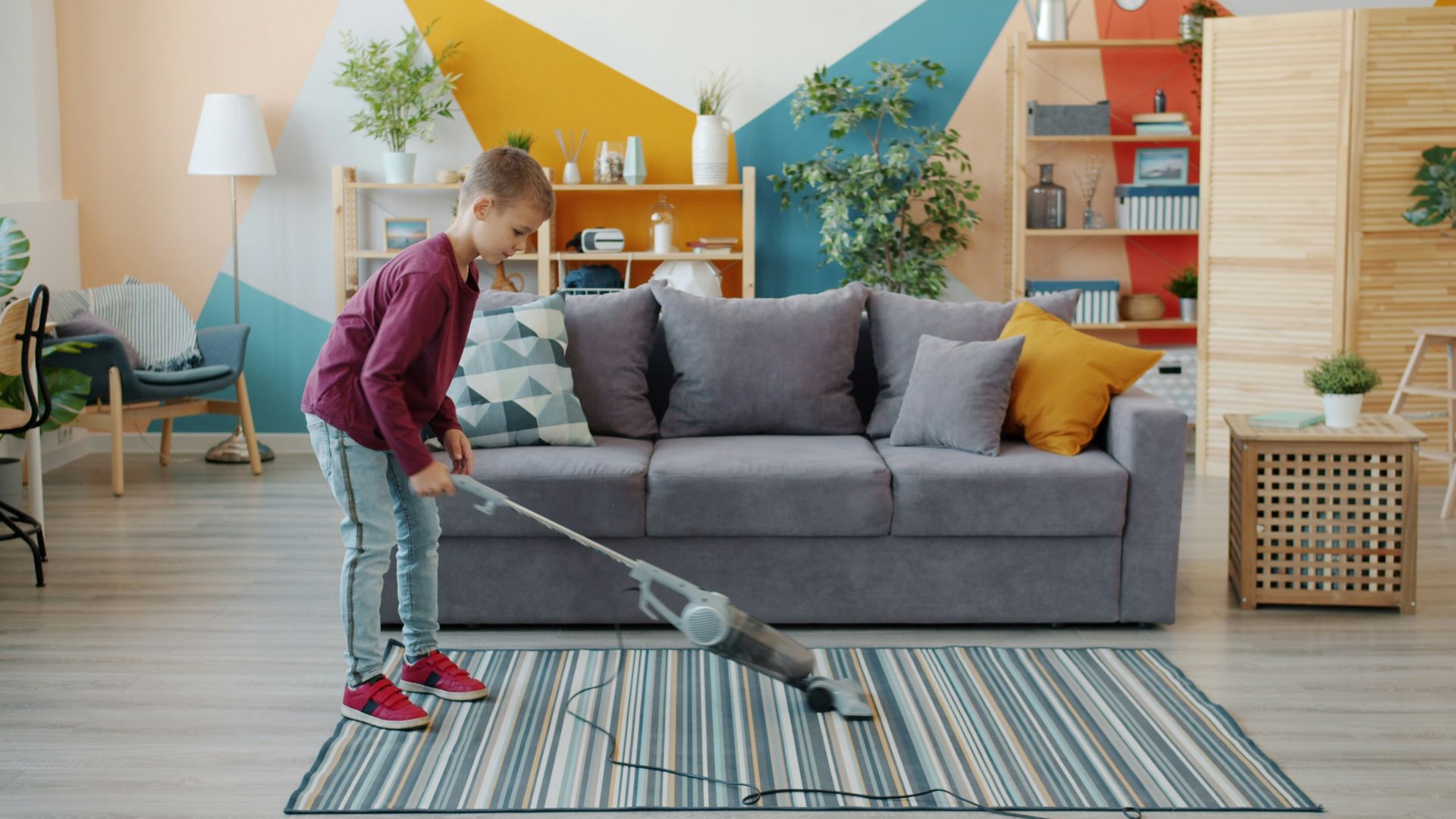
8. Be Quiet
Children are wired for noise and movement, and a rule that asks them to suppress that energy indefinitely is a rule destined to fail. It also creates a tense household atmosphere that benefits no one, since enforcing it requires constant adult intervention.

9. Because I Said So
While parental authority sometimes needs to be invoked, making it the entire explanation for a rule reliably produces resentment in children old enough to ask why. Kids who understand the reasoning behind a rule, even a simplified version of it, comply more willingly and more consistently than those who are simply told to comply.

10. One Warning Only
This rule sounds firm in theory and collapses almost immediately in practice, because parents rarely enforce it with the consistency it demands, and children figure that out fast. Once kids learn that the one warning almost always becomes two or three, the rule loses all its leverage.