
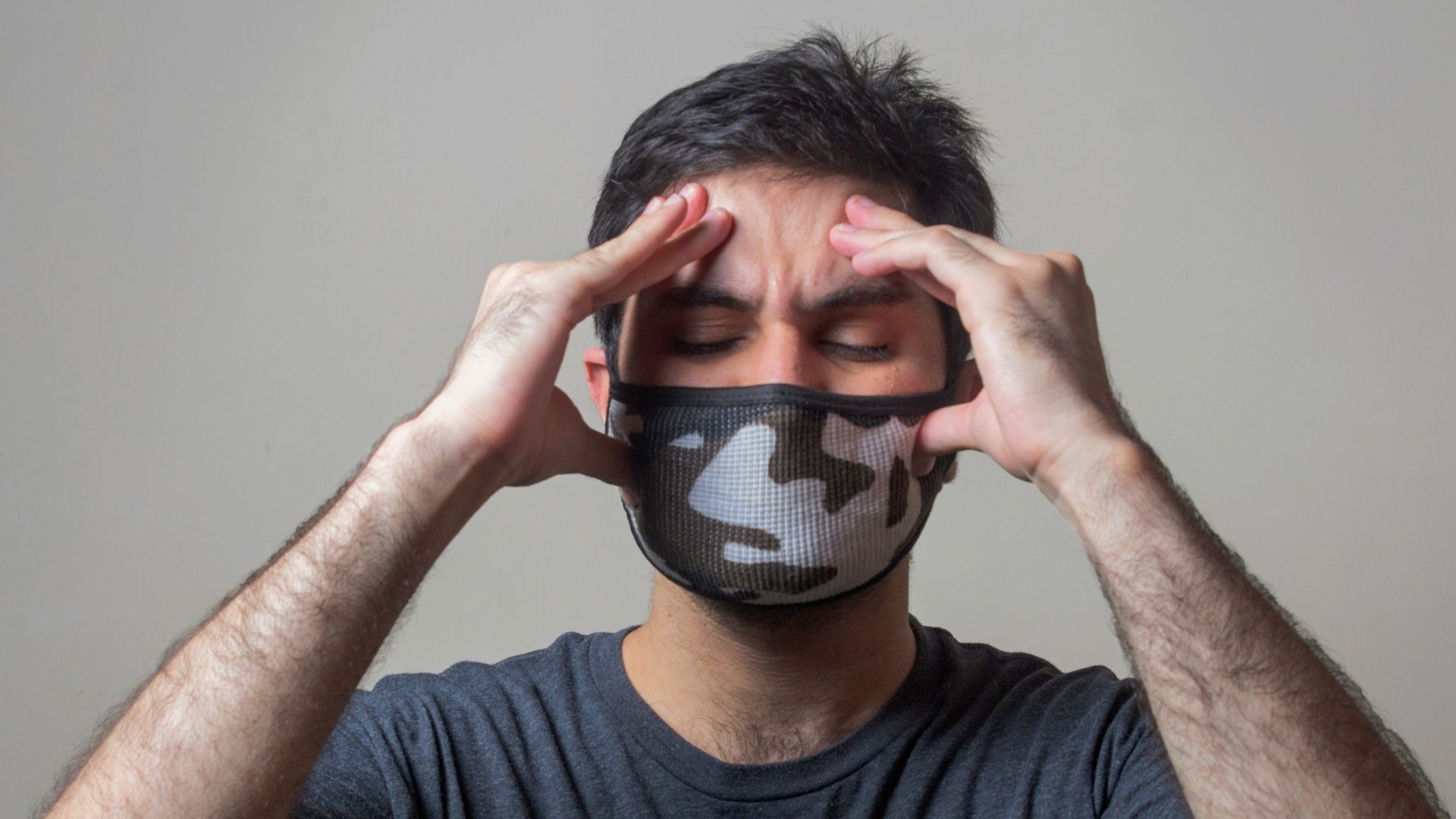
You wake up coughing, the kind of deep chesty cough that demands soup and sleep, not spreadsheets. Yet instead of rolling over, you check your phone. There’s a team message and a calendar full of meetings that suddenly feel heavier than your fever. You tell yourself, “Maybe I can just push through today.”
For many American workers, that scene feels painfully familiar. Paid time off, especially sick days, comes tangled with guilt and second-guessing. So, why does rest feel like rebellion? And what would it take for workers to actually use the time they’ve earned?
The Culture Of Hustle And Guilt
It’s hard to separate sick-day guilt from America’s love affair with work. For generations, productivity has been seen as a virtue, the ultimate proof of worth. Taking a day off can feel like breaking a silent pact. Remote work only blurred that line further. When your office is your kitchen table, calling in sick seems dramatic. You can still answer messages, right? Just one meeting won’t hurt.
There’s also social pressure at play. In many workplaces, being “always available” is praised more loudly than being efficient or healthy. Some workers fear burdening their teammates, while others worry about managers quietly tallying their absences. The message is clear: commitment is measured by how much you endure.
Workers talk about coming back from sick leave to hundreds of unread emails or projects that have moved on without them. The thought of catching up can seem worse than pushing through an illness. And then there’s the invisible scoreboard. Performance tracking tools and “productivity dashboards” create the illusion that every pause counts against you.
The Cost Of Never Stopping

The irony is painful: the very thing workers fear—falling behind—is exactly what happens when they don’t take breaks. Needless to say, rest boosts creativity, focus, and resilience. Chronic overwork, on the other hand, drains all three.
Presenteeism also costs companies more in lost productivity than absenteeism ever could. And the human toll is even harder to quantify. Anxiety and burnout affect performance and ripple outward into relationships and the overall well-being of employees.
Reclaiming What’s Already Ours
Let’s be clear, paid time off is part of our compensation, not a bonus. It’s something we’ve earned rather than something to apologize for. Many of us just hesitate to use it because we’ve internalized the idea that hard work means constant work. But what if rest was seen as part of the job, not a break from it? What if calling in sick wasn’t a confession, but a form of professionalism—a recognition that health sustains everything else?
The next time you’re sick, you might still feel that flicker of anxiety before pressing “Out of Office.” But maybe you’ll remember this: rest isn’t a retreat from responsibility. In fact, it’s what makes it possible to show up again with purpose.