The Hardest Thing is Often the Right One
Apologies aren’t easy, and it’s natural to try to save face when you’re in the wrong. We often try to make it easier on ourselves, fluffing off responsibilities or making sarcastic remarks that sully the whole gesture—and leave us without forgiveness. As it turns out, there’s a right and wrong way to accept fault, and we’re here to go over which routes can smooth things over and which burn bridges.

1. The Disingenuous Apology
People know when you’re telling the truth, and that’s one of the biggest things you’ll need in an apology. But when you saunter in and dismiss their feelings, or make snarky comments, you won’t get very far. Anything like “I’m sorry you feel that way” is a telltale sign of tiptoeing around blame.

2. The Brief Apology
As difficult as apologies are, it’s important to remain genuine. Breezing through an apology doesn’t seem very sincere, and it makes the recipient wonder if you’re doing it for appearances or because you’re actually sorry.

3. The Apology That Places Blame
“You’re too sensitive.” “I was just kidding—learn to take a joke.” Statements like these only place blame on the other person, diminishing their feelings and your wrongdoing. It doesn’t matter if you think you’re right; if you hurt someone, the best thing to do is apologize!

4. The Sarcastic Apology
Who among us hasn’t told a silly joke to lighten the mood? The thing is, that’s not the best idea in an apology. Sarcastic remarks likely won’t bring a smile to anyone’s face; it’ll just push the idea that this is a joke.
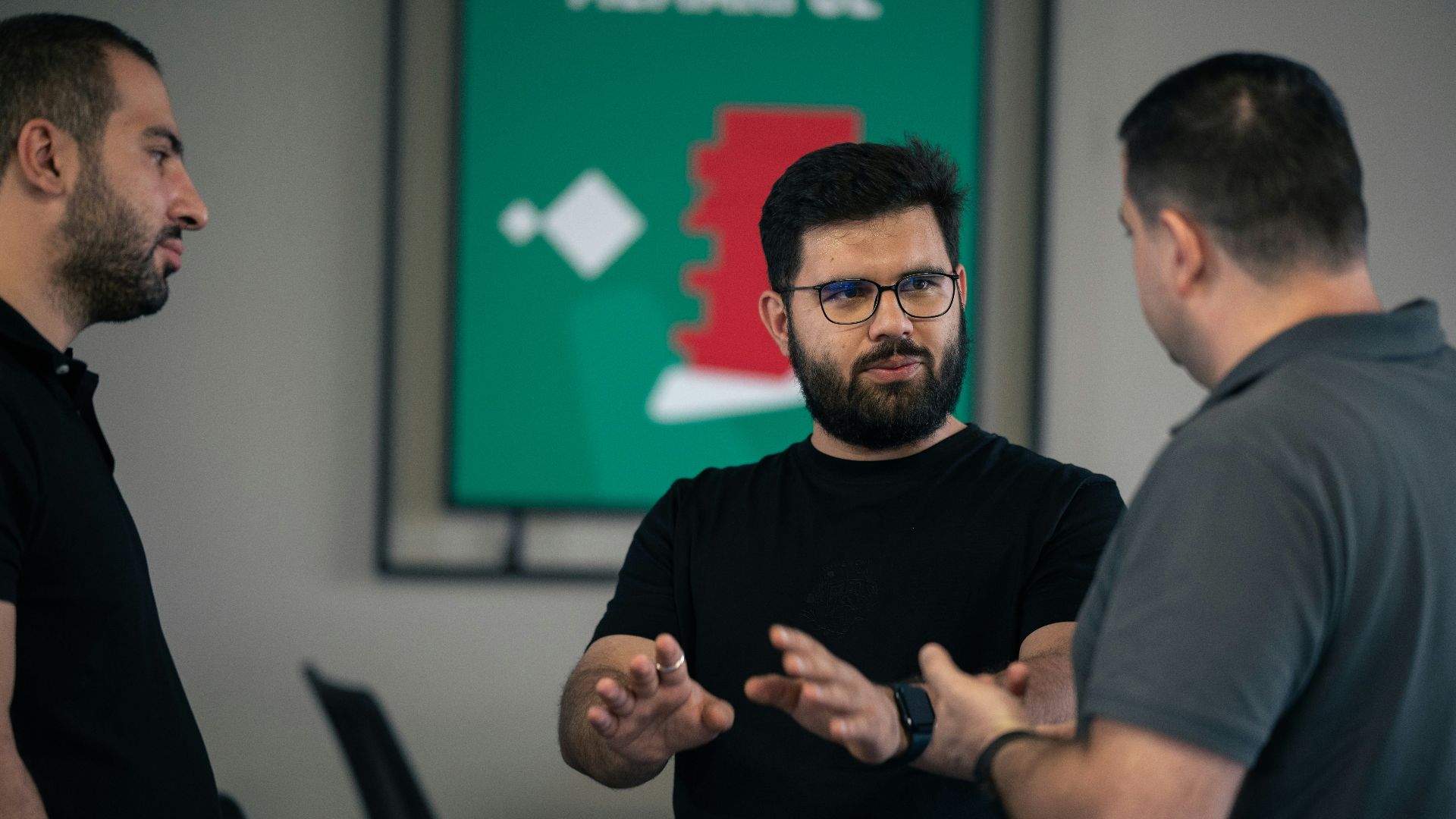 Mushvig Niftaliyev on Unsplash
5. The Self-Reprimanding Apology
We’re all for accepting responsibility, but there’s a difference between that and making it about yourself. “I’m sorry I hurt you,” is more than enough to get the ball rolling. However, “I’m sorry. I’m such a terrible person. I’ll never forgive myself, oh man…” is a little overkill, and shifts into them comforting you.

6. The Vague Apology
A big part of legitimate apologies is acknowledging what you did. When you gloss over the event, two things happen: you look like you don’t know what’s wrong, and worse, like you don’t care. You don’t need to relive the whole experience, but it’s important to address what bothered the recipient.

7. The Dismissive Apology
Don’t end an apology with, “Ugh, are you happy now?” Of course not! Now neither party can move on. You’d feel pretty lousy if someone didn’t care about your feelings, especially if they were the ones who hurt them. Keep that in mind during your own apology.

8. The “But” Apology
There’s no ifs, ands, or buts about it—this is an apology. “But” is a classic precursor to excuses. In this moment, it doesn’t matter if you feel that they misunderstood you. It doesn’t matter if they can’t laugh at themselves. What matters is that their feelings were hurt, and you want to make it right.

9. The Self-Serving Apology
There’s nothing worse than someone who apologizes for themselves. It’s obvious when it happens; they won’t change their behaviors, they constantly insult themselves, and all they do is justify their actions. If you’re only in it to clear your conscience, you’re probably not in the right headspace.

10. No Apology At All
As bad as these apologies are, it’s arguably worse to avoid them altogether. Even the smallest infractions deserve an “I’m sorry,” and without them, you’re looking at resentment, strained relationships, and serious forks in the road.

Okay, now that we know what not to do, let’s dive into a few strategies that lock in a solid apology.
1. Acknowledge What You Did
“I shouldn’t have made that joke.” “I’m sorry that I lashed out at you. I know how much my behavior hurt you.’ Statements like these not only acknowledge the issue, but they also show that you’re aware of it. A little self-reflection never hurt anyone, and it always bodes well to let people know you understand.
 Priscilla Du Preez 🇨🇦 on Unsplash
2. Take Full Responsibility
No one said it’d be easy, but taking responsibility is a cornerstone of apologizing. They might still harbor some negative feelings, but there’s not much else you can do. Take accountability and say you’re sorry.

3. Express Genuine Remorse
It’s funny—some people forget to actually apologize in an apology! Sure, they’ll acknowledge a problem. They might try to explain why it happened. But the “I’m sorry” never actually comes out. Make sure you express sincere remorse.

4. Ask How to Make it Right
A good way to set things right is by asking the other person what you can do. If it’s within reason, you have a solid foundation to rebuild the relationship. It’s also a powerful way to respect their feelings.
 Priscilla Du Preez 🇨🇦 on Unsplash
5. Apologize in Person
Apologies are like breakups: do them in person! It doesn’t matter how hard it is; when you apologize in a text or in an email, it shows you can’t be bothered to face the music. Don’t expect acceptance if you hide behind a screen.

6. Don’t Make it About You
There’s plenty of time to explain why you did something. Real relationships allow both parties to speak up and work through issues together. However, an apology isn’t the place for justification, so don’t pivot the conversation towards you.

7. Try Not to Ramble
The best apologies are often the most concise. When you ramble about why you did something or share childhood experiences, it only drags out the main event. Recipients aren’t owed your life story; they’re owed a simple apology.

8. Forgive Yourself
As important as it is to earn third-party forgiveness, it’s just as crucial to forgive yourself. Maybe that’s through therapy. Maybe it’s with a little time. Either way, self-forgiveness is a huge step forward, and without it, you could easily spiral down a dark path and stunt your own growth.

9. Understand That You Aren’t Owed Forgiveness
You aren’t owed forgiveness from those you wrong. In fact, that knowledge is part of a sincere apology. Consider forgiveness a perk. If they forgive you, great. If not, walk away knowing you did the right thing. Remember: it’s not about you, and if you’re only saying sorry so you can feel better, it’s not really an apology.
 Priscilla Du Preez 🇨🇦 on Unsplash
10. Be Patient With the Other Person
Saying sorry is just a stepping stone. Not everyone can move on from words alone, which means you might need to show growth through your actions. You can always work with the other person on a path forward!