There’s something irresistible about an old home—the smell of aged timber, the wavy glass that distorts sunlight just enough, the imperfect floorboards that talk back with every step. But then someone gets “inspired” by a minimalist Pinterest board and decides to rip it all out. Suddenly, the 1910 Craftsman looks like a tech startup lobby. Sure, modern updates sound convenient, but in chasing sleek lines and open concepts, homeowners are bulldozing history—sometimes literally. Before you reach for the sledgehammer, here’s what you should know.
Where Character Goes To Die
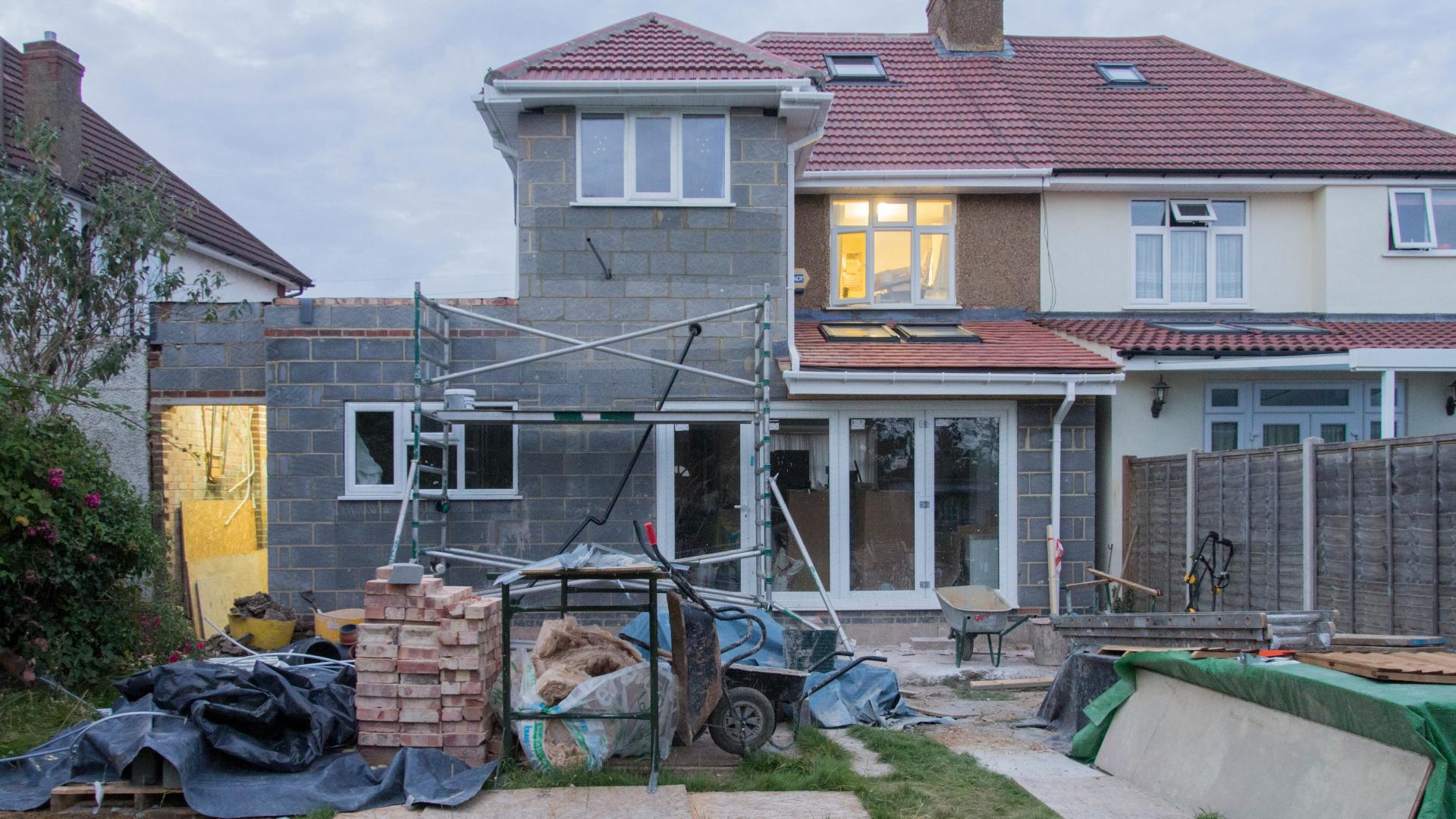
Old homes carry architectural features that modern builders can’t easily replicate like hand-carved mouldings and original banisters. Many homeowners even regret removing these elements because they’re nearly impossible to replace with authentic materials. Once that original oak trim hits the dumpster, it’s gone for good.
And the loss isn’t just aesthetic. Those period details give a home its sense of authenticity and belonging. Buyers are often happy to live with quirks if the place still feels connected to its time. Strip it all down for a sterile gray-and-white “modern” look, and you’ve not only erased history—you’ve potentially lowered the emotional (and resale) appeal of the space, especially if the updates clash with the original design.
When Modern Meets Mayhem
Major remodels on old homes often start with optimism and end with costly surprises. What looks like a simple update can reveal asbestos in the walls, lead in the plumbing, or unsafe wiring in the attic. Even opening up a room for a modern layout can require major structural changes that send costs soaring.
So while it’s tempting to go all-in on glass railings and recessed lighting, consider that modernizing an old house rarely behaves like HGTV promises. Those “simple updates” can snowball into foundation work and endless code compliance problems. The smartest move? Keep the upgrades practical and hidden, so the comfort rises but the character stays.
The Aesthetic Mismatch Problem
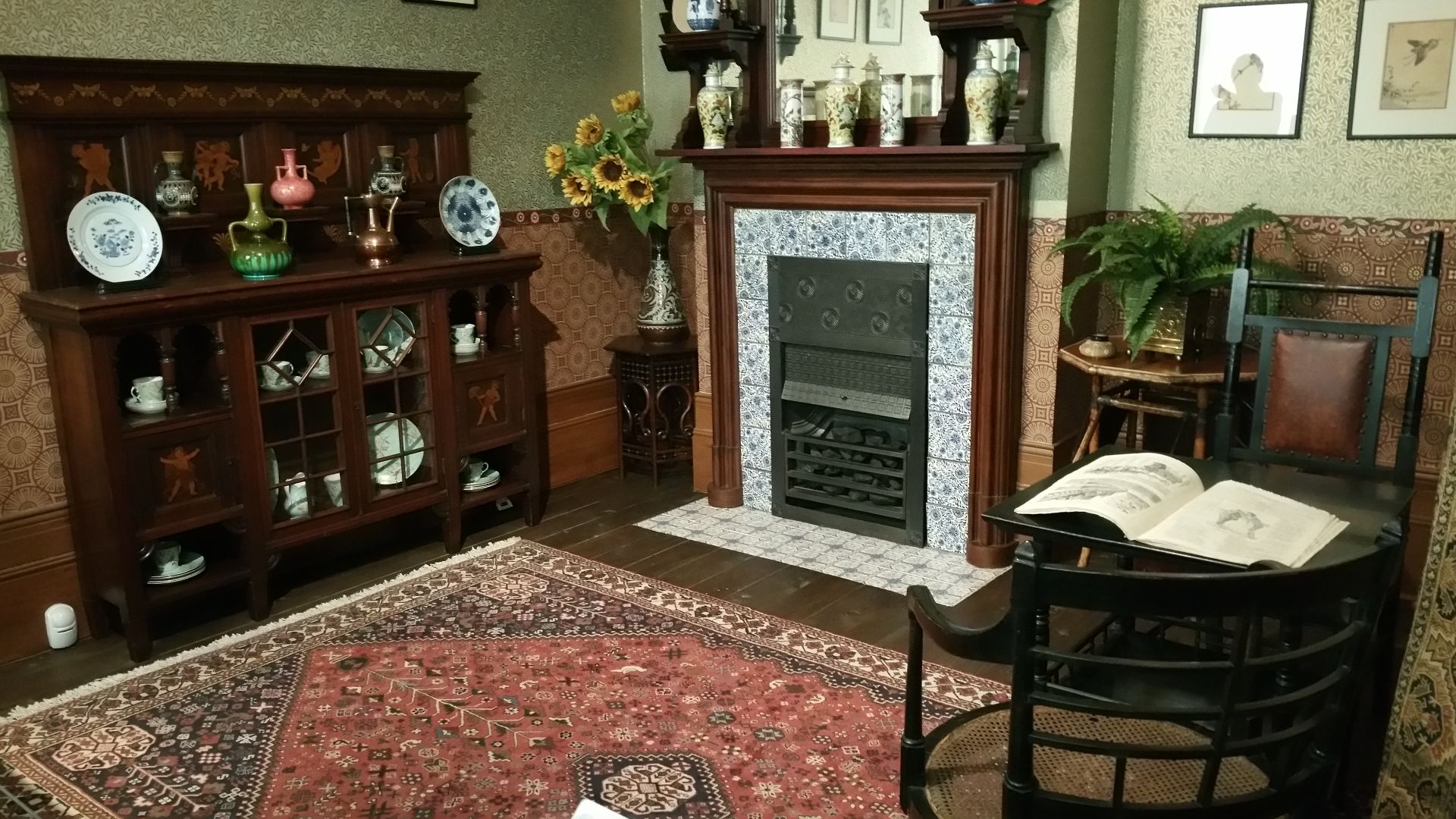
Here’s the awkward truth: not every house needs to look modern. A 1900s Colonial with black aluminum windows and a boxy white addition looks like it’s arguing with itself. Architects often refer to this as a "stylistic clash" or "architectural mismatch," and it’s one of the biggest visual offenses in today’s remodeling trend. The proportions of old homes were designed around balance and texture—things minimalism often steamrolls.
Instead of forcing the past to look futuristic, homeowners can find harmony by echoing original materials or shapes in subtle ways. Reclaimed wood beams over a new kitchen, historically consistent paint colors, or keeping original window grids can make the space feel cohesive rather than confused.
Keep The Story, Skip The Soulless
Every house tells a story. When you erase those cues in favor of something trendy, you’re not updating—you’re silencing. So before you turn your 1920s cottage into a glossy museum of gray, ask: am I improving my home, or am I deleting it? The most meaningful remodels honor the history that made the house worth saving.