

The pursuit of perfection might seem like a noble goal for young students to chase in the classroom or on the sports field. Many well-meaning adults believe that pushing kids to achieve flawless results is the best way to prepare them for a competitive world. However, this relentless focus on being perfect is actually one of the most harmful lessons that can be imparted to a developing mind. When children are taught that mistakes are failures rather than milestones, they are being set up for a lifetime of anxiety and stagnant growth.
It is easy to see why society has fallen into the trap of rewarding only the "A" grade or the gold medal. The culture often celebrates the finished product while completely ignoring the messy, difficult process that came before it. By ignoring the value of the struggle, children are inadvertently being told that their worth is tied strictly to outward achievements. This mindset does not just reduce creativity; it creates a deep-seated fear of trying anything new where success is not guaranteed.
The Myth of Natural Talent
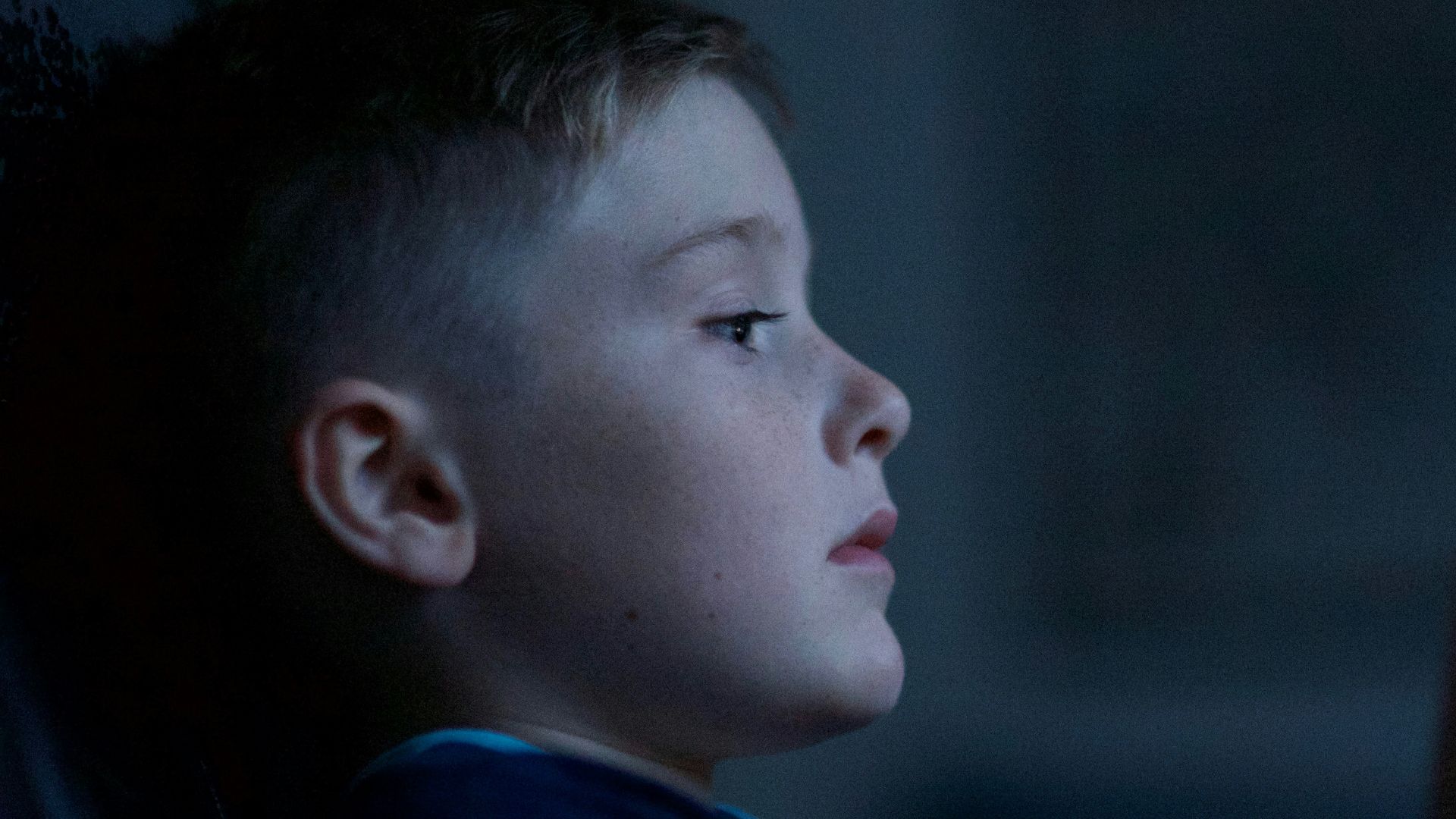
The biggest obstacle working against children is the pervasive idea that being good at something means there is no need to work hard at it. When children are praised by being called “smart” or a “natural,” what is really happening is that they are being made to feel like they must live up to that expectation. They begin to believe that if they have to try at something, they must not be good at it. This false sense of self-esteem comes crashing down when they attempt something and fail or struggle to learn it.
This does not promote a growth mindset that allows children to reach their full potential. Students who may have been accelerated in the past often end up quitting programs because they cannot face the embarrassment of feeling like they might become “stupid.” They would rather be the smartest child in a small pond than a beginner in a large one. It is disheartening to see inquisitive children close themselves off from learning because they believe they should already know something immediately.
The solution starts with changing how praise and corrections are given at home and in the classroom. Comments should be directed toward the process used to arrive at an answer. The hours practiced in order to put on a strong performance should be acknowledged. Children should be taught that excelling is a decision, not something one is born knowing how to do. When students understand that their brain can grow and become stronger through effort, they are more eager to engage in difficult work.
The Fear of Making Mistakes
Society has made mistakes something that should be avoided at all costs. Tests are often designed so that points are lost for any mistake made. There is little room for trial and error. What is being taught is that it is better to be “right” than it is to be curious or adventurous. Children become highly conditioned to copy answers because they are told not to think outside of the box.
If children are afraid to make mistakes, they will not be able to think independently or be innovative. It becomes difficult to expect original ideas when they must constantly seek permission for every action. Learning from failure is essential, as many of humanity’s greatest achievements were preceded by hundreds of failed attempts and “happy accidents.” If children are not allowed to be wrong, innovation and ingenuity in the future are being restricted.
Children should be encouraged to understand that mistakes are simply data. Adults should share their own failures openly. Successful individuals have experienced their fair share of setbacks. Teaching children the idea of “fail fast” helps them understand that if something does not work, they should try again with a new method. Once children are no longer afraid of making mistakes, their growth and creativity can flourish.
The Danger of Constant Comparison

In an age dominated by social media and standardized rankings, children are constantly being measured against their peers. It can be deeply concerning to see how early children begin focusing on what others have instead of their own progress. This constant comparison breeds a sense of inadequacy and turns every hobby into a high-stakes competition. It is difficult for a child to enjoy painting or playing the flute when there is constant worry about not being the best in the class.
Teaching children to value external validation over internal satisfaction creates a recipe for long-term burnout. When a child is encouraged to chase the highest rank or the most likes, their happiness is being handed over to the judgment of others. They stop asking whether they enjoyed the activity and instead focus on whether they “won” the day. This shift in motivation makes it nearly impossible to develop authentic passions that can sustain them into adulthood.