Love at First Sight? Here's What's Really Going On In the Brain

"Love at first sight:" that phenomenon where you meet someone's eyes across a crowded room, your heartbeat quickens, butterflies form in your stomach, and you feel like you just found "the one." It’s a romantic idea deeply embedded in culture, from fairy tales to pop songs. Couples who have been together for decades swear it happened to them. But what’s actually occurring in the brain when that moment hits?
It's been a fascinating topic for scientists who don't dismiss the experience as pure fiction, but instead, have tried to understand it in logical terms. What people commonly describe as love at first sight isn’t love in the full, developed sense; it’s rapid emotional and physiological attraction. You're not experiencing mystic love, but a powerful boost of neurotransmitters. However, that doesn't mean you should dismiss it as fake. Plenty of couples meet in these types of circumstances, using it as a base to build something real.
The psychology of "love at first sight"
What's going on in the brain when someone experiences "love at first sight" is that you're getting a huge rush of the feel-good chemical, dopamine. Within milliseconds of seeing a stranger, your brain processes countless signals: facial symmetry, body language, pheromones, voice tone, and even the way someone moves. When you encounter someone who fits your subconscious preferences, the brain’s reward centers light up, and the surge of dopamine creates feelings of excitement, anticipation, and motivation.
There’s also a lot happening outside conscious awareness. Evolutionary psychology suggests that our brains are designed to make almost instantaneous judgments about potential mates based on cues associated with health, fertility, and compatibility. These judgements are rooted in survival instincts and date back to when. Split-second decisions meant life or death. While modern dating rarely hinges on survival, our brain wiring still reacts like this.
Love or attraction?
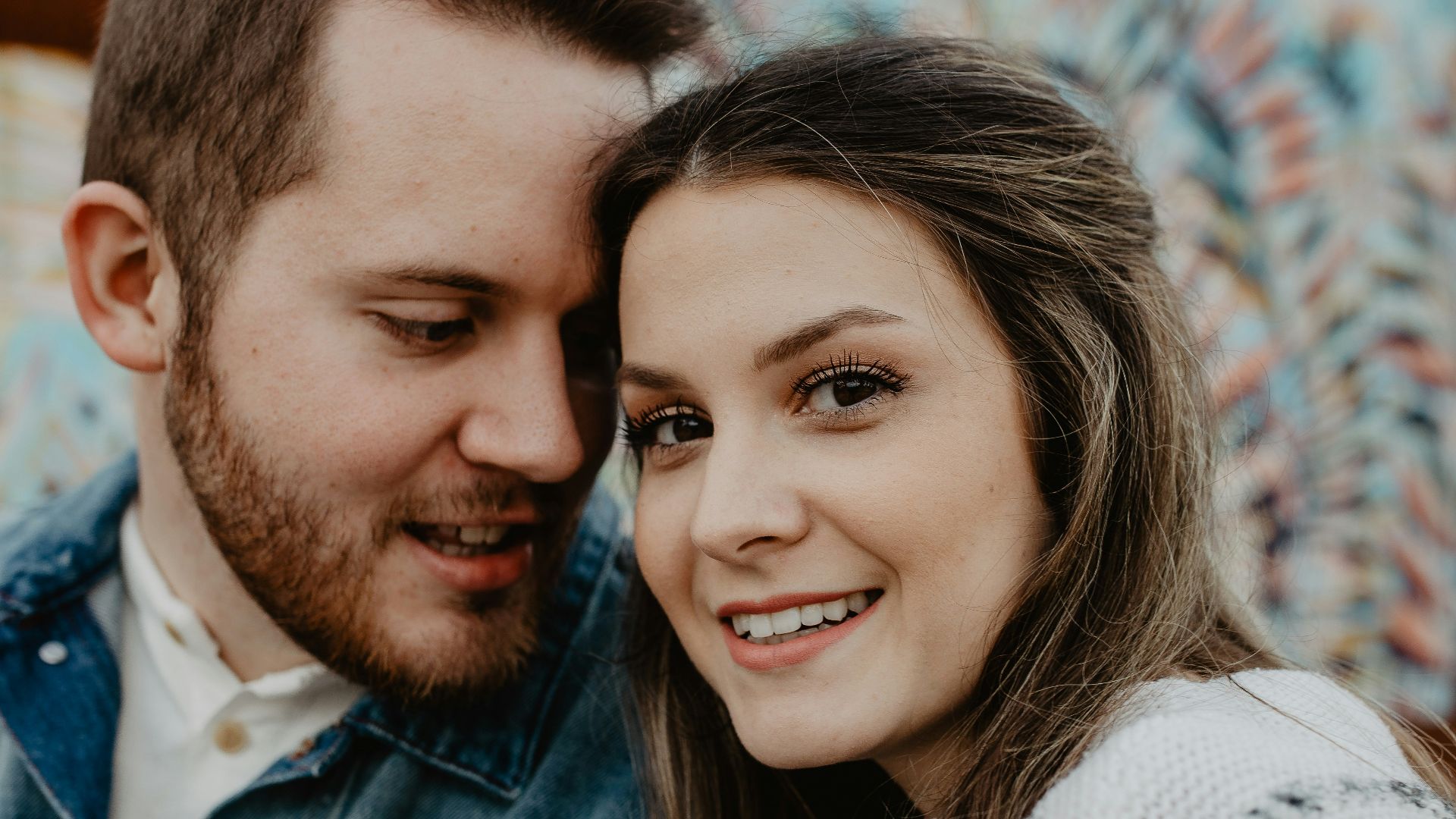
According to the triangle theory of love, there are three components to real love: intimacy, passion, and commitment. "Love at first sight" only addresses one of these things: passion. This indicates that it's not true love at all that's at play here.
One 2017 paper that pooled data from an online study, a lab study, and three dating events, involving a total of almost 400 participants, attempted to measure what people felt the moment they met someone new.
Contrary to many psychological theories, the study found that those who reported falling in love instantly did not show high levels of passion, intimacy, or commitment at first sight. What they were experiencing was merely intense physical attraction.
This indicates that a lot of what's happening when people talk about love at first sight is selective memory bias. This is where couples rewrite their initial meeting to be more magical or fated, seeing their origin story through biased recall, romanticizing the past to fit certain expectations.
However, according to an annual survey by Match.com, 60 percent of Americans believe in love at first sight, which is nearly double what it was in 2014. What's more, over 60 percent of people claim to have fallen in love at first sight at some point in their lives. If so many people believe in it and so many have experienced it, isn't that enough to make it "real?"