

Menopause isn’t some mysterious storm that blows in just to ruin your evenings. It’s a normal life stage, and if your wife’s going through it, she’s not being “dramatic” or “difficult.” Her hormones are shifting, her sleep might be wrecked, and her body is going through more than you can imagine. That’s a lot to carry, even before the rest of life piles on.
Here’s the part that matters: you’re not a helpless bystander. You’re a partner. This is one of those moments where the marriage vows stop being poetic and start being practical. If your default move is complaining, you’re making a hard season harder. If you show up with patience, humor, and real support, you can turn this into a time where she feels safer with you, not more alone.
Learn What’s Happening So You Don’t Take It Personally
 Kateryna Hliznitsova on Unsplash
A huge chunk of the conflict around menopause comes from misunderstandings. If your wife doesn’t “seem like herself,” it doesn’t automatically mean she’s mad at you. It can be hot flashes, brain fog, night sweats, mood swings, or plain exhaustion stacking up. When you treat symptoms like insults, you end up arguing with biology, and biology doesn’t lose. You also make your wife feel like the bad guy when she has enough physical symptoms to worry about!
You don’t need to become a walking textbook, but you should know the basics. Read a reliable overview. Accept that her experience may not match everyone else’s. And more importantly, listen to her describe what she’s feeling. Some women breeze through; others get slammed. If you’re guessing, you’ll fill in the blanks with your ego, and that’s when you start acting like the victim of her discomfort.
Try swapping, “Why are you acting like this?” with, “What’s been the toughest part today?” That one change signals you’re on her side. It also gives you useful information, like whether she needs quiet, a fan pointed at her, or a little space before talking. Understanding doesn’t fix everything, but it keeps you from turning every rough moment into a personal attack.
Be the Comfort, Not Another Thing She Has to Manage
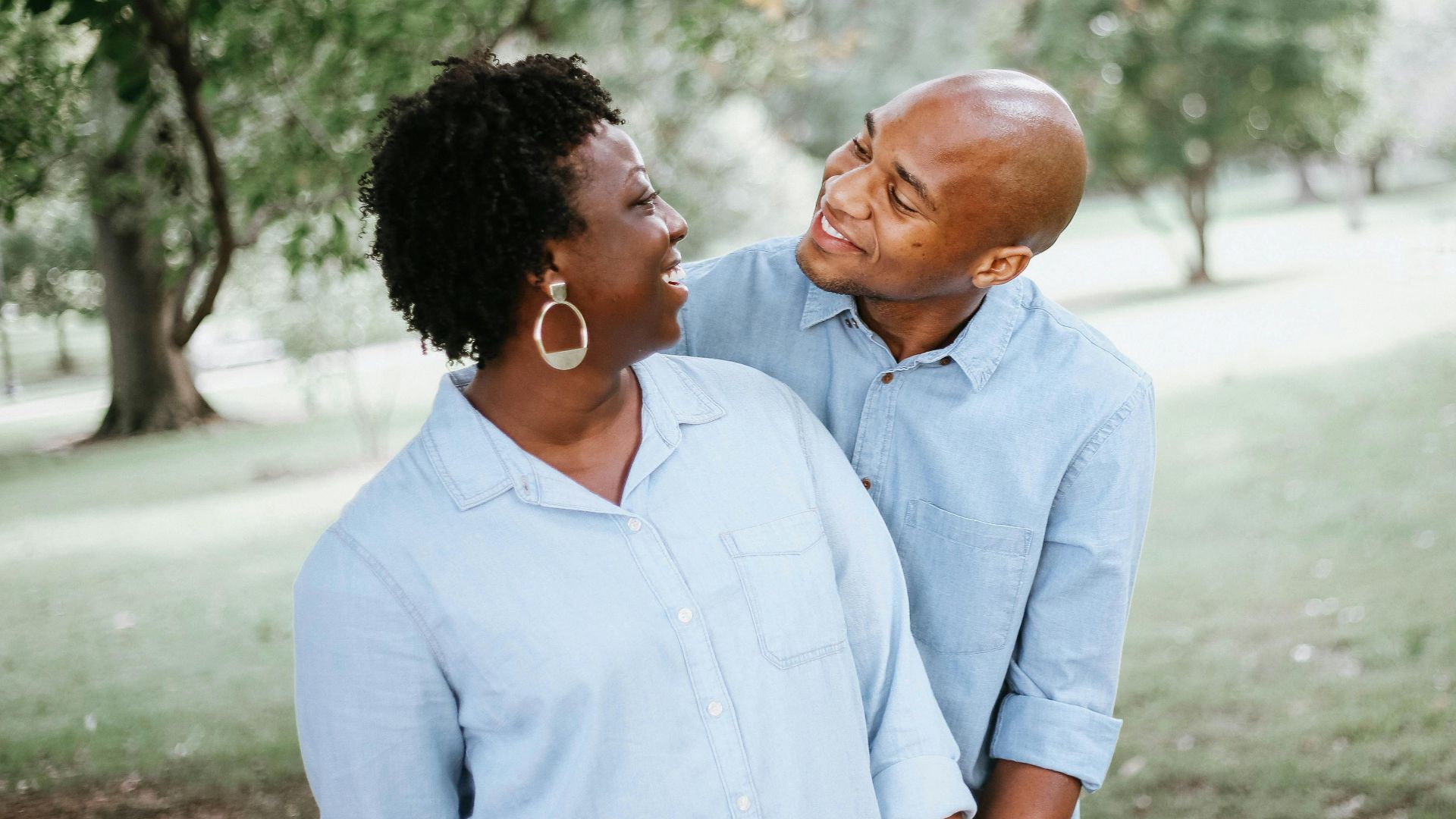
When menopause hits, the mental load can feel heavier than the physical symptoms. She’s juggling daily responsibilities while her body runs an unpredictable schedule—she doesn’t need a husband who nitpicks. It’s better for both of you if you don’t wait around for instruction; take charge and be the hero she deserves!
That doesn’t mean you have to morph into a chore robot who never relaxes. It means you step up in ways that make life smoother. Make dinner. Handle the school email, the car appointment, or the grocery run because you saw it needed doing. If she’s sleeping badly, take the morning chaos off her plate. Removing that friction basically gives her nervous system a well-needed break.
Also, watch your timing. If she’s clearly overwhelmed, that’s not the moment to bring up the budget spreadsheet or your feelings about her tone. Choose calmer windows for heavier conversations. (Try to remember the golden rule.) You’re still allowed to have needs, but you’ll get farther by being strategic instead of reactive. Support is partly what you do, and partly when you do it.
Keep Intimacy Alive by Staying Kind, Curious, and Flexible

Menopause can mess with libido, and a lot of couples panic when their usual rhythm changes. Here’s the truth: intimacy isn’t just a switch that’s either on or off. It’s a whole range of connections; if you treat her shifting desires like a rejection, you’re going to make closeness feel risky for her. Nobody relaxes into affection when they’re bracing for complaints.
The best thing you can do is talk about it like grown-ups. Ask what feels good, what doesn’t, and what she’s curious about trying. Sometimes that means more cuddling and less pressure. Sometimes it means scheduling intimacy because spontaneity is harder when she’s exhausted. You can also explain when you feel like you’re out of synch because your needs matter, too!
Most importantly, keep your tenderness turned on even when time in the boudoir is complicated. Compliments matter more than you think when her body feels unfamiliar. Small touches, thoughtful texts, and genuine appreciation let her know that you haven’t lost interest. If you show her you’re attracted to who she is, not just what you can get, you’ll build an even stronger connection for both of you. And trust, funnily enough, is one of the strongest aphrodisiacs around!
Menopause isn’t a test of your wife’s likability. It’s a test of your partnership. You can either be the guy who complains that things aren’t the same, or the husband who helps her feel steady while everything’s shifting. Pick the version of you she’ll remember with a smile.