 Drawn by Charles Dana Gibson on Wikimedia
The idea of the “ideal woman” has never stayed in one place for very long. One decade praised restraint, another wanted glamour, and another insisted women should somehow be effortless, ambitious, fit, fashionable, youthful, natural, and fully rested before breakfast. These ideals were shaped by fashion, movies, magazines, advertising, politics, work, family expectations, and whatever beauty trend happened to be selling at the time. Looking back, it becomes clear that the “ideal” often said more about society’s anxieties than about women themselves.
That doesn't mean women simply accepted every standard handed to them. Across the decades, they pushed back, reinvented trends, borrowed what they liked, ignored what they hated, and found ways to express themselves within very narrow expectations. The story isn't just about hemlines, hairstyles, or lipstick colors. It is also about freedom, pressure, money, work, identity, and who gets to decide what a woman is supposed to be.
From Restriction to Modernity
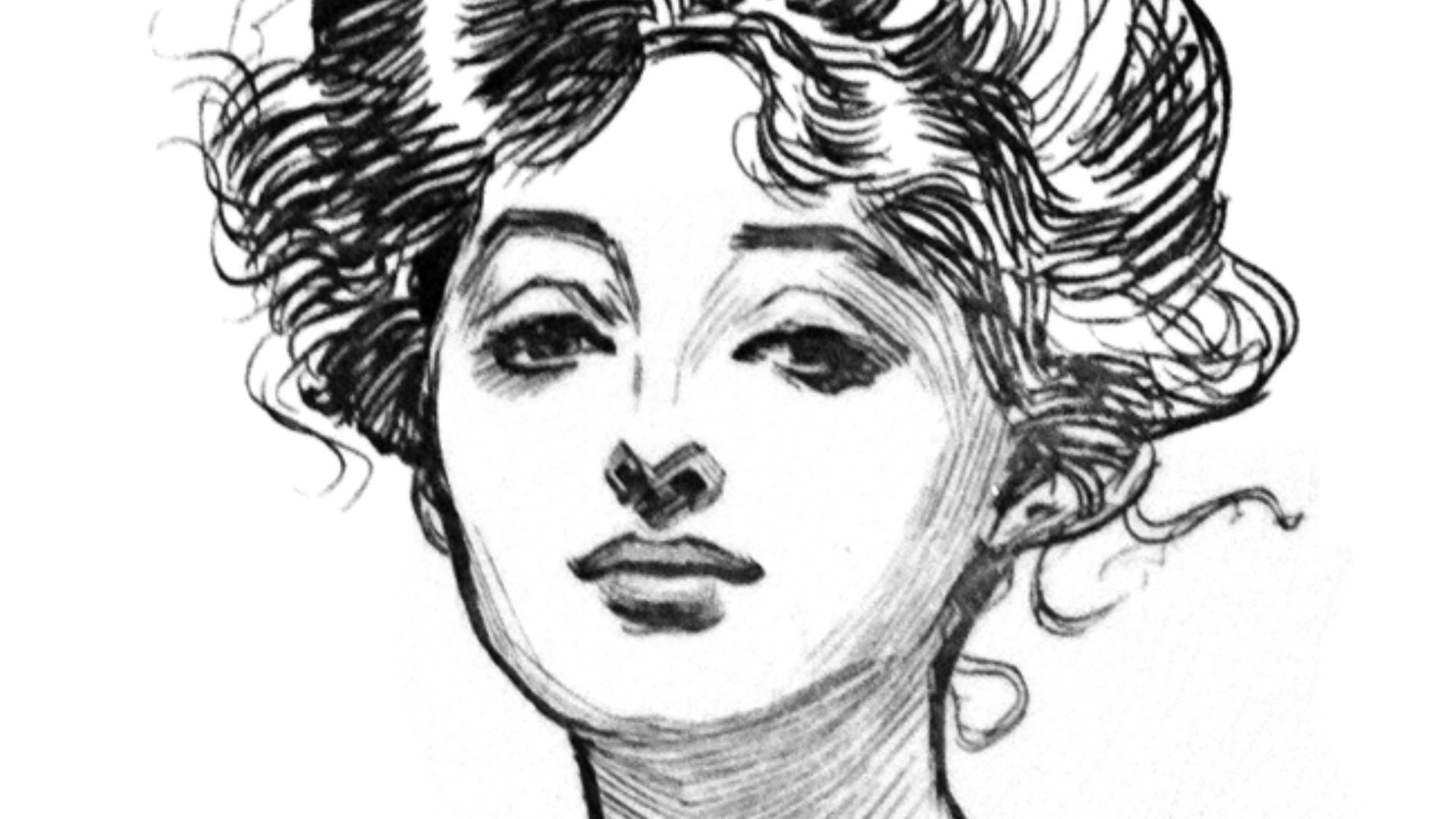
At the start of the 20th century, the ideal woman was often tied to elegance, modesty, and carefully controlled femininity. The Gibson Girl image, with her swept-up hair, small waist, and polished appearance, represented a kind of confident but still respectable womanhood. Clothing could be restrictive, and beauty was often linked with posture, poise, and social class. Looking “ideal” required effort, even when the final result was supposed to seem graceful.
The 1920s brought a major shift with the rise of the flapper. Shorter hair, shorter dresses, visible makeup, and a more youthful silhouette challenged ideas about how women should look and behave. The ideal woman of this era seemed more independent, social, and willing to test boundaries. Not everyone approved, but that's part of what made it appealing.
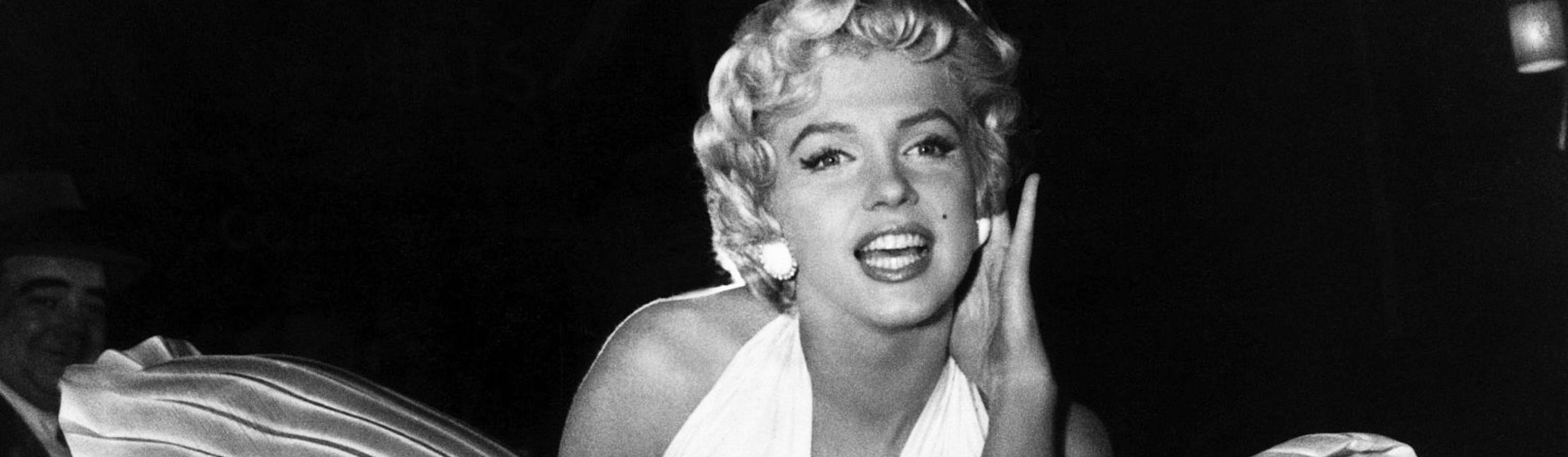
During the 1930s and 1940s, the ideal changed again as economic hardship and war reshaped daily life. Hollywood glamour still influenced beauty, but practicality mattered more during the Great Depression and World War II. Women entered the workforce in large numbers during the war, and images of strong, capable women became more visible. The “ideal” now had to look polished while also being ready to roll up her sleeves.
Domestic Glamour & Rebellion
The 1950s pushed a very different image into the spotlight. After World War II, the ideal woman was often shown as a cheerful wife and mother in a neat home, with a cinched waist, set hair, and dinner somehow under control. Advertisements and magazines celebrated domestic perfection, even though many real women worked outside the home and felt confined by these expectations. The polished homemaker image looked tidy, but the pressure behind it was anything but simple.
By the 1960s, the ideal woman became harder to define because culture was changing quickly. Some images celebrated youthful thinness, mini skirts, and mod style, while others reflected the growing women’s liberation movement. Beauty could look playful and modern, but many women were also questioning why appearance and obedience had been treated as life goals. The decade made it clear that the old script was losing its grip.
The 1970s brought a more natural, independent image into popular culture. Long hair, less structured clothing, fitness, and an easier approach to beauty became more visible. At the same time, women were demanding more rights, career opportunities, and control over their own lives. The ideal was still unrealistic in many ways, but it was no longer limited to smiling beside an appliance.
Power, Perfection, & the Modern Mix
The 1980s made the ideal woman louder, glossier, and more ambitious. Power suits, bold makeup, big hair, aerobics culture, and career imagery all became part of the decade’s look. Women were expected to be strong and successful, but also stylish, slim, upbeat, and camera-ready. It was progress with a very demanding beauty routine attached.
In the 1990s and early 2000s, the ideal became more contradictory. Minimal makeup, supermodel polish, thin bodies, low-rise jeans, and celebrity culture shaped what many people saw as desirable. The “cool girl” image suggested effortlessness, even though looking effortless often required plenty of effort. Women were told to be relaxed, sexy, casual, and perfect, which is a very busy way to be chill.
Today, the “ideal woman” is more diverse on the surface, but also more complicated than ever. Social media has made room for different body types, styles, ages, cultures, and identities, which is a real improvement. At the same time, it's created constant pressure to be visible, polished, healthy, confident, successful, natural-looking, and digitally present. The modern ideal may claim to celebrate individuality, but it still asks a lot from women who are just trying to live their lives.
The biggest change is that more women now question the idea of one ideal at all. Instead of trying to fit a single mold, many are choosing style, beauty, ambition, motherhood, career, aging, fitness, and relationships on more personal terms. That doesn't erase pressure, but it does weaken the old assumption that there's only one acceptable way to be admired. If history proves anything, it is that the “ideal woman” keeps changing, while actual women keep being far more interesting.