
How to Spot the Lies
Detecting lies is all about noticing subtle shifts in a person's baseline behavior that suggest they're under more stress than the conversation warrants. While you shouldn't turn into a suspicious detective every time your friend says they're "on the way," keeping an eye out for these psychological and physical cues can give you a pretty good heads-up when the truth is being stretched. Here are 20 handy tips to help you identify when someone’s deceiving you.

1. The Sudden Head Shift
If someone pulls their head backward or to the side after you ask them a question, they could be trying to create space between themselves and you because they feel trapped. You’ll typically notice it jerking backward in a slightly unnatural way, versus how freely they’d been moving before.
 Christina @ wocintechchat.com M on Unsplash
2. Changes in Breathing Patterns
When someone starts spinning a yarn, their heart rate often climbs, and their breath becomes noticeably shallower. You might see their shoulders rise or hear their voice get a little thinner as they struggle to take in enough oxygen. This is a basic physiological response to the internal stress of maintaining a fabricated story.

3. Rigid Stillness
While some liars will fidget, others actually become immobile as they try not to say something incriminating. Lying is stressful, and people know their body language might give them away, which is why some will freeze up like a deer in headlights.
 Aarón Blanco Tejedor on Unsplash
4. Repeating Phrases or Questions
If you hear your friend repeat your question back to you word-for-word, they're likely just buying themselves time to craft a believable response. This tactic allows their brain a few extra seconds to assemble a lie that fits the situation. It’s a common stalling technique that acts as a mental buffer when they’ve been caught off guard.

5. Providing Too Much Detail
Liars feel like they have to convince you their story is true, so they’ll bombard you with unnecessary information. If someone starts explaining brand names of random products you didn’t ask about, like restaurant napkins, they’re likely lying. They hope that by being "transparent" with small facts, you won't question the bigger lie.
 Christina @ wocintechchat.com M on Unsplash
6. Touching or Covering the Mouth
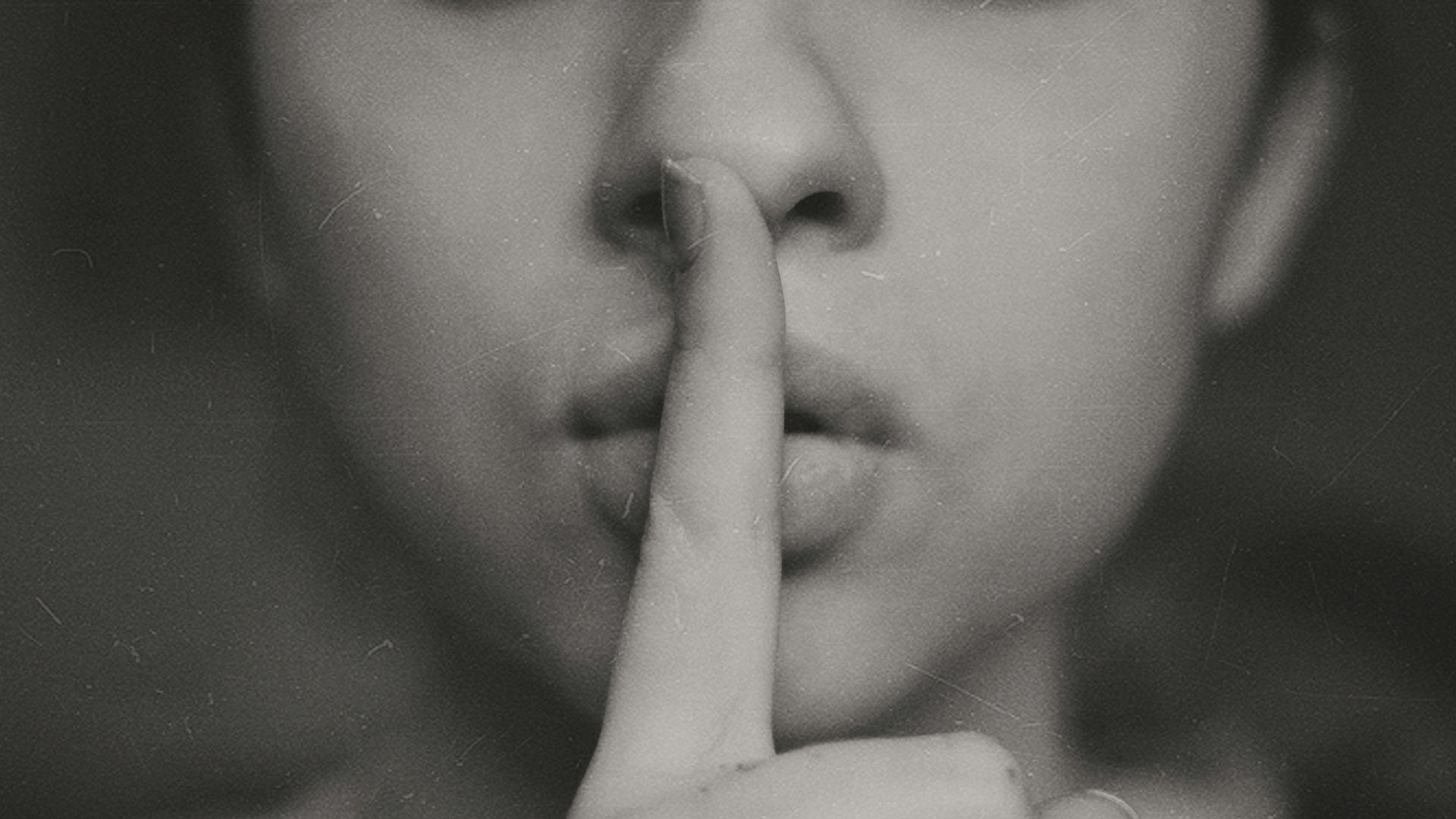
A very common instinctive reaction involves a person literally shielding their mouth while they speak or right after they finish. It’s almost as if their subconscious mind is trying to stop the deceitful words from coming out or hide their facial reaction. Watch for a hand hovering near the lips or a finger placed over the mouth like a "shush" gesture.
 Shane Ryan Herilalaina on Unsplash
7. Instinctive Vulnerable Spot Coverage
Did you see their hand darting toward their throat, chest, or stomach? When people feel threatened, they often cover their vital organs as a defensive reaction. Getting cornered with a tough question can make people feel scared or threatened.

8. Shuffling Feet
Take a quick peek at their shoes if you suspect things aren't quite right during your chat. Shuffling or tapping feet often indicates that a person is uncomfortable and subconsciously wants to walk away from the interaction. It’s a manifestation of the "flight" part of the fight-or-flight response showing through their lower body.
 Jelleke Vanooteghem on Unsplash
9. Difficulty Speaking
Saliva production decreases when people are nervous, causing their mouths to become dry. You may notice someone swallowing or having trouble pronouncing words clearly. Listen for a hoarser tone to their voice.
 LinkedIn Sales Solutions on Unsplash
10. Unblinking Stares
Contrary to the popular belief that liars can't look you in the eye, some will actually stare you down to prove they aren't lying. This prolonged, unblinking eye contact feels intense and forced rather than natural and warm. They’re trying so hard to appear honest that they end up looking a bit creepy instead.
11. Frequent Eye Blinking
Conversely, some people will blink rapidly when they’re lying. Recalling fake information is taxing on the brain and causes subtle tells like increased blinking. The brain essentially becomes overworked, kind of like an overheating CPU.
 Christina @ wocintechchat.com M on Unsplash
12. Pointing Fingers
When a liar feels like the walls are closing in, they might turn the tables by becoming accusatory and aggressive. You'll often see them physically pointing at you or others to shift the focus away from their own behavior. It’s a classic "the best defense is a good offense" strategy designed to make you back down.

13. Direction of Eye Movement
This one is a bit tricky and not always true. When people lie about things they’ve seen, they often look up and to their right as they fabricate what they want you to believe they saw. Remembering actual memories takes them in other directions.

14. Clearing the Throat
A sudden need to clear the throat can be a sign that the person is trying to "reset" their voice before delivering a lie. The physical tension in the neck muscles makes it feel like something is stuck, which leads to that distinctive coughing sound. It serves as another little micro-delay that gives them a moment to think.

15. The "Mee-Mee" Grooming Effect
People who are being dishonest sometimes start fixing their hair, adjusting their tie, or smoothing out their clothes. This self-grooming behavior is a way to soothe the anxiety they're feeling internally. It’s a nervous habit that provides a temporary distraction from the stress of the interrogation.

16. Nose Itching or Rubbing
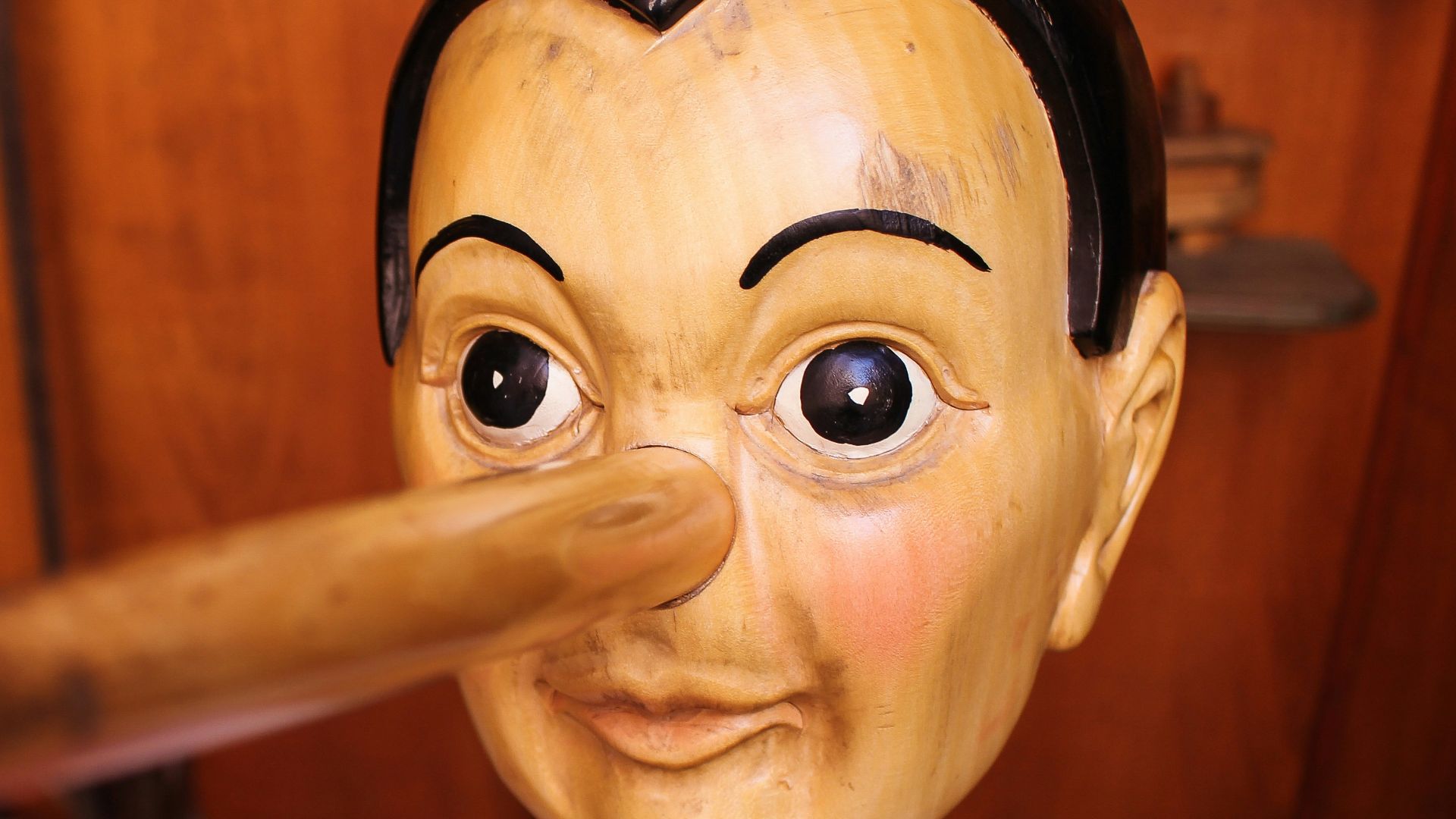
Researchers have discovered that the lining of human noses becomes inflamed when people lie. As a result, they often feel like their nose is itching or tickling, which makes them want to rub it. Pinocchio may have actually been onto something after all.
17. Inconsistent Timing
Pay attention to when their gestures happen in relation to what they're saying out loud. If someone nods "yes" but there's a slight delay after they've already said the word, the two parts of their brain aren't in sync. Honest reactions usually happen simultaneously, whereas deceptive ones often have a weird, laggy quality.
 Juri Gianfrancesco on Unsplash
18. Creating a Physical Barrier
Does the person start setting up barriers like a coffee cup, laptop, pillow, or cubicle between themselves and others? Attempting to “barricade” oneself shows a desire to separate from another person, and it comes from a place of defensiveness.
19. Excessive Perspiration
Be on the lookout for a sudden sheen of sweat on the forehead or upper lip, especially if the room isn't actually hot. Deception is stressful work, and the body reacts to that pressure by trying to cool itself down. This is one of the hardest physical cues for a liar to control because it's completely involuntary.

20. Micro-Expressions
Look for facial micro-expressions that flash across their face for a fraction of a second. These can include the tell-tale smirk of “duping delight” that some liars experience when they know they’ve got others fooled. Micro-expressions are the truth written all over someone’s face.