
10 Signs You're Overstepping as a Grandparent & 10 Better Ways To Support
Sometimes, The Best Way To Show Your Love Is To Take A Step Back
Grandparents can bring warmth, fun, stability, and the kind of family memory that sticks for life, but good intentions don't always land the way people hope. Sometimes what feels like helping can come across as correcting, interfering, or quietly taking over, especially when parents are already tired and trying to hold their own household together. The sweet spot is not doing less out of fear, but knowing how to stay loving, involved, and genuinely supportive without stepping on the people who are actually raising the children. Here are 10 ways you may be overstepping as a grandparent and 10 better ways to support.

1. You Ignore the Parents’ Rules
It's easy to tell yourself that a little extra sugar, a later bedtime, or a different consequence is no big deal. The problem is that parents usually notice quickly when their rules are being treated like optional suggestions. Even if you disagree with them, brushing them aside sends the message that your judgment matters more than theirs.

2. You Give Unsolicited Parenting Advice
Offering constant advice can feel useful from your side and exhausting from theirs. Parents often know when they need help, and they also know when they just want someone to listen without turning the moment into a lesson. If every complaint gets met with a correction, your support may start feeling more like supervision.

3. You Buy Things the Parents Already Said No To
It may seem harmless to show up with toys, more treats, or a gadget the parents already declined. In reality, that kind of move can come off as a quiet challenge to their authority. The gift is no longer just a gift if it starts making their job harder at home.

4. You Correct the Child As If You're In Charge
There's a difference between stepping in for safety and acting like the lead authority when the parent is right there. If you override them in the moment, the child notices that power shift immediately. That can create confusion for the child and irritation for the adult who's trying to parent.

5. You Expect Unlimited Access to the Grandkids
Loving your grandchildren deeply does not automatically give you open scheduling rights. Parents still have their own routines, energy limits, plans, and need for space, even when family relationships are good. If you act offended every time they say no or not now, the pressure can start to wear on everyone.

6. You Compare Their Parenting to How You Did It
Very few parents enjoy hearing that they turned out fine, so their child should too, as if nothing has changed in the world since they were young. Even when the comment sounds casual, comparisons can come across as criticism. Parenting styles, expectations, and information shift over time, and just because they do it differently doesn't mean it's wrong.

7. You Use Guilt When Your Help Isn't Accepted
If you offer to babysit, host, or step in and then react badly when the answer is no, the offer stops feeling generous. Guilt has a way of turning support into emotional bookkeeping, and families usually feel that shift fast. Nobody enjoys help that comes with a hidden invoice.
 Antoni Shkraba Studio on Pexels
8. You Share Photos or Family Updates Without Asking
Grandparents are proud, and that's lovely, but not every parent wants pictures of their child posted, forwarded, or shared widely. Privacy boundaries vary a lot from family to family, and assuming yours match theirs can create tension quickly. Once something is online or sent around, you don't get to pull it back so easily.

9. You Try to Become the Favorite by Bending Rules
Of course, grandparents want to be fun, and no one is asking you to turn into a strict hall monitor. Trouble starts when the whole relationship becomes built around treats, secrets, and little acts of rebellion against the parents’ wishes. Your grandchild will still love you, even without that undermining behavior.

10. You Forget That Helping Entails Respecting the Adults
Some grandparents focus so much on access to the grandkids that they stop treating the parents like the central relationship to maintain. That's usually where resentment starts creeping in, because support for children can't be separated from respect for the people raising them. If the parents feel dismissed, the whole family dynamic gets shakier than it needs to be.

Now that we've talked about the quiet ways you may be overstepping, let's go over some of the truly helpful things you can do to support.
1. Ask Which Rules Matter Most Before the Visit
You don't need a full parenting handbook to be helpful, but it does make sense to ask where the non-negotiables are. That helps you avoid preventable tension and shows that you're trying to work with the parents instead of against them. Most people respond well when they feel respected before any conflict even has a chance to start.
 Hoi An and Da Nang Photographer on Unsplash
2. Ask Whether They Want Help
That one question can change the whole tone of a conversation. Sometimes your adult child wants a suggestion, but often, they just want to vent for five minutes without getting told how to do things. Giving them that choice makes your support feel calmer and a lot more welcome.

3. Check Before Giving Big Gifts
A quick message can save everyone a lot of awkwardness. Parents may have space limits, screen-time rules, budget reasons, or just strong preferences about what enters the house.
 Aleksandra Sapozhnikova on Unsplash
4. Back the Parent in the Moment & Talk Privately Later
If something truly concerns you, there's usually a more respectful time and place to bring it up. Supporting the parent in front of the child or just stepping back and letting them do their thing helps keep the household dynamic clear and steady. A private conversation afterward gives you room to speak honestly without turning the situation into something confusing for the child.
 Hoi An and Da Nang Photographer on Unsplash
5. Make Invitations Easy to Accept or Decline
You can stay enthusiastic without making people feel cornered. A simple offer like “We’d love to see you if this weekend works” leaves room for real life to exist. That kind of flexibility often makes parents more likely to say yes because the interaction feels light instead of loaded.

6. Share Your Experience as a Story
There's nothing wrong with saying what worked for you, especially if it comes from a warm and humble place. The key is offering it as one experience rather than the obvious correct answer. People are much more open to hearing your wisdom when it doesn't sound like a scorecard.

7. Offer Help in a Way That Doesn't Require Emotional Repayment
The most appreciated support often feels simple and pressure-free. You can say, “I’m happy to help if you need me,” and actually mean it without attaching disappointment if they decline. That kind of steadiness builds trust because it doesn't make every interaction feel like a test.

8. Respect the Parents’ Privacy Boundaries
Asking before posting or sharing updates is a small courtesy that carries a lot of weight. It shows that you understand the parents are setting the terms around their child’s public life. Even when you would make a different choice yourself, honoring theirs helps everyone relax.
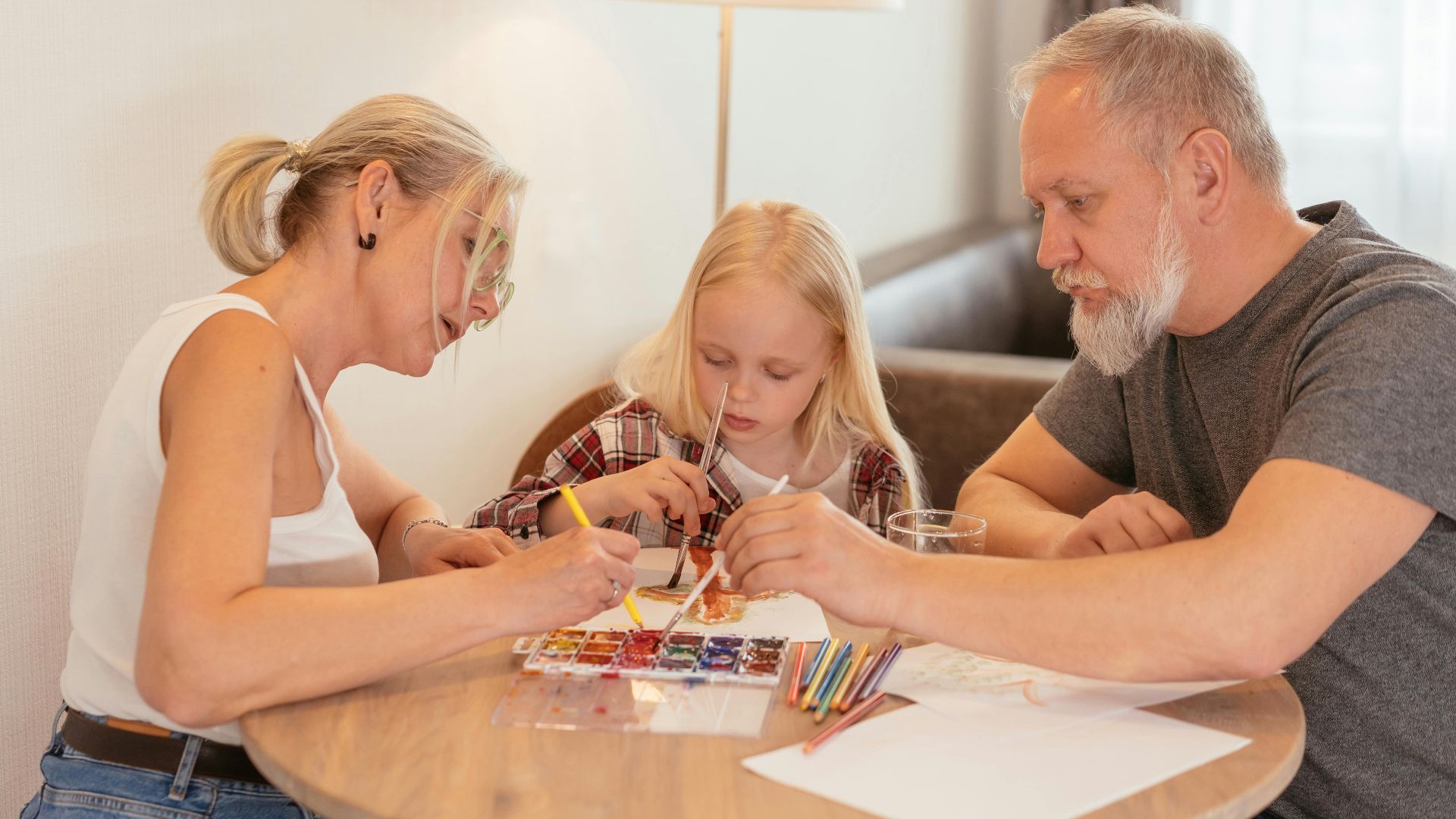
9. Build Closeness Through Attention, Not Rule-Breaking
The strongest bond doesn't actually depend on candy, late bedtimes, or sneaky exceptions. Reading together, remembering their interests, showing up consistently, and making them feel seen tend to last a lot longer. Being the grandparent they trust and enjoy is much more meaningful than being the one who always says yes.

10. Aim To Be a Calm Ally
Grandparents don't need to compete with parents to be important. In fact, your role often works best when it brings warmth, perspective, reliability, and support without trying to take over the wheel. When you become the person who helps family life feel easier rather than more tense, everyone benefits.