Just Be You
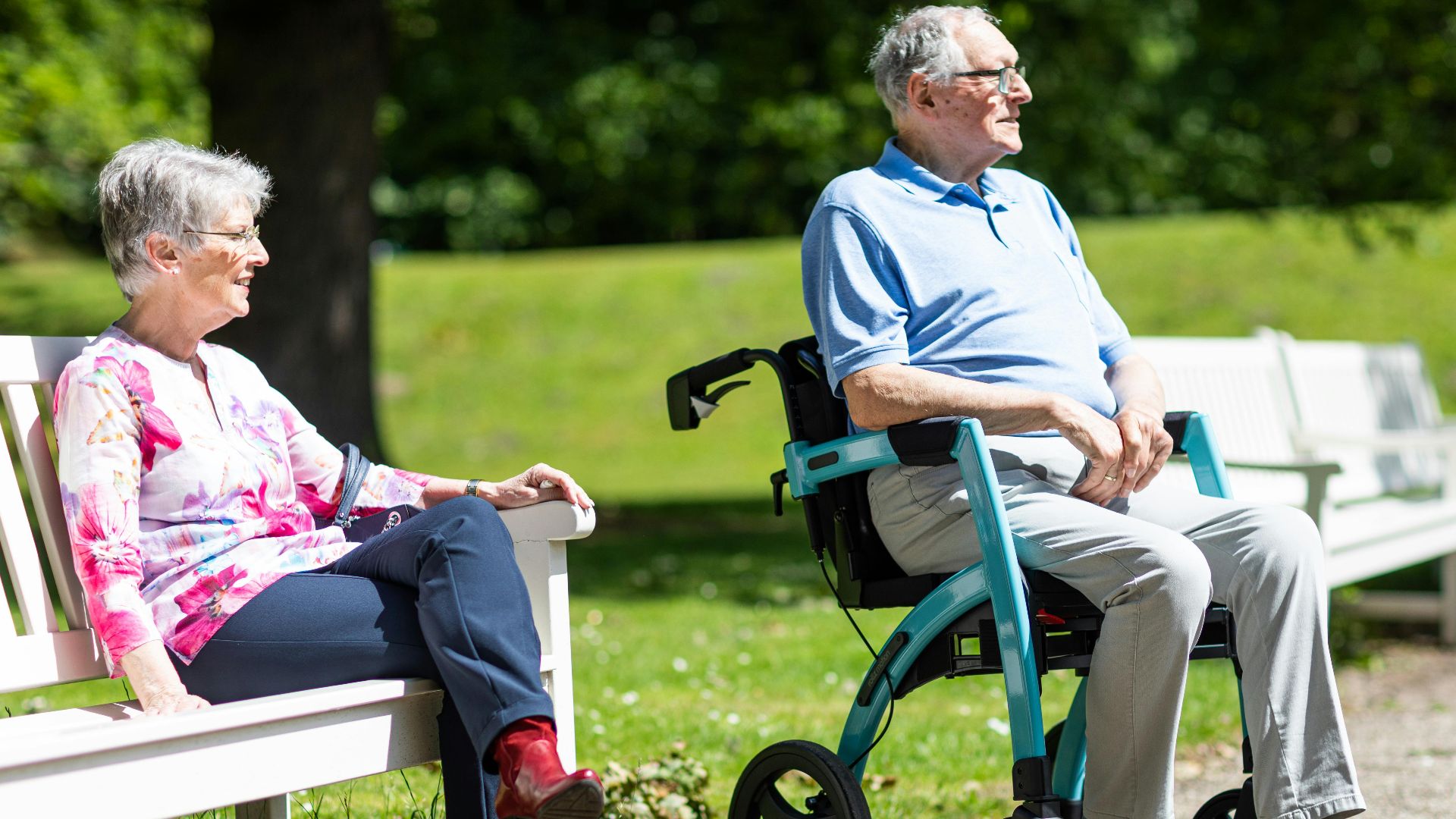
You've made it to 50, congratulations. But as retirement is looming, there are things you just should stop apologizing for. By now, you’ve built routines and learned what works best for you. Still, many people slip into saying sorry when they haven't done anything wrong! So, let's take a look at 20 everyday situations where you can drop the apology and stand by your decisions.

1. Saying “No” To Invitations
Here's a counterintuitive truth about socializing: turning down invitations can actually lead to more meaningful connections. While it might seem that saying "no" would damage relationships, setting clear boundaries without lengthy explanations empowers people to engage more authentically.

2. Not Wanting To Stay Out Late
Remember those days of burning the midnight oil? As we journey through life, our body's natural rhythms often guide us toward earlier evenings—a perfectly normal shift backed by sleep science. Many people today find themselves trading late-night outings for morning walks and breakfast meetups.
3. Putting Your Health First
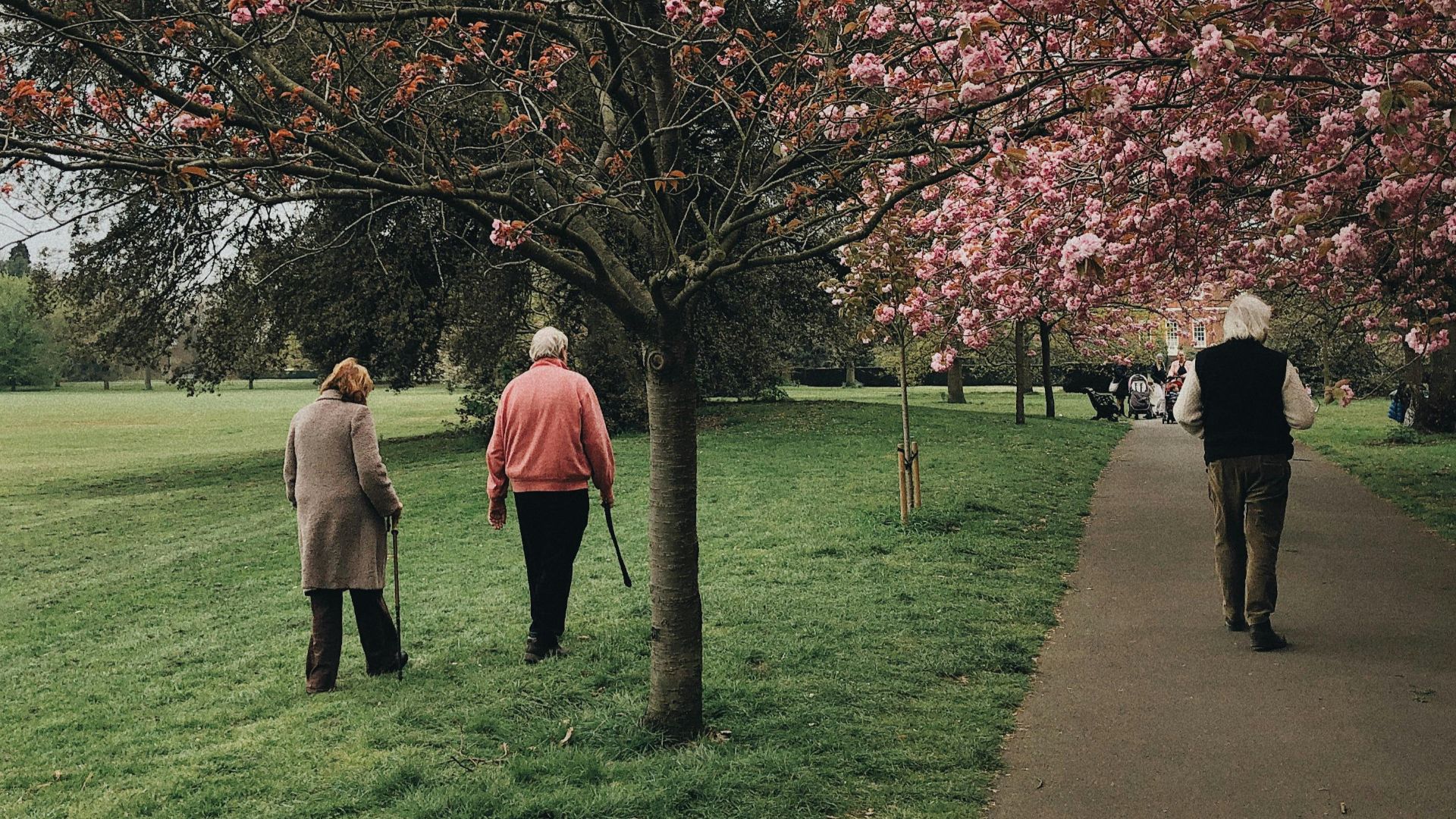
It starts with a simple choice to prioritize your health, such as scheduling that overdue checkup. Soon, this commitment ripples and inspires you to explore new wellness activities and outdoor adventures. By putting your health first, you're creating a foundation for savoring life.

4. Wrinkles And Gray Hair
Like an intricate genetic code gradually revealing itself, our bodies follow predetermined biological timelines that manifest in silvering strands and deepening facial lines. These natural markers emerge differently for each person based on inherited traits, with many now celebrating these changes through vibrant social media communities.

5. Needing Reading Glasses
When you consider that most people over 50 will need reading glasses, presbyopia becomes less of a medical term and more of a shared life chapter. This natural age-related vision change affects millions, which explains why today's eyewear market offers such a diverse array of styles to match every personality.

6. Asking For Help With Technology
When new gadgets or apps feel confusing, don’t be sorry and take initiative. The library can be a lifesaver here. Many offer free tech support where you can ask questions without feeling pressured. It’s a friendly place to learn the basics and feel more comfortable using everyday technology.

7. Enjoying Quiet Nights At Home
Life's most surprising revelation may be how aging unveils the exquisite pleasure of quiet evenings at home. Sleep scientists confirm these peaceful moments boost mental wellness, whether savoring a warm bath or losing oneself in a book. This natural evolution toward domestic tranquility echoes hygge, Denmark's timeless wisdom of cultivated coziness.

8. Not Drinking Alcohol
As our bodies naturally become less tolerant to alcohol, many are discovering there's never been a better moment to reconsider drinking habits. The flourishing "sober curious" movement has made it normal to skip alcohol at any age, while the expanding world of mocktails and aromatic teas keeps social occasions vibrant.

9. Having Adult Children Still At Home
With rising costs straining household budgets, more American families are discovering the practical advantages of adult children remaining at home. A record number of multigenerational households have become both economic realities and cultural shifts today. It allows families to share expenses while fostering deeper bonds through daily support.

10. Choosing Not To Retire Yet
Gone are the days when turning 65 meant an automatic farewell to work life. Research indicates that maintaining a professional presence helps preserve mental sharpness and keeps the cash flow flowing. Many find deep fulfillment in extending their careers, with some bold souls even launching completely new careers.

11. Forgetting Small Details Sometimes
Those moments of drawing a blank on a name can feel unsettling, but take heart: occasional forgetfulness is a natural occurrence. While stress and juggling multiple tasks often contribute to these memory hiccups, staying sharp is within reach through engaging in brain games, puzzles, and smart organizing tools.
 Photo By: Kaboompics.com on Pexels
12. Speaking Your Mind
Plenty of folks hold back their opinions when they’re younger, worried about rocking the boat. By the time you hit 50, that worry tends to fade. You’ve seen enough to know your perspective matters, and sharing it often encourages others to do the same.
13. Taking Longer To Recover Physically
If you've noticed yourself needing more downtime lately, you're experiencing a natural transition; there's no need for guilt or worry. Science shows our bodies naturally take longer to bounce back as we mature. The good news? Supporting recovery through proper nutrition and intentional rest helps maintain well-being.

14. Refusing To Host Every Holiday
After years of carrying the weight of every holiday gathering, some hosts just need a break. If that’s you, there’s no reason to apologize. Passing the job around lightens the load and even creates room to turn a holiday into a travel adventure from time to time.

15. Putting Personal Needs First
Just as a garden needs rich, well-tended soil to thrive, our personal well-being requires dedicated nurturing through self-care. When you cultivate your inner self with practices like meditation and creative hobbies, you prevent burnout. This essential groundwork creates a flourishing environment that naturally nourishes those around us.

16. Not Keeping Up With Trends
Ever feel exhausted trying to chase down every new fashion trend? Here's the refreshing truth: while trends come and go at dizzying speeds, there's freedom in focusing on what truly works for you. Classic styles endure for good reason; explore those options.

17. Downsizing Your Home
The three-story home no longer makes sense. The maintenance tasks consume resources, but downsizing ushers in a refreshingly simplified solution. The shift creates opportunities for inspired redecorating, and the gentle process of decluttering brings unexpected contentment.

18. Needing More Rest
Contrary to the stubborn myth that aging demands less sleep, our maturing bodies actually require more dedicated rest. This biological wisdom, long honored through cultural practices like afternoon siestas, reflects sleep's crucial role in preserving cognitive function.

19. Enjoying Hobbies Others Find “Boring”
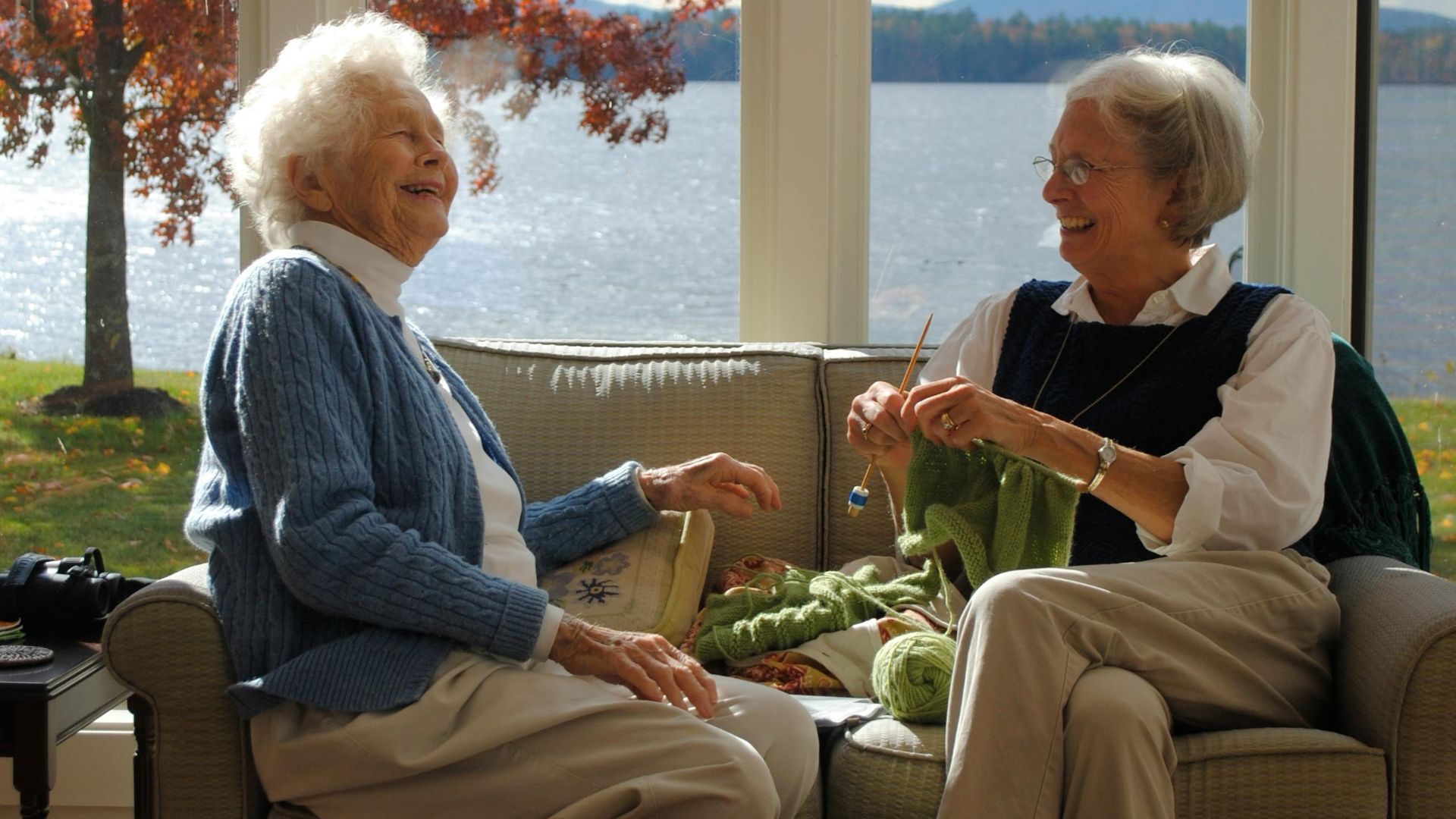
Whether you find peace in knitting intricate patterns or satisfaction in completing complex puzzles, these seemingly quiet pursuits offer profound mental wellness benefits. Such "boring" hobbies have attracted passionate enthusiasts worldwide, who form vibrant and thriving communities.

20. Not Being Available 24/7
The modern expectation of round-the-clock availability has become an invisible drain on well-being, triggering mounting stress that often spirals into full-blown burnout. Setting healthy time boundaries can restore both mental clarity and professional effectiveness.