
We All Know At Least One
Every couple builds its own private rulebook, and most of it is harmless. But some habits get folded into that rulebook without anyone considering the true consequences, and they sit there for years while both people insist this is just how they work. The strange part is how reasonable it all sounds from the inside, especially when the alternative means admitting something needs to change. Here's 20 things dysfunctional couples treat as perfectly normal.

1. Keeping A Running Scoreboard
Somebody drove to the airport, so somebody else owes a favor. It sounds like fairness, and couples who do this often describe it that way. Once every kindness gets logged and cashed in later, generosity starts working like a transaction. The scoreboard also has a way of favoring whoever keeps it.

2. Using Silence As A Punishment
Not speaking for two days after an argument gets described as needing space. Space is a real thing, and it usually comes with a rough timeline and a plan to come back. The version where one person goes quiet until the other apologizes is a strategy, and both people usually know it. Waiting out a partner works, which is exactly the problem with it.

3. Reading Each Other's Phones
Some couples frame this as openness, as though nothing could be more romantic than full access. In practice it tends to be one person checking and the other person tolerating it. When the checking happens at two in the morning, the word for it stops being openness. Nothing found in a phone at that hour has ever made anyone feel better.

4. Having The Same Fight For Years
There's a fight about the dishes that isn't about the dishes, and everyone involved knows the script by heart. A disagreement that resurfaces every few weeks without moving an inch has become a habit rather than a conflict. Habits are much harder to quit than arguments.

5. Venting To Everyone Else First
Your friend group, your family, and your coworkers all know about the argument before your partner does. It feels good in the moment and costs nothing up front. The bill comes later, when your partner walks into a room where everyone has already picked a side.

6. Threatening To Leave Mid-Argument
Bringing up a breakup during a fight about weekend plans is treated as passion, or as being honest in the heat of the moment. What it actually does is teach both people that the relationship is up for renegotiation every time something goes wrong. Nobody relaxes in a house where the exit gets mentioned monthly, and the threat loses its power long before the fighting stops.

7. Managing One Person's Moods
One partner reads the other's face at the door and adjusts the whole evening accordingly. Kids do this in unstable homes, and adults who grew up that way slip into it without noticing. Some call it thoughtfulness when in reality the underlying motivation is to avoid a bad night.

8. Making Jokes That Are Complaints
The dinner party joke about how he never finishes anything lands with a small pause before people laugh. Everyone at the table can tell the complaint is real and the joke is the delivery system. Couples who do this often say the other person is too sensitive about it, which is a convenient way to keep the material.

9. Hiding Purchases From Each Other
A jacket gets left in the car for a day. A receipt goes straight into the trash. Plenty of couples treat this as a harmless workaround. Small deceptions about money have a way of becoming practice for larger more destructive ones.

10. Making Up Without Resolving Anything
The fight ends because both people are tired, not because anything got settled. There's a good dinner, maybe some affection, and an unspoken agreement to move on. The original problem gets put aside and resurfaces the next time somebody's had a long week.

11. Bringing Up Past Problems
An unpaid parking ticket from years ago gets introduced as evidence during a fight about laundry. Couples who do this call it context. Keeping a file that detailed means nothing ever closes, and every new disagreement arrives carrying all the old ones.

12. Requiring Constant Check-Ins
Location sharing turns into a question about why the dot stopped moving for forty minutes. Some couples like knowing where the other one is, and that's fine on its own. The shift happens when the answer has to be good enough, and one person starts rehearsing it on the way home.

13. Making Someone Prove They Didn't
One partner raises a suspicion and the other spends the evening producing evidence against it. Timestamps get pulled up. Old texts get scrolled through. A relationship where innocence has to be demonstrated on request has reorganized itself around a courtroom, and one person is always the defendant.

14. Treating Basic Chores As Favors
He watches his own children for two hours and calls it babysitting. She cleans the kitchen and mentions it four times over the weekend. Both people end up performing labor for credit rather than because a household requires it. The credit never quite balances, which is part of why the arrangement lasts.
 https://kaboompics.com/ on Pexels
15. Only Connecting During A Crisis
Things are flat until a parent gets sick or a job falls through, and then both people snap into focus and feel close again. It's real closeness, which is what makes it confusing. A couple that only gets warm under pressure eventually starts generating the pressure on its own, usually without meaning to.

16. Testing Instead Of Asking
Someone leaves a message unanswered to see how long it takes to get a follow-up. Someone hints at a plan without stating it, then waits to see if it gets remembered. These tests always have a right answer, and the person taking them is never told what it was.

17. Apologizing Without Apologizing
"I'm sorry you took it that way" gets accepted because the word sorry appeared somewhere in the sentence. Both people know what happened, and both let it pass because the alternative is another hour of arguing. Over enough years, this becomes the only kind of apology either one knows how to give.
 Viktoria Slowikowska on Pexels
18. Keeping A Backup Plan
One person maintains a private savings account, a possible apartment, or a friend who has already offered the spare room. The plan never gets mentioned out loud, and it isn't always about leaving. Running a relationship with one foot near the door changes how much of you shows up for it.
19. Making Big Decisions Alone
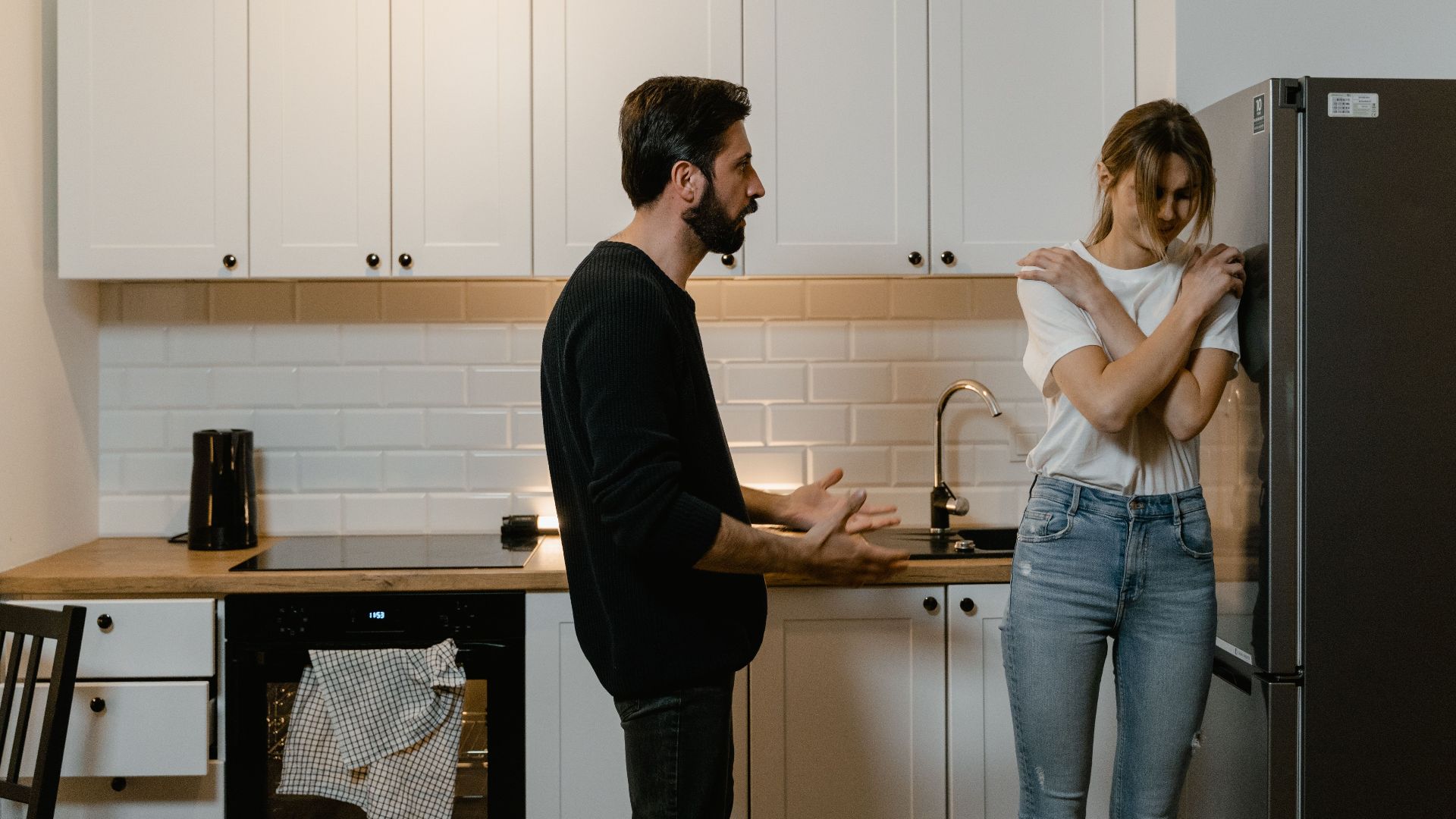
A job offer gets accepted, then announced. A car gets bought and driven home as a surprise. Couples who operate this way often describe themselves as independent. The pattern usually runs in one direction, and the person on the receiving end learns to react instead of weigh in.

20. Calling Volatility Passion
The screaming fights and the dramatic reconciliations get treated as proof that the feelings are strong. Intensity does feel like evidence of something, especially early on. Plenty of couples ride that cycle for a decade. Adrenaline holds a relationship together about as well as you'd expect.