The American Classroom
From regional traditions to odd survival skills, the American curriculum can take some pretty unexpected turns depending on where you're sitting. You might find yourself learning how to prep for a blizzard one day and how to square dance the next, all while wondering how these skills fit into your future. It's a colorful mix of practical life advice and "just because" traditions that make the U.S. education system a unique experience.

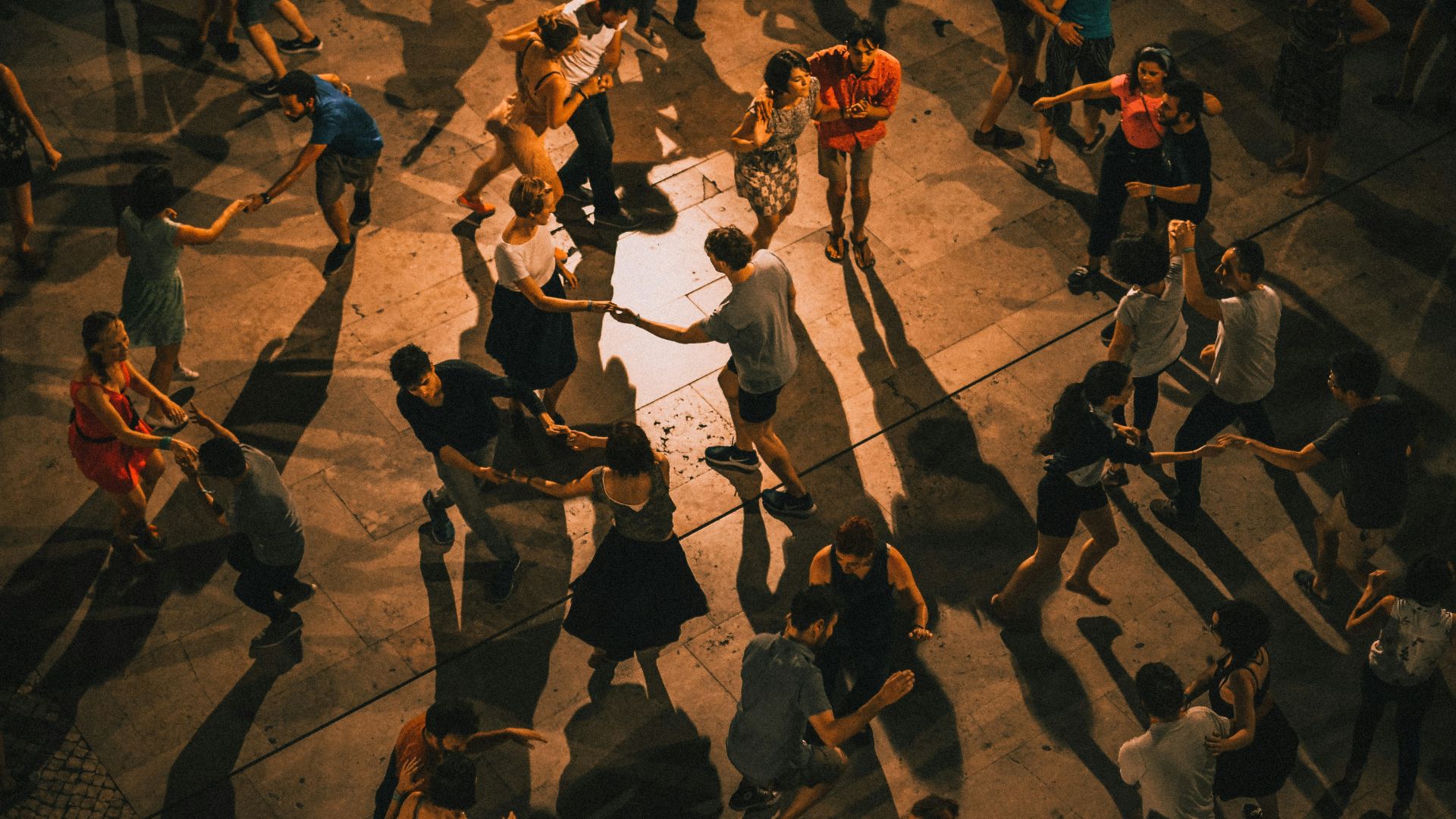
1. The Art of Square Dancing
Many physical education programs include a mandatory unit on traditional folk dancing, where you'll have to grab a partner and "do-si-do" to some fiddle music. It’s often a rite of passage in middle school that feels a bit awkward when you're twelve years old, but the goal is to teach rhythm and social cooperation. You’ll likely find the caller’s voice stuck in your head for weeks after the unit finally ends.
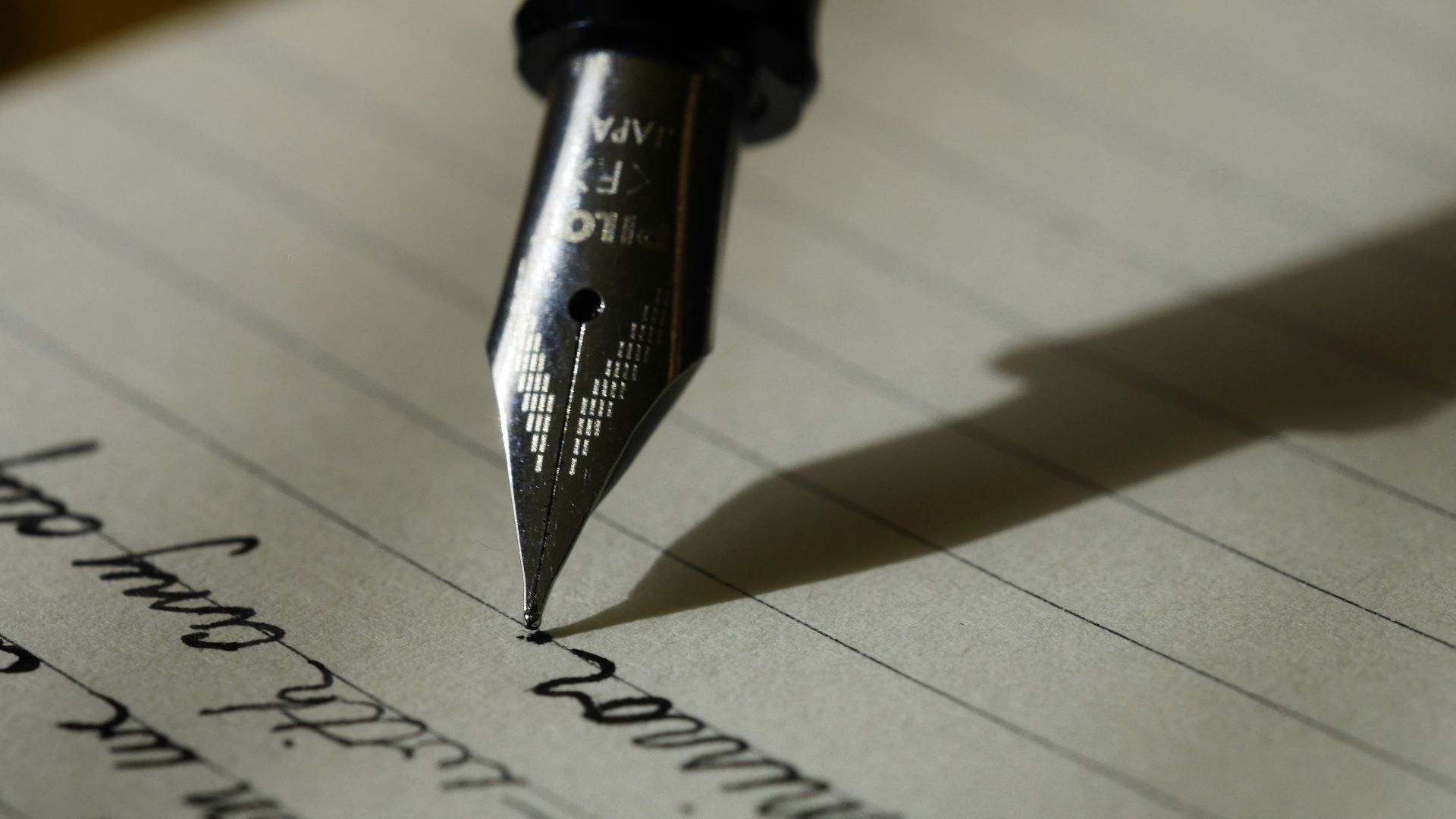
2. Cursive Handwriting Mastery
Despite everything being typed these days, students in elementary school are still required to learn cursive handwriting. Teachers swear they do it because you’ll need to sign contracts someday or read the Constitution. You spend hours learning how to intricately print your capital Gs and Qs, just to never use it again.
3. State-Specific History Overload
If you grow up in a place like Texas or California, you’re going to spend a massive chunk of time learning about your specific state's legends and battles. The curriculum often dives deeper into local folklore and regional heroes than it does into the history of some entire continents. It's how you end up knowing every detail about a local rebellion.
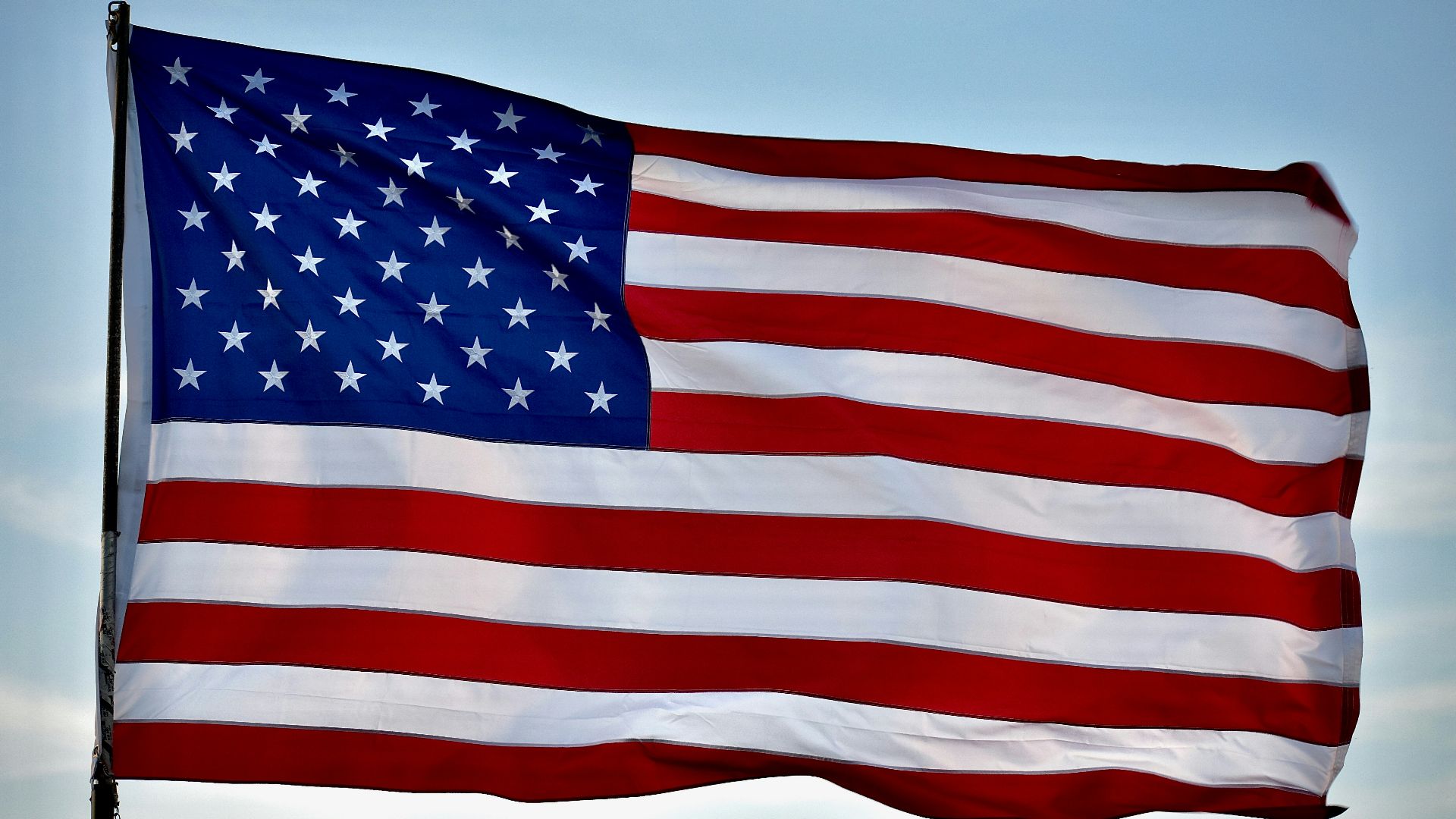
4. Proper Flag Etiquette
From a young age, you're taught exactly how to handle the American flag, including the very specific way it must be folded into a tight triangle. There’s a heavy emphasis on making sure the fabric never touches the floor, which can feel like a high-stakes game of keep-away during a ceremony.
5. Duck and Cover Drills
While the Cold War is long over, many students still participate in various safety drills that involve hiding under a desk or huddling in a windowless hallway. These exercises are meant to prepare you for natural disasters or other emergencies, though they can feel a bit surreal in the middle of a Tuesday.
6. The Egg Baby Project
In health class, you might be handed a literal chicken egg and told it’s your child for the next week to teach you about the trials of parenthood. You have to carry this fragile "infant" everywhere, ensuring it doesn't crack while you're navigating the crowded hallways between classes. It's a stressful lesson in responsibility.
7. Oregon Trail Survival
Computer lab time in the nineties and early two-thousands was almost entirely dedicated to a simulation where you tried to lead a wagon train across the country. You'd learn the hard way that buying too much bacon and not enough spare wagon axles usually leads to a digital demise. It’s a strange way to learn history.
8. The Metric System (Briefly)
For about a week, your teacher goes over how most of the world uses multiples of 10 to measure things. You’re introduced to this strange new world of kilometers and liters, but you quickly revert back to using feet and cups. It feels like a secret code that you’re allowed to peek at but never fully adopt.
9. Standardized Test Bubbling
There is a legitimate amount of instructional time dedicated solely to the "art" of filling in those little circles on a Scantron sheet with a number two pencil. You’re warned that if you stray outside the lines or leave a smudge, the machine might reject your entire future. It turns a simple test into a high-pressure coloring exercise.
10. Woodshop and Power Tools
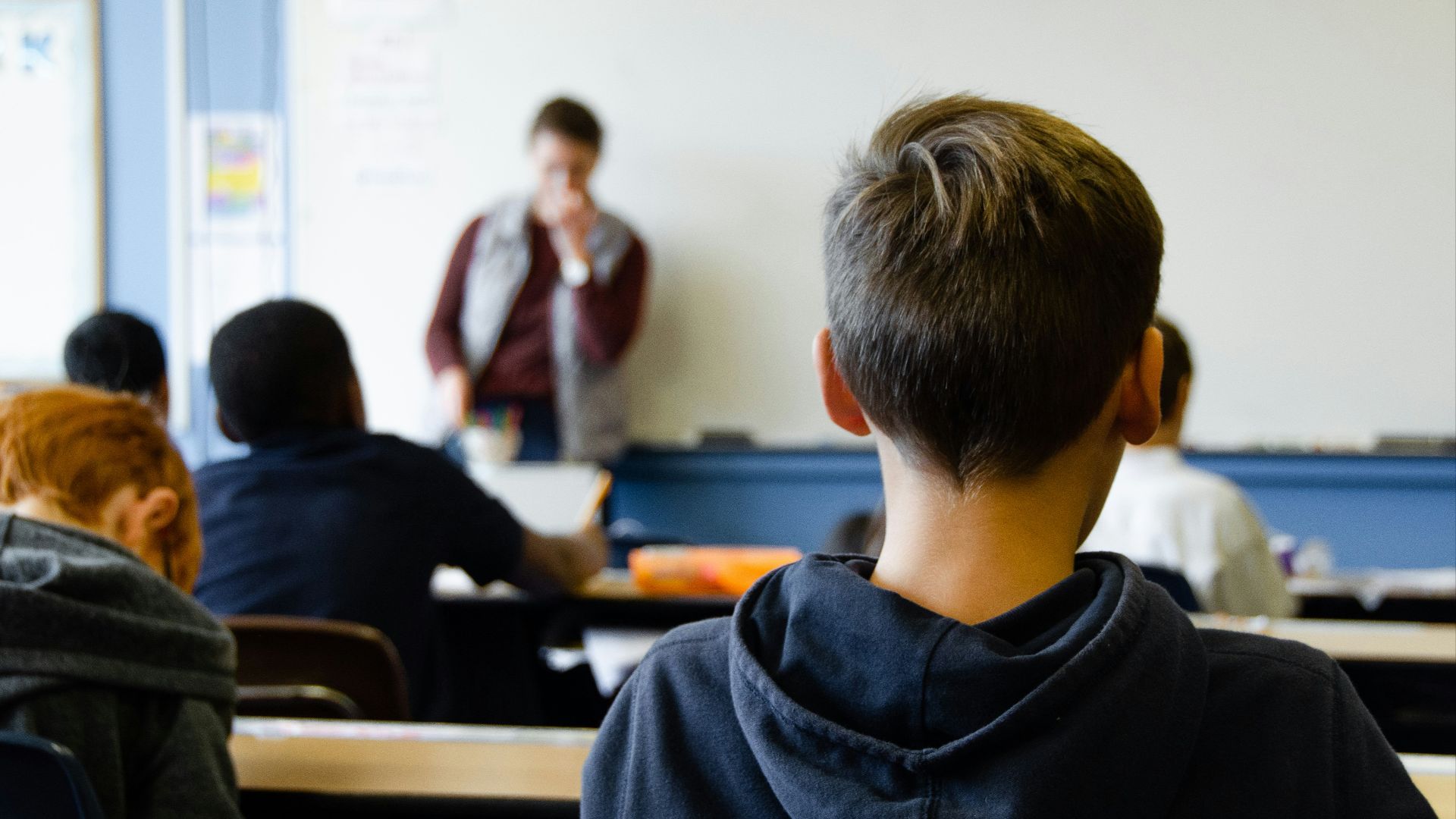
It's common for students to be handed a saw and taught how to cut things smoothly. Kids in shop class will learn how to use power tools to create projects such as tables, shelves, and birdhouses. You usually walk away with a slightly lopsided shelf and a newfound respect for safety goggles.
11. Driver’s Ed Simulators
Before you're allowed behind the wheel of a real car, some schools put you in a stationary "car" inside a classroom to practice your steering. You’ll watch grainy videos of traffic hazards while turning a plastic wheel that isn't connected to anything at all. It’s a bizarrely low-tech way to prepare for the high-speed reality of the American interstate system.
12. Public Speaking with "Ums"
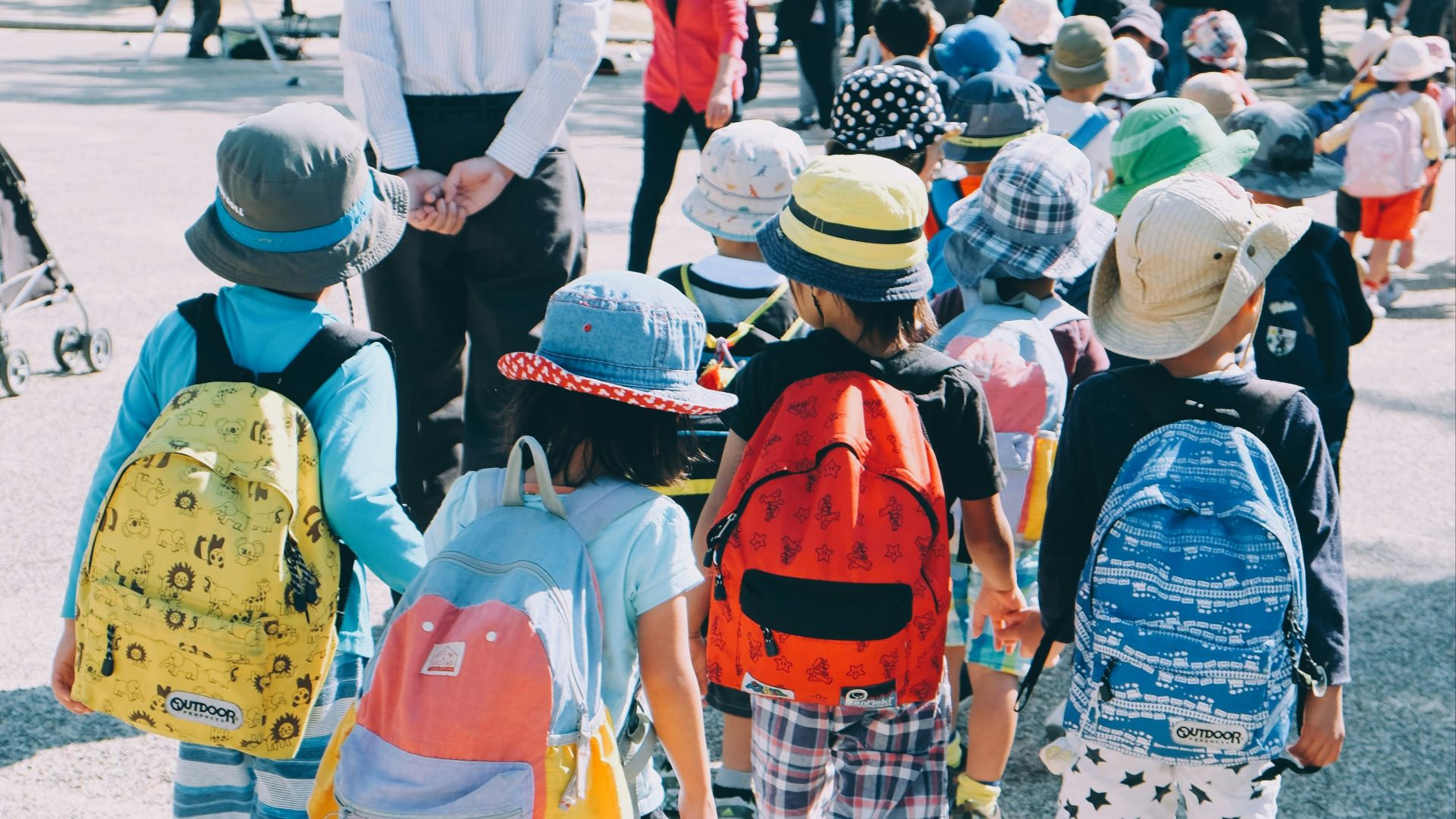
Many English classes include a unit where someone counts every single "um," "like," or "uh" said during a presentation. You’ll stand at the front of the room feeling incredibly self-conscious while a classmate tallies verbal tics on a clipboard. The goal is to make you a polished orator.
 Feliphe Schiarolli on Unsplash
13. Fitness Gram Pacer Test
This specific aerobic challenge involves running back and forth across a gym while a recorded voice beeps at increasingly fast intervals. The "beep test" is a source of collective dread for many students who have to push their lungs to the limit in front of their peers. You’ll likely never forget the calm, robotic tone of the narrator.
14. Home Economics Cooking
Students spend time learning how to cook "healthy" meals in high school health class. You’ll make snickerdoodles and stir-fries in what looks like a restaurant kitchen, except smaller. It's one of the few times during the school day when you're actually encouraged to eat the results of your hard work.
15. Diagramming Sentences
There’s a good chance you’ve had to draw elaborate, branch-like structures to show how nouns and verbs connect in a complex sentence. It looks more like a blueprint for a treehouse than a language lesson, but it’s supposed to help you understand grammar. Many people find it strangely satisfying to map out words.
16. Colonial Life Reenactments
Some elementary schools dedicate a whole day to pretending everyone lives in the seventeen-hundreds, which usually involves wearing tricorn hats made of construction paper. You might try your hand at churning butter or writing with a feather quill while pretending electricity doesn't exist. It’s a very tactile way to experience history.
17. Hall Pass Logistics
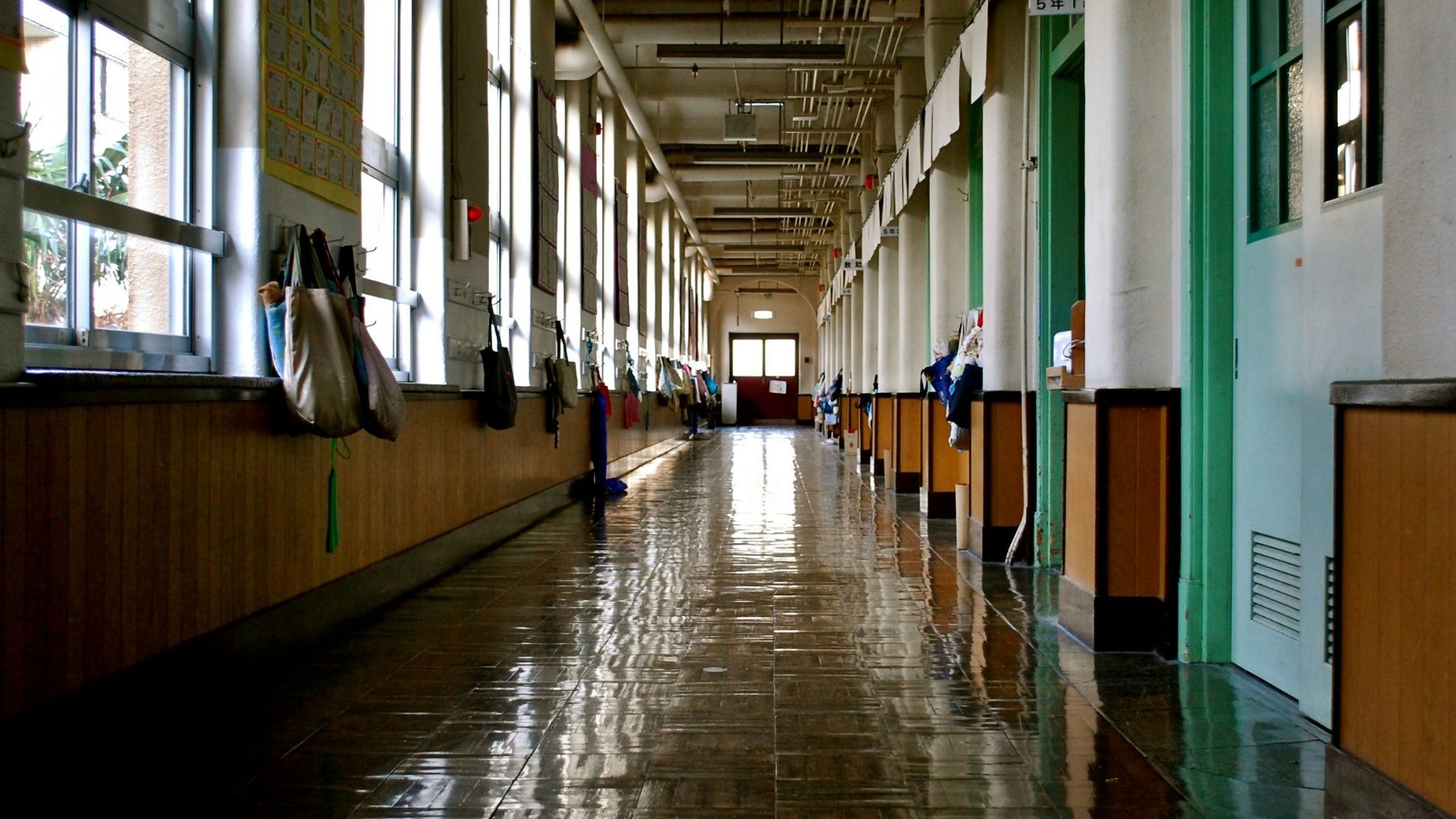
The concept of needing a physical wooden block or a laminated card just to walk to the bathroom is a staple of the American school experience. You’ll find yourself clutching a giant hall pass like it’s a golden ticket while wandering the empty corridors during a lesson. It’s a funny bit of bureaucracy that teaches you early on that permission is needed for almost every movement.
 Priscilla Du Preez 🇨🇦 on Unsplash
18. High School Mascot Pride
Schools go to extreme lengths to celebrate their "spirit," which often involves a student dressing up as a giant eagle, a bulldog, or even a piece of corn. You’ll attend pep rallies where everyone screams for the mascot and learns specific hand signals to show their loyalty.
19. The D.A.R.E. Program
Police officers often visit classrooms to give intense lectures about the dangers of illegal substances while handing out stickers and rulers. You’ll likely be asked to sign a pledge promising to stay away from trouble, often before you're even old enough to know what the trouble really is. The T-shirts from these programs became iconic fashion statements long after the actual lessons were forgotten.
20. Yearbook Superlatives
During your final year, you might find yourself voting on which classmate is "Most Likely to Succeed" or "Best Dressed." It’s a quirky tradition that turns the social hierarchy into a permanent printed record that stays on your bookshelf forever. You'll spend hours looking at these categories and wondering if the "Class Clown" ever actually made it to the big leagues.