Become Too Smart To Trick
Marketing experts have spent decades refining the way they grab your attention and convince you to open your wallet. While some methods are obvious, others are incredibly subtle and designed to nudge you toward a purchase before you've even realized what's happening. By understanding the psychology behind these clever maneuvers, you'll be much better equipped to spot them the next time you're browsing the aisles or scrolling through your feed.

1. The Decoy Effect
Ever notice how expensive retailers will usually place one ridiculously expensive product right next to something that’s only slightly too pricey? Retailers do this so that you’ll perceive the second option as absolute robbery when, in reality, it’s actually great value.
2. Creating False Urgency
Those bright red banners screaming about a "limited time offer" or a countdown clock ticking away are there to make you panic. They want you to feel like you're going to miss out on a massive opportunity if you don't act within the next few minutes. This pressure often overrides your logical brain, leading to impulsive decisions you might regret once the timer hits zero.

3. Clever Color Psychology
There’s a reason every fast-food restaurant uses red and yellow. Retailers use colors like blue to make you feel safe and comfortable. Specific colors trigger emotional reactions from your brain.

4. Strategic Store Layouts
Grocery stores place milk and eggs way in the back so that you’ll have to walk past every sales promotion they have to offer just to get the items you came in for. By the time you get to dairy, you’ve probably already grabbed a few impulse items. Avert your eyes and make a beeline for what you need next time.

5. The Power of Social Proof
When a website highlights that "5,000 people bought this in the last hour," they’re leaning on your natural desire to follow the crowd. We tend to trust a product more if we believe everyone else is already enjoying it, even if we don't know those people personally. It creates a sense of safety in numbers that makes hitting the "buy" button feel much less risky.
6. Mirroring Your Lifestyle
Advertisers use actors who look like you and realistic settings you can relate to. Oftentimes, you’ll even see your own home or neighborhood being used! When you visualize the person using the product, you subconsciously visualize yourself using it too.

7. Anchoring the Price
Whenever you see an original price crossed out with a lower "sale" price next to it, you've been anchored. Your mind fixates on that first, higher number as the standard, which makes the new price seem like a fantastic bargain. In many cases, the item was never actually intended to sell at the original price, but the comparison does all the heavy lifting.

8. The Nostalgia Trap
It’s very common for brands to play into your nostalgic tendencies. Using songs or images from your past creates a positive association with their brand. It’s hard to stay critical of an advertisement when it's playing your favorite song from high school in the background.

9. Sneaky Scent Marketing
Some clothing stores and bakeries pump artificial scents through their air vents to create a specific atmosphere the moment you walk through the door. You might smell flowers walking into one store and fresh baked cookies walking into another. Every scent you smell has been intentionally placed there to keep you inside longer and to keep you buying more.

10. Eye-Level Placement
The majority of the time, expensive brands are positioned right at eye level. If they’re not, you can probably bet the cheaper options will be on the very top or bottom shelves where you’d have to reach/search for them. Brands know you’ll take the first convenient thing you see.
11. Free Gift Incentives
Let’s say you pay $5 for a coffee and get a free biscuit on the house. You’ll probably feel obliged to come back and buy that same coffee just to get another free biscuit. We love to give whenever someone gives to us.

12. Emotional Storytelling
Instead of just listing features, modern ads often tell a heartwarming or dramatic story that has very little to do with the actual product. By tugging at your heartstrings, they ensure you remember the brand based on how it made you feel rather than what it actually does. These commercials aim to build a long-term bond that goes far deeper than a simple transaction.

13. Charm Pricing
Ending a price with ".99" instead of rounding up to the nearest dollar is a classic tactic that still works incredibly well today. Even though the difference is only a penny, our brains tend to process a price of $19.99 as being in the "10-dollar range" rather than the "20-dollar range." This small shift in perception makes the cost feel significantly lower at a quick glance.
14. Subtle Upselling
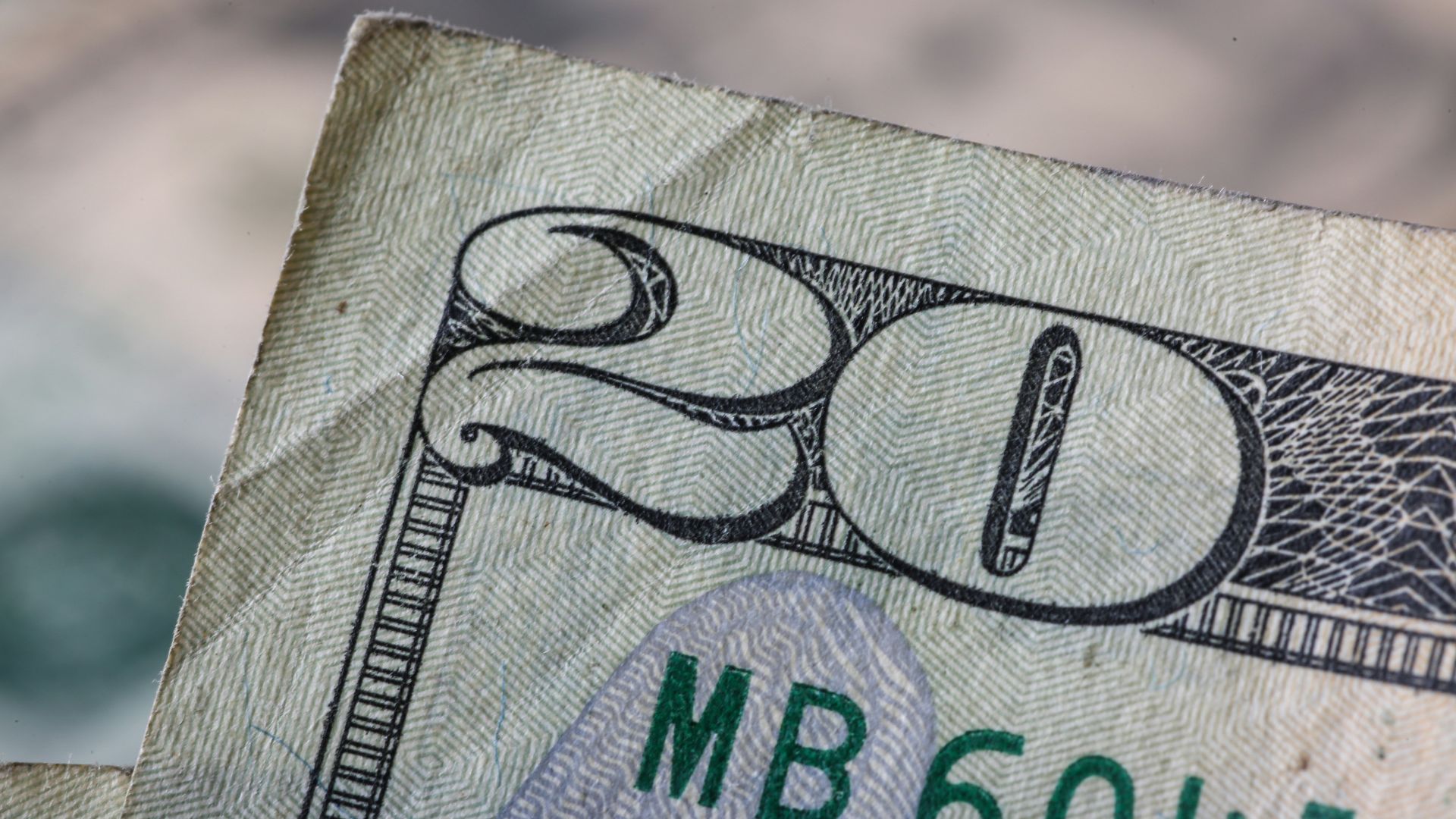
Have you ever checked out at a register and the cashier asked if you wanted to “make it a meal?” You just spent $20 and now they want you to spend five more? Of course you say yes. Most people do. Those five bucks don’t seem like much when you’re already spending $20.

15. The Illusion of Choice
Some brands release several versions of the same product with slightly different features just to give you the feeling of control. When you're busy comparing "Model A" to "Model B," you stop asking yourself if you actually need the product at all. The goal is to move your internal dialogue from "should I buy this?" to "which one should I get?"
16. Using Authority Figures
Ever see one of those “Doctor approved” commercials? Chances are that doctor working at the testing facility got paid big bucks to say those words. Just because someone in a lab coat is speaking, doesn’t mean he actually knows what he’s talking about.

17. Bundling for "Savings"
Companies often package related items together and market the bundle as a way for you to save money. While the total price might be lower than buying everything separately, you frequently end up paying for things you didn't really want or need. It’s an effective way for businesses to move more inventory while making you feel like you’ve scored a major discount.

18. Native Advertising
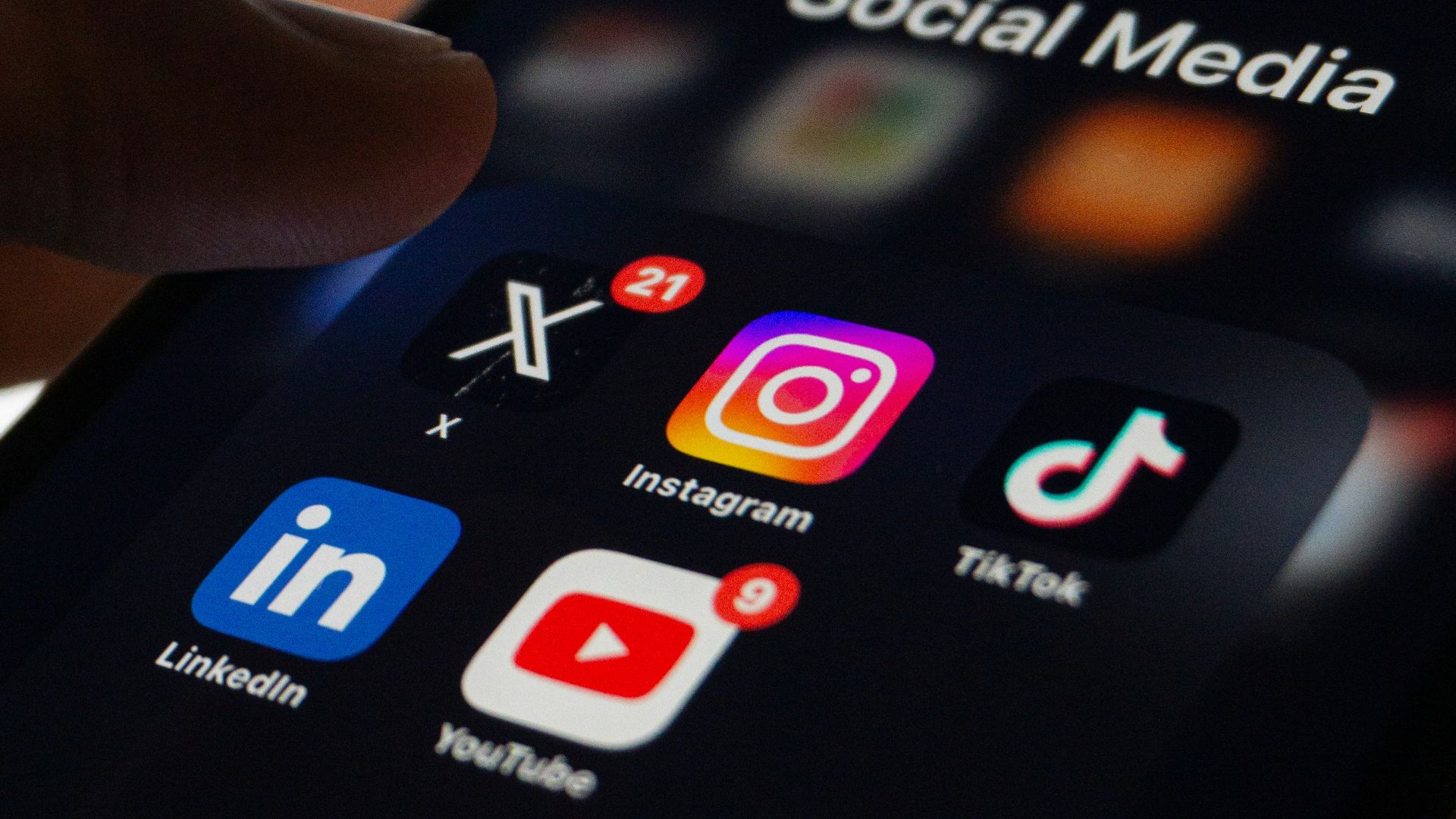
You’ve likely seen articles or social media posts that look like regular content but are actually "sponsored" by a brand. These ads are designed to blend in perfectly with the surrounding news or photos so you don't immediately recognize them as marketing. Because they don't look like traditional commercials, you’re often more willing to engage with the message they're sending.
19. Frequency Illusion
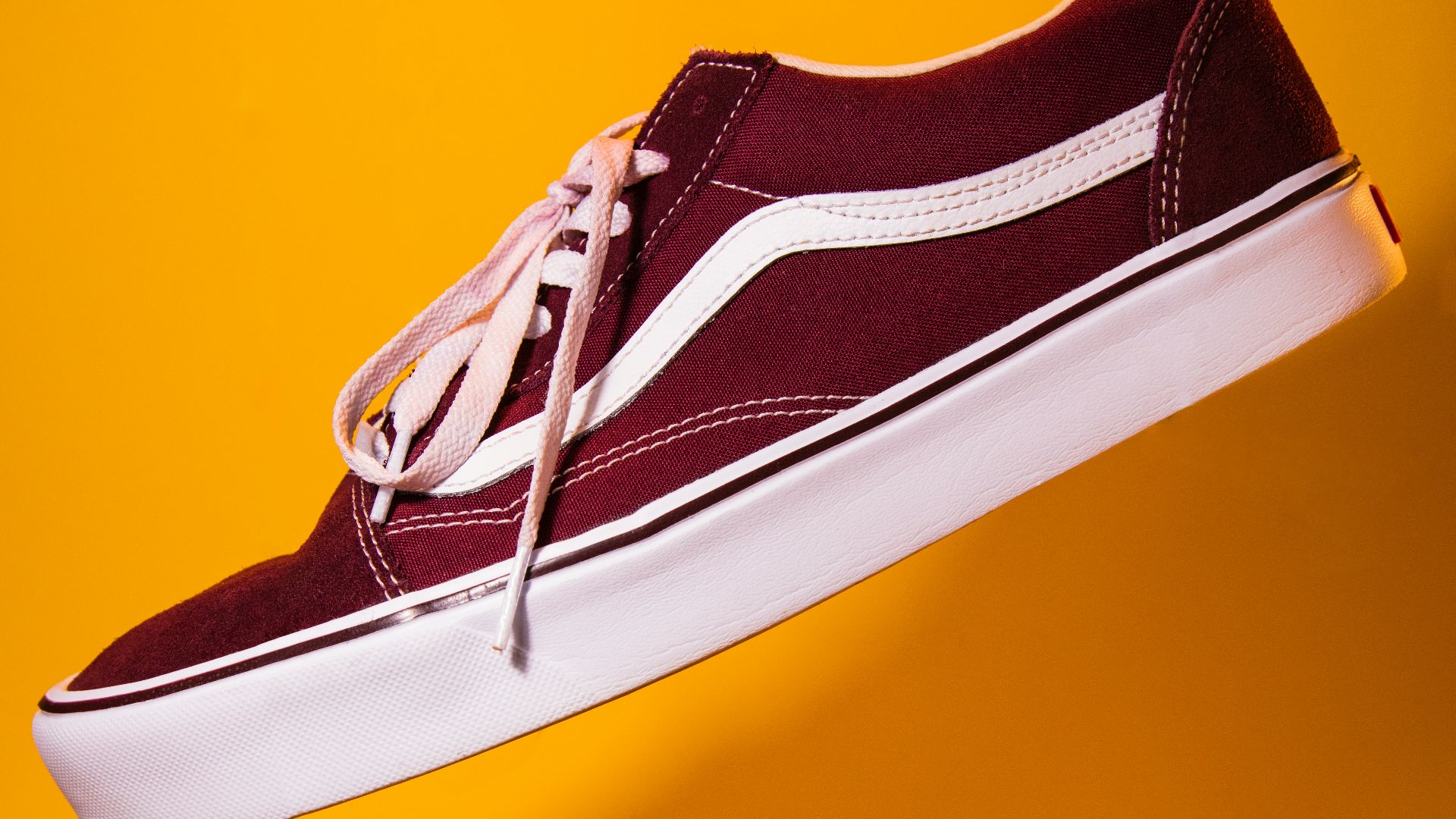
Ever look at a shoe online and then start seeing that same shoe on every website you browse? That’s called retargeting. They continue to show you that shoe until you give up and buy it.
20. Playing on Insecurities
Beauty and fitness companies are the masters of this trick. They let you know there’s a “problem” that you need to be fixed. “Lucky” for you, they have the solution. This tactic relies on the idea that you’ll spend money to regain a sense of confidence or perfection.