
20 Signs You’re Living A Lifestyle You Don’t Actually Want To Fund
When "Keeping Up" Starts Costing You Everything
Here's an uncomfortable truth: you can hit every financial obligation on time, month after month, and still be broke in every way that matters. You show up for the mortgage. You show up for the car payment. You show up for the streaming bundle, the gym membership, and the weekend plans everyone expects you to join. And somehow, at the end of it all, you're left with nothing that actually feels like yours. Money problems aren't always about not having enough. Sometimes they're about spending in ways that leave no room to breathe. If that sounds familiar, the issue probably isn't your income. It's the lifestyle you've built around it, and whether it still fits the person you're trying to become. Here are 20 signs that your spending has drifted away from your actual life and started funding someone else's version of it.
1. Your Paycheck Disappears
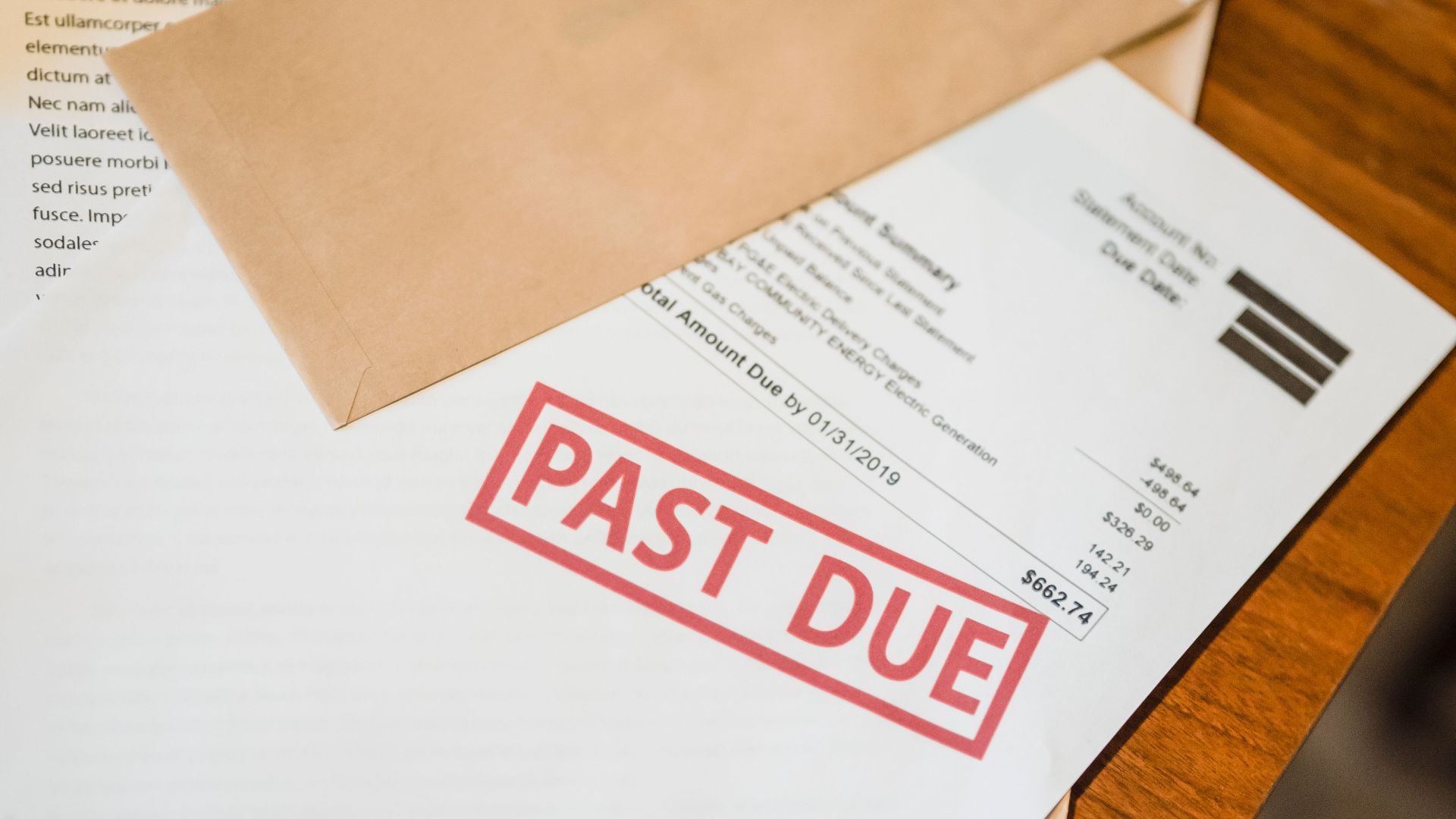
The direct deposit hits, and within days it's already spoken for. Rent, transportation, debt, subscriptions: they all take their cut before you get a real say. What's left over isn't enough to save, cushion an emergency, or say yes to something spontaneous with people you love.
2. Every Raise Vanishes
You'd think more income would mean more breathing room. Instead, each raise gets absorbed almost instantly: a bigger apartment, a newer car, a fancier trip, one more subscription you "deserve." A few months later, you're just as tight as before.

3. Your Credit Card Is Paying for Your Life
Swiping for convenience once in a while is normal. Swiping because your bank account can't survive the month is a different story entirely. When groceries, clothes, dinners, and regular plans all have to route through plastic, your day-to-day life is outpacing what you actually earn.
4. The Minimum Payment
It's just there every month, quiet and familiar, like a utility bill you stopped questioning long ago. But minimum payments are a trap dressed up as routine: they stretch out debt, balloon the interest, and let old purchases keep draining money you need right now.
5. You're Financing Things
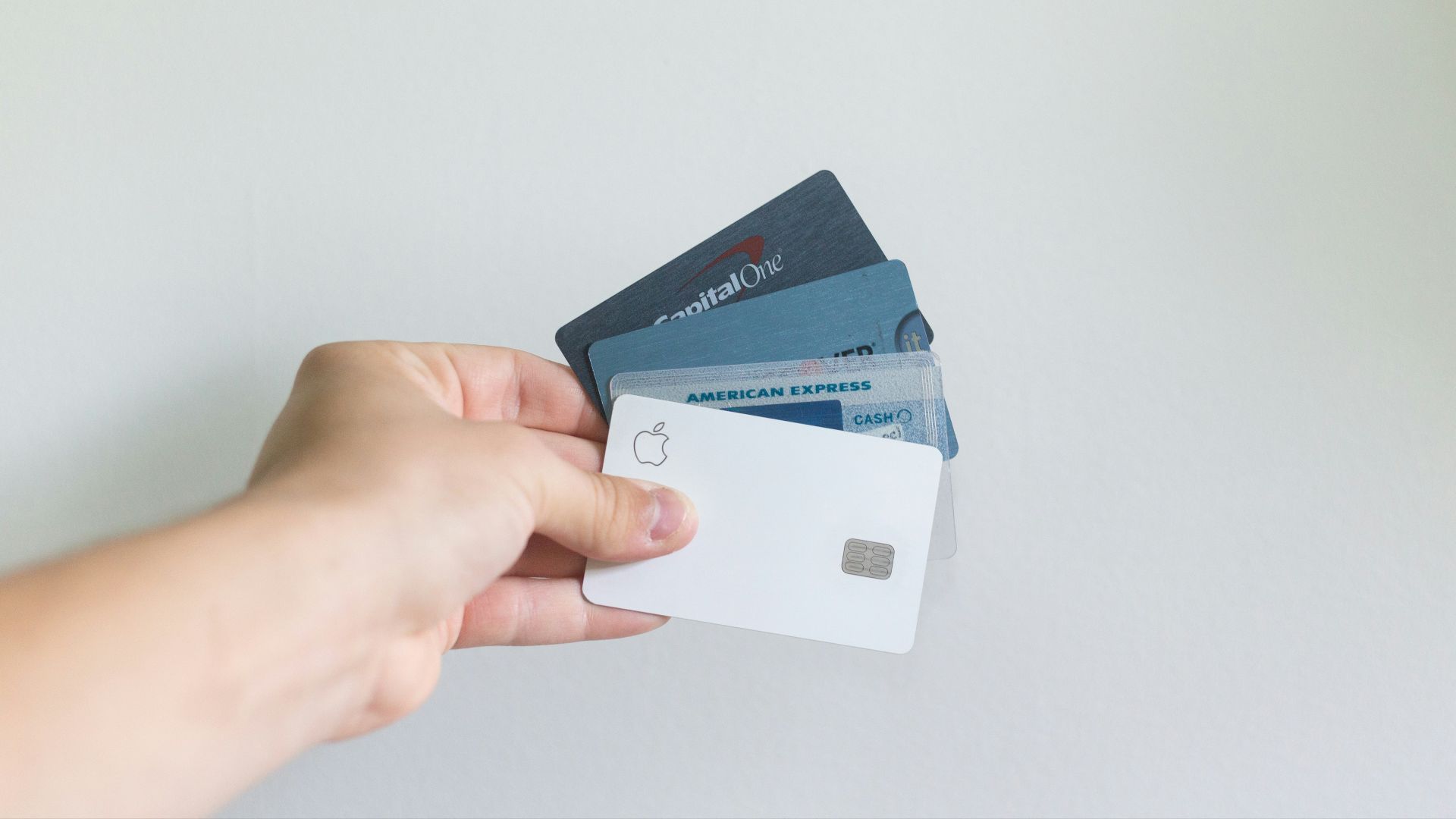
"Buy now, pay later" has made almost anything feel affordable at checkout. Used occasionally, it's harmless. Used constantly for clothes, skincare, gadgets, or nights out, it becomes a quiet stack of future obligations you've already signed up for without noticing how tall the pile has gotten.

6. One Surprise Bill Would Wreck You
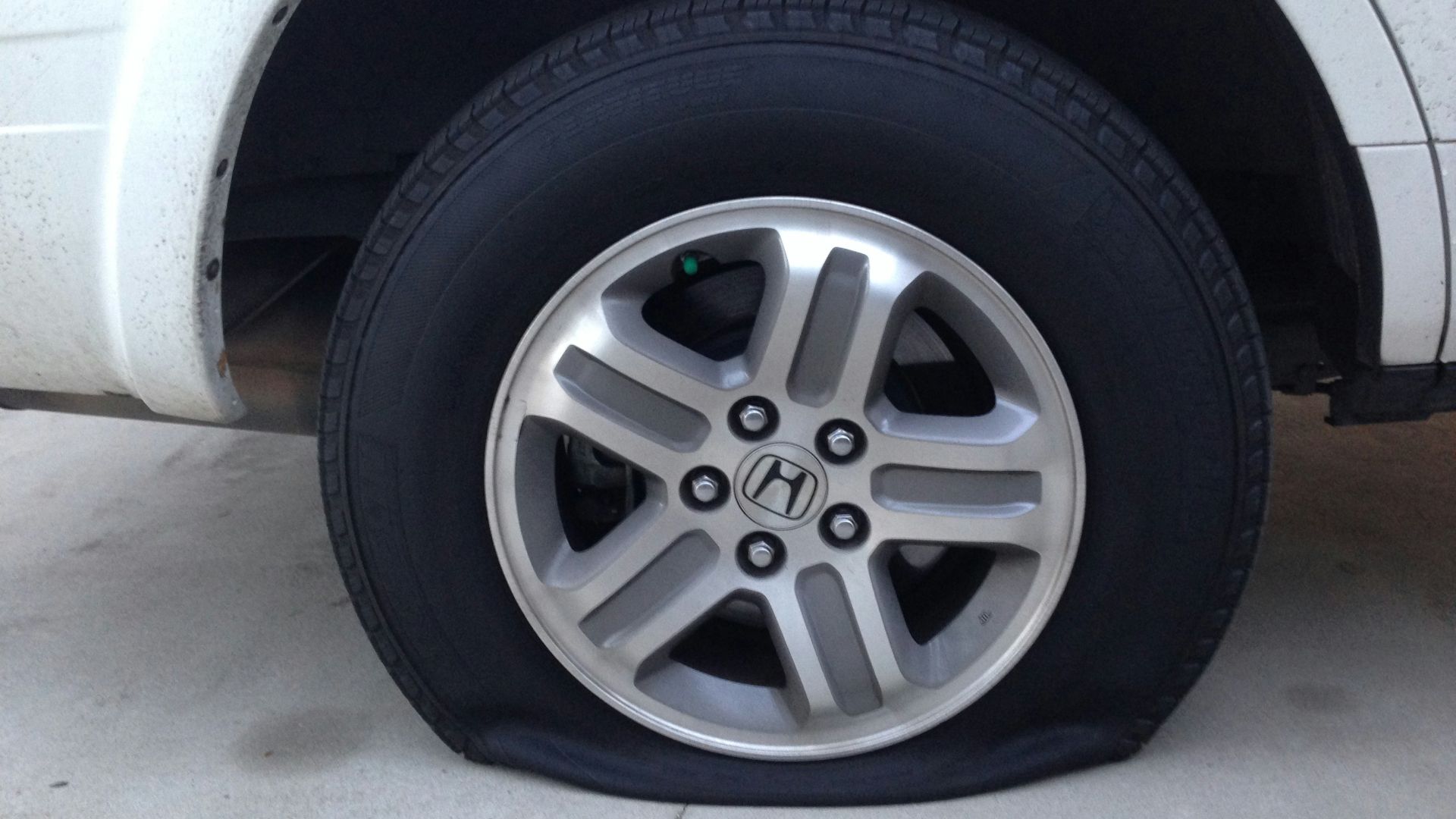
A flat tire. A cracked phone screen. An unexpected copay. If any single one of these could knock your finances sideways, force you to borrow, or make you miss another bill, your regular spending is leaving you dangerously exposed.
7. Your House Is Eating the Life You Wanted to Live
The house looks great. The location is right. But the payment swallows so much of your income that there's nothing left for the things that were supposed to happen inside it: travel, hobbies, savings, the freedom to change jobs if you wanted to. A beautiful home stops being a win when it's the only thing you can afford to enjoy.
 Frames For Your Heart on Unsplash
8. Your Car
The sticker price was never the real cost. Insurance, gas, repairs, and registration all pile on top of the loan. And stretching the loan term to shrink the monthly payment often means paying more interest overall, while owing more than the car is worth for years, which makes trading it in for something more reasonable nearly impossible.

9. You Postpone the Basics
The dentist appointment gets pushed. The worn-out shoes stay worn out. The leaky faucet waits. Meanwhile, the vacation and the premium purchases sail through untouched.
 Filip Rankovic Grobgaard on Unsplash
10. Retirement Savings
It's easy to pause future savings. The car payment feels urgent. The busy social calendar feels urgent. Retirement doesn't, until it suddenly does. Every time you shrink or skip that contribution to keep the current lifestyle afloat, you're borrowing from a version of yourself who won't be able to fix it later.

11. Predictable Expenses
Holiday gifts. Insurance premiums. Annual trips. Car maintenance. None of these are surprises, yet somehow they keep raiding your savings account like emergencies.

12. You Couldn't List Every Charge on Your Statement If Asked
An old app here, a forgotten free trial there, a streaming service you haven't opened in months. Individually, they're small. Together, they're a slow leak, quietly funding habits and memberships you're no longer actively choosing.

13. Someone Else's Purchase Becomes Your Shopping List
A friend renovates their kitchen. A coworker buys a new car. Someone online posts vacation photos, and suddenly your own life feels like it's missing something it wasn't missing ten minutes ago.

14. Canceled Plans Bring You Instant, Guilty Relief
The dinner gets called off, the trip falls through, and your first reaction is relief, not disappointment, because you won't have to spend the money. You still like the people. You just didn't actually want the price tag. That gap between obligation and desire is worth paying attention to.

15. You're Working Overtime
Extra shifts. A side hustle. A second job. All of it going toward a bigger home, fancier gear, or memberships collecting dust because you're too busy earning the money for them to ever enjoy them.
16. Your Belongings Have Turned Into a Second Job
The extra car needs insurance. The big yard needs upkeep. The overflowing closet needs more storage just to hold what's already there. Owning more usually means paying more, cleaning more, and managing more. When your possessions generate a steady stream of bills and hassle without giving much back, they've stopped being assets.

17. You Hide Purchases From Your Partner
You delete the receipt. You round the price down when it comes up in conversation. You use a card they don't check. You quietly avoid mentioning new debt because you already know how they'll react. Secrecy around money doesn't just risk trust; it's usually a sign the purchase never fits the life you're supposedly building together in the first place.
 Christina Radevich on Unsplash
18. Everything Feels Essential, So Nothing Is
Takeout, premium subscriptions, regular treatments, little traditions: they've all been around so long they feel nonnegotiable. But when everything is "essential," there's nothing left to trim without it feeling like deprivation. Taking a hard look doesn't mean giving up comfort. It means finally deciding which comforts have actually earned a permanent seat in your budget.
 Ambitious Studio* | Rick Barrett on Unsplash
19. Your Spending and Your Priorities Are Telling Two Different Stories
You say you want more time with your family, but your bills demand constant overtime. You say you want to travel or switch careers, but your income keeps disappearing into possessions and routines that have nothing to do with either goal. Money has a way of protecting old priorities long after your real ones have moved on.

20. The Idea of Downsizing Feels Like Relief
A smaller place. A cheaper car. Fewer subscriptions. A quieter calendar. If picturing that stripped-down version of your life brings a wave of relief instead of dread, pay attention. That reaction is often the clearest signal you'll get that a simpler setup would hand you back more time, more flexibility, and a lot more control over your own money.