Retirement Goes Better When You Plan for More Than Just the Paycheck
Retirement sounds simple when people describe it in broad, cheerful terms, but in real life, it's one of the biggest transitions you will ever make. It affects your money, your routine, your identity, your relationships, and the way your days actually feel once the novelty wears off. A good retirement plan is not only about leaving work, but about knowing what kind of life you're stepping into next. That's why it helps to ask yourself some honest questions before you make the leap. Here are 20 questions to help you decide if it's the right time.

1. Can I truly afford to retire right now?
This is the big, obvious one, but it's not always the easiest to answer. You need to know whether your savings, income sources, debts, and expected expenses actually support the life you want to live. A common benchmark is to aim for 70 percent to 80 percent of your pre-retirement income annually, but there are several factors affecting this, including your lifestyle and age.

2. What will my monthly budget really look like?
A lot of people picture retirement expenses in a very vague way, which is how surprises end up running the show. It helps to think through housing, food, travel, insurance, hobbies, gifts, emergencies, and the little everyday costs that don't stop just because work did. The more realistic your numbers are, the calmer you'll feel later.

3. When should I claim Social Security?
Timing can make a meaningful difference here, so it's worth thinking carefully rather than just picking the first available date. Delaying it can give you more benefits, but you need to consider your health, your other income, your spouse, if you have one, and how long you realistically expect the money to last.

4. How will I handle health insurance before Medicare or alongside it?
Medical coverage is easily one of the least glamorous parts of retirement planning, which is probably why people sometimes avoid looking at it closely enough. Even if you're healthy now, you still need a clear plan for premiums, prescriptions, doctors, and the gaps that can catch people off guard. This isn't something you want to figure out after you've already left your job or after a major medical emergency.

5. What kind of lifestyle do I actually want?
Retirement isn't one-size-fits-all, and that matters more than people think. Some people want quiet mornings, local routines, and a slower pace, while others want travel, projects, volunteering, or part-time work. You don't need a perfect five-year vision, but you do need some idea of what you're hoping retirement will feel like.

6. Am I retiring from something or moving toward something?
There is a real difference between escaping a job and building a new chapter. If retirement is only about getting away from stress, you may feel relief at first,t but drift later once the freedom becomes ordinary. It helps to know what you're saying yes to, not just what you're finally leaving behind.

7. How much structure do I need in my days?
Some people thrive with total freedom, and some unravel by the second Tuesday. Work gives you a built-in schedule, a reason to get moving, and a shape to the week that disappears once you retire. If you know you function better with rhythm, it's wise to think about how you'll create that for yourself.

8. Who am I without my job title?
Many people get a sense of identity from their work, and without it, can feel empty or confused. If you're someone who feels very tied to your job title, retirement may bring more emotional adjustment than you expect. You do not need to panic about that, but it helps to notice it before the farewell cake is gone.
9. Will my partner & I enjoy this new phase in the same way?
Retirement changes the household, not just the individual. If you live with a spouse or partner, your routines, expectations, and amount of togetherness may shift pretty quickly. It's much better to talk now about space, travel, chores, money, and alone time than to discover six months later that you had completely different pictures of the future.
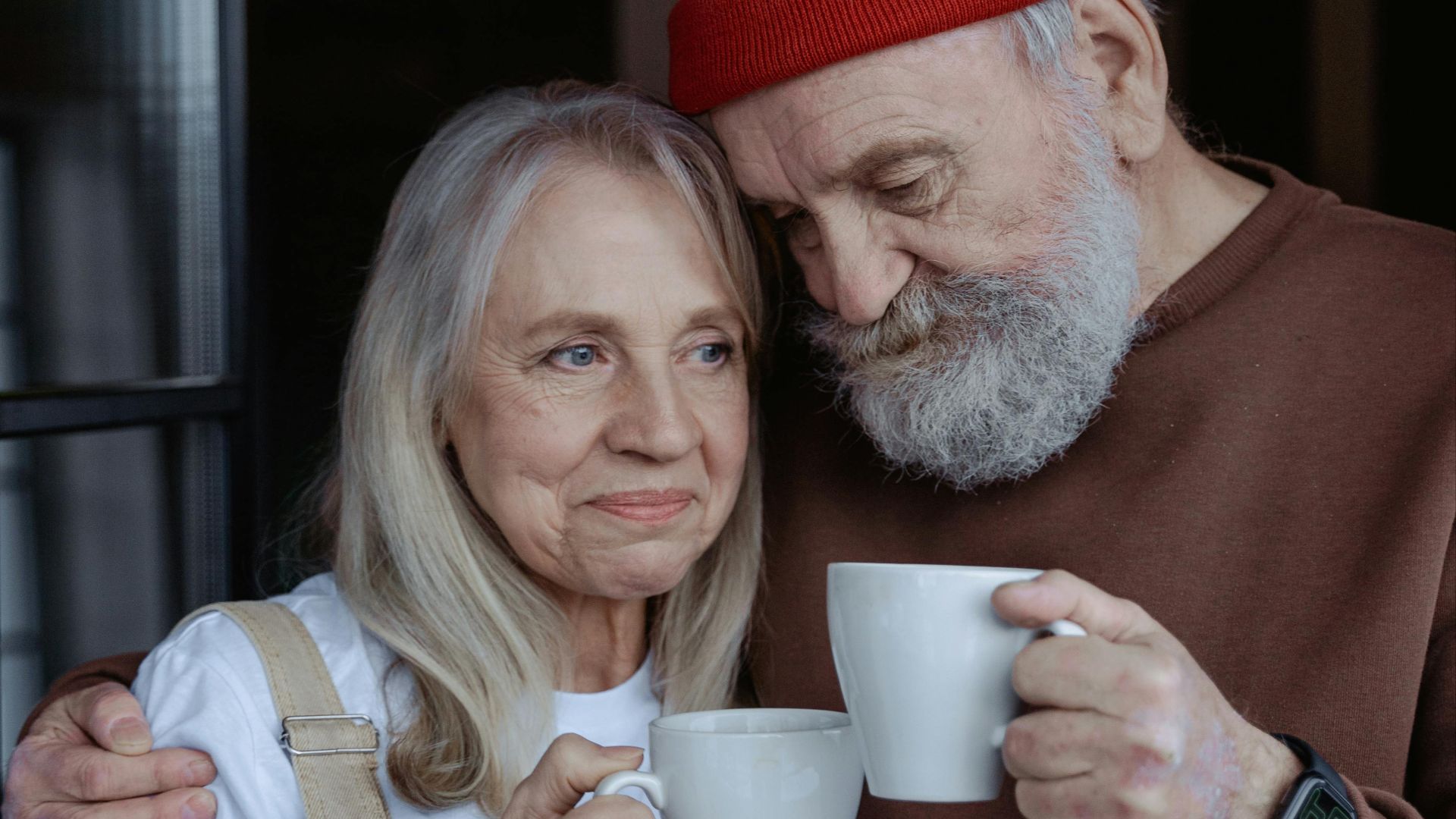
10. What will I do with my time after the honeymoon phase ends?
The first stretch of retirement can feel great simply because it's new. Sleeping later, skipping commutes, and doing less for a while can be deeply satisfying, but eventually normal life settles back in. At that point, it helps to have interests, projects, or commitments that make your days feel meaningful.

11. Do I want to work in some form, even a little?
Retirement doesn't always have to mean never earning money again. Some people feel happier with part-time work, consulting, seasonal jobs, or occasional freelance projects that keep them engaged without recreating full-time stress. It's worth asking whether you truly want to stop working entirely or just want a version of work that fits your life better.
 ANTONI SHKRABA production on Pexels
12. How will I stay socially connected?
Work gives a lot of people more social contact than they realize until it disappears. If you retire without a plan for friendship, community, or regular interaction, your world can get smaller faster than expected. You don't need a packed social calendar, but you do want some real connection built into your life.

13. What hobbies or interests am I actually ready to invest in?
It's easy to say you'll golf, garden, paint, read, or travel more, but it helps to get more specific than that. Which activities genuinely energize you, and which ones just sound like the sort of thing retired people are supposed to say? Retirement usually feels richer when it's filled with things you truly enjoy, not just things that look respectable on paper.

14. Am I prepared for the emotional side of slowing down?
Leaving work can bring relief, but it can also stir up grief, uncertainty, or a strange feeling of invisibility. Even people who are ready to retire sometimes miss the status, competence, and daily usefulness that work used to provide. You don't have to treat that as failure, though it's smart to expect that the adjustment may be more layered than you first imagine.

15. What debts do I still need to deal with?
Retirement feels a lot lighter when fewer bills are chasing you around. It's worth taking an honest look at mortgages, credit cards, car payments, or any other recurring obligations that could tighten your flexibility later. You don't need a perfectly debt-free life to retire, but you do want to know exactly what you're carrying.

16. Is my home still the right fit for the years ahead?
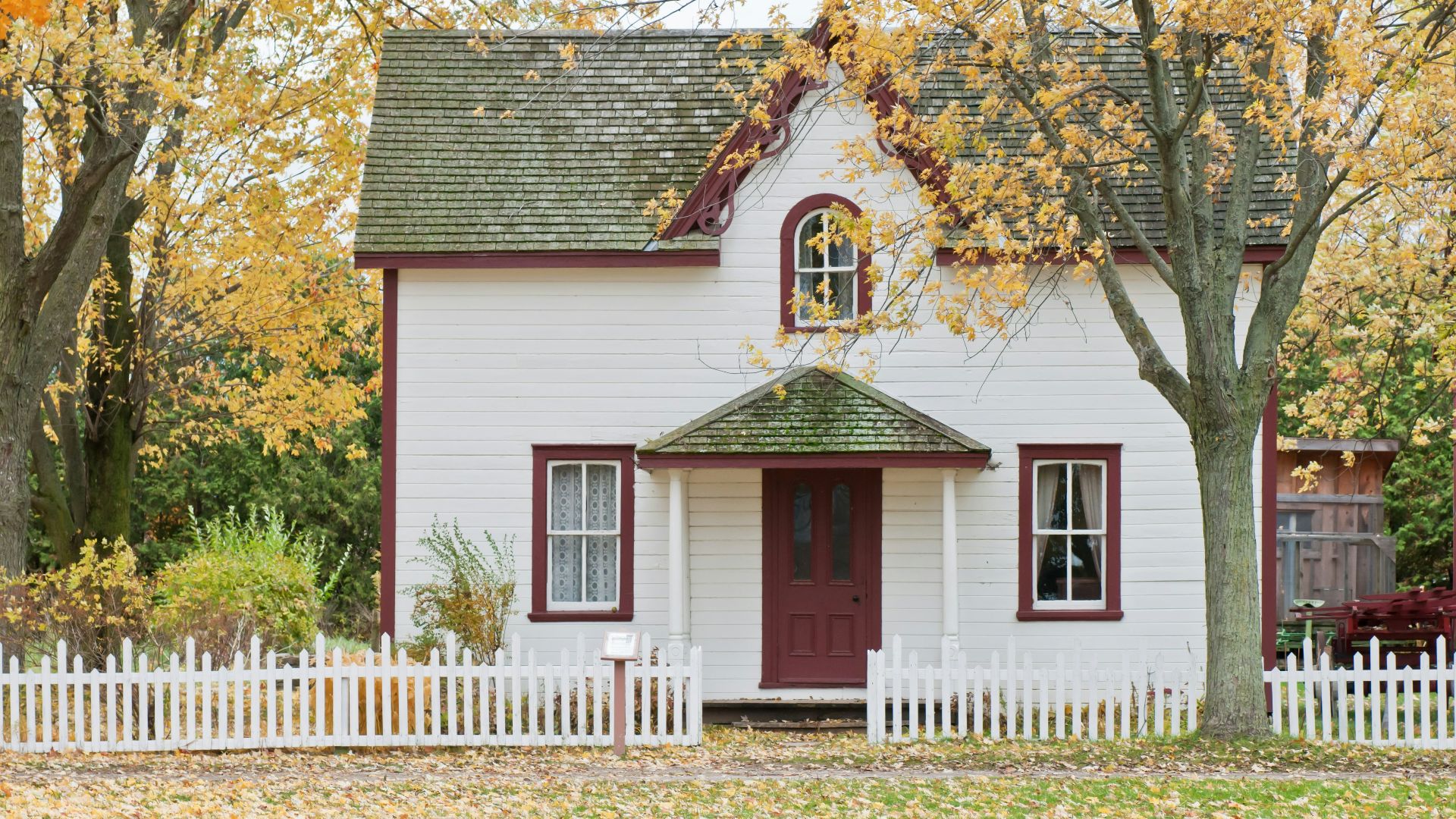
A house that worked beautifully during your working years may not be the best setup for retirement. You may want less maintenance, a different location, fewer stairs, more walkability, or simply lower costs. This is one of those questions that touches money, comfort, and lifestyle all at once.
17. How do I want my health & energy to support the next chapter?
Retirement planning isn't only about bank accounts. Your energy, mobility, sleep, stress, and everyday habits will shape how much you can actually enjoy the freedom you are building toward. Asking yourself how you want to care for your body now can make the next stage feel more open and less limited.

18. What kind of support system will I have if life gets harder?
Retirement can be wonderful, but it doesn't place you outside the normal realities of illness, caregiving, loss, or unexpected change. It helps to think about who you can lean on, who may lean on you, and what kind of practical support you would want in harder seasons. This isn't pessimism; it's simply part of planning like a grown-up.

19. What legacy or contribution still matters to me?
A lot of people discover that they still want to matter in ways that go beyond leisure. That could mean mentoring, volunteering, helping family, sharing skills, creating something, or staying engaged in a cause you care about. Retirement often feels better when it includes not just comfort, but purpose.

20. If I retire now, will I feel ready or just relieved?
This may be the most honest question of the bunch. Relief can be part of readiness, but it's not always the same thing, and knowing the difference can save you from rushing into a change you're not emotionally prepared to handle. If your answer is a mix of both, that's perfectly normal, but it's worth sitting with it long enough to understand what your gut is really telling you.