

A Little Organization Goes a Long Way
Nobody wants to spend a weekend rustling through paperwork, and it’s even less exciting when those documents represent your last will, funeral arrangements, or health insurance. But once you reach your 60s, having those things handy becomes increasingly important. You don't need a personal assistant to get everything in order, either—just a little know-how and a bit of inside info on what’s actually worth it.

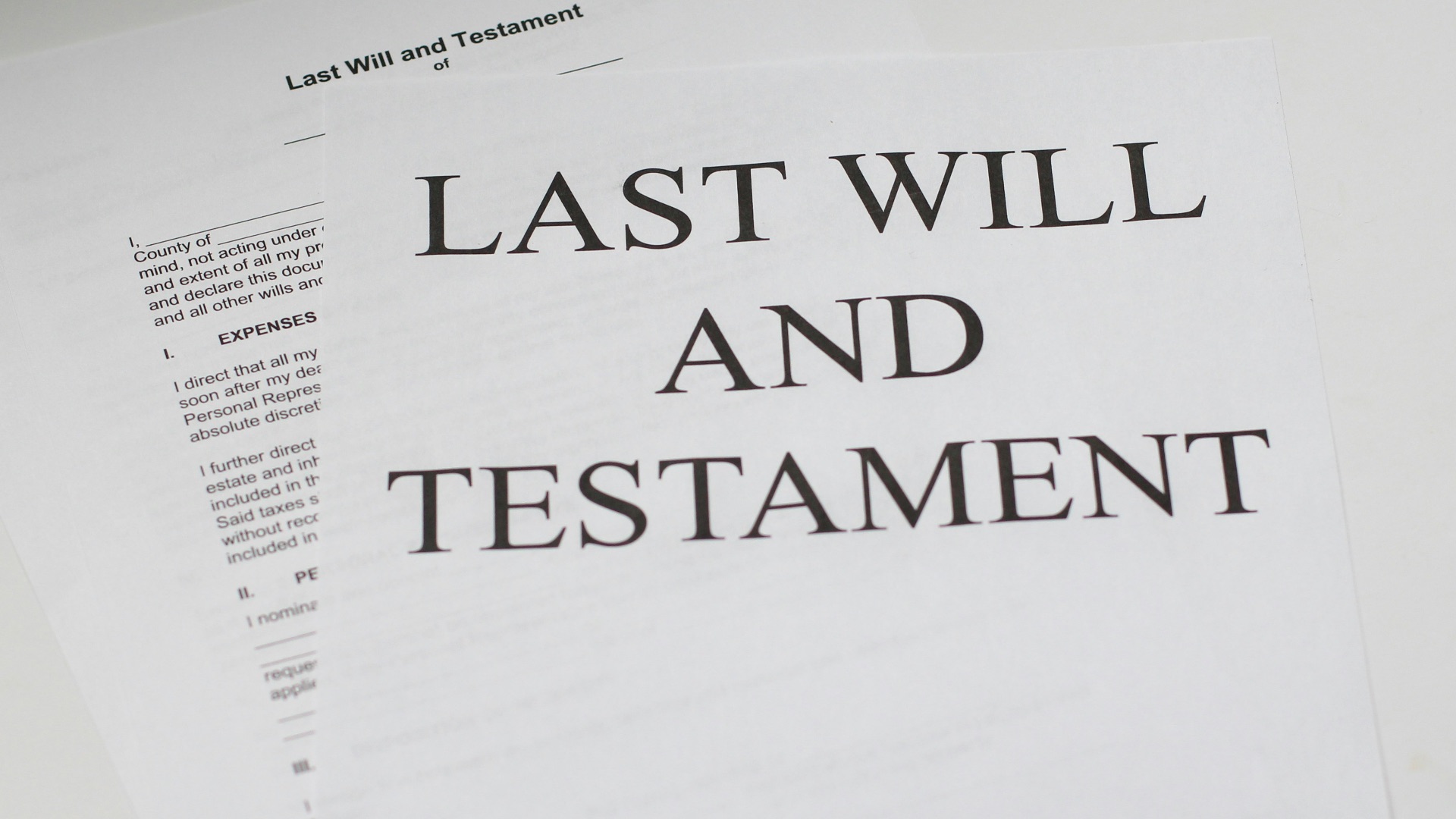
1. Your Last Will
A will explains everything someone should know after you pass. We’re talking all the important stuff, too, like what should happen to your property and belongings, making it one of the most important legal documents you can have. It’s not great if you’re caught without one; state inheritance laws may determine who receives everything, regardless of what you've told your children or grandchildren.
2. Your Birth Certificate
On the complete opposite end of the spectrum, birth certificates hold just as much importance! Now, you probably haven't needed yours much, but that’s no excuse to forget it. You may need certified copies when applying for certain government benefits, replacing identification, or establishing your identity for official purposes.
3. Your Social Security Card
Your Social Security number follows you throughout your working life and into retirement, so it's worth knowing where the original is. Although you won't need to produce it for every benefits application, bear in mind that some employment and administrative situations still require it. It’s also safer to keep it somewhere in your home than to carry it in your wallet all the time.

4. Your Marriage Certificate
Being married for 40 years doesn't mean every government office will just take your word that you tied the knot. An official certificate is often needed for all sorts of things, like applying for spousal benefits, settling an estate, or updating certain legal records. While we’re on the subject, those who have been married more than once should also retain relevant divorce decrees.
 Fotógrafo Samuel Cruz on Unsplash
5. Your Financial Power of Attorney
What would happen if you became unable to manage your bank accounts or pay your mortgage? With a financial power of attorney, no one needs to worry about that—including you. It allows someone you've chosen to handle specified financial matters on your behalf, according to the authority granted in the document. Requirements vary by state, though, so it's worth having it properly prepared.
 Tingey Injury Law Firm on Unsplash
6. Your Advance Healthcare Directive
Whether we want to think about it or not, there may come a time when you're unable to explain your medical preferences directly to a doctor. Luckily, an advance healthcare directive can record your wishes. Having all that written down also prevents loved ones from making tough choices you wouldn’t have wanted them to make.
7. Your Healthcare Power of Attorney
Choosing who makes medical decisions for you deserves a lot more thought than just assuming your oldest child will take over. A healthcare power of attorney actually names someone to act on your behalf when you can’t make decisions yourself, subject to your state's rules. Just make sure the person you've chosen understands what all that entails.
8. Your Complete Medication List
We don’t want to admit it, but there comes a time when we have too many prescriptions to keep up with. That’s exactly why you should prepare an updated medication list! The best documents have everything: names, dosages, schedules, allergies, and any OTC supplements you're taking.

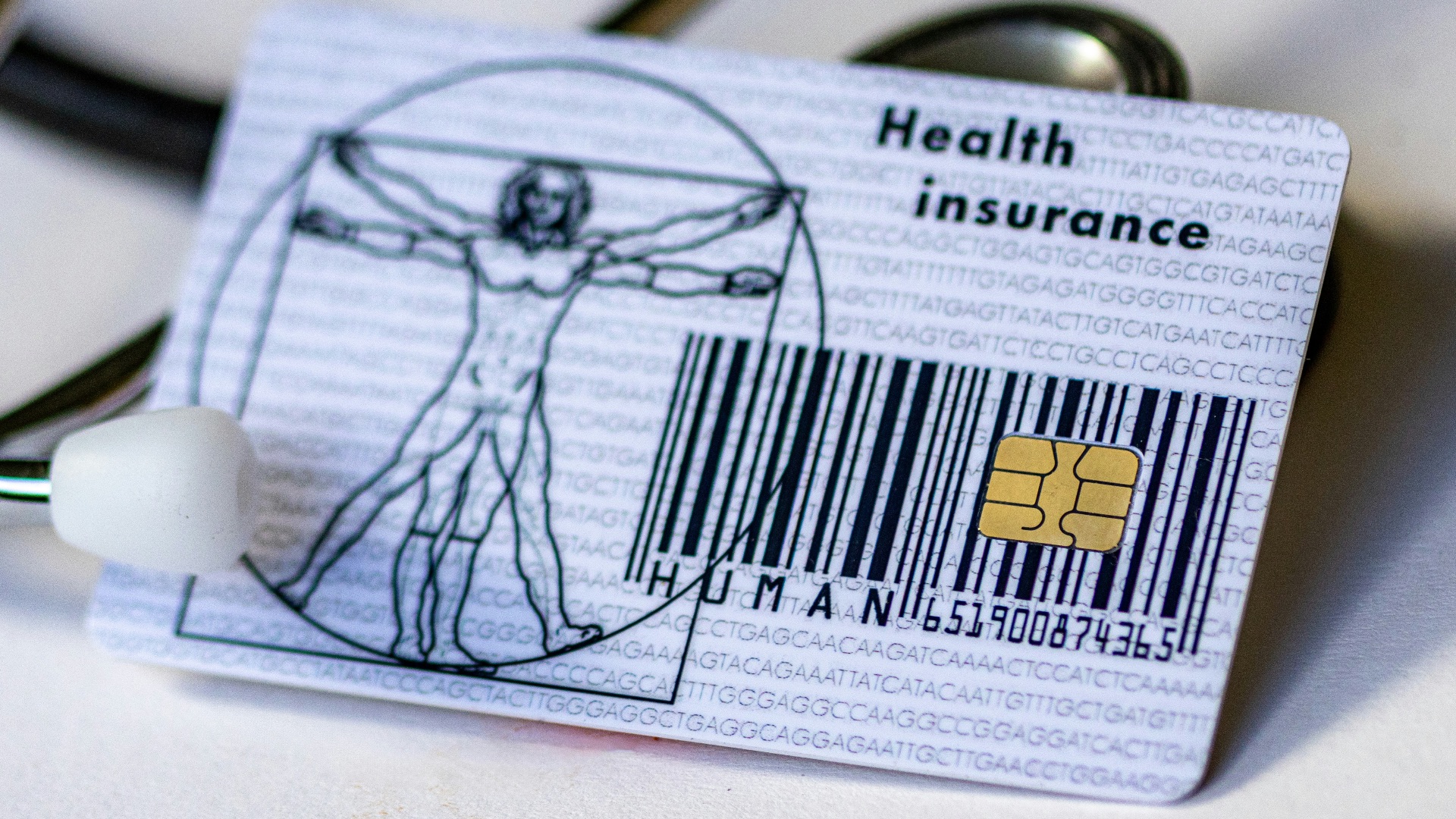
9. Your Health Insurance Documents
Few things are more frustrating than getting caught without the documents you need for medical coverage. It’s crucial to keep your current Medicare card, supplemental insurance details, prescription drug plan information, and any relevant private insurance documents organized. It's also useful to retain recent coverage notices explaining deductibles, copayments, and changes to your benefits.
10. Your Life Insurance Policies
Life insurance paperwork deserves a permanent place in your important documents—not to be buried under old receipts. It’s not even just for your sake! Family members may need the policy number, insurer's contact information, and claim instructions to request benefits after your death, too.

11. Your Property Deed
Owning your home doesn't necessarily mean you remember exactly how the property’s titled. But do you know what does? Your deed! It identifies ownership and can help clarify whether the house belongs to you individually or jointly with someone else.

12. Your Retirement Account Statements
After decades of working, it's weirdly easy to lose track of a 401(k) from an employer you left years ago. But you need that stuff! Do yourself a favor and keep recent statements from your IRAs, 401(k)s, pension plans, and other retirement accounts, along with their administrators' contact information. This also gives you an opportunity to check whether your listed beneficiaries still reflect your wishes.

13. Your Social Security Benefit Statement
Now that we know the card is important, let’s not forget about the documents attached to it. Knowing approximately how much Social Security you're receiving is different from having the official information available. Your benefit verification letter also does a lot of legwork when applying for housing, loans, or certain assistance programs.

14. Your Recent Tax Returns
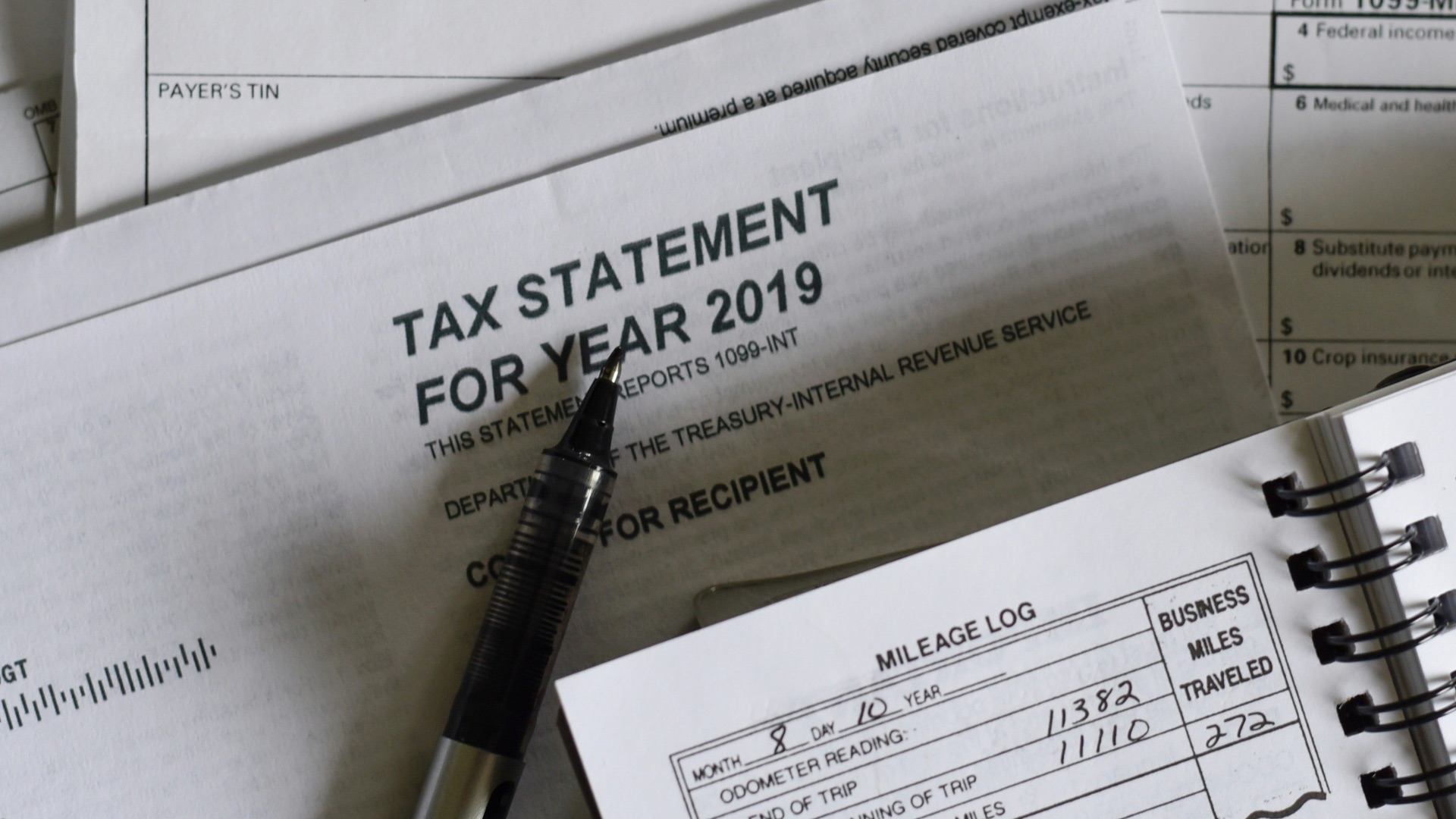
People would rather taxes be a one-and-done situation, but that’s far from the case. If anything, the IRS itself suggests you hold onto all that stuff for at least three years, sometimes longer. Not to mention, you may need previous tax returns for financial applications or an unexpected IRS notice. Keep copies of recent federal and state returns, including supporting documents such as Form 1099-R for retirement distributions.
15. Your Bank Account Information
Trying to reconstruct someone's finances during a medical emergency is a headache for everyone involved. That’s why maintaining a secure record identifying your checking accounts, savings accounts, certificates of deposit, and the financial institutions holding them. There's no need to leave sensitive account information lying around, either; a trusted person can know how to locate it.

16. Your Long-Term Care Insurance Policy
If you purchased long-term care insurance years ago, now's a good time to review what you actually bought. There could be a lot of jargon, but your policy may explain eligibility requirements, benefit limits, waiting periods, and whether services such as assisted living or in-home care are covered. Knowing those details can also make discussions about future care far more productive.

17. Your Vehicle Title
That car you've been driving for the past decade? It comes with paperwork! A vehicle title does a lot more than just prove you own a car, too. It establishes legal ownership and is commonly needed when selling, transferring, or handling a vehicle through an estate. Keep the original somewhere secure, especially if the loan has been paid off and the lien has been released.

18. Your Funeral Arrangements
The last thing your family needs is to squabble about arrangements. If you've purchased a burial plot, prepaid for funeral services, or made arrangements with a funeral home, retain the contracts and payment records. You should also have a separate document describing your preferences so loved ones can understand which arrangements have already been made.
 The Good Funeral Guide on Unsplash
19. Your Military Discharge Papers
For veterans, military discharge documents can be essential when accessing benefits earned through years of service. The DD Form 214 is commonly used to verify service when applying for certain VA benefits, burial benefits, and other veterans' programs. If you can't find yours, don’t worry—request a replacement through the National Archives.

20. Your Emergency Contact Information
Sometimes the most useful document isn't an official certificate but a single page with the right names and phone numbers. Make no mistake: your emergency contact information is some of the most important stuff to have on hand. Write down your contacts, primary physician, attorney, accountant, financial advisor, and any other professionals who handle important matters for you.