
Don't Botch Your Chances
Job interviews can be stressful and repetitive, especially when you’ve done 50 of them in the last few months. When you’re in the middle of answering the same questions, it can feel like you’re just another face in the crowd, but there are actually a few ways you can stand out from the crowd. Come with us as we reveal a few tricks that not only help you lock in a good interview but also make the process a lot less stressful!
 The Jopwell Collection on Unsplash
1. Going in Unprepared
Heading to your interview without any knowledge of the company will always backfire. One of the first questions interviewers often ask is whether you’ve heard of them or what you know about them, so do your research beforehand. Additionally, make sure you have questions and answers prepared.

2. Blunt Intentions
Even if you just need a temp job or a little spending money—don’t say that to the interviewer. Forget about a callback interview if you’re that honest about your intentions. Instead, focus on what you’ll look forward to about the job, whether that’s talking to new people or being part of a team.
 Christina @ wocintechchat.com on Unsplash
3. Not Asking Questions
Questions about the job or the position show a genuine interest in both, so have a couple prepared. Outside of things like salary or expectations, get creative and ask things like, “What does success look like here?” or “What is the culture like here?” The more unique your questions, the better chance you have of getting remembered.
4. Showing Up Late
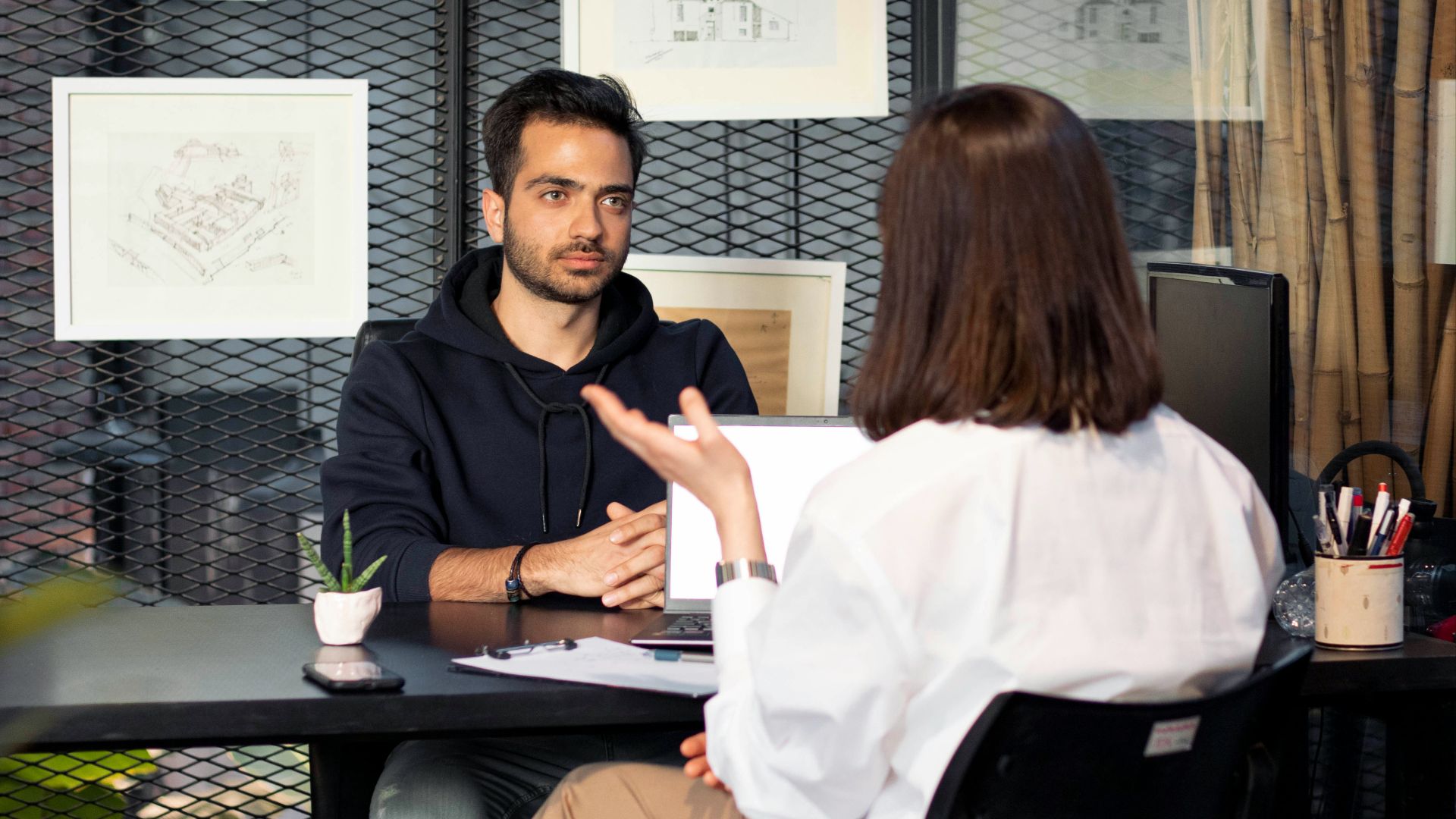
Never show up late to an interview! Leave early to account for any last-minute hiccups like public transit woes, traffic, or car troubles. Showing up late, regardless of reason, looks like you didn’t care enough to make it on time, and if you can’t even show up for a few questions, what will it look like if they hire you?

5. Unprofessional Attire
Job interviews require more than a tee and sweatpants. While you don’t need to arrive in a tuxedo, be sure to dress the part with professional attire—a classy pencil skirt or pantsuit goes a long way over your favorite hoodie.

6. Rambling
Try your best to answer questions efficiently and honestly. Interviewers are put off by long-winded answers that go nowhere or share irrelevant information about your life. Remember: you’re in an interview, not chatting with a friend over coffee.

7. Bad Mouthing Employers
As bad as your last boss was, keep their name out of the interview. The current hiring manager won’t take kindly to complaints about every one of your previous jobs, and they’ll be even less impressed if you speak poorly about previous employers.
8. Curt Answers
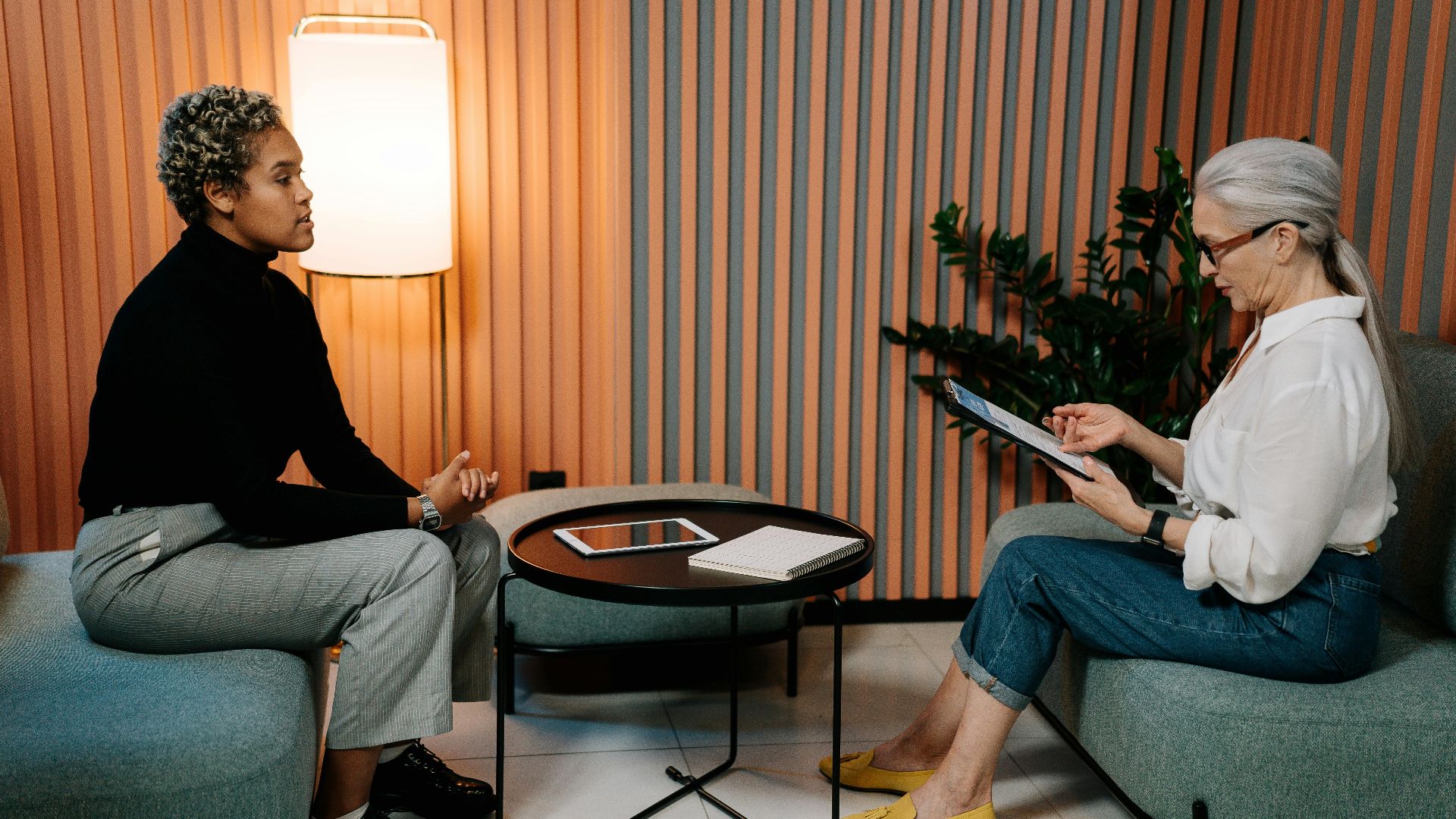
You want your answers to be efficient, not curt. If an employer asks about previous job experience, don’t say something like, “It’s on my resume.” They’re asking because they want to learn more about you, outside of what you wrote. Curt answers come off as cold or disinterested.
 The Jopwell Collection on Unsplash
9. Cursing
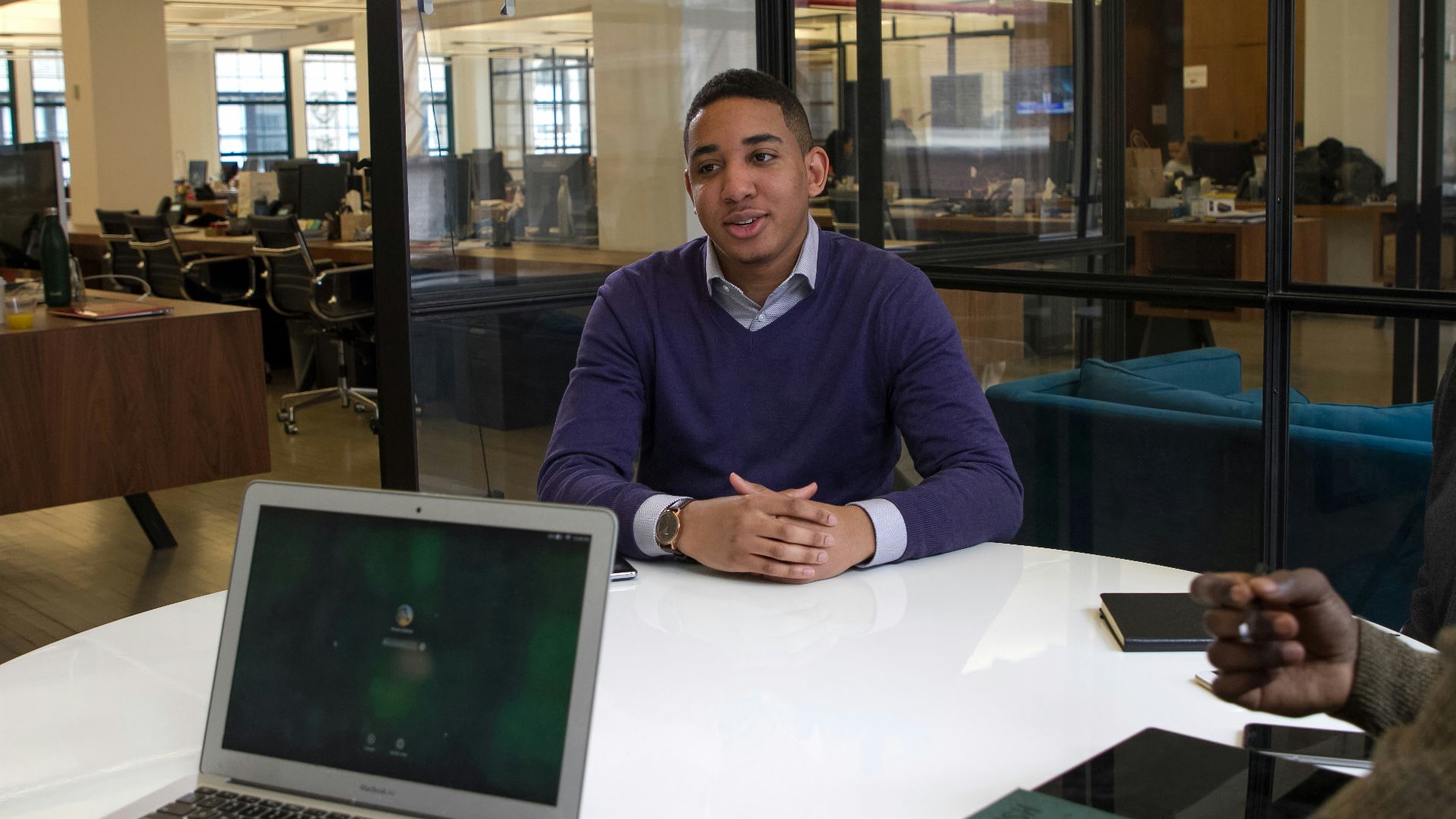
Believe it or not, people curse more often than you think during interviews. It doesn’t have to be a straight up curse word either—even something simpler is incredibly unprofessional and should be avoided in a job interview.
 Christina @ wocintechchat.com on Unsplash
10. Memorizing a Script
Prepare answers, yes, but don’t memorize a script. A big part of the interview process is getting to know who you are, and your personality doesn’t shine through when you memorize answers. Repeating a script can also backfire because there’s no way to fully prepare for an interview!

Now that we’ve gone through some of the no-nos, let’s dive into some better interview behavior.
1. Balance Yourself
When an interviewer asks what your greatest weaknesses are, counterbalance them with your positives. Don’t just say, “I’m inexperienced”; follow it up with a positive like, “...but I’m also willing to learn and take direction well.” If you sell yourself short at every turn, the interviewer won’t give you a chance, either.
 Christina @ wocintechchat.com on Unsplash
2. Confidence
It’s a fine line between confidence and cockiness, and learning how to toe it puts you above the rest. While you don’t want to sound arrogant in your interview, there’s nothing wrong with selling your skillset—you want them to know why you’re the best candidate, after all.

3. Do Your Research
Regardless of how many interviews you’ve been on, look into the company beforehand. Search LinkedIn to see who will interview you. Prepare thorough questions to show your interest. Going in prepared can be the difference between you and another candidate, and it shows you cared enough to scope out the place.

4. Ask the Right Questions
There’s nothing wrong with asking about salary and working conditions—but standout questions can set you apart from the rest. Inquire about what a typical day looks like or how the company has changed in the last few years.

5. Mention Their Values
Company websites often describe ideal values on their “About Us” page, which is a good place for information. If they value loyalty, work that into an answer of yours. If they highlight hard work, remind them that you’re willing to do what it takes for a role.

6. Be Yourself
Preparing answers is all well and good, but you want to be yourself first and foremost. Don’t go in there with a script or an idea of who you think the company wants. It can get awkward for both of you if there’s no ebb and flow to the conversation—not to mention, this is their first impression of you, so you want it to be authentic.

7. Practice a Good Intro
Whether that’s through a handshake or a proper greeting, practice how you’ll introduce yourself. The first question interviewers often ask is for more information about yourself, so rehearse what you’ll say, too. Your intro is basically a sales pitch, so make it succinct.

8. Bring Your Resume
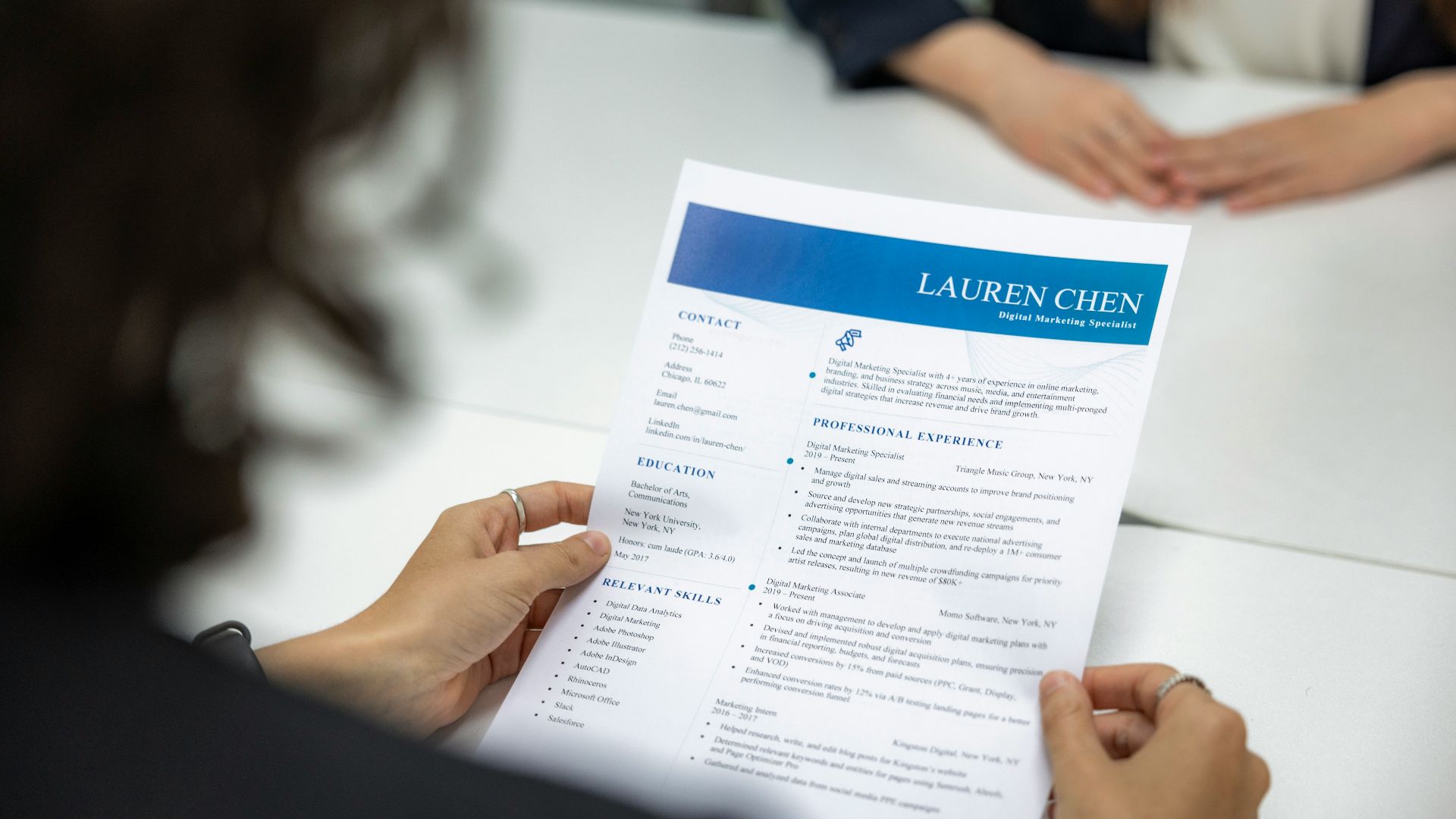
We know it seems a little redundant, but show up with more than one copy of your resume. It shows that you’re prepared, you can follow along with their questions, and sometimes interviewers forget their copy! Better safe than sorry.
9. Eye Contact
Eye contact is a simple but efficient way to show you’re confident. Try not to fidget or stare at your shoes when they ask a question; shy behavior is usually a deterrent in interviews. The most important thing is that you’re sure of yourself, and making eye contact shows you aren’t afraid to take up space.

10. Send a Thank You Email
After all is said and done, send a thank you email to the interviewer. A quick, “thank you for your time” is all you need to stand out among other candidates, and it helps hiring managers remember you. It’s also just good manners!
 Ruan Richard Rodrigues on Unsplash